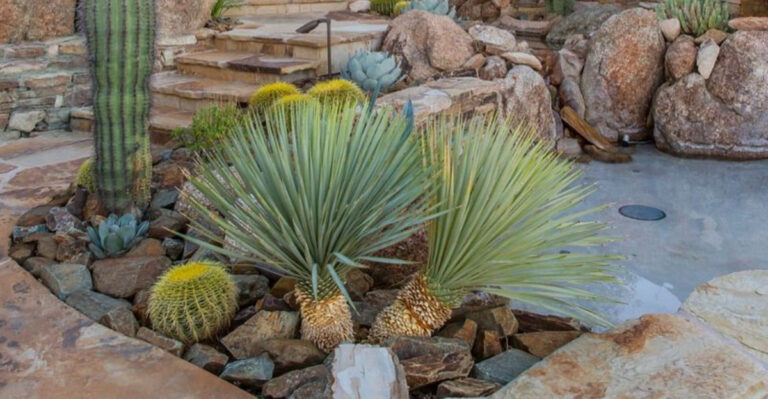
How Nevada Homeowners Keep Invasive Tumbleweeds From Coming Back
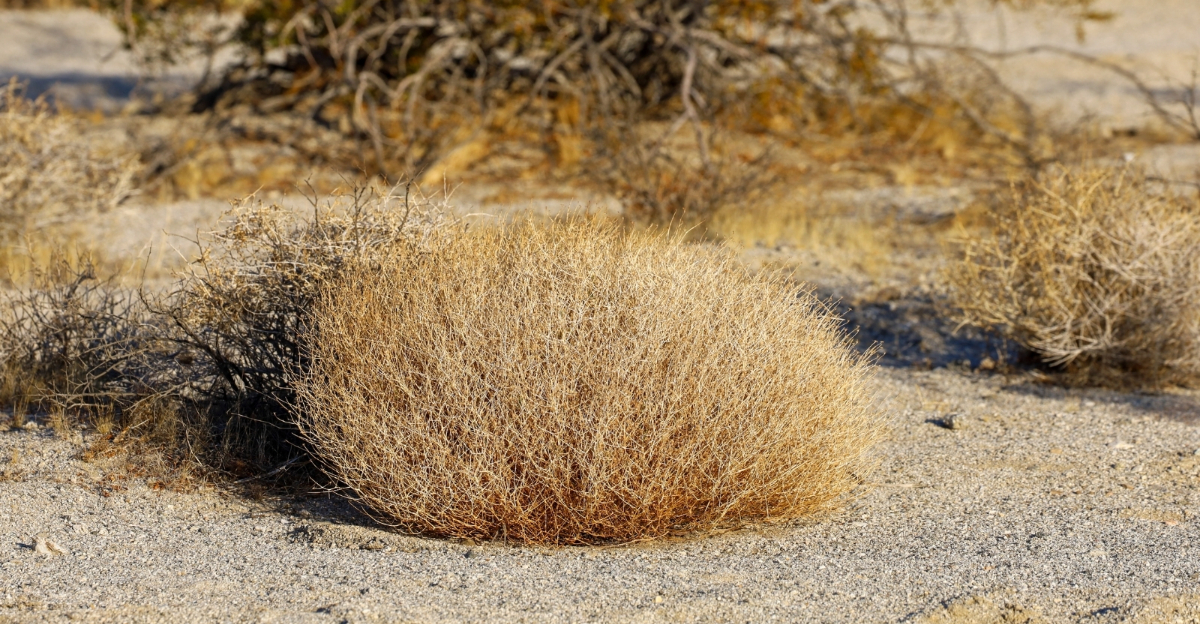
Nevada homeowners know tumbleweeds are more than just an eyesore once they start rolling back into yards and fence lines.
What begins as a few dry plants can quickly turn into piles that trap debris, block walkways, and create real frustration.
Wind, dry soil, and open space give tumbleweeds the perfect conditions to return year after year.
Many people remove them once, only to be surprised when new ones show up not long after.
The reason is simple: tumbleweeds spread seeds aggressively, and Nevada’s climate helps those seeds travel far.
Keeping them from coming back takes more than cleanup alone. It requires changing the conditions that allow them to take hold in the first place.
Ground cover, soil stability, and regular monitoring all play a role in long-term control.
Nevada homeowners who stay ahead of regrowth tend to focus on prevention rather than repeated removal.
With the right approach, tumbleweeds stop being a constant battle and become a manageable part of desert landscaping.
1. Closing Off Bare Soil Where Tumbleweeds First Take Root
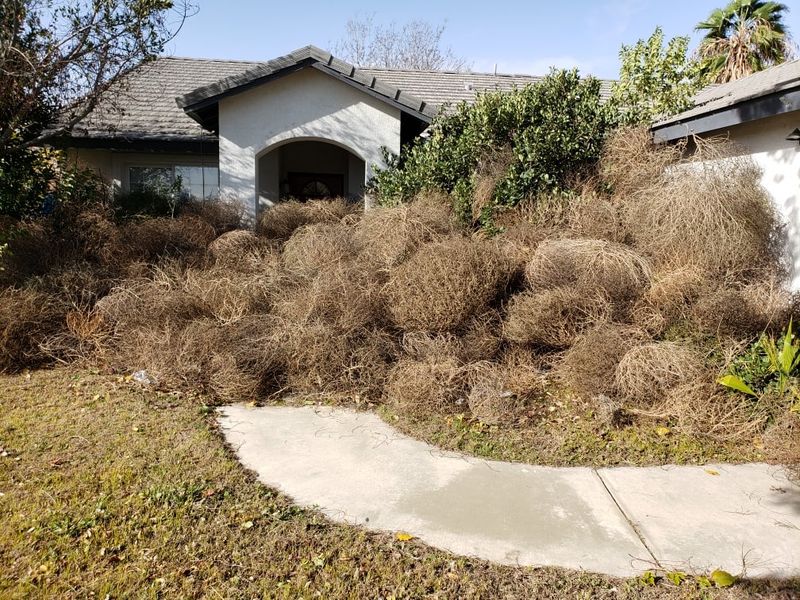
Bare soil acts like a welcome mat for tumbleweed seeds floating through the air looking for a place to settle. When wind carries these tiny seeds across your yard, they need exposed dirt to land on and start growing.
Nevada homeowners who leave patches of uncovered ground are basically inviting these invasive plants to set up camp.
Covering every bit of bare earth might sound like a huge task, but it makes a massive difference in keeping tumbleweeds away for good. Mulch, rocks, wood chips, or even decorative gravel can fill in those empty spots where nothing else grows.
Many people in Nevada use landscaping fabric underneath these materials for extra protection.
The desert climate in Nevada means soil dries out quickly, which tumbleweeds actually love since they thrive in harsh conditions. Adding a layer of protection prevents seeds from making direct contact with the dirt.
Even a two-inch layer of material can stop most seeds from germinating.
Check your property regularly for any new bare patches that appear after storms or heavy winds. Erosion can expose fresh soil that becomes a perfect landing zone for tumbleweed seeds.
Filling these spots immediately keeps your defense strong.
Some Nevada homeowners use crushed granite or decomposed granite because it blends naturally with the desert landscape. These materials stay in place better than lighter options during windy conditions.
They also reflect heat, which can actually discourage some plant growth in the hottest months.
2. Reducing Open, Wind-Exposed Areas Around The Property
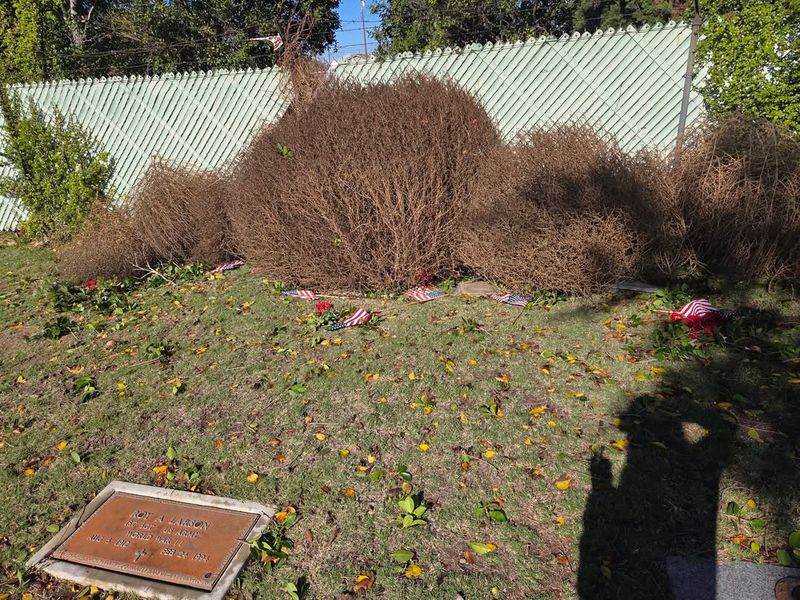
Wind acts as the delivery system for tumbleweed seeds, carrying them across Nevada neighborhoods and dropping them wherever conditions allow. Open areas with no barriers catch these airborne invaders like nets catching fish.
Properties with wide-open spaces face constant bombardment from seeds blowing in from nearby vacant lots or desert areas.
Strategic placement of windbreaks changes how air moves across your land. Fences, walls, hedges, or rows of shrubs slow down wind speed and cause seeds to drop before reaching vulnerable spots.
Nevada homeowners often install solid fencing on the sides of their property that face prevailing winds.
Tall plants arranged in clusters create natural wind barriers that protect lower-growing vegetation and ground surfaces. These living windbreaks work better than you might expect at redirecting airflow upward instead of across your yard.
Ornamental grasses, native shrubs, or small trees can serve this purpose beautifully.
The direction wind typically comes from in your Nevada neighborhood matters when planning your defense strategy. Most areas see predominant wind patterns from certain directions during different seasons.
Observing where tumbleweeds tend to pile up gives clues about where protection is most needed.
Solid structures work better than chain-link fencing because they actually block wind instead of just slowing it down. However, even partial barriers help by disrupting the smooth flow that carries seeds efficiently across open ground.
Combining different types of windbreaks creates layers of protection.
Courtyards, enclosed patios, and walled garden areas naturally resist tumbleweed invasion because wind cannot sweep through them freely.
3. Using Ground Cover Plants To Crowd Out New Growth
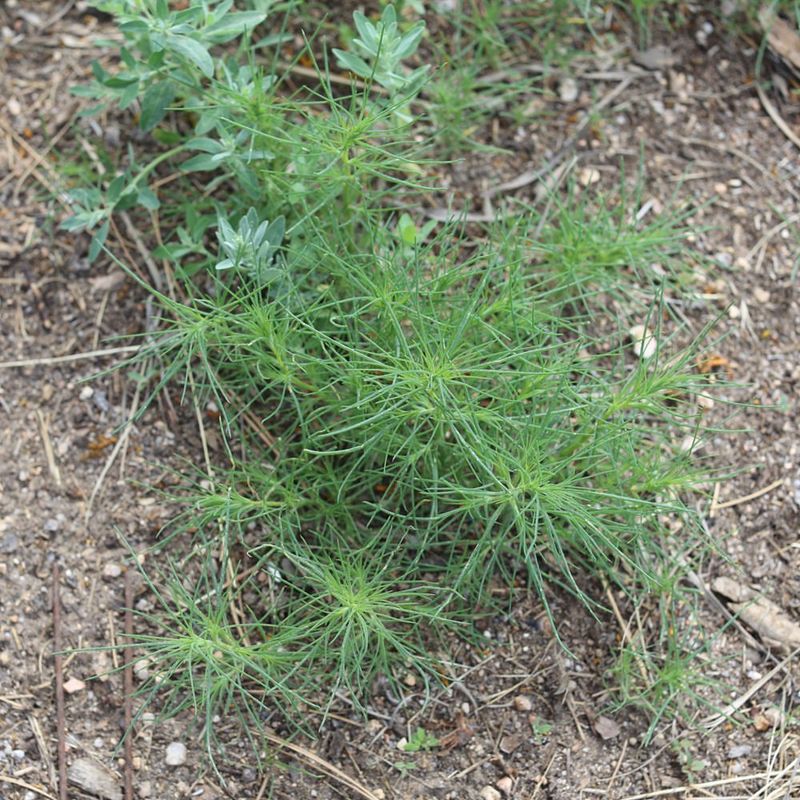
Living plants create competition that tumbleweeds cannot win when the ground is already occupied by established vegetation. Ground covers spread across soil surfaces, leaving no room for invasive seeds to settle and sprout.
Nevada homeowners who maintain dense plantings rarely deal with tumbleweed problems because there’s simply nowhere for them to grow.
Low-growing perennials adapted to desert conditions work perfectly for this purpose since they survive with minimal water and care. Native ground covers like desert zinnia, trailing lantana, or creeping thyme fill spaces beautifully while blocking tumbleweed establishment.
These plants actually thrive in Nevada’s climate instead of just tolerating it.
The key is choosing varieties that spread naturally to create thick coverage without leaving gaps. Plants that form mats or send out runners gradually knit together into solid carpets of vegetation.
Once established, these living barriers need little maintenance beyond occasional trimming.
Spacing new ground cover plants closer together initially speeds up the time it takes to achieve complete coverage. While this costs more upfront, it prevents tumbleweeds from getting a foothold during the establishment period.
Many Nevada gardeners consider this investment worthwhile for long-term control.
Mixing different ground cover species creates visual interest while ensuring that if one plant struggles in certain spots, others fill in. Biodiversity in your plantings also supports local pollinators and beneficial insects.
Healthy ecosystems naturally resist invasive species better than monocultures.
Watering ground covers deeply but infrequently encourages root systems to grow downward and spread outward.
Strong root networks help plants compete successfully for resources that tumbleweeds might otherwise use.
4. Paying Attention To Fence Lines And Property Edges
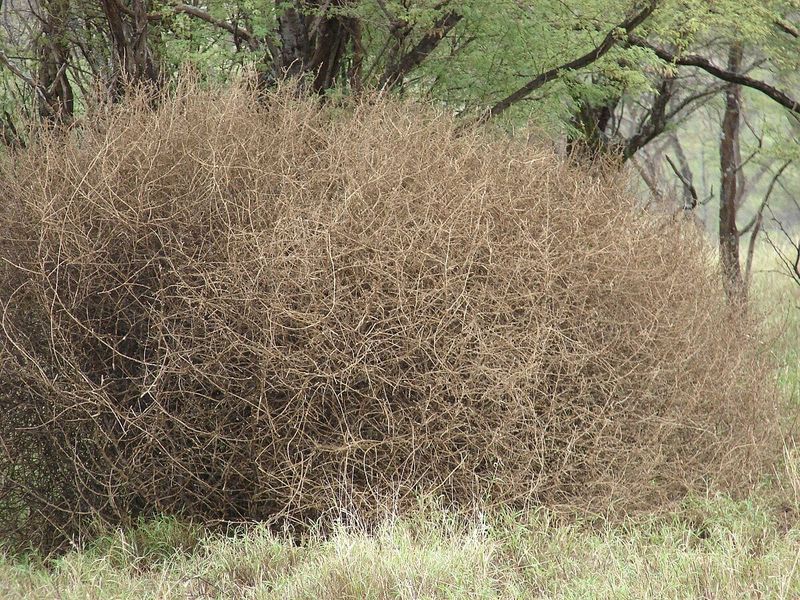
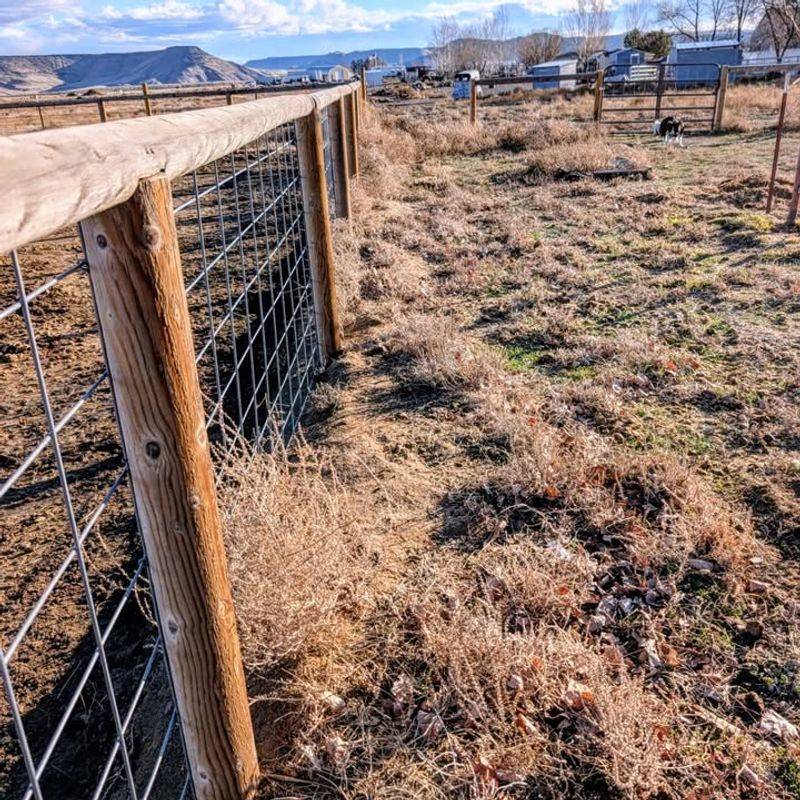
Property boundaries act like magnets for tumbleweeds because these areas often get neglected during regular yard maintenance. Wind pushes tumbleweeds and their seeds against fences where they accumulate and drop thousands of seeds into the soil below.
Nevada homeowners who ignore their fence lines often discover major tumbleweed infestations starting from these edges.
Walking your property perimeter weekly during growing season helps you catch new tumbleweed seedlings when they’re tiny and easy to remove. Small plants haven’t developed extensive root systems yet, so pulling them takes minimal effort.
Waiting until they’re larger makes the job much harder and allows seed production to begin.
Fence lines between your property and vacant lots or undeveloped desert land need extra vigilance. These boundaries face constant pressure from tumbleweed invasions originating outside your control.
Installing additional barriers like landscape fabric or rock borders along these edges adds protection.
Many Nevada fences have gaps at the bottom where tumbleweeds roll underneath and get trapped against posts. These spots become concentrated seed distribution centers if not cleared regularly.
Some homeowners attach screening or edging materials to close these gaps completely.
Corners where fences meet create pockets where debris and tumbleweeds collect naturally due to wind patterns. Checking these specific spots becomes part of an effective prevention routine.
Keeping corners clear prevents seed buildup in these high-risk zones.
Vegetation growing along fence lines should be kept trimmed and healthy to compete with potential tumbleweed growth. Allowing desirable plants to fill the space along fences prevents tumbleweeds from claiming this territory.
Strategic planting along boundaries creates a living defense system.
5. Timing Yard Cleanup Before Seeds Fully Spread

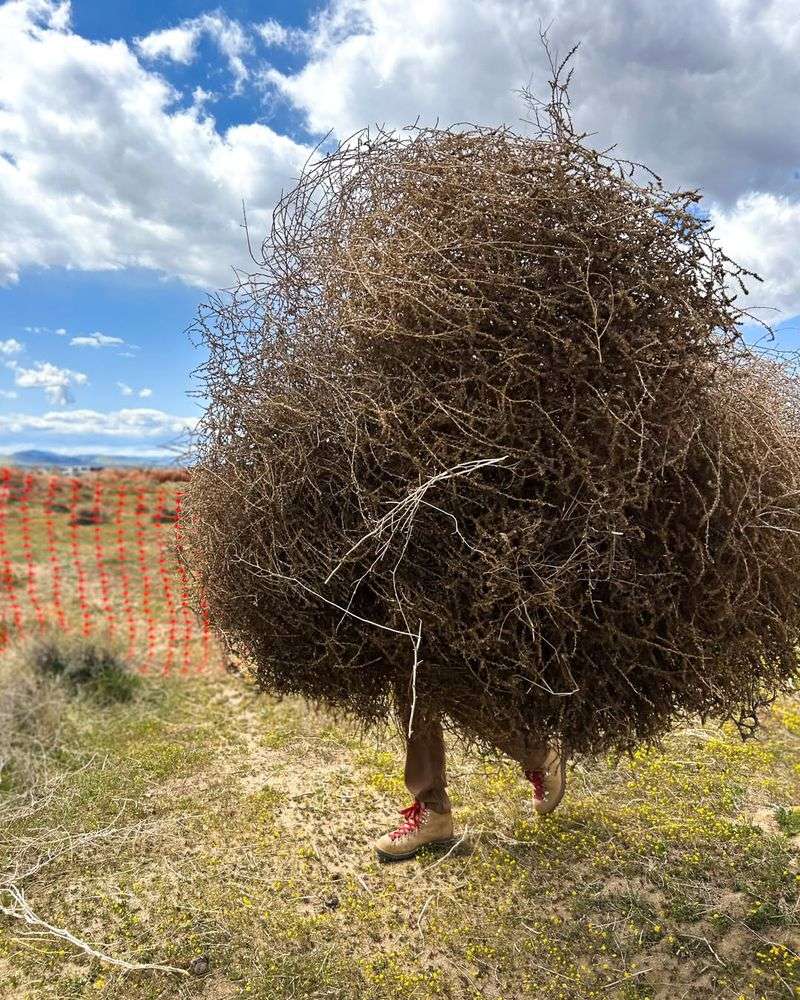
Tumbleweed life cycles follow predictable patterns that smart Nevada homeowners learn to anticipate and interrupt. These plants grow through spring and summer, then dry out and break free from their roots in fall to tumble across the landscape scattering seeds.
Removing them before they reach this mobile seed-spreading stage stops the cycle completely.
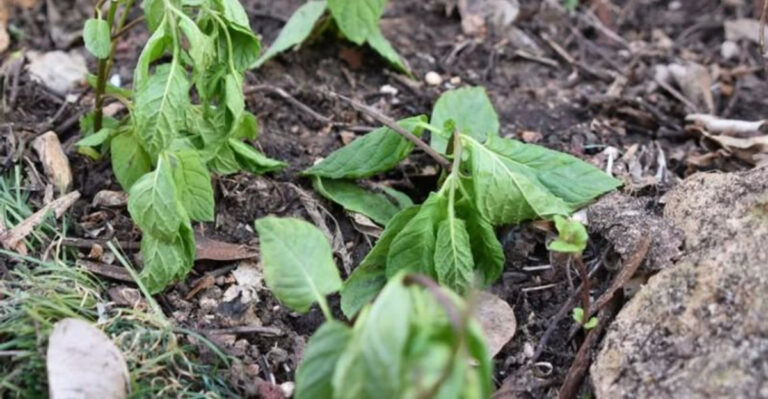
Young tumbleweed plants look different from mature ones, appearing as low rosettes of leaves close to the ground during early growth. Learning to identify this stage allows you to remove plants when they’re easiest to handle.
Nevada gardeners who master this identification rarely face serious tumbleweed problems.
Late summer represents the critical window when tumbleweeds transition from growing to seed production. Plants that still have green tissue can be composted or disposed of safely since seeds haven’t matured yet.
Once plants turn brown and brittle, they require more careful handling to prevent seed dispersal.
Some homeowners mark their calendars with reminders to check for tumbleweeds at key times during the growing season. Regular scheduling ensures that cleanup happens proactively instead of reactively.
Nevada’s relatively consistent seasonal patterns make this planning straightforward.
When removing tumbleweeds that have already dried, placing them immediately into bags or bins prevents seeds from shaking loose.
Even small movements can release hundreds of seeds from a single plant.
Careful handling during removal protects all your previous prevention efforts.
6. Improving Soil Conditions That Discourage Tumbleweed Return
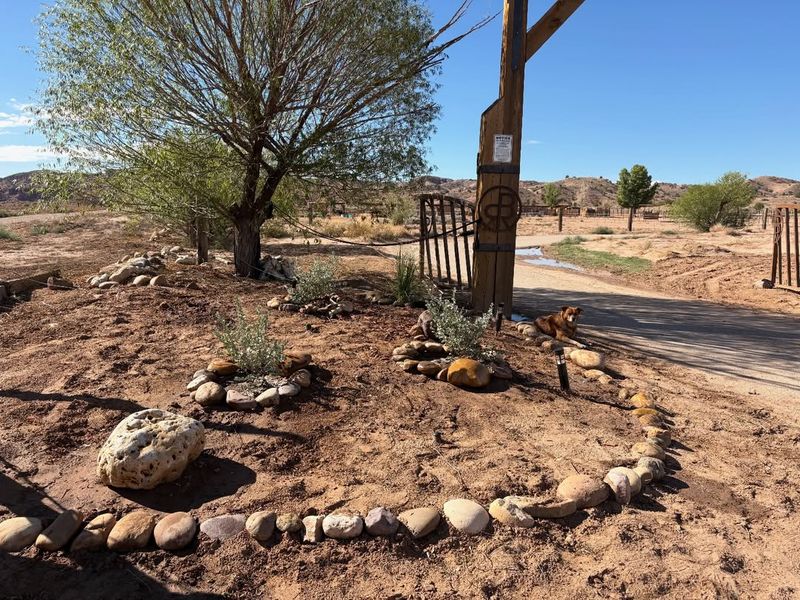
Soil quality plays a surprising role in whether tumbleweeds choose to grow on your property or skip it entirely. These invasive plants actually prefer poor, compacted, salty soil that many other plants cannot tolerate.
Nevada homeowners who improve their soil conditions create environments where desirable plants thrive while tumbleweeds struggle to compete.
Adding organic matter like compost changes soil structure and chemistry in ways that favor garden plants over invasive species. Better soil holds moisture more effectively, supports beneficial microorganisms, and provides nutrients that help chosen plants outcompete tumbleweeds.
Even in desert climates, improved soil makes a dramatic difference.
Compacted soil prevents most plant roots from penetrating deeply, but tumbleweeds have adapted to these tough conditions. Breaking up compacted areas with a garden fork or tiller gives other plants a fighting chance to establish themselves.
Once desirable vegetation takes hold in improved soil, tumbleweeds find it much harder to invade.
Nevada’s naturally alkaline soil can be amended slightly to favor specific plants you want to encourage. While you cannot completely change your soil’s basic chemistry, small adjustments help certain species flourish.
Thriving landscape plants create the competition that keeps tumbleweeds from gaining ground.
Testing your soil reveals specific deficiencies or imbalances that might be limiting plant growth. Inexpensive test kits or professional lab analysis show exactly what amendments would help most.
Targeted improvements cost less than random applications of fertilizers and soil conditioners.
Mulching soil surfaces with organic materials gradually improves soil quality as the mulch breaks down over time. This slow, steady improvement happens automatically without extra effort beyond initial mulch application.
Nevada yards benefit from this passive soil enhancement while simultaneously blocking tumbleweed seed germination.
7. Managing Irrigation So Weeds Don’t Get An Advantage
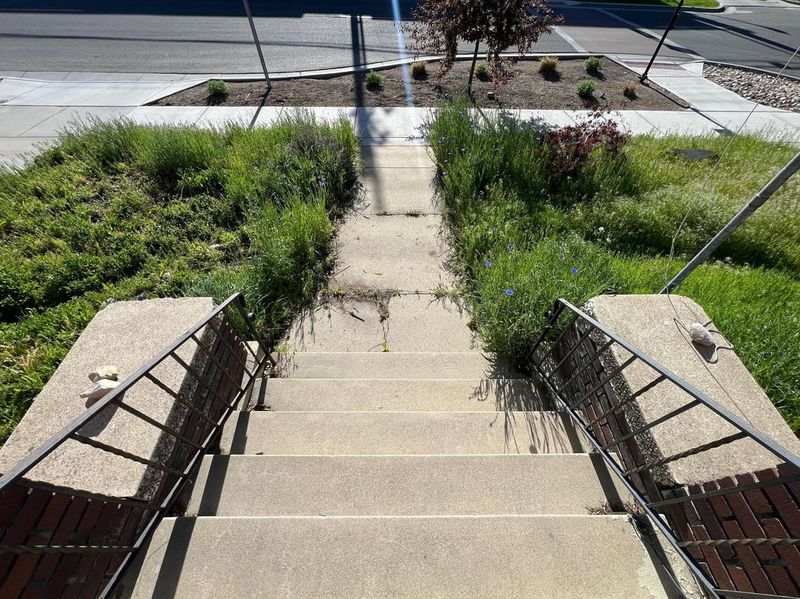
Water distribution patterns across your yard determine which plants get the advantage in competition for survival. Tumbleweeds actually need very little water once established, so overwatering your landscape can give them an edge over more desirable plants that might drown in excess moisture.
Nevada homeowners who water strategically encourage the plants they want while discouraging invasive species.
Drip irrigation systems deliver water directly to plant root zones without wetting large areas of surrounding soil. This targeted approach means tumbleweed seeds landing between your intentional plantings don’t receive the moisture needed to germinate.
Water efficiency and weed prevention work together beautifully with this method.
Watering deeply but infrequently encourages deep root growth in landscape plants while leaving surface soil dry most of the time. Since tumbleweed seeds need consistent surface moisture to sprout, this watering pattern works against them.
Nevada’s climate supports this approach perfectly since plants adapted to the region prefer this natural rhythm.
Adjusting irrigation schedules seasonally prevents providing water when tumbleweeds are most likely to germinate. Understanding when seeds typically sprout in your area allows you to time watering to favor your landscape plants instead.
Strategic timing costs nothing but provides significant prevention benefits.
Checking irrigation systems regularly for leaks, broken sprinkler heads, or misaligned drip emitters prevents creating wet spots that attract tumbleweed growth. Even small leaks can saturate soil in ways that encourage invasive plant establishment.
Nevada’s water conservation efforts align perfectly with this maintenance practice.
Some homeowners use moisture sensors or smart irrigation controllers that water based on actual soil conditions rather than fixed schedules. These systems prevent overwatering automatically and ensure plants receive moisture only when needed.
8. Watching Seasonal Patterns That Trigger Regrowth
Tumbleweed behavior follows seasonal rhythms that vary slightly across different parts of Nevada depending on elevation and local climate. Seeds typically germinate after winter moisture or summer monsoons provide the trigger they need to sprout.
Homeowners who understand these patterns in their specific location can anticipate and prevent regrowth before it becomes visible.
Spring represents the primary germination season for tumbleweeds across most of Nevada as soil temperatures warm and occasional rains provide moisture. Watching for tiny seedlings during this window allows early intervention when plants are most vulnerable.
A few minutes of inspection weekly during spring prevents hours of work later.
Late summer monsoon patterns in parts of Nevada trigger a second germination wave that catches many homeowners by surprise. These late-season tumbleweeds can still mature and produce seeds before winter if conditions remain favorable.
Staying vigilant through fall prevents this second generation from establishing.
Temperature shifts signal different stages in the tumbleweed life cycle, with hot summer weather triggering rapid growth and fall cooling causing plants to dry and prepare to break free. Tracking these transitions helps you stay one step ahead.
Nevada’s distinct seasons make pattern recognition relatively straightforward.
9. Maintaining Consistent Landscape Coverage Year-Round
Gaps in landscape coverage that appear during winter or extreme summer heat create openings that tumbleweeds quickly exploit. Year-round protection requires choosing plants and materials that maintain their coverage regardless of season.
Nevada homeowners who plan for twelve-month protection see dramatically fewer tumbleweed problems than those who let coverage lapse.
Evergreen ground covers and shrubs provide continuous coverage even when deciduous plants lose their leaves. Mixing plant types ensures something always occupies the space where tumbleweeds might otherwise establish.
Strategic plant selection creates permanent barriers that don’t require seasonal replacement.
Winter dormancy in some plants reveals bare soil that remains hidden during growing season. Walking your property during winter shows you exactly where coverage gaps exist so you can address them before spring germination season arrives.
Nevada winters provide this valuable inspection opportunity.
Replacing plants that weaken or decline keeps your landscape defense intact without gaps.
Allowing dead plants to remain creates exactly the kind of opening tumbleweeds seek. Prompt replacement maintains the continuous coverage that prevents invasion.
Hardscaping elements like decorative rock borders, pavers, or gravel paths provide permanent coverage that never goes dormant or declines. Combining living plants with non-living materials creates foolproof year-round protection.
Nevada’s desert aesthetic naturally incorporates these elements beautifully.
Seasonal color rotations using annuals should be planned so new plants go in before old ones are removed.