How Nevada Houseplant Lovers Successfully Grow ZZ Plants
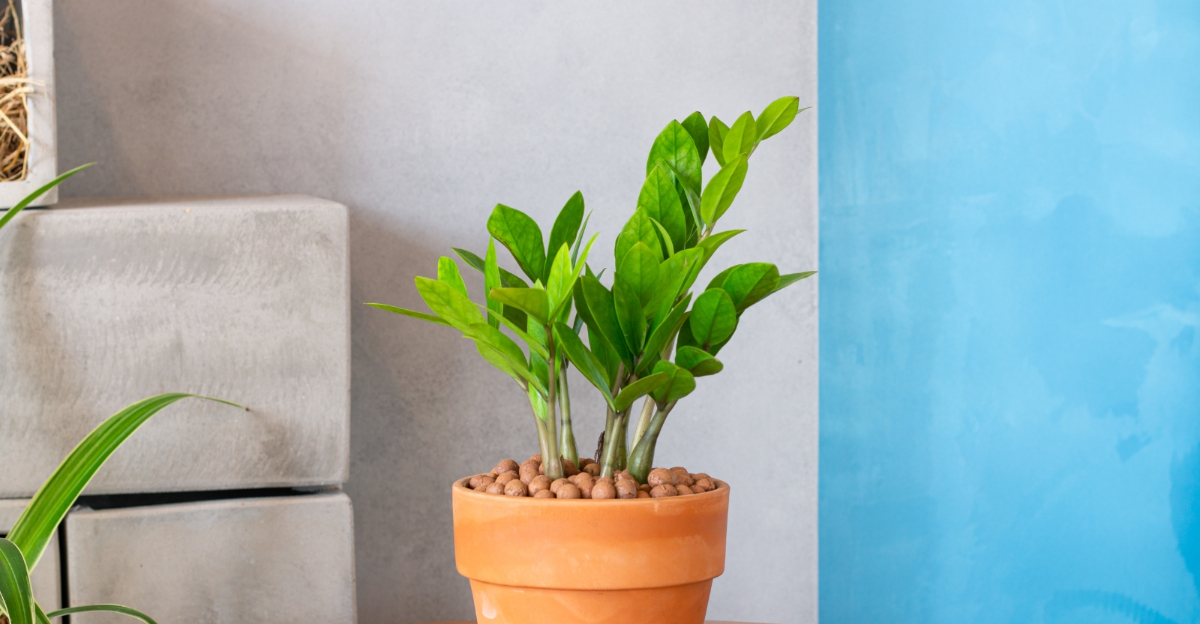
Nevada houseplant lovers have figured out how to make ZZ plants look flawless even when the indoor air is dry and the sun is relentless.
At first glance, ZZ plants seem almost too easy to grow, which tricks many people into thinking they don’t need much thought at all. In Nevada homes, that assumption is where most early mistakes start.
The reality is that successful ZZ plant growth here comes from understanding how heat, light, and watering habits quietly interact indoors.
Nevada’s bright light and low humidity can either strengthen a ZZ plant or slowly stress it, depending on how it’s handled.
Experienced growers focus less on fussing and more on letting the plant settle into a stable rhythm. That balance makes all the difference over time.
When conditions are right, ZZ plants respond with thick stems, glossy leaves, and steady growth that feels almost effortless.
Many Nevada plant lovers learn that restraint is more important than attention with this particular houseplant.
Once you understand what the ZZ plant actually wants, growing one successfully becomes surprisingly consistent.
1. Choosing The Right Spot Away From Harsh Desert Sun
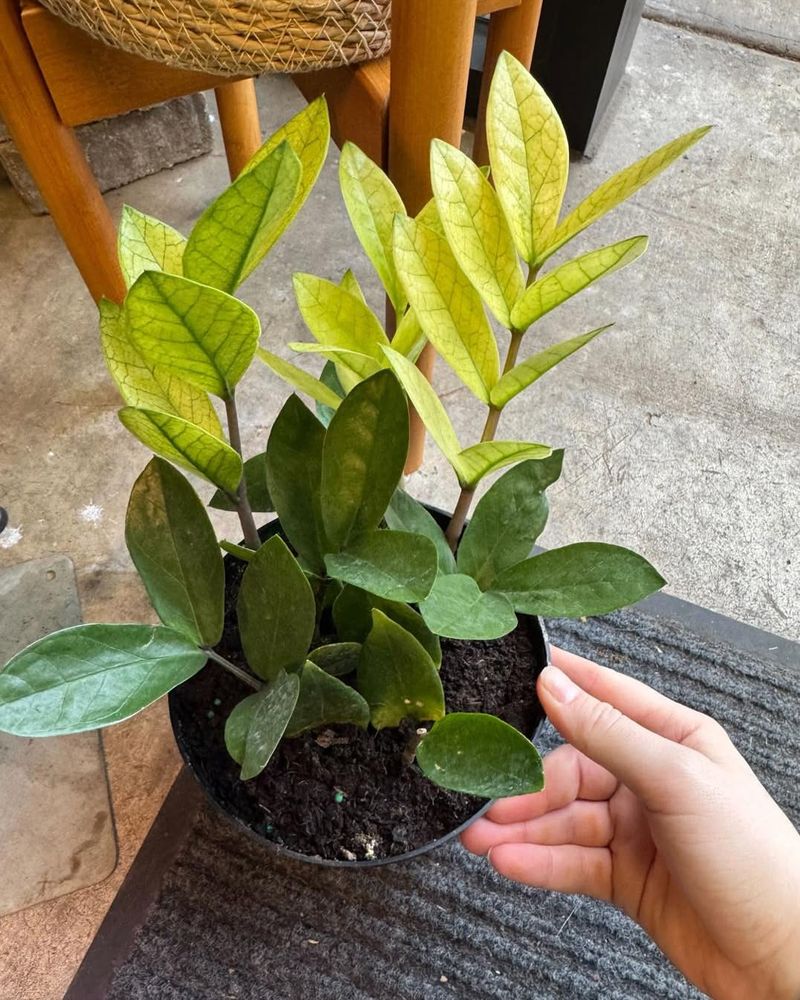
Light conditions inside Nevada homes can be tricky because the sun outside is incredibly intense. Many people assume their ZZ plant needs bright sunlight since it comes from Africa, but direct rays through a window can actually scorch those beautiful leaves.
Finding a spot that offers bright, indirect light is the sweet spot for success.
East-facing windows work wonderfully because morning light tends to be gentler than the afternoon blaze. If you only have south or west exposures, try placing your plant a few feet back from the glass.
Sheer curtains can also help filter out the harshest rays while still providing plenty of brightness.
ZZ plants are remarkably adaptable and can even tolerate lower light levels if needed. A corner that gets some ambient daylight will still support steady growth, though it might be slower.
Nevada residents often find that rotating their plants between spots helps them figure out what works best.
Avoid placing your ZZ directly on windowsills during summer months when temperatures soar. The glass can magnify heat and create an oven-like environment.
Instead, keep it on a stand or table nearby where air can circulate freely.
Basements and interior rooms with artificial lighting can also work if natural light is limited. Fluorescent or LED grow lights provide a reliable alternative.
Just make sure the light source stays on for at least eight to ten hours daily.
2. Letting Soil Dry Properly Between Waterings
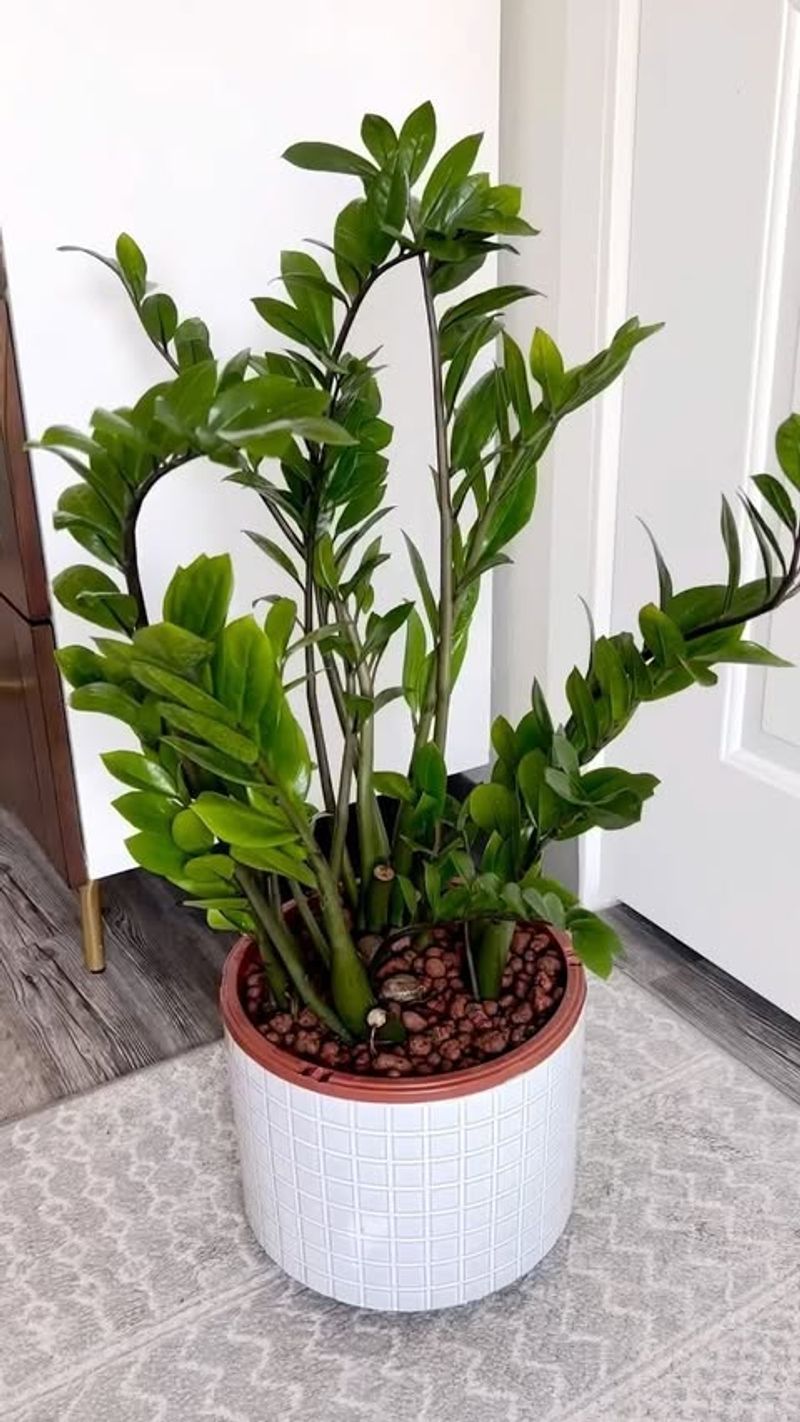
One of the biggest mistakes people make with ZZ plants is watering them too often. These plants store water in their thick rhizomes underground, which means they can go surprisingly long stretches without a drink.
Overwatering causes more problems than underwatering ever will.
In Nevada’s dry climate, you might think your plant needs frequent watering, but that’s rarely the case indoors. The key is to let the soil dry out almost completely before adding more water.
Stick your finger about two inches into the soil to check moisture levels.
During the hot summer months, your ZZ might need water every two to three weeks. In cooler seasons, it could go a month or even longer between waterings.
Every home is different, so developing a feel for your specific plant takes a bit of practice.
When you do water, make sure to do it thoroughly until water drains out the bottom of the pot. This ensures the entire root system gets moisture and helps flush out any salt buildup from tap water.
Always empty the drainage tray afterward so roots don’t sit in standing water.
Yellow leaves often signal overwatering rather than underwatering. If you notice this happening, cut back on frequency immediately and check that your pot has adequate drainage.
Root rot can set in quickly if the soil stays soggy.
3. Using Well-Draining Mix To Prevent Root Issues
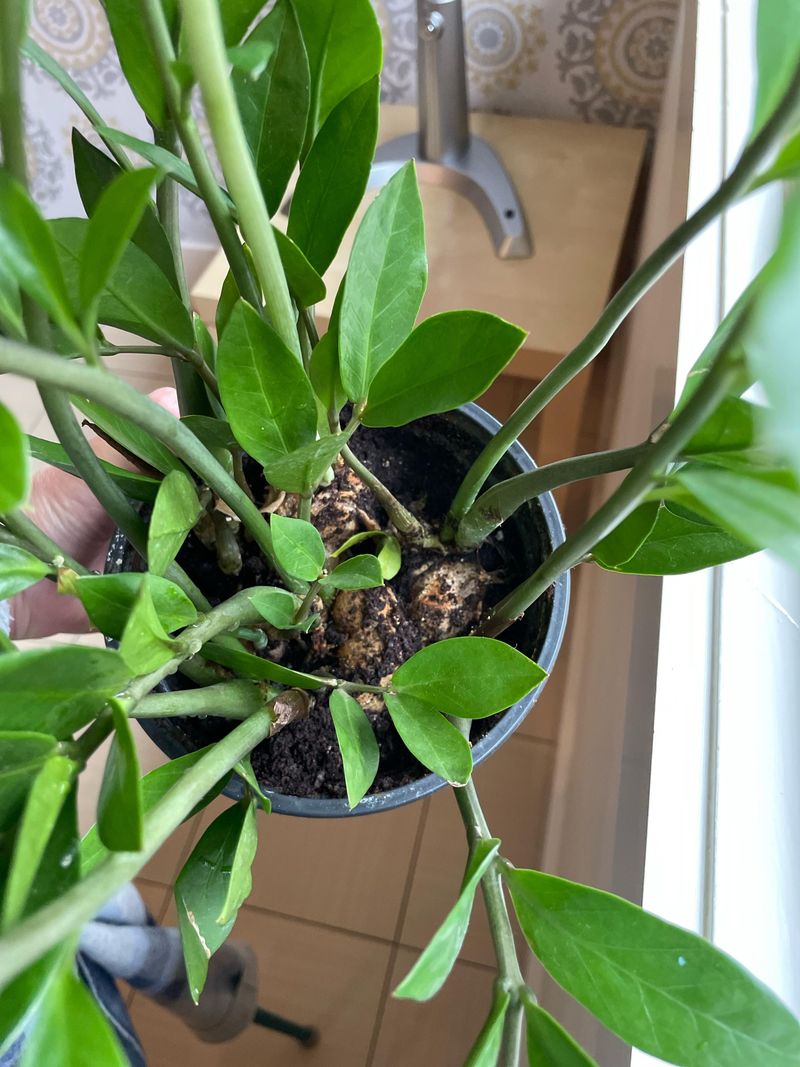
Soil choice makes an enormous difference in how well your ZZ plant performs over time. Regular potting soil holds too much moisture and can create conditions that lead to root problems.
A well-draining mix allows excess water to flow through quickly while still retaining just enough moisture for the roots.
Cactus or succulent soil works beautifully for ZZ plants because it’s specifically designed for plants that prefer drier conditions. You can find these mixes at any garden center across Nevada.
They typically contain sand, perlite, or pumice to improve drainage.
If you prefer making your own mix, combine regular potting soil with perlite or coarse sand in a two-to-one ratio. This creates plenty of air pockets that prevent compaction.
Good aeration helps roots breathe and reduces the risk of fungal issues.
Avoid using garden soil or topsoil from outside, as these tend to be too heavy and dense. They can also introduce pests or diseases into your indoor environment.
Stick with sterilized potting products for the best results.
When repotting your ZZ, choose a container with drainage holes at the bottom. Decorative pots without holes might look nice, but they trap water and create dangerous conditions.
You can always place a drainage pot inside a decorative outer pot for aesthetics.
Terra cotta pots are particularly good for ZZ plants in Nevada because the porous material allows soil to dry out faster. Plastic pots work too, but you’ll need to be more careful about watering frequency.
Match your container choice to your watering habits.
Adding a layer of small rocks or broken pottery pieces at the bottom of the pot can improve drainage even further.
4. Managing Indoor Humidity In Nevada Homes
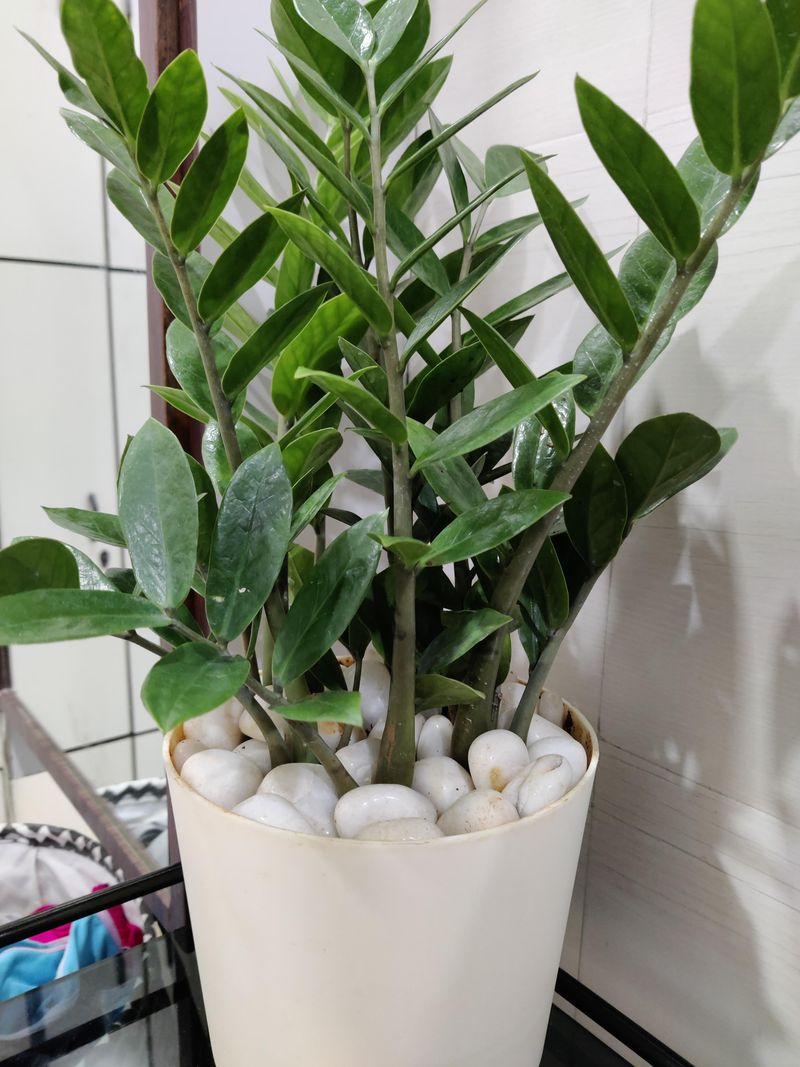
Nevada air is notoriously dry, especially during winter when heating systems run constantly. While ZZ plants tolerate low humidity better than many tropical houseplants, they still appreciate a bit of moisture in the air.
Finding the right balance helps keep those leaves looking glossy and vibrant.
Most homes in the Silver State hover around twenty to thirty percent humidity, which is quite low. ZZ plants can handle this without major complaints, but they’ll look their absolute best with humidity levels closer to forty or fifty percent.
You don’t need to turn your home into a rainforest, though.
Grouping plants together creates a micro-climate where they benefit from each other’s transpiration. As plants release moisture through their leaves, the surrounding air becomes slightly more humid.
This simple trick costs nothing and helps all your houseplants thrive.
Placing a shallow tray filled with pebbles and water near your ZZ plant can boost local humidity. Make sure the pot sits on the pebbles above the water line, not in it.
As water evaporates, it adds moisture to the immediate area.
Running a humidifier during dry winter months benefits both your plants and your own comfort. Many Nevada residents already use them to prevent dry skin and sinus issues.
Your ZZ plant will simply enjoy the side benefit of more comfortable air.
Misting is often recommended for houseplants, but it’s not particularly effective for ZZ plants. The moisture evaporates too quickly to make much difference, and wet leaves can sometimes develop spots.
Save yourself the effort and focus on other humidity strategies instead.
Bathrooms naturally have higher humidity from showers and baths, making them good locations for ZZ plants. Just make sure there’s adequate light, as many bathrooms have limited windows.
5. Adjusting Watering During Cooler Months
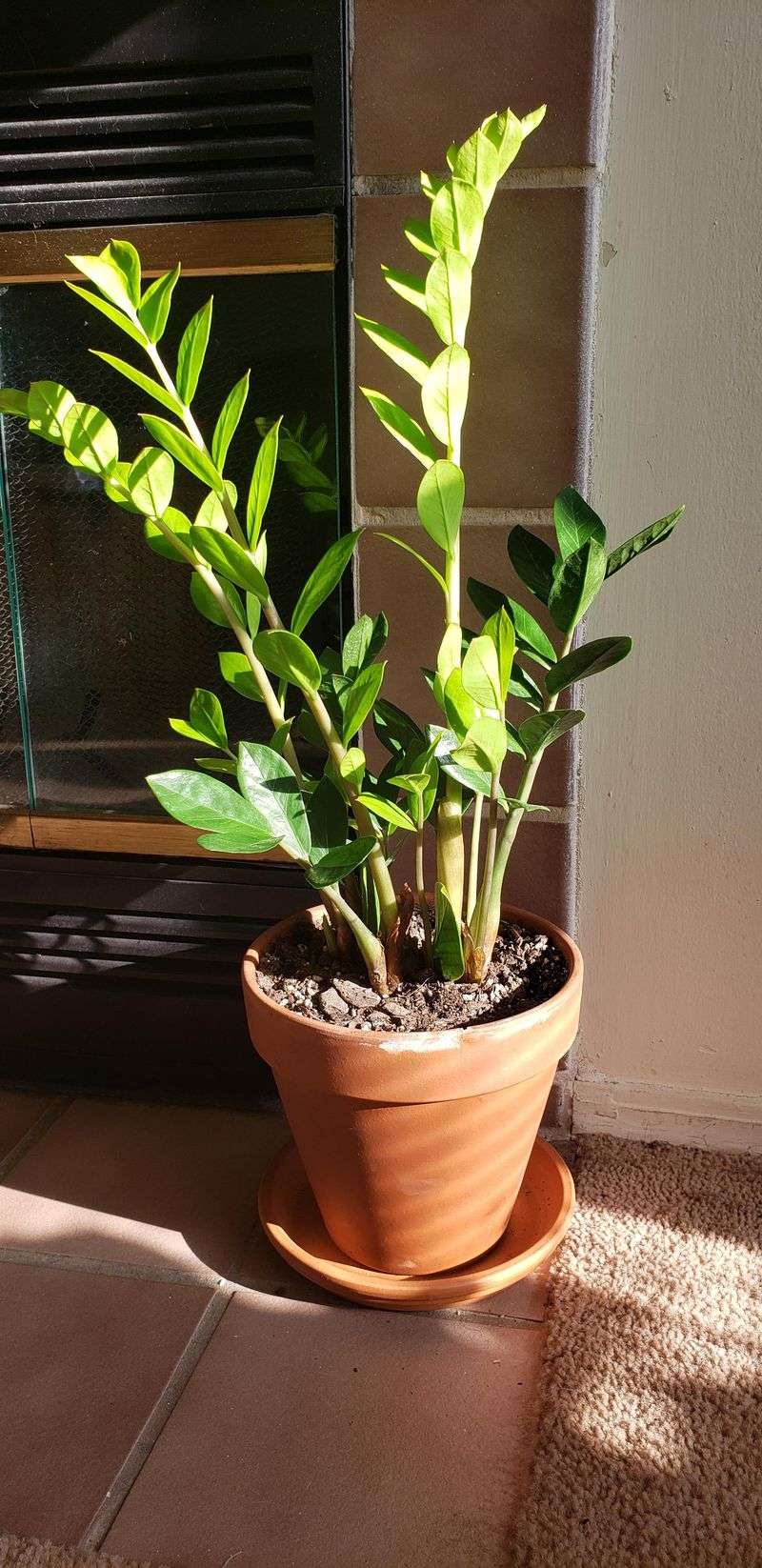
Seasonal changes affect ZZ plants even though they live indoors. During fall and winter, growth naturally slows down as days get shorter and temperatures drop slightly.
This means your plant needs less water than it does during the active growing season.
Many Nevada plant owners make the mistake of maintaining the same watering schedule year-round. When growth slows, the plant uses less water, and soil stays moist longer.
Continuing to water on your summer schedule can lead to soggy soil and root issues.
Pay attention to how quickly the soil dries out as seasons change. You might notice it takes an extra week or two for the top few inches to dry completely.
Trust what the soil tells you rather than sticking to a rigid calendar schedule.
Indoor heating systems actually dry out the air, but they don’t necessarily mean your plant needs more water. The soil moisture level is what matters most.
Always check before watering rather than assuming your plant is thirsty.
Cooler months are also a good time to cut back on fertilizing or stop altogether. ZZ plants don’t need much food anyway, and feeding during dormancy can cause salt buildup.
Resume light feeding in spring when you notice new growth emerging.
If you keep your Nevada home quite warm in winter, your watering needs might not change as dramatically. Homes that stay at seventy-five degrees year-round maintain more consistent growing conditions.
Still, shorter day length affects growth regardless of temperature.
Watch for signs that you’re watering too frequently during cooler months. Yellowing leaves or mushy stems indicate the roots are staying too wet.
If you catch this early, simply letting the soil dry out completely can help the plant recover.
6. Avoiding Overfeeding In Low-Light Conditions
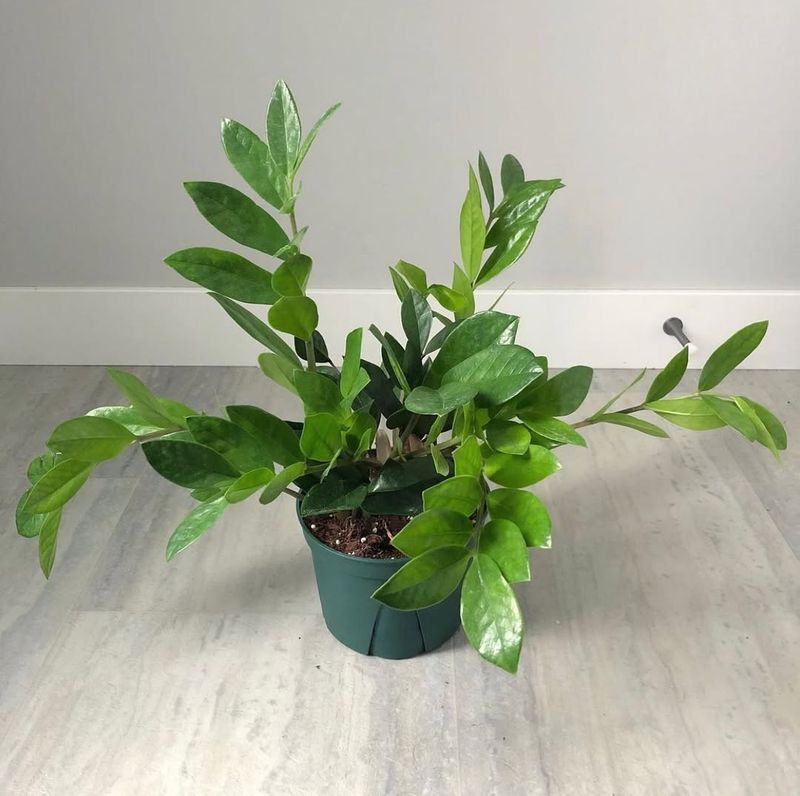
Fertilizer is one area where less is definitely more with ZZ plants. These slow-growing plants don’t require heavy feeding like some other houseplants.
Overfertilizing can actually cause more harm than good, leading to salt buildup and burned roots.
In Nevada homes where light levels might not be ideal, feeding should be even more conservative. Plants only use nutrients when they’re actively growing and photosynthesizing.
Low light means slower growth, which means less need for supplemental nutrition.
A diluted, balanced liquid fertilizer applied once in spring and once in summer is usually plenty. Use half the strength recommended on the package label.
This gentle approach provides nutrients without overwhelming the plant’s system.
Some plant owners go years without fertilizing their ZZ plants and still see healthy growth. The nutrients in fresh potting soil often provide everything the plant needs for quite a while.
If your plant looks good, there’s no need to fix what isn’t broken.
Signs of overfertilizing include white crusty deposits on the soil surface or pot rim. You might also notice leaf tips turning brown or the plant looking generally unhealthy despite regular care.
If this happens, flush the soil with plenty of water to remove excess salts.
Slow-release fertilizer pellets can work well for forgetful plant parents. These break down gradually over several months, providing steady, low-level nutrition.
Just remember to use them sparingly and only during the growing season.
7. Rotating Plants For Even Growth
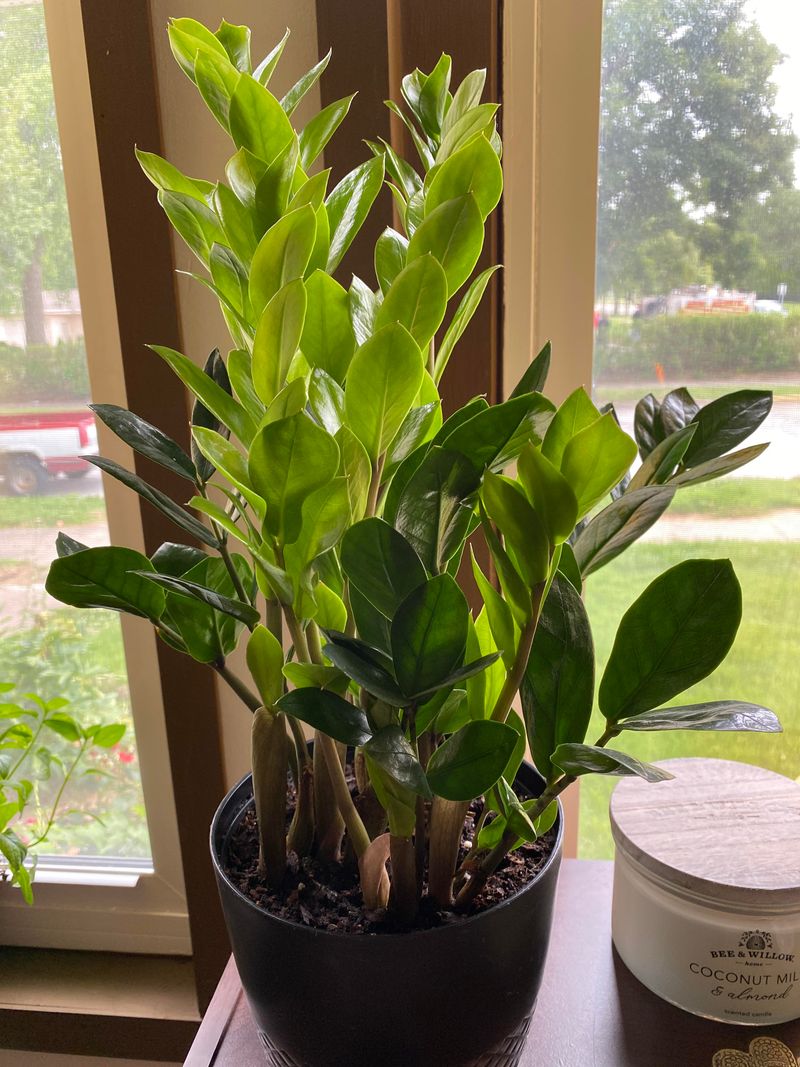
ZZ plants naturally grow toward their light source, which can lead to lopsided development over time. One side might produce more stems and leaves while the other side lags behind.
Regular rotation helps ensure balanced, symmetrical growth that looks more attractive.
Every time you water your plant is a good opportunity to give it a quarter turn. This simple habit takes only seconds but makes a noticeable difference over months.
The plant receives light evenly on all sides and develops a fuller, more rounded shape.
Nevada residents who keep their ZZ plants near windows especially benefit from rotation. Window light comes from one direction, creating strong growth patterns.
Turning the pot regularly counteracts this natural tendency and promotes even development.
If you forget to rotate for a while, don’t worry too much. ZZ plants are forgiving and won’t suffer permanent damage.
Just resume the practice when you remember, and the plant will gradually fill out the less-developed side.
Some people mark their pots with a small sticker or dot to track rotation. This helps ensure you’re actually turning the plant in the same direction each time.
Consistency prevents accidentally rotating back and forth without making progress.
Rotating also gives you a chance to inspect your plant from all angles. You might notice issues like pests, dust buildup, or damaged leaves that you’d miss from your usual viewing angle.
This regular checkup helps catch problems early.
8. Keeping Leaves Clean To Support Healthy Growth
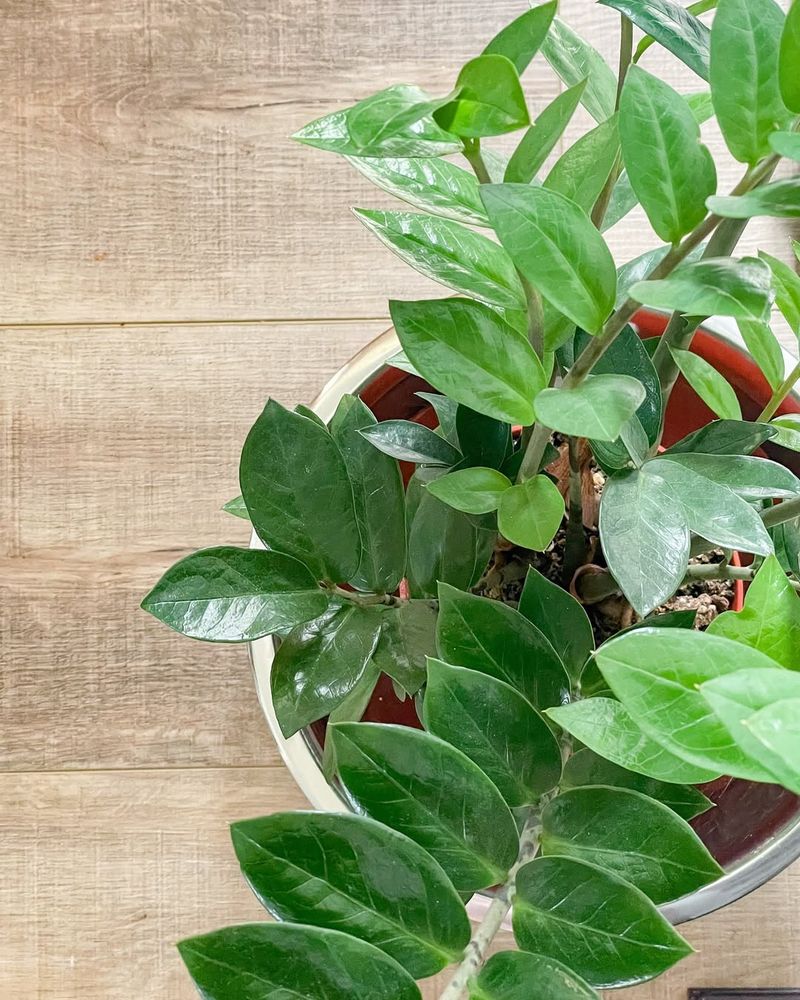
Dust accumulates quickly in Nevada homes, especially during windy seasons when fine particles blow in from the desert. This dust settles on plant leaves and blocks light from reaching the surface.
Clean leaves photosynthesize more efficiently and simply look better too.
Wiping down your ZZ plant’s leaves once a month keeps them glossy and bright. Use a soft, damp cloth and gently wipe each leaf from base to tip.
This removes dust and also gives you a chance to inspect for any pest issues.
Avoid using leaf shine products, which can clog the pores on the leaf surface. Plain water works perfectly well and doesn’t leave any residue.
Your plant’s natural shine will come through once the dust is removed.
For plants with many stems, cleaning can feel like a chore, but it’s worth the effort. Put on some music or a podcast and make it a relaxing activity.
The time spent connecting with your plant has benefits beyond just cleanliness.
Showering your ZZ plant in the bathroom can be an efficient cleaning method. Use lukewarm water and a gentle spray to rinse off all the leaves at once.
Let the plant drain thoroughly before returning it to its usual spot.
Hard water in many Nevada areas can leave spots on leaves after showering. If this bothers you, wipe the leaves dry with a soft cloth after rinsing.
Alternatively, use distilled water for cleaning to avoid mineral deposits altogether.
9. Knowing When To Leave A ZZ Plant Alone
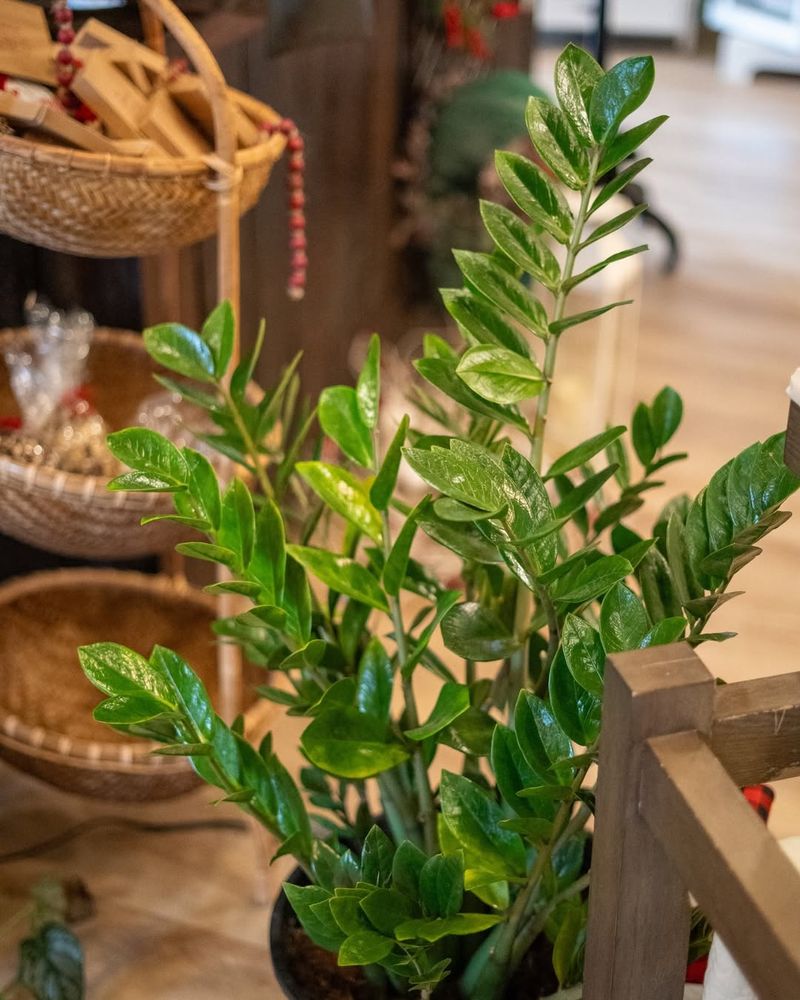
Sometimes the best thing you can do for your ZZ plant is absolutely nothing. These plants thrive on benign neglect and don’t appreciate constant fussing.
Learning to resist the urge to constantly adjust, water, or move your plant is an important skill.
New plant owners in Nevada often worry they’re not doing enough for their houseplants. With ZZ plants, this concern usually leads to overwatering or unnecessary interventions.
Trust that your plant is fine and doesn’t need daily attention.
Checking on your plant too frequently can actually cause problems. You might be tempted to water before the soil has dried properly or move it around searching for the perfect spot.
Stability matters more than perfection for these adaptable plants.
If your ZZ plant looks healthy with glossy leaves and steady growth, keep doing exactly what you’re doing. Don’t change anything just because you read a new care tip online.
Every home environment is different, and what works for you is what matters.
Resist the urge to repot your ZZ plant frequently. These plants actually prefer being slightly rootbound and can go years in the same pot.
Only repot when roots are growing out of drainage holes or the plant becomes unstable.
Pruning is rarely necessary with ZZ plants. They naturally maintain a tidy shape without intervention.
Only remove leaves or stems that are clearly damaged or completely yellowed. Otherwise, let the plant manage its own growth.