How New Hampshire Homeowners Keep Gardens Safe During Late Snow
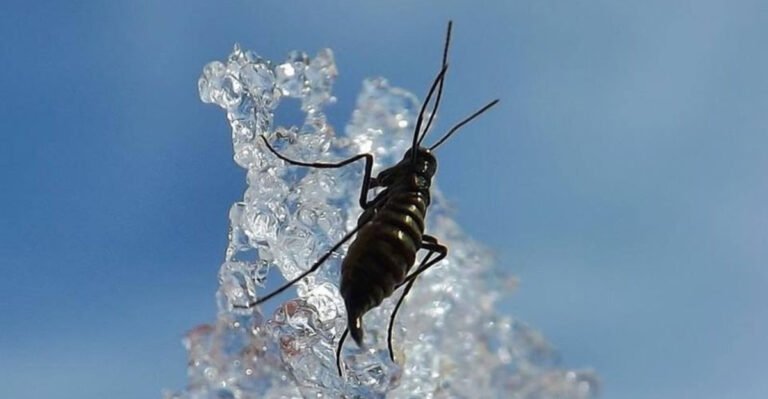
Late snow in New Hampshire has a way of showing up just when gardens start to feel safe again.
Just as beds wake up and buds begin to swell, an unexpected snowfall can roll in and undo weeks of careful progress. That surprise is what catches many homeowners off guard.
New Hampshire gardens live on a narrow edge between winter and spring, where timing matters as much as temperature.
Experienced homeowners don’t panic when late snow appears, because they plan for it long before flakes start falling.
Instead of reacting at the last minute, they rely on simple protective habits that quietly reduce damage. These steps keep plants stable even when weather turns suddenly.
Cold snaps don’t have to mean lost growth or ruined beds in New Hampshire.
Knowing which plants need protection and which can handle snow makes all the difference.
When gardens are prepared, late snow becomes an inconvenience rather than a disaster.
That preparation is exactly how New Hampshire homeowners keep their gardens safe when winter refuses to leave on time.
1. Watching Weather Shifts Before Taking Action
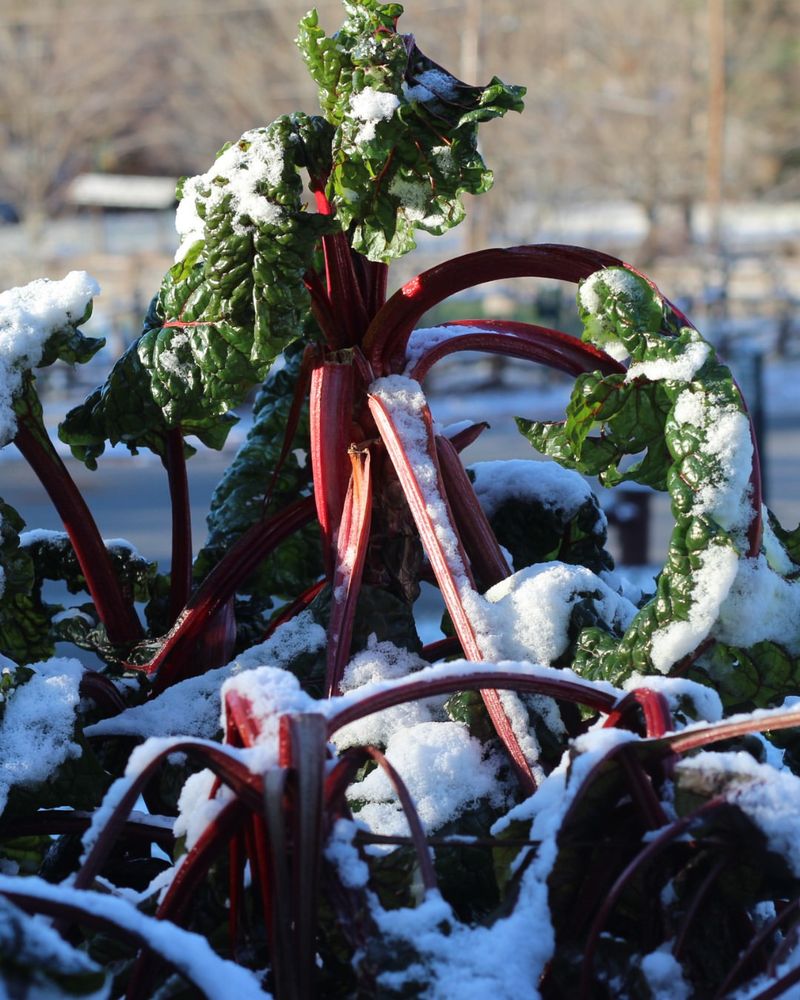
Spring in New Hampshire brings wild temperature swings that can catch anyone off guard. One morning might feel like summer while the next drops back into winter territory without much warning.
Gardeners who stay ahead of these changes usually check forecasts multiple times each week during the transition months.
Local weather apps and regional news stations often provide detailed predictions specifically for New Hampshire’s microclimates. Mountain areas and valley regions can experience very different conditions even when they’re only a few miles apart.
Paying attention to these nuances helps you prepare your garden before trouble arrives.
Temperature drops below freezing pose the biggest threat to tender plants that have already started growing. Wind chill factors can make conditions even harsher than the actual air temperature suggests.
Understanding when cold fronts are approaching gives you time to gather supplies and plan your protection strategy.
Some homeowners set up weather alerts on their phones to receive notifications about frost warnings. This proactive approach means you won’t be scrambling at the last minute to cover delicate seedlings.
A little advance notice makes all the difference between saving your plants and watching them struggle.
Knowing what’s coming also helps you decide which plants need the most attention.
Hardy perennials might handle a light frost fine while newly transplanted annuals could suffer serious setbacks.
2. Protecting Tender Growth Without Trapping Moisture
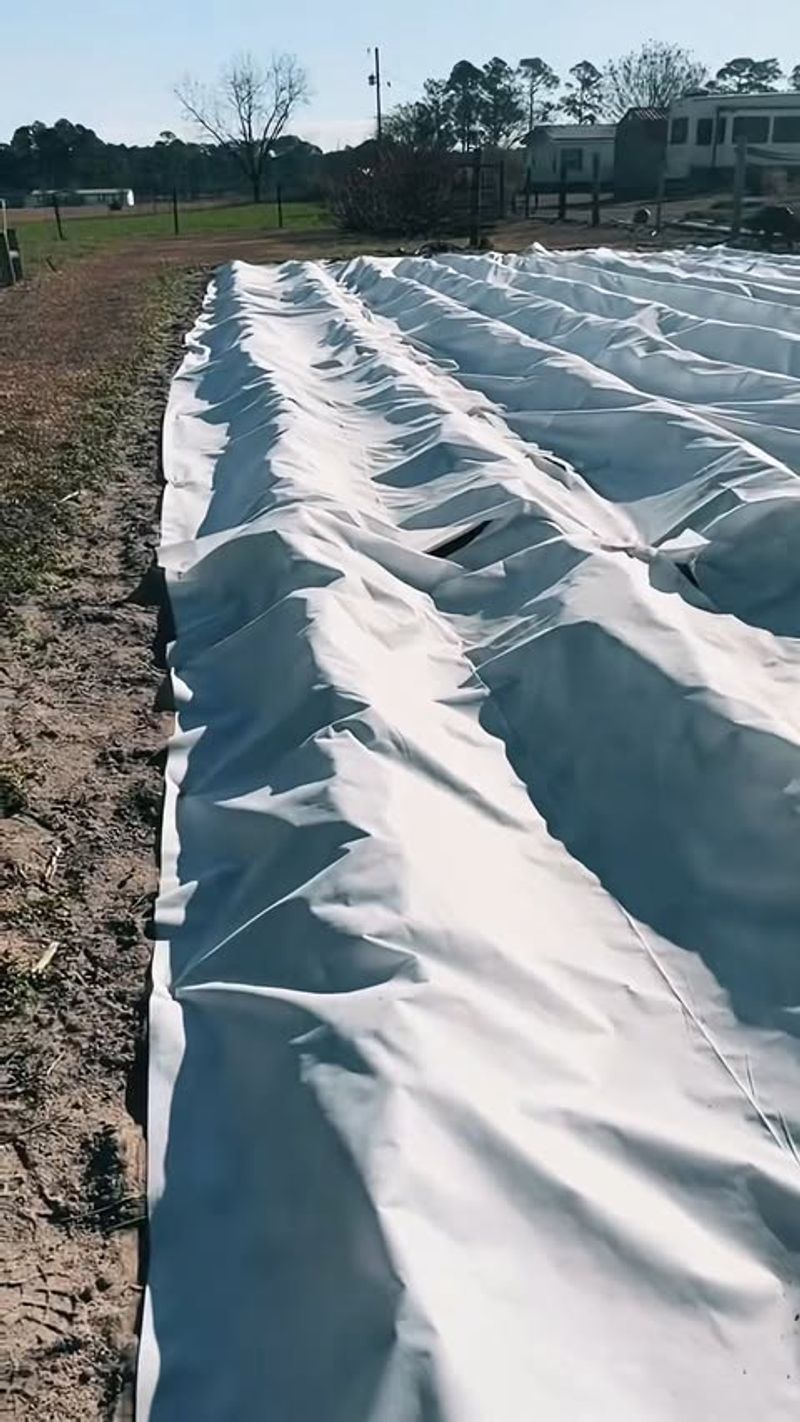
Young shoots and fresh leaves need shielding from snow and ice, but wrapping them too tightly creates its own set of problems. Moisture buildup under coverings can encourage fungal growth and rot, which sometimes causes more harm than the cold itself.
Balancing protection with proper air circulation takes some practice but makes a huge difference in plant health.
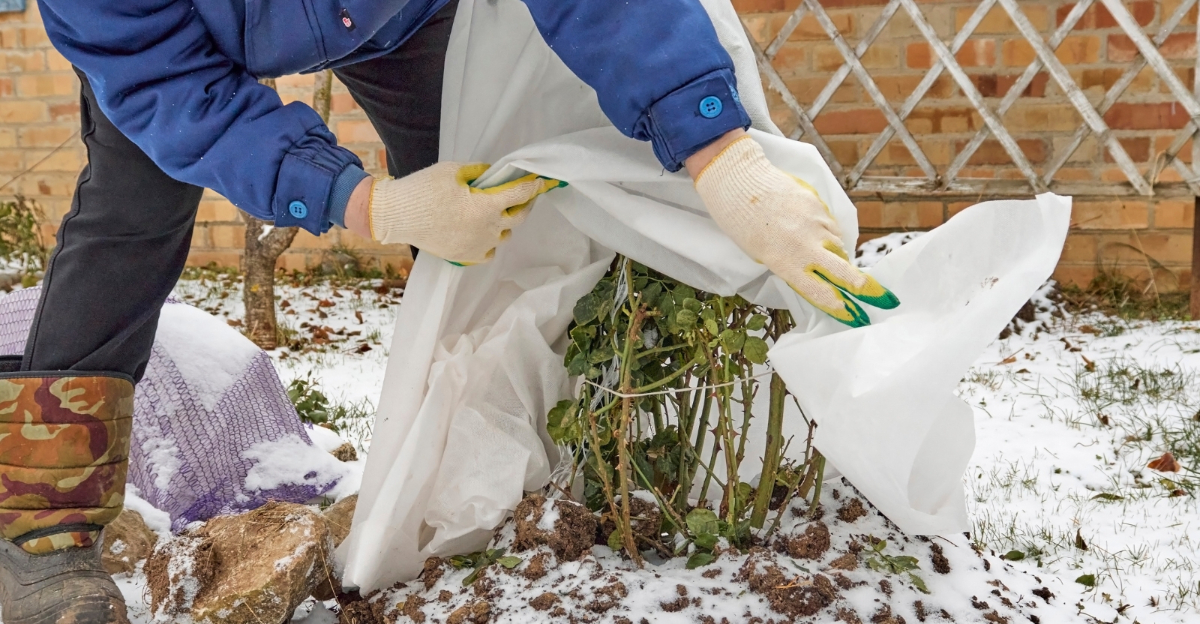
Breathable fabrics like row covers or lightweight blankets work better than plastic sheeting for most situations. These materials allow excess moisture to escape while still blocking wind and holding some warmth near the plants.
New Hampshire gardeners often keep several types of coverings on hand to match different protection needs.
Draping fabric over stakes or hoops creates a tent-like structure that doesn’t rest directly on plant foliage. This setup prevents leaves and stems from getting crushed under the weight of wet snow.
The air gap between the cover and the plants also provides an insulating layer that helps moderate temperature swings.
Removing covers as soon as temperatures rise above freezing prevents condensation from soaking your plants. Morning sun can warm the air quickly even when snow still covers the ground.
Checking your garden early in the day lets you ventilate covered areas before heat builds up underneath.
Some gardeners use burlap or old sheets secured with clothespins or garden staples.
3. Using Temporary Covers The Right Way
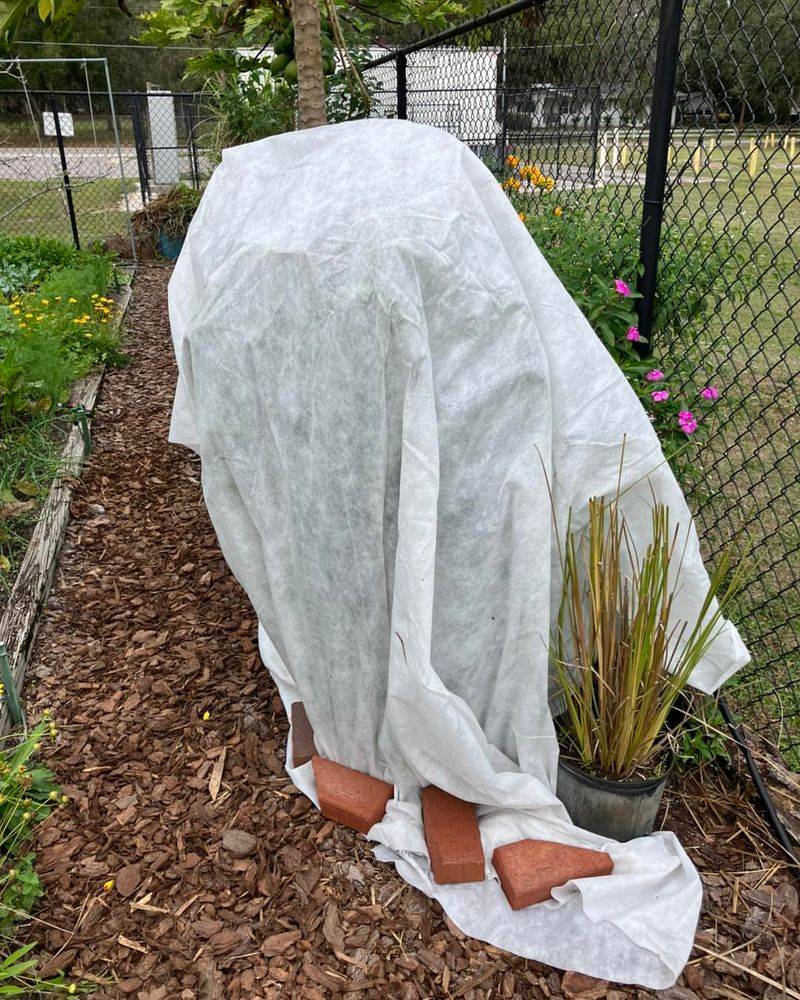
Makeshift shelters can save your garden during unexpected cold snaps, but only when installed correctly. Poorly secured covers often blow away in strong winds or collapse under heavy, wet snow.
Taking a few extra minutes to anchor everything properly means your protection actually stays in place when you need it most.
Garden stakes, bricks, or heavy boards work well for weighing down the edges of fabric covers. Leaving a small gap for air exchange at ground level prevents complete sealing, which can trap too much humidity.
New Hampshire’s spring winds can be fierce, so double-checking that everything is fastened securely saves you from midnight trips to fix blown-away tarps.
Timing matters just as much as technique when it comes to covering plants. Putting covers in place during the late afternoon or early evening, before temperatures drop, helps trap residual warmth from the day.
This captured heat provides a buffer against the coldest overnight hours.
Tall plants or those with delicate branching structures need extra support to prevent breakage under cover weight. Inserting bamboo stakes or tomato cages around these specimens gives the covering something to rest on besides the plant itself.
This simple step prevents bent stems and snapped branches that would otherwise take weeks to recover.
After the threat passes, carefully remove covers to avoid accidentally damaging new growth that may have emerged underneath.
4. Avoiding Early Cleanup That Exposes Plants
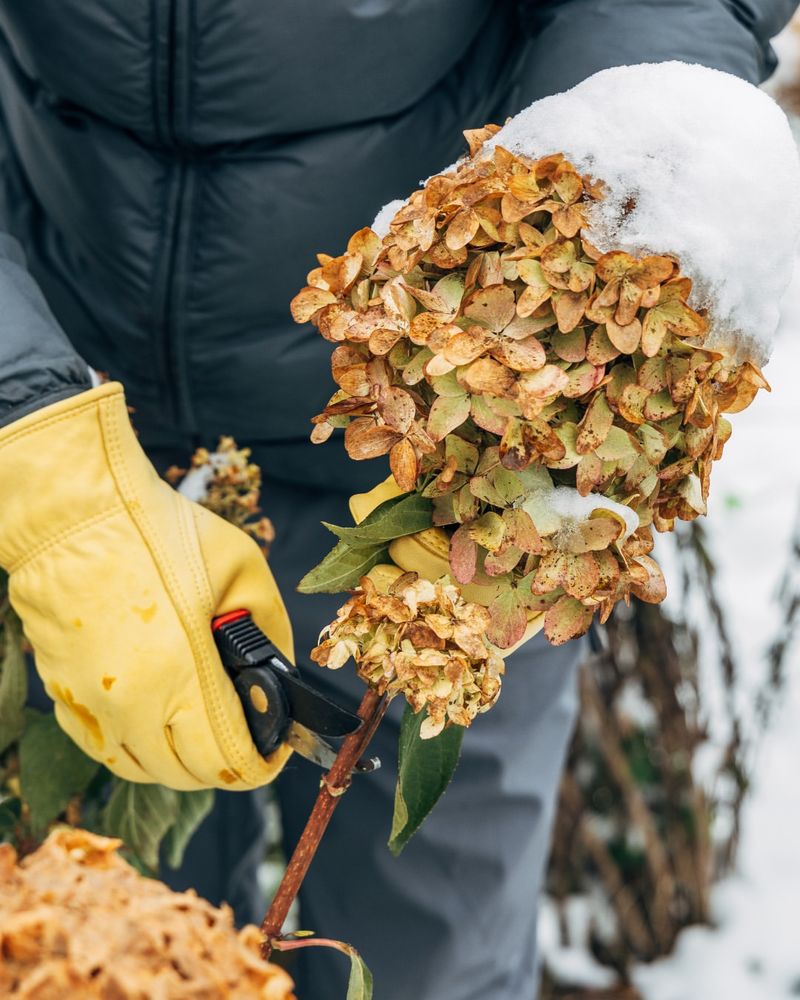
Rushing to tidy up your garden as soon as snow melts might feel productive, but it can actually leave plants more vulnerable to the next cold snap. Dead foliage and mulch layers that look messy often provide valuable insulation during temperature fluctuations.
Patience pays off when it comes to spring cleanup in New Hampshire’s unpredictable climate.
Old plant stems and leaf litter create natural barriers against wind and frost. These organic materials also help regulate soil temperature, preventing the freeze-thaw cycles that can heave plant roots out of the ground.
Waiting until you’re confident that freezing weather has truly finished gives perennials and bulbs extra time to establish themselves safely.
Mulch that settled over winter might look thin in spots, but it’s still doing important work. Adding fresh mulch too early can smother emerging shoots that are trying to push through the soil surface.
Observing what’s already coming up helps you decide when and where to refresh your mulch layers without causing accidental harm.
Some gardeners in New Hampshire follow the rule of waiting until local trees have fully leafed out before doing major cleanup. This natural indicator suggests that the risk of hard freezes has mostly passed.
Regional plants have adapted to local conditions over time, making them reliable guides for timing garden tasks.
5. Managing Soil Moisture During Snow Melt
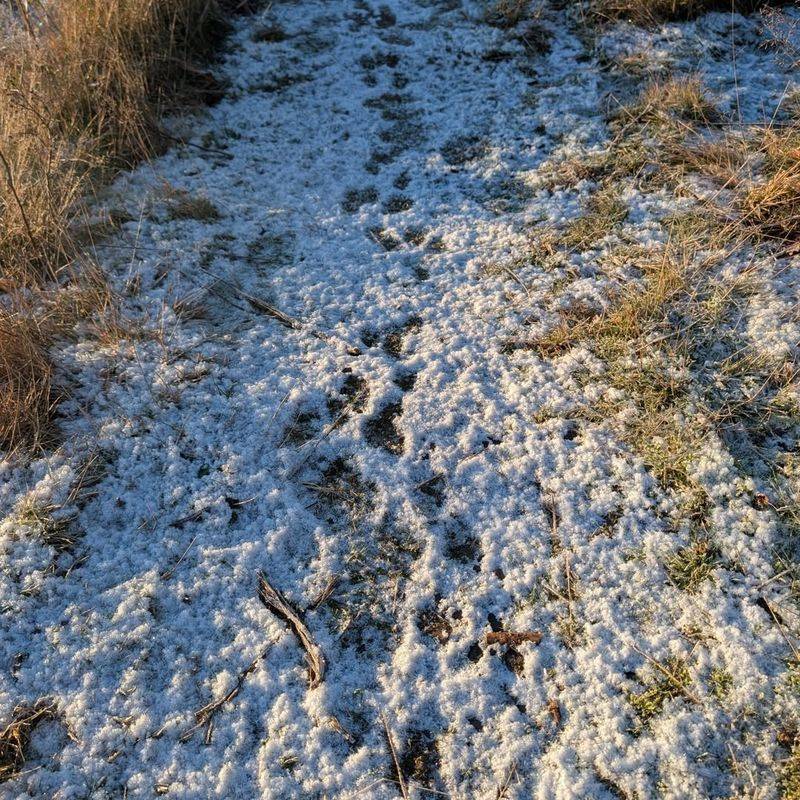
Melting snow dumps a lot of water into garden beds all at once, which can saturate soil and stress plant roots. Proper drainage becomes especially important during these periods when the ground is still partially frozen underneath.
New Hampshire’s clay-heavy soils in many areas make this challenge even trickier to manage effectively.
Checking for standing water after snow melts helps you identify problem spots that might need attention. Puddles that stick around for more than a day or two suggest that drainage improvements could benefit those areas.
Adding organic matter or creating slight slopes can help water move away from plant crowns where it might otherwise cause rot.
Avoid walking on wet garden beds since compacting saturated soil damages its structure and reduces air spaces. These air pockets are essential for healthy root growth and beneficial soil organisms.
Waiting until the ground firms up a bit protects your soil’s long-term health and productivity.
Some plants tolerate wet feet better than others, so knowing your garden’s drainage patterns helps with future planting decisions. Placing moisture-sensitive species in raised areas or amended beds prevents recurring problems during spring melt cycles.
Learning from each season’s challenges makes your garden more resilient over time.
If heavy snow melt threatens to flood certain areas, creating temporary channels with a hoe or rake can direct excess water toward better drainage spots. This quick intervention can prevent waterlogged conditions that stress plants already dealing with temperature fluctuations.
6. Moving Containers To Safer Spots
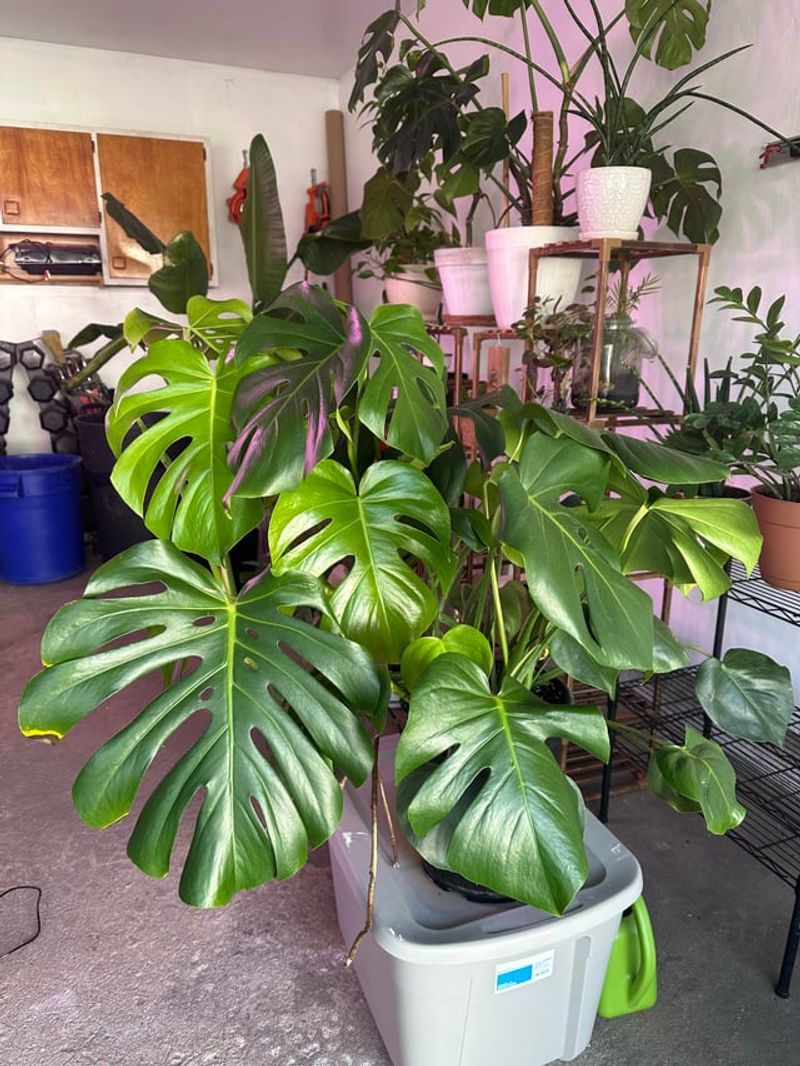
Potted plants face unique challenges during late-season cold because their roots have less insulation than in-ground specimens. Container soil can freeze solid much faster than garden beds, putting even hardy plants at risk.
New Hampshire homeowners with container gardens need to think strategically about placement when unexpected snow threatens.
Shifting pots closer to the house foundation or under roof overhangs provides significant protection from wind and precipitation. These sheltered microclimates can be several degrees warmer than open areas just a few feet away.
Even moving containers against a south-facing wall for a night or two can make the difference between thriving plants and frost-damaged ones.
Grouping pots together creates a mass that holds heat better than scattered individual containers. The combined soil volume moderates temperature changes more effectively than isolated pots.
This clustering technique also makes it easier to cover multiple containers at once if you need to add extra protection.
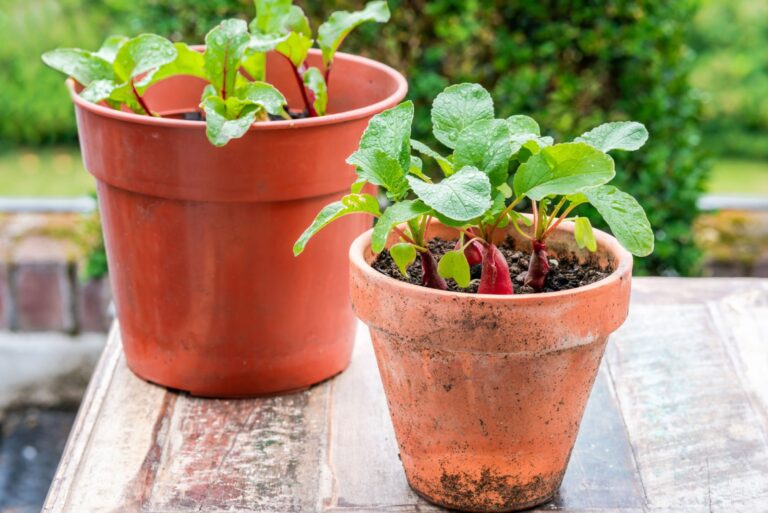
Unglazed terra cotta pots are particularly vulnerable to cracking when wet soil freezes and expands. Bringing these containers into an unheated garage or shed prevents damage to both the pot and the plant inside.
Plastic and resin containers handle freeze-thaw cycles better but still benefit from some shelter during harsh weather.
For containers too heavy to move easily, wrapping the outside with bubble wrap or burlap adds insulation to the root zone.
7. Letting Snow Act As Insulation When Possible
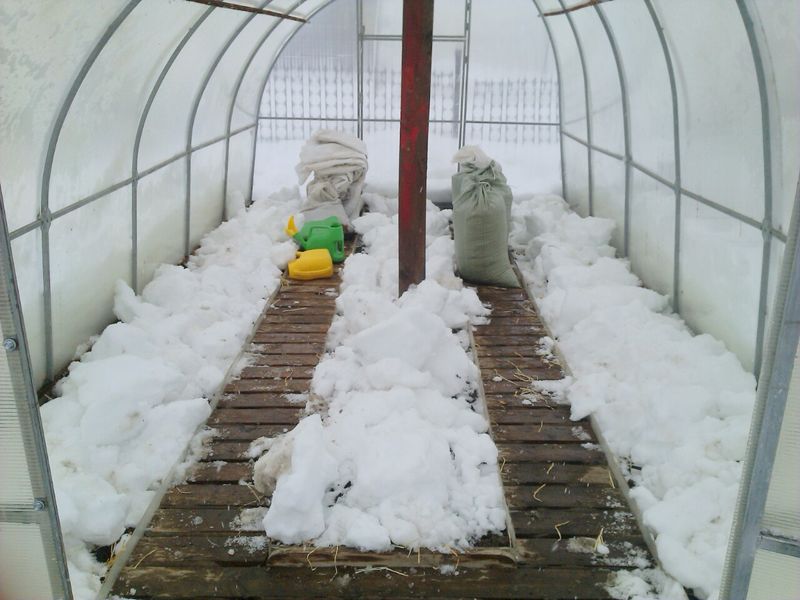
Not all snow is bad for your garden, and sometimes the best action is simply leaving it alone. A blanket of snow can actually protect plants from temperature extremes and drying winds better than many artificial covers.
Understanding when to let nature do the work saves effort and often produces better results than constant intervention.
Light, fluffy snow creates air pockets that trap warmth rising from the soil. This natural insulation keeps the ground temperature more stable than exposed areas experience.
New Hampshire’s established perennials and shrubs often fare better under snow cover than they would if constantly exposed to fluctuating temperatures and harsh winds.
Heavy, wet snow poses different challenges since its weight can break branches and crush delicate growth. Gently brushing off accumulations from evergreen shrubs and flexible plants prevents structural damage.
Using an upward sweeping motion rather than pulling down helps avoid additional breakage.
Snow that falls on dormant or semi-dormant plants provides excellent protection without the moisture-trapping problems that artificial covers can create. The snow itself allows air circulation while blocking wind and moderating temperature swings.
Once it melts, the water soaks into the soil gradually rather than running off or pooling.
Knowing which plants benefit from snow cover and which need intervention comes with experience and observation.
Hardy spring bulbs often push right through melting snow without any issues, while tender seedlings might need clearing and covering.
8. Checking For Damage After Temperatures Stabilize
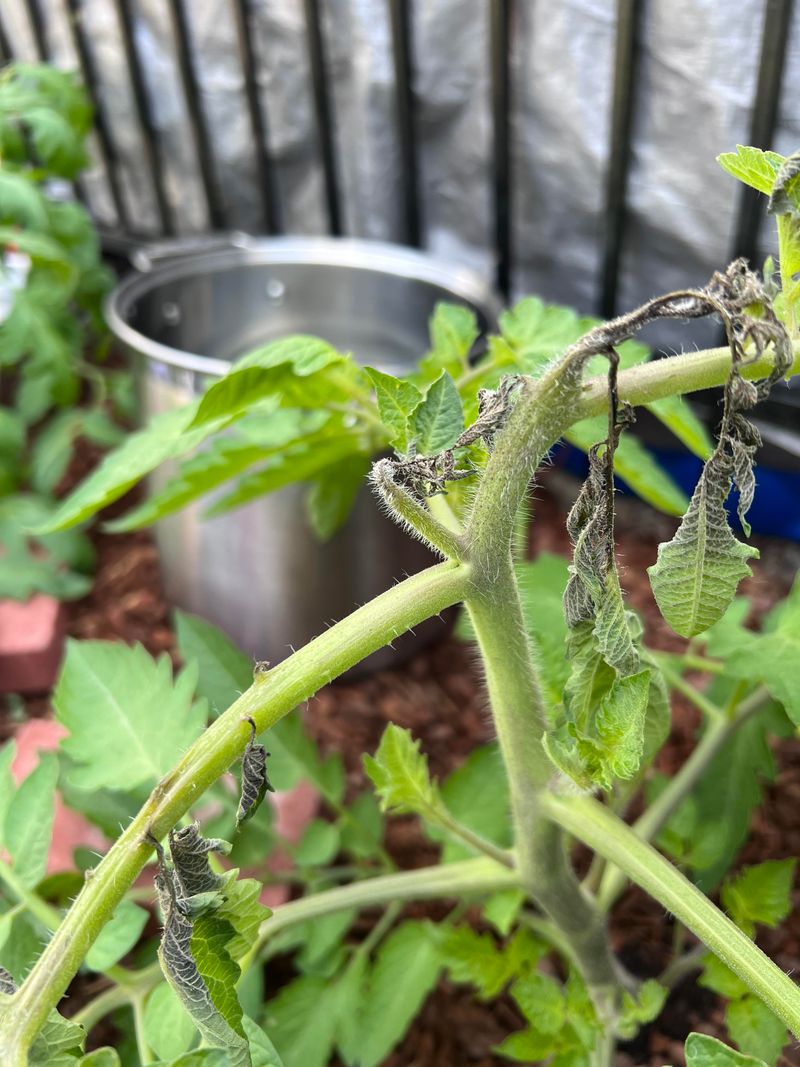
Once the immediate threat passes, resist the urge to rush out and assess every plant right away. Frozen tissues are brittle and easily damaged by handling before they’ve had time to thaw naturally.
New Hampshire gardeners who practice patience during the recovery period often end up with healthier plants than those who intervene too quickly.
Waiting a few days after temperatures climb above freezing gives you a clearer picture of actual damage versus temporary wilting. Some plants look terrible immediately after a freeze but bounce back completely once their systems recover.
Premature pruning or removal can waste plants that would have survived with a little more time.
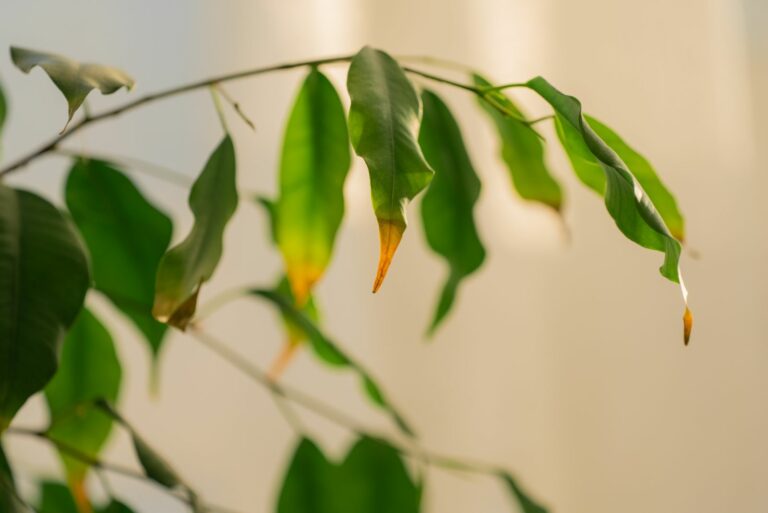
Brown or blackened foliage usually indicates frost damage, but the extent of harm to the whole plant might not be obvious right away. Checking stems for green tissue underneath the bark helps determine whether the plant’s vascular system survived intact.
Scraping a small section with your thumbnail reveals whether there’s still life in apparently damaged branches.
Documenting which plants struggled and which sailed through cold events helps you make better choices in future seasons. Taking notes or photos creates a record you can refer to when planning next year’s garden.
This information becomes especially valuable for trying new varieties or experimenting with borderline-hardy species in New Hampshire’s challenging climate.
If damage is severe, holding off on major pruning until new growth appears shows you exactly where to cut. Plants often surprise gardeners by sprouting from lower buds or even from the root crown after apparent total loss.
9. Resuming Normal Care Only When Conditions Improve
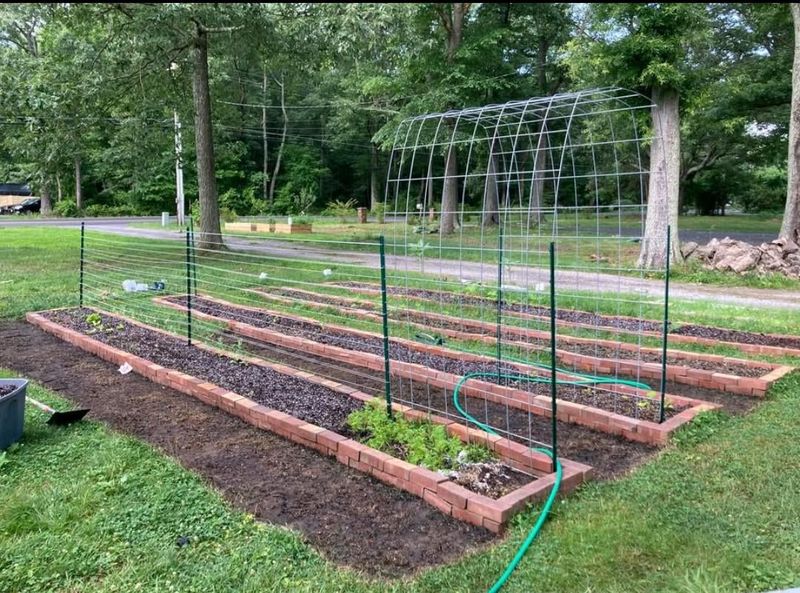
Jumping back into regular gardening routines too quickly can stress plants that are still recovering from cold exposure. Fertilizing, transplanting, or heavy pruning should wait until you’re confident that freezing weather is truly behind you.
New Hampshire’s spring timeline varies considerably from year to year, making calendar dates unreliable guides for resuming normal garden activities.
Plants need time to repair damaged tissues and restart growth processes after cold stress. Pushing them with fertilizer or aggressive care before they’re ready can actually slow recovery rather than speed it up.
Observing signs of active new growth tells you when plants are ready to handle more intensive care.
Soil temperature matters as much as air temperature for many garden tasks. Cold soil slows root activity and nutrient uptake, making fertilizer applications ineffective or even harmful.
Using a soil thermometer helps you decide when conditions are right for planting, feeding, and other soil-related activities.
Watering needs change during recovery periods since damaged plants often use less water than healthy, actively growing ones. Checking soil moisture before watering prevents overwatering that could compound problems for stressed root systems.
Letting the soil surface dry slightly between waterings encourages roots to grow deeper and stronger.
Gradually increasing care as weather stabilizes gives plants the best chance to fully recover and thrive.