How New Jersey Homeowners Keep Indoor Ferns From Drying Out In Winter
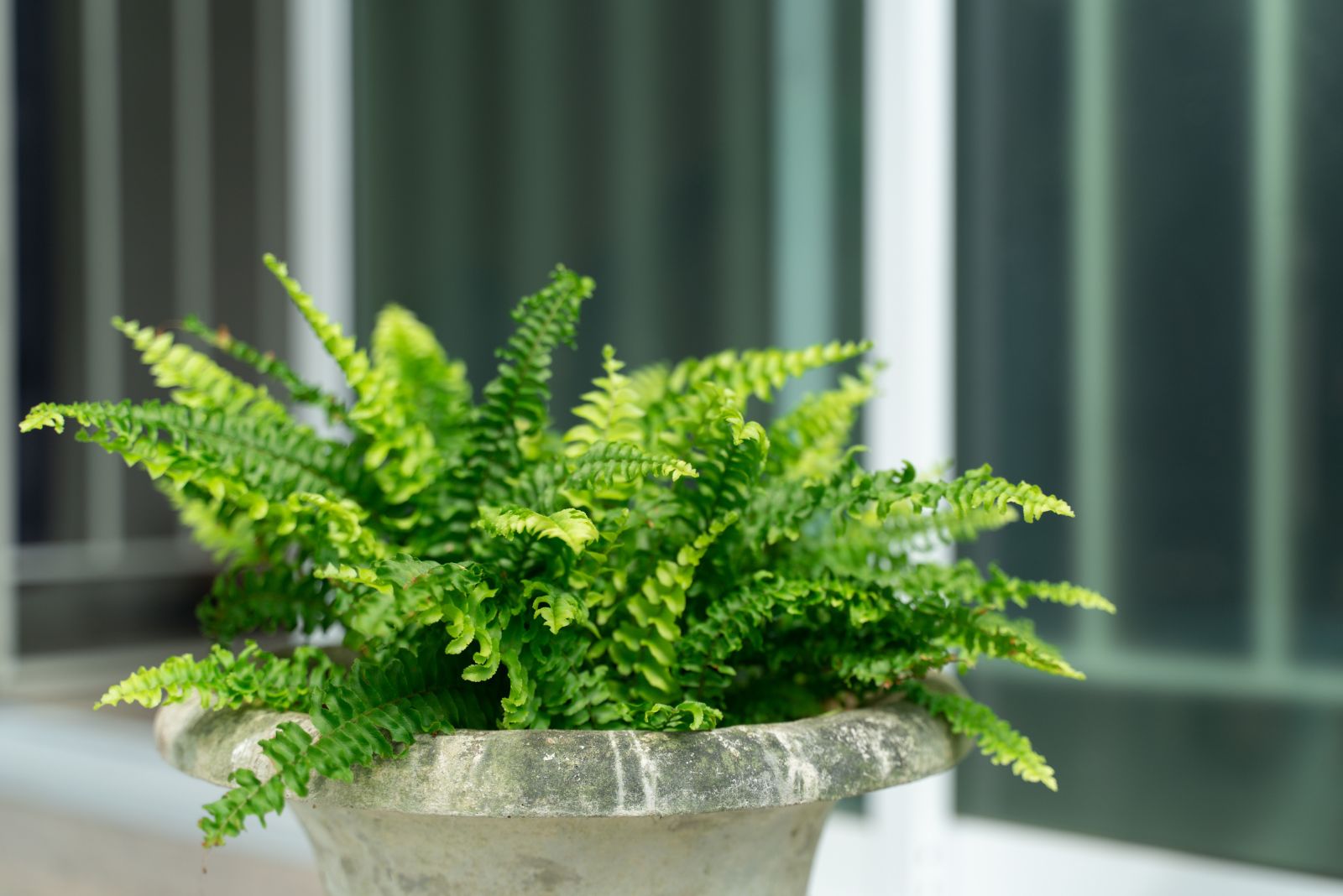
Winter in New Jersey can be rough on indoor ferns, even though they never see a flake of snow.
Once the heat kicks on, the air turns dry, and those lush green fronds can start to look crisp around the edges.
A fern that seemed happy in fall may suddenly droop, shed leaves, or lose its bounce, leaving homeowners scratching their heads.
Still, ferns are tougher than they look and respond well to a little extra care when the cold months roll in.
Small changes, like boosting humidity or finding the right spot away from vents, can make a world of difference.
Many New Jersey homeowners learn to read their plants like a book, catching early signs of stress before things go south.
With steady attention and a few smart habits, indoor ferns can keep their rich color and full shape all winter long.
The trick lies in working with the season, not against it, so these leafy favorites stay fresh and thriving until spring returns.
1. Increase Humidity Levels With A Humidifier
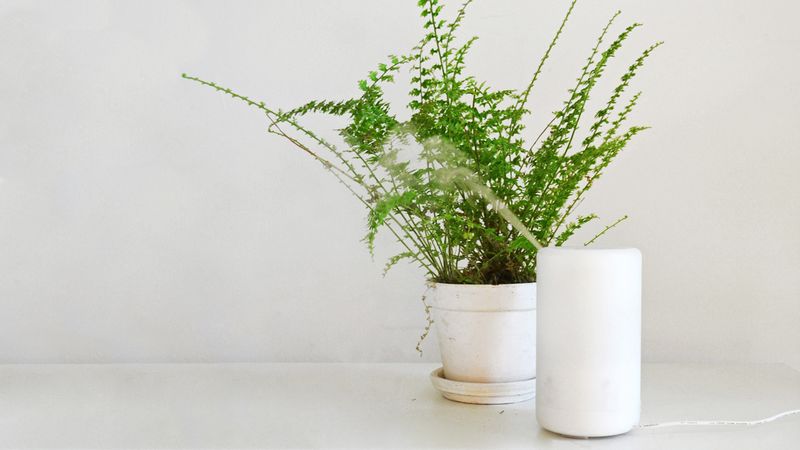
Central heating systems work overtime during New Jersey winters, but they also strip moisture from the air inside your home.
Ferns naturally grow in humid environments like forest floors, so when indoor humidity drops below 40 percent, these plants start showing signs of stress.
Brown leaf tips and crispy edges appear first, followed by overall wilting if conditions don’t improve.
A quality humidifier can transform your indoor environment and create the perfect atmosphere for ferns to flourish.
Place the humidifier near your fern collection, aiming to maintain humidity levels between 50 and 60 percent.
You can monitor these levels with an inexpensive hygrometer available at most garden centers or online retailers.
Running a humidifier benefits more than just your plants.
Many New Jersey residents notice their skin feels less dry and their respiratory systems feel better when indoor humidity stays balanced.
Cool-mist humidifiers work wonderfully and are safer around plants than warm-mist versions.
Remember to clean your humidifier regularly according to the manufacturer’s instructions.
Mineral deposits and bacteria can build up inside the unit, which could harm both your health and your plants.
Change the water daily and use distilled water if your tap water contains high mineral content.
If purchasing a humidifier isn’t in your budget right now, grouping plants together creates a mini humid microclimate.
As plants release moisture through transpiration, they help each other stay hydrated naturally.
2. Mist Fern Fronds Regularly Throughout The Day
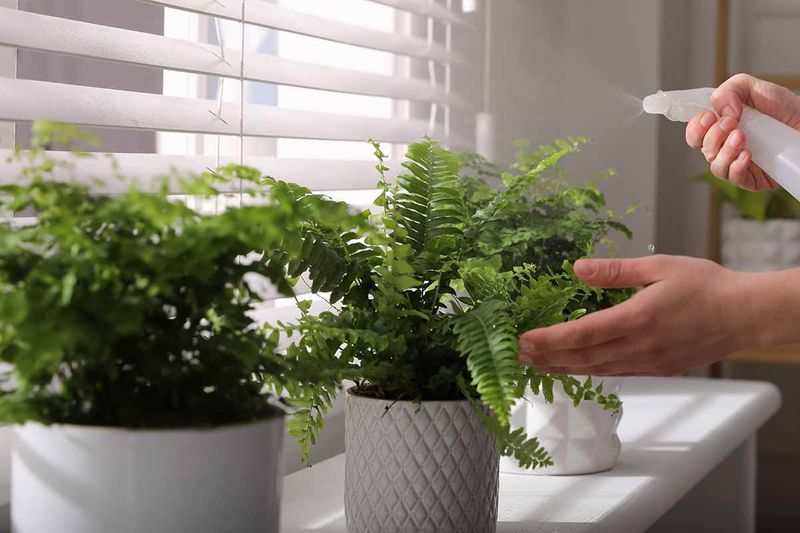
Quick bursts of moisture can make a noticeable difference in how your ferns handle dry winter air.
Misting mimics the natural dew and light rain that ferns experience in their native habitats.
While it’s not a complete replacement for proper humidity, regular misting provides temporary relief and keeps fronds looking fresh.
Fill a clean spray bottle with room-temperature water and lightly mist your ferns two to three times daily.
Early morning works best for the first misting session, giving fronds time to absorb moisture before afternoon temperatures rise.
A second misting around midday helps counteract the drying effects of heating systems running at full capacity.
Avoid misting late in the evening, as water sitting on leaves overnight can encourage fungal problems.
New Jersey homes tend to cool down after sunset even with heating, and wet foliage in cooler temperatures creates conditions where mold and mildew thrive.
Use filtered or distilled water if possible, especially if your local tap water contains chlorine or minerals.
These substances can leave white spots on delicate fern fronds and build up over time.
If you only have tap water available, let it sit in an open container overnight so chlorine can evaporate.
Don’t drench your ferns when misting.
A fine, light spray covering the fronds is sufficient.
Heavy spraying that leaves water pooling at the base of the plant or dripping excessively won’t provide additional benefits and might create problems.
3. Place Ferns On Pebble Trays Filled With Water
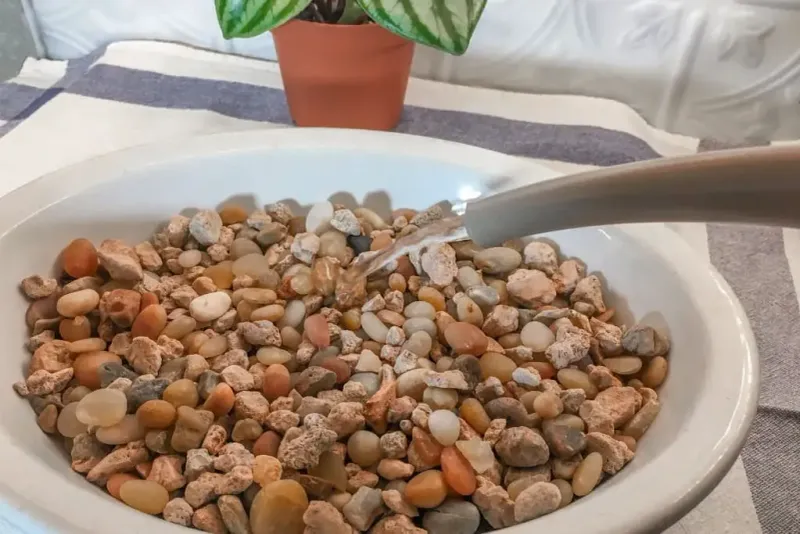
Creating a pebble tray takes just a few minutes but delivers lasting humidity benefits throughout the entire winter season.
This simple setup works by allowing water to evaporate slowly around your ferns, raising the moisture level in their immediate surroundings.
Garden centers across New Jersey sell decorative trays and pebbles, or you can assemble your own using materials from home improvement stores.
Start by selecting a waterproof tray or saucer slightly larger than your fern’s pot.
Spread a layer of clean pebbles, decorative stones, or marbles across the bottom of the tray.
Pour water into the tray until it reaches just below the top surface of the pebbles.
Set your potted fern on top of the pebbles, making sure the bottom of the pot stays above the waterline.
Direct contact between the pot and standing water can lead to root rot, which seriously damages ferns.
The goal is for evaporating water to rise around the plant without the roots sitting in moisture.
Check the water level in your pebble tray every few days and refill as needed.
During particularly dry stretches common in New Jersey winters, you might need to add water daily.
Rinse the pebbles monthly to prevent algae growth and mineral buildup.
Multiple ferns can share one large tray if you have several plants grouped together.
This arrangement not only simplifies maintenance but also amplifies the humidity effect as evaporation from a larger water surface benefits all nearby plants simultaneously.
4. Adjust Watering Schedule To Maintain Consistent Moisture
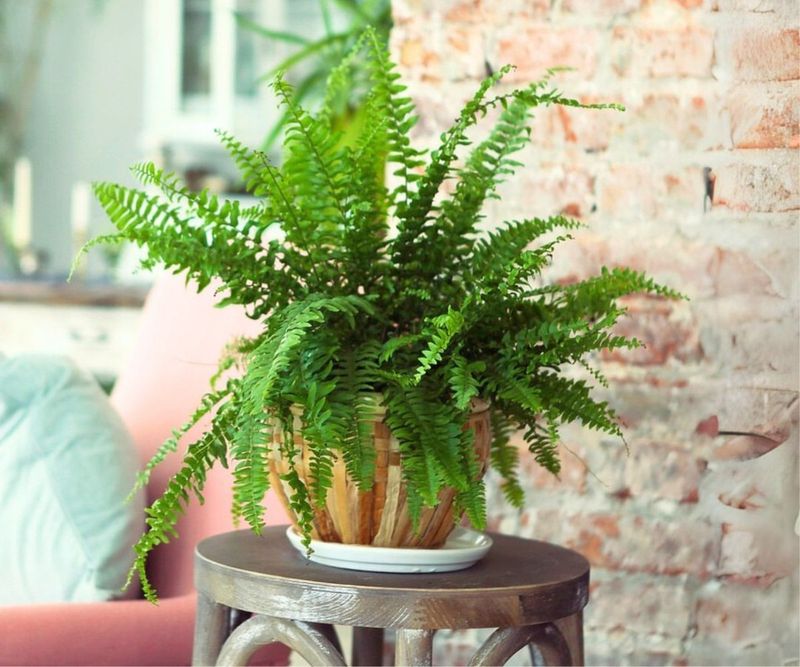
Finding the right watering rhythm becomes especially important when New Jersey temperatures drop and indoor heating systems alter how quickly soil dries out.
Ferns prefer their soil to stay consistently moist but never waterlogged.
Too much water suffocates roots, while too little causes fronds to shrivel and turn brown.
Check your fern’s soil moisture by sticking your finger about an inch deep into the potting mix.
If it feels dry at that depth, it’s time to water.
During winter, most ferns need watering approximately once or twice per week, though this varies based on your home’s temperature and humidity levels.
Water thoroughly until excess moisture drains from the bottom of the pot.
This ensures the entire root system receives hydration rather than just the top layer of soil.
Empty any water that collects in the saucer beneath the pot within 30 minutes to prevent root problems.
Room-temperature water works best for ferns.
Cold water straight from the tap can shock the roots, while hot water obviously causes damage.
Let tap water sit in your watering can for a few hours before using it on your plants.
Winter watering differs from summer care because ferns grow more slowly when daylight hours shorten.
They require less frequent watering than during their active growing season.
Pay attention to how your specific fern responds and adjust accordingly, as different varieties have slightly different needs even though most prefer similar conditions.
5. Keep Ferns Away From Heat Sources And Cold Drafts
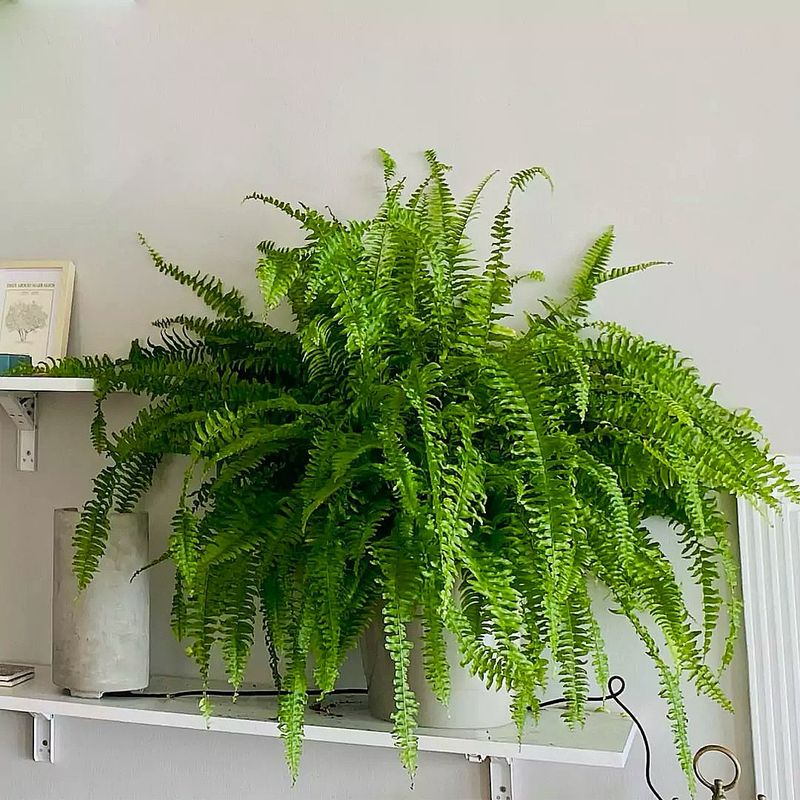
Location matters tremendously when protecting ferns from winter stress in your New Jersey home.
Radiators, heating vents, and fireplaces create zones of extremely dry, hot air that can quickly damage even the healthiest ferns.
Similarly, cold drafts from poorly sealed windows or frequently opened doors cause temperature fluctuations that stress these sensitive plants.
Survey your home and identify spots where temperature and humidity remain relatively stable throughout the day.
Ideal locations stay between 60 and 75 degrees Fahrenheit without dramatic swings.
Bathrooms often work wonderfully for ferns because they naturally have higher humidity levels, especially if you take regular hot showers.
Position ferns at least three feet away from radiators, baseboard heaters, and heating vents.
The dry, hot air blowing directly from these sources will quickly turn fronds crispy despite your best efforts with humidity and watering.
If your only available space is near a heat source, consider using a decorative screen or placing another piece of furniture between the heater and your fern.
Windows present a double challenge during winter months.
While ferns need good light, cold air seeping through old window frames or single-pane glass can chill plants overnight.
Move ferns back from windows on particularly cold nights, or ensure your windows are properly sealed and insulated.
Hallways near exterior doors also create problems because temperature drops every time someone enters or exits.
Find a spot with consistent conditions, and your ferns will reward you with healthy growth all winter long.
6. Provide Adequate Indirect Light During Shorter Days
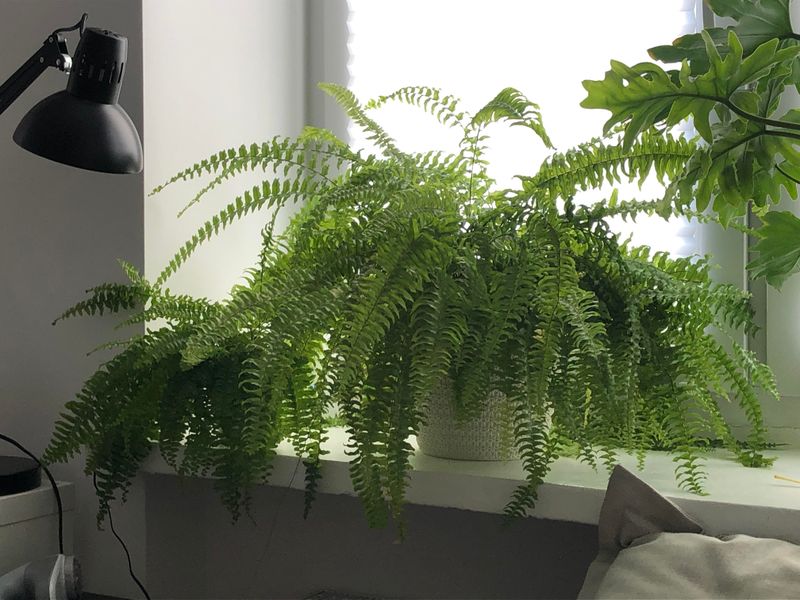
Shorter daylight hours challenge indoor plants throughout the Northeast, and New Jersey ferns are no exception.
While ferns don’t need intense direct sunlight, they do require sufficient light to maintain their metabolism and produce the energy needed for healthy growth.
Without adequate light, ferns become weak and more susceptible to other winter stressors.
North or east-facing windows typically provide ideal lighting conditions for most fern varieties.
These exposures offer bright, indirect light without the harsh afternoon rays that can scorch delicate fronds.
If you only have south or west-facing windows, hang sheer curtains to filter the light and prevent damage.
Watch your fern’s appearance for clues about lighting needs.
Pale or yellowing fronds often indicate too much direct sun, while sparse growth and faded color suggest insufficient light.
Adjust placement gradually, moving plants just a few feet at a time and observing how they respond over several days.
Some New Jersey homeowners supplement natural light with grow lights during the darkest winter months.
LED grow lights work efficiently and produce minimal heat, making them safe to position close to ferns.
Run supplemental lights for 10 to 12 hours daily to mimic natural day length and support healthy growth.
Remember to rotate your ferns every week or two so all sides receive equal light exposure.
Plants naturally grow toward their light source, and regular rotation prevents lopsided development.
This simple habit keeps your ferns looking full and symmetrical throughout winter.
7. Monitor And Remove Any Brown Or Damaged Fronds
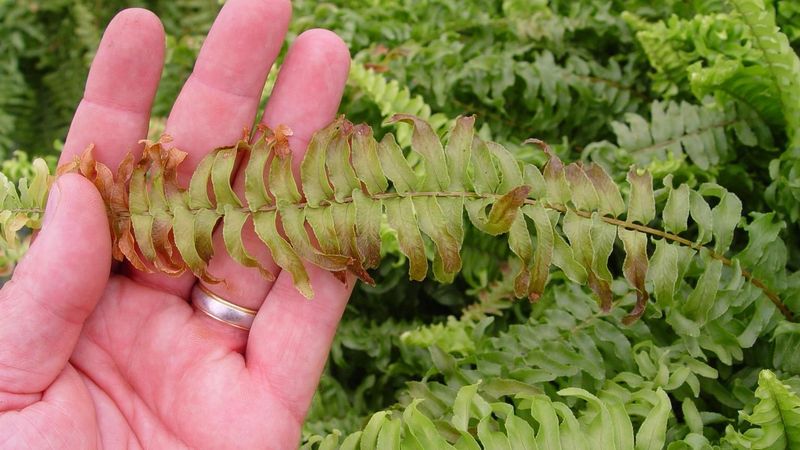
Even with excellent care, some fern fronds naturally age and decline during winter months.
Brown, crispy, or yellowing fronds not only look unattractive but also drain energy from the plant as it tries to support damaged tissue.
Regular grooming keeps your ferns looking their best and redirects the plant’s resources toward producing healthy new growth.
Inspect your ferns weekly for any fronds showing signs of decline.
Use clean, sharp scissors or pruning shears to remove damaged growth, cutting as close to the base as possible without injuring healthy stems.
Wipe your cutting tools with rubbing alcohol between plants to prevent spreading any potential diseases.
Don’t worry if you need to remove quite a few fronds, especially if your fern experienced stress before you implemented better care practices.
Ferns are remarkably resilient and will bounce back quickly once conditions improve.
New growth typically emerges from the center of the plant, gradually filling in bare spots.
Brown leaf tips can be trimmed without removing entire fronds if the damage is minor.
Cut just the brown portion, following the natural shape of the frond to maintain an attractive appearance.
This approach works well when only the very ends of fronds have dried out due to low humidity.
Collect and discard removed plant material rather than leaving it in the pot.
Decaying vegetation can harbor pests and diseases, creating problems you’d rather avoid.
Many New Jersey municipalities accept plant waste in yard waste collection, making disposal convenient and environmentally responsible.