How New Jersey Residents Are Creating Gorgeous Gravel Gardens Without Weeds
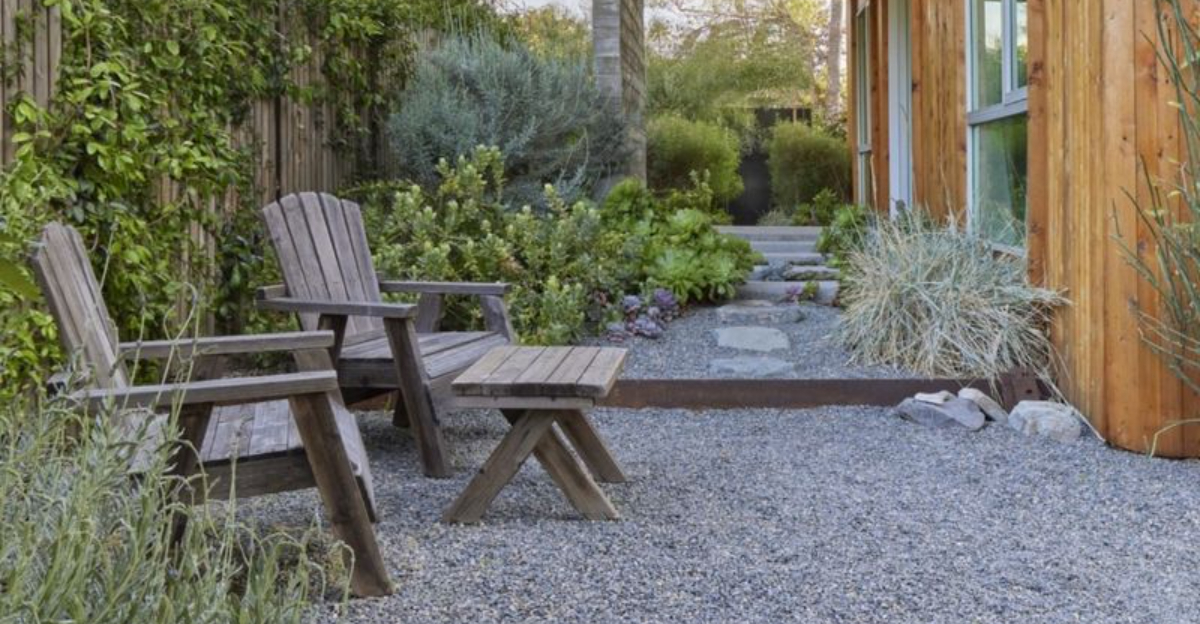
Gravel gardens are becoming one of the hottest trends for New Jersey homeowners who want a beautiful yard without spending hours pulling weeds.
These low-maintenance landscapes use stones, rocks, and carefully chosen plants to create stunning outdoor spaces that stay tidy all season long.
Garden lovers across the state are discovering smart techniques that keep unwanted plants away while making their properties look amazing.
Installing Professional-Grade Landscape Fabric As Your Foundation
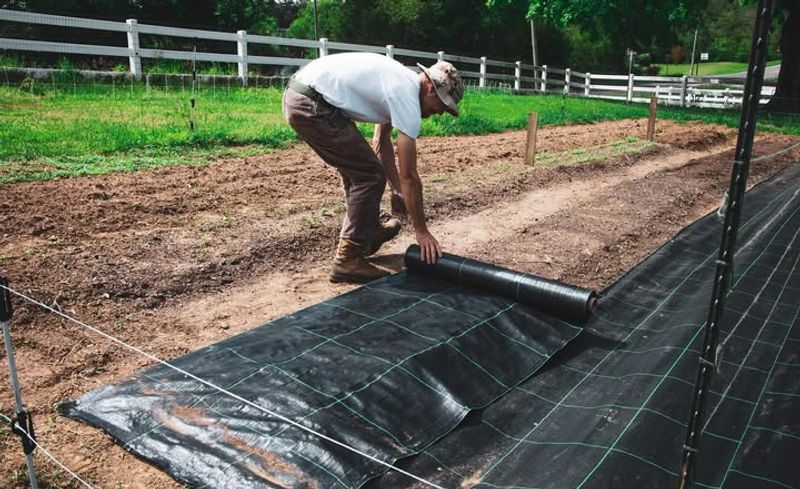
Landscape fabric acts like an invisible shield between your soil and gravel, blocking sunlight that weeds need to sprout and grow.
Many New Jersey gardeners start their gravel garden projects by laying down commercial-grade fabric that can last for years without breaking down.
The fabric allows water and nutrients to pass through while keeping persistent weeds from pushing up through your decorative stones.
Choosing the right thickness matters more than most people realize.
Cheaper fabrics tear easily and let aggressive weeds punch through, while professional-grade materials stay strong season after season.
Most successful gravel gardeners overlap their fabric pieces by at least six inches and secure everything with sturdy landscape staples.
Before laying fabric, remove existing weeds and level your soil so the barrier sits flat and uniform.
Smooth installation prevents bumps that could create weak spots where determined weeds might eventually emerge.
Proper foundation work at the beginning saves countless hours of frustration later, giving you more time to enjoy your beautiful garden instead of battling unwanted plants that sneak through gaps.
Choosing The Right Gravel Size And Type For Weed Prevention
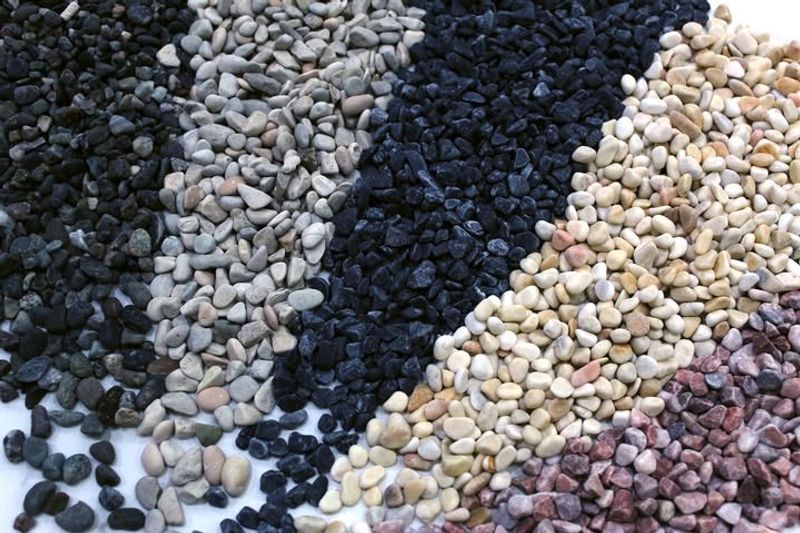
Not all gravel works equally well at keeping weeds away, and experienced New Jersey gardeners know that size and type make a huge difference.
Smaller stones like pea gravel tend to shift and settle, creating tiny pockets where wind-blown seeds can take root and start growing.
Larger stones between one to three inches across stay more stable and make it harder for weeds to find comfortable spots to germinate.
Angular crushed stone locks together better than smooth river rocks, creating a tighter barrier that discourages weed growth.
The jagged edges interlock naturally, leaving fewer spaces for soil to accumulate and seeds to settle.
Many homeowners also discover that lighter-colored gravels reflect more heat, making the surface less hospitable for tender weed seedlings trying to establish themselves.
Consider your garden style when selecting materials, but always prioritize function alongside appearance.
A three-inch layer of appropriately sized gravel over quality landscape fabric creates an impressive defense against unwanted plants.
Mixing different stone types can add visual interest while maintaining excellent weed-blocking properties throughout your outdoor space.
Creating Proper Drainage Systems That Discourage Weed Growth
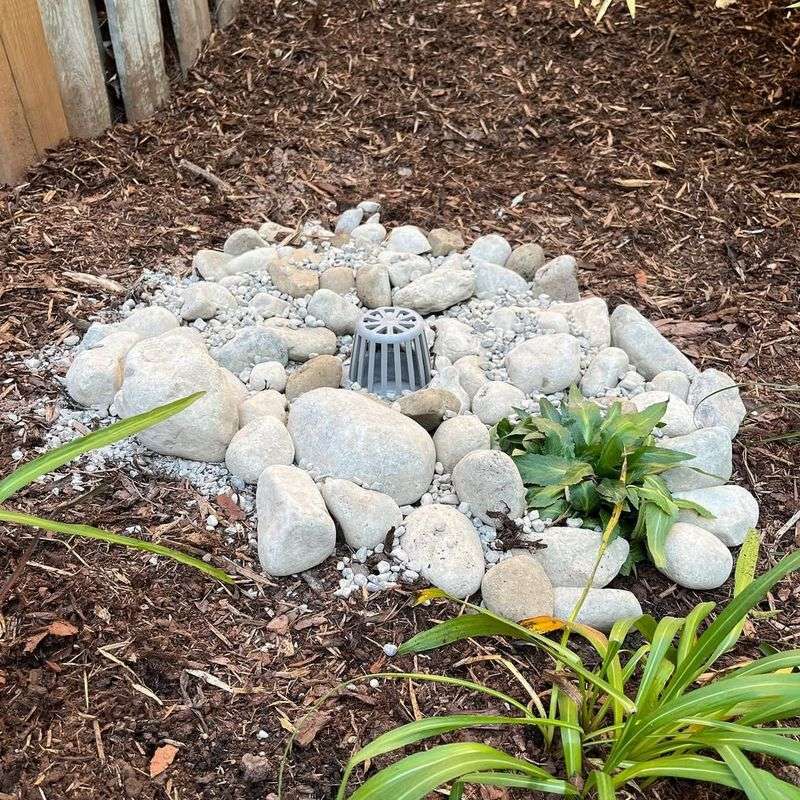
Standing water creates perfect conditions for weeds to thrive, so smart drainage planning is essential for maintaining a weed-free gravel garden.
New Jersey experiences plenty of rainfall throughout the year, and gardens without proper water management quickly become muddy breeding grounds for unwanted plants.
Sloping your gravel beds away from buildings and creating natural drainage paths keeps moisture moving instead of pooling.
French drains work wonderfully beneath gravel gardens, carrying excess water away before it can create soggy spots where weeds love to grow.
These underground systems use perforated pipes surrounded by gravel to collect and redirect water efficiently.
Installing them during your initial garden setup prevents future headaches and keeps your landscape looking pristine even after heavy storms.
Good drainage also protects your landscape fabric from breaking down prematurely due to constant moisture exposure.
When water flows freely through your gravel and away from your garden, the entire system stays healthier and more effective at blocking weeds.
Homeowners who invest time in proper drainage during construction enjoy beautiful, low-maintenance gardens for many years without fighting persistent weed problems.
Using Edging Materials To Create Impenetrable Boundaries
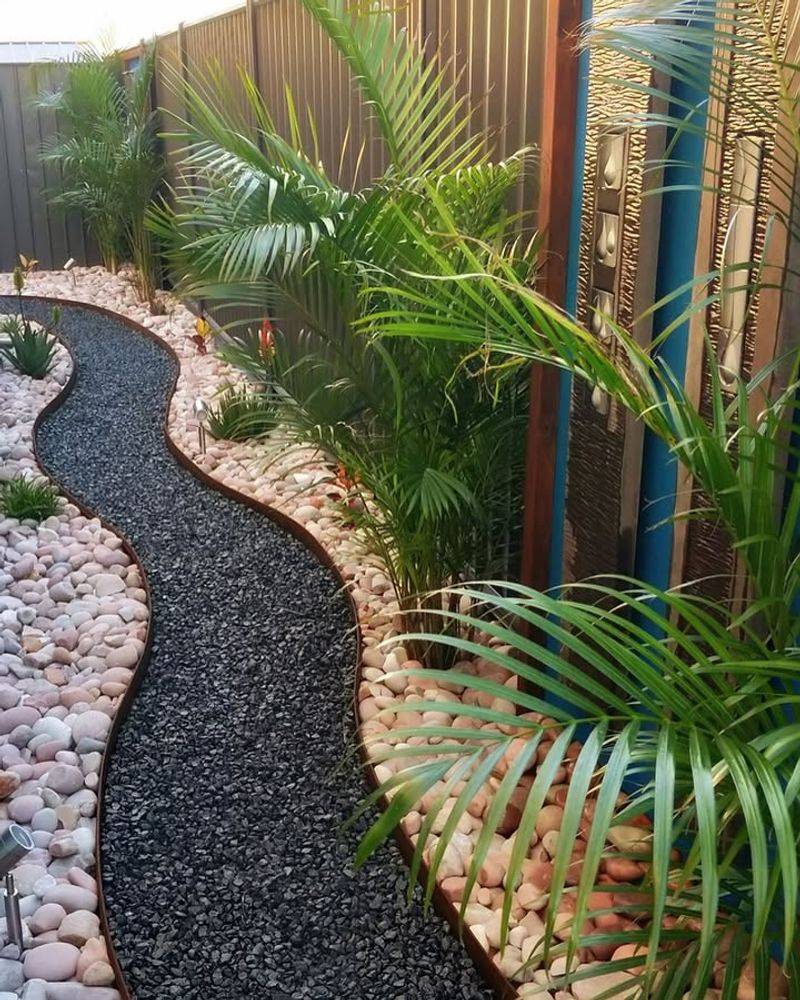
Strong edging creates a clear barrier that stops grass and weeds from creeping into your gravel garden from surrounding lawn areas.
Without proper borders, persistent plants like crabgrass and creeping charlie will invade from the edges, slowly taking over your carefully designed space.
Metal, stone, or heavy-duty plastic edging sunk several inches into the ground blocks underground roots and runners that try to sneak across boundaries.
New Jersey gardeners find that steel edging provides the longest-lasting and most effective barrier against invasive plants.
The material flexes to create smooth curves while staying rigid enough to block even the most determined weeds.
Installing edging that extends at least four inches below ground level and rises two inches above catches both surface creepers and underground invaders.
Professional-looking edges also give your gravel garden a polished, intentional appearance that increases your property value.
Clean lines between different landscape areas make maintenance easier because you can clearly see where to focus your efforts.
Taking time to install quality edging during your initial setup prevents years of frustration fighting weeds that migrate from adjacent areas into your beautiful stone garden.
Applying Pre-Emergent Herbicides At Strategic Times
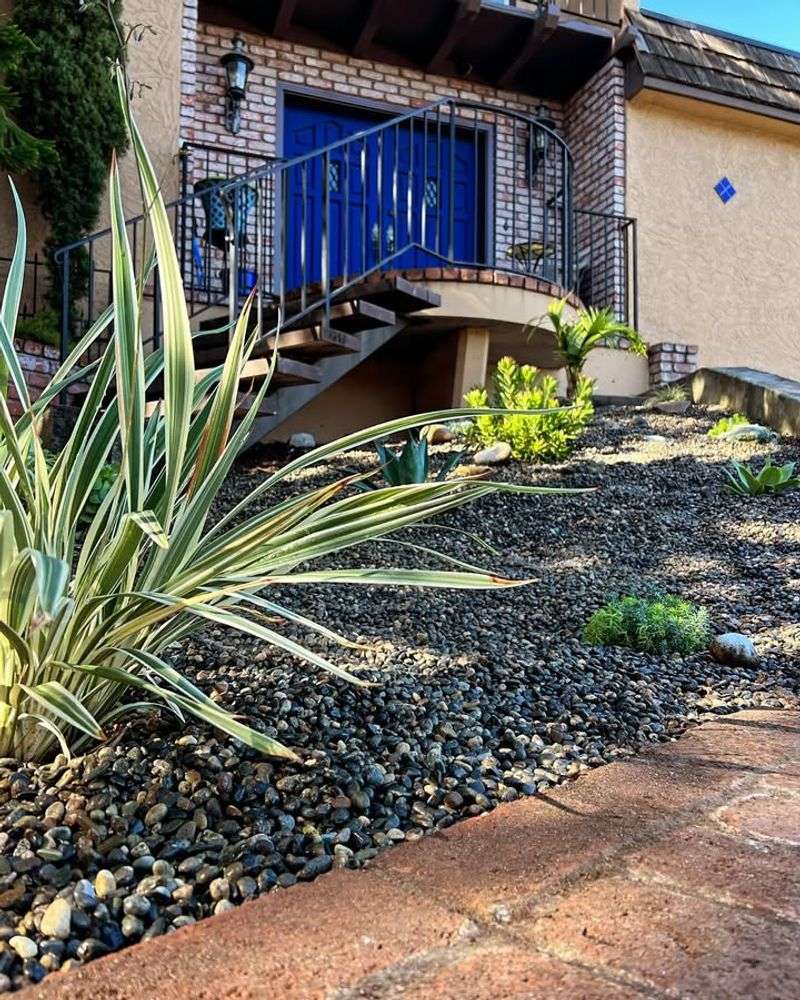
Pre-emergent herbicides work like invisible force fields that stop weed seeds from sprouting without harming established plants already growing in your garden.
These products create a chemical barrier in the top layer of soil that disrupts seed germination, preventing weeds before they ever become visible problems.
New Jersey gardeners typically apply pre-emergents twice yearly, once in early spring and again in early fall, to cover the primary weed-growing seasons.
Timing matters enormously when using these products because they only work on seeds that haven’t germinated yet.
Apply too late and weeds will already be growing; apply too early and the product may break down before weed season arrives.
Most successful gardeners mark their calendars for application when forsythia blooms in spring and when temperatures start cooling in September.
Combining pre-emergent treatments with physical barriers like landscape fabric and gravel creates a powerful multi-layer defense system.
Even though these herbicides are quite effective, they work best as part of a comprehensive weed-prevention strategy rather than as a standalone solution for your gravel garden maintenance routine.
Selecting Drought-Tolerant Plants That Outcompete Weeds
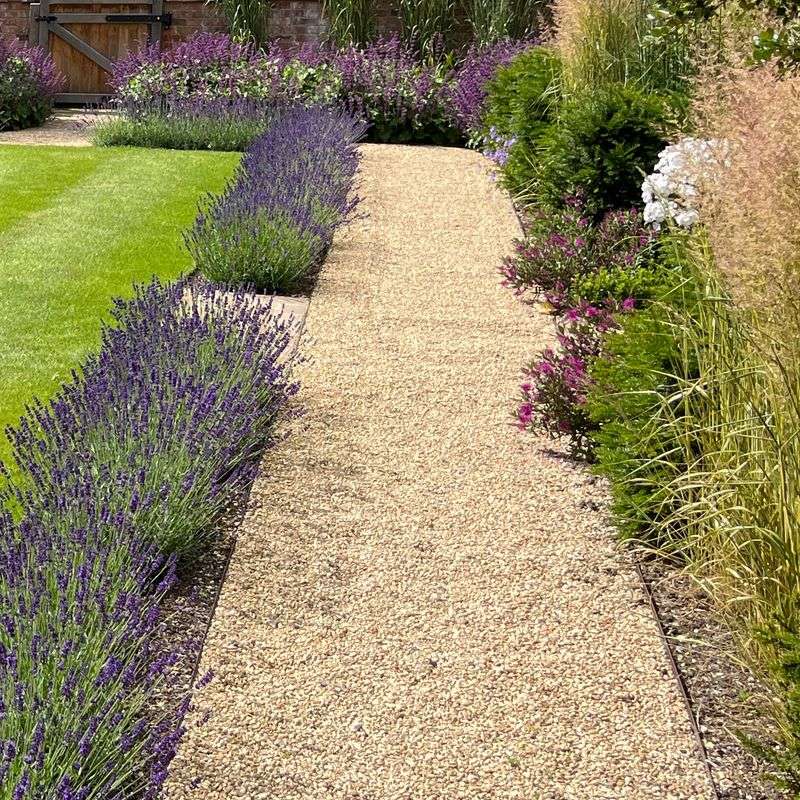
Filling your gravel garden with tough, low-maintenance plants leaves less room for weeds to establish themselves and compete for resources.
Drought-tolerant species adapted to rocky, dry conditions naturally thrive in gravel environments where many weeds struggle to survive.
Plants like sedums, lavender, yarrow, and ornamental grasses spread slowly but steadily, creating living barriers that shade out potential weed seedlings.
These hardy plants require minimal watering once established, which is another advantage for weed control since frequent watering encourages weed seed germination.
New Jersey’s climate supports numerous beautiful perennials that love well-drained gravel gardens and return year after year with very little care.
Grouping plants with similar water needs together makes maintenance even easier while creating visually appealing clusters throughout your landscape.
Strategic plant placement near garden edges and pathways helps prevent weeds from gaining footholds in high-traffic areas where gravel might shift.
Healthy, vigorous plants naturally suppress weeds through competition for light, water, and nutrients.
Choosing the right species for your specific conditions means less work fighting weeds and more time enjoying a garden that practically takes care of itself.
Maintaining Adequate Gravel Depth Throughout Your Garden
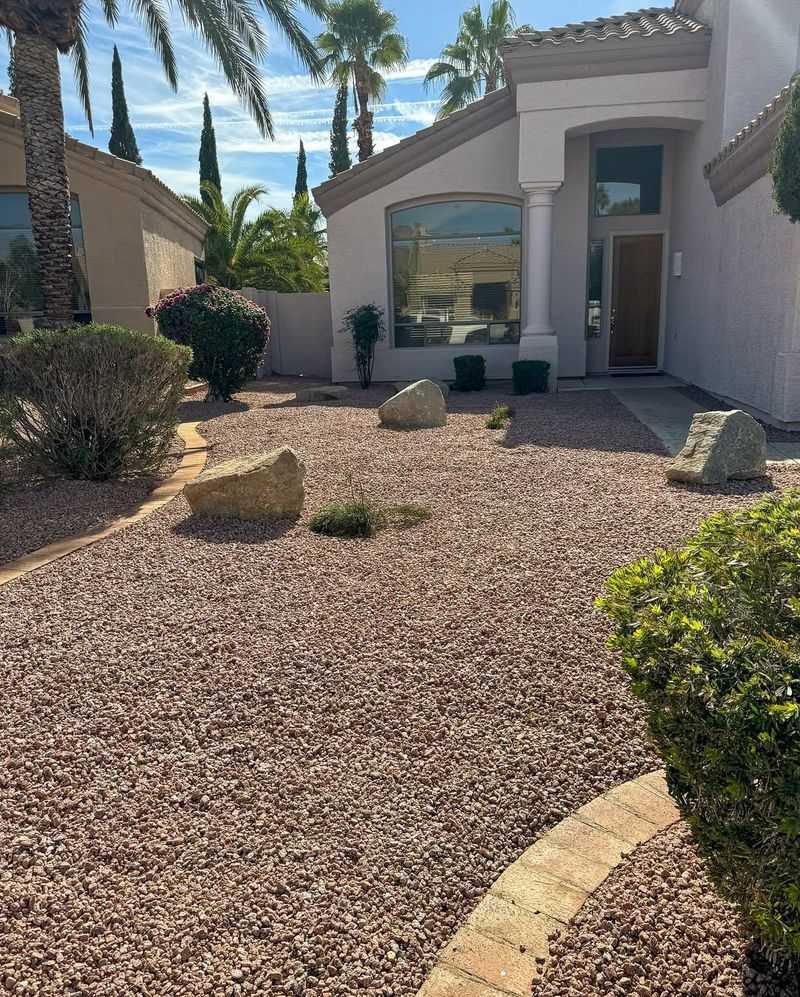
Skimping on gravel depth is one of the biggest mistakes that leads to weed problems in otherwise well-designed gardens.
A thin layer of stones looks nice initially but allows sunlight to reach the landscape fabric or soil beneath, where dormant weed seeds wait for their chance to sprout.
Experienced New Jersey gardeners maintain a minimum depth of three to four inches across their entire gravel garden to block light effectively.
Over time, gravel naturally settles and spreads, especially in areas with foot traffic or near plant beds where you work regularly.
Annual inspections help you identify thin spots before they become weed nurseries, and adding fresh gravel to these areas prevents problems before they start.
Keeping a few extra bags of matching gravel in your garage makes quick touch-ups easy whenever you notice settling.
Deeper gravel layers also stay cooler in summer and provide better insulation in winter, creating more stable conditions for your desirable plants.
The extra depth discourages weed roots from reaching down to soil where they could establish strong growth.
While deeper gravel requires more initial investment, the long-term reduction in maintenance time and weed control costs makes it absolutely worthwhile.
Removing Weeds Immediately When They Appear
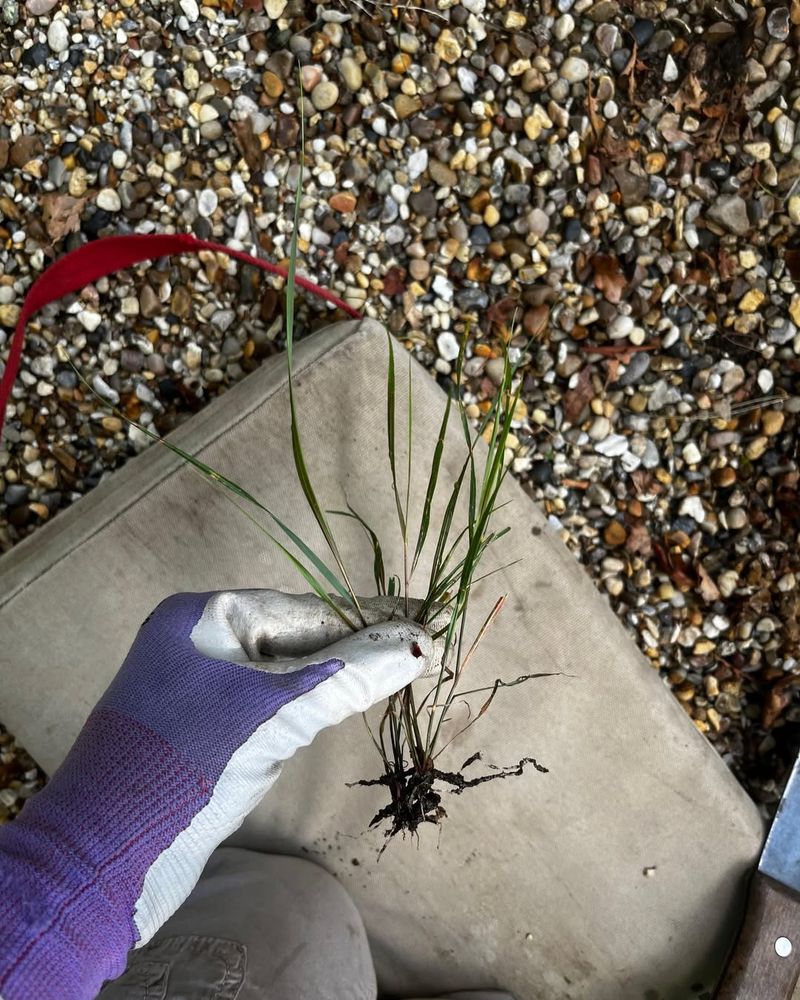
Even the best-designed gravel gardens occasionally get a few weeds, but catching them early prevents small problems from becoming major headaches.
Seeds blow in on the wind, arrive in bird droppings, or hitch rides on your shoes, and some determined plants will find ways to sprout despite your best preventive efforts.
Walking through your garden weekly with a weeding tool lets you spot and remove these invaders before they develop deep root systems or drop seeds of their own.
Young weeds pull out easily from gravel, especially after a rain when the ground is slightly moist but not muddy.
Waiting until weeds grow large makes removal much harder and more likely to disturb your carefully placed stones and landscape fabric.
Many New Jersey gardeners keep a small bucket and weeding tool near their back door for quick five-minute weed patrols during their morning coffee or evening relaxation time.
Consistent vigilance means you’ll never face overwhelming weed infestations that require hours of backbreaking work.
Removing weeds before they flower prevents thousands of new seeds from spreading throughout your garden and creating future problems for yourself and your neighbors.
Installing Permeable Weed Barriers Under High-Traffic Areas
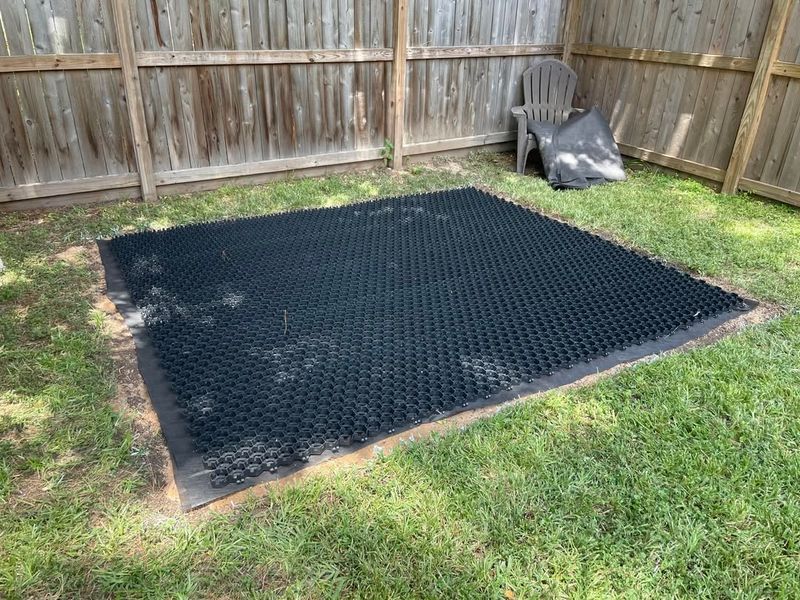
Pathways and sitting areas in gravel gardens face extra challenges because constant foot traffic compacts the gravel and creates opportunities for tough weeds to push through.
Reinforced weed barriers designed specifically for high-traffic zones provide extra protection in these vulnerable spots without preventing water drainage.
These specialized fabrics use tighter weaves and stronger materials than standard landscape fabric, creating nearly impenetrable barriers that last for decades.
New Jersey homeowners often combine permeable pavers with gravel in heavily used areas, creating stable walking surfaces that look attractive while preventing weed growth.
The pavers distribute weight more evenly, reducing compaction that can damage underlying weed barriers and create weak spots.
Gravel between pavers adds visual interest while maintaining the cohesive look of your overall garden design.
Investing in superior materials for high-traffic zones saves money and frustration over time because these areas won’t require constant repairs or weed removal.
Proper installation means your pathways and gathering spaces stay attractive and functional for years with minimal maintenance.
Planning for different use levels throughout your garden during the design phase helps you allocate resources where they’ll provide the greatest long-term benefits.
Using Mulch Around Plants For Extra Weed Protection
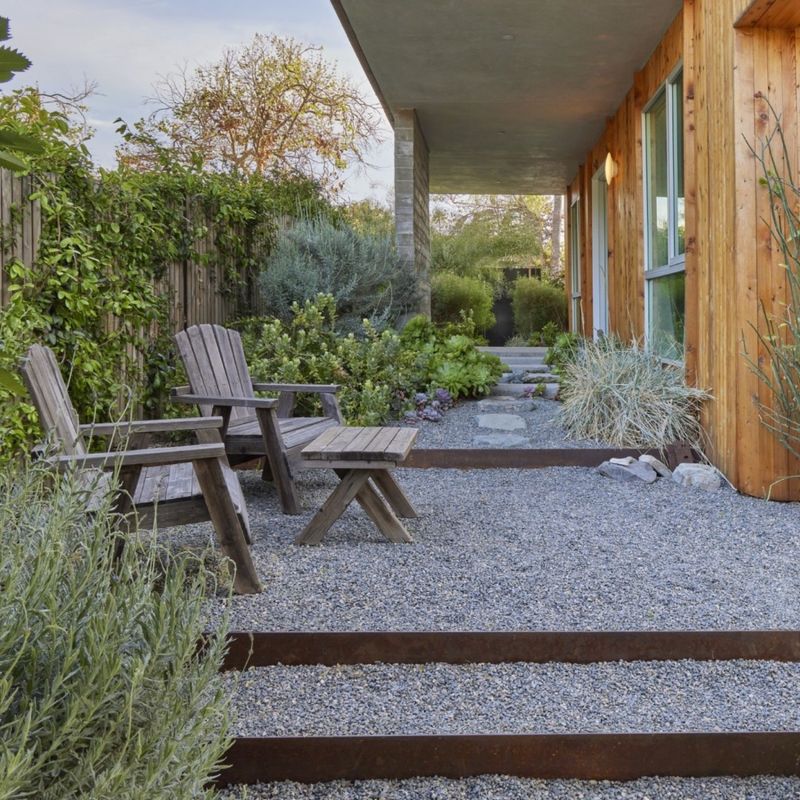
Combining organic mulch around plant root zones with gravel in open areas creates a two-tier defense system that weeds find nearly impossible to penetrate.
Wood chips, shredded bark, or compost placed in a ring around your desirable plants suppress weeds while slowly breaking down to enrich the soil and feed your garden.
This technique works especially well for larger shrubs and perennials that benefit from the nutrient boost organic materials provide.
The transition zone between gravel and plant stems is often where sneaky weeds try to establish themselves, taking advantage of moisture and nutrients near plant roots.
A two-inch layer of mulch in these areas blocks light to the soil surface while maintaining moisture for your chosen plants.
As the mulch decomposes, it actually improves soil structure and fertility, making your desirable plants even stronger and more competitive against potential weed invaders.
Refreshing mulch rings annually in spring keeps this protective barrier effective and looking fresh throughout the growing season.
The contrast between organic mulch near plants and inorganic gravel in pathways also creates visual interest that adds depth and texture to your overall garden design while serving important practical purposes.
Scheduling Annual Garden Refreshes And Maintenance
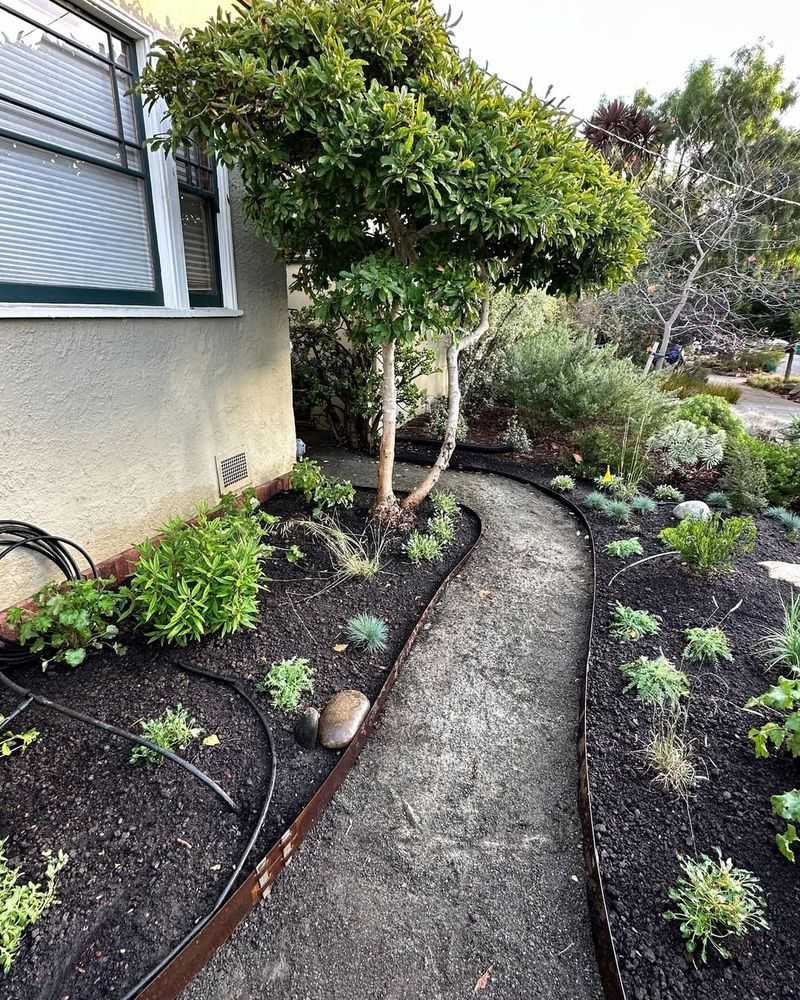
Setting aside time each spring for garden maintenance prevents small issues from growing into major problems that require expensive fixes.
Annual refreshes give you the chance to inspect your landscape fabric for tears, check edging for gaps, add gravel to thin spots, and remove any debris that accumulated over winter.
New Jersey’s freeze-thaw cycles can shift stones and create weak points in your weed defenses, making yearly inspections especially important in this climate.
Spring maintenance also provides the perfect opportunity to apply pre-emergent herbicides, refresh mulch around plants, and divide or relocate perennials that have outgrown their spaces.
Approaching garden care as a seasonal ritual rather than an ongoing chore makes the work feel more manageable and even enjoyable.
Many homeowners find that a single weekend of focused effort in April or May keeps their gravel gardens virtually maintenance-free for the entire growing season.
Keeping records of what you did each year helps you track which techniques work best in your specific garden conditions.
Photographs taken annually show how your landscape matures and help you plan future improvements or adjustments to your design and maintenance strategies for even better results.