How New York Gardeners Protect Leafy Greens For Cold Season Harvests
Cold season harvests don’t happen by accident in New York gardens, and I’ve learned leafy greens need a little extra planning once temperatures drop.
I’ve seen gardeners keep beds productive well past expectations by using simple protection methods that work with winter instead of fighting it.
When greens are shielded the right way, cold weather stops being an ending and starts feeling like an extension of the growing season.
1. Row Covers Create Warm Microclimates
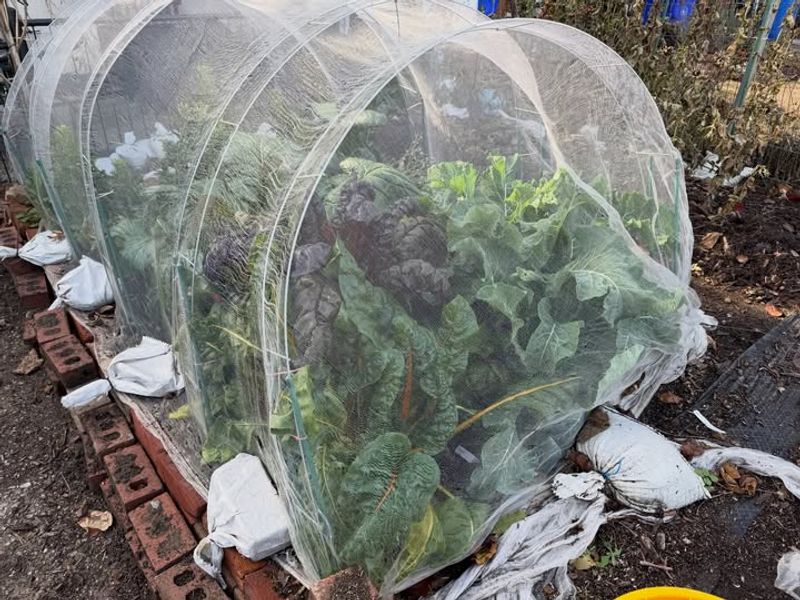
Floating row covers act like cozy blankets for your plants when cold winds start blowing across New York gardens in late fall.
These lightweight fabrics trap warmth near the soil while still allowing sunlight and rain to reach your growing lettuce, spinach, and kale below.
Most gardeners use hoops made from PVC pipe or wire to hold the covers above the plants without crushing delicate leaves underneath.
You can find row covers in different thicknesses, with heavier versions protecting plants down to temperatures around twenty degrees Fahrenheit or even lower.
Installation takes just minutes since you simply drape the material over your garden beds and secure the edges with rocks or soil.
This method works especially well for quick growing greens that need just a few extra weeks to reach harvestable size before winter really sets in.
Many experienced gardeners in the state swear by this affordable solution that costs less than buying fancy greenhouse structures for their entire yard.
Your greens will stay crisp and healthy underneath while frost forms on the cover surface instead of damaging your precious vegetable leaves directly.
2. Cold Frames Extend Growing Seasons
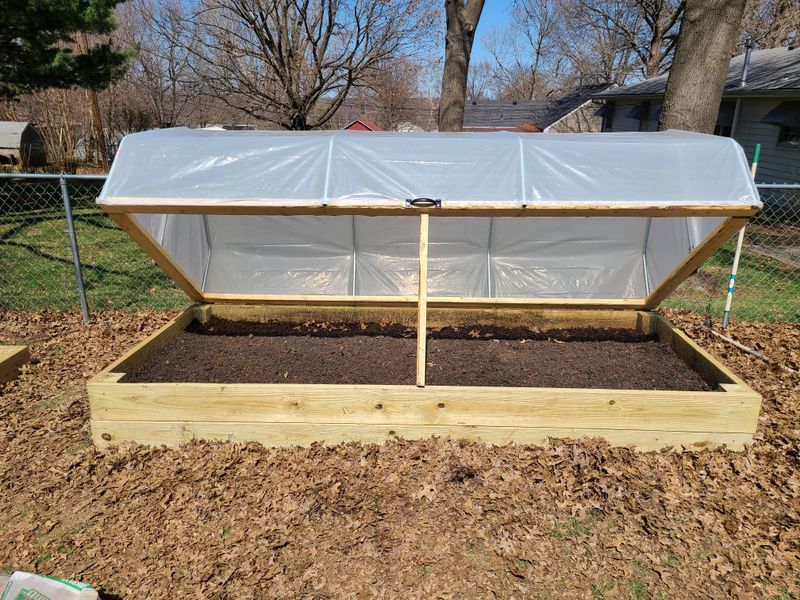
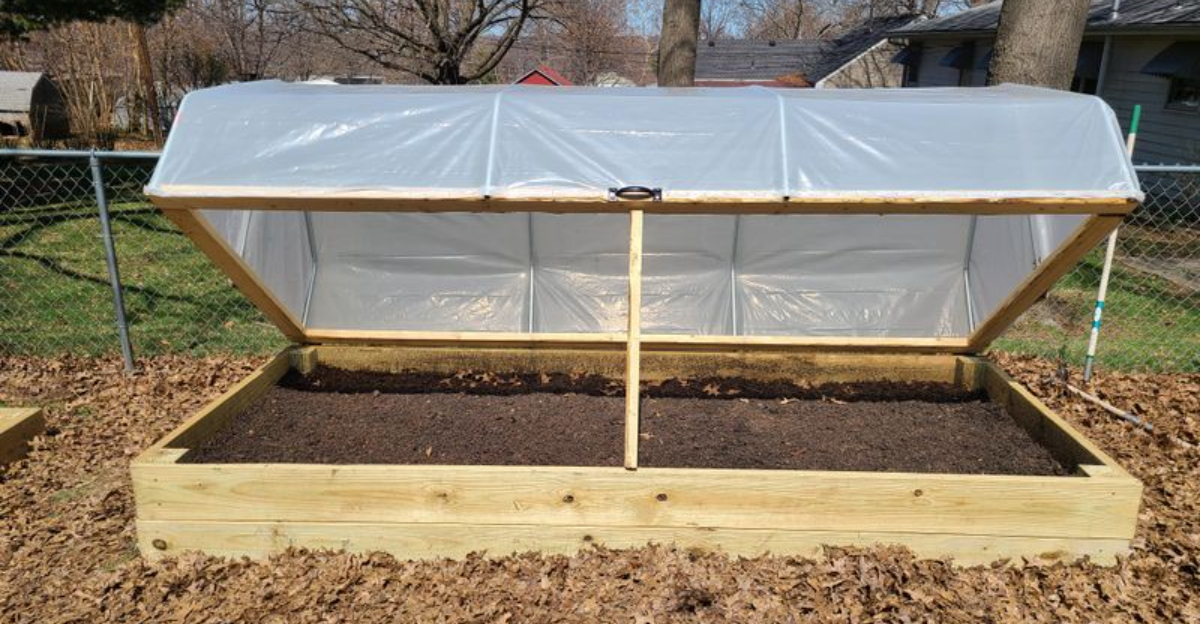
Cold frames look like miniature greenhouses built right on the ground, giving your leafy vegetables a protected space to flourish through chilly months.
Building one yourself requires only basic materials like old windows, wooden boards, and some hinges to create an adjustable lid for temperature control.
The slanted glass or plastic top captures sunlight during the day, warming the air and soil inside significantly compared to outside temperatures nearby.
Gardeners throughout New York position their cold frames facing south to maximize sun exposure during shorter winter days when light becomes more precious.
On particularly sunny afternoons, you might need to prop open the lid slightly to prevent overheating your greens inside the enclosed space.
Hardy varieties like arugula, mache, and winter lettuce thrive in these structures even when snow piles up around the frame edges outside.
The best part about cold frames is their permanence since you can use the same structure year after year without replacing materials frequently.
Some creative folks in the state even recycle old shower doors or sliding glass panels to construct their frames at minimal cost.
3. Hoop Houses Provide Portable Protection
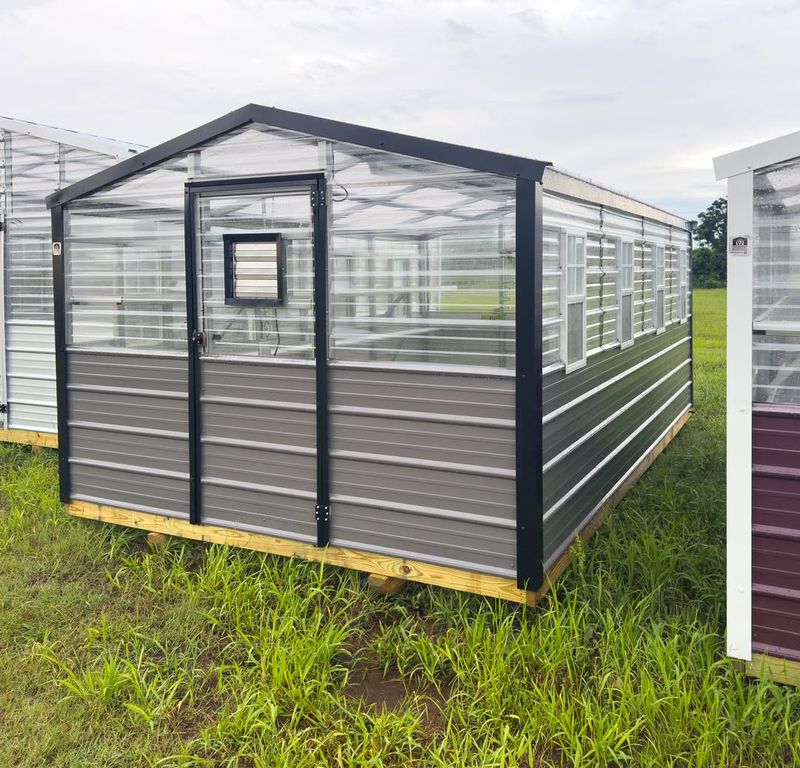
Hoop houses create tunnel shaped shelters over your garden rows using bent pipes covered with clear plastic sheeting for excellent winter protection.
Unlike permanent greenhouses, these structures can be moved to different garden areas each season or removed completely when warm weather returns to stay.
Construction involves pushing metal or PVC hoops into the ground at regular intervals, then stretching greenhouse plastic tightly over the curved framework.
New York gardeners appreciate how hoop houses shield plants from biting winds while creating a warmer environment that extends the growing calendar considerably.
Inside these tunnels, temperatures can stay fifteen to twenty degrees warmer than outside air, making a huge difference for cold sensitive leafy varieties.
Ventilation becomes important on mild winter days when trapped heat might build up too much, so many designs include roll up sides or end openings.
You can grow impressive amounts of greens in even a small hoop house, providing fresh salads for your family throughout the entire winter.
Many gardening supply stores across the state now sell complete hoop house kits that make installation easier for beginners without construction experience.
4. Mulching Insulates Root Systems
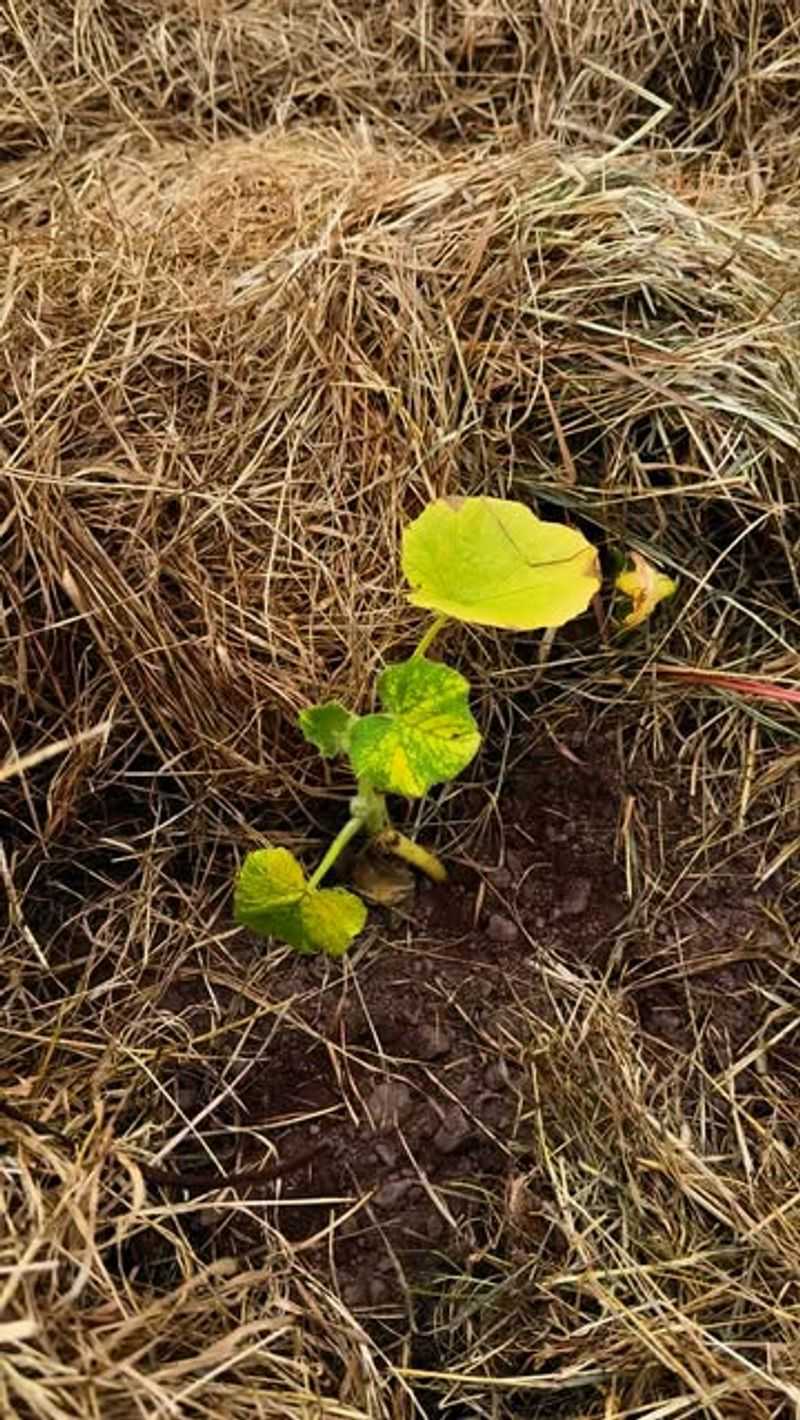
Applying thick layers of organic mulch around your leafy greens acts like insulation for a house, keeping soil temperatures more stable during freezing nights.
Straw works wonderfully as mulch material because it traps air pockets that slow heat loss from the ground while remaining loose enough to avoid smothering plants.
Gardeners in New York typically spread three to four inches of mulch between plants once temperatures consistently drop below fifty degrees Fahrenheit in autumn.
This protective layer prevents the freeze thaw cycles that can heave plants out of the ground, exposing tender roots to damaging cold air.
Shredded leaves collected from your yard make an excellent free mulch alternative that also adds nutrients as they slowly decompose over the winter months.
Some growers prefer using pine needles because they do not mat down as easily and allow water to penetrate through to plant roots beneath.
Remember to pull mulch back slightly from plant stems to prevent rot issues that can develop when constant moisture touches the base of greens.
Come spring, you can simply work the decomposed mulch into your soil, improving its structure and fertility for the next growing season ahead.
5. Choosing Hardy Varieties Makes Sense
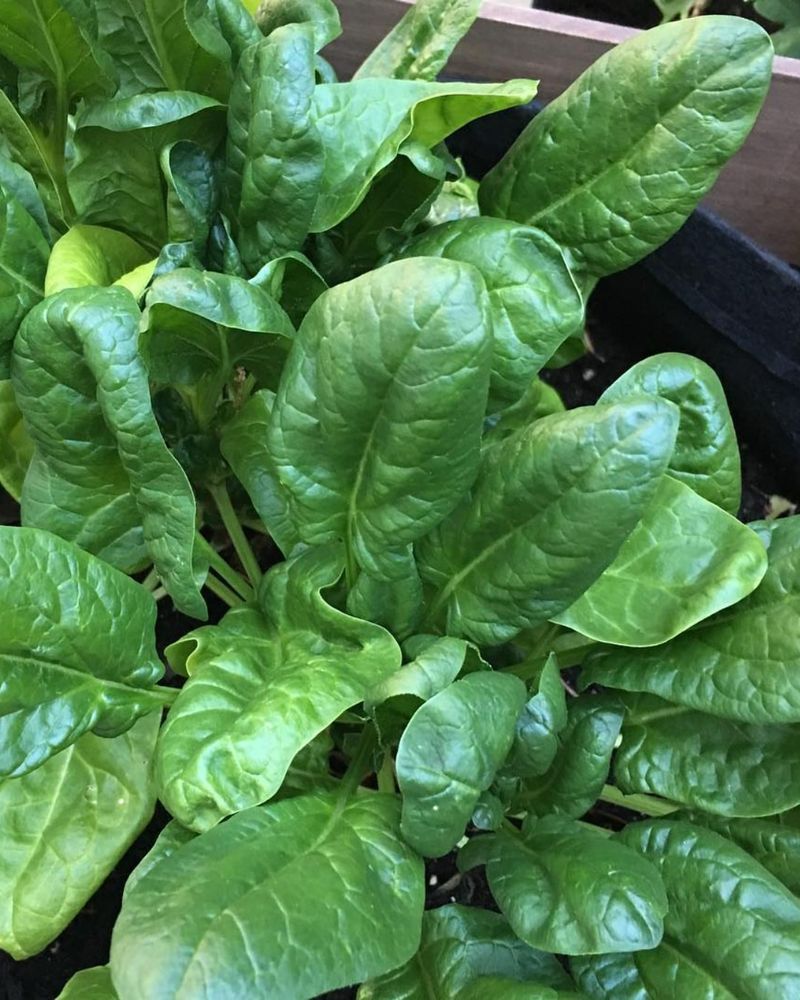
Not all leafy greens handle cold weather equally well, so selecting varieties bred specifically for winter growing gives you a major advantage from the start.
Spinach ranks among the toughest options since many types can survive temperatures well below freezing and actually taste sweeter after exposure to light frost.
Kale becomes almost indestructible once established, with curly and lacinato types continuing to produce tender leaves even under snow cover in New York gardens.
Mache, also called corn salad, originated in Europe where gardeners have grown it through harsh winters for hundreds of years without any problems.
Asian greens like mizuna and tatsoi offer interesting flavors while tolerating cold conditions that would damage more delicate lettuce varieties grown in summer months.
Seed catalogs usually indicate which varieties work best for fall and winter planting, often labeling them as cold hardy or frost tolerant options.
Experienced growers across the state recommend trying several different types each year to discover which ones perform best in your specific garden microclimate.
Starting with proven winners increases your success rate dramatically compared to gambling on varieties developed for warm southern gardens instead.
6. Strategic Timing Ensures Success
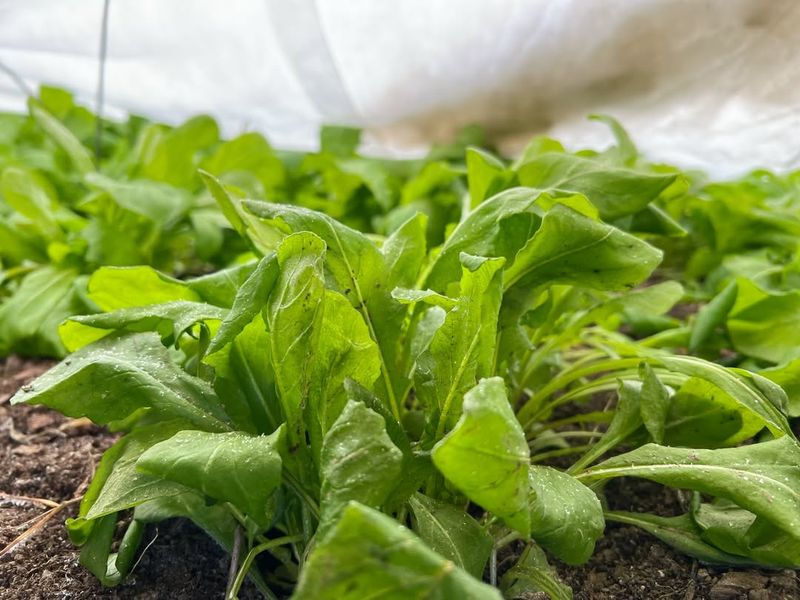
Planting your cold season greens at exactly the right moment makes all the difference between abundant harvests and disappointing failures come winter time.
Most leafy vegetables need to reach mature or near mature size before hard freezes arrive since growth slows dramatically once daylight hours shorten significantly.
New York gardeners typically sow their winter greens in late summer, usually around mid August, giving plants enough time to establish before cold weather hits.
Counting backwards from your area first expected frost date helps determine the perfect planting window for the specific varieties you have chosen to grow.
Succession planting every two weeks through early autumn ensures a continuous supply of tender young greens rather than everything maturing at exactly the same moment.
Some quick maturing varieties like baby lettuce can be planted even later, sometimes into October, especially if you plan to use protective structures over them.
Gardeners in warmer parts of the state near the coast often have slightly longer planting windows compared to those in the Adirondacks or other mountain regions.
Keeping a simple garden journal helps you remember what worked best each year so you can refine your timing for even better results next season.
7. Windbreaks Shield Delicate Leaves
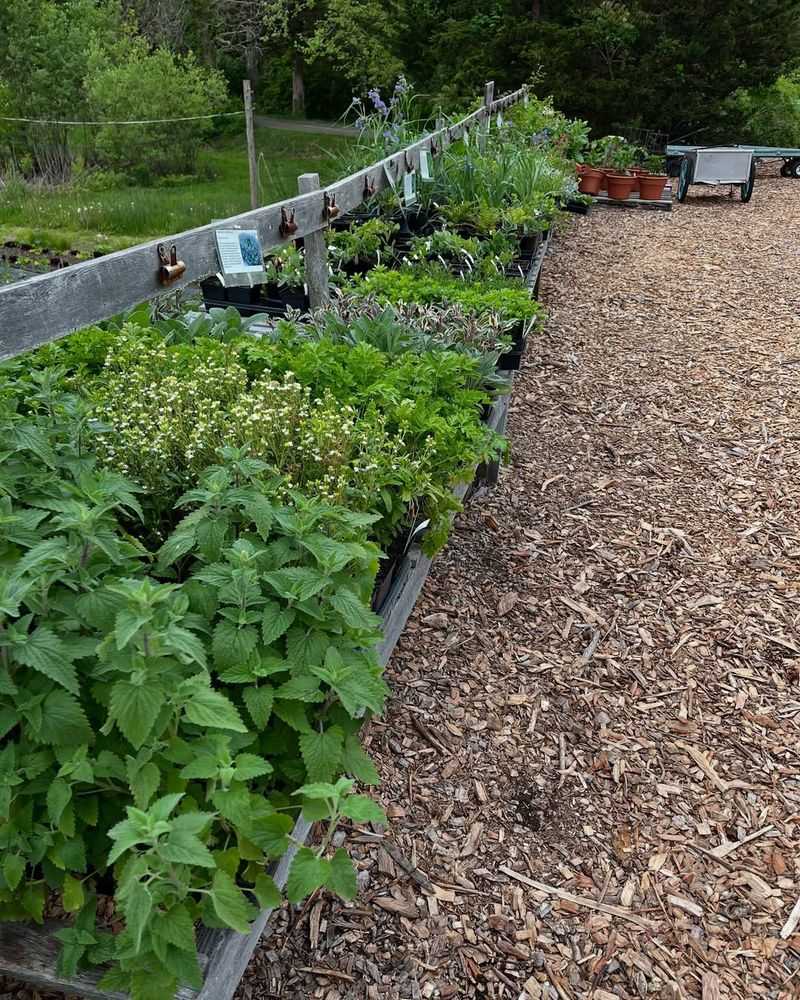
Harsh winter winds can damage leafy greens more than cold temperatures alone, making windbreaks an essential protective strategy for exposed New York garden locations.
Physical barriers like fences, hedges, or even strategically placed hay bales reduce wind speed and create calmer microclimates where plants experience less stress overall.
Evergreen shrubs planted on the north and west sides of your garden work beautifully as living windbreaks that provide protection year after year.
Temporary solutions include driving stakes into the ground and attaching burlap screens that block wind while still allowing some air circulation through the material.
Gardeners should position windbreaks perpendicular to prevailing wind directions in their area, which typically come from the northwest across most of the state.
The protected zone behind a windbreak extends roughly five times the height of the barrier, so even a modest fence provides meaningful shelter surprisingly far downwind.
Combining windbreaks with other methods like row covers or mulch creates multiple layers of protection that help your greens survive the most brutal weather conditions.
Remember that windbreaks also reduce moisture loss from both soil and plant leaves, meaning you might need to water less frequently during dry winter periods.
8. Cloches Cover Individual Plants
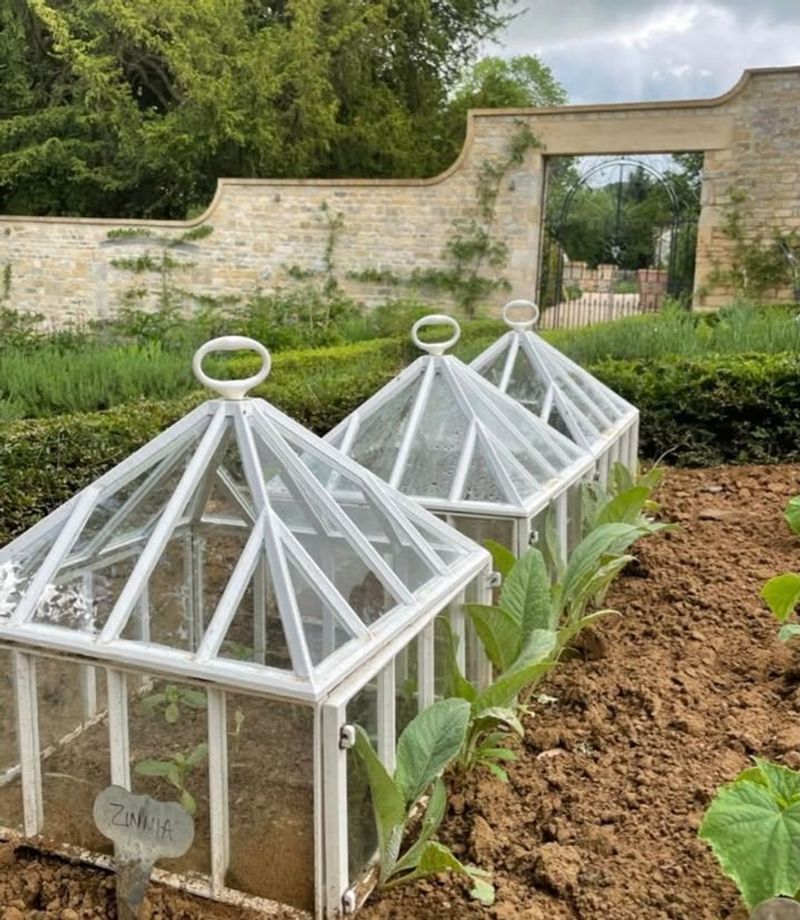
Cloches are small protective domes placed over individual plants or small groups, offering a simple solution that has worked for centuries in cold climate gardens.
Traditional glass cloches look elegant but cost more, while modern plastic versions provide similar protection at a fraction of the price for budget conscious gardeners.
You can even make improvised cloches from cut off milk jugs or soda bottles, creating free plant protection from materials you would otherwise throw in recycling bins.
These miniature greenhouses trap warmth around plants during the day and release it slowly at night, moderating temperature swings that stress leafy greens significantly.
New York gardeners find cloches especially useful for protecting newly transplanted seedlings that need extra help getting established before winter weather intensifies in December.
On extremely cold nights, you can place additional insulation like blankets over cloches for extra protection without worrying about crushing the plants underneath them.
Ventilation matters with cloches too, so remember to remove or prop them up slightly during warmer days to prevent excessive heat buildup inside the enclosure.
Many growers across the state collect various sizes throughout the year, building a cloche collection that handles different plant sizes and garden situations perfectly.