How New York Gardeners Water Money Trees For A Healthy 2026

Money trees can be a little picky in winter, especially in New York homes where heat and dry air change everything about watering routines.
I’ve seen healthy plants struggle simply because their usual schedule didn’t match shorter days and cooler indoor conditions.
With a few small timing tweaks and better attention to moisture, a money tree can stay strong now and head into 2026 looking steady and full.
1. Check Soil Moisture Before Every Watering Session
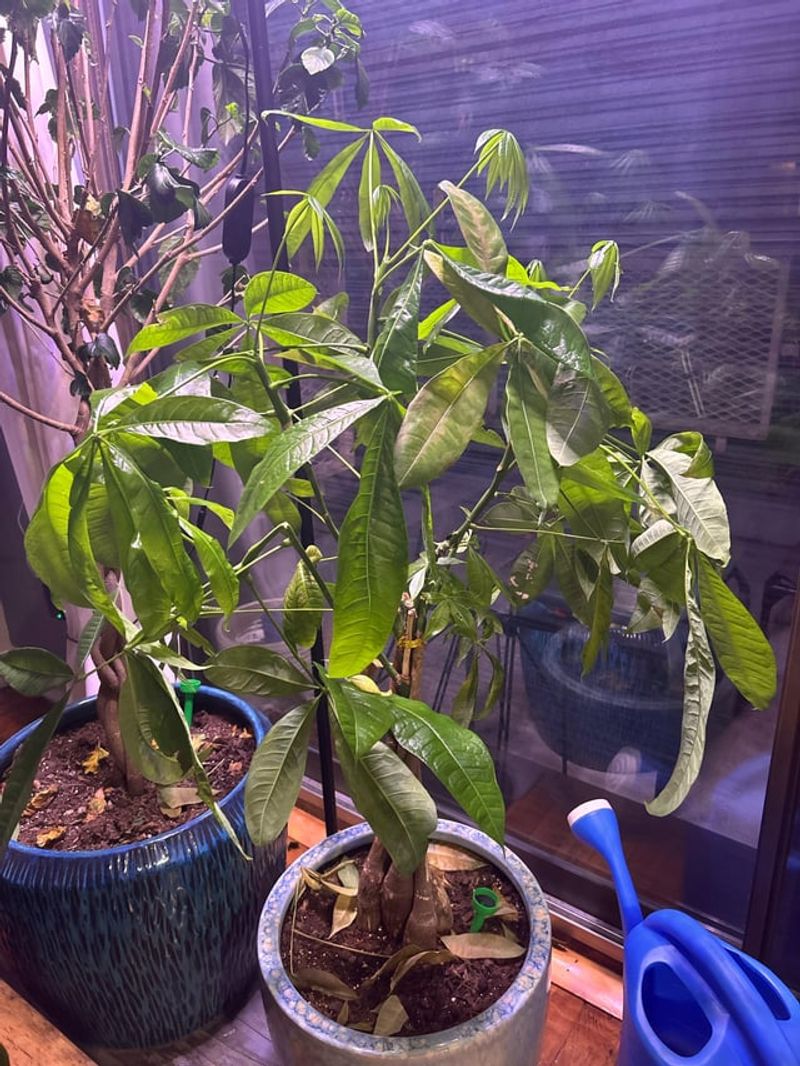
Sticking your finger two inches deep into the soil tells you everything you need to know about when your money tree needs a drink today.
New York apartment heating systems can dry out plants faster during winter months, making regular checks essential for keeping roots healthy and happy always.
If the soil feels damp or moist to your touch, wait another day or two before adding any water to the pot at all.
Overwatering causes more problems than underwatering for money trees, so patience really pays off when caring for these tropical plants in the city.
Many gardeners across Manhattan use moisture meters to get precise readings, but the finger test works perfectly fine for most indoor plant situations here.
Consistent checking helps you develop an intuition about your specific plant’s needs based on temperature, humidity, and light conditions in your particular living space.
During summer months in New York, you might need to water twice weekly, while winter watering could drop to once every ten days or so.
Establishing a routine of checking rather than watering on a fixed schedule prevents root rot and keeps your money tree thriving beautifully year-round indoors.
Remember that each plant has unique needs depending on pot size, soil type, and the specific microclimate of your apartment or home environment.
2. Use Room Temperature Water To Avoid Shocking Roots
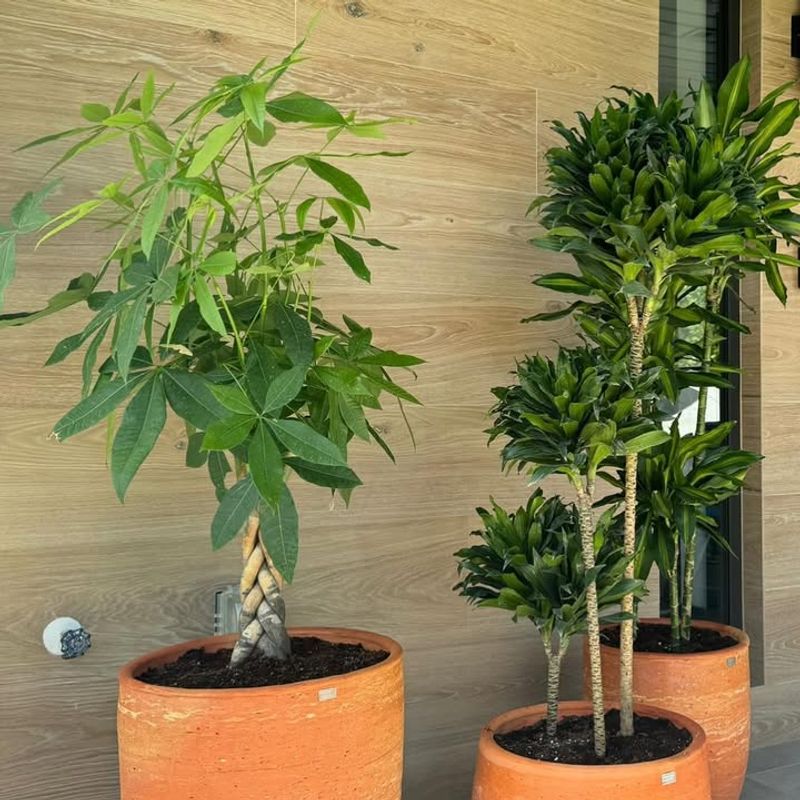
Cold tap water straight from New York City pipes can shock delicate money tree roots, causing stress that shows up as yellowing leaves days later.
Letting water sit in a container overnight brings it to room temperature and allows chlorine to evaporate, creating gentler conditions for your plant’s system.
Fill a pitcher or watering can each evening and leave it out so it’s ready for your next watering session whenever that happens.
Plants absorb water more efficiently when it matches the temperature of their soil and surrounding air, promoting better nutrient uptake and overall health continuously.
Cold water can also slow down metabolic processes in tropical plants like money trees, which prefer warmth similar to their native Central American habitats originally.
Some gardeners in Brooklyn keep gallon jugs filled near their plants, ensuring they always have properly tempered water available for their green friends at home.
This simple practice takes minimal effort but makes a significant difference in how well your money tree responds to watering throughout the year in NYC.
Room temperature water also helps maintain consistent soil temperature, which keeps beneficial microorganisms in the potting mix active and healthy for root development always.
Taking this extra step shows your plant the care it deserves and helps prevent unnecessary stress from temperature fluctuations during watering sessions regularly.
3. Water Thoroughly Until Drainage Holes Release Excess
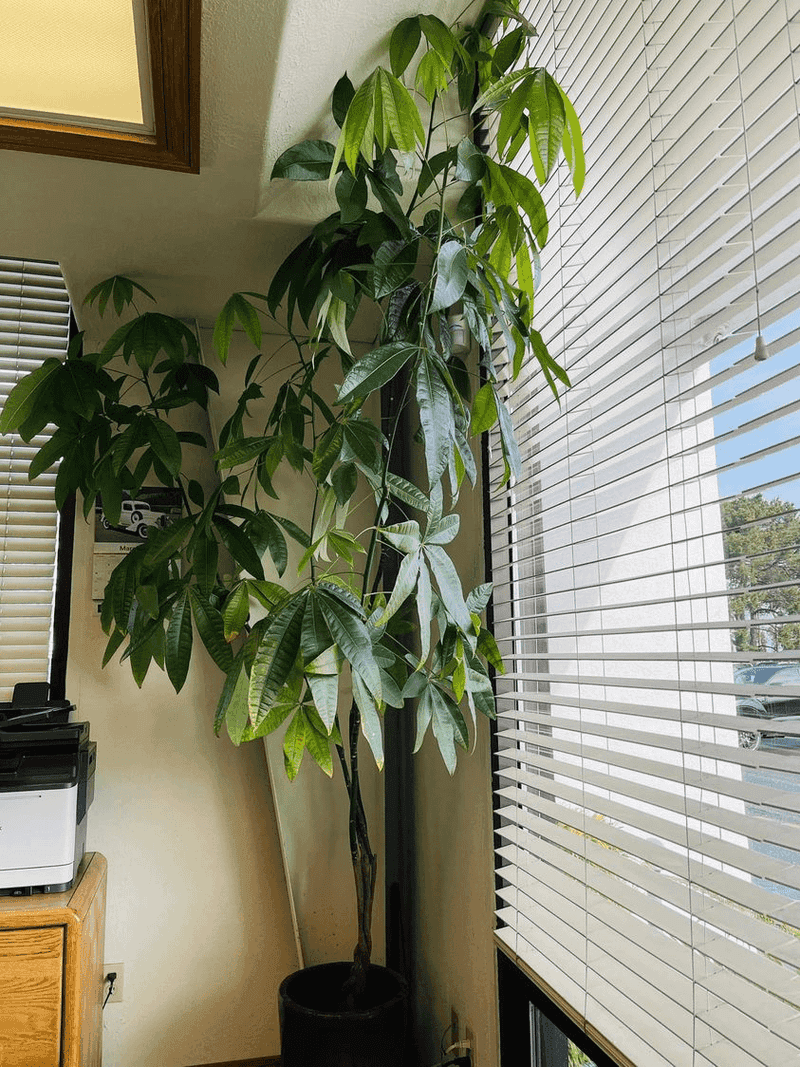
Pouring water slowly until it flows from the bottom drainage holes ensures every part of the root system gets adequate moisture during each session.
Shallow watering that only wets the top layer encourages roots to grow upward rather than downward, creating a weak foundation for your plant overall.
New York gardeners know that thorough watering promotes deep, strong root development that helps money trees withstand environmental stresses better than shallow-rooted specimens ever could.
After water begins draining out the bottom, stop adding more and let the pot sit for fifteen minutes to allow excess to escape completely.
Empty the drainage tray or saucer afterward so your plant doesn’t sit in standing water, which can lead to root problems over time unfortunately.
This method mimics natural rainfall patterns where water saturates the soil completely before draining away, which is how money trees evolved to thrive originally.
Consistent deep watering also helps flush out accumulated salts and minerals from fertilizers that can build up in potting soil over months of care indoors.
Many apartment dwellers in Queens water their plants in the bathtub or sink, making cleanup easy and preventing water damage to floors and furniture nearby.
Thorough watering every time, rather than frequent light sprinkles, creates healthier plants with stronger root systems that can support lush, vibrant foliage year-round successfully.
4. Adjust Frequency Based On Seasonal Light Changes
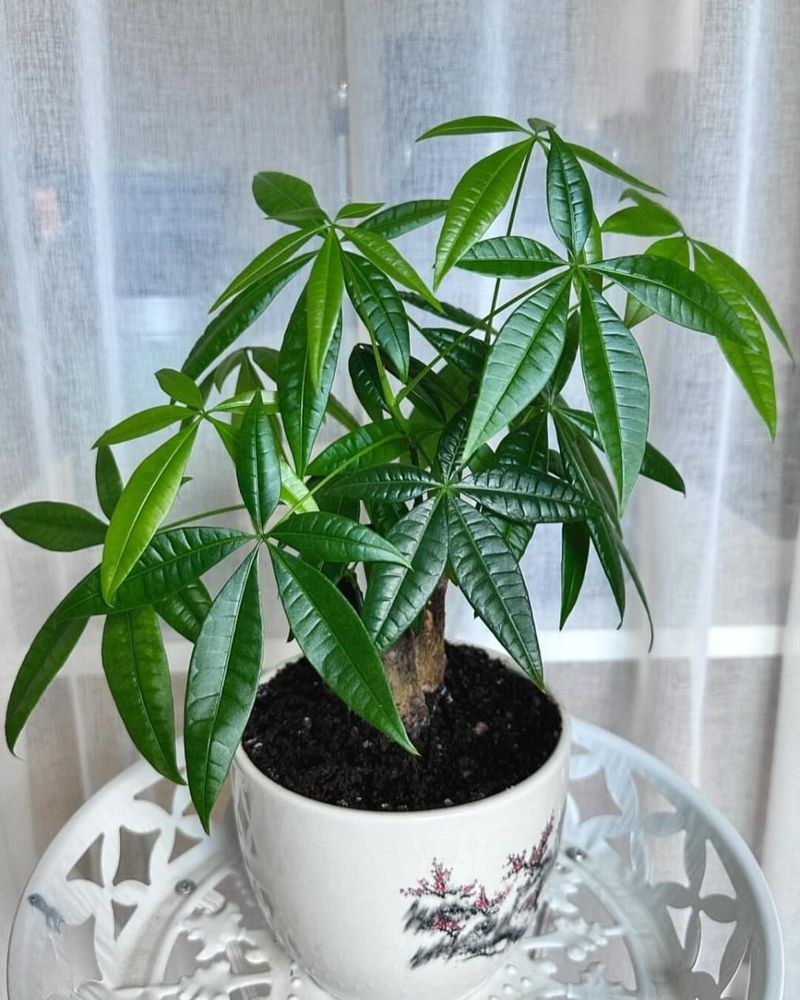
Winter in New York brings shorter days and less intense sunlight, which means money trees use water much more slowly than during bright summer months.
Reducing watering frequency during fall and winter prevents soggy soil conditions that can harm roots when plants enter their natural slower growth phase annually.
As spring arrives and daylight hours increase, your money tree will wake up from dormancy and begin drinking more water to fuel new growth.
Observing how quickly soil dries out between waterings gives you clues about adjusting your schedule to match seasonal changes in your apartment’s light conditions.
Many gardeners across the Bronx find they water their money trees twice as often in June compared to January because of dramatically different growth rates.
Keeping notes in a plant journal or phone app helps track patterns over time, making it easier to anticipate your plant’s needs year after year.
Natural light intensity also varies depending on which direction your windows face, with south-facing exposure requiring more frequent watering than north-facing windows throughout seasons.
Understanding these rhythms helps you work with your plant’s natural cycles rather than against them, promoting healthier growth and reducing stress on the system.
Flexibility in your watering routine based on environmental factors demonstrates the kind of attentive care that keeps money trees thriving beautifully in urban New York homes.
5. Monitor Humidity Levels In Your Growing Space
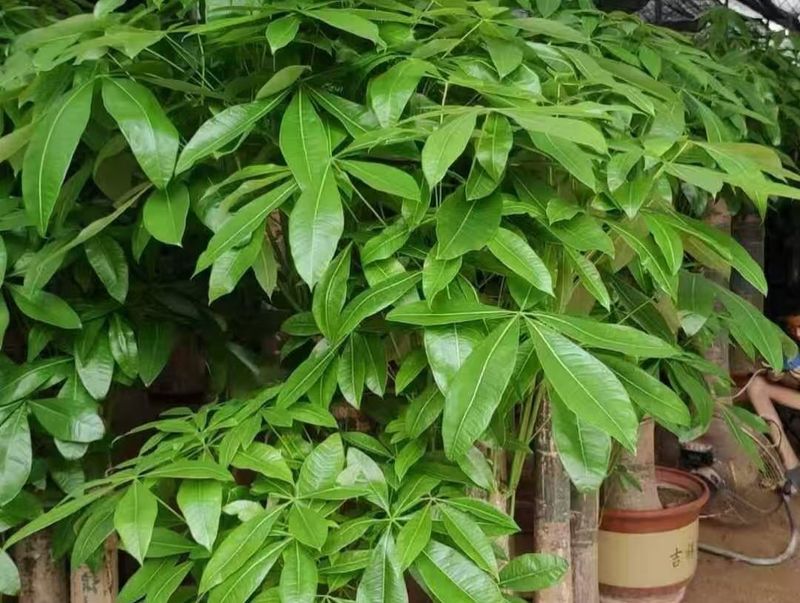
Money trees originate from swampy wetlands where humidity stays high, so dry New York apartment air can stress these tropical plants significantly over time.
Low humidity causes moisture to evaporate faster from both soil and leaves, potentially requiring more frequent watering to compensate for environmental conditions around your home.
Placing a humidity tray filled with pebbles and water beneath your money tree’s pot creates localized moisture without waterlogging the roots at all ever.
Grouping plants together also increases ambient humidity as they release moisture through transpiration, creating a mini ecosystem that benefits all your green companions collectively.
Some Staten Island gardeners use small humidifiers near their plants during winter when heating systems make indoor air especially dry and uncomfortable for tropical species.
Misting leaves occasionally provides temporary relief, but it’s not a substitute for proper watering since moisture on foliage evaporates quickly without reaching roots below.
Ideal humidity for money trees ranges between forty and sixty percent, which you can measure with an inexpensive hygrometer from any garden center nearby.
When humidity levels stay appropriate, your plant will need less frequent watering because moisture doesn’t evaporate from the soil as rapidly throughout the day and night.
Balancing humidity and watering creates optimal growing conditions that help your money tree display lush, glossy leaves that make any New York space feel fresh.
6. Choose Pots With Proper Drainage Systems Always
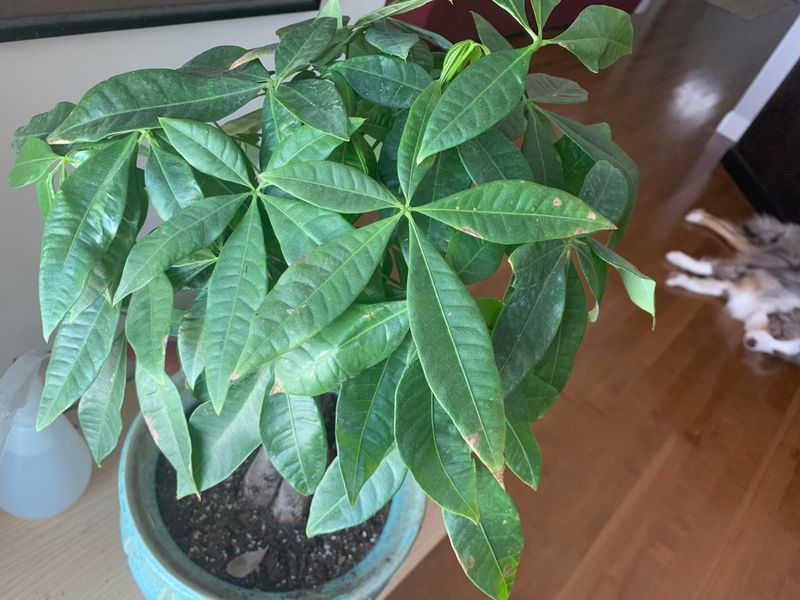
Containers without drainage holes trap excess water at the bottom, creating anaerobic conditions where roots suffocate and problems develop quickly over just weeks.
New York gardeners prioritize pots with multiple drainage holes that allow water to escape freely, preventing the soggy conditions money trees absolutely cannot tolerate long-term.
Terracotta pots offer the additional benefit of being porous, allowing air and moisture to move through the walls, which helps soil dry more evenly always.
Plastic pots retain moisture longer, which can be helpful during hot summers but requires more careful monitoring to avoid overwatering during cooler months ahead.
Adding a layer of pebbles or broken pottery at the pot’s bottom improves drainage further, though it’s not necessary if your container has adequate holes.
Decorative cache pots without drainage can work if you remove the plant after watering to let excess drain completely before returning it to display.
Many apartment dwellers in Manhattan use nursery pots inside decorative containers, making it easy to remove plants for watering and maintenance sessions as needed.
Proper drainage paired with appropriate watering practices creates the foundation for healthy root systems that support vigorous growth and beautiful foliage throughout the year reliably.
Investing in quality pots with good drainage saves you from future headaches and helps your money tree thrive in your New York home for years.
7. Watch For Signs Your Plant Needs More Or Less Water

Yellowing lower leaves often indicate overwatering, while brown, crispy leaf edges suggest your money tree isn’t getting enough moisture for its current growing conditions.
Drooping leaves can signal both extremes, so checking soil moisture helps determine whether you need to water more or less frequently moving forward with care.
New York’s variable indoor conditions mean your plant might show different symptoms depending on season, heating, air conditioning, and natural light availability throughout the year.
Leaves that feel soft or mushy indicate root rot from too much water, requiring immediate action like repotting in fresh, dry soil quickly.
Conversely, leaves that curl inward or feel papery thin need more frequent watering to keep the plant hydrated and healthy in your specific environment always.
Paying attention to these visual cues helps you fine-tune your watering routine to match your specific plant’s needs rather than following generic advice blindly.
Healthy money trees display vibrant green leaves with a slight shine, upright stems, and steady growth during active seasons from spring through early fall annually.
Learning to read your plant’s signals turns you into a better gardener and creates a stronger connection between you and your green companion over time.
Responsive care based on observation rather than rigid schedules produces the best results for money trees thriving in diverse New York living spaces year-round successfully.