How New York Homes Can Boost Peace Lily Blooms With Simple Pruning
Peace lilies are a common sight in New York homes, yet many of them sit quietly producing leaves while blooms remain frustratingly rare.
Low winter light, dry indoor air, and crowded apartments all influence how well these plants perform once flowering slows down.
Many people assume peace lilies stop blooming because of age or light alone, without realizing how much everyday maintenance plays a role.
Pruning often sounds aggressive or risky, especially for an indoor plant that already feels sensitive.
In reality, peace lilies respond strongly to small, well-timed cuts that redirect energy where it matters most. When done correctly, pruning supports healthier growth without stressing the plant.
New York apartments create conditions where spent leaves and old stems linger longer than they should.
That buildup quietly drains energy that could otherwise support new blooms.
Simple pruning choices can reset how the plant grows and how it uses light, water, and nutrients.
Once growth is guided instead of left to chance, peace lilies in New York homes often return to blooming far more reliably.
1. Why Peace Lilies Slow Down Blooming Indoors In New York
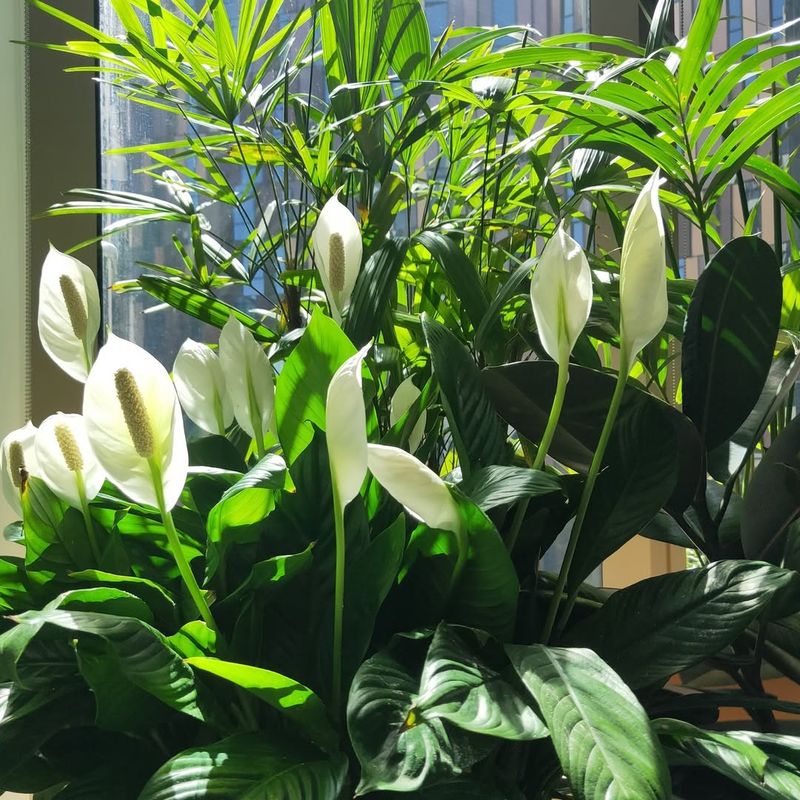
Indoor conditions across New York apartments and houses differ greatly from the tropical environments where peace lilies naturally flourish. Lower humidity levels during winter months, combined with limited natural light from small windows or north-facing rooms, create challenges for these plants.
Many homeowners notice their peace lilies produce lush green foliage but few or no flowers after the first year.
Energy distribution within the plant plays a major role in bloom production. When a peace lily focuses its resources on maintaining excessive leaf growth, it has less energy available for creating flowers.
Old, damaged, or oversized leaves consume nutrients that could otherwise support new bloom development.
Seasonal changes impact flowering patterns significantly throughout New York. Shorter daylight hours from November through February reduce the plant’s ability to photosynthesize effectively.
Without adequate light energy, the peace lily enters a semi-dormant state where blooming becomes unlikely.
Temperature fluctuations near windows or heating vents also stress the plant. Peace lilies prefer consistent warmth between 65 and 80 degrees, but New York homes often experience drafts and dry heat.
These environmental stressors signal the plant to conserve energy rather than produce flowers.
Root-bound conditions develop when plants remain in the same container too long. Crowded roots struggle to absorb water and nutrients efficiently, leaving insufficient resources for bloom formation.
Pruning alone cannot fix this issue, but it helps redirect available energy more effectively once repotting occurs.
2. When Pruning Helps Blooming Instead Of Hurting It
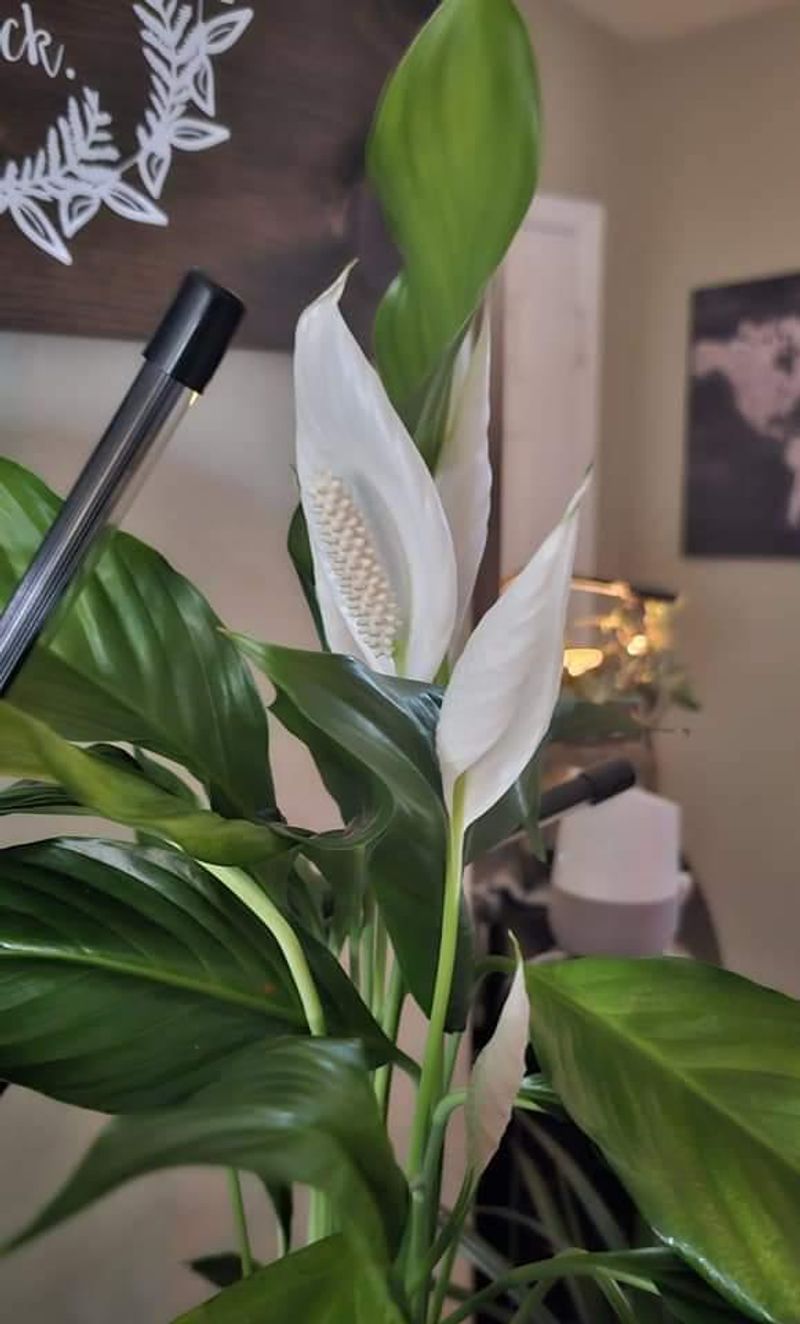
Timing makes all the difference between successful pruning and accidentally harming your peace lily. The best moment to prune occurs right after flowers fade and turn brown, typically in late spring or early summer across New York homes.
This natural cycle allows the plant to recover quickly and prepare for the next blooming phase.
Early morning hours provide ideal conditions for pruning tasks. Plants are fully hydrated from overnight rest, and cooler temperatures reduce stress during the cutting process.
Avoid pruning during extreme heat or when the plant shows signs of wilting, as additional stress may slow recovery.
Growth patterns reveal when pruning becomes necessary. If your peace lily produces only leaves for several months without any flower stalks, selective removal of older foliage can stimulate blooming.
However, avoid cutting more than 20 percent of the plant at once, which could shock it into further dormancy.
Seasonal considerations matter for New York plant owners. Late fall and winter represent poor times for major pruning since reduced light limits the plant’s ability to heal and generate new growth.
Minor maintenance like removing yellow leaves remains acceptable year-round, but reserve significant pruning for spring or summer.
Signs of active growth indicate readiness for pruning. New shoots emerging from the soil or fresh leaves unfurling suggest the plant has sufficient energy reserves.
Pruning during these active periods helps redirect resources toward flower production rather than excessive foliage development.
3. Which Leaves And Stems Should Be Removed First
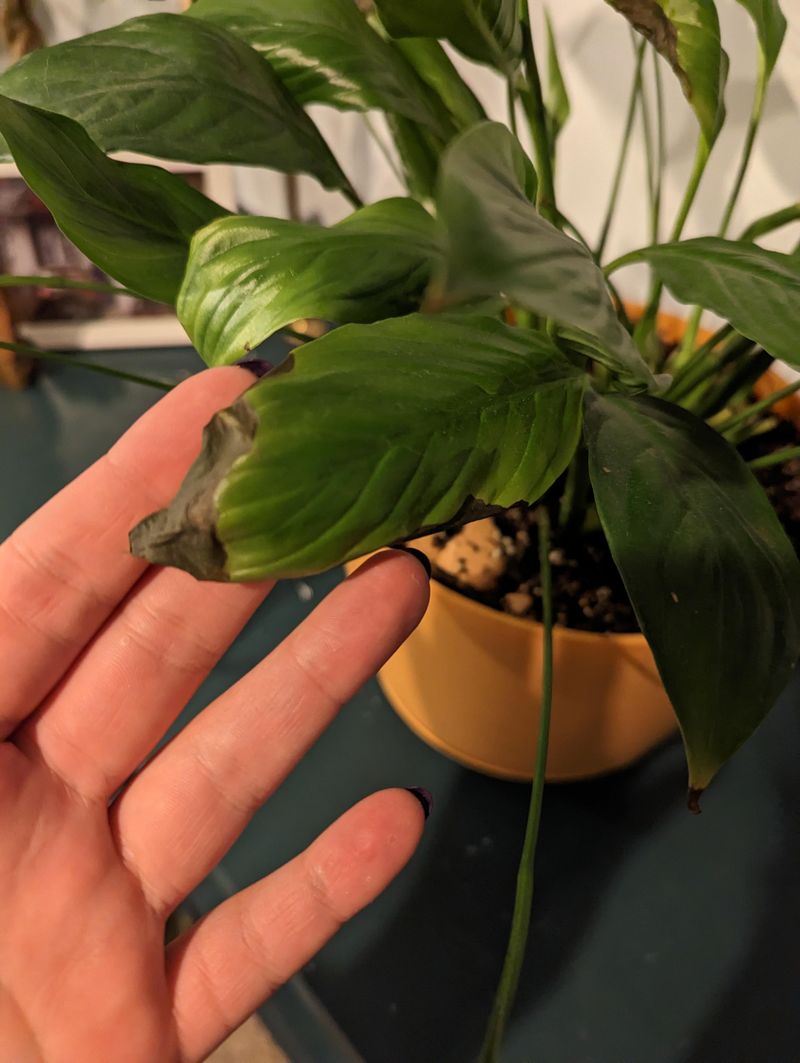
Yellowing leaves represent the most obvious candidates for removal in any New York home. These older leaves have completed their lifecycle and no longer contribute to the plant’s health.
They actually drain energy as the plant attempts to maintain them, so removing them redirects nutrients toward healthier growth and potential blooms.
Brown-tipped leaves often result from low humidity or inconsistent watering. While you can trim just the brown portions with clean scissors, completely removing severely damaged leaves prevents the plant from wasting resources.
Make cuts close to the soil line without damaging surrounding healthy stems.
Outer leaves that grow excessively large create shade for the plant’s center. This shading prevents light from reaching inner stems where new flower stalks typically emerge.
Selectively removing one or two of the largest outer leaves opens up the canopy and improves light penetration throughout the plant.
Stems that lean or droop away from the center often indicate weakness or age. These stems rarely produce flowers and compete with healthier growth for water and nutrients.
Removing them creates better airflow and allows the plant to focus energy on upright, vigorous stems more likely to bloom.
Leaves with pest damage or disease spots require immediate removal to prevent spread. Even minor infestations can escalate quickly in the warm, dry conditions of New York apartments during winter.
Clean tools thoroughly after removing diseased material to avoid contaminating healthy parts of the plant.
4. How To Cut Spent Flower Stalks The Right Way
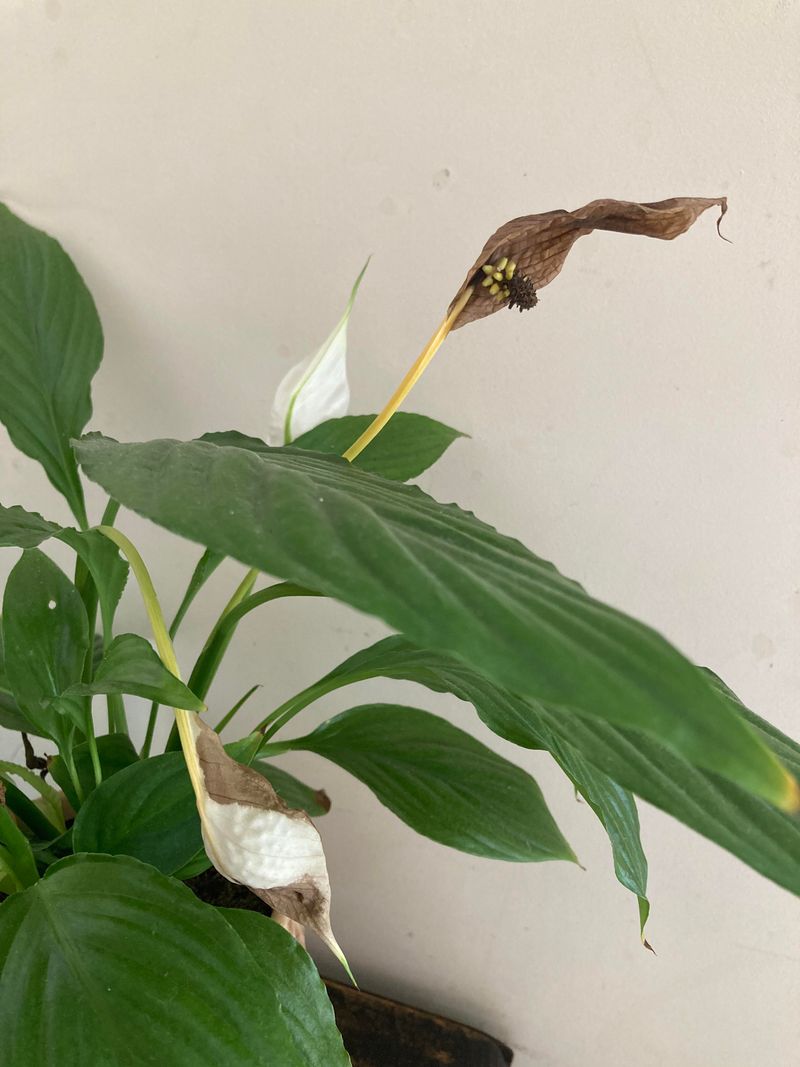
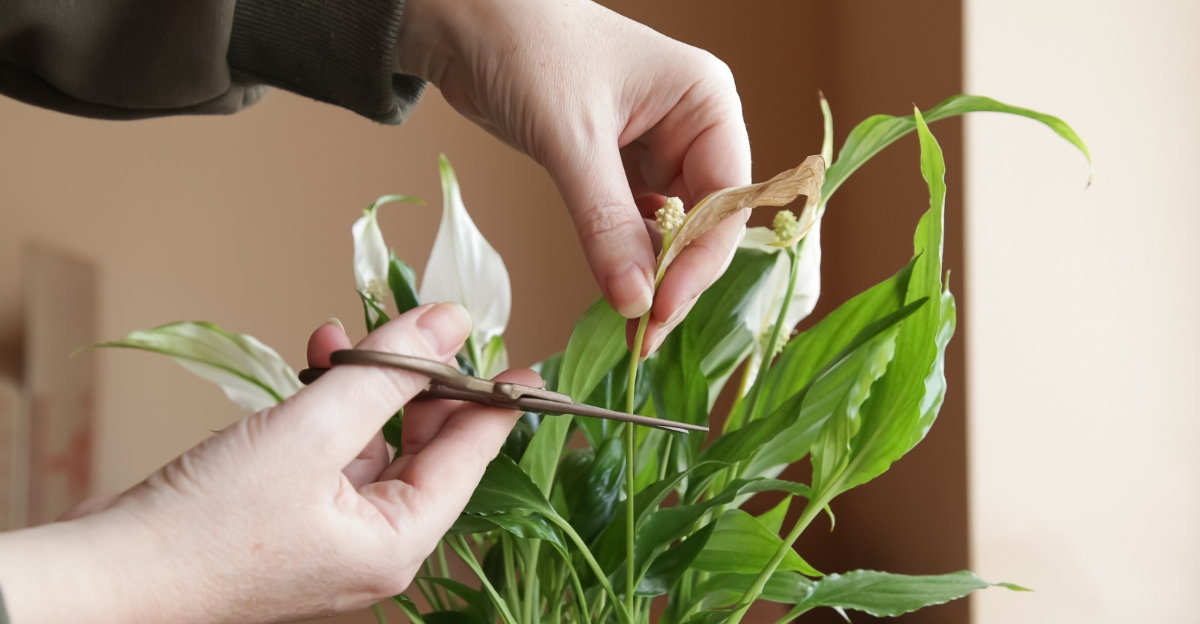
Spent flower stalks serve no purpose once blooms fade from white to green or brown. Many New York plant owners make the mistake of leaving these stalks in place, thinking they might rebloom.
In reality, the plant continues sending energy to these finished stalks, reducing resources available for new flower production.
Proper cutting technique requires following the stalk down to its base near the soil level. Use sharp, clean pruning shears or scissors to make a single smooth cut rather than sawing or tearing.
Rough cuts create larger wounds that take longer to heal and may invite bacterial or fungal problems.
Angle your cut slightly to prevent water from pooling on the cut surface. This small detail matters in humid conditions or if you tend to water from above.
Standing water on cut stems can lead to rot that spreads into the plant’s crown, causing serious damage.
Remove the entire stalk rather than cutting partway up. Leaving stubs looks unsightly and serves as entry points for disease.
The plant will naturally seal the wound at the base more effectively than it can heal a mid-stalk cut.
Sterilize cutting tools between plants if you own multiple peace lilies. A quick wipe with rubbing alcohol prevents transferring diseases or pests.
This practice proves especially important in New York apartments where multiple plants often sit close together on windowsills or plant stands.
Dispose of cut stalks in regular trash rather than composting them. Diseased plant material can survive in home compost piles and reinfect plants later.
Bagging and discarding spent stalks eliminates this risk entirely.
5. Why Overgrown Foliage Can Block New Blooms
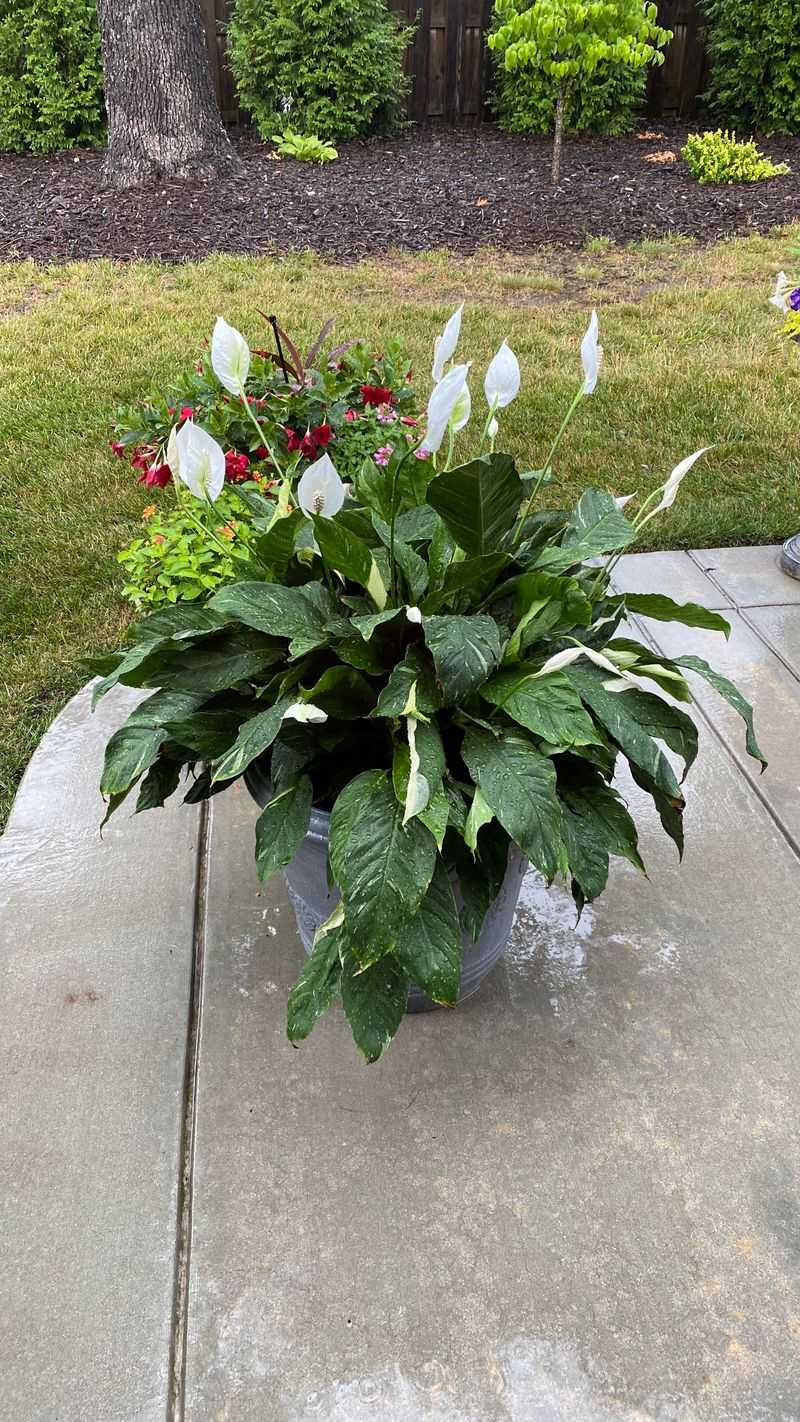
Dense foliage creates a canopy effect that prevents light from penetrating to the plant’s center. Peace lilies produce flower stalks from the crown area near the soil, and these developing buds need adequate light exposure to form properly.
When thick leaves block this light, buds either fail to develop or emerge weak and unable to open fully.
Competition for resources intensifies as foliage becomes overgrown. Each leaf requires water, nutrients, and energy to maintain itself.
In a plant with excessive leaf growth, the majority of absorbed resources go toward leaf maintenance rather than flower production, especially in the limited light conditions common in New York homes.
Air circulation suffers when leaves grow too densely packed. Stagnant air around the plant’s base increases humidity levels right at the soil surface, creating conditions favorable for fungal growth.
These fungi can attack developing flower buds before they emerge, leaving you wondering why your plant refuses to bloom.
Photosynthesis efficiency decreases when older outer leaves shade younger inner growth. The oldest leaves often photosynthesize less effectively than younger ones, yet they cast shadows that prevent more productive leaves from accessing light.
Removing some older foliage improves overall plant productivity.
Root system demands increase with excessive foliage. More leaves require more water and nutrients from the roots, which may already struggle in typical container conditions.
Pruning foliage to a manageable level reduces stress on the root system and allows it to support flower production more effectively throughout the changing seasons in New York.
6. How Pruning Improves Light And Airflow Indoors
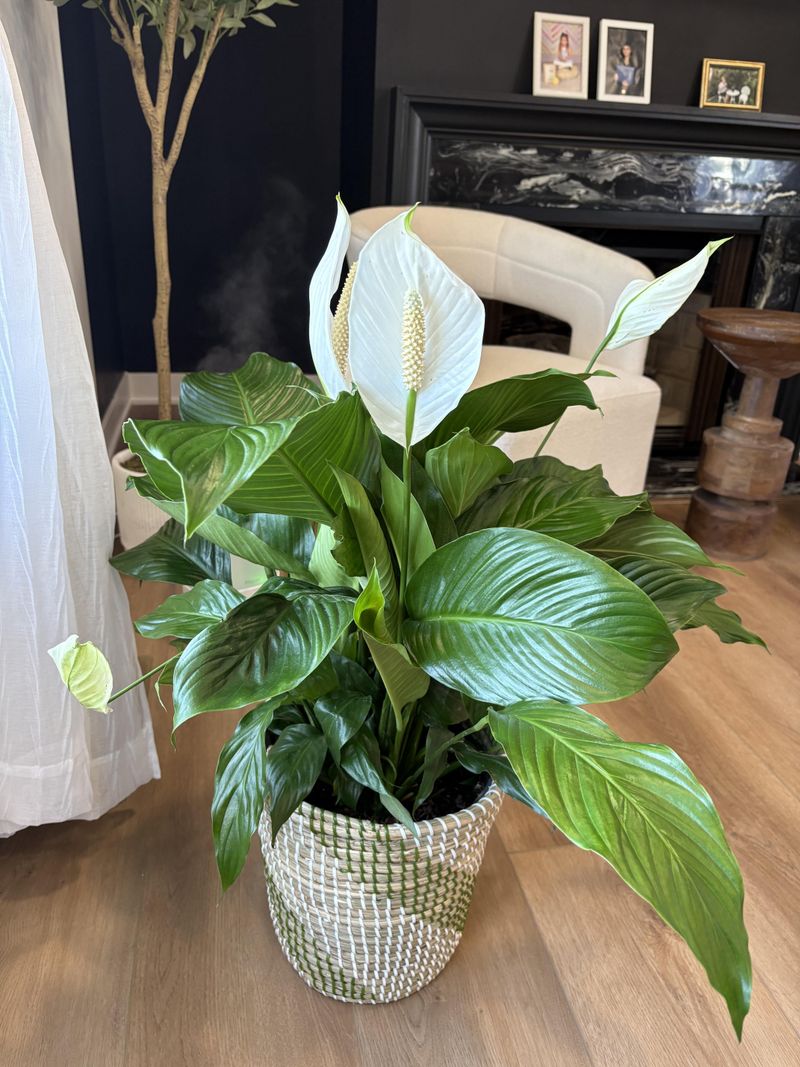
Light penetration increases dramatically when you remove select leaves from your peace lily. Opening up the plant’s structure allows sunlight or artificial light to reach previously shaded areas, particularly the crown where flower stalks originate.
Even modest pruning can double the light exposure for inner leaves and developing buds in typical New York apartment conditions.
Air movement around and through the plant improves with strategic leaf removal. Better airflow helps moisture evaporate from leaf surfaces and soil, reducing the risk of fungal diseases that thrive in stagnant, humid conditions.
This benefit proves especially valuable during summer months when New York humidity levels rise.
Temperature regulation becomes easier when air can circulate freely through the plant. Dense foliage traps heat near the soil surface, creating uncomfortably warm conditions that stress the plant.
Improved airflow helps maintain more consistent temperatures throughout the plant’s structure, supporting healthier growth and blooming.
Pest problems decrease when plants have good air circulation. Spider mites, mealybugs, and other common houseplant pests prefer sheltered, humid environments deep within crowded foliage.
Pruning eliminates many of these hiding spots and makes it easier to spot pest problems early before they become severe.
Photosynthesis efficiency improves when leaves receive adequate light and air exchange. Leaves need carbon dioxide from the air to photosynthesize effectively, and good airflow ensures a constant supply.
The combination of better light and airflow from proper pruning creates ideal conditions for the energy production needed to support flowering throughout the year in New York homes.
7. Common Pruning Mistakes That Reduce Flowering
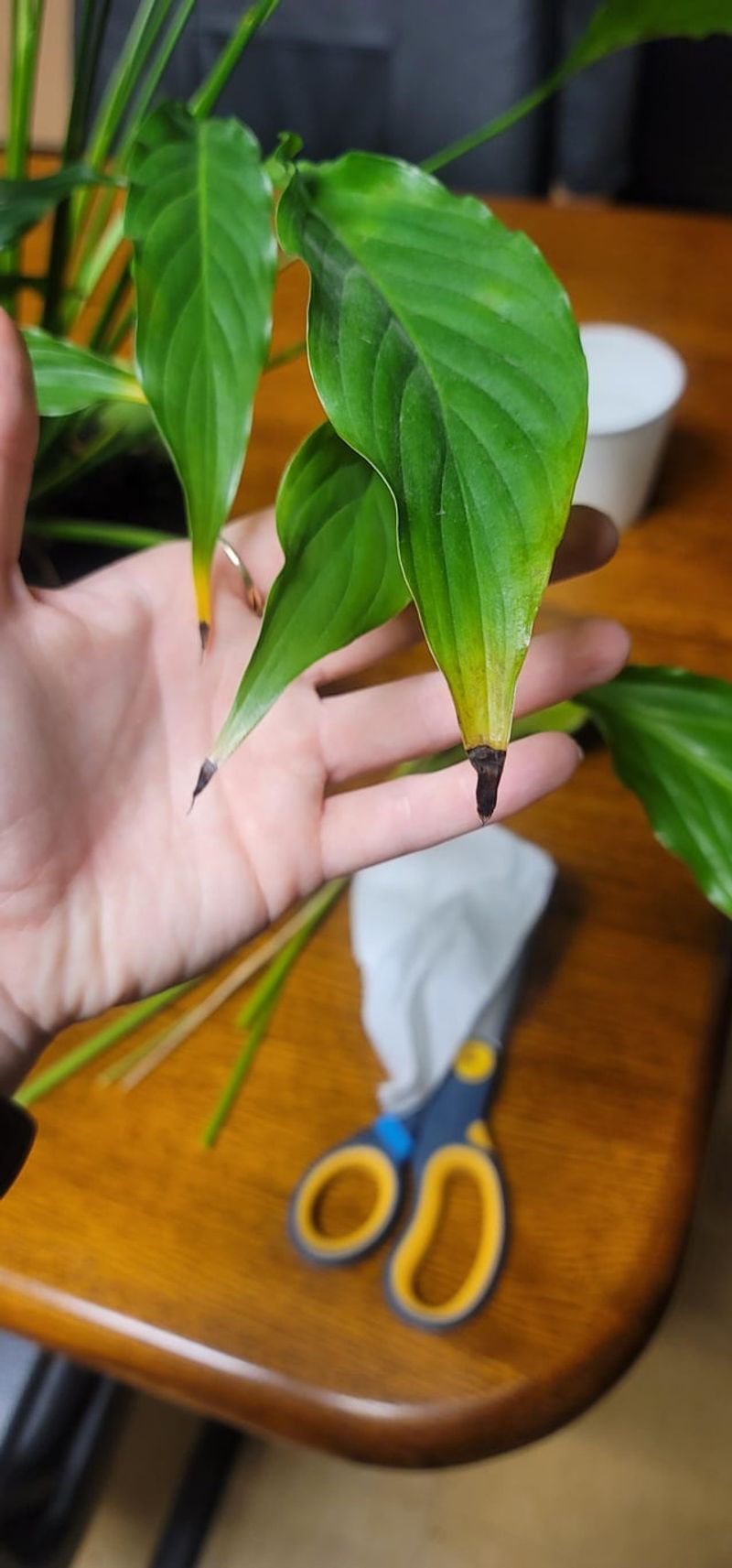
Cutting too much foliage at once shocks the plant and forces it into survival mode rather than flowering mode. Many eager New York plant owners remove half or more of the leaves in a single session, thinking aggressive pruning will trigger blooms.
Instead, this drastic approach depletes the plant’s energy reserves and delays flowering for months.
Using dull or dirty tools creates ragged cuts that heal slowly and invite infection. Scissors or shears that crush stems rather than cutting cleanly cause unnecessary damage.
Always use sharp, clean tools and sterilize them between cuts if you notice any diseased tissue.
Pruning at the wrong time of year sets plants back significantly. Cutting away foliage in fall or winter when light levels are already low leaves the plant unable to produce enough energy for basic survival, let alone flowering.
Wait for spring when increasing daylight hours support rapid recovery and new growth.
Leaving stubs instead of cutting to the base creates entry points for disease and looks unsightly. These partial stems cannot produce new growth and simply rot over time.
Always trace stems back to their origin point and make clean cuts at the soil level.
Removing all older leaves in favor of keeping only young growth eliminates the plant’s primary energy producers. While young leaves look prettier, mature leaves actually photosynthesize more efficiently.
Balance your pruning to maintain a mix of leaf ages for optimal energy production throughout the changing seasons in New York.
Forgetting to adjust watering after pruning leads to overwatering problems. Less foliage means less water consumption, so plants need less frequent watering post-pruning.
8. What To Do After Pruning To Support New Blooms
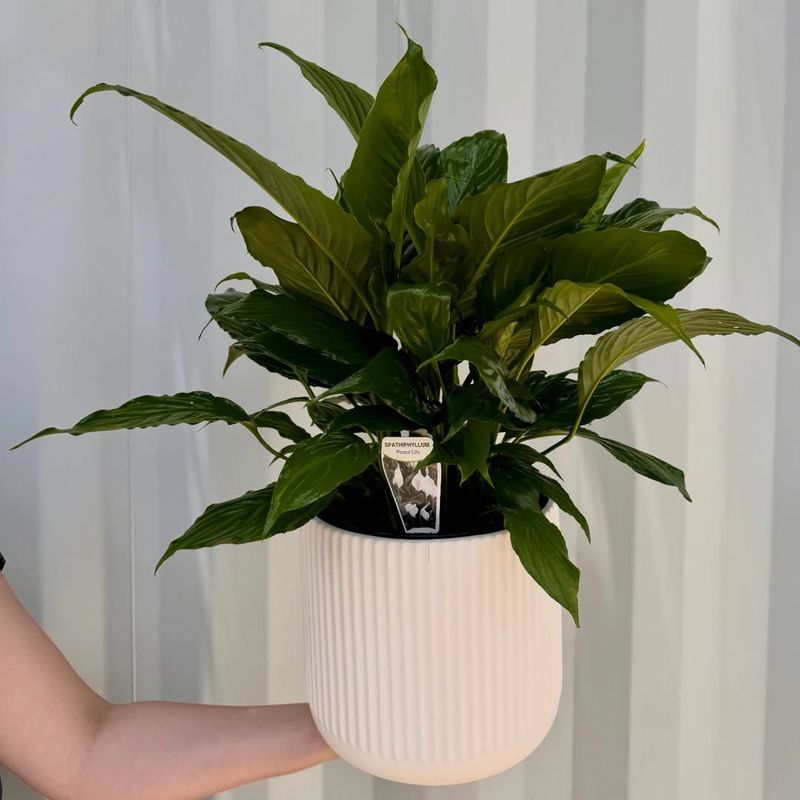
Watering needs change immediately after pruning since the plant has less foliage to support. Reduce watering frequency by about one-third for the first two weeks following pruning to prevent root rot.
Check soil moisture by inserting your finger two inches deep before watering, especially important in New York homes where humidity varies by season.
Fertilizer application helps replenish nutrients used for healing and new growth. Apply a balanced, water-soluble fertilizer at half strength two weeks after pruning.
Avoid fertilizing immediately after pruning, as this can stress the plant while it focuses energy on healing cut surfaces.
Light exposure should increase gradually if you move the plant to a brighter location post-pruning. Sudden changes in light intensity can stress peace lilies even after pruning opens up their structure.
Place your plant a few feet closer to a window each week rather than moving it directly from shade to bright light.
Humidity levels require attention since pruned plants lose moisture more rapidly through cut surfaces. Mist leaves lightly each morning or place the pot on a pebble tray filled with water.
This extra humidity proves especially helpful during winter when New York heating systems dry indoor air significantly.
Temperature consistency matters more after pruning while the plant recovers. Keep your peace lily away from drafty windows, heating vents, or air conditioning units for at least three weeks.
Stable temperatures between 65 and 75 degrees support fastest healing and encourage the plant to redirect energy toward bloom production rather than stress response.
9. How Often Peace Lilies Should Be Pruned In New York Homes
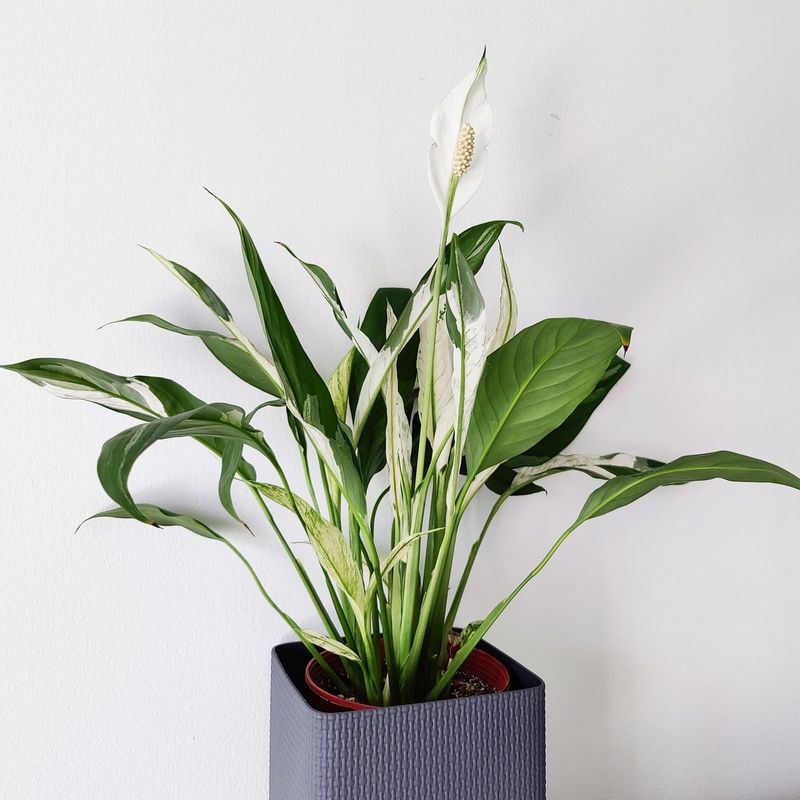
Maintenance pruning should occur every three to four months for most New York peace lily owners. This regular schedule involves removing yellowed or damaged leaves as they appear rather than waiting for major pruning sessions.
Consistent light pruning keeps the plant looking tidy and prevents the energy drain from accumulating damaged foliage.
Major pruning sessions work best once or twice yearly, typically in early spring and again in midsummer. Spring pruning prepares the plant for the active growing season when increased daylight hours support rapid recovery.
Summer pruning removes growth that became excessive during spring and encourages a second flush of blooms before fall.
Individual plant needs vary based on growing conditions and variety. Peace lilies in bright, south-facing New York windows may require more frequent pruning due to faster growth rates.
Plants in lower light conditions grow more slowly and need less frequent attention.
Seasonal adjustments help match pruning frequency to the plant’s natural cycles. Avoid significant pruning between November and February when short days limit the plant’s ability to recover quickly.
Focus winter maintenance on removing only obviously damaged or diseased material.
Bloom cycles influence pruning timing since you should remove spent flower stalks promptly. Some peace lilies bloom multiple times per year while others flower once annually.
Track your plant’s blooming pattern and plan pruning sessions for shortly after flowers fade to maximize the chance of repeat blooming throughout the year in your New York home.