How New York Homes Feel Fresh Again After Holiday Decor Comes Down
Once holiday decor comes down, many New York homes feel a little bare, making the shift back to everyday living especially noticeable.
Small changes in layout, light, and greenery help spaces feel refreshed without needing a full reset.
That gentle transition brings balance back to the home while keeping winter comfort front and center.
1. Why Houseplants Instantly Change The Mood After Holiday Decor Is Gone
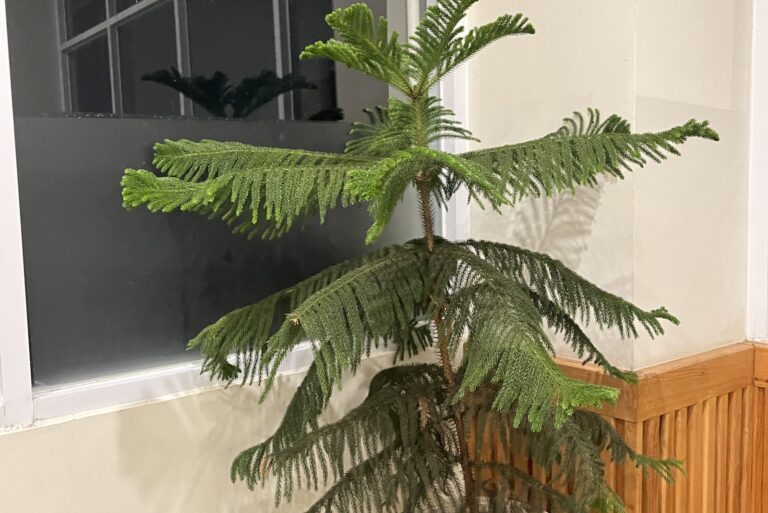
Houseplants bring an immediate sense of life back into rooms that suddenly feel bare once tinsel and ornaments are packed away for another year.
Greenery fills visual gaps left by missing wreaths and garlands, creating a natural focal point that draws the eye without overwhelming the senses or feeling too busy.
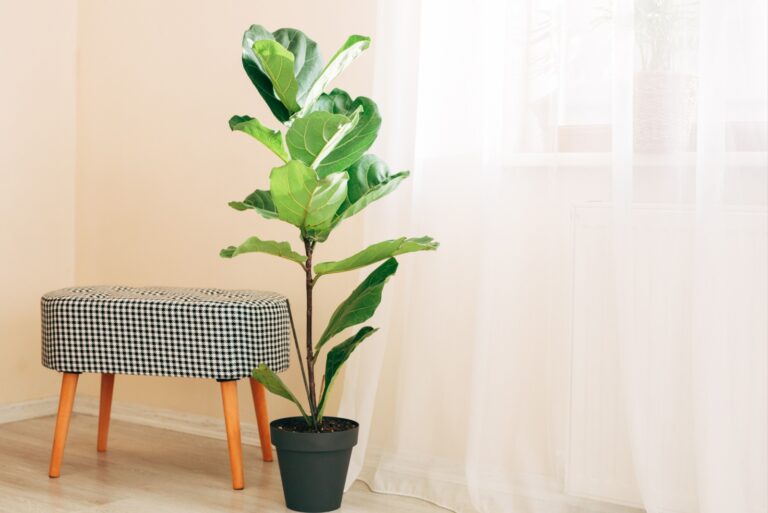
Many New York residents find that even a single healthy plant on a side table can shift the energy of an entire room instantly.
Plants offer texture, color, and movement that holiday decor simply cannot replicate, especially when leaves catch sunlight or sway gently near open windows.
Unlike artificial decorations, living greenery evolves daily, offering subtle changes that keep spaces feeling dynamic and interesting throughout the long winter months ahead.
Foliage creates softness in rooms dominated by hard surfaces like wood floors, metal fixtures, and glass tables commonly found in urban apartments across the state.
Bringing plants forward after the holidays signals a fresh start and a return to everyday routines that feel grounding and restorative for everyone at home.
2. Moving Plants Back Into The Light They Missed In December
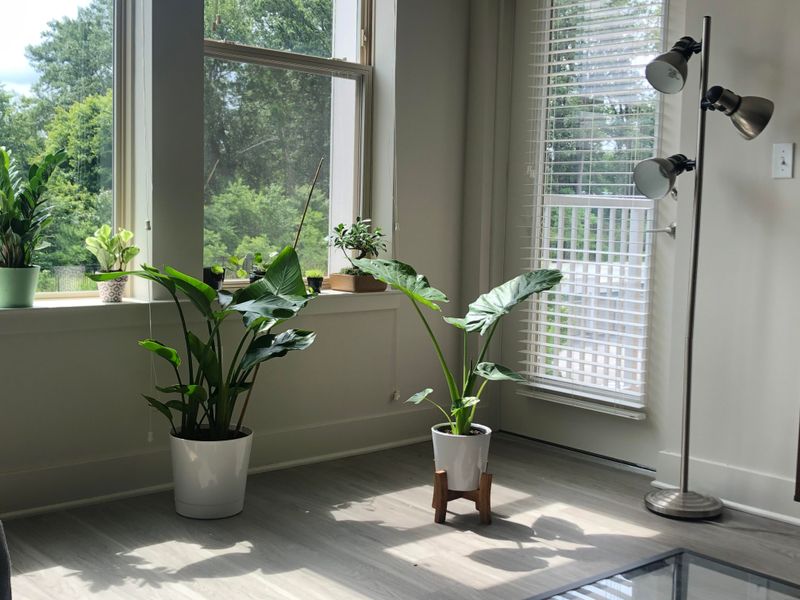
During the holiday season, many plants get pushed to corners or shadowy spots to make room for trees, garlands, and other festive displays throughout the home.
Once decorations come down, relocating plants back to their preferred light conditions helps them recover and begin active growth again after weeks of reduced sunlight exposure.
Window placement is especially important in New York apartments where natural light can be limited during short winter days and cloudy weather patterns.
Most houseplants thrive when positioned within a few feet of windows, where they can absorb the maximum amount of available sunlight each day consistently.
South-facing windows provide the brightest light, while east-facing spots offer gentle morning sun that works well for plants sensitive to intense afternoon heat and glare.
Rotating plants weekly ensures all sides receive equal light exposure, preventing lopsided growth and encouraging balanced, symmetrical foliage development over time.
Returning plants to ideal light conditions signals your commitment to their health and creates a more intentional, organized living space that feels purposeful and well cared for.
3. Letting Green Foliage Replace Seasonal Decorations Naturally
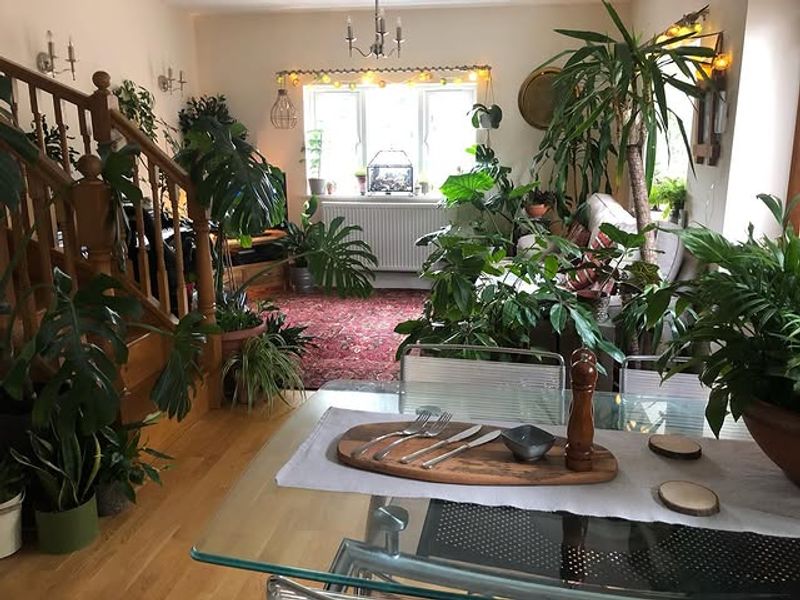
Rather than rushing to fill empty spaces with new decor items, allowing houseplants to take center stage creates a minimalist aesthetic that feels calming and refreshing.
Green foliage provides visual interest without the clutter or overstimulation that can come from too many decorative objects competing for attention in smaller living spaces.
Across New York, homeowners are embracing the simplicity of plant-focused interiors that prioritize natural beauty over manufactured ornaments and seasonal knickknacks.
Plants naturally complement existing furniture and color schemes, blending seamlessly into any design style from modern minimalist to cozy farmhouse without requiring major adjustments.
Unlike holiday decor that demands annual storage and rotation, houseplants remain year-round companions that grow more beautiful and valuable with consistent care and attention.
Foliage creates layers and depth in rooms, drawing the eye upward to hanging planters or across surfaces lined with varied pot sizes and plant heights.
Embracing greenery as your primary decor choice simplifies home maintenance, reduces visual noise, and fosters a connection to nature that feels especially grounding during cold winter months.
4. Cleaning Dust And Residue Off Leaves After The Holidays
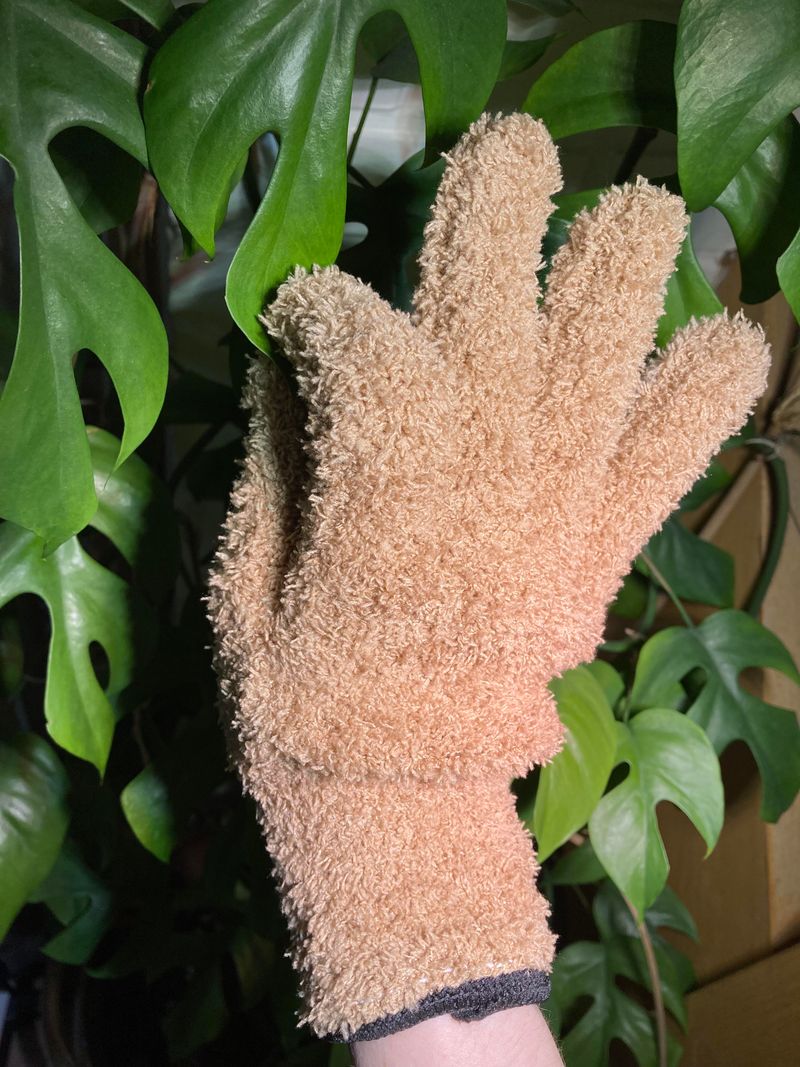
Holiday activities often stir up extra dust, and plants that sat near high-traffic areas or heating vents can accumulate a surprising layer of grime on their leaves.
Dust blocks sunlight absorption and prevents plants from photosynthesizing efficiently, which can slow growth and dull the vibrant green color that makes foliage so appealing indoors.
Taking time to wipe down each leaf with a damp cloth restores shine and allows plants to breathe properly again after weeks of neglect.
In New York homes with radiator heating, dust and dry air combine to create a film on plant surfaces that feels slightly sticky or greasy to touch.
Cleaning leaves also provides an opportunity to inspect for pests like spider mites or scale insects that may have moved in while plants were pushed aside.
Using lukewarm water and a soft microfiber cloth works best for most foliage types, while avoiding harsh chemicals that could damage delicate leaf tissues or cause discoloration.
Regular leaf cleaning becomes a meditative ritual that reconnects you with your plants and helps you notice small changes that might otherwise go unnoticed in busy routines.
5. Rearranging Plants To Make Rooms Feel Open Again
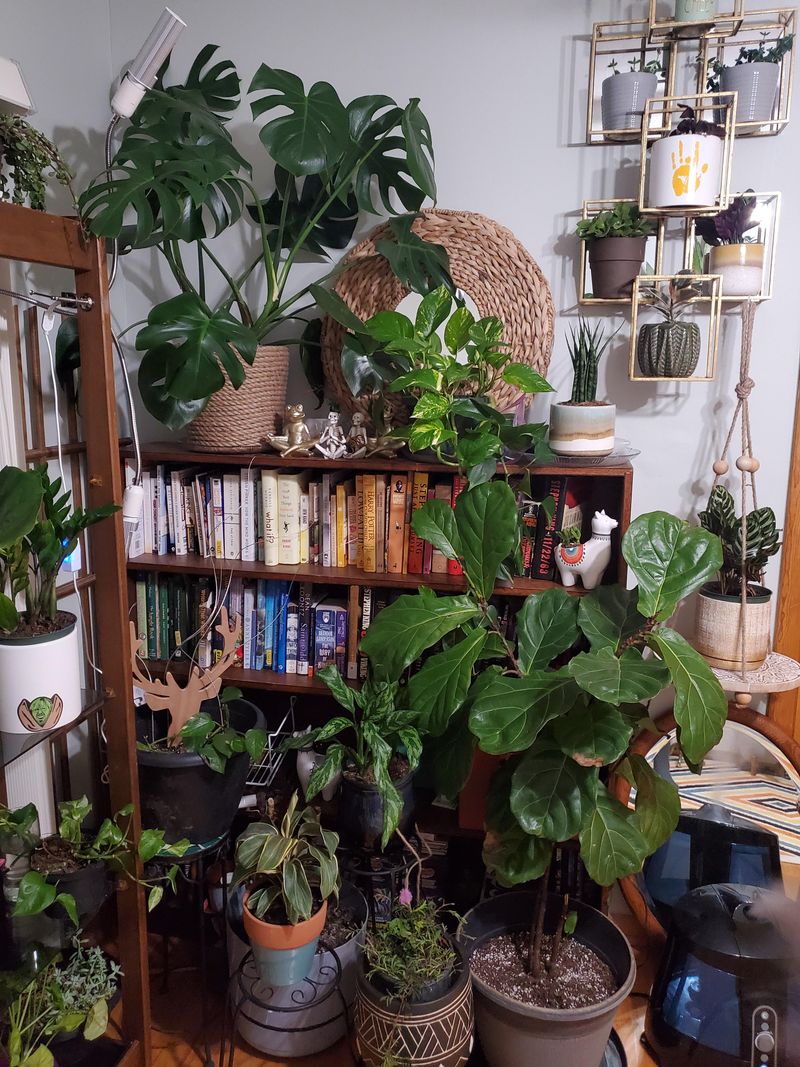
Holiday decor often crowds rooms and makes spaces feel smaller, so rearranging plants after everything is packed away helps restore a sense of openness and flow.
Strategic placement can guide movement through rooms, using taller plants to anchor corners and smaller varieties to soften edges of furniture and shelving units.
Many New York apartments benefit from vertical arrangements that draw the eye upward, making low ceilings feel higher and narrow rooms appear more spacious than they actually are.
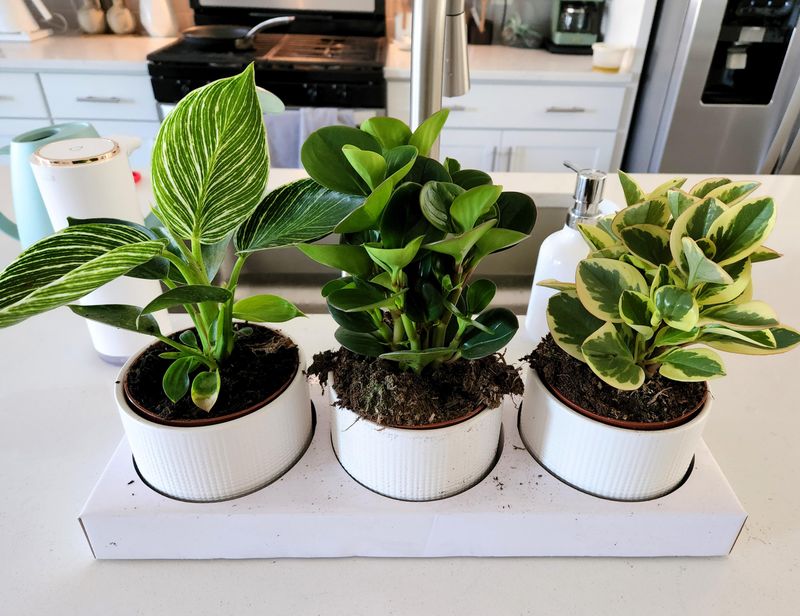
Grouping plants by height creates visual layers that add depth without cluttering surfaces, while leaving breathing room between pots prevents spaces from feeling overstuffed.
Consider traffic patterns when positioning larger floor plants, ensuring pathways remain clear and accessible for daily movement throughout your home without constant repositioning.
Symmetrical arrangements work well in formal spaces, while asymmetrical clusters create a more relaxed, organic vibe that feels effortlessly curated rather than overly planned.
Rearranging plants allows you to experiment with different layouts and discover new ways to showcase your collection while keeping your home feeling fresh, functional, and inviting all winter long.
6. Refreshing Pots And Soil Surfaces Without Full Repotting
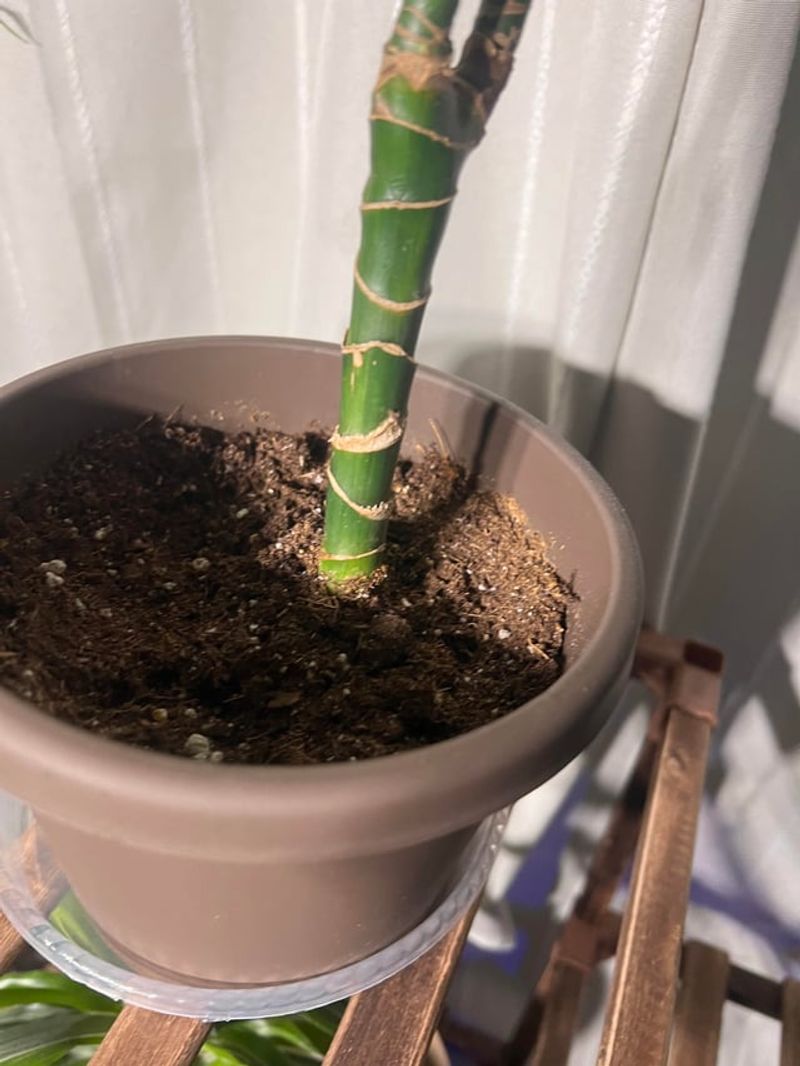
Full repotting can be disruptive during winter months, but refreshing the top layer of soil gives plants a quick boost without major root disturbance.
Over time, soil surfaces become compacted, crusty, or develop white mineral deposits from hard tap water commonly found throughout New York City and surrounding areas.
Scraping away the top inch and replacing it with fresh potting mix improves aeration, reduces odors, and creates a cleaner, more polished appearance for your collection.
Adding a decorative top dressing like small river stones, moss, or bark chips elevates the look of plain plastic pots and helps retain moisture consistency.
Fresh soil also reduces the risk of fungus gnats, which thrive in old, decomposing organic matter that accumulates near the surface over months of watering.
This simple maintenance task takes only minutes per plant but makes a noticeable difference in overall plant health and the visual appeal of your indoor garden.
Refreshing soil surfaces signals a new beginning for both plants and homeowners, creating a sense of renewal that perfectly complements the post-holiday reset many people crave.
7. Grouping Plants To Create One Calm Visual Anchor
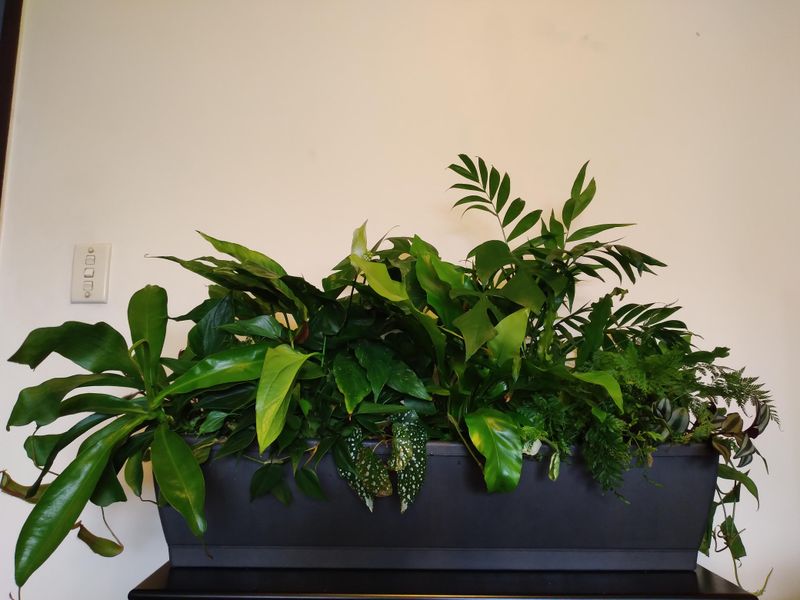
Rather than scattering plants throughout every room, creating one intentional grouping establishes a strong focal point that feels purposeful and visually satisfying to observe.
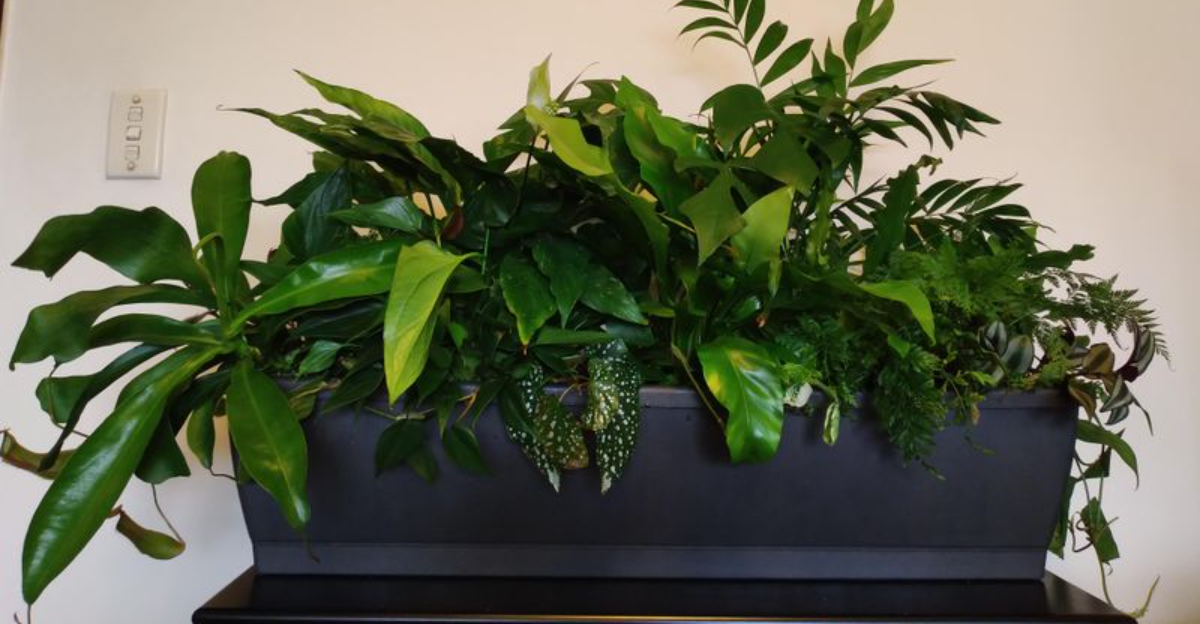
Clustering plants of varying heights, leaf shapes, and textures together mimics natural growth patterns and creates a mini indoor garden that draws attention immediately.
In New York homes where space is limited, a single well-designed plant display can replace multiple smaller arrangements that might otherwise feel disconnected or haphazard.
Grouping plants also creates a microclimate where humidity levels rise naturally, benefiting tropical varieties that struggle with dry indoor air during winter heating seasons.
Choose a spot with adequate light and sturdy surfaces like plant stands, bookcases, or wide windowsills that can support multiple pots without risk of tipping.
Mixing foliage types keeps the arrangement interesting while maintaining a cohesive color palette dominated by various shades of green with occasional variegation for contrast.
A thoughtfully curated plant grouping becomes a living art installation that evolves over time, offering daily visual interest and a calming presence that grounds your entire home.
8. How Winter Growth Starts Once Plants Are No Longer Crowded
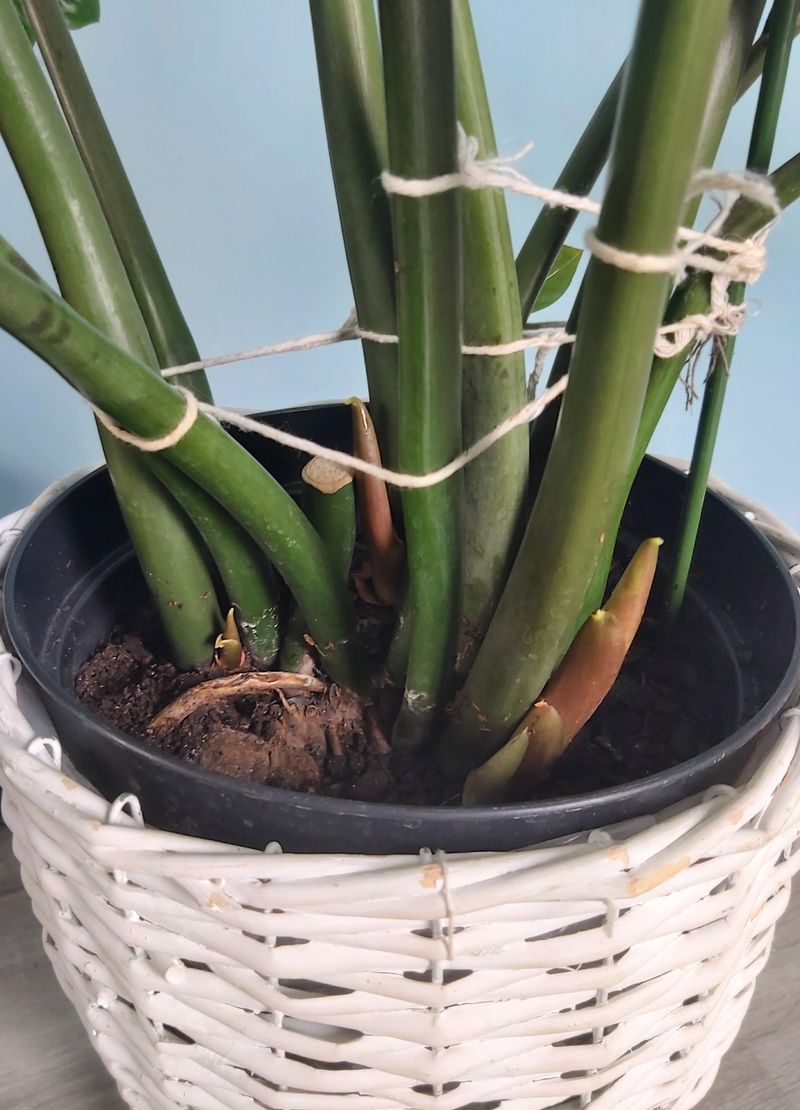
When plants are pushed together or shoved into corners during the holidays, they compete for light, air circulation, and space to extend new leaves.
Giving each plant adequate room allows air to flow freely around all sides, reducing humidity buildup that can encourage mold, mildew, and pest infestations.
Even during winter, many houseplants continue to grow slowly when conditions improve, sending out fresh shoots and unfurling new foliage that signals renewed vitality and health.
Proper spacing also makes watering easier and more precise, allowing you to target each plant individually without accidentally soaking neighboring pots or missing plants hidden behind others.
In New York apartments where space is tight, using shelves at different heights or hanging planters maximizes vertical space while keeping plants separated enough to thrive.
Observing new growth after the holidays feels rewarding and reinforces the value of consistent care and attention to environmental conditions throughout the year.
Uncrowded plants grow more symmetrically, develop stronger stems, and produce larger, more vibrant leaves that enhance the overall beauty and health of your entire indoor plant collection.
9. Why A Few Healthy Plants Make Homes Feel Reset Again
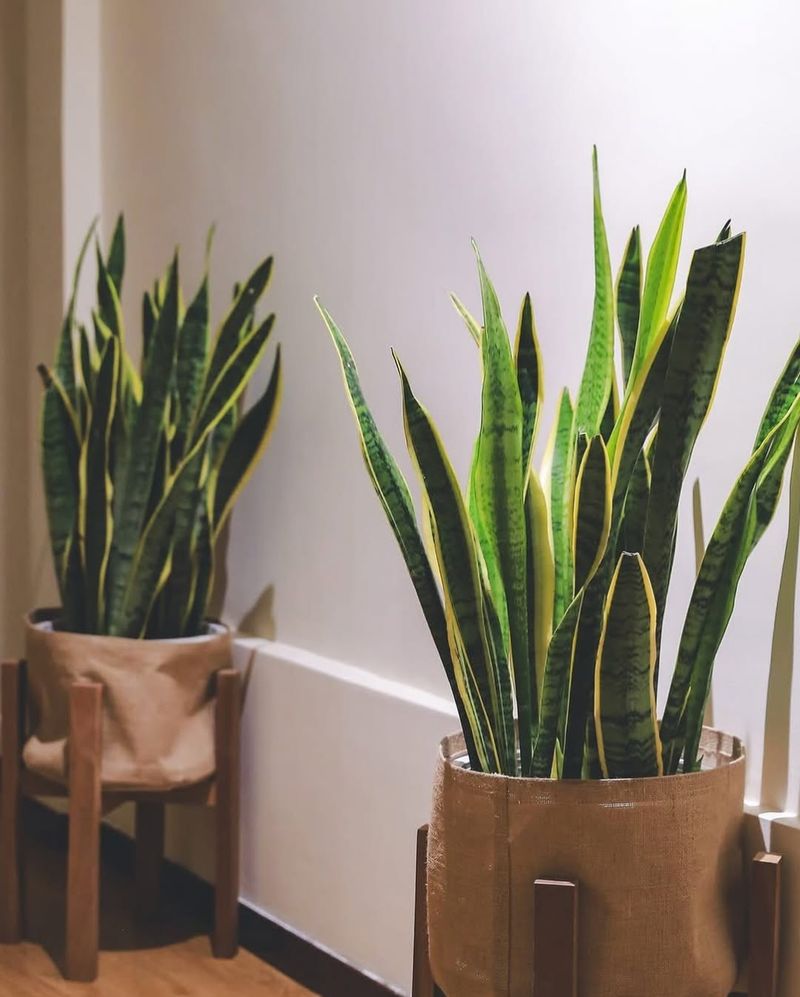
Sometimes less truly is more, and a small collection of thriving plants creates a more impactful statement than dozens of struggling, neglected specimens scattered everywhere.
Focusing care and attention on a manageable number of plants ensures each one receives proper watering, light, and maintenance without feeling overwhelming or burdensome.
Across New York, busy homeowners are discovering that quality always trumps quantity when it comes to creating a peaceful, plant-filled environment that feels intentional and well maintained.
Healthy plants with lush foliage and strong growth patterns naturally draw the eye and create positive energy that radiates throughout surrounding spaces effortlessly.
Removing plants that consistently struggle or fail to thrive reduces guilt and frees up time to invest in varieties that genuinely flourish in your specific conditions.
A few well-chosen plants positioned strategically can transform the entire mood of a home, making it feel cared for, organized, and ready for whatever comes next.
Simplifying your plant collection after the holidays encourages mindful living and helps you appreciate the beauty and benefits that each individual plant brings to your daily life and environment.