How New Yorkers Can Grow Green Onions Indoors Year Round
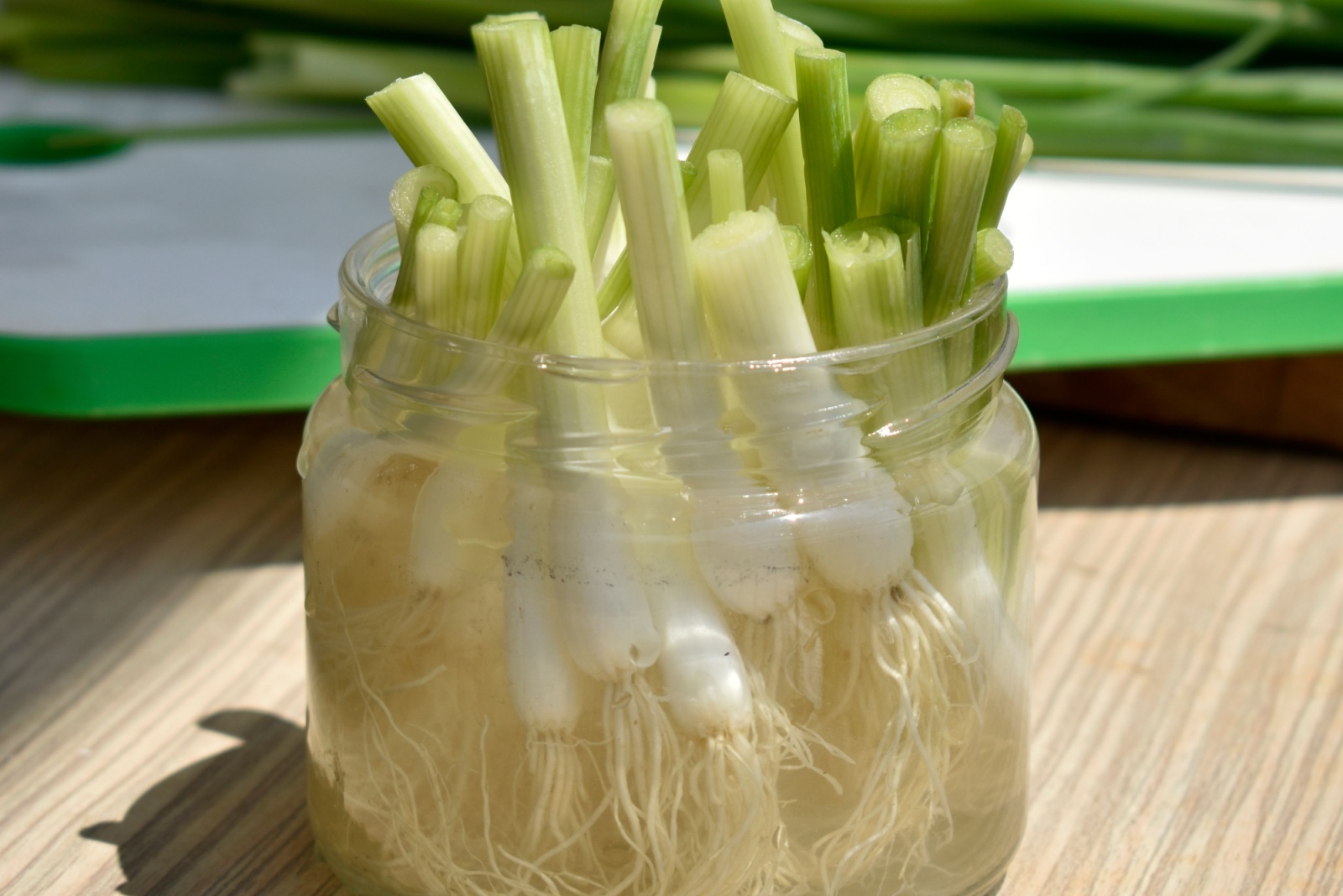
Growing green onions at home gives New Yorkers fresh flavor without spending much money or leaving their cozy apartments during cold winter months.
These tasty plants thrive indoors with just basic supplies, making them perfect for small spaces like city kitchens, windowsills, or even countertops.
Anyone can master this simple gardening project regardless of experience level, and the results taste better than anything from the grocery store.
Keep reading to discover practical tips that transform your indoor space into a productive little garden that keeps giving all year long.
Choose The Right Container For Your Green Onions
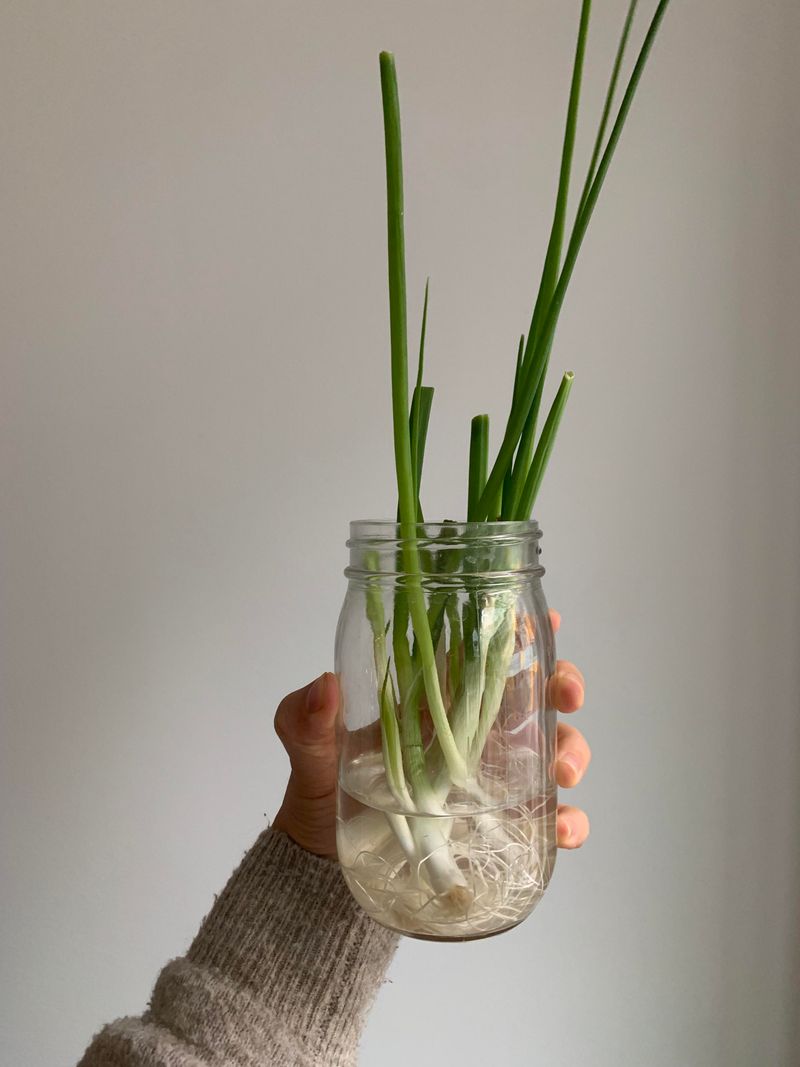
Starting with an appropriate container sets up your entire growing project for success and prevents common problems that frustrate beginners trying indoor gardening.
Glass jars work wonderfully because they allow you to monitor root development and water levels without disturbing your plants during their growth cycle.
Shallow dishes or recycled plastic containers also function well as long as they hold enough water to keep roots submerged but not drowning.
Make sure whatever vessel you select has enough depth to support the white root section while keeping the green tops above water.
New York apartments often lack space, so compact containers fit perfectly on kitchen counters or narrow windowsills without taking up valuable room.
Avoid containers with narrow openings that make it difficult to change water or harvest your green onions when they reach the perfect size.
Clear materials let sunlight reach developing roots, which encourages faster growth and healthier plants that produce more flavorful shoots for your cooking.
Experimenting with different container types helps you discover what works best in your specific living situation and personal growing style preferences.
Select Fresh Green Onions From The Store
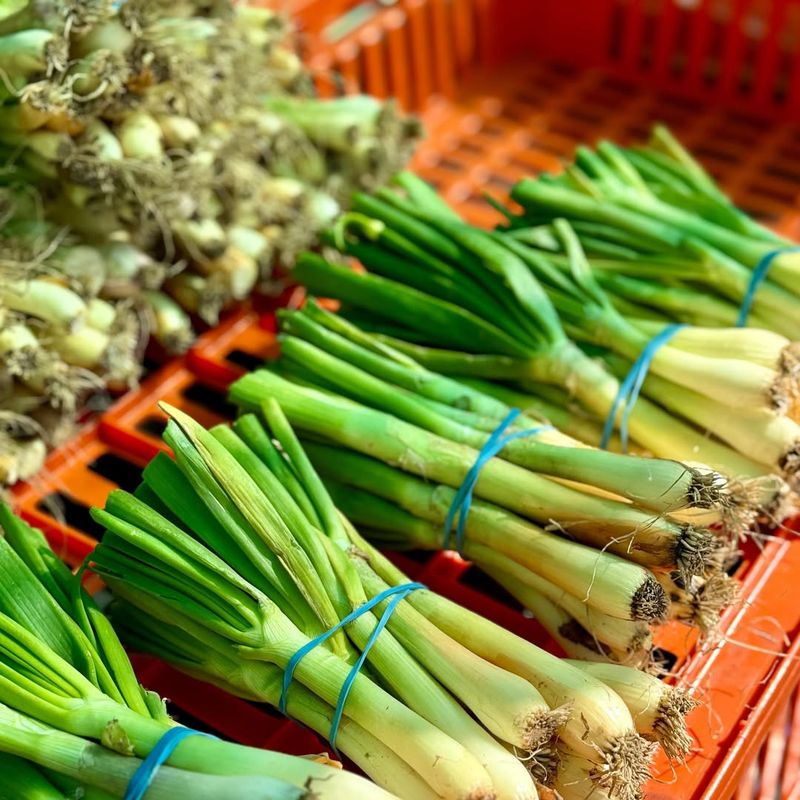
Picking quality starter plants from your local market makes all the difference between thriving green onions and ones that struggle or stop growing.
Look for bunches with firm white bulbs still attached to intact root systems, as these sections contain the energy needed for regrowth.
Avoid wilted or slimy green onions that show signs of rot, since damaged plants rarely recover even when placed in ideal growing conditions.
The roots should appear light-colored and healthy rather than brown or mushy, which indicates the plant experienced stress before you purchased it.
Thicker bulbs generally produce more vigorous growth than thin, spindly ones that lack stored nutrients for developing new shoots and root systems.
Many New York grocery stores and bodegas carry green onions year-round, making them easy to find regardless of the season outside your window.
Buying organic options sometimes costs more but ensures your starter plants contain no chemicals that might interfere with healthy indoor growth patterns.
Once you bring them home, use the green tops for cooking and save the white root ends for your indoor growing project.
Provide Adequate Light For Healthy Growth
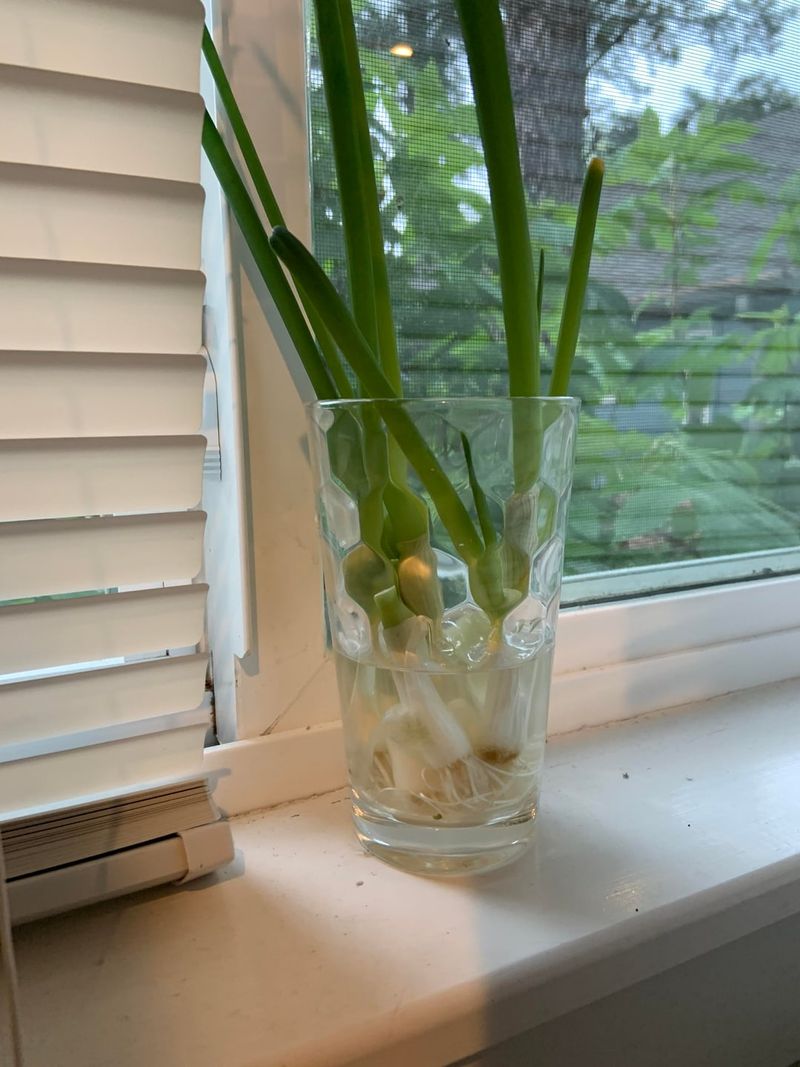
Sunlight fuels the process that turns water and nutrients into delicious green shoots, so finding a bright spot is absolutely essential for success.
South-facing windows in New York apartments typically receive the most consistent light throughout the day, making them ideal locations for your growing project.
Green onions need at least four to six hours of bright light daily to develop strong, flavorful tops rather than pale, weak growth.
During winter months when natural light decreases, consider supplementing with an inexpensive LED grow light positioned a few inches above your plants.
East or west windows also work well if southern exposure is not available in your apartment layout or if other plants occupy those spots.
Rotating your container every few days ensures all sides of your green onions receive equal light exposure and prevents them from leaning awkwardly.
Too much direct summer sun can sometimes overheat the water in your container, so watch for signs like yellowing or browning tips.
Adequate lighting produces vibrant green color and robust flavor, transforming your homegrown green onions into ingredients that truly enhance your cooking efforts.
Change The Water Regularly To Prevent Problems
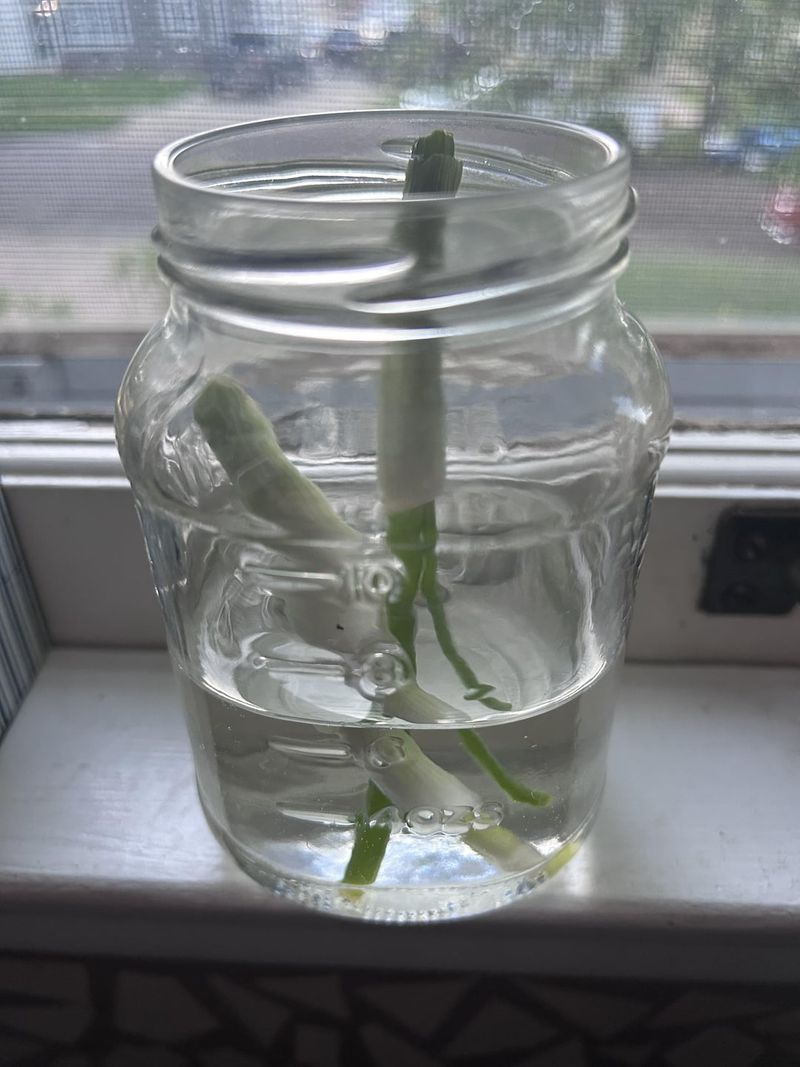
Fresh water supplies oxygen to developing roots and prevents bacterial growth that creates unpleasant odors and unhealthy conditions for your indoor plants.
Replacing the water every two to three days keeps your green onions thriving and eliminates the slimy film that sometimes forms on roots.
Room temperature water works best because cold water from the tap can shock tender roots and slow down growth during the adjustment period.
If your New York tap water contains high chlorine levels, let it sit overnight before using it so the chemicals evaporate naturally away.
Cloudy or smelly water signals that bacteria have started multiplying, which means you should change it immediately and rinse the roots gently.
During water changes, inspect the roots for any brown or mushy sections that need trimming away to maintain overall plant health and vigor.
Clean the container itself every week or so to remove any buildup that accumulates on the sides and bottom where roots touch surfaces.
This simple maintenance routine takes only a few minutes but dramatically improves your success rate and keeps your kitchen smelling fresh and pleasant.
Maintain Proper Water Levels For Root Health
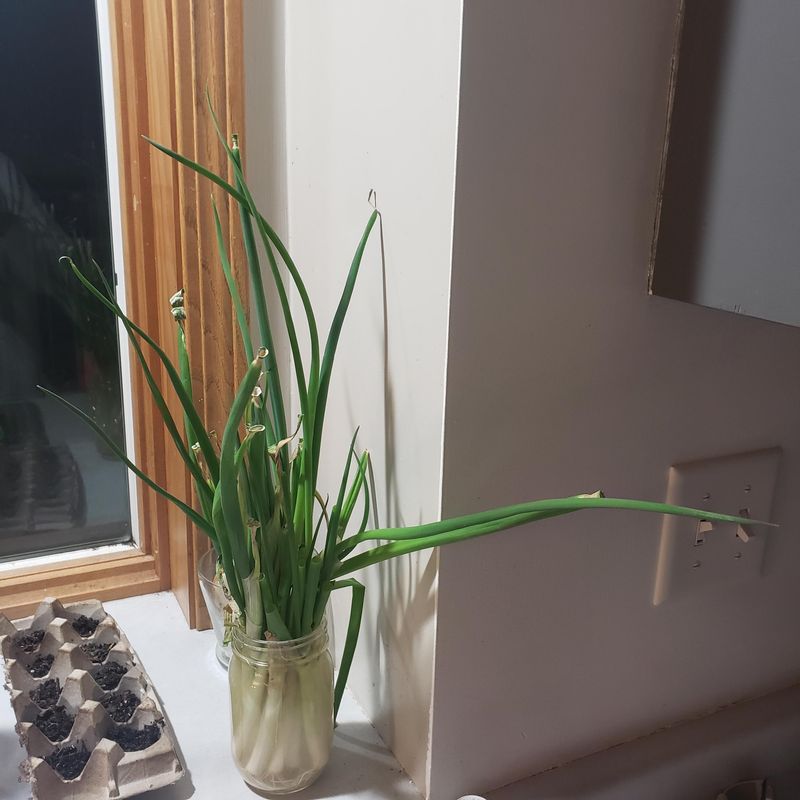
Balancing water depth protects roots from drying out while preventing rot that occurs when too much of the plant stays constantly submerged underwater.
The white bulb section should sit in water with just the roots fully covered, while the green shoots remain completely above the waterline.
Too little water causes roots to dry out and turn brown, which stops growth and eventually causes your green onions to wither away.
Conversely, submerging too much of the bulb encourages rot and creates conditions where harmful bacteria thrive in your indoor growing container.
Check water levels daily since evaporation happens quickly in heated New York apartments, especially during winter when radiators run constantly throughout the day.
Humidity levels in your home also affect how quickly water disappears, so adjust your refilling schedule based on what you observe happening.
Marking the ideal water level on your container with a permanent marker helps you maintain consistency without guessing each time you check.
Proper water management becomes second nature after a few weeks, and your green onions reward your attention with steady, reliable growth patterns.
Harvest Your Green Onions At The Right Time
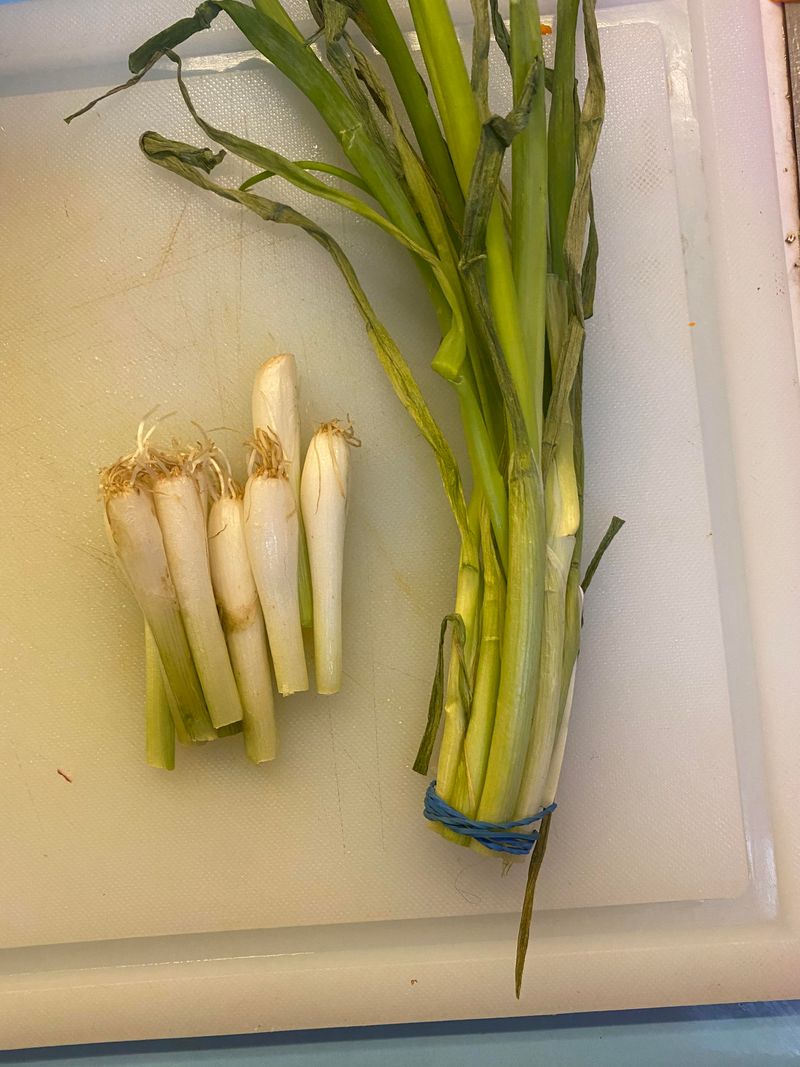
Knowing when and how to harvest ensures continuous production rather than ending up with a one-time crop that stops growing after cutting.
Wait until the green shoots reach at least six inches tall before taking your first harvest, which usually happens within one to two weeks.
Cut the green portions about an inch above the white bulb using clean, sharp scissors rather than pulling or tearing the delicate plant tissues.
This technique preserves the growing point where new shoots emerge, allowing your green onions to produce multiple harvests from the same root system.
Taking only what you need for immediate cooking encourages the plant to keep producing rather than harvesting everything at once and starting over.
New York cooks appreciate having fresh green onions available whenever a recipe calls for them without making special trips to the grocery store.
After harvesting, the plant typically takes another week or two to regrow enough for your next culinary project or meal preparation session.
Eventually, after several harvests, the plants may slow down or stop producing, which signals it is time to start fresh with new green onions.
Monitor Temperature For Optimal Growing Conditions
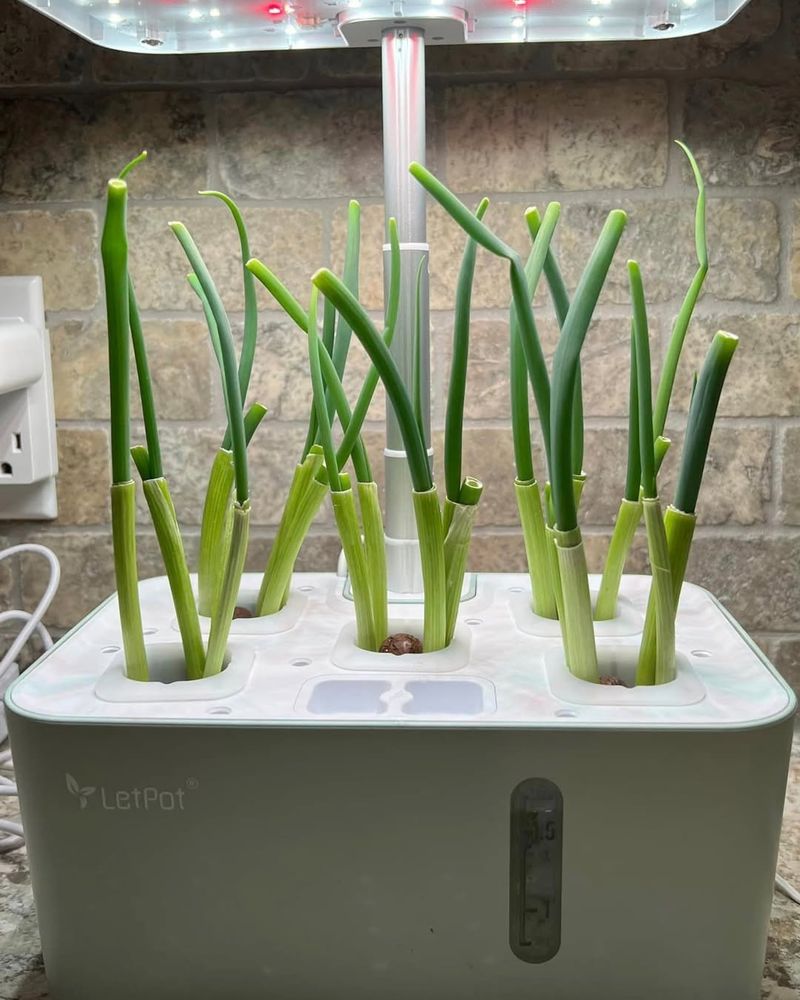
Temperature affects growth speed and overall plant health, so finding a comfortable spot in your apartment benefits both you and your green onions.
Room temperatures between 65 and 75 degrees Fahrenheit create ideal conditions that encourage steady growth without stressing the plants or their root systems.
Most New York apartments maintain temperatures within this range year-round, making indoor green onion cultivation easier than many other types of home gardening.
Avoid placing containers directly on cold windowsills during winter, as chilled glass can lower water temperature and slow down root and shoot development.
Similarly, keep your green onions away from heating vents or radiators that blast hot, dry air and cause water to evaporate too quickly.
Sudden temperature swings stress plants and may cause growth to stall temporarily until conditions stabilize again in your growing area or location.
Consistent temperatures produce the most reliable results, so choose a spot where conditions remain relatively stable throughout the day and night cycles.
Paying attention to temperature helps you troubleshoot problems and understand why your green onions might be growing faster or slower than expected.
Add Nutrients To Boost Growth And Flavor
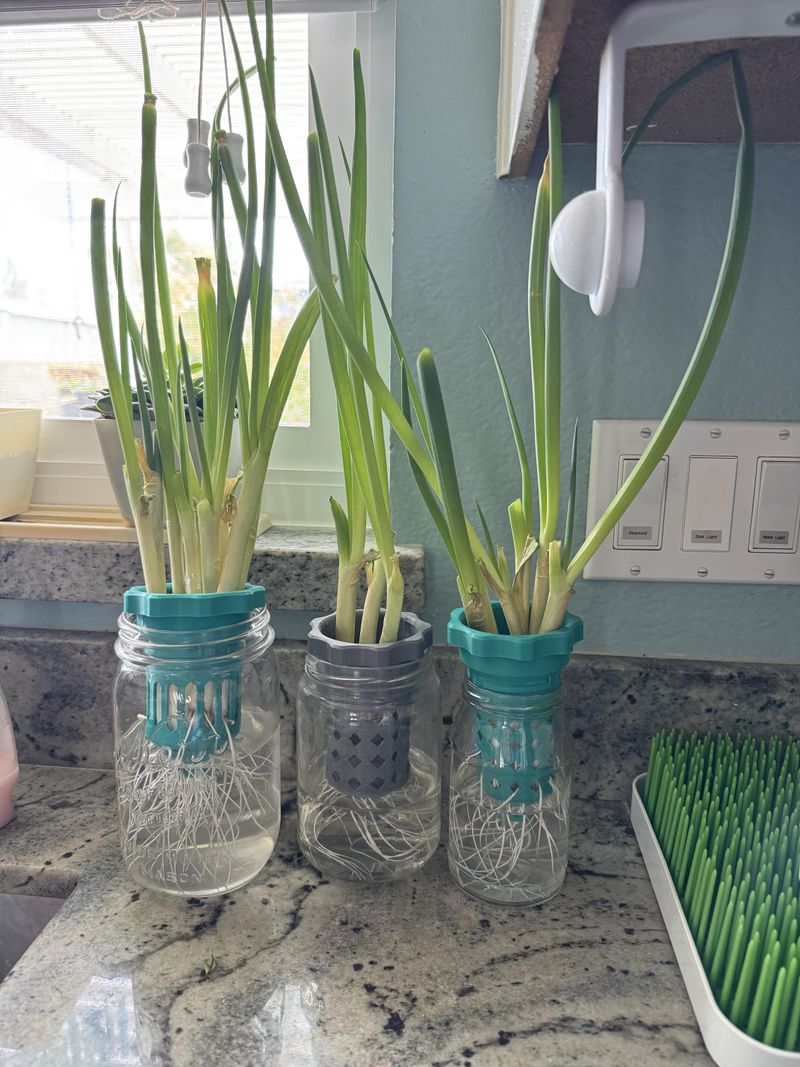
Plain water supports initial growth, but adding nutrients after a few weeks helps your green onions produce more abundant, flavorful shoots for cooking.
Diluted liquid fertilizer designed for vegetables or herbs works perfectly when mixed at about one-quarter the strength recommended on the product label.
Too much fertilizer burns roots and causes more harm than good, so always err on the side of using less rather than more.
Adding nutrients once every two weeks provides enough support without overwhelming the plants or creating chemical buildup in your growing container water.
Many New York gardening stores and online retailers sell small bottles of liquid fertilizer that last for months when used at proper dilution rates.
Organic options like diluted fish emulsion or seaweed extract offer gentle nutrition that encourages healthy growth without harsh chemicals in your kitchen space.
You might notice faster regrowth and deeper green color in the shoots after you begin supplementing with nutrients during your regular water changes.
This optional step takes your green onion growing from basic to abundant, providing restaurant-quality ingredients right from your own apartment windowsill or countertop.
Troubleshoot Common Growing Problems Quickly
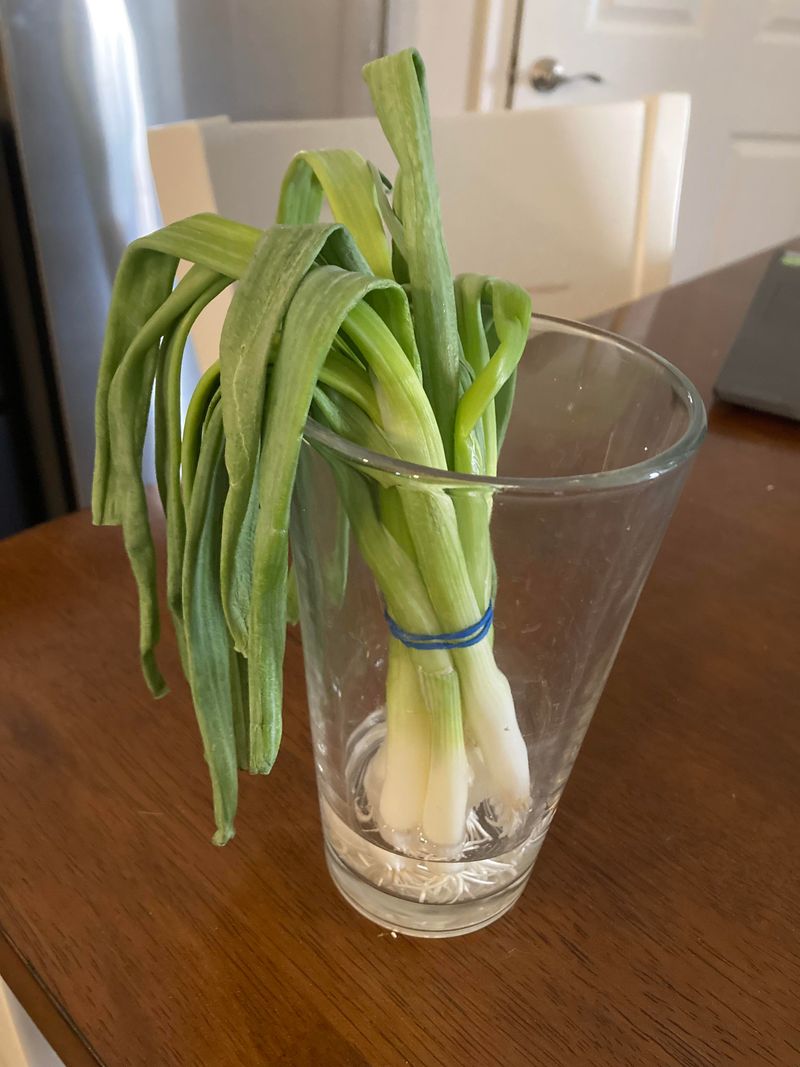
Recognizing issues early and taking corrective action prevents small problems from becoming major setbacks that end your indoor growing project prematurely or completely.
Yellowing tips usually indicate too much direct sunlight or not enough water, so adjust light exposure or increase the frequency of your watering.
Slimy roots signal bacterial growth from infrequent water changes, which requires immediately replacing the water and trimming away any damaged root sections.
Slow growth often results from insufficient light, especially during New York winters when days are short and natural sunlight becomes limited or weak.
Foul odors coming from your container mean bacteria have taken hold, so change the water right away and clean the container thoroughly before continuing.
Brown or mushy bulbs indicate rot from too much submersion, so lower the water level and remove any affected plant tissue with clean scissors.
Pale, thin shoots suggest your green onions need more light or possibly some supplemental nutrients to support their growth and development efforts properly.
Most problems have simple solutions, and learning to read your plants turns you into a confident indoor gardener who produces impressive results consistently.
Expand Your Indoor Garden With Multiple Containers
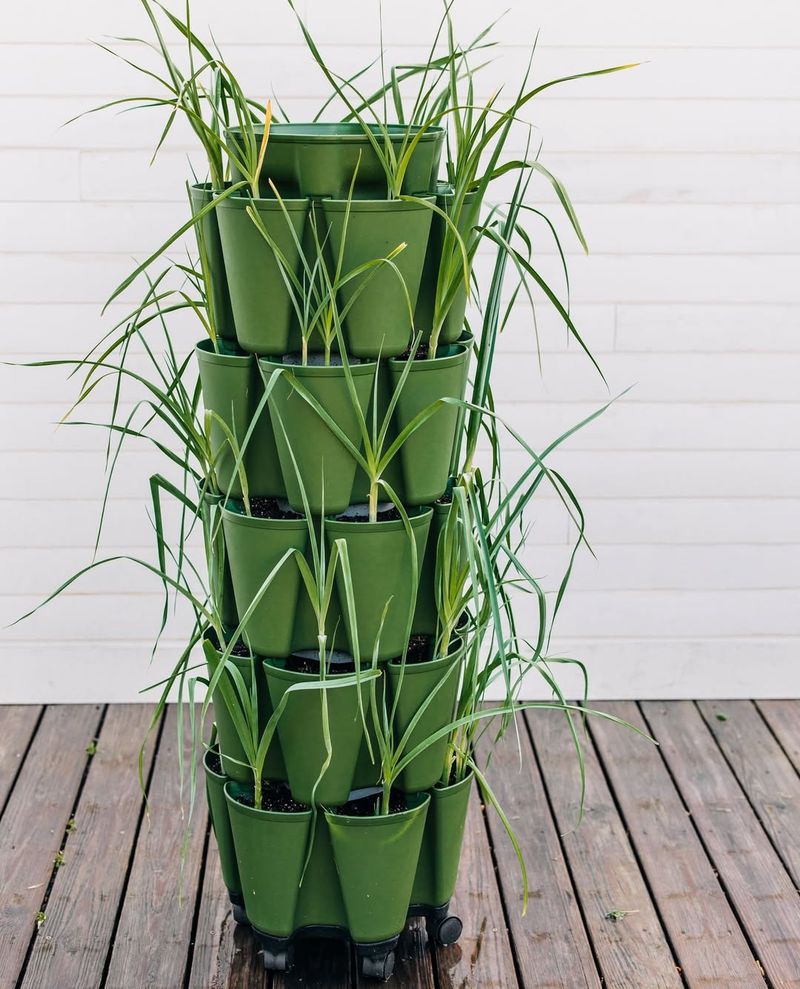
Starting additional containers at staggered intervals ensures you always have green onions ready to harvest regardless of when you need them for cooking.
Setting up a new container every week or two creates a rotating supply that provides fresh ingredients continuously rather than in unpredictable batches.
New York apartments may have limited space, but even small windowsills can accommodate several compact containers arranged efficiently side by side or stacked creatively.
Different container sizes and styles add visual interest to your indoor garden while serving the practical purpose of producing food year-round from home.
Friends and family often become interested when they see your success, making homegrown green onions great conversation starters during visits or dinner parties.
Expanding your operation also lets you experiment with growing techniques, comparing results between different locations, containers, or care routines you want to test.
Some people enjoy the meditative aspect of tending multiple plants, finding that the simple daily care routine reduces stress and connects them with nature.
Once you master green onions, you might feel inspired to try other easy indoor crops like herbs or lettuce in your New York home.