How North Carolina Gardeners Build A Simple Bean Teepee From Poles And Why It Works So Well
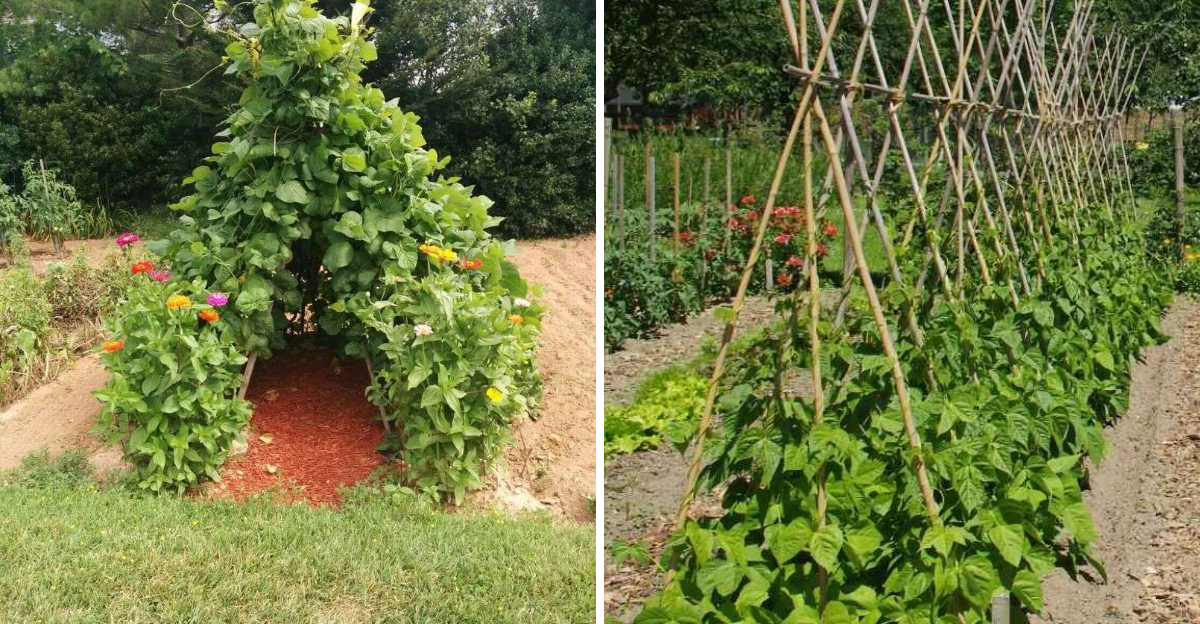
A few simple poles can turn into something surprisingly useful and eye catching in a North Carolina garden. A bean teepee is more than just a support for climbing plants.
It creates a living structure that adds height, shade, and a sense of charm to your space. As beans grow, they quickly climb and cover the frame with lush green leaves and hanging pods, turning basic materials into a natural focal point.
North Carolina’s warm weather gives climbing beans the perfect conditions to grow fast and fill in quickly. This setup also makes smart use of vertical space, which is helpful in smaller gardens.
It keeps plants off the ground, improves airflow, and makes harvesting easier. With just a little effort early in the season, a bean teepee can become one of the most productive and enjoyable features in your garden.
1. Choose A Sunny Spot With Warm Soil
Picking the right spot in your garden makes all the difference when growing pole beans. Pole beans are sun lovers through and through, needing at least six to eight hours of direct sunlight every single day.
In North Carolina, that kind of sunshine is easy to find from late spring all the way through summer, making the state a natural fit for this type of gardening.
Soil temperature matters just as much as sunlight. Bean seeds will not sprout well in cold ground, so most North Carolina gardeners wait until late April or early May before planting.
By that time, the soil has warmed up to at least 60 degrees Fahrenheit, which is the sweet spot for fast and healthy germination.
Before setting up your teepee structure, walk around your yard and observe where the sun hits most consistently throughout the day. Avoid spots shaded by fences, tall trees, or buildings.
North Carolina gardens often have plenty of open, south-facing areas that receive strong afternoon sun, and those locations are absolute gold for growing beans. A sunny, warm spot means faster growth, stronger vines, and a bigger harvest when the season peaks.
2. Use 6 To 8 Sturdy Poles That Stand 6 To 8 Feet Tall
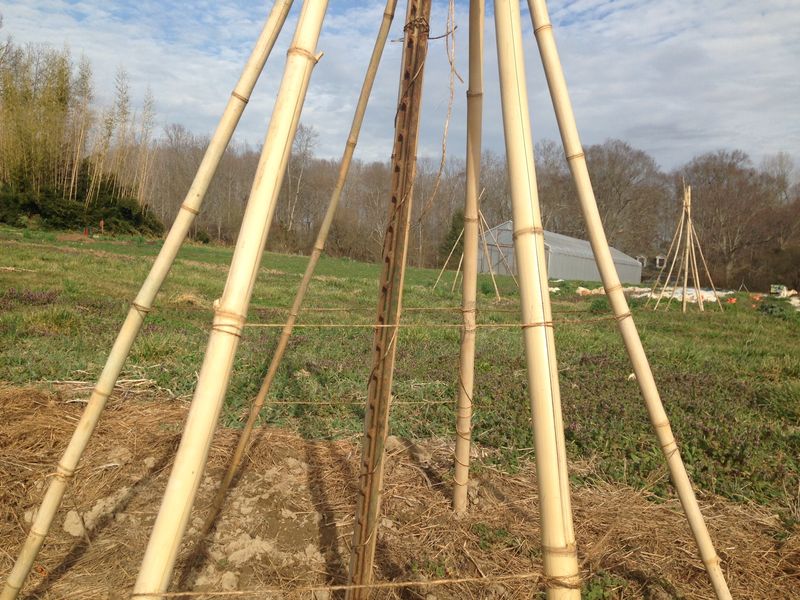
The poles you choose are the backbone of your entire teepee, so picking the right ones really matters. Most North Carolina gardeners reach for bamboo stakes, wooden dowels, or even freshly cut saplings from nearby trees.
Bamboo is especially popular because it is lightweight, strong, and surprisingly affordable at most local garden centers across the state.
Height is a big deal here. Pole beans can climb aggressively in North Carolina’s warm and humid climate, sometimes reaching six feet or more within a single growing season.
Using poles that stand six to eight feet tall gives the vines plenty of room to travel upward without running out of space or tangling into a messy clump at the top.
Most gardeners find that using six to eight poles creates the ideal structure. Fewer poles make the teepee too flimsy, while too many poles crowd the planting area at the base.
Your North Carolina Garden Changes Every Week. Your Plan Should Too.
Gardening in North Carolina changes quickly throughout the season. Every Friday you’ll receive a simple weekly plan showing exactly what to plant, prune, fertilize, harvest, and protect so you never miss the right timing.
Spacing the poles evenly in a circle about two to three feet in diameter gives each vine its own climbing lane. Did you know that bamboo poles can last multiple growing seasons if you store them properly indoors during winter?
That makes them a smart, budget-friendly investment for any North Carolina gardener who plans to grow beans year after year.
3. Push Each Pole Firmly Into The Ground
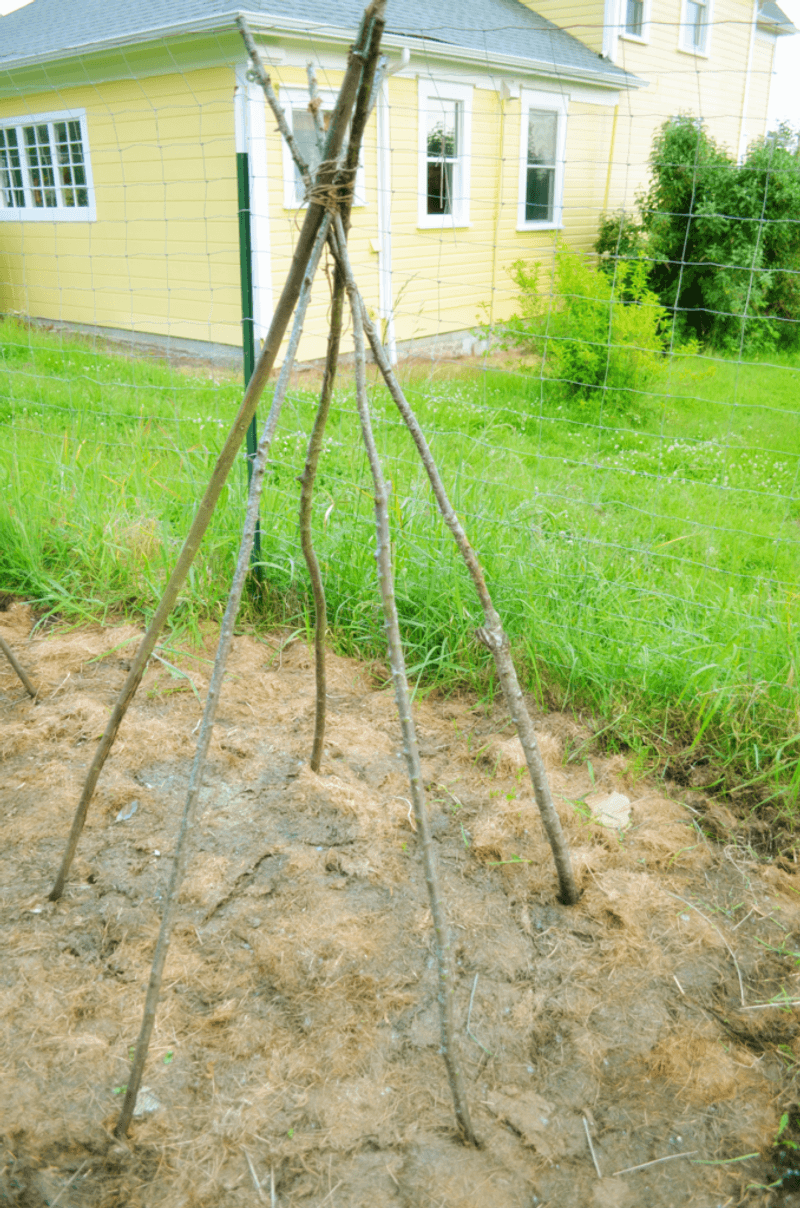
Anchoring your poles properly is one step that many first-time gardeners underestimate. North Carolina summers bring more than just heat and sunshine.
They also bring strong afternoon thunderstorms, gusty winds, and heavy rain that can easily topple a poorly anchored teepee. Pushing each pole at least six to eight inches into the ground gives the structure the stability it needs to survive rough weather.
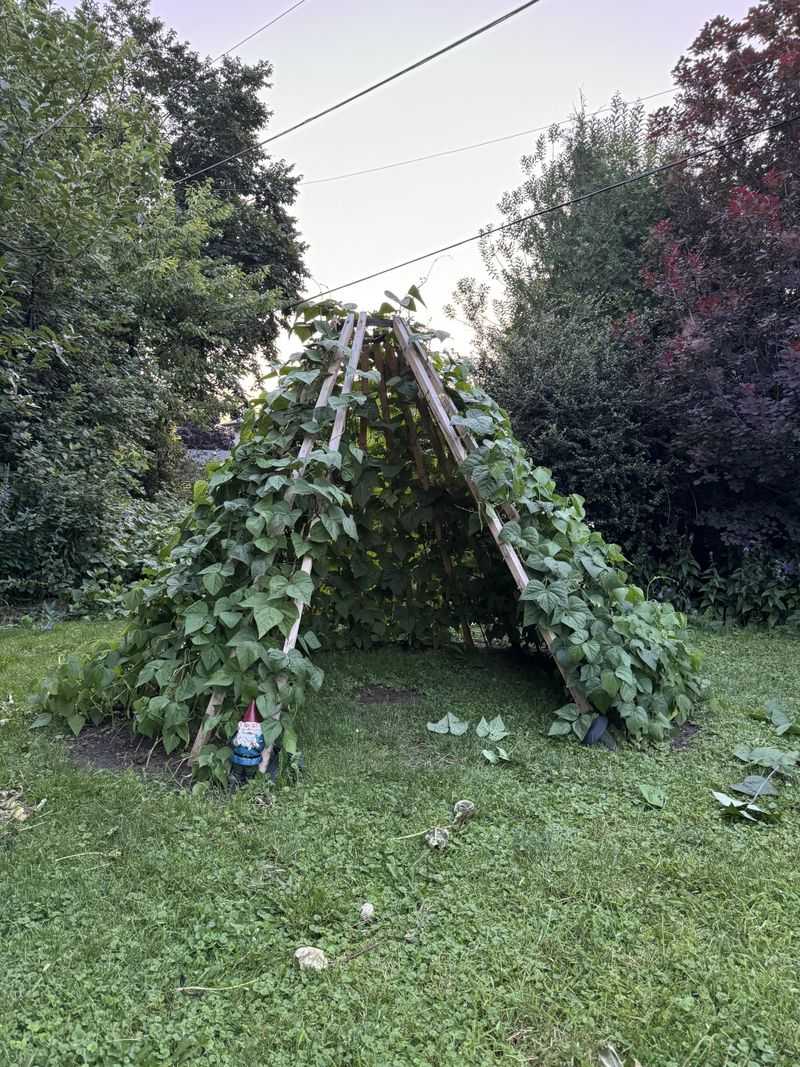
When pushing poles into the soil, angle them slightly inward toward the center of the circle. This inward lean is what gives the teepee its classic cone shape and also adds structural strength.
A straight vertical pole is far more likely to shift or lean under the weight of heavy vines than one that is angled and leaning gently toward its neighbors.
Hard or compacted soil can make this step tricky. A simple trick many North Carolina gardeners use is to soak the planting area with water the day before setting up the teepee.
Wet soil is much easier to push poles into, and it reduces the risk of cracking or splitting wooden stakes. Once all your poles are in place and properly angled, give each one a firm tug to make sure none of them wobble.
A solid foundation at the ground level means a stable, productive structure all season long.
4. Tie The Tops Securely Together With Twine
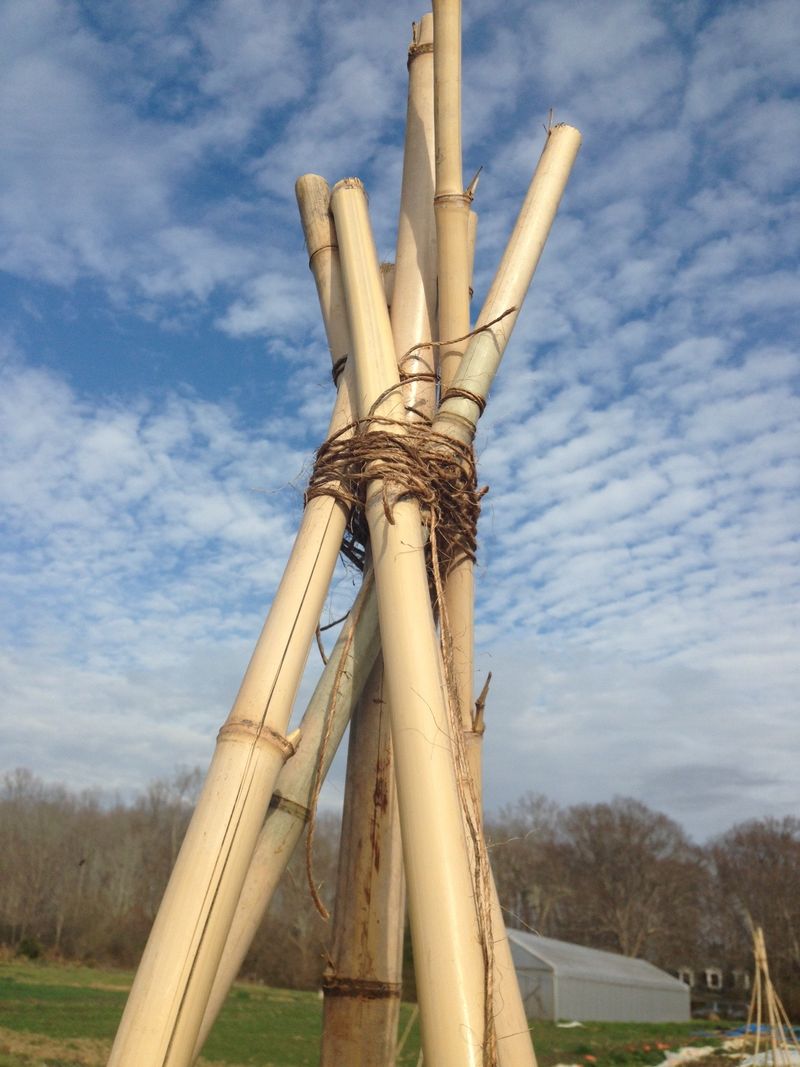
Once all your poles are standing in position, tying the tops together is the step that turns a bundle of sticks into a real, functional teepee. Garden twine, jute rope, or even strips of old fabric work great for this job.
Natural fiber twine is a favorite among North Carolina gardeners because it is strong, biodegradable, and easy to work with even in humid conditions.
Gather all the pole tops together in one hand while holding them firmly in place. Wrap the twine around the bundle several times in different directions, then tie it off with a tight knot.
Some gardeners like to wrap the twine in a figure-eight pattern between poles, which adds extra grip and prevents the tops from spreading apart as vines grow heavier throughout the summer.
A well-tied teepee top is surprisingly strong. In fact, a properly constructed bean teepee can support twenty pounds or more of vine and bean weight without any trouble at all.
North Carolina gardeners who grow heavy-producing varieties like Blue Lake or Kentucky Wonder beans appreciate having that extra security at the top. Taking an extra five minutes to tie the tops firmly means you will not be running out to the garden after a summer storm to prop everything back up.
Solid craftsmanship at the top pays off all season long.
5. Plant Bean Seeds Around Each Pole
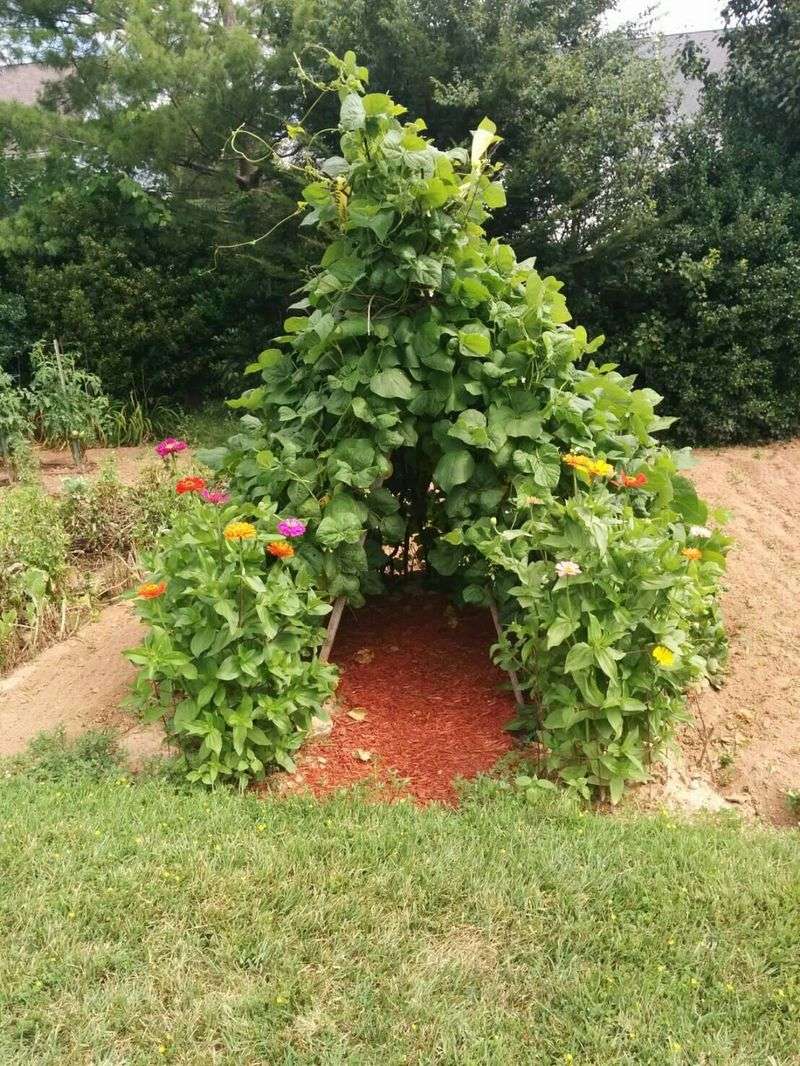
Planting time is where the real excitement begins. Around the base of each pole, press four to six bean seeds about one inch deep into the soil.
Space them evenly around the pole so that each seed has enough room to sprout and grow without immediately competing with its neighbors. Pole beans like Phaseolus vulgaris are the classic choice for teepee growing and perform beautifully in North Carolina’s warm spring soil.
North Carolina’s climate speeds up germination noticeably compared to cooler states. Under the right conditions, bean seeds can sprout in as little as seven to ten days after planting.
Warm soil, good drainage, and consistent moisture are the three ingredients that make germination happen quickly and evenly across your teepee circle.
One helpful tip is to soak your bean seeds in water for a few hours before planting. Soaking softens the seed coat and gives germination a head start, especially useful if you are planting right after a dry spell.
North Carolina gardeners who plant in May often find their beans sprouting rapidly because the soil is warm and rain showers are fairly regular that time of year. Avoid planting too deep, as beans buried more than two inches may struggle to push through the soil surface.
Shallow, consistent planting gives every seed the best possible start.
6. Thin Seedlings Down To The Strongest Plants
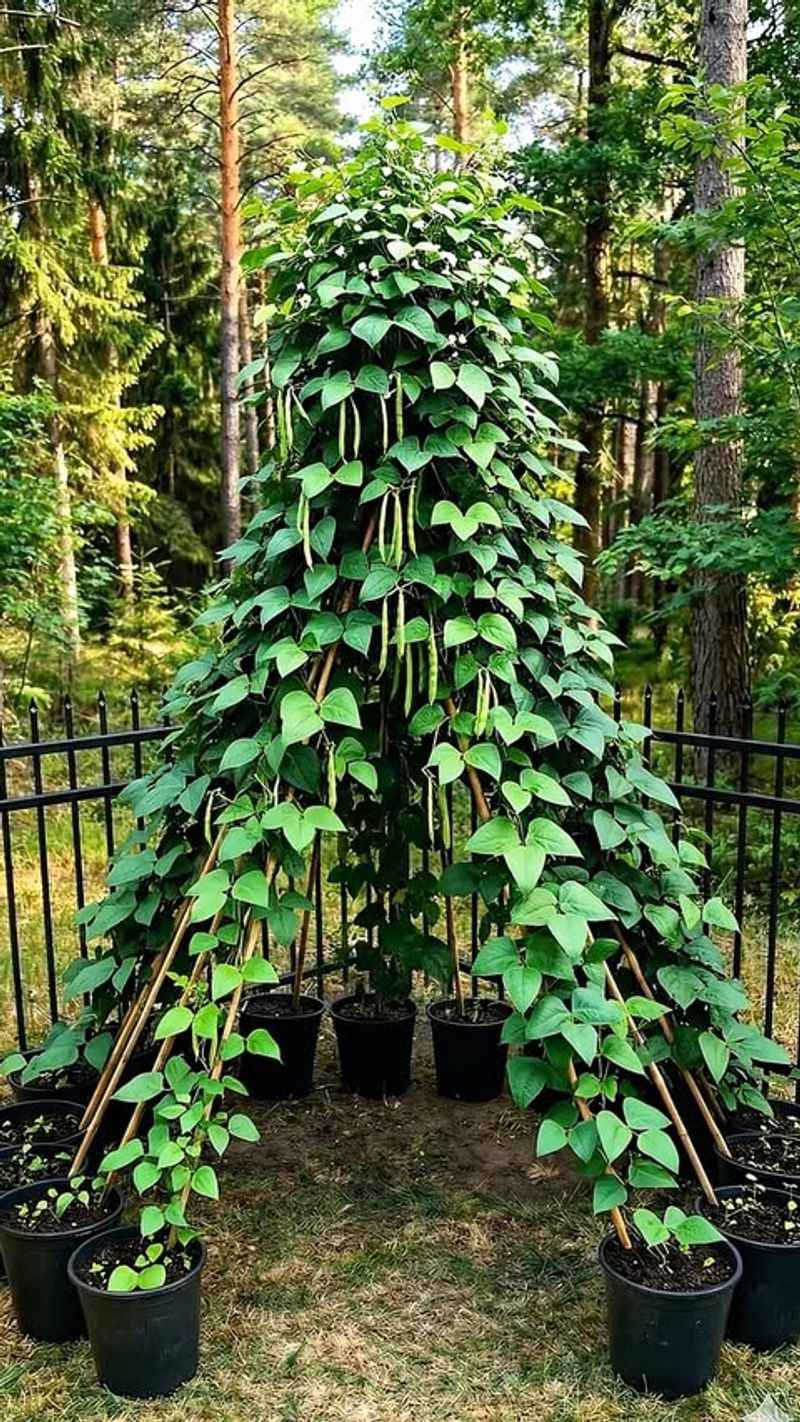
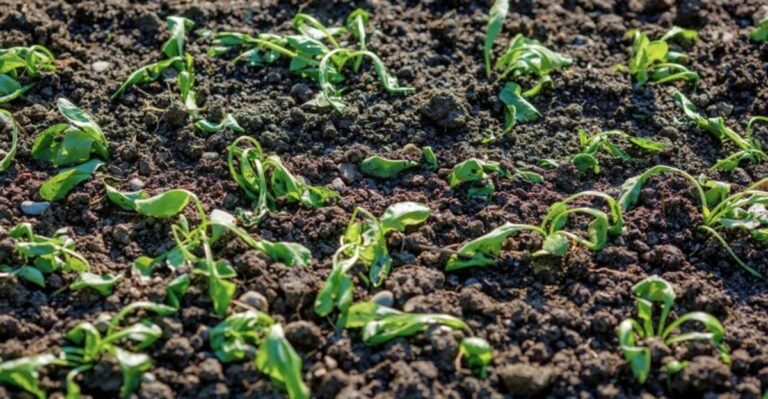
A few weeks after planting, your teepee circle will likely be buzzing with tiny green seedlings pushing up through the soil. It is tempting to let every single sprout grow, but thinning is one of the most important steps for a successful harvest.
Keeping too many seedlings crowded around each pole leads to competition for nutrients, reduced airflow, and ultimately smaller yields at harvest time.
Once seedlings reach about three to four inches tall, select the two strongest-looking plants around each pole and gently remove the rest. The strongest plants are usually the ones standing tallest with the thickest stems and the brightest green leaves.
Removing weaker seedlings might feel a little harsh, but it gives the surviving plants the room and resources they need to grow vigorously and produce abundantly.
North Carolina’s humid summers make airflow especially important for bean plants. Crowded plants trap moisture between their leaves, which creates a perfect environment for fungal issues like powdery mildew or bean rust.
Thinning your seedlings early on is one of the simplest and most effective ways to prevent these problems before they start. Gardeners across the Piedmont and Coastal Plains regions of North Carolina swear by this step as a key reason their teepee gardens outperform traditional row planting year after year.
Give each plant space, and it will reward you generously.
7. Guide The Young Vines Onto The Poles Early
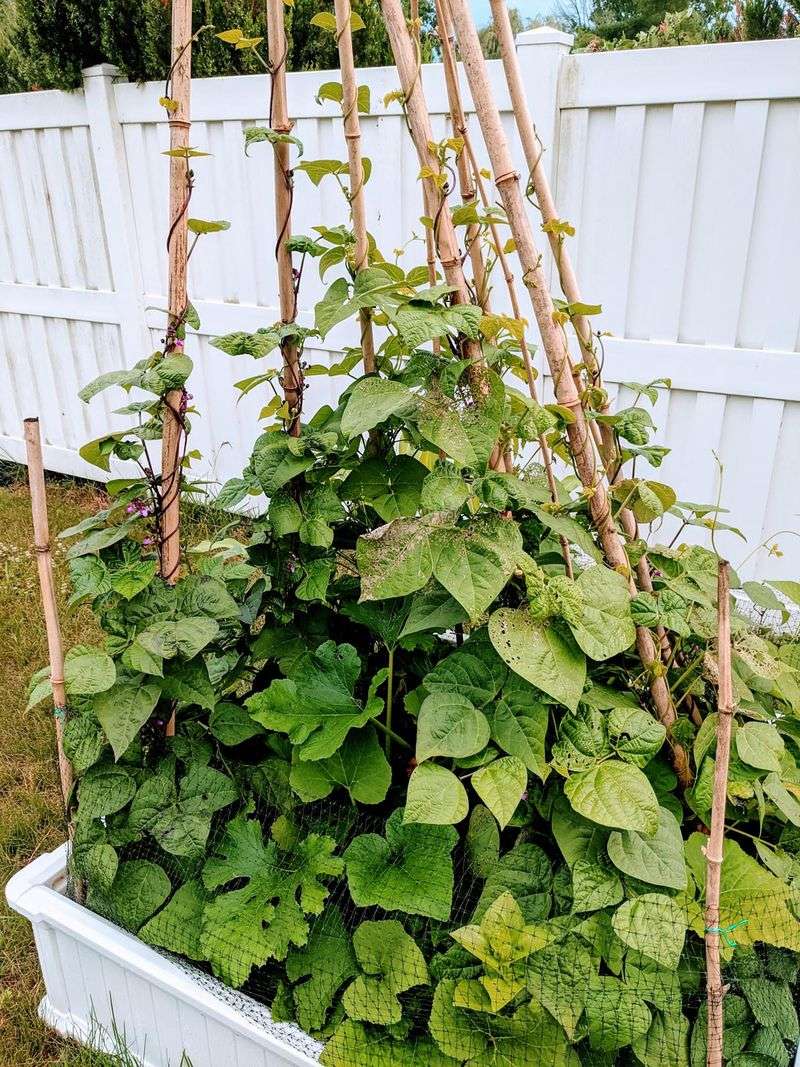
Pole beans are natural climbers, but they sometimes need a little nudge in the right direction when they are young. During the first week or two after seedlings emerge, the vines will start reaching out with tiny tendrils looking for something to grab onto.
Gently wrapping those young stems around the base of the nearest pole helps them latch on quickly and start climbing in the right direction.
Once a vine finds its pole and starts spiraling upward, it rarely needs any more guidance. The tendrils will wrap themselves tightly around the pole and continue climbing on their own as the plant grows taller.
North Carolina gardeners who check their teepees every couple of days during early summer often catch vines that have wandered off in the wrong direction and can redirect them before the stems become too stiff to move.
Morning is the best time to guide vines because the stems are more flexible and hydrated after the cool night air. Avoid trying to redirect vines during the hottest part of the afternoon, when stems can be more brittle and prone to snapping.
A gentle touch and a watchful eye during the first two to three weeks of growth is all it really takes. After that, your North Carolina bean teepee practically manages itself, climbing steadily toward the sky with very little help from you at all.
8. Mulch The Base To Hold In Moisture And Reduce Weeds
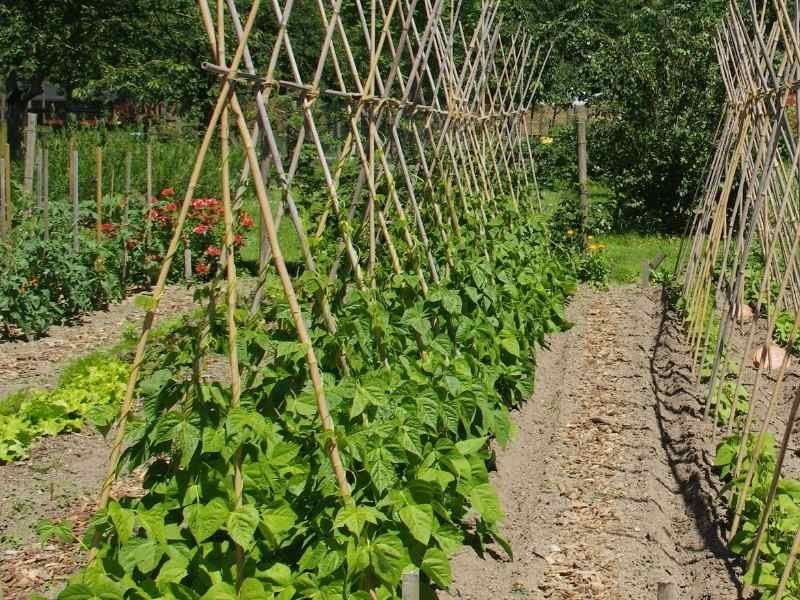
Mulching around the base of your bean teepee is one of those simple steps that delivers a surprisingly large payoff. A two to three inch layer of straw, wood chips, or shredded leaves spread around the base of the teepee does two powerful things at once.
It keeps the soil cool and moist during North Carolina’s famously hot and dry summer stretches, and it suppresses weeds that would otherwise compete with your beans for water and nutrients.
North Carolina summers can be brutal, with temperatures regularly climbing into the upper eighties and nineties from June through August.
Without mulch, the soil around your teepee can dry out quickly between rain showers, which stresses the plants and slows bean production.
Mulched soil stays noticeably cooler and retains moisture much longer, which means less frequent watering and healthier, more productive plants overall.
Straw is a particularly popular mulching choice among North Carolina gardeners because it is inexpensive, widely available at local farm supply stores, and breaks down gradually to add organic matter back into the soil.
Avoid using fresh grass clippings as mulch because they can mat together and block water from reaching the soil.
Spread your mulch after the seedlings are a few inches tall and refresh it midseason if it starts to thin out. Your beans will respond with stronger growth and a longer, more productive harvest window.
9. Harvest Beans Frequently To Keep Plants Producing
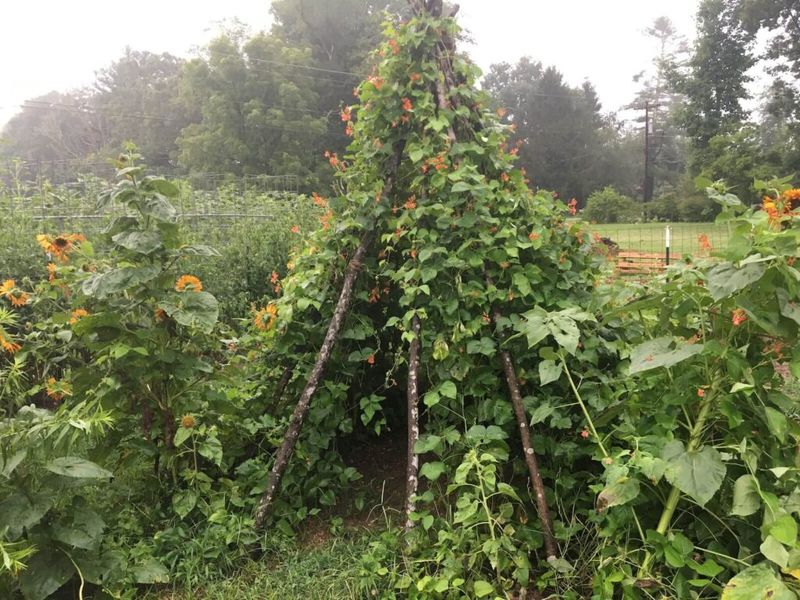
Here is a fact that surprises many first-time bean growers: the more you pick, the more the plant produces. Pole beans are programmed to keep making new pods as long as the existing ones are removed regularly.
When mature pods are left on the vine too long, the plant shifts its energy toward developing seeds inside those pods rather than producing new flowers and fresh beans for you to enjoy.
During peak season in North Carolina, which typically runs from late June through September, a well-cared-for bean teepee can produce beans fast enough to require harvesting every two to three days.
Check your teepee regularly and pick any pods that have reached four to six inches in length and feel firm and smooth to the touch.
Pods left to grow overly large become tough and stringy, losing the tender texture that makes fresh pole beans so delicious.
North Carolina’s long growing season is one of the biggest advantages local gardeners have over those in colder northern states. The extended warmth allows bean teepees to keep producing well into early fall if plants stay healthy and harvesting stays consistent.
Many families across the state freeze or can their extra beans to enjoy throughout the winter months, stretching the value of a single teepee planting remarkably far. Frequent harvesting truly is the secret engine behind a high-producing bean teepee all season long.
10. Why The Teepee Shape Works So Brilliantly For Beans
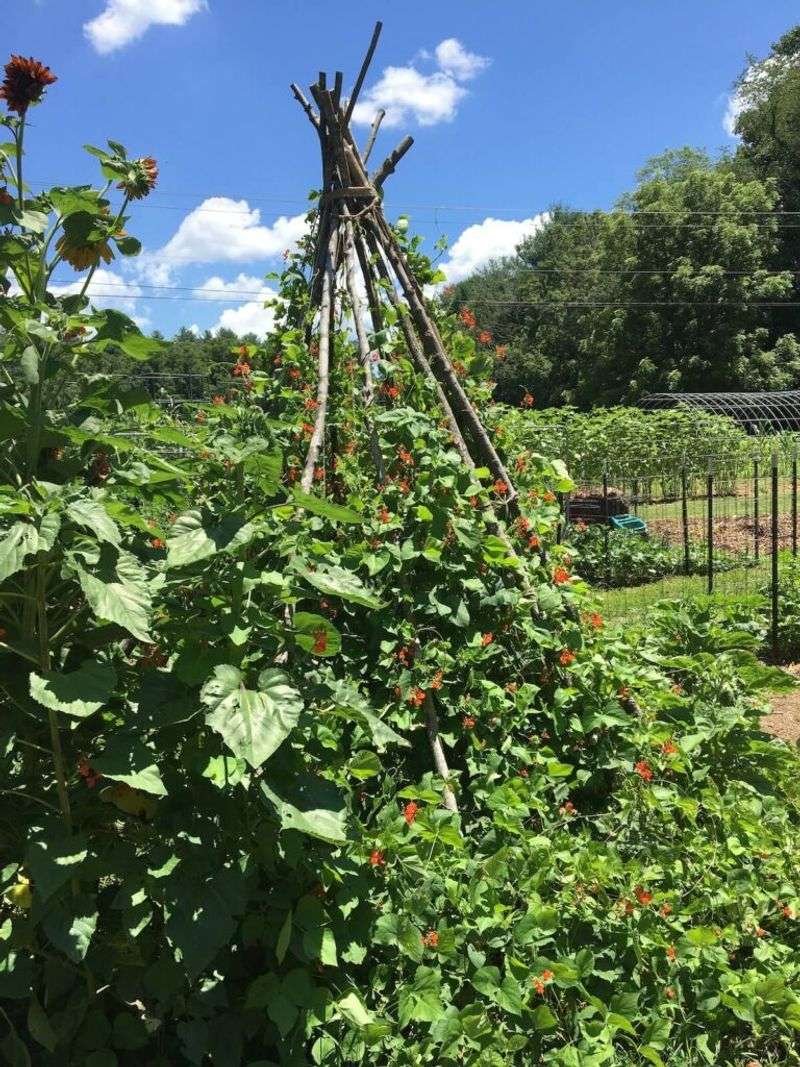
The teepee design is not just charming to look at. It is genuinely one of the most effective structures ever developed for growing climbing vegetables.
The cone shape naturally channels airflow upward through the center of the structure, which is a huge advantage in North Carolina’s humid climate where stagnant air around plants can lead to fungal problems.
Better airflow means healthier leaves, stronger stems, and fewer disease issues throughout the season.
Vertical growing also makes incredibly efficient use of garden space. A single bean teepee occupying just a few square feet of ground can produce as much food as a much longer traditional row planting.
For North Carolina gardeners working with smaller suburban yards or raised bed setups, this kind of space efficiency is genuinely game-changing. Growing upward instead of outward opens up more ground space for other vegetables like tomatoes, peppers, or squash.
Harvesting from a teepee is also far easier on your back and knees compared to crouching over low-growing bush bean rows. Beans hang visibly from all sides of the structure, making them simple to spot and quick to pick.
The teepee also becomes a stunning focal point in any North Carolina garden as summer progresses, covered in lush green vines and dangling pods.
It is a structure that combines beauty, practicality, and productivity into one brilliantly simple design that gardeners across the state have trusted for generations.