How North Carolina Gardeners Build Walipini Greenhouses For Year Round Growing
What if you could harvest fresh vegetables all winter in North Carolina without sky high heating costs? More gardeners are turning to a surprisingly clever solution that feels almost like a hidden secret.
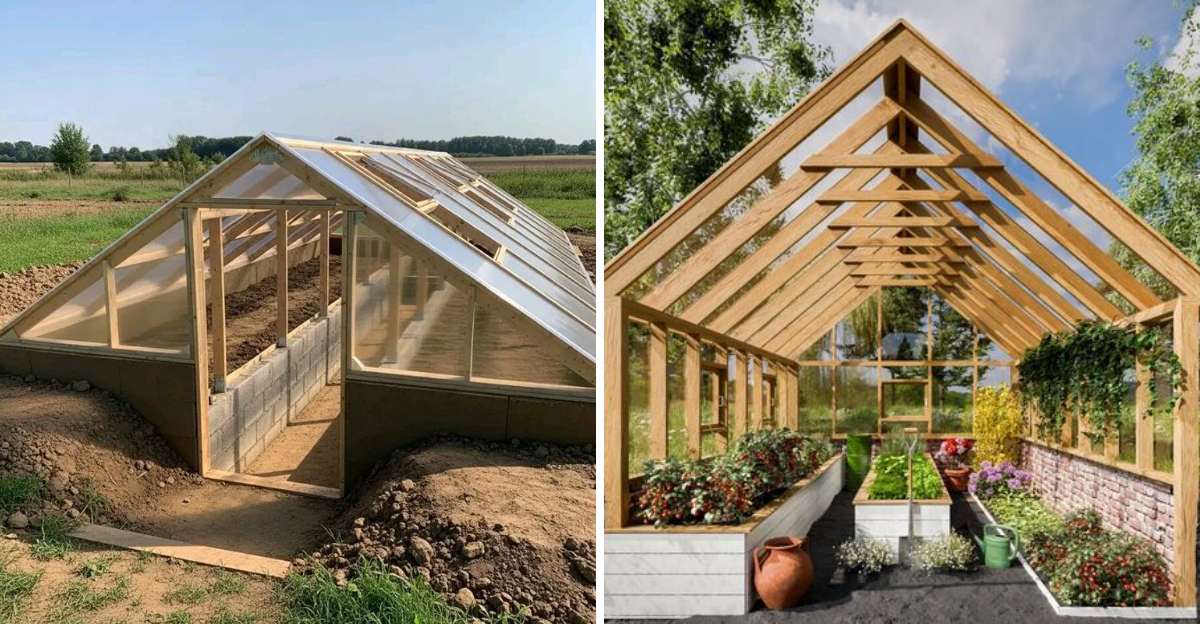
It is called a walipini greenhouse, and instead of fighting the cold, it works with the earth itself. Built partially underground, this smart design uses natural soil insulation to hold warmth, block harsh winds, and protect plants from freezing temperatures.
The concept began in South America, but it fits beautifully with North Carolina’s climate and growing conditions. Gardeners who try it often extend their harvest by months while spending far less on heating and winter protection.
Imagine stepping outside on a cold day and picking fresh greens, herbs, or vegetables from your own sheltered growing space. With the right setup and a little planning, a walipini greenhouse can completely change the way you garden year round.
Walipini Uses Earth Insulation To Moderate Temperature
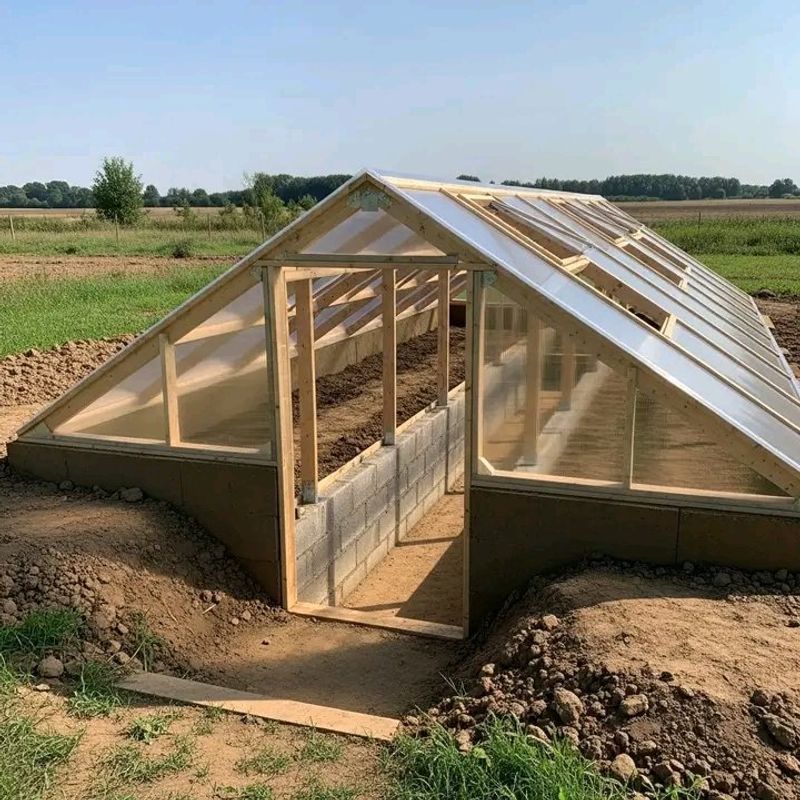
Building several feet below ground level creates a natural climate buffer that standard greenhouses cannot match.
The surrounding earth acts like a thermal blanket, keeping interior spaces warmer during freezing nights and cooler during scorching summer afternoons.
This passive temperature regulation reduces the dramatic swings that stress plants and limits growing potential.
North Carolina experiences temperature fluctuations between seasons, making earth insulation particularly valuable for year-round cultivation.
Soil temperatures remain relatively stable compared to air temperatures, typically staying between 50 and 60 degrees Fahrenheit at depths of six to eight feet.
This consistency helps protect sensitive crops during unexpected cold snaps common in piedmont and mountain regions.
The insulating effect works because soil conducts heat slowly, absorbing warmth during sunny days and releasing it gradually overnight. This thermal mass effect creates a more stable microclimate inside the structure.
Gardeners report successfully growing lettuce, spinach, and other cool-season crops throughout winter months without supplemental heating.
Depth matters significantly when maximizing earth insulation benefits. Most North Carolina walipini builders excavate four to six feet deep, balancing insulation advantages against construction difficulty and drainage concerns.
Shallower structures provide less temperature stability, while deeper excavations require more extensive soil management and structural reinforcement to prevent collapse.
South-Facing Orientation Maximizes Winter Sunlight
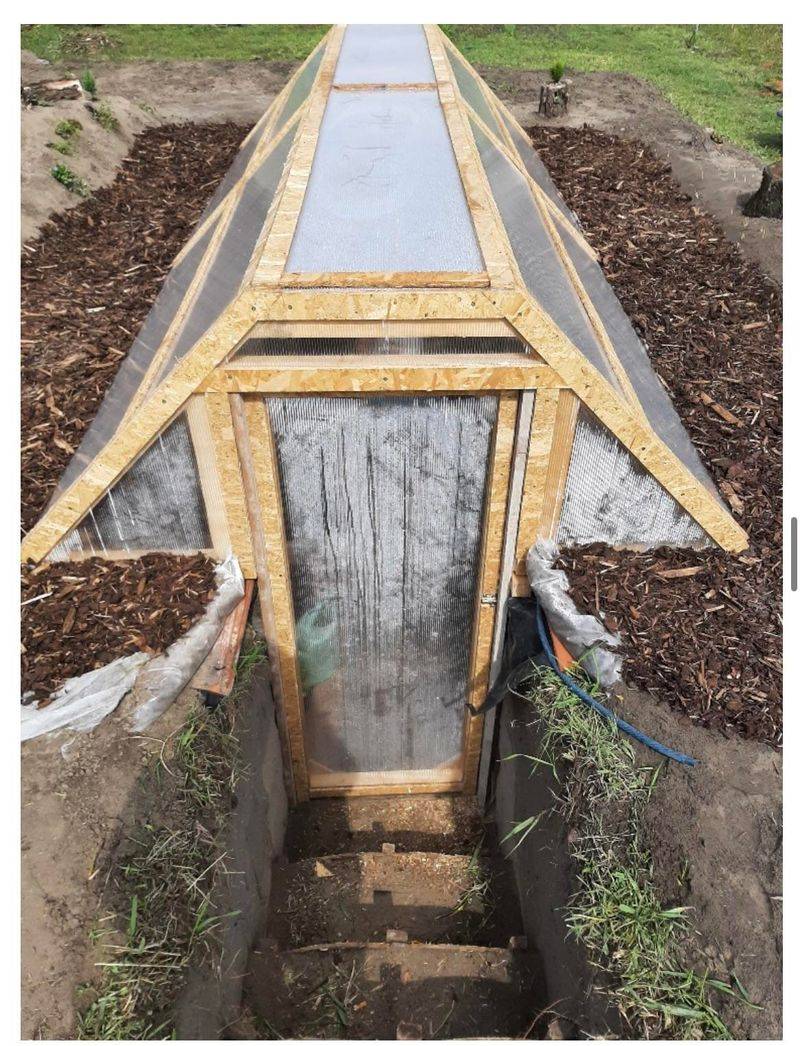
Positioning your transparent roof toward true south captures maximum solar radiation during short winter days when light becomes precious.
North Carolina sits between latitudes 34 and 36 degrees north, meaning winter sun travels a low arc across the southern sky.
Proper alignment ensures sunlight enters directly through glazing rather than striking at inefficient angles that reduce heat gain.
Solar orientation transforms a simple pit into an effective passive solar collector. The angled roof typically slopes at 30 to 40 degrees, matching regional latitude to optimize winter sun penetration while shedding summer heat.
This angle allows low winter sun to reach deep into the growing space, warming soil and plants throughout shorter days.
Compass accuracy matters more than casual observation suggests. Using a smartphone compass or professional surveying tool ensures precise south alignment, avoiding the common mistake of orienting toward magnetic south rather than true south.
This distinction can reduce solar gain by 10 to 15 percent, significantly impacting winter performance.
Nearby obstacles like buildings, large trees, or hillsides can block crucial winter sunlight even with perfect orientation. Conducting a shade analysis during December helps identify potential problems before excavation begins.
Morning and afternoon sun both contribute valuable heat, so maintaining clear southern exposure from 9 AM to 3 PM proves essential for optimal thermal performance.
Proper Drainage Is Essential In North Carolina Soils
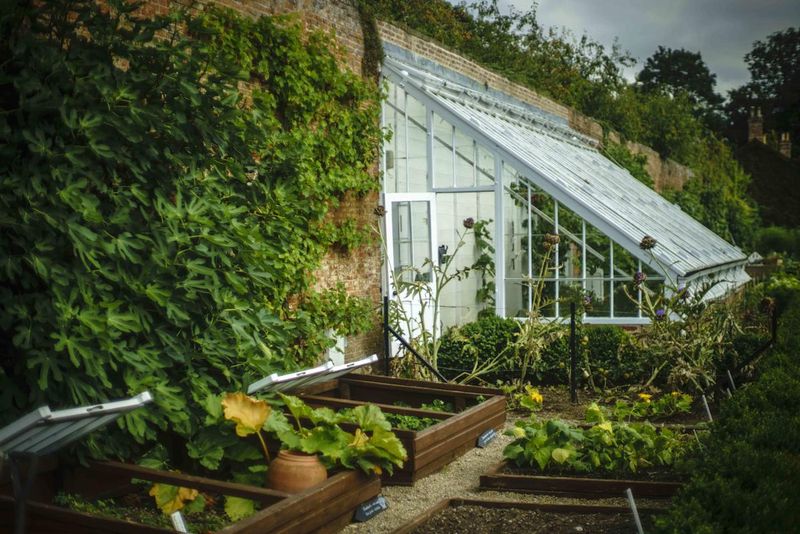
North Carolina receives 40 to 80 inches of annual rainfall depending on region, with piedmont clay soils notorious for poor drainage characteristics.
Building below ground level without adequate water management creates a swimming pool rather than a growing space. Heavy rains can fill improperly designed structures within hours, destroying crops and undermining structural stability.
Installing a perimeter drain system before backfilling walls prevents groundwater infiltration from surrounding soil. French drains consisting of perforated pipe surrounded by gravel intercept water and direct it away from the structure.
These drains should slope at least one inch per eight feet toward a suitable discharge point downhill from the greenhouse.
Interior floor drainage requires equal attention to exterior systems. A six-inch gravel base covered with landscape fabric provides essential drainage while creating a stable walking surface.
Some builders add a center drain connected to the perimeter system, ensuring water never accumulates inside the growing area regardless of rainfall intensity.
Coastal plain gardeners face different challenges than mountain residents, with high water tables requiring more aggressive drainage solutions.
Excavating during dry summer months reveals actual groundwater levels, preventing unpleasant surprises during wet seasons.
Installing a sump pump as backup protection provides peace of mind during tropical storms and prolonged rainy periods common throughout spring and fall months.
Strong Structural Walls Support Soil Pressure
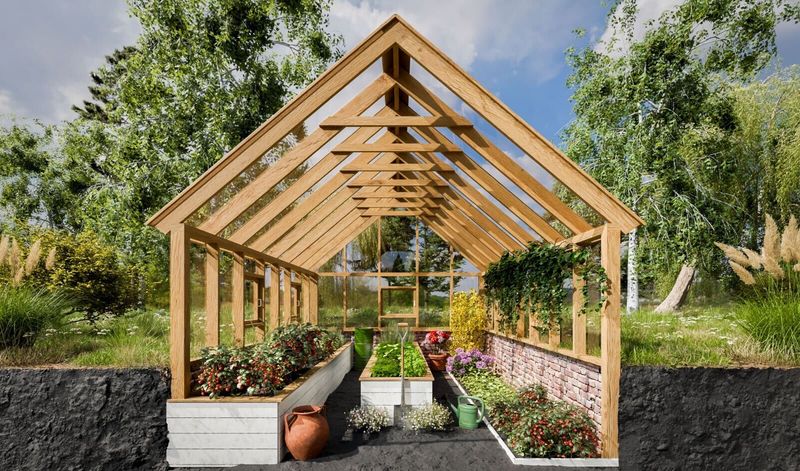
Lateral soil pressure increases dramatically with depth, exerting thousands of pounds of force against retaining walls.
Standard garden wall construction fails quickly under these loads, leading to dangerous collapses that destroy structures and potentially trap people inside.
Engineering proper walls represents the most critical safety consideration in walipini construction.
Poured concrete reinforced with steel rebar provides excellent strength and longevity for North Carolina conditions. Walls should be at least eight inches thick for structures four feet deep, increasing to ten or twelve inches for deeper excavations.
Horizontal rebar placed every sixteen inches vertically, tied to vertical rebar every two feet, creates a grid that distributes soil pressure evenly.
Concrete masonry units offer an alternative for do-it-yourself builders comfortable with block laying techniques. Filling block cores with concrete and rebar creates reinforced walls comparable to poured concrete at lower equipment costs.
This approach works well for smaller walipini structures but requires careful attention to proper mortar application and vertical alignment.
Pressure-treated timber or railroad ties seem economical but rarely provide adequate strength for below-grade applications. Wood also deteriorates in constant contact with moist soil, losing structural capacity within five to ten years.
Professional engineers recommend against timber retaining walls for any walipini deeper than two feet, citing safety concerns and limited service life compared to masonry alternatives.
Ventilation Prevents Excess Moisture And Overheating
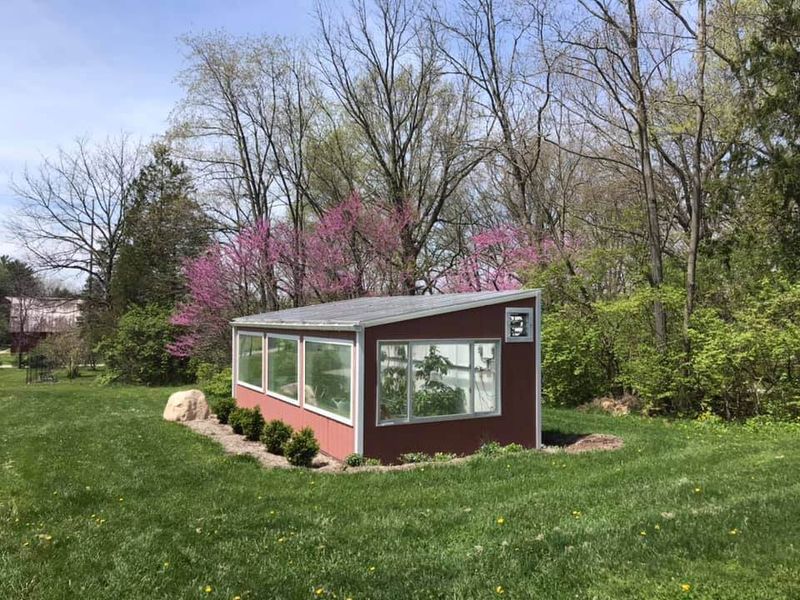
Enclosed growing spaces trap humidity from plant transpiration and soil evaporation, creating conditions perfect for fungal diseases and pest problems.
Even during winter, sunny days can push interior temperatures above 80 degrees Fahrenheit, stressing cool-season crops and reducing yields.
Strategic ventilation openings regulate both temperature and moisture levels automatically through natural convection.
Ridge vents along the roof peak allow hot, humid air to escape naturally as it rises. These openings should span the entire greenhouse length, providing at least two square feet of vent area per hundred square feet of floor space.
Automated vent openers using wax-cylinder actuators open and close based on temperature, requiring no electricity or manual intervention.
Lower intake vents on north walls or doors complete the ventilation cycle by drawing cooler air into the structure. This creates natural airflow as warm air exits through ridge vents, pulling fresh air through lower openings.
The temperature difference between interior and exterior air drives this convection process, working most effectively on sunny days when ventilation matters most.
Winter ventilation seems counterintuitive but prevents humidity buildup that encourages mold and mildew on plant surfaces. Brief ventilation periods during midday warmth exchange moist interior air without significantly cooling the structure.
North Carolina’s moderate winter climate allows this practice on most sunny days, maintaining healthier growing conditions throughout cold months.
Transparent Roofing Allows Passive Solar Heating
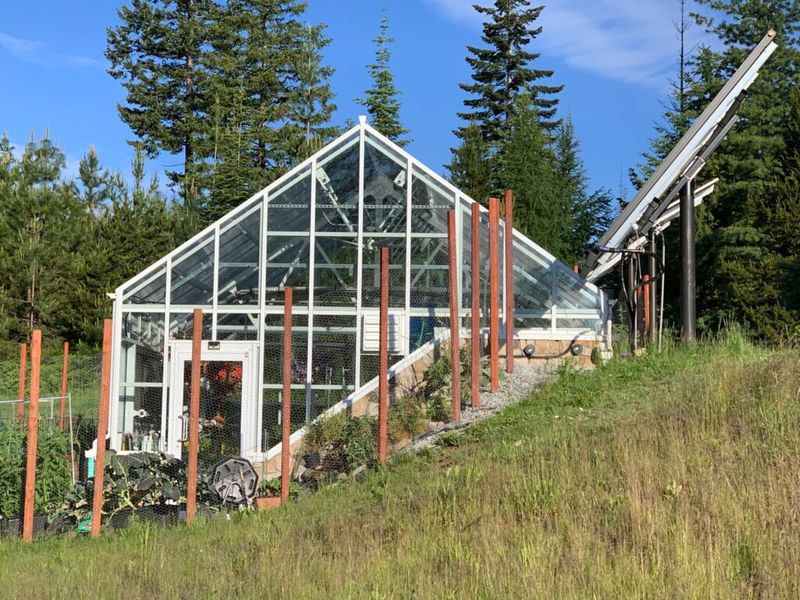
Glazing material selection dramatically affects solar heat gain, light transmission, and structural longevity.
North Carolina gardeners choose between rigid polycarbonate panels, corrugated fiberglass, and polyethylene film based on budget constraints and performance expectations.
Each material offers distinct advantages for passive solar collection while presenting different maintenance requirements and replacement schedules.
Twin-wall polycarbonate panels provide excellent insulation while transmitting 80 percent of available light. The air gap between panel layers reduces heat loss during cold nights, improving overall thermal performance compared to single-layer materials.
These panels typically last ten to fifteen years before UV degradation reduces light transmission and structural integrity necessitates replacement.
Greenhouse-grade polyethylene film costs significantly less than rigid panels but requires replacement every four to six years. Modern films include UV inhibitors and anti-condensate coatings that improve durability and reduce water dripping on plants.
Many North Carolina builders choose six-mil film for initial construction, upgrading to polycarbonate panels after confirming their design works effectively.
Proper glazing angle and attachment methods prevent wind damage and water infiltration during severe weather.
Securing panels or film to a solid frame using appropriate fasteners and gaskets maintains weathertight integrity through hurricane-force winds and heavy snow loads.
Sloped roofs naturally shed precipitation and debris, reducing maintenance requirements while maximizing solar gain throughout growing seasons.
Thermal Mass Helps Store Heat
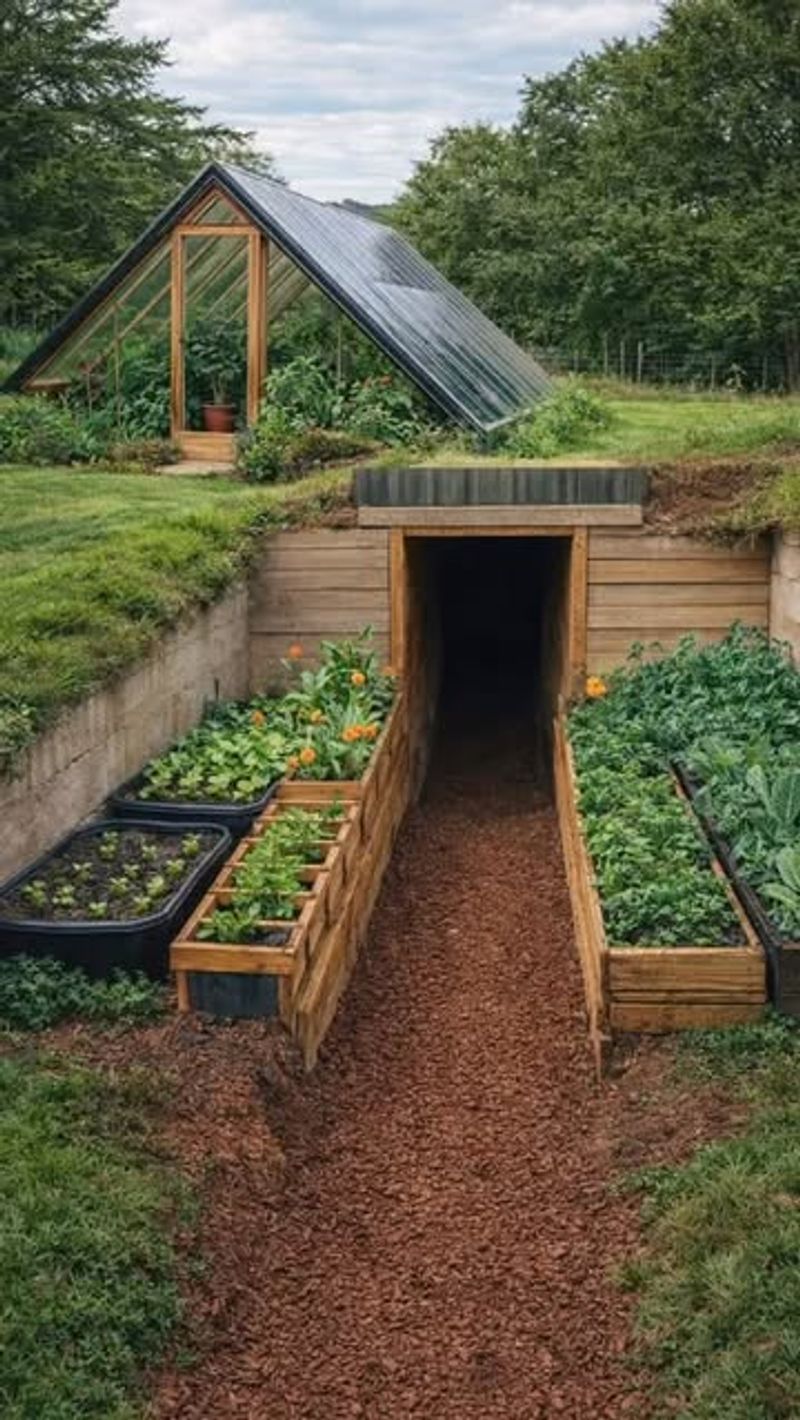
Materials with high heat capacity absorb solar energy during sunny hours and release it slowly after sunset, moderating nighttime temperature drops.
Water stores more heat per pound than almost any practical building material, making water-filled containers extremely effective for passive solar applications.
Dark-colored barrels placed along north walls capture maximum sunlight while providing thermal storage that extends through cold nights.
Calculating appropriate thermal mass involves matching storage capacity to solar gain and desired temperature stability. A general guideline suggests two to three gallons of water per square foot of south-facing glazing for North Carolina applications.
This ratio absorbs excess daytime heat that would otherwise cause overheating while providing sufficient release to moderate overnight cooling.
Stone, brick, or concrete floors also contribute thermal mass while serving structural purposes. Dark surfaces absorb more solar radiation than light colors, converting sunlight to heat more efficiently.
Some builders paint concrete floors black or dark gray, increasing heat absorption by 30 to 40 percent compared to natural concrete color.
Soil beds themselves provide substantial thermal mass when properly managed. Moist soil stores more heat than dry soil, making irrigation beneficial for temperature regulation beyond plant needs.
Raised beds reduce thermal mass compared to ground-level planting, a consideration when designing interior layouts. Balancing growing space against thermal storage requirements optimizes both plant performance and climate stability throughout changing seasons.
Walipini Extends Growing Seasons But May Still Need Winter Protection
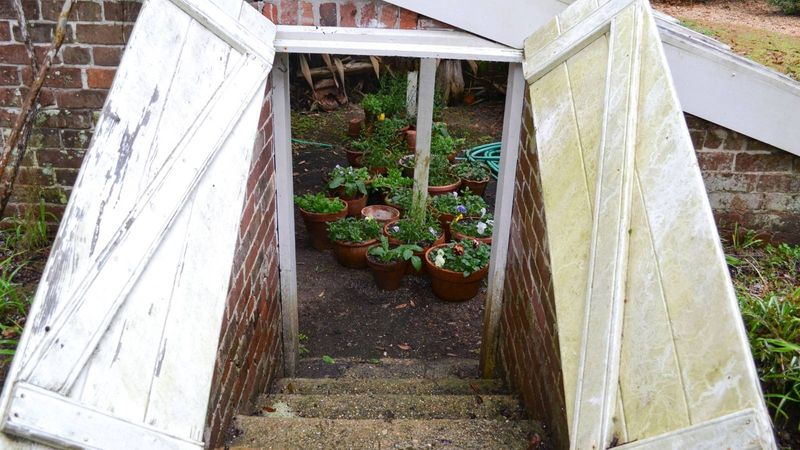
Realistic expectations prevent disappointment when arctic air masses bring single-digit temperatures to North Carolina. While walipini structures moderate temperature extremes effectively, they cannot completely eliminate freezing during severe cold snaps.
Interior temperatures typically remain 10 to 20 degrees warmer than outside air, a significant advantage that still allows occasional frost during extreme weather events.
Cool-season crops like lettuce, spinach, kale, and Asian greens thrive in walipini conditions throughout typical North Carolina winters. These vegetables tolerate light frost and actually improve in flavor after exposure to cold temperatures.
Strategic planting schedules ensure harvest availability during months when conventional gardens lie dormant under frost and occasional snow.
Row covers, low tunnels, or frost blankets provide additional protection during predicted cold waves. These lightweight fabrics trap an extra layer of air around plants, adding 4 to 8 degrees of frost protection.
Removing covers during sunny days prevents overheating while allowing full light penetration for photosynthesis and growth.
Supplemental heating using small electric heaters or propane systems remains necessary for truly tropical crops during North Carolina winters.
Tomatoes, peppers, and cucumbers require consistent temperatures above 50 degrees Fahrenheit, achievable only with active heating in USDA zones 6 through 8.
Many gardeners focus on cold-hardy vegetables during winter, reserving heat-loving crops for warmer months when walipini structures require less management and intervention.
Soil Stability And Site Selection Are Critical
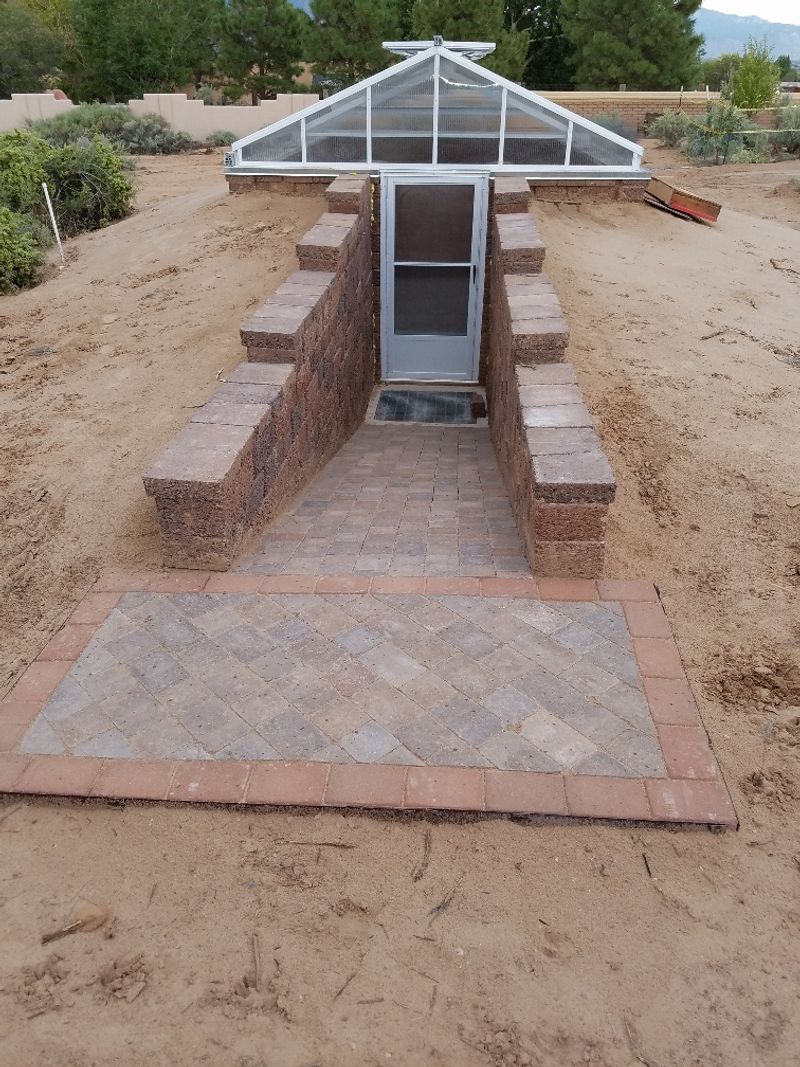
Foundation failures begin with poor site selection long before construction starts. North Carolina’s diverse topography includes everything from sandy coastal plains to rocky mountain slopes, each presenting unique challenges for below-grade construction.
Conducting soil tests and site analysis prevents expensive problems that emerge months or years after completion.
Percolation tests reveal drainage characteristics by measuring how quickly water infiltrates soil. Digging test holes three feet deep and filling them with water shows drainage rates under realistic conditions.
Water should drain completely within 24 hours in suitable locations; slower drainage indicates poor conditions requiring extensive modification or site abandonment.
Avoiding flood-prone areas seems obvious but requires careful observation during heavy rainfall events. Low spots, drainage swales, and areas where water naturally collects become obvious during storms but appear perfectly acceptable during dry weather.
Consulting FEMA flood maps and talking with longtime residents reveals historical flooding patterns that might not be apparent during initial site visits.
Stable soil composition supports structural walls while resisting erosion and settling over time. Sandy soils drain excellently but may lack cohesion for vertical excavation, requiring less steep wall angles or additional reinforcement.
Clay soils hold vertical cuts well during construction but expand and contract with moisture changes, exerting additional pressure on retaining walls.
Understanding your specific soil type allows appropriate engineering solutions that ensure long-term structural integrity and growing success.