How North Carolina Gardeners Can Boost Coneflower Blooms For Next Spring
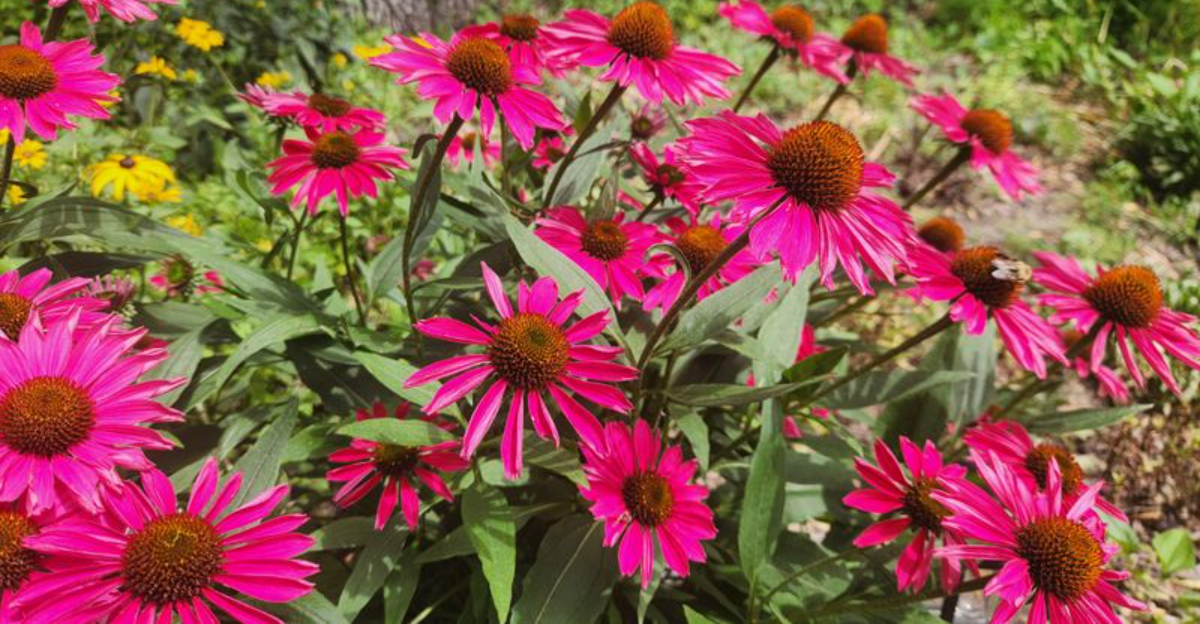
North Carolina gardeners are already thinking ahead to spring and how to get coneflowers bursting with big, beautiful blooms.
A few simple care steps now can make all the difference in how full and vibrant those flowers look next season.
With just a little attention to pruning, soil, and feeding, your coneflower patch can become the highlight of your garden next spring.
1. Choose the Right Coneflower Varieties for Your Region

Selecting varieties that thrive in North Carolina’s climate sets the foundation for spectacular blooms that return year after year with minimal fuss.
Purple coneflowers are native to the eastern United States and naturally adapt to the humid summers and mild winters found throughout the state.
Tennessee coneflowers and pale purple varieties also perform beautifully in piedmont and mountain regions where temperatures fluctuate more dramatically during seasonal transitions.
Newer cultivars like ‘Magnus’ and ‘White Swan’ have been bred specifically for disease resistance and longer flowering periods in southern gardens.
Gardeners in coastal North Carolina should look for varieties that tolerate sandy soil and occasional salt spray from ocean breezes during storm season.
Local nurseries often stock plants that have proven successful in your specific area, so ask staff which varieties perform best nearby.
Choosing adapted varieties means less work fighting against nature and more time enjoying the stunning blooms that attract butterflies and songbirds.
Native species require less water and fertilizer than fancy hybrids, making them perfect for gardeners who prefer low-maintenance landscapes with big impact.
2. Improve Soil Drainage and Structure

Coneflowers absolutely hate sitting in soggy soil, so improving drainage prevents root problems that limit bloom production and weaken overall plant health.
North Carolina’s red clay soil holds water like a sponge, creating conditions where roots suffocate and fungal diseases take hold quickly during rainy periods.
Adding compost, aged manure, or leaf mold breaks up heavy clay and creates air pockets that allow roots to breathe and spread freely.
Mix organic matter into the top twelve inches of soil before planting, ensuring roots establish quickly in loose, fertile ground that drains efficiently.
Raised beds work wonderfully for gardeners dealing with particularly stubborn clay or areas where water pools after every thunderstorm rolls through.
Sandy soils in eastern parts of the state drain too quickly and need organic matter to hold moisture and nutrients near plant roots.
Testing soil pH helps too, since coneflowers prefer slightly acidic to neutral conditions between 6.0 and 7.0 for optimal nutrient uptake.
Healthy soil structure encourages robust root systems that support more flower stalks and larger blooms throughout the entire growing season ahead.
3. Provide Full Sun Exposure
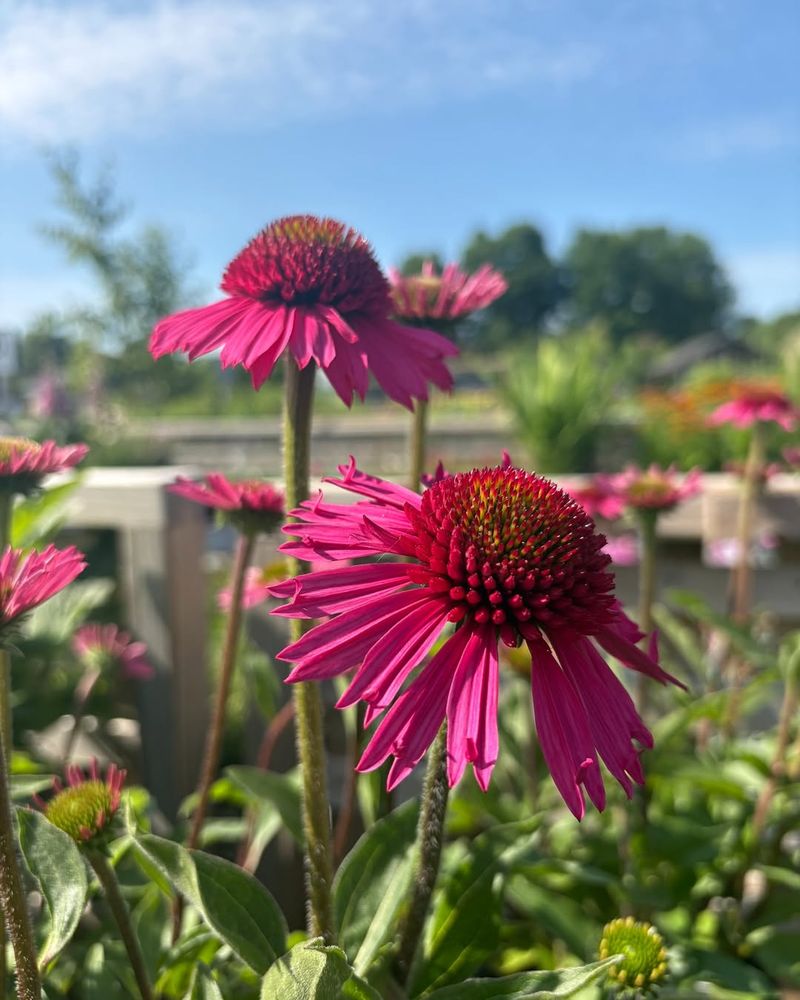
Sunlight acts like fuel for coneflowers, powering the photosynthesis process that creates energy for producing dozens of vibrant blooms each season.
These sun-loving perennials need at least six to eight hours of direct sunlight daily to reach their full blooming potential and maintain sturdy stems.
Plants grown in partial shade become leggy and floppy, producing fewer flowers that often appear smaller and less colorful than sun-grown specimens.
North Carolina gardeners should position coneflowers in the sunniest spots available, away from tall trees or buildings that cast afternoon shadows across beds.
Morning sun proves especially important because it dries dew from leaves quickly, reducing fungal diseases that thrive in humid southern conditions.
Western exposures work well too, though intense afternoon heat during July and August may require occasional deep watering to prevent stress.
Observe your garden throughout different times of day to identify which areas receive consistent, unobstructed sunlight from sunrise until late afternoon.
Relocating plants to sunnier locations during fall or early spring gives them time to establish before the demanding summer heat arrives statewide.
4. Apply Proper Fertilization Techniques
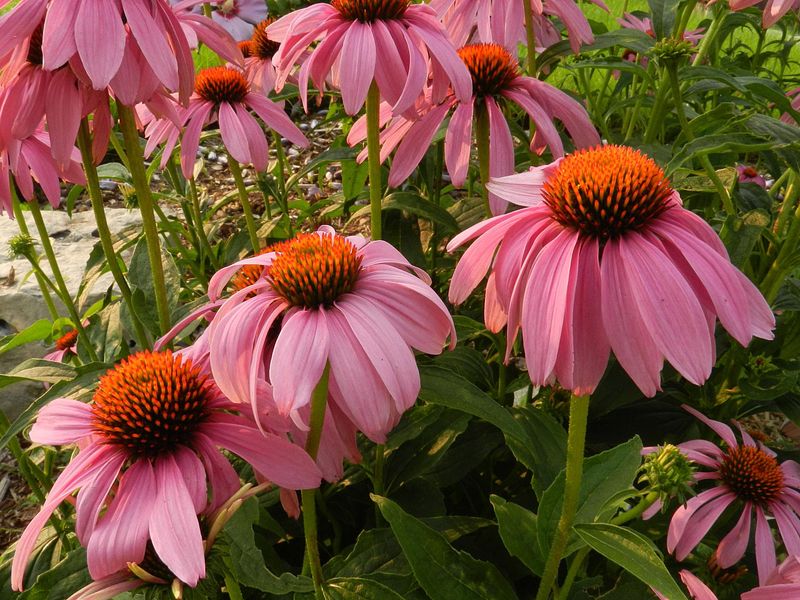
Balanced fertilization fuels vigorous growth without encouraging excessive foliage that comes at the expense of flower production and overall plant attractiveness.
Coneflowers aren’t heavy feeders, but a light application of balanced organic fertilizer in early spring gives plants the nutrients needed for strong stems.
Too much nitrogen creates lush green leaves but dramatically reduces bloom numbers, leaving gardeners disappointed when flowering season arrives with sparse results.
Compost worked into the soil around established plants provides slow-release nutrients that feed roots gradually throughout the growing season in North Carolina.
Avoid chemical fertilizers with high nitrogen ratios, which push leafy growth and make plants more susceptible to pests and diseases in humid climates.
A 5-10-5 or similar formula with higher phosphorus supports root development and flower formation without overstimulating vegetative growth patterns.
Apply fertilizer in a ring around the plant base, keeping it several inches away from stems to prevent burning tender tissues.
One application in March or early April usually suffices for the entire season, allowing plants to focus energy on bloom production naturally.
5. Water Deeply but Infrequently
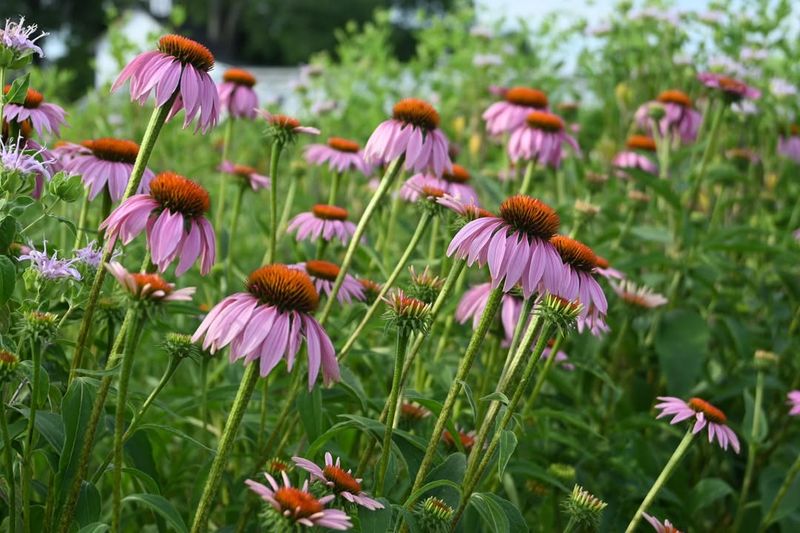
Deep watering encourages roots to grow downward into cooler soil layers, creating drought-tolerant plants that bloom reliably even during hot North Carolina summers.
Shallow, frequent watering keeps roots near the surface where they dry out quickly and become vulnerable to heat stress and damage.
Established coneflowers need about one inch of water weekly, either from rainfall or supplemental irrigation applied directly to the soil.
Soaker hoses or drip systems work better than overhead sprinklers because they keep foliage dry and reduce fungal disease problems in humid climates.
Water early in the morning so any moisture on leaves evaporates quickly as temperatures rise throughout the day across the state.
During extended dry spells, provide a thorough soaking every seven to ten days rather than light sprinkles that barely penetrate the surface.
Push your finger into the soil near plants; if it feels dry two inches down, it’s time to water deeply and thoroughly.
Mulch helps retain soil moisture between watering sessions, reducing stress on plants and keeping roots cool during scorching summer afternoons when temperatures soar.
6. Deadhead Spent Blooms Strategically
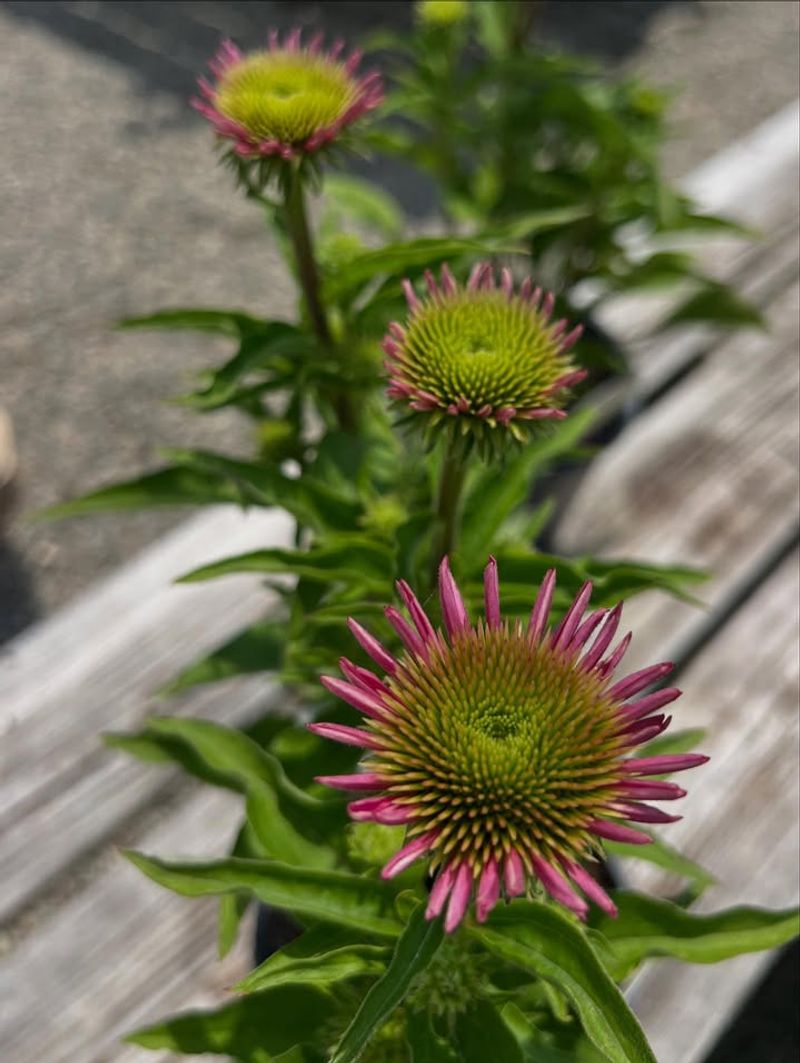
Removing faded flowers redirects plant energy from seed production back into creating fresh blooms, extending the flowering season well into fall months.
Coneflowers naturally stop blooming once they’ve produced seeds, so deadheading tricks plants into thinking they need to make more flowers for reproduction.
Snip off spent blooms just above the first set of healthy leaves, using clean, sharp pruners that make precise cuts without crushing stems.
North Carolina gardeners can enjoy continuous color from June through September by deadheading regularly, checking plants every few days during peak season.
Leave some flowers intact toward season’s end so plants can produce seeds that provide winter food for goldfinches and other songbirds.
Seed heads also add architectural interest to winter gardens, standing tall above snow and creating beautiful silhouettes against gray skies in mountain areas.
Strategic deadheading balances extended blooms for human enjoyment with ecological benefits for wildlife that depend on native plants for survival.
This practice also keeps gardens looking tidy and well-maintained, preventing the messy appearance that develops when too many brown, dried flowers accumulate.
7. Divide Overcrowded Clumps Every Few Years

Overcrowded coneflowers compete for nutrients and water, resulting in smaller blooms and weaker plants that become more susceptible to pests and diseases.
Dividing clumps every three to four years rejuvenates plants, stimulating vigorous new growth and dramatically increasing the number of flowering stems produced.
Fall proves ideal for division in North Carolina because cooler temperatures and autumn rains help transplants establish roots before winter dormancy sets in.
Early spring works too, but divisions need consistent watering as temperatures climb and plants begin actively growing throughout the warming season.
Carefully dig entire clumps, preserving as many roots as possible, then separate them into sections with at least three healthy shoots each.
Replant divisions immediately at the same depth they were growing previously, spacing them eighteen to twenty-four inches apart for adequate air circulation.
Water thoroughly after replanting and maintain consistent moisture for several weeks while roots spread into surrounding soil and anchor plants securely.
Division also provides extra plants to expand your garden or share with neighbors who admire your spectacular coneflower displays each summer.
8. Protect Plants from Pests and Diseases
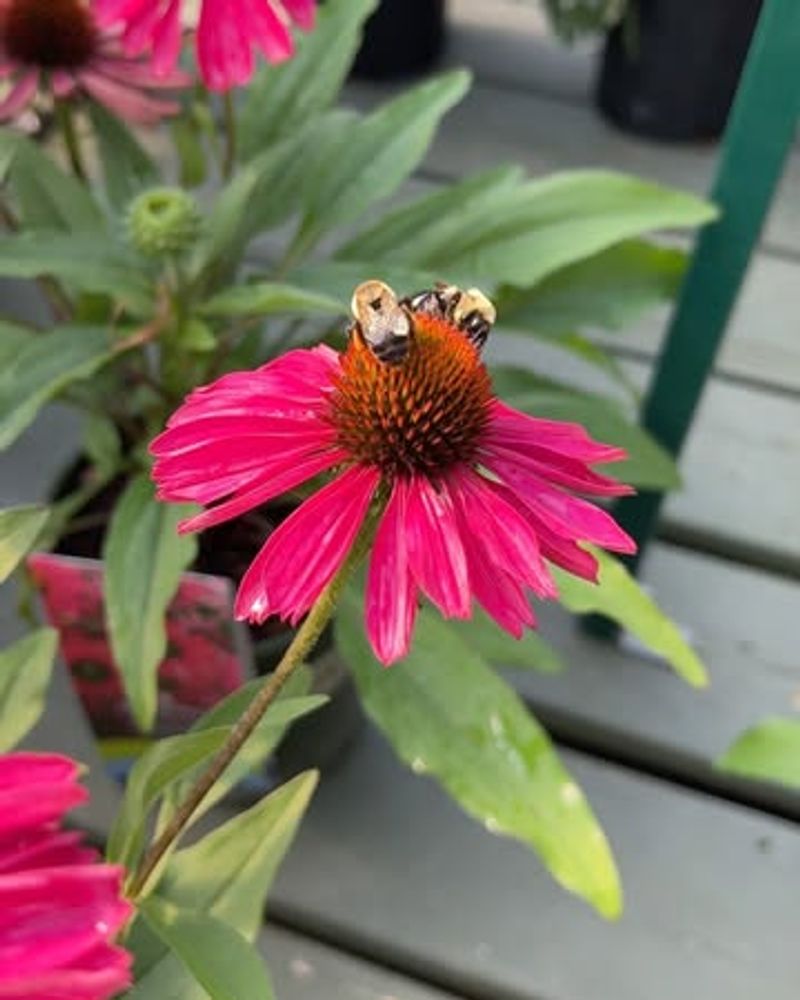
Healthy coneflowers naturally resist most problems, but monitoring for early signs of trouble prevents minor issues from becoming major bloom-reducing disasters.
Japanese beetles sometimes chew holes in petals and leaves during summer months, though handpicking them into soapy water controls small infestations effectively.
Aphids occasionally cluster on new growth, but a strong spray from the garden hose dislodges them before they cause significant damage statewide.
Powdery mildew appears as white patches on leaves during humid North Carolina weather, though proper spacing and air circulation usually prevent this fungal problem.
Remove affected leaves promptly and avoid overhead watering that keeps foliage wet for extended periods, creating ideal conditions for disease development.
Aster yellows disease causes distorted growth and greenish flowers, spread by leafhoppers that feed on infected plants then move to healthy ones.
Inspect plants regularly and remove any showing unusual symptoms immediately to protect the rest of your garden from potential contamination and spread.
Encouraging beneficial insects like ladybugs and lacewings provides natural pest control without chemicals that might harm pollinators visiting your beautiful blooms daily.