How North Carolina Gardeners Can Save A Drooping Amaryllis Before It Collapses
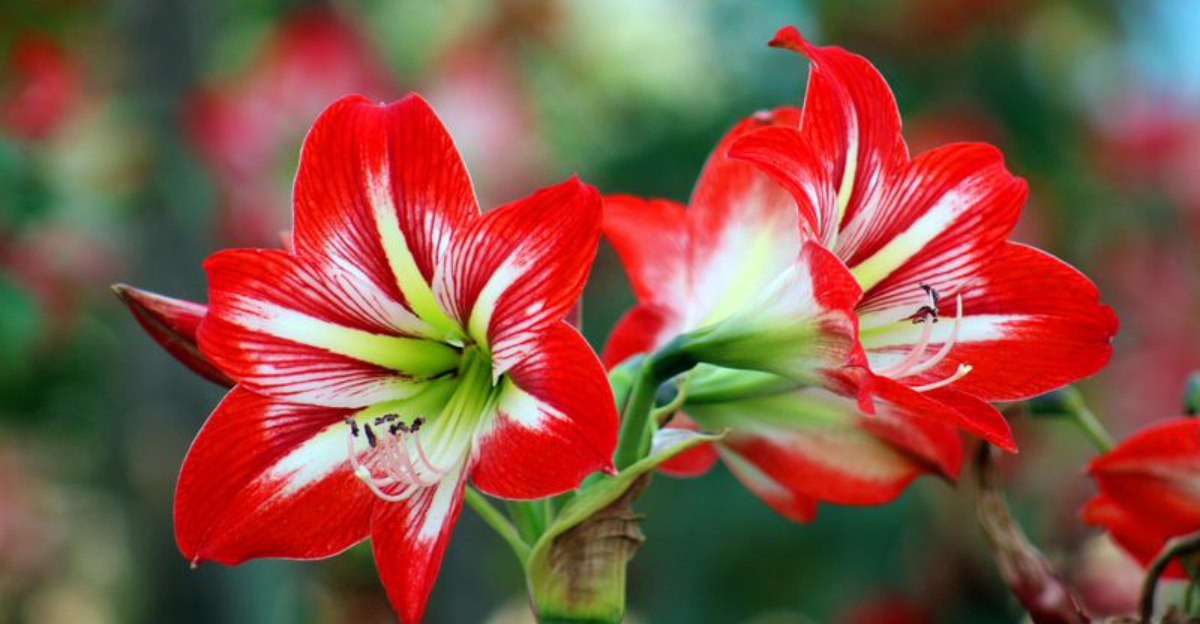
Amaryllis flowers bring stunning beauty to North Carolina homes with their tall stems and vibrant blooms that brighten any winter day indoors.
Sometimes these gorgeous plants start drooping over, leaving gardeners worried about losing their prized blooms before they even fully open and display beauty.
Fortunately, several simple techniques can help you rescue a drooping amaryllis and keep those magnificent flowers standing tall and looking absolutely gorgeous.
Learning these practical methods will ensure your amaryllis thrives throughout the blooming season and continues to bring joy to your Carolina home.
Provide Immediate Physical Support With Stakes
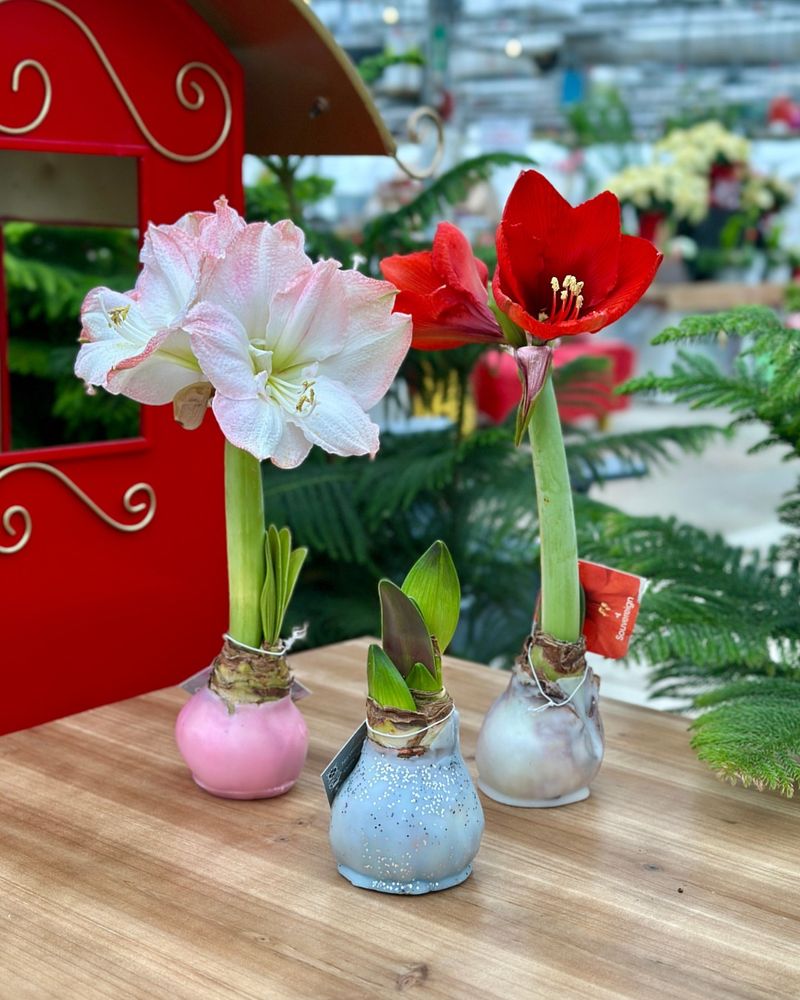
Amaryllis stems sometimes grow too tall and heavy for their own strength, especially when multiple blooms develop at the same time together.
North Carolina gardeners can quickly stabilize a drooping stem by inserting a bamboo stake or wooden dowel directly into the potting soil.
Place the stake about two inches away from the bulb to avoid damaging the root system or piercing the bulb itself underneath.
Gently tie the stem to the stake using soft garden twine, fabric strips, or special plant ties that won’t cut into tissue.
Make sure you secure the stem at multiple points along its length for maximum stability and support throughout the blooming period.
Avoid tying too tightly because this can restrict nutrient flow and cause additional stress to the already struggling plant stems.
Many Carolina gardeners prefer decorative stakes that blend beautifully with their home decor while providing essential support to drooping amaryllis flowers.
This quick fix often saves blooms within hours and allows you to enjoy the full flowering display without further complications ahead.
Adjust Watering Schedule To Prevent Stem Weakness
Overwatering ranks among the most common reasons amaryllis stems become weak and start bending over toward the ground in pots.
Excessive moisture causes the stem cells to become overly saturated, reducing structural integrity and making the plant unable to support itself.
Carolina gardeners should allow the top inch of soil to dry completely between waterings to maintain optimal moisture levels for strength.
Check the soil regularly by inserting your finger into the potting mix to feel for dampness before adding any more water.
Underwatering can also cause problems, making stems brittle and prone to breaking, so finding the right balance is absolutely essential here.
During blooming season, amaryllis typically needs water once every five to seven days depending on indoor humidity and temperature conditions present.
Always water at the base of the plant rather than overhead to keep moisture away from the stem and bulb crown.
Proper watering habits strengthen the entire plant structure and help prevent future drooping issues from developing in your beautiful amaryllis displays.
Rotate The Pot For Even Light Distribution
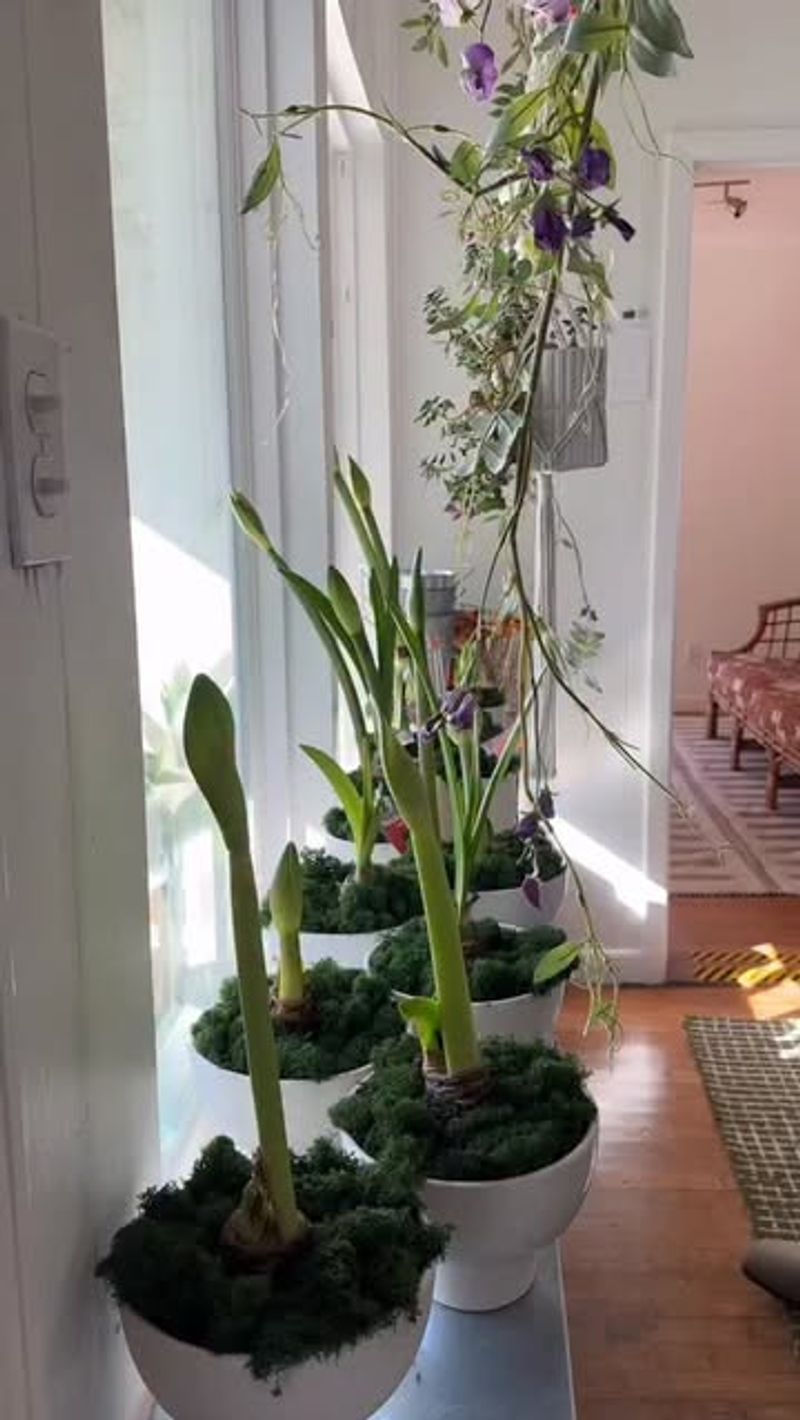
Amaryllis plants naturally grow toward their primary light source, which can cause stems to lean dramatically in one direction over time.
This phototropic response becomes especially pronounced in North Carolina homes where windows provide light from only one side of rooms.
Rotating your amaryllis pot a quarter turn every two or three days helps ensure the stem grows straight and remains upright.
Consistent rotation prevents the plant from developing a permanent lean that weakens the stem structure and leads to eventual drooping problems.
Place the pot in a location that receives bright, indirect sunlight for at least six hours daily to encourage strong growth.
Avoid placing amaryllis in dark corners or areas with insufficient light because this causes stems to stretch and become spindly.
Carolina gardeners who rotate their plants regularly often notice more balanced growth patterns and fewer issues with drooping or collapsing stems.
This simple maintenance habit takes only seconds but makes a tremendous difference in the overall health and appearance of your amaryllis.
Choose A Heavier Pot For Better Stability
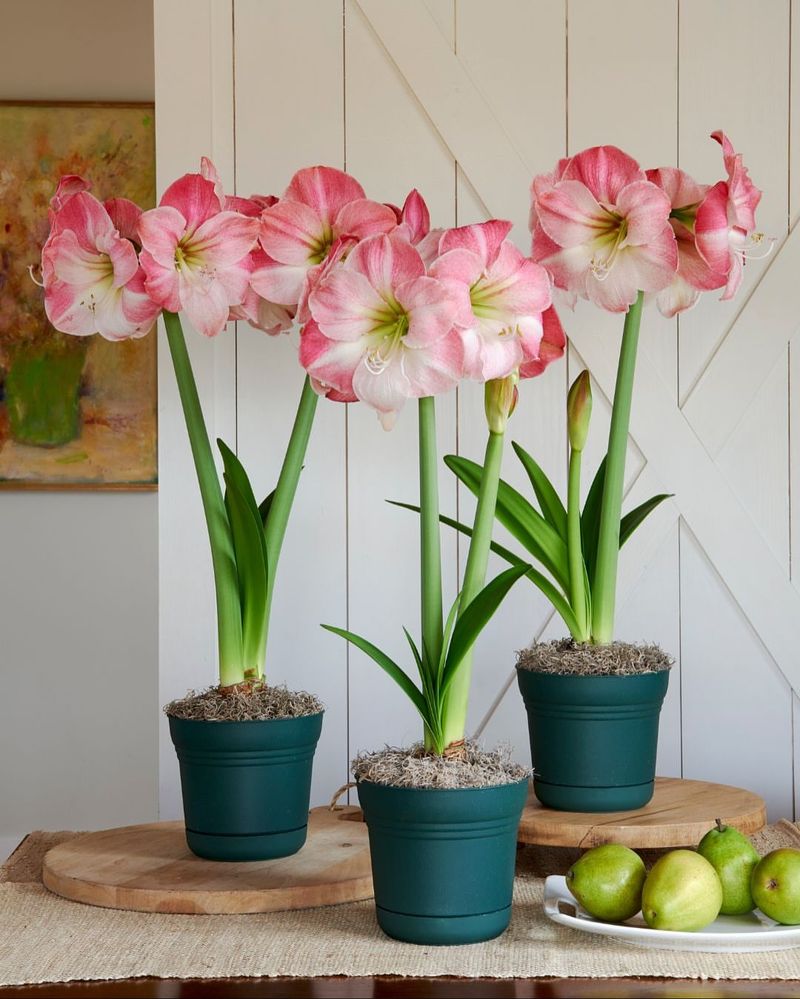
Lightweight plastic containers often tip over when tall amaryllis stems develop heavy blooms that shift the center of gravity significantly upward.
Transferring your plant to a heavier ceramic, terracotta, or concrete pot provides a stable base that prevents tipping and drooping issues.
North Carolina gardeners should select pots that are roughly one-third the height of the mature amaryllis stem for optimal balance overall.
A heavier pot also stays firmly in place when pets or children accidentally bump into it during daily household activities inside.
Make sure the new container has adequate drainage holes to prevent water from accumulating at the bottom and causing root problems.
The pot should be only slightly larger than the bulb itself, leaving about one inch of space around all sides for growth.
Adding decorative stones or marbles to the bottom of the pot increases weight while improving drainage and preventing waterlogged soil conditions.
This upgrade not only solves drooping problems but also enhances the visual appeal of your amaryllis display throughout the entire season.
Reduce Temperature Fluctuations Around The Plant
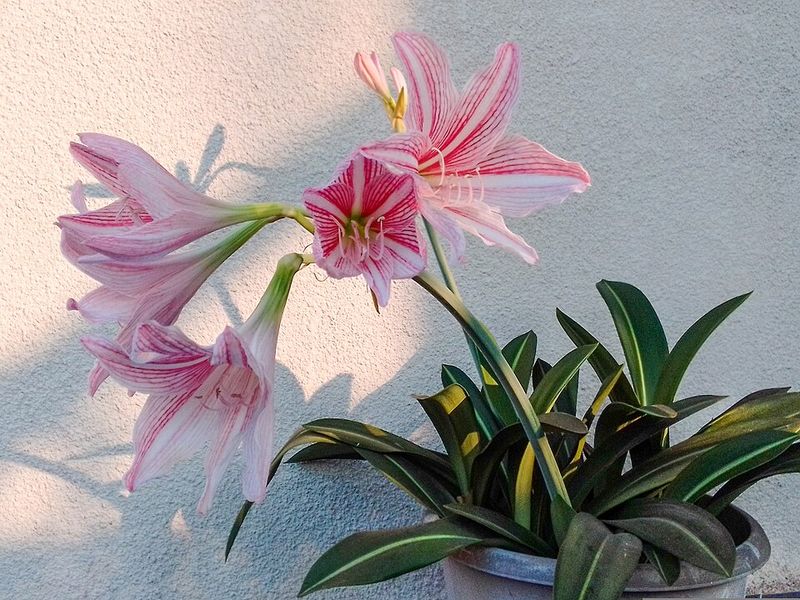
Extreme temperature changes weaken amaryllis stems by causing rapid expansion and contraction of plant cells throughout the day and night.
North Carolina homes often experience temperature swings during winter months when heating systems cycle on and off repeatedly throughout each day.
Keep your amaryllis away from heating vents, radiators, fireplaces, and drafty windows that create inconsistent temperature zones in your living space.
Ideal growing temperatures for amaryllis range between 65 and 75 degrees Fahrenheit, which promotes strong stem development and healthy blooms.
Sudden cold drafts from frequently opened doors can shock the plant and cause stems to weaken and droop within hours.
Similarly, placing amaryllis too close to heat sources causes rapid moisture loss and makes stems brittle and prone to bending or breaking.
Carolina gardeners should monitor room temperatures regularly and relocate plants to more stable environments when seasonal weather patterns change dramatically outside.
Maintaining consistent warmth helps your amaryllis develop robust stems that can easily support large, heavy blooms without drooping or collapsing downward.
Feed With Balanced Liquid Fertilizer Regularly
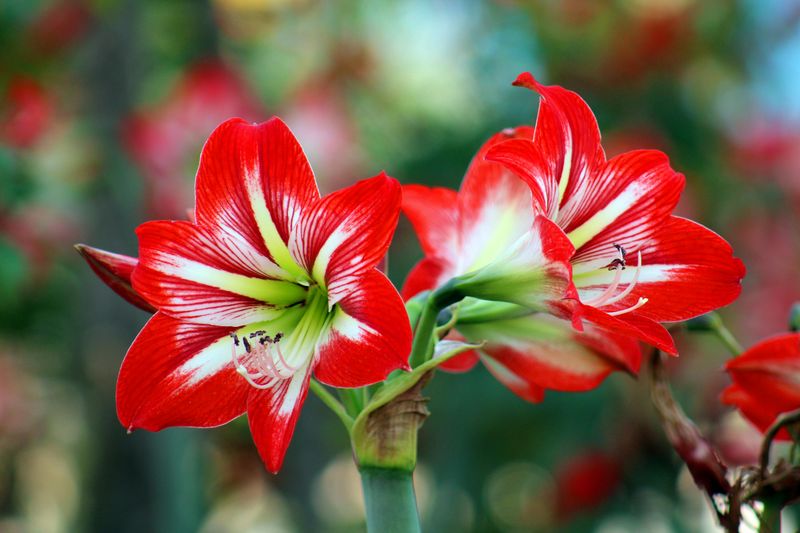
Nutrient deficiencies often result in weak, spindly stems that cannot adequately support the weight of developing amaryllis blooms over time.
Applying a balanced liquid fertilizer with equal nitrogen, phosphorus, and potassium ratios strengthens plant tissues and promotes vigorous stem growth throughout.
North Carolina gardeners should begin fertilizing when the amaryllis stem reaches about six inches tall and continue every two weeks during blooming.
Dilute the fertilizer to half the recommended strength to avoid burning the roots or causing excessive leaf growth at the bloom expense.
Phosphorus particularly supports strong stem development and robust flowering, making it essential for preventing drooping issues in tall amaryllis varieties planted.
Avoid high-nitrogen fertilizers that promote leafy growth but result in weaker stems unable to support the magnificent blooms you desire most.
Always apply fertilizer to moist soil rather than dry potting mix to prevent root damage and ensure proper nutrient absorption rates.
Consistent feeding throughout the growing season creates stronger, healthier amaryllis plants that stand tall and display their gorgeous flowers beautifully without problems.
Trim Excessive Foliage That Competes For Energy
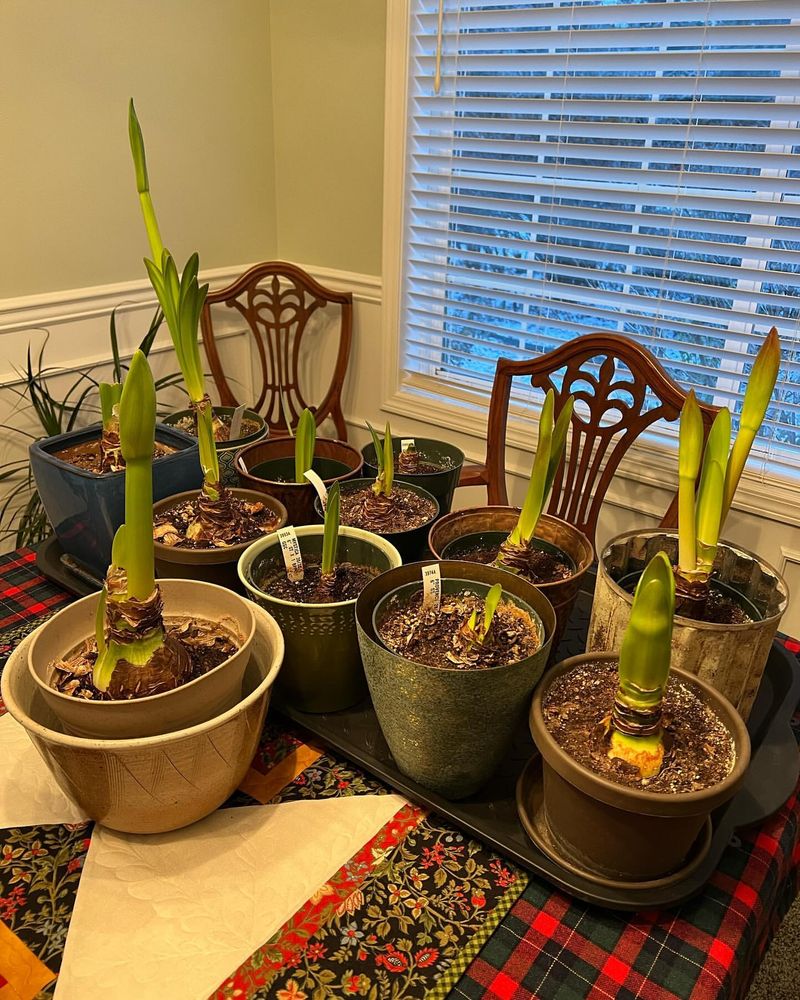
Amaryllis plants sometimes produce abundant foliage that diverts energy away from stem strength and flower development during the critical blooming period.
Carefully removing older, yellowing leaves allows the plant to redirect nutrients specifically toward supporting the flower stem and developing gorgeous blooms.
North Carolina gardeners should use clean, sharp scissors or pruning shears to make smooth cuts that heal quickly without inviting infections.
Cut leaves at the base where they emerge from the bulb, taking care not to damage the flower stem or bulb itself.
Leave healthy green foliage in place because it continues photosynthesizing and producing energy that the plant needs for current flowering cycles.
Removing damaged or diseased leaves also improves air circulation around the plant, reducing the risk of fungal problems developing in humid conditions.
This selective pruning focuses the plant’s resources on maintaining a strong, upright stem capable of showcasing those magnificent blooms you’ve been anticipating.
Regular maintenance like this keeps your amaryllis looking tidy and performing at its absolute best throughout the entire blooming season indoors.
Increase Humidity Levels Around The Growing Area
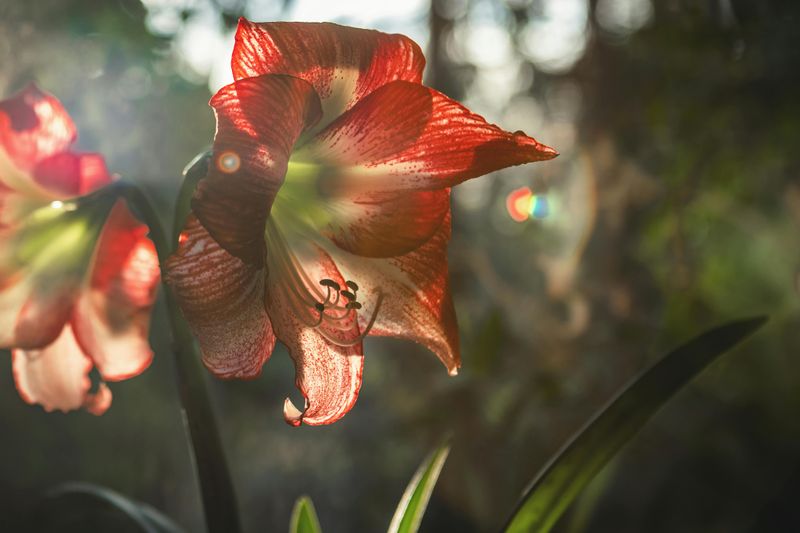
Low humidity causes amaryllis stems to lose moisture faster than the roots can replace it, resulting in weakened, drooping flower stalks.
North Carolina winters bring dry indoor air from heating systems, which can stress amaryllis plants and compromise their structural integrity over time.
Placing a shallow tray filled with pebbles and water beneath the pot increases local humidity without waterlogging the soil or roots.
Make sure the pot sits on the pebbles above the water line so the roots don’t absorb excessive moisture from below.
Grouping several houseplants together creates a microclimate with higher humidity as plants naturally release moisture through their leaves during transpiration.
Avoid misting amaryllis flowers directly because water droplets can cause spotting on petals and encourage fungal growth on delicate bloom surfaces.
Carolina gardeners can also use cool-mist humidifiers in rooms where amaryllis plants grow to maintain ideal moisture levels throughout the season.
Proper humidity levels keep stems turgid and strong, ensuring your amaryllis stands tall and displays its breathtaking flowers beautifully for weeks.
Select Shorter Amaryllis Varieties For Future Plantings
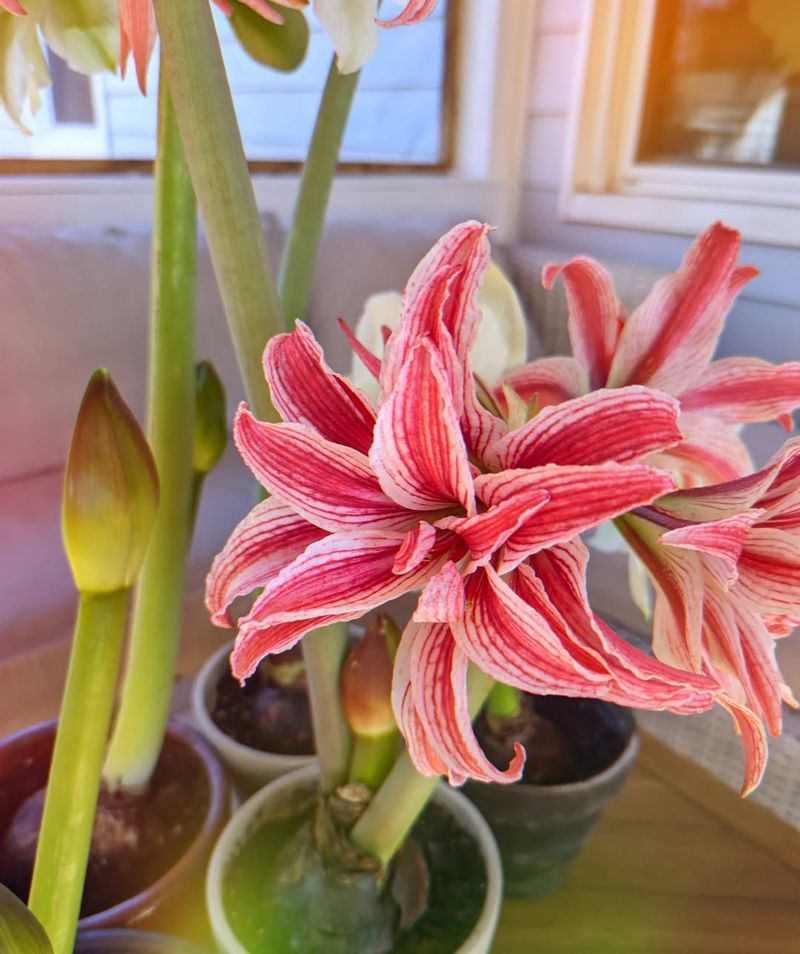
Some amaryllis cultivars naturally produce extremely tall stems that become prone to drooping even under optimal growing conditions throughout the season.
North Carolina gardeners can prevent future problems by choosing compact or dwarf varieties that stay shorter and require less support during blooming.
Popular shorter varieties include Apple Blossom, which reaches about 12 to 18 inches, and Picotee, which grows similarly compact and manageable.
These varieties produce equally stunning blooms but on sturdier, shorter stems that rarely need staking or additional support during flowering periods.
When purchasing amaryllis bulbs, check the variety description for mature height information to select options appropriate for your display location needs.
Shorter varieties work especially well in smaller pots, on narrow windowsills, or in areas where tall plants might obstruct views or pathways.
Growing compact amaryllis doesn’t mean sacrificing beauty; many shorter varieties produce multiple flower stalks with abundant, colorful blooms that absolutely dazzle observers.
Making smart variety selections from the start saves time and effort while ensuring your amaryllis displays remain stunning and trouble-free all season.