How North Carolina Gardeners Can Turn Hydrangeas Blue Or Pink Naturally
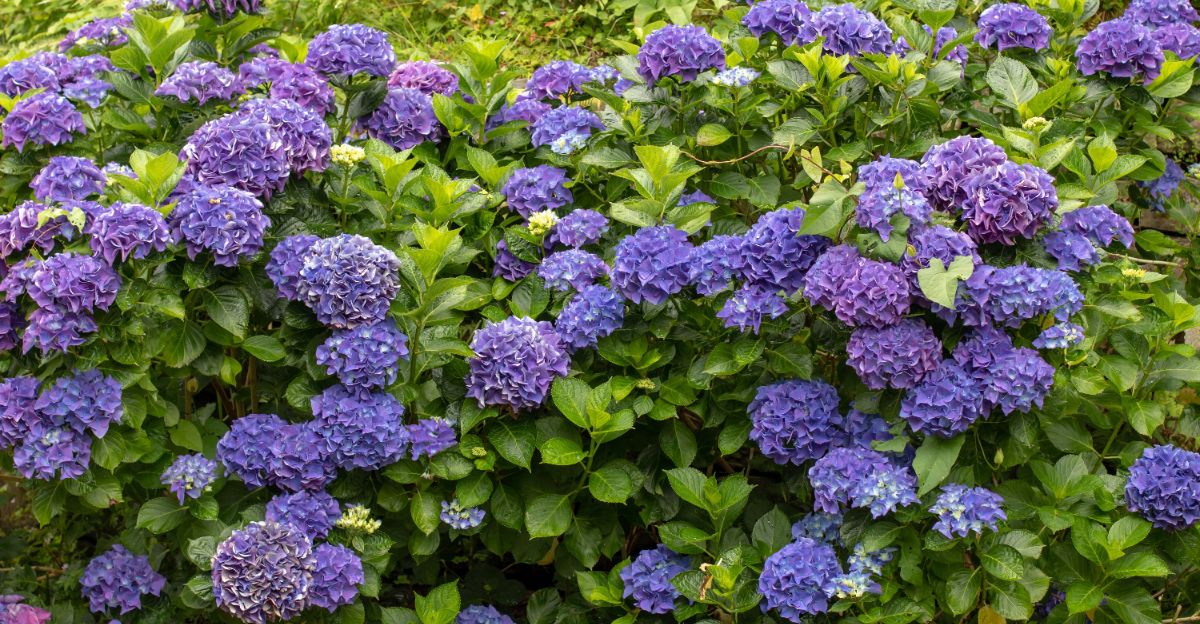
Imagine walking through a North Carolina neighborhood where one yard boasts electric blue hydrangea clusters while the house next door glows with soft, dusty pinks.
This striking contrast is not a coincidence of nature or a lucky nursery find, but rather a deliberate act of soil chemistry that thrives in our local red clay and coastal sands.
Most gardeners believe the color they buy at the garden center is the color they are stuck with forever, yet the Tar Heel State offers the perfect canvas for a living science experiment.
By manipulating the specific mineral availability within your garden beds right now, you can effectively paint your landscape with living petals.
This transition is remarkably achievable once you understand how our regional acidity levels interact with the roots of these iconic shrubs.
Mastering this hidden technique allows you to customize your outdoor aesthetic to match your personal style before the first bud even breaks.
1. Soil pH Directly Affects Hydrangea Color
Most people are surprised to learn that the color of a hydrangea bloom is not set in stone. For bigleaf hydrangeas, also known as Hydrangea macrophylla, the flower color is actually controlled by the chemistry of your soil.
Specifically, it all comes down to soil pH, which measures how acidic or alkaline your soil is on a scale from 0 to 14.
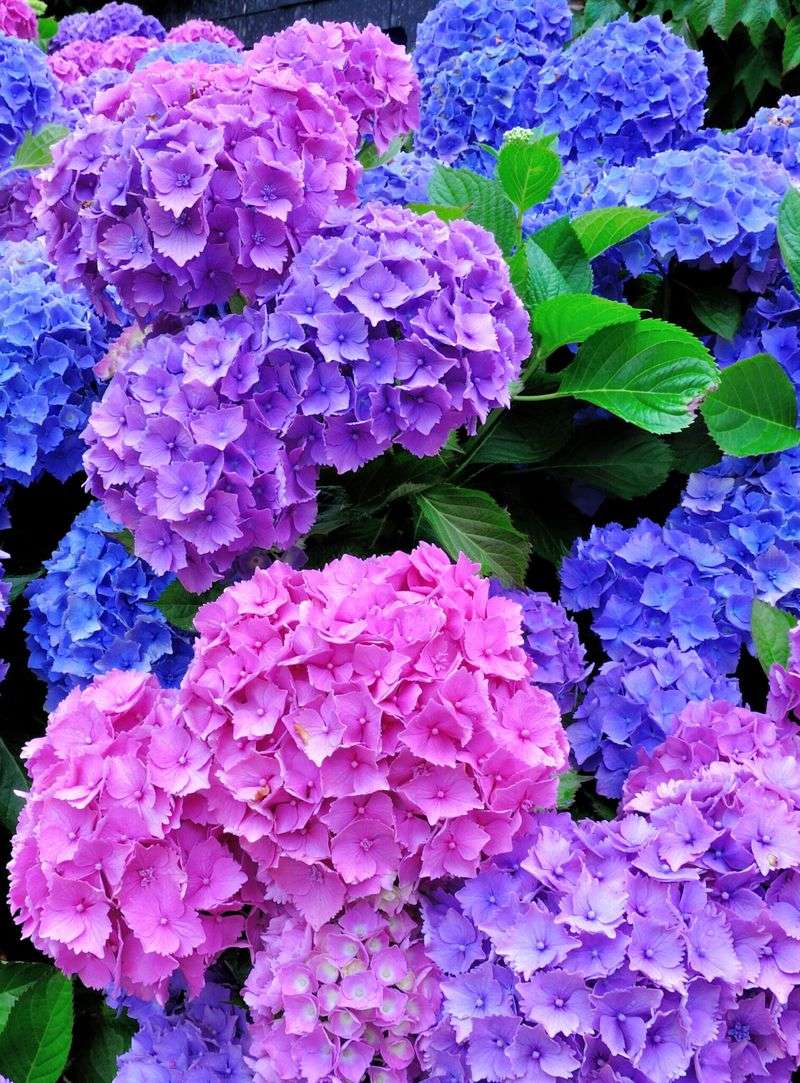
When soil is acidic, with a pH of around 5.5 or lower, hydrangeas tend to produce beautiful blue flowers. When the soil is more alkaline, with a pH above 6.5 or 7, those same plants will usually bloom pink instead.
The middle range, around pH 6.0 to 6.5, can sometimes produce purple or mixed-color blooms that look absolutely stunning.
North Carolina gardeners are in a great spot because the state’s native soil tends to lean acidic naturally, which already favors blue blooms in many areas.
Understanding this basic relationship between pH and color is the first step toward getting the exact shade you want from your hydrangeas.
Think of your soil as a dial you can actually turn to set the color of your flowers, and once you understand how it works, the whole process becomes exciting and rewarding.
2. Blue Hydrangeas Need Acidic Soil
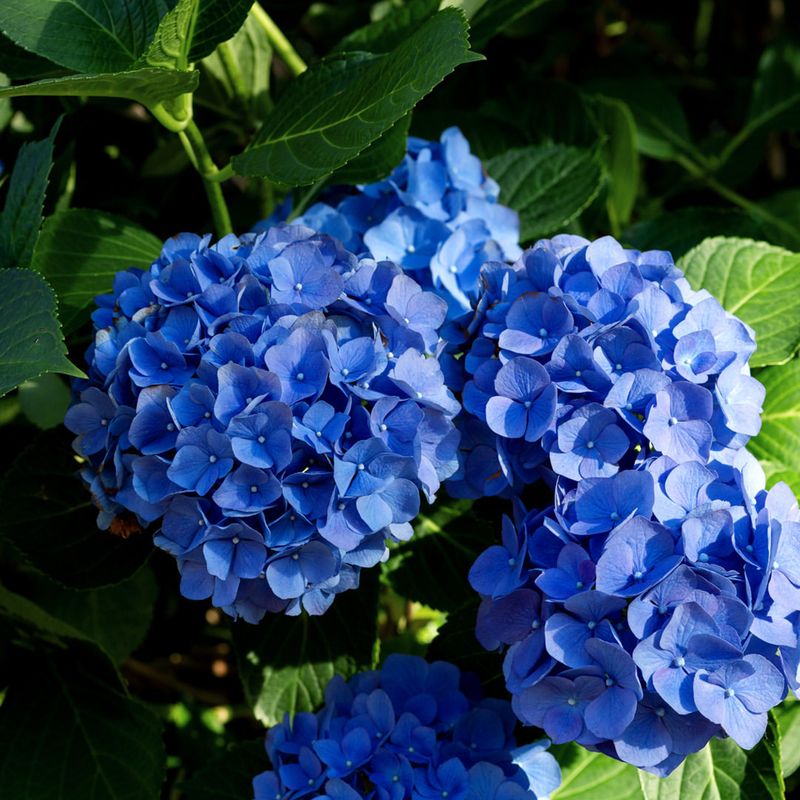
Picture a border of deep blue hydrangeas lining your front walkway in the summer heat. That gorgeous color is completely achievable, and it starts with making your soil more acidic.
Blue hydrangeas get their color from aluminum, which the plant can only absorb when the soil pH is low enough, usually around 5.0 to 5.5.
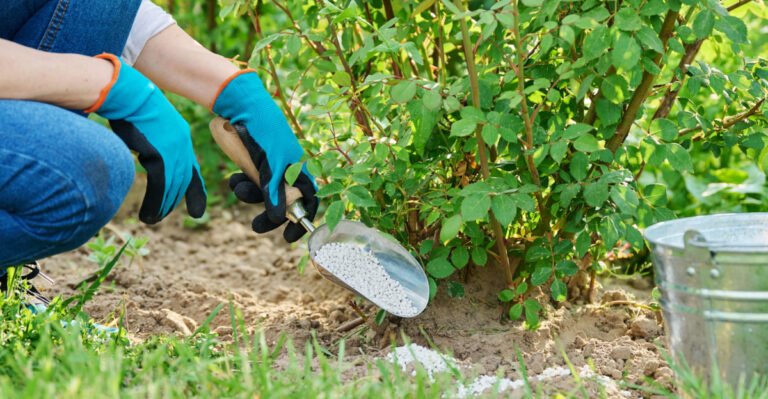
To push your soil into that acidic range, you can add elemental sulfur or aluminum sulfate. Elemental sulfur works slowly over several weeks or months, making it a great option for long-term adjustments.
Aluminum sulfate works faster and is very popular among North Carolina gardeners who want quicker results without waiting an entire growing season.
A simple recipe that many gardeners swear by is dissolving one tablespoon of aluminum sulfate in a gallon of water, then applying it around the base of the plant once a month from February through May.
Always follow the package directions carefully because too much aluminum sulfate can actually stress the plant and cause leaf burn.
The goal is a gradual shift, not a sudden chemical shock. With a little patience and the right amendments, you can coax those hydrangeas into producing the richest, most vibrant blue blooms your North Carolina garden has ever seen.
3. Pink Hydrangeas Need Alkaline Soil
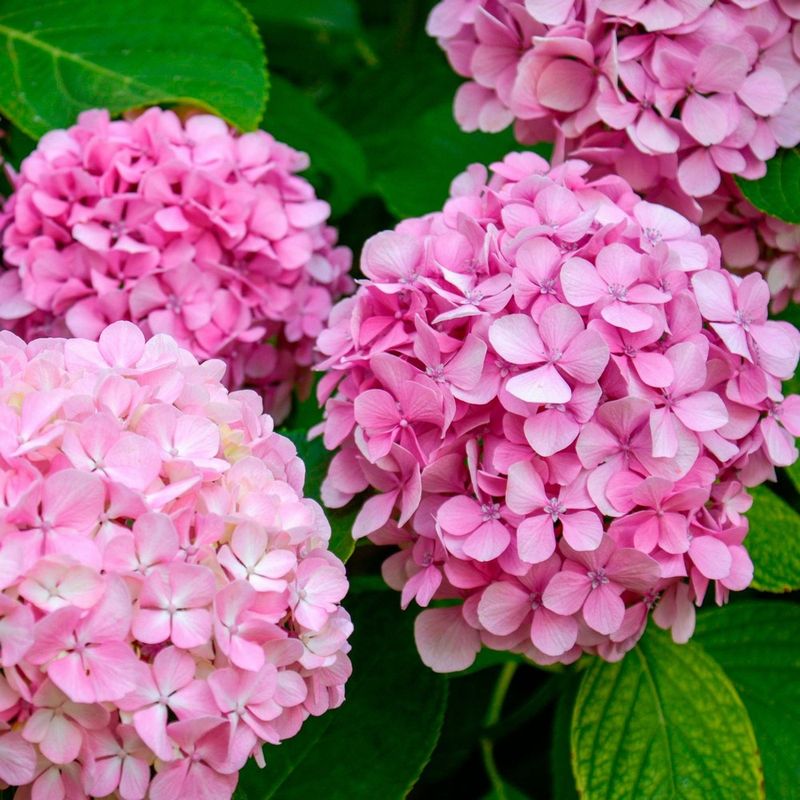
Soft, rosy pink hydrangeas have a charm that never goes out of style, and getting them to bloom that way is simpler than most gardeners expect. The key is raising the soil pH to make it more alkaline, which limits how much aluminum the plant can absorb.
Without available aluminum, the hydrangea shifts toward pink tones naturally. Garden lime, also called dolomitic lime, is the go-to product for raising soil pH in North Carolina gardens.
A general starting point is about one cup of lime per plant, worked gently into the soil around the base.
Lime is best applied in early spring or late fall so it has time to work into the soil before the growing season kicks into full gear.
Wood ashes from a fireplace or fire pit can also raise soil alkalinity and are a great natural option if you want to avoid store-bought products. Just use them sparingly and monitor the pH regularly, because too much can push the soil too far in the alkaline direction.
North Carolina soils naturally lean acidic, so you may need to apply lime more than once over the course of a season to maintain pink blooms. Consistency is everything when it comes to keeping those pretty pink flowers coming back year after year.
4. Testing Soil pH Is Essential
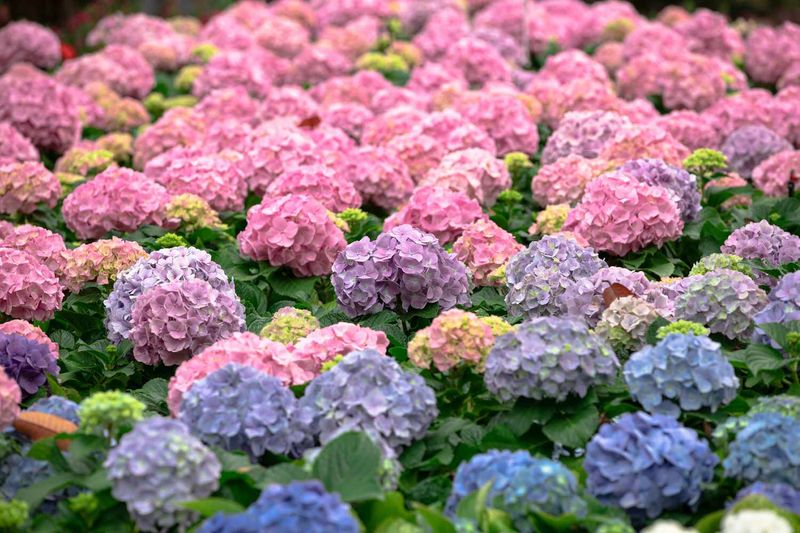
Before you add a single amendment to your garden, you need to know exactly where your soil stands.
Guessing at pH levels is one of the most common mistakes gardeners make, and it can lead to wasted money, frustrated plants, and flowers that never quite reach the color you wanted.
A quick soil test takes the guesswork completely out of the equation. Home soil test kits are widely available at hardware stores and garden centers across North Carolina, and they are very easy to use.
You simply collect a small soil sample, mix it with the testing solution, and compare the color to a chart.
For even more precise results, you can send a soil sample to your local cooperative extension office, which is a service offered throughout North Carolina and is often very affordable.
The North Carolina State University Extension program is a fantastic resource for gardeners who want professional-level soil analysis. They can tell you not only your pH but also what nutrients your soil is missing and exactly how much amendment to add.
Testing once at the start of the season and again midway through gives you a clear picture of how your adjustments are working. Knowing your numbers means every step you take is purposeful and targeted, making your whole color-changing project far more successful.
5. Aluminum Sulfate For Blue Blooms
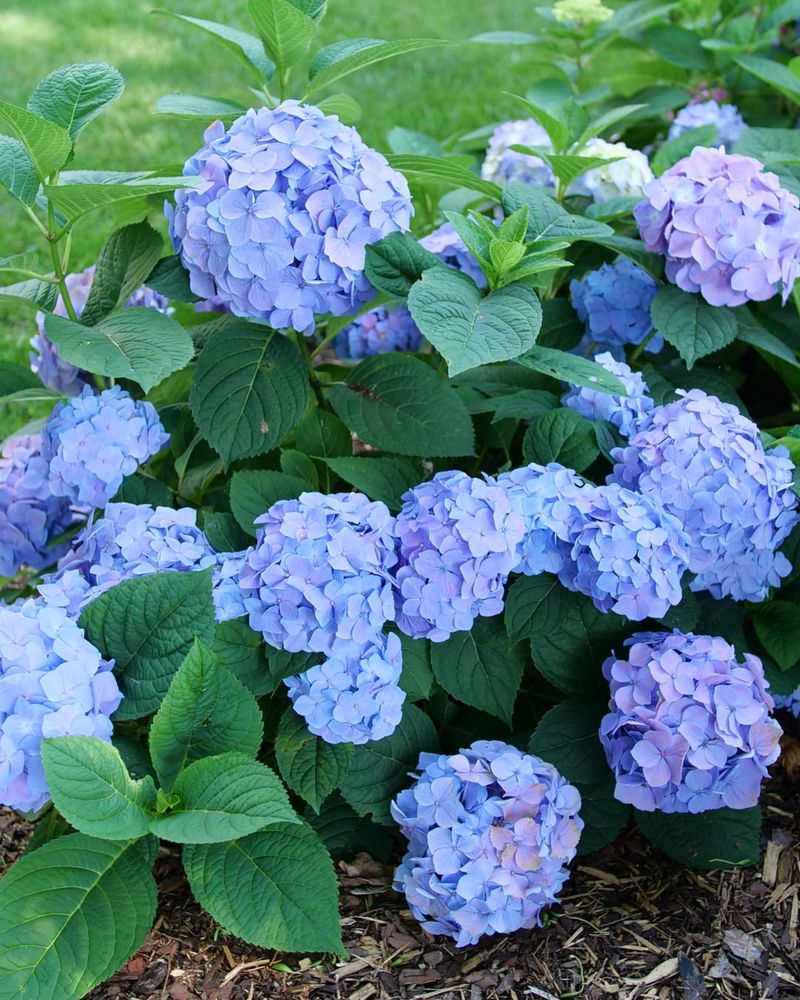
Aluminum sulfate is one of the most reliable tools a North Carolina gardener can reach for when chasing those dreamy blue hydrangea blooms. It works on two levels at once: it lowers the soil pH and makes aluminum more readily available in the soil at the same time.
Since aluminum is the actual pigment driver behind blue hydrangea flowers, this double action makes it especially effective.
The application method matters a lot. Mixing one tablespoon of aluminum sulfate into a full gallon of water creates a diluted solution that is much gentler on the plant’s roots than applying it dry.
You water this mixture directly into the soil around the base of the hydrangea, keeping it away from the stems and leaves to avoid irritation. Repeating this monthly from late winter through late spring gives the soil time to shift gradually.
One thing worth knowing is that aluminum sulfate is quite potent, and overdoing it can cause root damage and yellowing leaves. Always start with the lower end of the recommended dosage and increase slowly if needed.
North Carolina’s naturally acidic soils mean you may not need as much as gardeners in other states. Track your applications and test the soil regularly so you stay in control of the process and keep your hydrangeas healthy and thriving all season long.
6. Lime For Pink Blooms
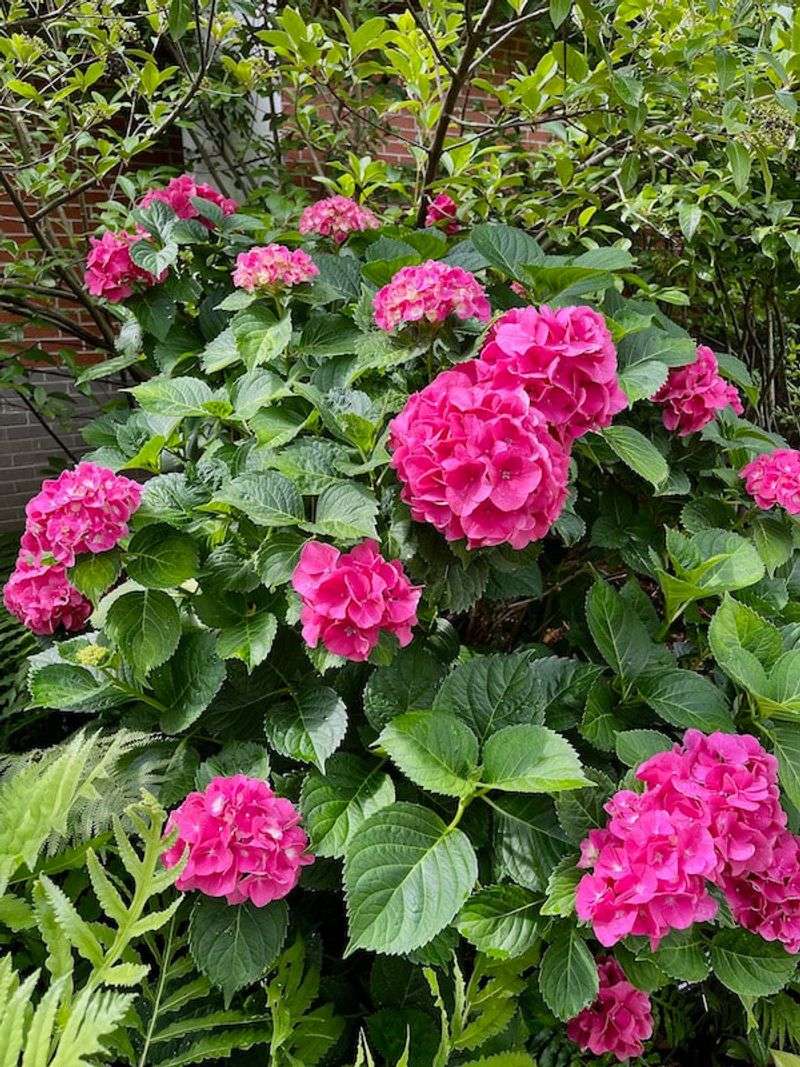
Garden lime has been used by growers for centuries to adjust soil chemistry, and it remains one of the best natural options for North Carolina gardeners who want pink hydrangea blooms.
Lime raises soil pH by neutralizing acidity, and when the pH climbs above 6.5, the plant loses its ability to pull aluminum from the soil effectively. No aluminum absorption means no blue pigment, and the flowers shift to pink.
Dolomitic lime is a popular choice because it also adds calcium and magnesium to the soil, giving your hydrangeas an extra nutritional boost alongside the pH adjustment.
Spread it evenly around the base of the plant, then work it lightly into the top inch or two of soil so it makes good contact with the root zone.
Watering the area after application helps the lime begin breaking down and moving through the soil more quickly.
Timing your lime applications thoughtfully makes a real difference. Early spring applications give the lime time to fully integrate before the plant starts pushing out new blooms.
A follow-up application in late fall can help maintain the higher pH through the winter months. Because North Carolina soils tend to drift back toward acidity over time, regular lime applications are usually needed to keep those pink blooms coming.
Think of it as a seasonal rhythm that keeps your garden looking exactly the way you envisioned.
7. Mulch Can Influence Soil pH
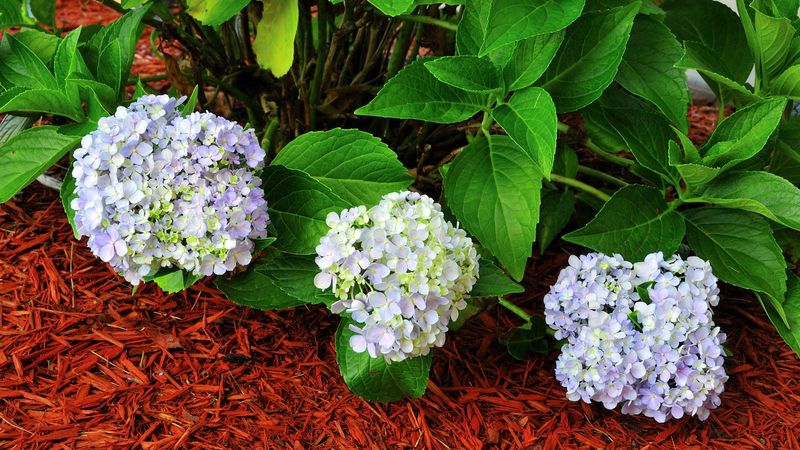
Many gardeners focus entirely on soil amendments and overlook one of the most subtle influences on soil pH sitting right on top of their garden beds. Mulch does more than hold moisture and suppress weeds.
Over time, organic mulches break down and release compounds into the soil that can gradually shift the pH in one direction or another.
Pine bark mulch and pine needle mulch, sometimes called pine straw, are both slightly acidic and are widely used across North Carolina. As they decompose, they can help maintain lower soil pH levels, which is great news if you are working toward blue hydrangea blooms.
Pine straw in particular is extremely common in North Carolina landscapes and is an easy, low-cost way to support soil acidity over time.
On the flip side, if you are aiming for pink blooms, you should steer clear of acidic mulches and instead choose neutral or slightly alkaline options. Avoid mulches that contain lime-based materials if you want to keep the soil acidic for blue flowers.
The effect of mulch on pH is slow and subtle compared to direct soil amendments, but it adds up meaningfully over an entire growing season.
Choosing the right mulch is a simple, low-effort step that quietly supports your color goals every single day without any extra work on your part.
8. Container Grown Hydrangeas Offer Easier Control
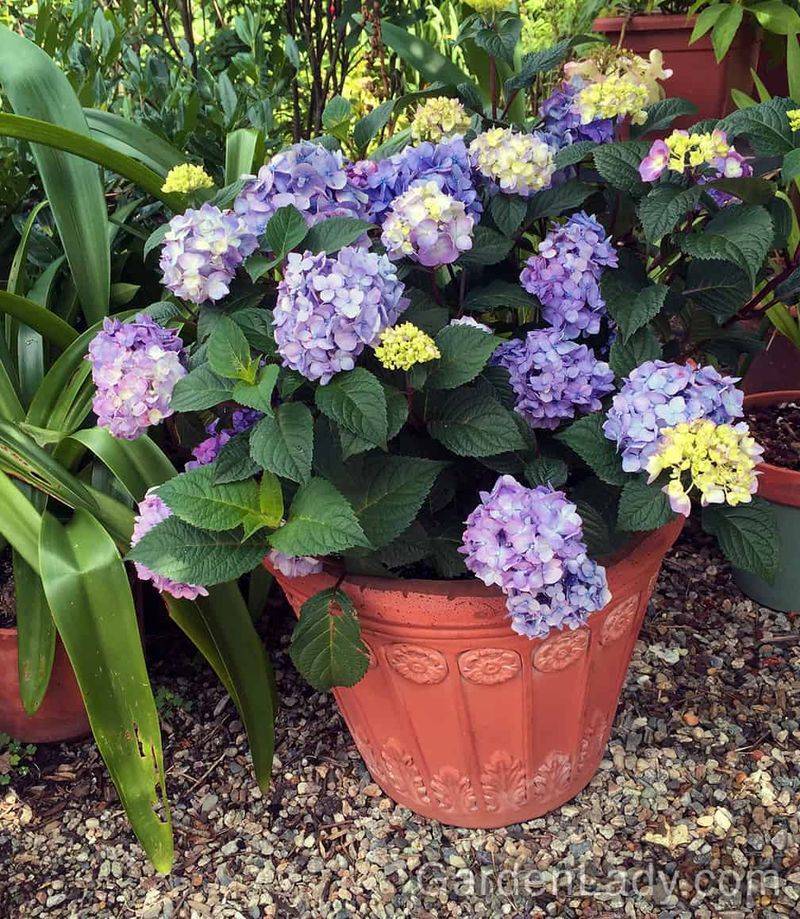
Growing hydrangeas in containers is a game-changer for gardeners who want precise control over bloom color without wrestling with an entire garden bed’s worth of soil.
When a plant lives in a pot, the growing environment is much more contained and manageable, making pH adjustments faster, more predictable, and easier to maintain over time.
In a container, you can mix your own custom potting blend right from the start. For blue blooms, combine an acidic potting mix with a small amount of aluminum sulfate before planting.
For pink, use a more neutral or slightly alkaline mix and blend in a bit of lime. Since the volume of soil is smaller than an in-ground bed, amendments take effect more quickly and with less product overall.
North Carolina gardeners who rent their homes, have limited yard space, or simply love flexibility will find container hydrangeas especially appealing.
You can move the pots around to find the best light, bring them under cover during heavy storms, and adjust the soil chemistry without affecting anything else in the garden.
Just keep in mind that containers dry out faster than garden beds, so consistent watering is important. Check the soil pH every few weeks during the growing season and make small adjustments as needed to keep those blooms glowing in exactly the color you love most.
9. Adjustments Take Time
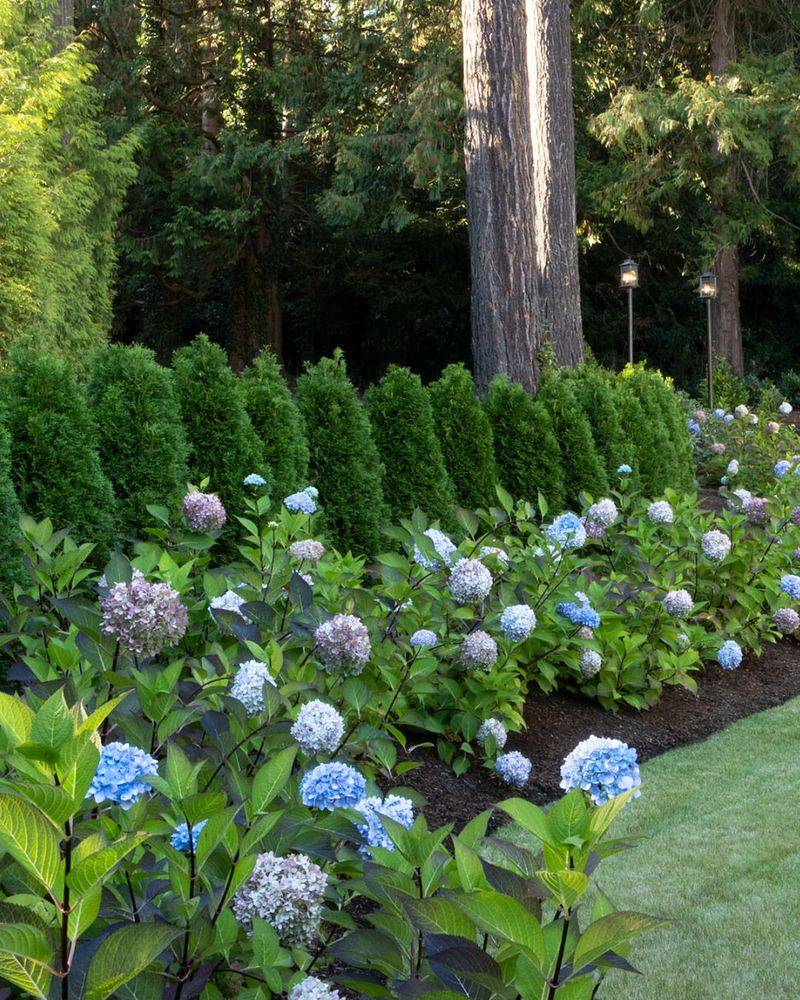
Patience is probably the most underrated ingredient in the whole hydrangea color-changing process. Many gardeners add their amendments, check on the plant a week later, and feel disappointed when nothing has changed yet.
The truth is that soil chemistry shifts gradually, and the plant needs time to respond to those changes before you see any difference in the blooms.
Depending on how far off your starting pH is from your target, the visible color change can take anywhere from a few weeks to several months. Sometimes you will not see the full effect until the next blooming season.
This is completely normal and does not mean the process is not working. Keeping a simple garden journal where you log your soil test results, amendment applications, and observations makes it much easier to track progress and stay motivated.
North Carolina summers can be intense, and heat stress can sometimes mask the true color of blooms even when pH is on target. Testing the soil every few weeks throughout the growing season helps you catch any drift in pH before it undoes your hard work.
Small, consistent adjustments are always better than large, sudden ones. Trust the process, stay observant, and remember that gardening rewards those who pay attention.
The moment those hydrangeas finally bloom in the exact color you worked toward is genuinely one of the most satisfying experiences a North Carolina garden can offer.