How North Carolina Gardeners Fill Their Yards With Plants That Are Actually Useful
In North Carolina, a pretty yard is expected. A useful one is respected. Across the state, gardeners are shifting away from planting just for curb appeal and focusing more on plants that serve a real purpose.
Yards are becoming places that feed families, support wildlife, and make everyday living a little easier. The change is subtle, but once you notice it, it is everywhere.
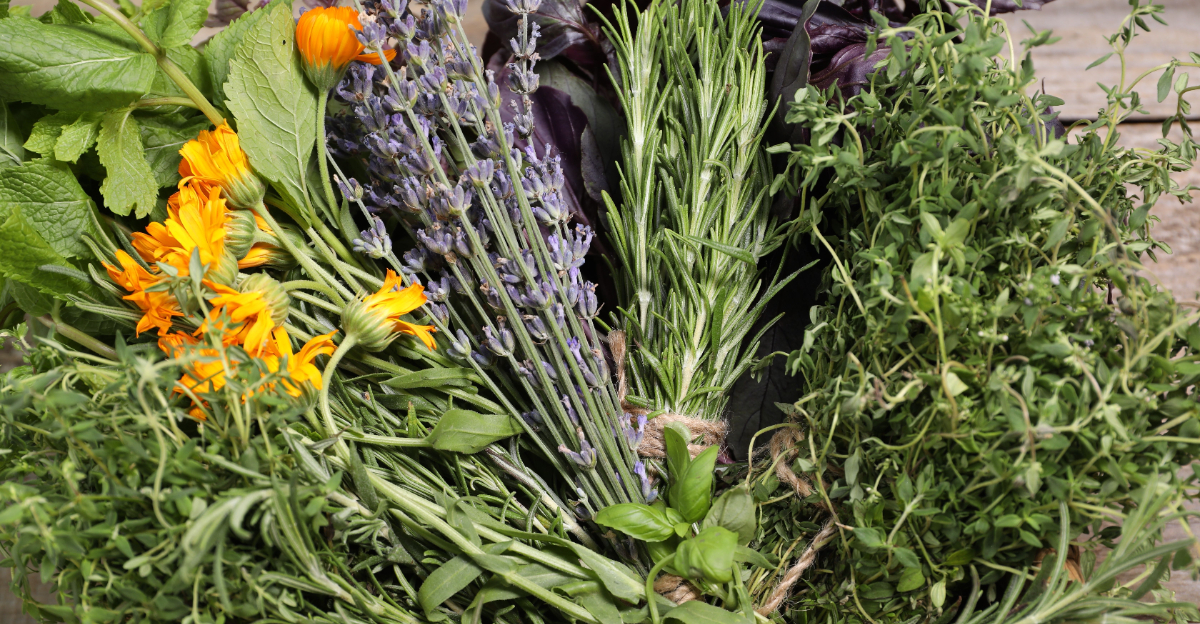
You might see rosemary and mint growing near the porch, fruit trees casting shade over the lawn, and rows of vegetables that actually make it to the dinner table.
Native flowers bring in bees and butterflies, helping the whole garden stay healthy without much extra effort. Everything has a role, yet the yard still looks full and inviting.
It is a balanced way of gardening that blends beauty with function, shaped by the climate, the soil, and the rhythm of life in North Carolina.
Basil: The Kitchen Garden Essential
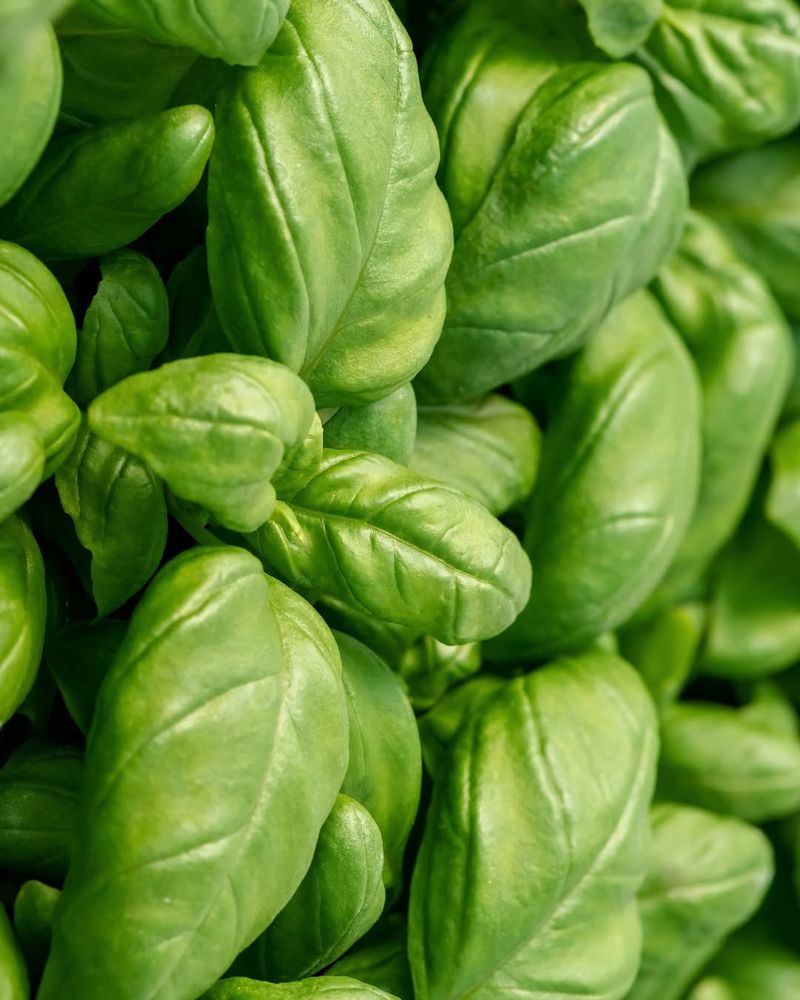
Fresh basil transforms ordinary meals into extraordinary experiences right from your backyard. This aromatic herb thrives in North Carolina’s warm growing season, producing tender leaves packed with flavor.
Gardeners love how quickly basil grows once temperatures stay consistently above 50 degrees.
Plant basil in full sun after the last frost date passes in your area. The soil should drain well and stay consistently moist but never waterlogged. Space plants about 12 inches apart to allow good air circulation between them.
Pinching off the top leaves encourages bushier growth and more harvest opportunities throughout summer. Regular harvesting actually makes your basil plants stronger and more productive.
Watch for flower buds and remove them immediately to keep leaves tender and flavorful. Pollinators absolutely adore basil flowers if you let a few plants bloom intentionally. Bees and butterflies visit constantly, helping your entire garden become more productive.
This makes basil valuable beyond just culinary uses in your landscape design. Container growing works perfectly for basil if you lack garden space or want convenience. Place pots near your kitchen door for easy snipping while cooking meals.
Fresh pesto, caprese salads, and herbal teas become everyday luxuries when basil grows just steps away from your kitchen.
Lavender Is Both Beautiful And Practical
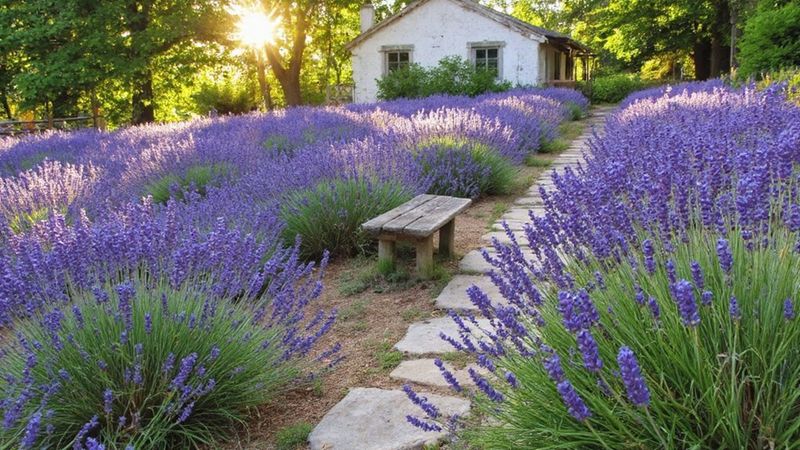
Purple spikes of lavender bring Mediterranean charm to North Carolina gardens while requiring minimal care. Once established, these hardy plants tolerate drought conditions remarkably well during our hot summers.
Gardeners appreciate how lavender keeps producing year after year without demanding constant attention or resources.
Choose a planting spot with excellent drainage and at least six hours of direct sunlight. Lavender absolutely refuses to thrive in soggy soil or shaded locations.
Raised beds work wonderfully if your native soil tends to stay wet.
The intoxicating fragrance serves multiple purposes beyond simply smelling wonderful in your yard. Cut stems dry beautifully for sachets that keep closets and drawers smelling fresh naturally.
Bundle dried lavender into wands or stuff small fabric bags for natural moth deterrents.
Beneficial insects including native bees visit lavender flowers constantly throughout the blooming season. This pollinator activity helps your vegetable garden produce better crops nearby.
The essential oils in lavender also naturally repel certain garden pests without harsh chemicals.
Harvest flower spikes just as buds begin opening for the strongest fragrance and color. Hang bundles upside down in a dark, dry location for two weeks.
Dried lavender retains its scent for months, providing natural aromatherapy and craft materials long after summer fades away.
Rosemary: The Herb That Works All Year Long
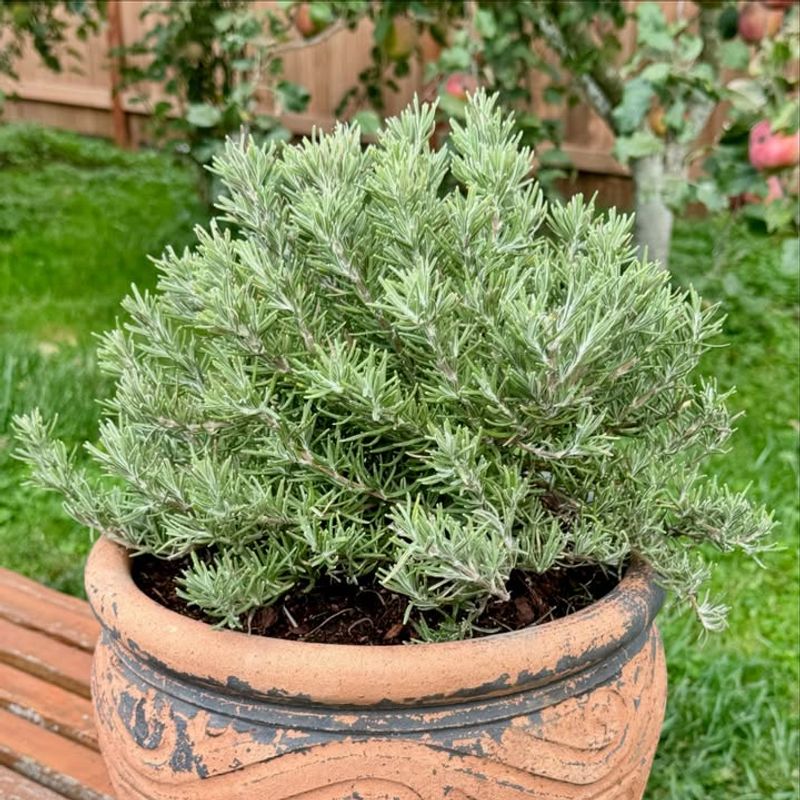
Rosemary stands proud in North Carolina gardens through every season, maintaining its deep green color. This Mediterranean native adapts surprisingly well to our climate with proper placement and care.
Gardeners value how rosemary provides fresh herbs even during winter months when most plants rest.
Plant rosemary in the sunniest, most well-drained spot available in your landscape. Sandy or rocky soil actually benefits this tough herb more than rich garden soil.
Overwatering causes more rosemary failures than any other factor, so let soil dry between waterings.
The upright or trailing growth habit offers structural interest throughout your garden design. Formal hedges, container specimens, or cascading accents all work beautifully with different rosemary varieties.
Woody stems become quite substantial over several years, creating an almost shrub-like presence.
Snip fresh sprigs anytime for roasting vegetables, seasoning meats, or infusing olive oil with flavor. The resinous needles release incredible fragrance when brushed against or crushed between your fingers.
Even small amounts of fresh rosemary elevate ordinary recipes into restaurant-quality dishes.
Blue flowers appear in late winter or early spring when few other plants bloom. These delicate blossoms attract early-season pollinators emerging from winter dormancy.
Bees especially appreciate this reliable nectar source when other food remains scarce in the landscape.
Chives, A Simple Herb You Will Always Use
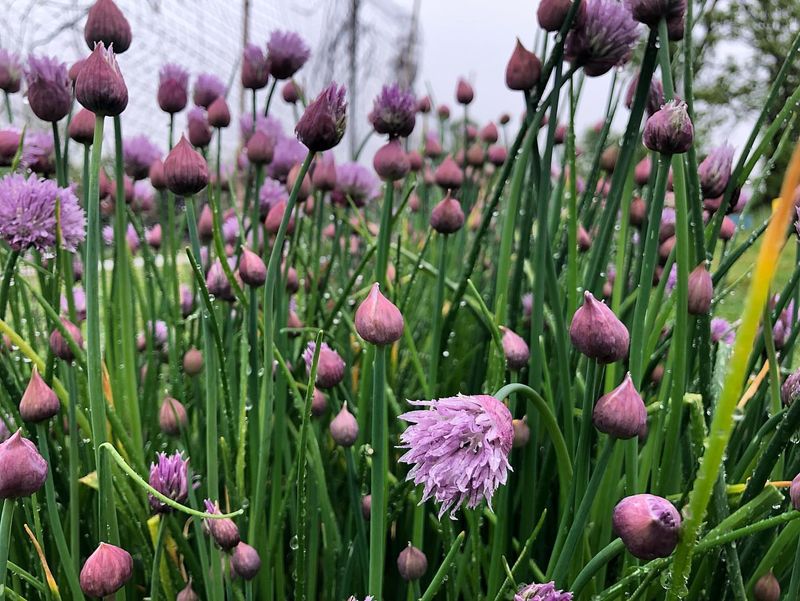
Slender green tubes of chives pop up reliably every spring without any replanting required. This dependable perennial returns stronger each year, spreading gradually into fuller clumps over time.
North Carolina gardeners love how chives handle both our cold winters and hot summers effortlessly.
Full sun to partial shade suits chives perfectly, making them adaptable to various garden spots. Rich, moist soil encourages the best growth, though chives tolerate less-than-ideal conditions gracefully.
Divide overcrowded clumps every three years to maintain vigor and prevent the center from declining.
Both leaves and flowers offer culinary possibilities that many gardeners overlook completely. Snip hollow leaves with scissors rather than pulling to avoid damaging the plant.
The mild onion flavor enhances everything from baked potatoes to cream cheese spreads beautifully.
Purple pompom flowers appear in late spring, creating an absolutely charming display in any garden. These globe-shaped blooms attract numerous beneficial insects including honeybees and native pollinators.
Edible flowers add gorgeous color and subtle onion taste to salads and garnishes.
Allow some flowers to mature and scatter seeds for additional plants throughout your garden naturally. Chives self-seed moderately without becoming invasive or overwhelming other plants nearby.
This gentle spreading creates natural drifts that look intentionally designed rather than haphazard or messy.
Blueberries, A Fruit That Shines In Every Season
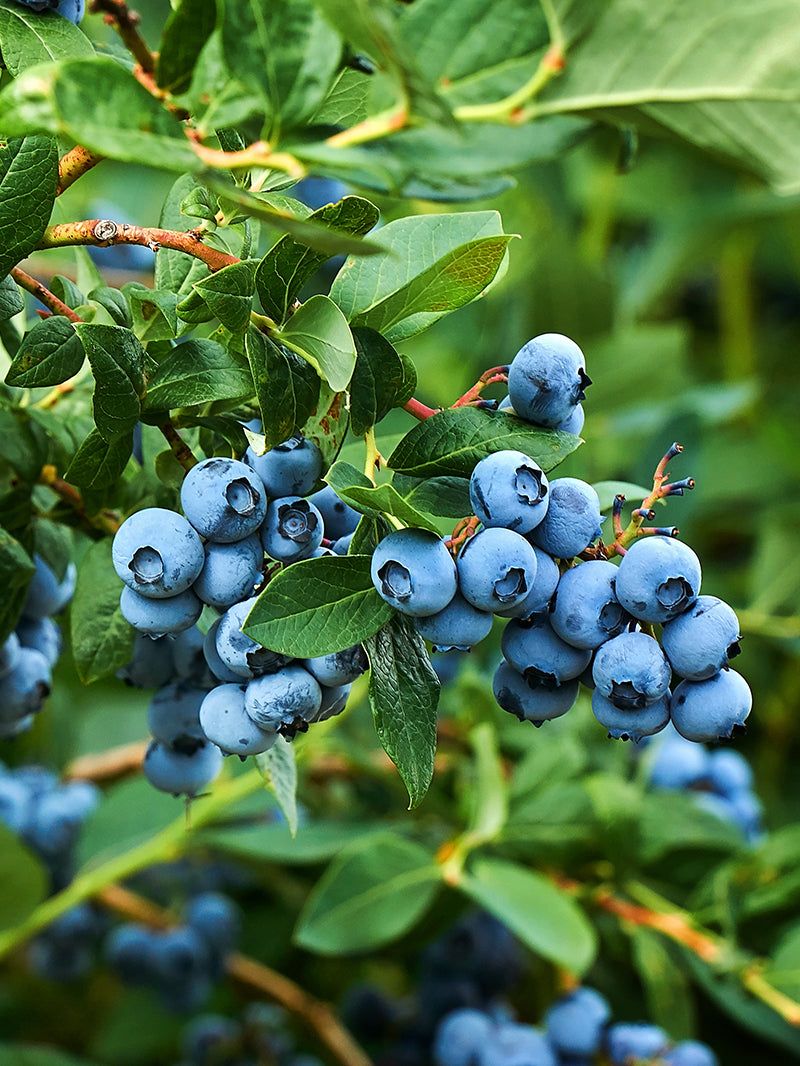
Blueberry bushes deserve space in every North Carolina garden for reasons beyond their delicious fruit. Spring brings delicate white bell-shaped flowers that look absolutely enchanting clustered along the branches.
Summer offers plump, sweet berries that taste infinitely better than anything from grocery stores.
Acidic soil between 4.5 and 5.5 pH is absolutely essential for blueberry success. Test your soil before planting and amend with sulfur if needed to lower pH.
Raised beds filled with acidic potting mix work perfectly if your native soil resists modification.
Plant at least two different varieties to ensure proper cross-pollination and maximum fruit production. Early, mid, and late-season varieties extend your harvest window from May through July.
Space bushes four to six feet apart to allow mature growth and good air circulation.
Fall foliage rivals any ornamental shrub with brilliant reds, oranges, and burgundy colors lighting up your landscape. This autumn show provides serious visual interest when many gardens start looking tired and brown.
Even winter reveals attractive reddish stems that add subtle color to dormant gardens.
Birds love blueberries as much as humans do, so netting becomes necessary if you want to harvest significant amounts. The bushes still provide valuable habitat and food sources for wildlife throughout the year.
Watching birds enjoy your garden creates connections with nature that enrich everyday life immeasurably.
Coneflower Is A Tough Native That Keeps Giving
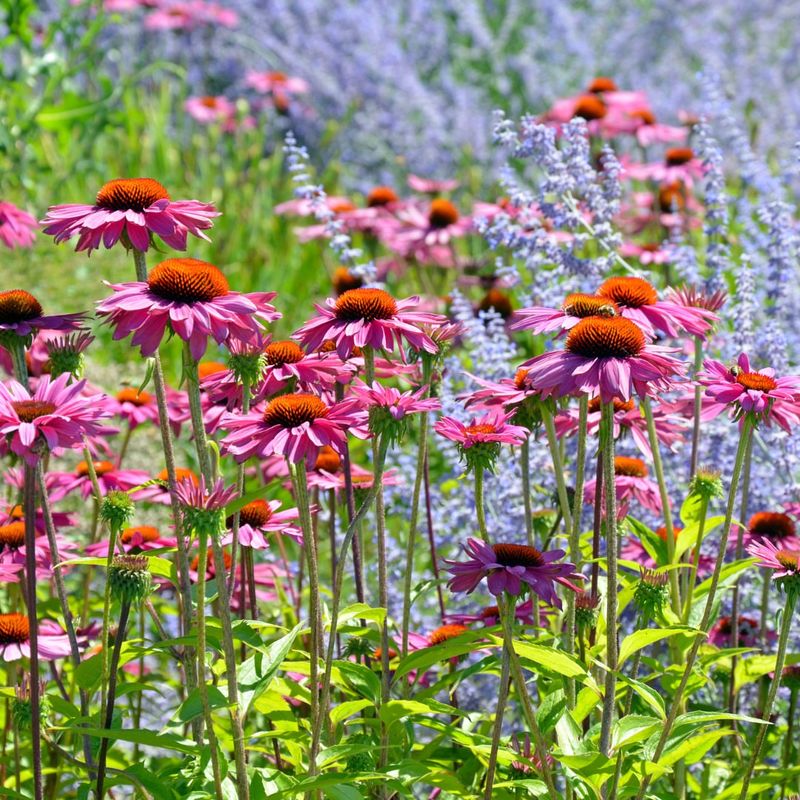
Native coneflowers bring effortless beauty to North Carolina gardens while supporting local ecosystems perfectly. These tough perennials handle our summer heat and occasional drought without missing a beat.
Gardeners appreciate how coneflowers bloom for months rather than just a few fleeting weeks.
Plant coneflowers in full sun for the best flowering and strongest stems that resist flopping. Average garden soil suits them fine without special amendments or fertilizers needed.
Space plants 18 inches apart to allow good air movement and prevent overcrowding as they mature.
The distinctive raised center cone surrounded by drooping petals creates an architectural element in flower beds. Colors range from traditional purple-pink to white, yellow, orange, and even green varieties now available.
Mixing different colors creates a cottage garden feel that looks casually elegant rather than stiff.
Butterflies, bees, and other pollinators visit coneflowers constantly throughout the long blooming season from June through September. Goldfinches arrive in late summer to feast on ripening seeds in the cone centers.
This wildlife activity transforms your garden into a living nature documentary right outside your windows.
Harvest flowers and roots for making herbal immune-supporting teas during cold and flu season. Dry petals and roots separately in a dehydrator or hanging in bundles.
Steep dried plant material in hot water for a traditional remedy used for generations by herbalists.
Nasturtium, Edible Garden Gem
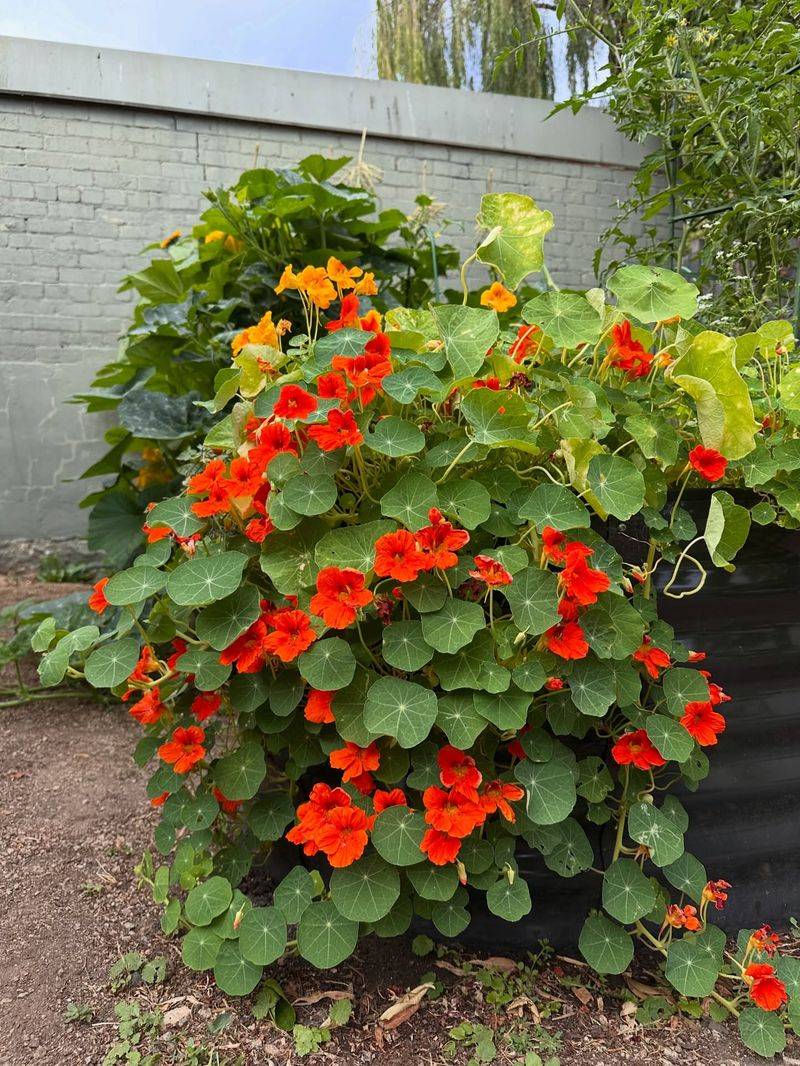
Cheerful nasturtiums spill over garden edges with their lily-pad leaves and vibrant trumpet flowers. These easy annuals reseed themselves generously, returning year after year without any effort on your part.
North Carolina’s growing season allows nasturtiums to bloom from late spring until the first frost arrives.
Poor soil actually encourages more flowers and fewer leaves, so skip the fertilizer completely. Full sun to partial shade works well, though flowering decreases in shadier locations.
Direct sow seeds after the last frost or start them indoors three weeks earlier.
Every part of the nasturtium plant offers culinary possibilities that surprise most gardeners initially. Peppery leaves add spicy kick to salads similar to arugula or watercress.
Flowers taste milder and look absolutely stunning floating in soups or decorating cakes and desserts.
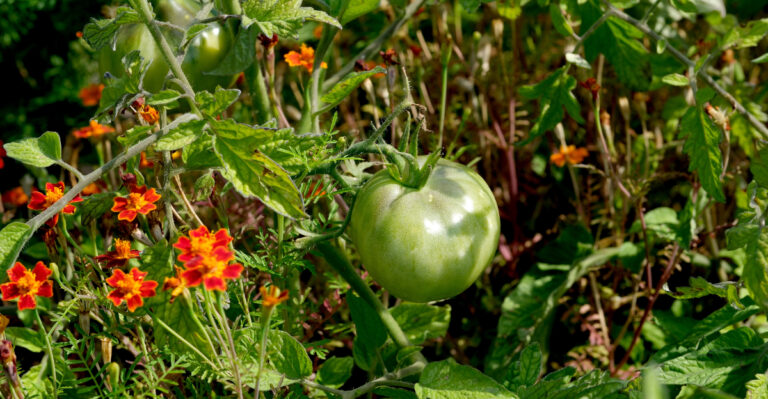
Companion planting with nasturtiums protects vegetables from aphids and other common garden pests naturally. These flowers act as trap crops, attracting pests away from your prized tomatoes and squash.
Beneficial insects also visit nasturtiums, helping control pest populations through natural predation rather than chemicals.
Seed pods can be pickled like capers for a homegrown condiment with tangy flavor. Harvest green pods before they dry and harden on the plant.
Pickle them in vinegar with spices for a unique garnish that impresses dinner guests completely.
Mint Is A Fast Growing Herb Best Kept Contained
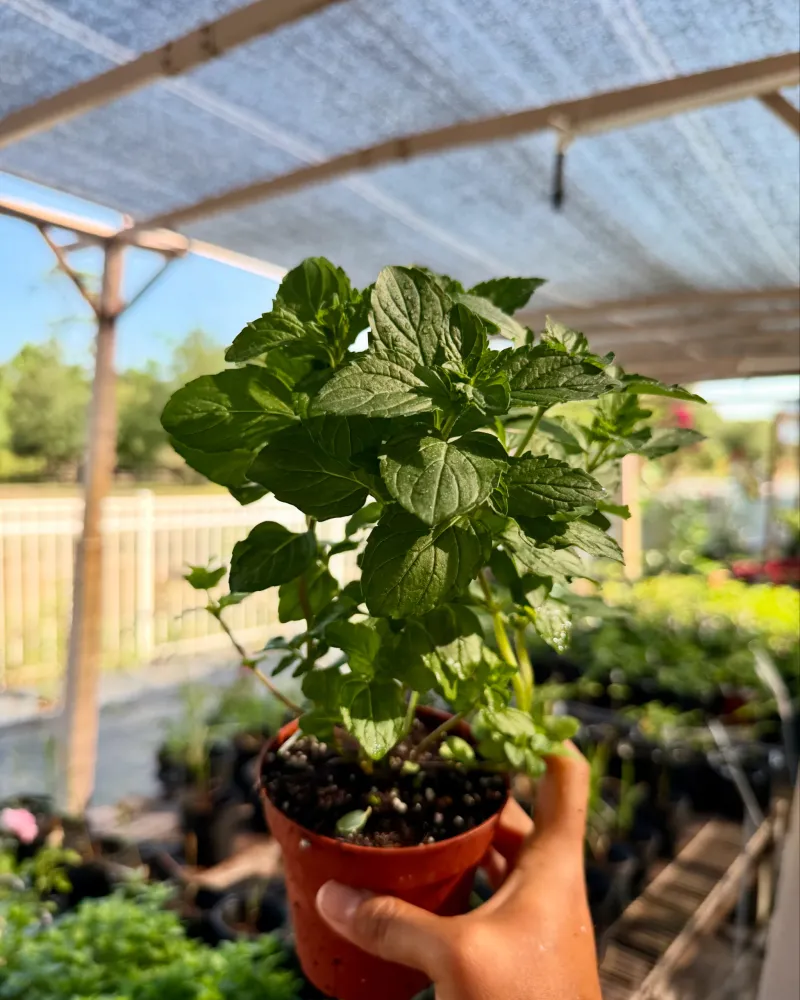
Mint grows with such enthusiastic vigor that containing it becomes absolutely necessary in most gardens. Plant mint in pots or use buried barriers to prevent underground runners from invading everywhere.
North Carolina’s climate allows mint to thrive almost too well without these precautionary measures.
Partial shade to full sun suits different mint varieties, though afternoon shade helps during our hottest summers. Keep soil consistently moist since mint originally comes from wetland areas naturally.
Container growing makes watering management much easier than in-ground planting for most gardeners.
Dozens of mint varieties offer different flavors beyond basic peppermint and spearmint options available everywhere. Chocolate mint, apple mint, orange mint, and pineapple mint each bring unique taste profiles.
Growing several varieties in separate containers creates an entire mint collection for culinary experimentation.
Fresh mint elevates beverages from ordinary to extraordinary with just a few bruised leaves added. Mojitos, mint juleps, iced tea, and lemonade all benefit from this aromatic herb tremendously.
Freeze whole leaves in ice cubes for pretty drinks that release flavor slowly as they melt.
Harvest mint frequently to encourage bushier growth and prevent flowering that reduces leaf quality. Dry excess mint for winter teas by hanging bundles or using a dehydrator on low heat.
Dried mint retains flavor for months when stored in airtight containers away from light and heat.
Sunflowers Brighten Every Garden
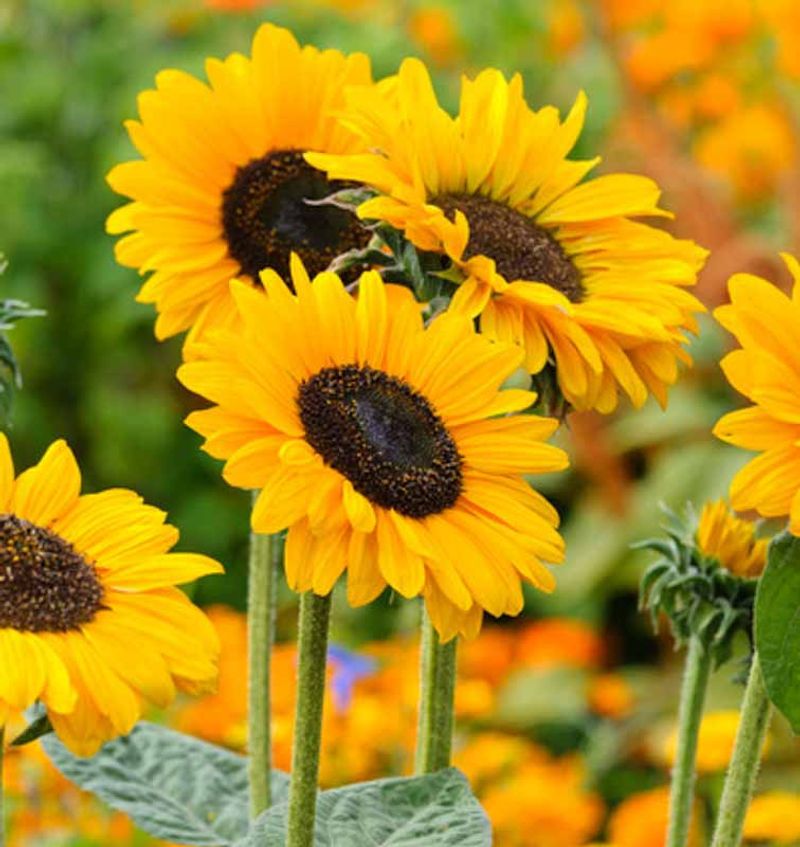
Towering sunflowers create vertical drama in North Carolina gardens while serving multiple practical purposes throughout their lifecycle. Children especially love watching these giants grow several inches taller each week during peak season.
The cheerful faces following the sun across the sky bring smiles to everyone passing by.
Direct sow sunflower seeds after the last frost in full sun locations with decent drainage. Space seeds 6 inches apart for smaller varieties or 24 inches for giant types.
Thin seedlings to the strongest plants once they reach 6 inches tall for best results.
Pollinators visit sunflowers in impressive numbers throughout the blooming period from July through September usually. Bees work the flowers methodically, gathering pollen and nectar to support their colonies.
Butterflies and other beneficial insects also appreciate the accessible flower structure and abundant resources provided.
Allow flower heads to mature and dry on the stalk for harvesting edible seeds in autumn. Birds will compete for these nutritious seeds, so cover heads with mesh bags if you want significant harvest.
Roast seeds with salt for a homegrown snack that tastes fresher than store-bought versions.
Tall sunflower varieties create natural shade and privacy screens during summer months when strategically planted. Use them to block unsightly views or protect heat-sensitive plants from afternoon sun.
The sturdy stalks also make excellent support structures for climbing beans planted alongside them.
Calendula: Medicinal Garden Treasure
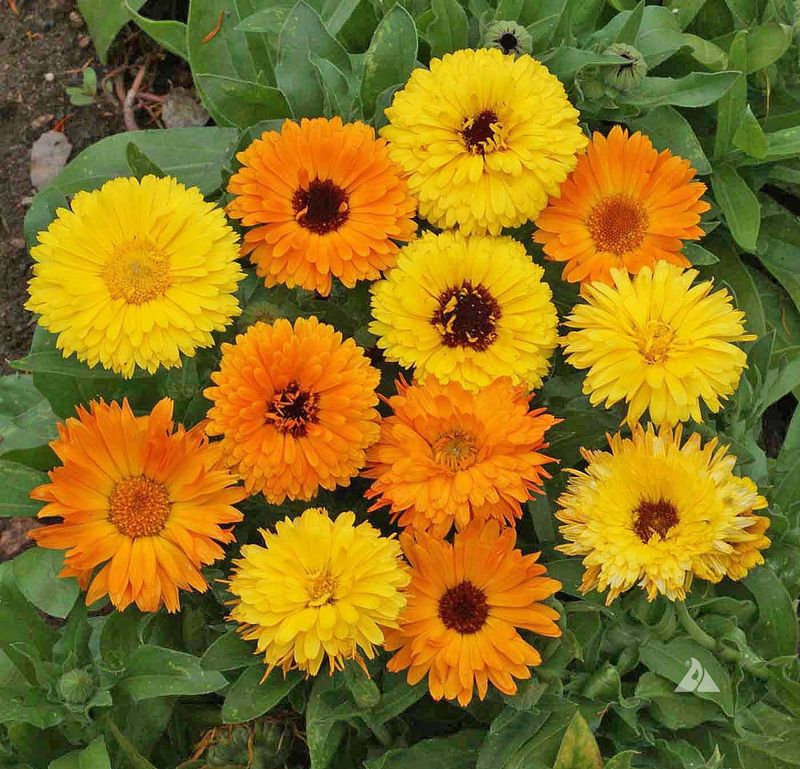
Bright calendula flowers bring sunshine colors to North Carolina gardens from spring through fall with successive plantings. These cheerful annuals reseed themselves readily, creating natural drifts that expand your flower displays each year.
Gardeners value calendula for beauty and the remarkable healing properties contained in those vibrant petals.
Cool-season growing makes calendula perfect for spring and fall planting in our moderate climate. Direct sow seeds in early spring or late summer for extended blooming periods.
Full sun and average soil produce the healthiest plants without any special amendments required.
Edible petals add color and subtle flavor to salads, soups, and rice dishes beautifully. The slightly peppery taste resembles saffron mildly, earning calendula the nickname poor man’s saffron historically.
Sprinkle fresh petals over finished dishes as an elegant, completely edible garnish that impresses guests.
Harvest flowers regularly to encourage continuous blooming throughout the growing season available to you. Dry whole flower heads for making infused oils and healing salves for minor skin irritations.
The anti-inflammatory properties of calendula have been recognized and used in herbal medicine for centuries.
Pollinators appreciate calendula flowers as reliable nectar sources during spring and fall when fewer blooms exist. Hover flies and beneficial wasps visit frequently, helping control aphids and other soft-bodied garden pests naturally.
This makes calendula valuable beyond its direct uses as a companion plant supporting overall garden health.