How North Carolina Gardeners Grow Big Strawberry Harvests In Containers
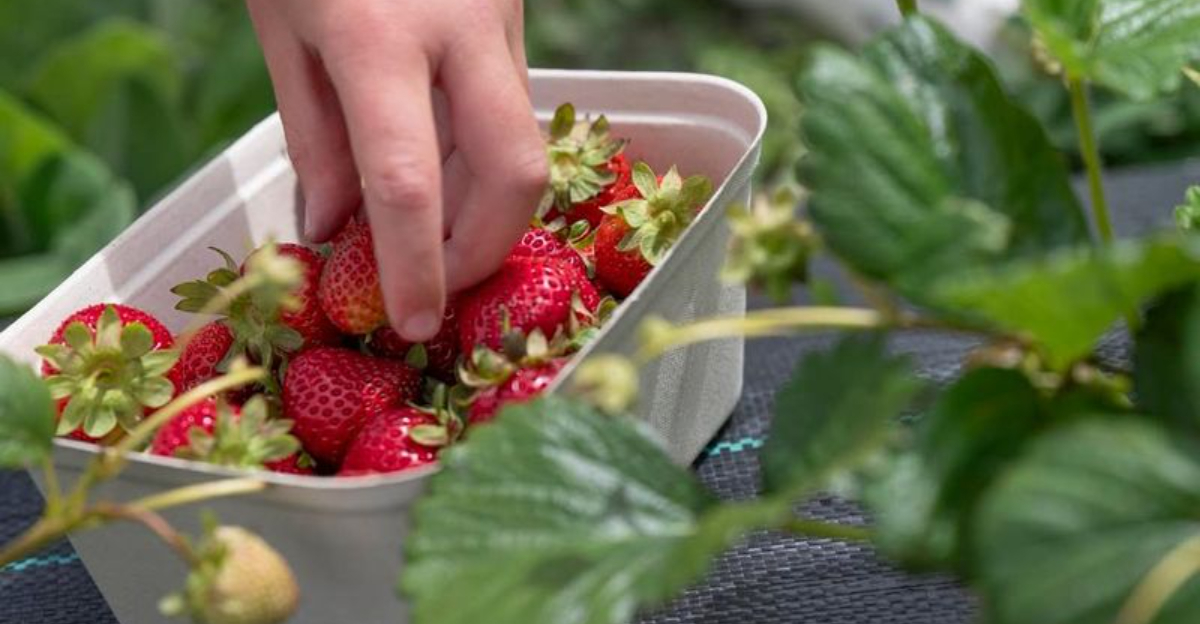
Strawberries are sweet, juicy, and irresistible, but growing a bountiful crop can feel tricky, especially in small spaces. North Carolina gardeners are turning to containers to grow strawberries successfully, achieving impressive yields without a traditional garden bed.
Who says you need a backyard to enjoy a summer strawberry harvest? Using containers allows for better soil control, drainage, and sunlight management, all of which are crucial for healthy, productive strawberry plants.
From selecting the right variety to proper watering, fertilizing, and pruning, these strategies maximize fruit size and quantity.
Even apartment balconies or small patios can yield dozens of delicious strawberries with the right care. Container gardening turns limited space into a berry-producing paradise!
For North Carolina gardeners, this approach means fresh, homegrown fruit is accessible year after year, without the hassle of soil pests or weedy beds. With simple techniques, you can enjoy sweet strawberries right at your doorstep.
Small space, big harvest, your container strawberries can thrive!
Choose Heat-Tolerant Strawberry Varieties
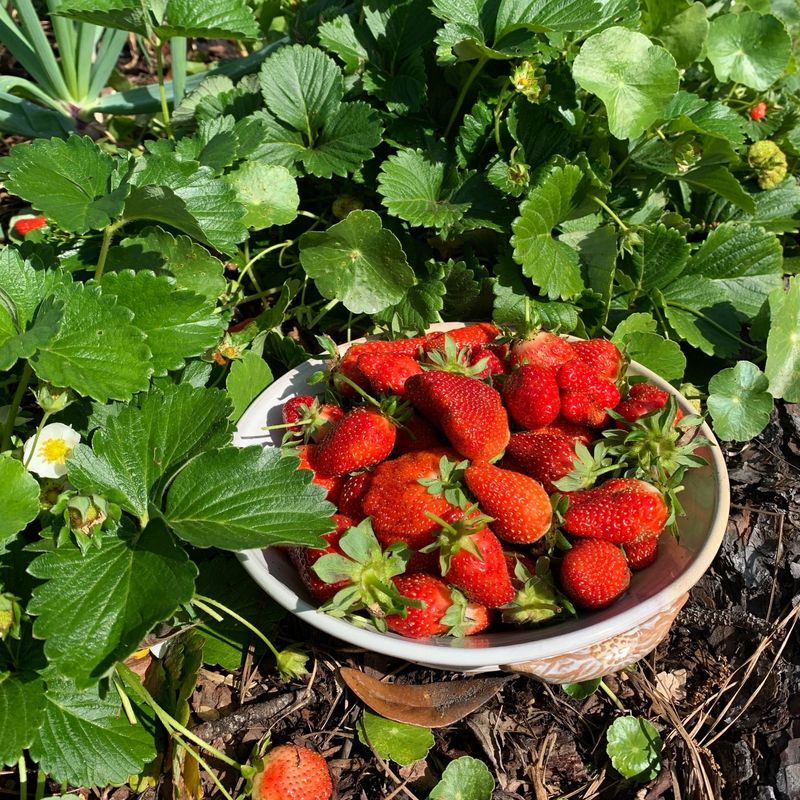
North Carolina summers can get steamy, and not every strawberry variety thrives when temperatures climb. Day-neutral and everbearing types handle the heat far better than June-bearing strawberries, which prefer cooler climates and shorter growing windows.
Varieties like Seascape, Albion, and Tristar keep producing sweet berries even when the mercury rises, making them perfect for container gardens across the state.
June-bearing strawberries produce one big flush of fruit in late spring, then take a break for the rest of the year. In containers, that single harvest often disappoints because plants have limited root space and nutrients.
Day-neutral varieties, on the other hand, flower and fruit continuously from spring through fall as long as temperatures stay between 35 and 85 degrees Fahrenheit.
Everbearing strawberries offer two main harvest periods, one in spring and another in fall, with lighter production in between. Both everbearing and day-neutral types adapt well to North Carolina’s long, warm growing season, giving you multiple chances to enjoy fresh berries.
When you pick varieties bred for heat tolerance, your container plants stay productive instead of shutting down during summer stress.
Local nurseries and garden centers often stock varieties proven to perform well in your region.
Ask for recommendations tailored to your specific area, whether you garden in the Piedmont, coastal plains, or mountain foothills, to ensure your strawberry pots deliver abundant, flavorful fruit all season long.
Use Wide, Shallow Containers Instead Of Deep Pots
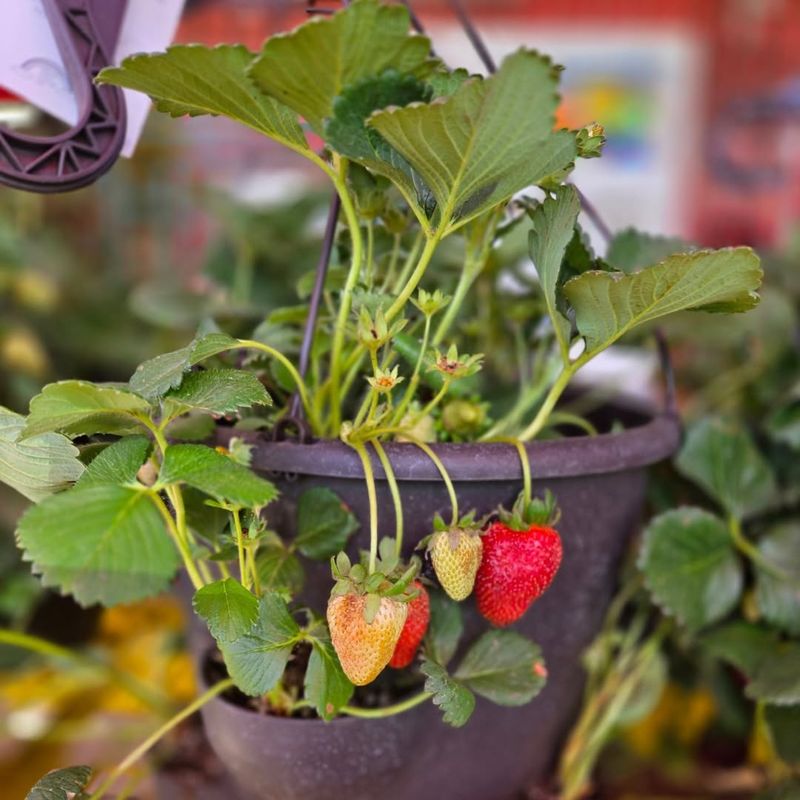
Strawberry roots spread horizontally rather than diving deep into the soil, so choosing the right container shape makes a huge difference in plant health and berry production.
Wide, shallow pots give roots plenty of room to expand outward, which helps plants access more nutrients and moisture.
A container that measures at least 12 inches wide and 8 to 10 inches deep provides the ideal growing environment for strawberries.
Deep pots might seem like they offer more space, but strawberry roots rarely reach the bottom layers. That unused soil stays waterlogged and oxygen-poor, creating perfect conditions for root rot and fungal problems.
North Carolina’s humid summers already challenge container plants, so avoiding soggy soil becomes even more important in this climate.
Shallow containers also warm up faster in spring, giving your strawberry plants an earlier start to the growing season. The increased surface area allows better airflow around the root zone, which reduces moisture buildup and keeps roots healthy.
Many gardeners find that strawberry planters with multiple pockets or tiers work beautifully because they maximize horizontal growing space without taking up too much room on a patio or balcony.
When shopping for containers, look for options with multiple drainage holes spread across the bottom. Proper drainage combined with the right container shape sets the foundation for vigorous growth and heavy fruiting throughout the season.
Start With Healthy Transplants, Not Seeds
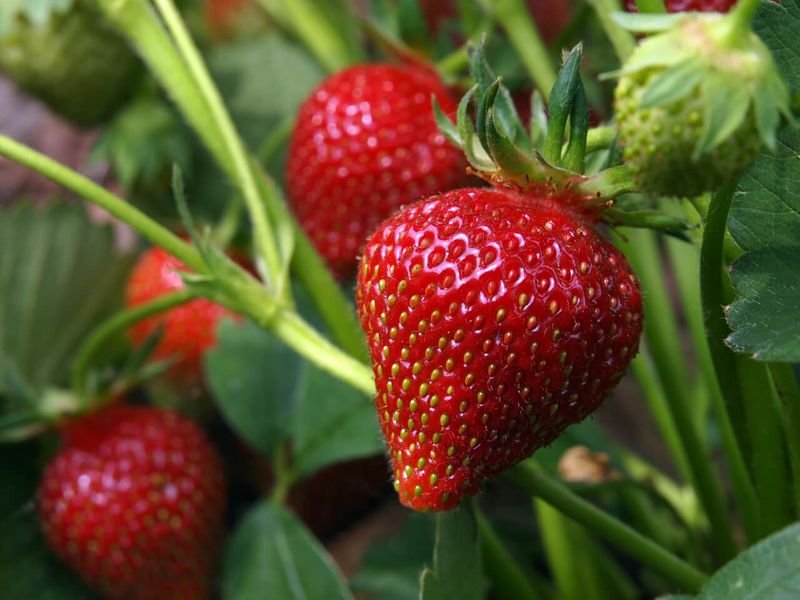
Starting strawberries from seed sounds appealing, but it adds months to your timeline and rarely delivers the same results as transplants.
Healthy starter plants from a nursery or garden center already have established root systems, which means they begin producing fruit within weeks instead of waiting an entire year.
Container gardeners who want quick, abundant harvests always choose transplants over seeds.
Strawberry seeds also have low germination rates and require very specific conditions to sprout successfully. Even when seeds do germinate, the resulting plants often show genetic variation that leads to unpredictable fruit quality and size.
Transplants, especially those labeled as certified disease-free, give you a head start with plants bred for consistent performance and heavy yields.
When selecting transplants, look for specimens with vibrant green leaves, thick crowns, and white, healthy roots. Avoid plants with yellowing foliage, brown spots, or roots that appear slimy or discolored, as these issues signal disease or poor growing conditions.
Bare-root transplants work just as well as potted ones and often cost less, making them a budget-friendly option for filling multiple containers.
Timing matters too, plant your transplants in early spring after the last frost date for your North Carolina zone, typically between late March and mid-April.
This schedule gives plants time to establish before summer heat arrives, setting the stage for a productive berry season.
Use Light, Well-Draining Potting Mix
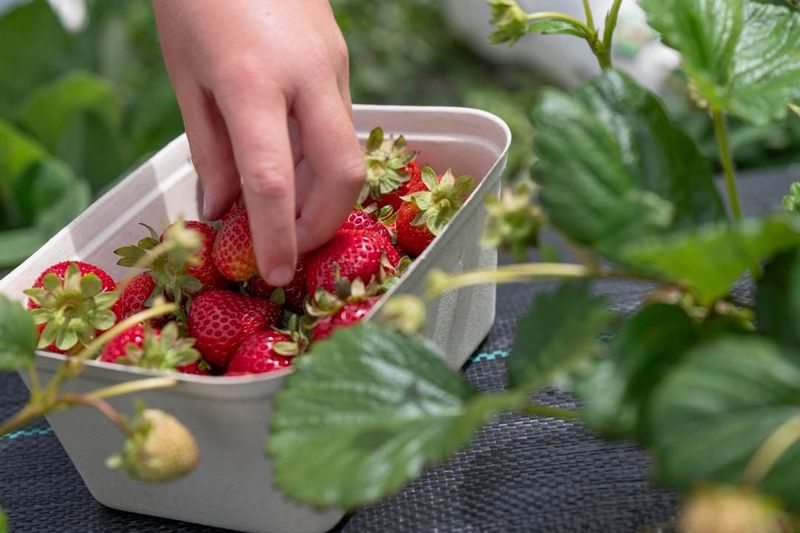
Garden soil might work fine in the ground, but it becomes too dense and heavy for container strawberries.
A light, well-draining potting mix keeps roots healthy by balancing moisture retention with proper drainage, which prevents waterlogged conditions that lead to root rot.
North Carolina’s humid climate makes fast-draining soil even more critical for container success.
Quality potting mixes designed for containers typically contain peat moss or coco coir, perlite or vermiculite, and compost or aged bark.
These ingredients create air pockets that allow oxygen to reach roots while still holding enough moisture to keep plants hydrated between waterings.
Strawberries thrive in slightly acidic soil with a pH between 5.5 and 6.5, so look for mixes labeled for acid-loving plants or add sulfur if needed.
Avoid using heavy topsoil or potting mixes with water-retaining crystals, which can keep containers too wet during rainy periods.
Excess moisture encourages fungal diseases and stunts root development, leading to smaller plants and disappointing harvests. Mixing in extra perlite or coarse sand improves drainage if your potting mix feels too dense or clumpy.
Refresh your potting mix each season by replacing the top few inches or starting with completely new soil. Strawberries deplete nutrients quickly, and old mix can harbor pathogens that affect plant health and fruit production year after year.
Place Containers Where They Get Morning Sun
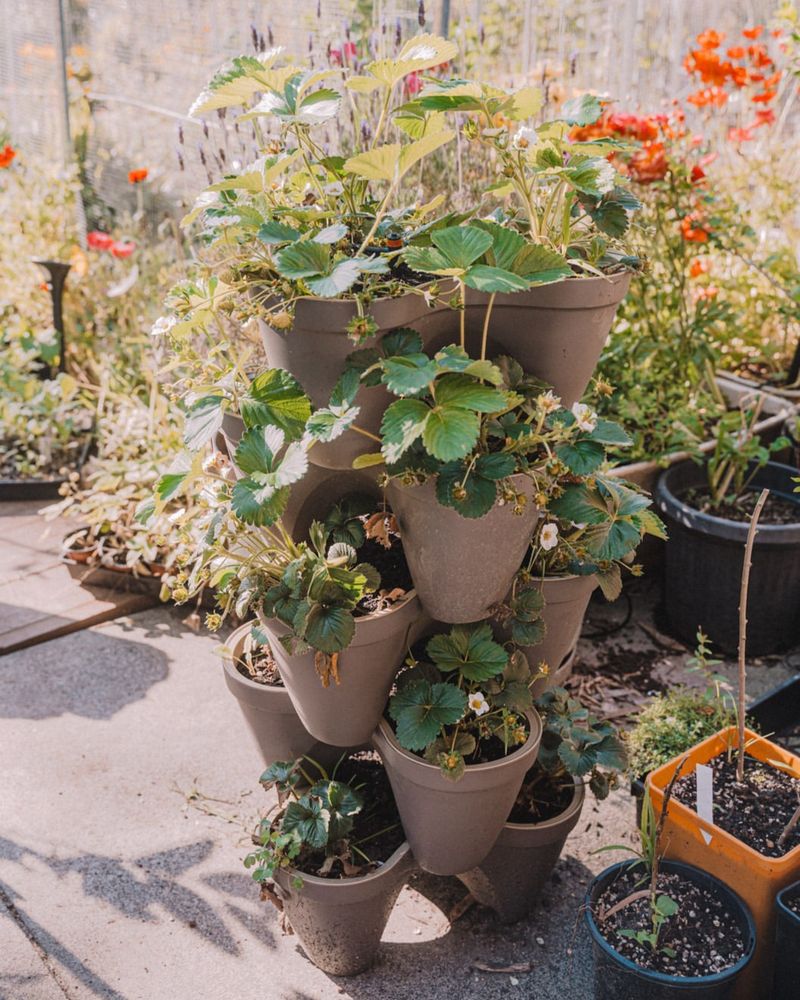
Strawberries love sunshine, but too much afternoon heat can stress plants and reduce berry production.
Morning sun provides the bright light strawberries need for photosynthesis and flowering while giving plants a break from the intense heat that builds up later in the day.
Positioning your containers to receive six hours of morning sun followed by afternoon shade creates the perfect balance for North Carolina gardens.
Morning light helps dry dew from leaves and fruit, which reduces the risk of fungal diseases that thrive in humid conditions. Clean, dry foliage stays healthier throughout the growing season, leading to more vigorous plants and better yields.
Afternoon shade protects delicate flowers and developing berries from scorching temperatures that can cause blossom drop or sunburned fruit.
East-facing patios, balconies, or porches make ideal spots for strawberry containers because they naturally follow this sun pattern.
If your only outdoor space receives full sun all day, consider using shade cloth or positioning pots near taller plants that cast light shade during the hottest afternoon hours.
Portable containers give you the flexibility to move plants as the sun shifts with the seasons, optimizing light exposure year-round.
Monitor your plants for signs of too much or too little light, leggy growth with few flowers indicates insufficient sun, while crispy leaf edges or bleached berries signal excessive heat exposure.
Water Consistently Without Letting Pots Stay Soggy
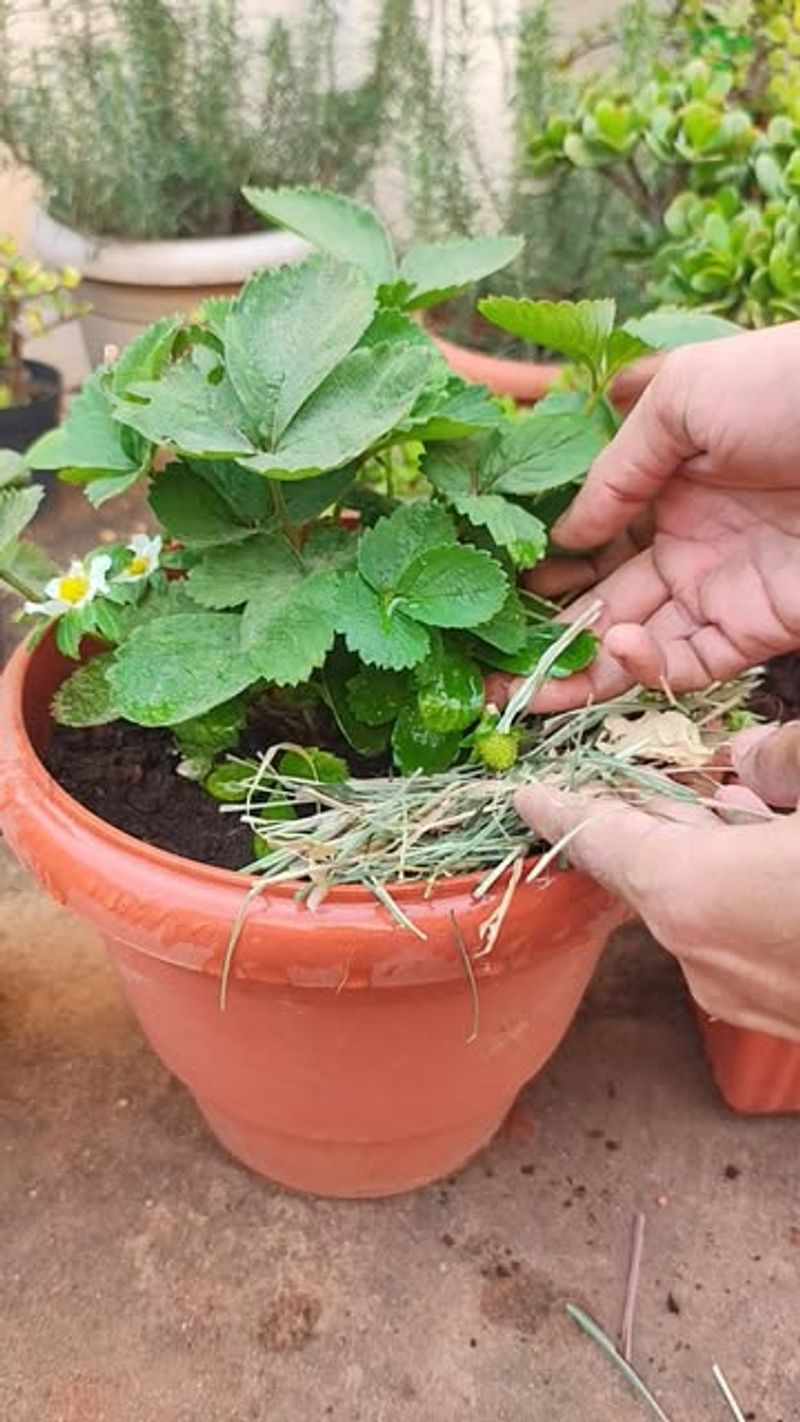
Strawberries need steady moisture to develop plump, juicy berries, but overwatering causes more problems than underwatering in container gardens.
Inconsistent watering leads to small, misshapen fruit with poor flavor because plants struggle to transport nutrients properly when soil moisture fluctuates wildly.
Finding the right balance keeps your strawberries happy and productive throughout the growing season.
Check soil moisture daily by sticking your finger about an inch deep into the potting mix. Water thoroughly when the top inch feels dry, allowing excess water to drain freely from the bottom of the container.
During hot North Carolina summers, containers may need watering twice daily, especially for smaller pots that dry out quickly in the heat.
Soggy soil suffocates roots and creates an environment where harmful fungi and bacteria thrive. Always ensure your containers have adequate drainage holes and never let pots sit in standing water for extended periods.
Elevating containers on pot feet or bricks improves airflow underneath and prevents water from pooling beneath the pot.
Mulching the soil surface with straw or shredded leaves helps retain moisture between waterings while keeping berries clean and off the soil.
Drip irrigation or soaker hoses make consistent watering easier, especially if you have multiple containers or travel frequently during the growing season.
Feed Lightly But Regularly During The Growing Season

Container strawberries deplete nutrients quickly because they have limited soil volume compared to garden-grown plants.
Regular feeding supports continuous flowering and fruit production without overwhelming plants with excessive fertilizer that can burn roots or produce lots of leaves but few berries.
Light, frequent applications of balanced fertilizer keep plants healthy and productive from spring through fall.
Start fertilizing about two weeks after planting transplants, once roots have established and plants show new growth. Use a balanced, water-soluble fertilizer diluted to half strength every two weeks throughout the growing season.
Organic options like fish emulsion or liquid seaweed work beautifully and add beneficial micronutrients that improve overall plant health and berry flavor.
Avoid high-nitrogen fertilizers that encourage lush foliage at the expense of flowers and fruit. Strawberries perform best with balanced ratios like 10-10-10 or formulas slightly higher in phosphorus, which promotes blooming and fruit development.
Too much nitrogen also makes plants more susceptible to diseases and reduces the sweetness of berries.
Stop fertilizing about a month before your first expected frost date to allow plants to naturally slow their growth and prepare for dormancy.
Container strawberries grown year-round in mild North Carolina zones can continue receiving light feeding through winter, but reduce frequency to once monthly during cooler months when growth slows significantly.
Pinch Early Flowers To Build Stronger Plants

Watching your first strawberry flowers appear feels exciting, but removing those early blooms actually leads to bigger harvests later in the season.
Pinching off flowers during the first few weeks after planting redirects plant energy toward developing strong roots and healthy foliage instead of premature fruit production.
Stronger plants produce more flowers and larger berries once they reach full maturity. Young transplants need time to establish extensive root systems before supporting the energy demands of fruiting.
Allowing early flowering forces plants to split their resources between root development and berry production, resulting in weak plants that struggle throughout the season.
Removing blooms for the first four to six weeks gives roots time to spread through the container and build the foundation for heavy yields.
Simply pinch or snip off flower clusters as they appear during this establishment period. The process feels counterintuitive, but gardeners who follow this practice consistently report larger overall harvests and healthier plants that produce fruit well into fall.
Once the establishment period ends, let all subsequent flowers develop normally into berries.
Everbearing and day-neutral varieties especially benefit from this technique because they produce flowers continuously throughout the season. Sacrificing early blooms pays off with robust plants that pump out berries for months instead of exhausting themselves with premature fruiting.
Control Runners To Focus Energy On Fruit

Strawberry plants naturally send out runners, long stems that produce baby plants at their tips, as a way to spread and colonize new territory.
In garden beds, runners create nice strawberry patches, but in containers, they drain energy away from fruit production and quickly crowd the limited space.
Removing runners as they appear keeps plants focused on making big, delicious berries instead of producing offspring. Each runner a plant produces requires significant energy and nutrients that could otherwise support flower and fruit development.
Container-grown strawberries have less soil volume and fewer resources than garden plants, making runner control even more important for maximizing yields.
Snipping runners off at the base as soon as you spot them redirects all that plant energy back into producing larger, sweeter berries.
Some gardeners like to root a few runners in separate small pots to create new plants for the following season. This approach works well if you want to expand your strawberry collection without buying new transplants.
Simply pin a runner into a pot of moist potting mix and let it develop roots before severing it from the mother plant.
Check your containers weekly during peak growing season since runners can appear quickly and multiply rapidly. Staying on top of runner removal makes a noticeable difference in berry size and overall harvest weight by the end of the season.
Rotate Containers To Improve Airflow And Pollination
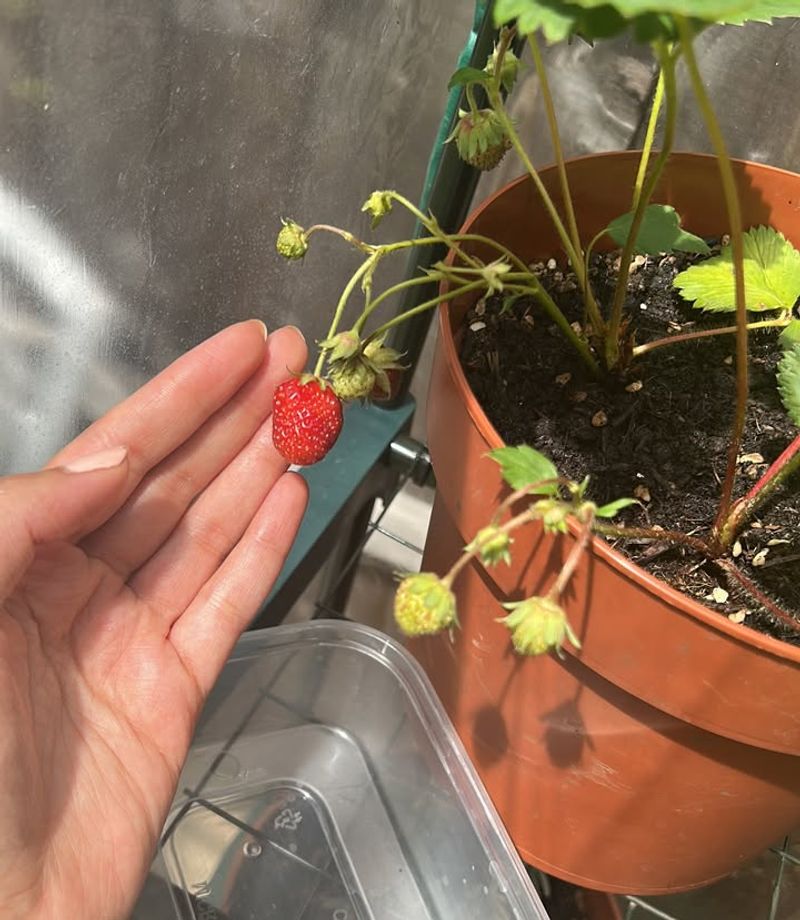
Strawberry containers often sit in the same spot all season, but rotating them regularly brings surprising benefits for plant health and fruit production.
Moving pots around improves air circulation, which reduces humidity buildup and lowers the risk of fungal diseases that plague strawberries in North Carolina’s muggy climate.
Better airflow also helps flowers dry quickly after rain or morning dew, keeping blooms healthy and receptive to pollination.
Rotating containers ensures all sides of your plants receive equal light exposure, promoting balanced growth and preventing lopsided plants that lean toward the sun.
Even growth means more uniform flowering and fruiting across the entire plant rather than concentrated on one sunny side.
Turning pots a quarter turn every few days creates symmetrical, bushy plants that produce berries all around instead of just on the brightest side.
Improved pollination represents another major advantage of container rotation. Moving plants to different locations exposes flowers to varied pollinator traffic patterns, increasing the chances that bees, butterflies, and other beneficial insects will visit your blooms.
Better pollination leads to larger, more perfectly shaped berries with full seed development, which translates to superior flavor and texture.
Consider grouping containers together, then rearranging their positions weekly to maximize these benefits. This simple practice takes just a few minutes but pays off with healthier plants, fewer disease problems, and noticeably better berry quality throughout the harvest season.