How North Carolina Gardeners Keep Their Hellebores Thriving All Winter Long
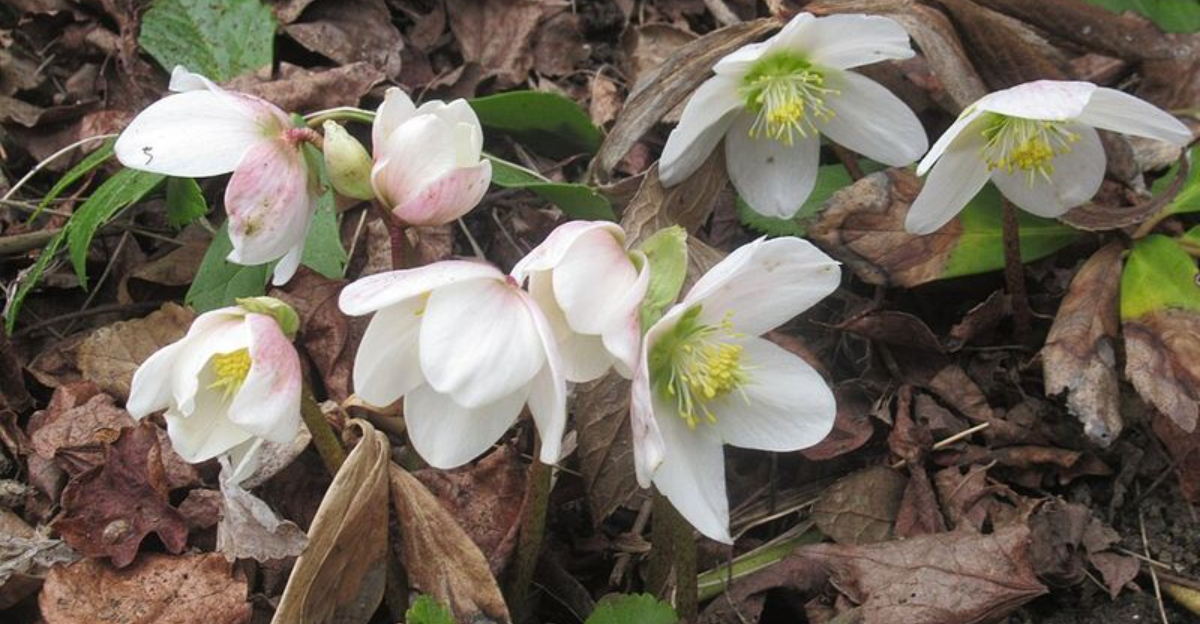
Hellebores are among the toughest winter bloomers you can grow in North Carolina gardens, offering beautiful flowers when most plants are taking a long nap.
These shade-loving perennials can handle cold temperatures and even bloom through frost, making them a favorite for gardeners who want color during the dreary months.
But keeping them healthy and thriving all winter long takes more than just planting them and hoping for the best.
With a few smart strategies, you can help your hellebores stay strong, resist pests, and put on a spectacular show from December through early spring.
Choose The Right Planting Spot For Maximum Success
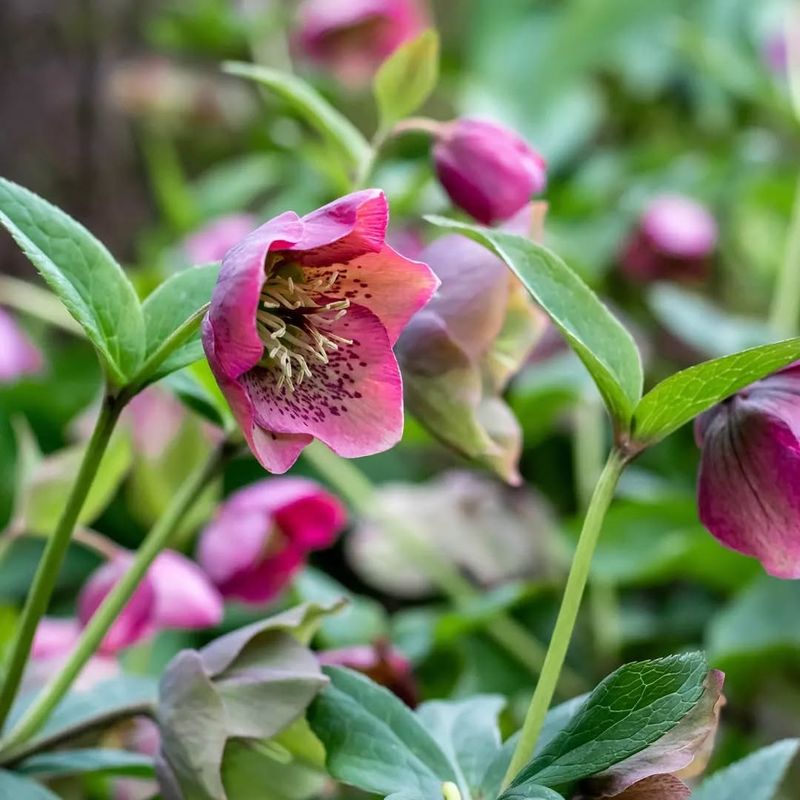
Location matters more than you might think when it comes to hellebores.
North Carolina gardeners know that finding a spot with partial to full shade gives these plants the best chance to flourish during winter months.
Morning sun with afternoon shade works beautifully, especially in the cooler piedmont and mountain regions.
Avoid placing hellebores in areas that receive harsh afternoon sun, as this can stress the plants even in winter.
The soil should drain well because soggy roots can cause problems no matter how cold it gets.
Many successful gardeners in North Carolina plant hellebores under deciduous trees where they get winter sun but summer shade.
Pay attention to wind exposure too.
Strong winter winds can damage the foliage and flowers, so a somewhat sheltered location works best.
If your garden has microclimates, choose the spot that stays a bit warmer and more protected.
Planting near a north-facing wall or fence can provide extra shelter.
Getting the location right from the start saves you trouble later and helps your hellebores thrive year after year.
Once established in the perfect spot, these plants become reliable winter bloomers that need very little fussing.
Mulch Generously To Protect Roots From Temperature Swings
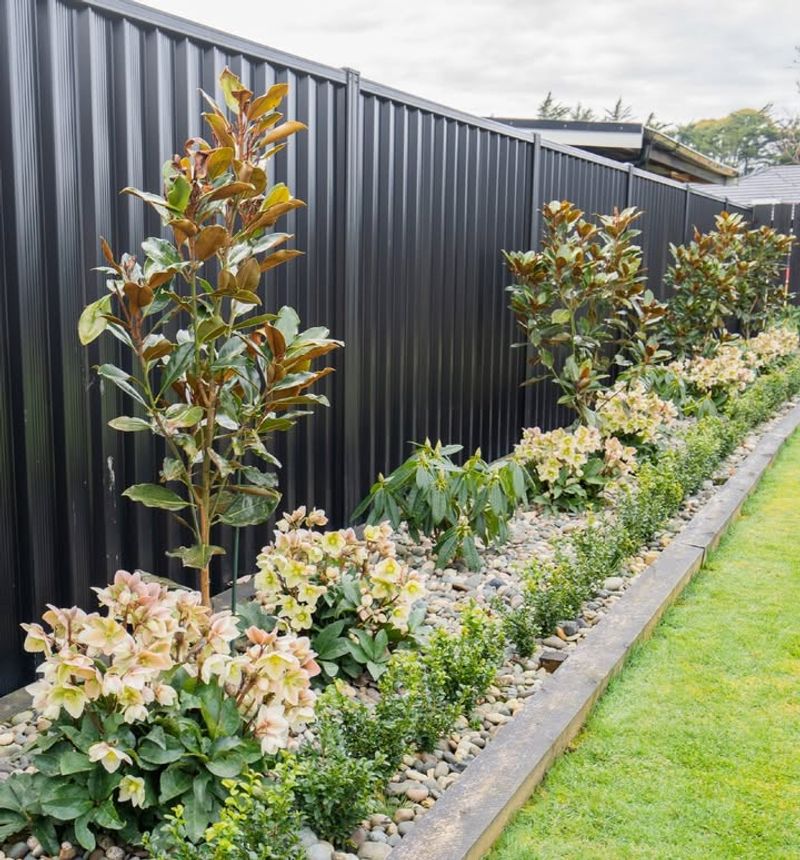
A thick blanket of mulch acts like a cozy winter coat for hellebore roots.
North Carolina winters can be unpredictable, with temperatures bouncing from mild to freezing and back again.
This constant change stresses plants more than steady cold would.
Apply two to three inches of organic mulch around your hellebores in late fall.
Shredded leaves, pine straw, or composted bark all work wonderfully.
The mulch layer keeps soil temperatures more stable, which helps roots stay healthy and active.
It also holds moisture in the ground, reducing the need for winter watering.
Make sure to keep mulch a few inches away from the plant crown to prevent rot.
As the mulch breaks down over time, it adds valuable nutrients to the soil.
Many North Carolina gardeners use pine straw because it is abundant, affordable, and looks neat in the garden.
Refresh the mulch layer each fall to maintain its protective benefits.
This simple step makes a huge difference in how well hellebores handle winter weather.
Properly mulched plants emerge from winter stronger and ready to bloom beautifully.
The investment of time and materials pays off with healthier, more vigorous plants.
Water Wisely Even During Cold Months
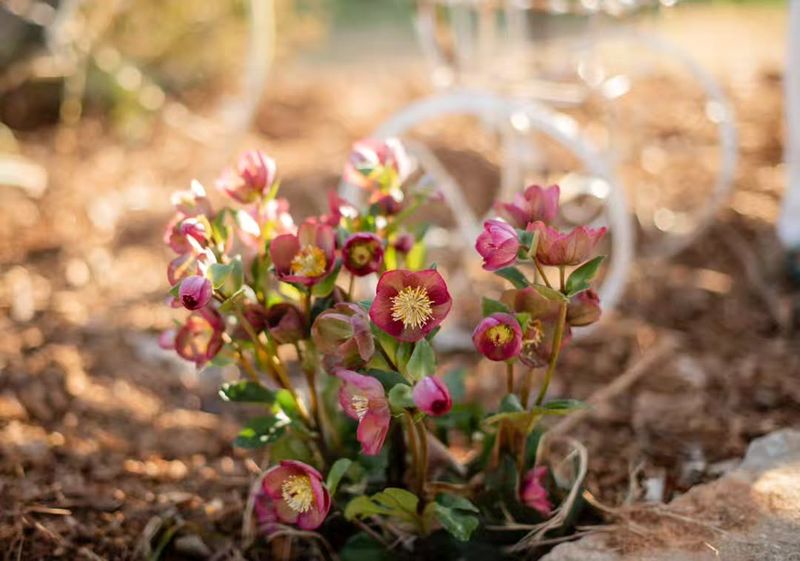
Many gardeners forget about watering once temperatures drop, but hellebores still need moisture during winter.
The plants keep growing and blooming, which requires water even when the air feels cold.
North Carolina winters often include dry spells that can stress plants if you are not paying attention.
Check the soil moisture every couple of weeks by sticking your finger about two inches down.
If it feels dry, give your hellebores a good drink.
Water in the morning when temperatures are above freezing so the moisture has time to soak in before nighttime cold arrives.
Avoid watering when a hard freeze is predicted within the next day.
Container-grown hellebores need more frequent watering than those planted in the ground.
Pots dry out faster, especially when placed on covered porches or under eaves where they miss natural rainfall.
Use lukewarm water rather than ice-cold water straight from the hose.
Proper winter watering keeps foliage crisp and flowers fresh looking.
Plants that get enough moisture can handle cold snaps better than those suffering from drought stress.
This careful attention to watering separates thriving hellebores from struggling ones in North Carolina gardens throughout the winter season.
Remove Damaged Foliage To Encourage Fresh Growth
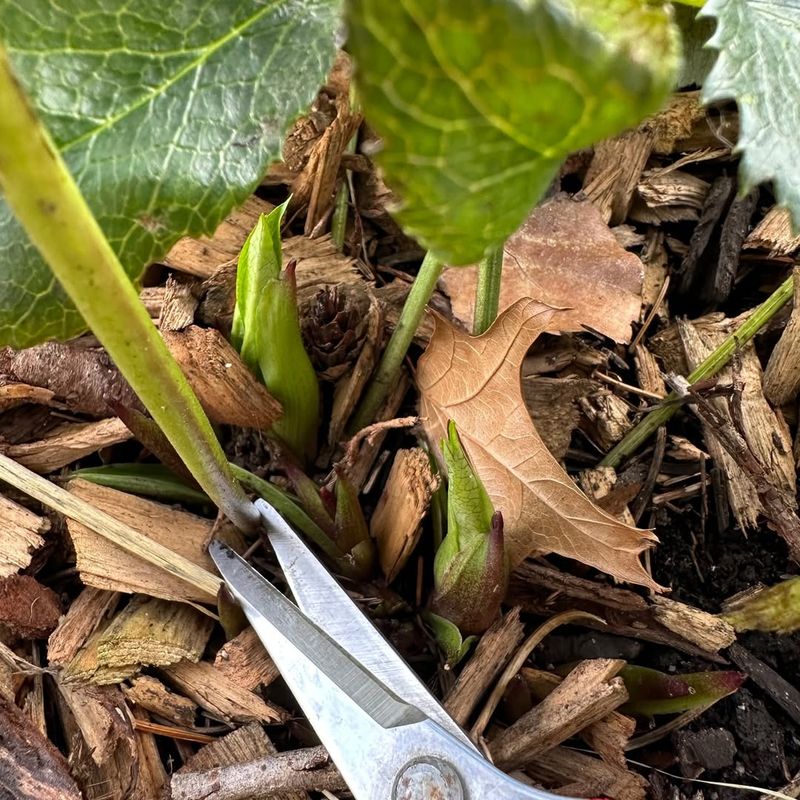
Old, tattered leaves can harbor diseases and pests that threaten your hellebores during winter.
North Carolina gardeners make it a habit to remove damaged foliage regularly throughout the cold months.
This practice keeps plants looking tidy and helps prevent problems before they start.
Use clean, sharp pruning shears to cut off leaves that look brown, spotted, or wilted.
Cut them all the way back to the base of the plant rather than leaving stubs.
This allows new, healthy foliage to emerge without competition from damaged growth.
Many hellebore varieties naturally shed their older leaves in winter as fresh ones appear.
Removing old foliage also makes the flowers more visible and attractive.
The blooms stand out beautifully when not hidden behind messy leaves.
Dispose of removed foliage in the trash rather than composting it if you notice any disease spots.
This prevents spreading problems to other plants.
Do this grooming work on a dry day when foliage is not wet from rain or dew.
Regular maintenance like this takes only a few minutes but makes a noticeable difference in plant health and appearance.
Your hellebores will reward this attention with stronger growth and more abundant flowering.
Feed With Compost For Steady Nutrition
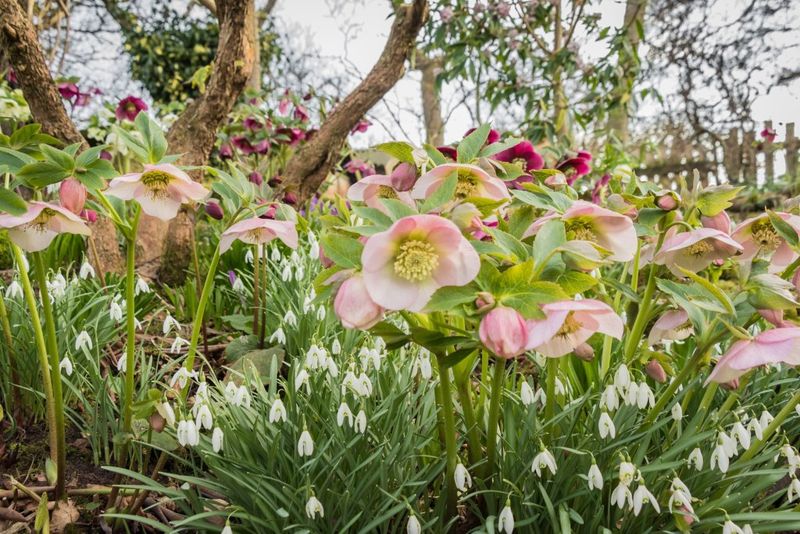
Hellebores appreciate a gentle feeding schedule that supports their winter blooming cycle.
Chemical fertilizers can be too harsh and promote weak, leggy growth that cannot handle cold weather well.
Compost provides a better option for North Carolina gardeners who want healthy, resilient plants.
Apply a one-inch layer of finished compost around your hellebores in early winter before the main blooming season begins.
Work it lightly into the top layer of soil without disturbing the roots.
The nutrients release slowly over time, feeding plants steadily throughout the winter months.
Compost also improves soil structure, helping with drainage and moisture retention.
Homemade compost works wonderfully if you have it, but bagged compost from garden centers is fine too.
Look for products that contain a mix of plant materials rather than just one ingredient.
Mushroom compost is particularly popular among North Carolina hellebore growers.
Avoid fresh manure, which can burn plants and introduce weed seeds.
This organic feeding approach creates strong root systems and vibrant blooms.
Plants fed with compost tend to have better disease resistance than those given synthetic fertilizers.
The natural nutrition supports the whole plant rather than just pushing fast foliage growth.
Protect From Harsh Winds With Strategic Barriers
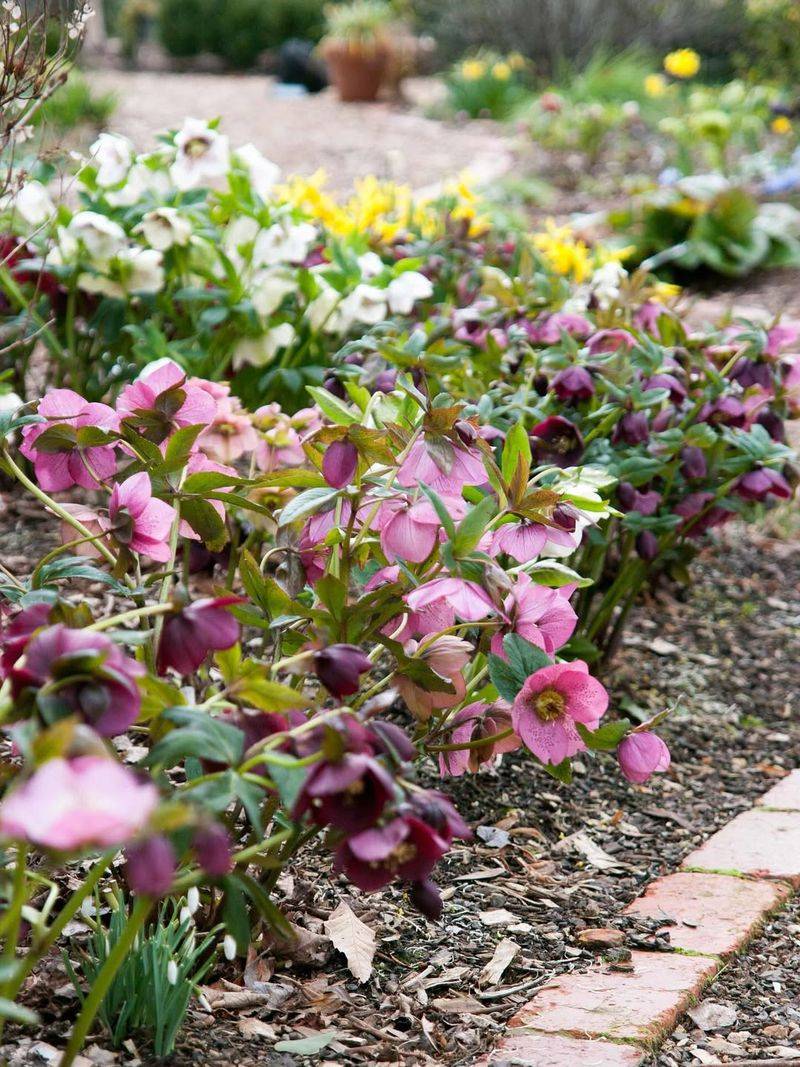
Winter winds can be surprisingly damaging to hellebore foliage and flowers.
The delicate blooms may shred or brown along the edges when exposed to constant gusts.
Smart North Carolina gardeners position their hellebores where natural or created barriers offer protection.
Existing structures like fences, walls, or large shrubs make excellent windbreaks.
Planting hellebores on the sheltered side of these features keeps them safe from the worst weather.
If your garden lacks natural protection, consider adding a temporary windbreak during the coldest months.
Burlap screens attached to stakes work well and look reasonably attractive.
Evergreen shrubs planted upwind from your hellebores provide year-round protection and look beautiful too.
Hollies, camellias, and rhododendrons all make good companion plants in North Carolina gardens.
The combination creates attractive layered plantings while keeping hellebores comfortable.
Even a row of tall ornamental grasses can deflect some wind.
Pay attention to prevailing wind direction in your area when planning your garden layout.
Coastal and mountain regions of North Carolina face different wind patterns than the piedmont.
Proper wind protection helps flowers last longer and keeps foliage looking fresh rather than battered.
This thoughtful planning makes winter gardening much more rewarding.
Watch For Pests That Stay Active In Winter
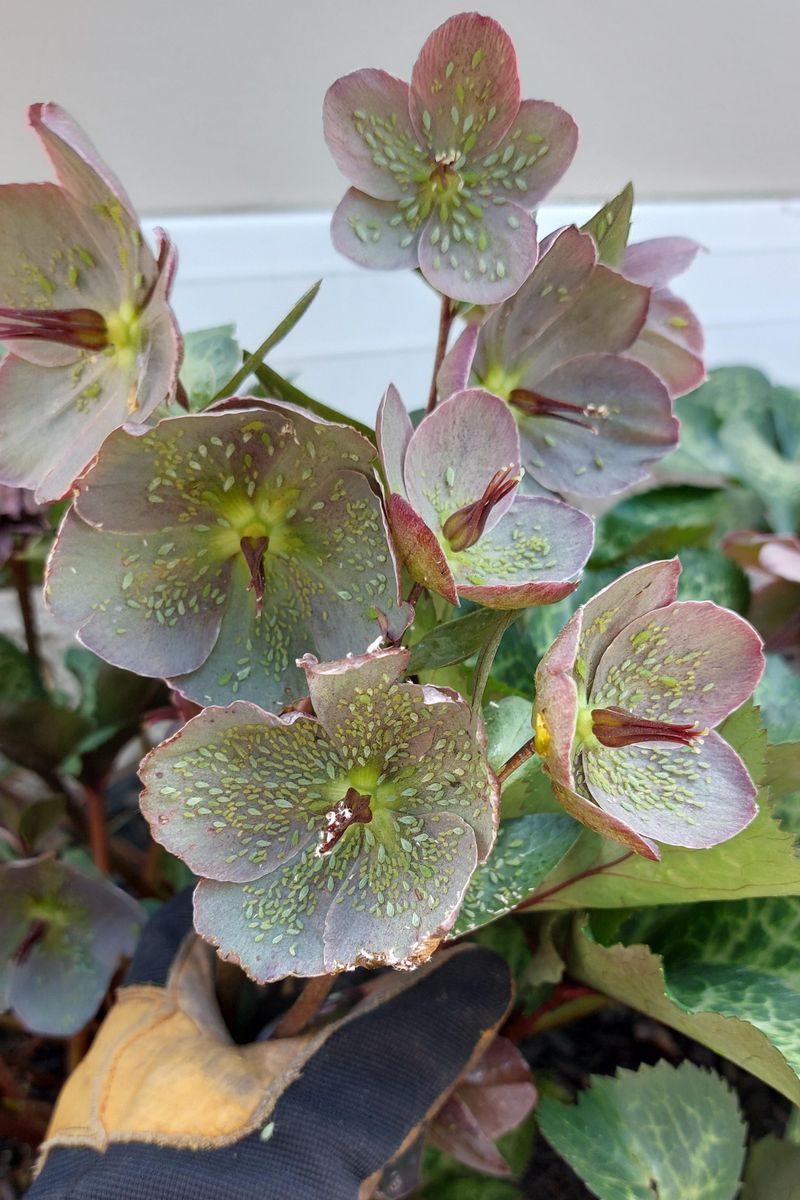
You might assume pests take a winter vacation, but several troublemakers remain active during cold months in North Carolina.
Aphids sometimes cluster on new hellebore growth, sucking sap and weakening plants.
Slugs also enjoy munching on tender foliage when temperatures stay mild.
Check your hellebores weekly for signs of pest activity.
Look under leaves and along stems where insects like to hide.
If you spot aphids, spray them off with a strong stream of water on a sunny morning.
For slugs, hand-picking works well, or you can set out shallow dishes of beer as traps.
Avoid using harsh chemical pesticides during winter because they can harm beneficial insects that help control pests naturally.
Many North Carolina gardeners prefer organic solutions like insecticidal soap or neem oil when problems arise.
These products work effectively without damaging the environment or harming pets and wildlife.
Good garden hygiene helps prevent pest problems too.
Remove fallen leaves and debris where slugs and other pests hide during the day.
Healthy, well-maintained hellebores resist pest damage better than stressed plants.
Catching problems early means you can address them before serious damage occurs.
Regular monitoring takes only a few minutes but protects your investment in beautiful winter blooms.
Divide Established Clumps For Better Vigor
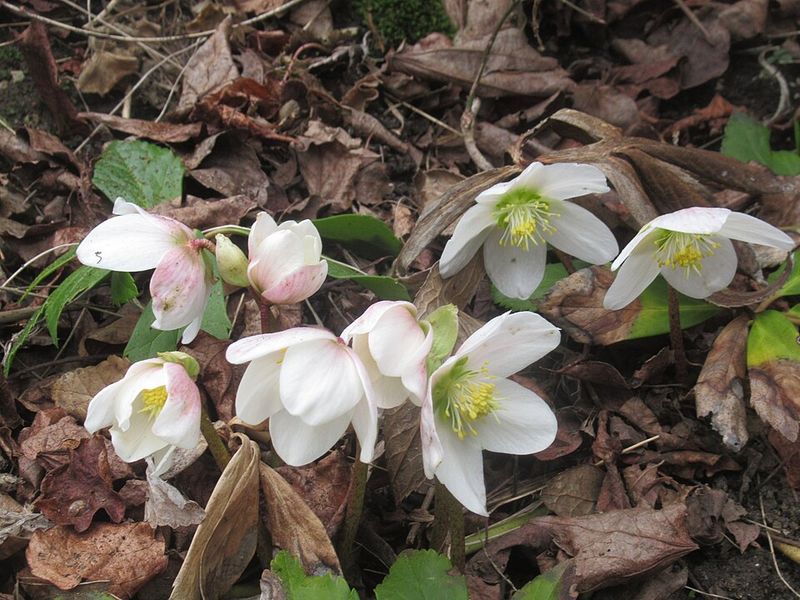
Hellebores can grow in the same spot for years, but eventually they benefit from division.
Overcrowded clumps produce fewer flowers and may develop weak growth in the center.
Late winter, right after blooming finishes, is the perfect time for this task in North Carolina gardens.
Carefully dig up the entire plant, trying to keep as much root mass intact as possible.
Use a sharp spade or garden fork to separate the clump into sections.
Each division should have at least three to five growth points and a healthy root system.
Replant the divisions immediately at the same depth they were growing before.
Water the newly divided plants thoroughly and keep the soil moist until they establish.
Most hellebores recover quickly from division and bloom well the following winter.
This process rejuvenates old plants and gives you extras to spread around your garden or share with friends.
Division also helps if you notice the center of a clump looking sparse or unhealthy.
Some North Carolina gardeners divide their hellebores every four to five years as routine maintenance.
The new plants often outperform the original within a couple of seasons.
This simple technique keeps your hellebore collection vigorous and productive for many years.
Plus, you get more plants without spending any money.
Select Cold-Hardy Varieties Suited to Your Region
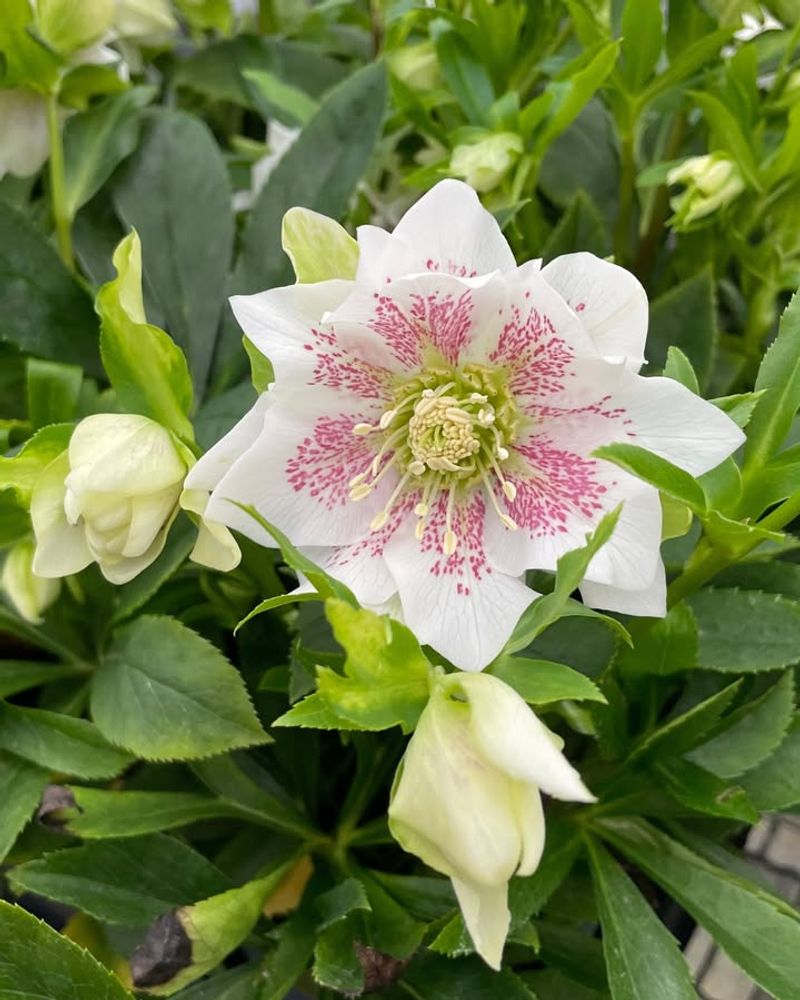
Not all hellebores perform equally well across North Carolina’s diverse climate zones.
The mountains experience much colder winters than the coastal plain, so choosing appropriate varieties matters.
Lenten rose types handle cold better than some of the more tender species.
Helleborus orientalis and its hybrids are the most reliable choices for North Carolina winters.
These tough plants tolerate temperatures well below freezing and bloom prolifically.
Helleborus niger, the Christmas rose, also performs well but can be pickier about soil conditions.
Check plant tags carefully when shopping to ensure varieties are rated for your hardiness zone.
Local nurseries often carry selections that perform best in your specific area.
Talking with other gardeners in your region provides valuable insights about which varieties thrive.
Some newer hybrids offer improved cold tolerance along with interesting flower colors and patterns.
Experimenting with different varieties helps you discover which ones work best in your particular garden conditions.
Mountain gardeners might succeed with varieties that struggle in warmer piedmont locations.
Coastal gardeners have the advantage of milder winters but need to ensure good drainage.
Matching the right plant to your location sets you up for success from the beginning.
Well-chosen varieties require less coddling and deliver better results year after year.
Improve Soil Drainage To Prevent Root Problems
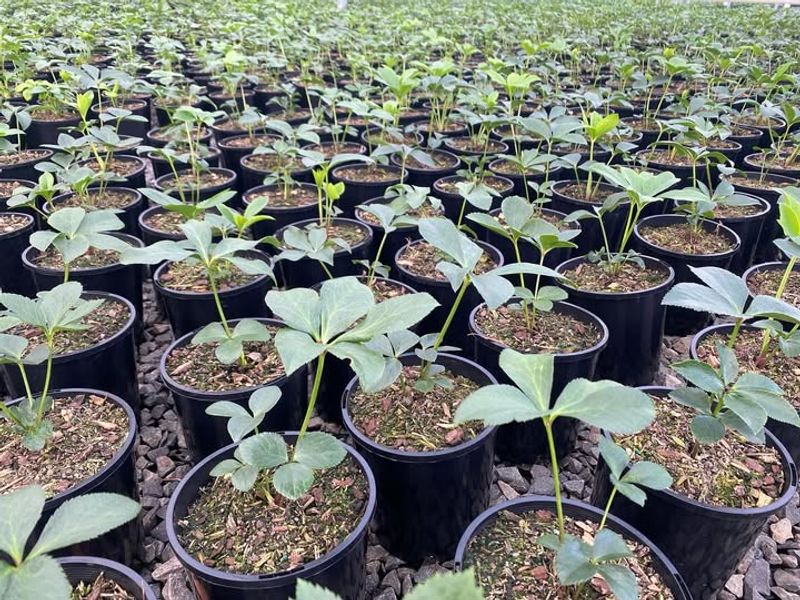
Soggy soil causes more hellebore failures than cold temperatures ever will in North Carolina gardens.
These plants need moisture but cannot tolerate sitting in waterlogged conditions.
Poor drainage leads to root rot and other fungal diseases that can seriously damage or destroy plants.
Before planting hellebores, test your soil drainage by digging a hole and filling it with water.
If the water drains away within a few hours, drainage is adequate.
If water sits for a day or more, you need to improve the soil.
Mix in generous amounts of compost, aged pine bark, or coarse sand to increase drainage.
Raised beds work wonderfully for hellebores in areas with heavy clay soil common across much of North Carolina.
Building beds six to eight inches high ensures roots stay above soggy conditions during wet winters.
Planting on slopes or slight mounds also helps water drain away from roots.
Some gardeners create drainage channels or install French drains in particularly wet areas.
Good drainage becomes even more important during winter when plants are less able to recover from root damage.
Taking time to prepare soil properly before planting saves headaches later.
Well-drained hellebores sail through winter weather that would trouble plants in poor soil.
This fundamental step cannot be skipped if you want truly thriving plants.