How North Carolina Gardeners Should Prepare Clay Soil Before Spring Planting
Clay soil can make gardening in North Carolina feel like a real challenge.
Across the Piedmont and into parts of the Coastal Plain, many gardeners deal with soil that holds water, compacts easily, and becomes tough to work when spring planting season arrives.
Digging in can feel slow and frustrating, especially after a rainy stretch. But clay soil is not all bad. In fact, it can be very rich in nutrients once it is managed the right way.
With a few smart improvements, that dense ground can turn into productive soil that supports strong plant growth throughout the season.
Many successful North Carolina gardens start in heavy clay. The key is preparing beds the right way before planting begins.
These practical steps can help loosen the soil, improve drainage, and create a much better growing environment for your plants.
1. Remove Winter Debris And Weeds

After a long winter, your garden beds can look like a real mess, and that mess actually matters more than you might think.
Fallen leaves, dead plant stems, and weeds left sitting on clay soil create the perfect hiding spot for fungal diseases and pests that love to overwinter.
Clearing all of that away is the very first step toward a healthy spring garden in North Carolina.
Start by raking out any matted leaves, pulling loose weeds by the root, and removing old plant debris from the previous season.
Clay soil stays wet longer than other soil types, so debris sitting on the surface traps even more moisture and slows down how quickly the ground warms up in spring. Warm soil is essential for seed germination and early root growth, so every little bit helps.
Weeds that survive winter in North Carolina, like chickweed and hairy bittercress, are already setting seeds by early February. Pulling them now stops that cycle before it spirals out of control.
Once the surface is clear, sunlight and fresh air can reach the soil directly, helping it dry out and warm up faster.
A clean garden bed also makes it much easier to see what you are working with when you move on to amending and improving your clay soil for spring planting.
2. Test Soil pH And Nutrients

Knowing what is actually in your soil before you start adding things to it is one of the smartest moves any North Carolina gardener can make.
Clay soils across the state tend to be naturally acidic, and many also run low on key nutrients like phosphorus and potassium.
Without a soil test, you are really just guessing, and that guesswork can cost you a whole growing season.
The good news is that North Carolina State University’s Cooperative Extension offers free soil testing from April 1st through November, making it incredibly easy to get accurate results.
You simply collect a small sample from your garden bed, send it in, and receive a detailed report that tells you the exact pH level along with nutrient recommendations.
Most vegetables and flowers prefer a pH somewhere between 6.0 and 6.8, so knowing where your soil stands is genuinely valuable information.
If your results show that the pH is too low, adding lime before spring planting can bring it up to the right range.
Nitrogen, phosphorus, and potassium levels also guide what type of fertilizer you should use. Acting on real data rather than assumptions means every amendment you add actually does something useful for your plants.
Soil testing is a small step that pays off in a big way when your spring garden starts thriving across your North Carolina yard.
3. Incorporate Organic Matter
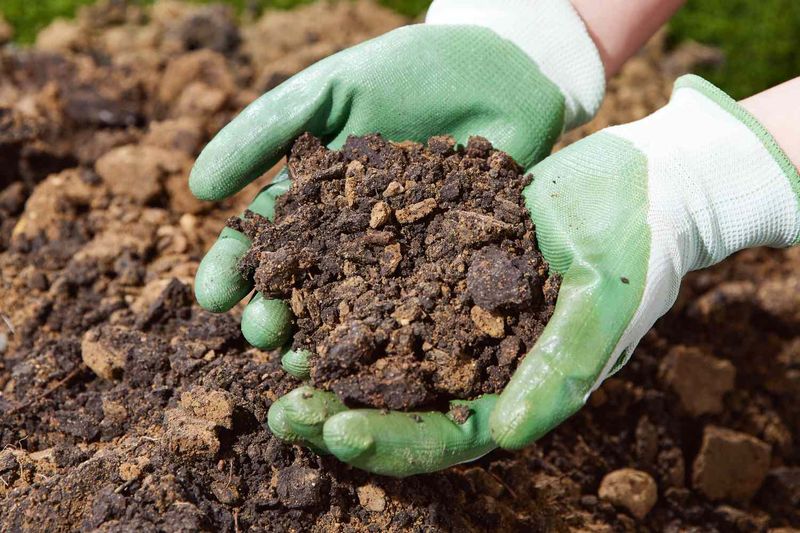
Clay soil has a reputation for being stubborn, and honestly, that reputation is earned. It sticks together, drains poorly, and can feel almost like concrete when it dries out in the summer heat.
The single best thing you can do for clay soil in North Carolina is to mix in generous amounts of organic matter, and the results are genuinely worth the effort. Compost is the most popular and effective choice for improving clay soil structure.
Mixing a 2 to 3 inch layer of finished compost into the top 6 to 8 inches of soil adds beneficial microbes, improves drainage, and helps the soil hold onto just the right amount of moisture without becoming waterlogged.
Well-rotted manure and leaf mold are also excellent options that many North Carolina gardeners swear by season after season.
Organic matter works by physically separating the tiny clay particles, creating small air pockets that roots can grow through more easily.
Over time, it also feeds the billions of soil organisms that naturally break down nutrients and make them available to your plants.
You will notice real improvement within a single growing season, and the soil keeps getting better each year you add more.
Consistent organic matter additions are the foundation of every thriving garden bed across North Carolina, no matter what you are growing this spring.
4. Avoid Working Soil When Wet

One of the biggest mistakes North Carolina gardeners make with clay soil is heading out to the garden too soon after a rain.
Clay soil and wet conditions are a terrible combination because the soil compacts under pressure, squeezing out the air pockets that plant roots desperately need.
Even walking across a wet clay bed can cause compaction that takes months to undo. A simple and reliable test can save you a lot of trouble. Grab a small handful of soil and squeeze it into a ball, then gently poke it with your finger.
If it crumbles apart easily, the soil is ready to work. If it stays in a dense, sticky clump, give it another day or two and try again before touching it with any tools.
Spring weather in North Carolina can be unpredictable, with rain showers rolling through frequently between February and April.
Patience during those wet stretches is genuinely one of the best gardening skills you can develop.
Working dry or slightly moist clay soil produces a much better result, with a crumbly, workable texture that is far easier to plant into.
Raised pathways and stepping stones between beds also help by giving you somewhere to stand without ever putting weight directly on the planting area.
Protecting your soil structure from the start makes every other preparation step work better and last longer through the growing season.
5. Use Raised Beds Or Mounds
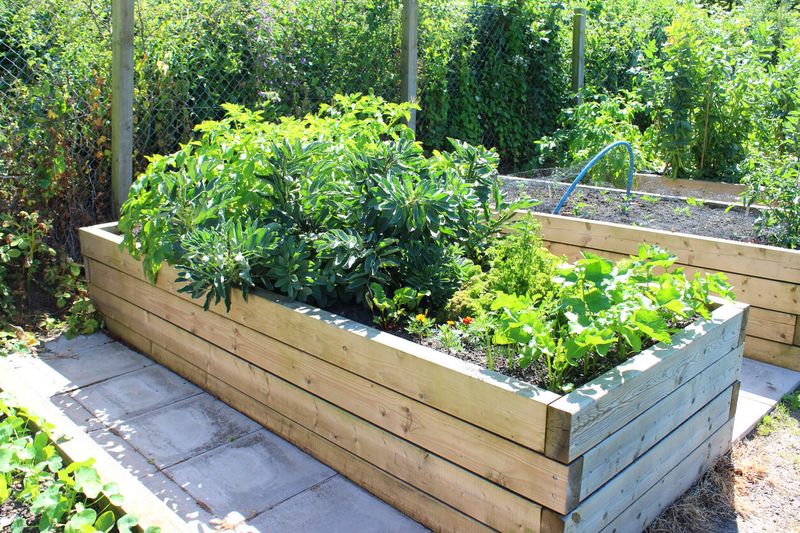
Sometimes the most practical solution to a tough clay soil problem is simply to build up instead of digging down.
Raised beds and planting mounds have become incredibly popular across North Carolina for exactly this reason, giving gardeners full control over the growing environment without fighting the native soil underneath.
They warm up faster in spring, drain better after heavy rain, and stay loose and workable throughout the season.
Building a raised bed does not have to be complicated or expensive. A simple frame made from untreated lumber, stone, or even straw bales works perfectly well.
Fill it with a mix of quality topsoil, compost, and aged manure, and you have an instant growing space that gives your spring vegetables and flowers a serious advantage.
For areas where full raised beds are not practical, shaping the soil into low mounds about 6 to 8 inches tall achieves a similar drainage benefit for individual plants or rows.
Root crops like carrots and radishes especially benefit from raised beds in heavy North Carolina clay because they need loose, deep soil to develop properly.
Strawberries, herbs, and leafy greens also thrive in the improved drainage and warmer soil temperatures that raised beds provide.
Starting with even one or two raised beds can transform how productive your spring garden feels, and most North Carolina gardeners who try them end up adding more each year without hesitation.
6. Loosen Soil With A Fork Or Broadfork

Clay soil in North Carolina can form a dense, almost impenetrable layer just a few inches below the surface, and plant roots simply cannot push through it without help.
A garden fork or broadfork is one of the most effective tools for breaking up that compaction without causing more harm than good.
Unlike rototillers, which can destroy soil structure when overused, a fork lets you loosen the ground gently and precisely.
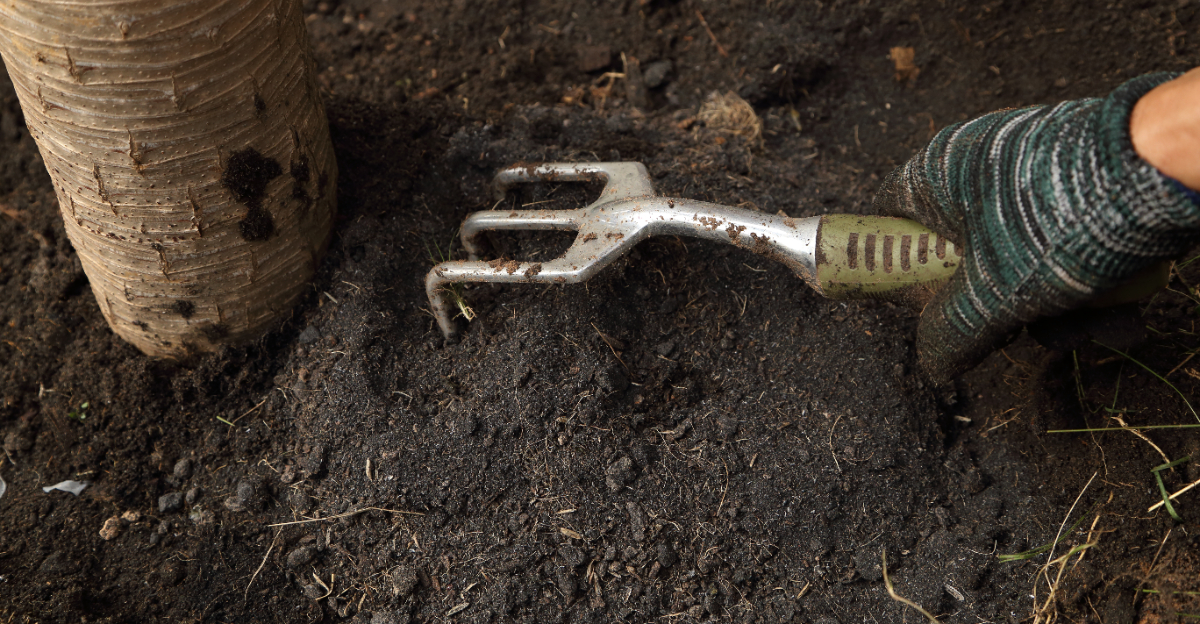
Push the tines of the fork straight down into the soil, rock it back slightly to lift and crack the clay, then pull it out and move a few inches over to repeat the process.
You are not trying to flip the soil completely, just open it up enough for air, water, and roots to move through more freely.
A broadfork covers more ground with each pass and is especially useful for larger garden beds where hand-forking every inch would take all day.
This kind of gentle aeration also helps water infiltrate the soil during spring rains instead of pooling on the surface, which is a common frustration for North Carolina gardeners dealing with clay.
Loosening the soil before you add compost or other amendments also means those materials get worked down into the root zone rather than just sitting on top.
A single thorough pass with a fork before spring planting can make a noticeable difference in how well your plants establish and grow through the season.
7. Add Sand Or Grit Carefully
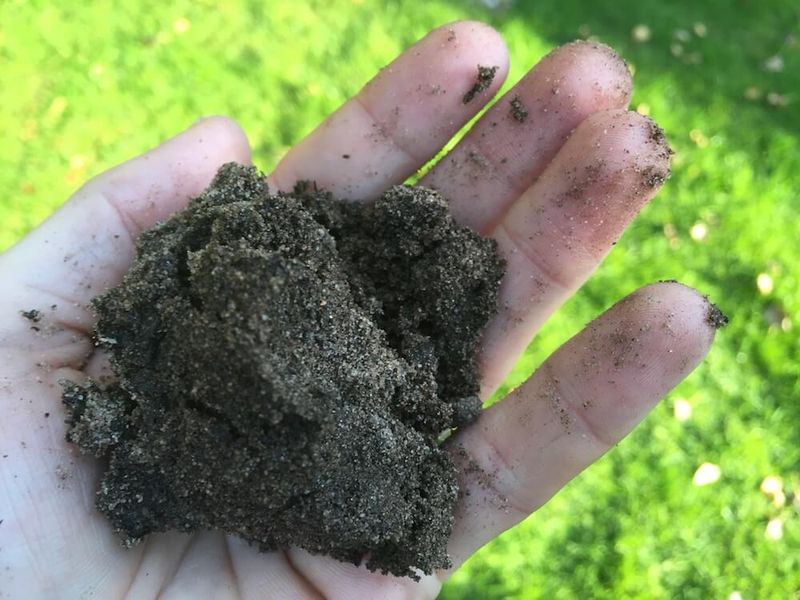
Adding sand to clay soil sounds like a logical fix, but there is a very important catch that North Carolina gardeners need to understand before reaching for a bag at the hardware store.
Mixing a small amount of fine sand into clay without also adding organic matter can actually make things worse, creating a dense, concrete-like texture that is harder to work with than the original clay.
The ratio and type of sand both matter enormously. Coarse horticultural sand or sharp grit is the right material to use, not fine playground or beach sand.
For the amendment to actually improve drainage and texture, you need to add a significant volume, typically enough to make up at least 30 percent of the total soil volume, and always combine it with generous amounts of compost at the same time.
This combination prevents the concrete effect and creates a genuinely improved growing medium that roots can navigate easily.
For most North Carolina home gardeners, focusing primarily on organic matter is actually more practical and effective than adding sand.
But if your clay is especially heavy and poorly draining, a carefully measured addition of coarse grit alongside compost can provide a real boost.
Start small, mix thoroughly, and assess how the soil texture changes before adding more. Slow and steady improvements to North Carolina clay soil tend to last much longer than any quick fix attempted in a single afternoon of enthusiastic digging.
8. Mulch After Planting
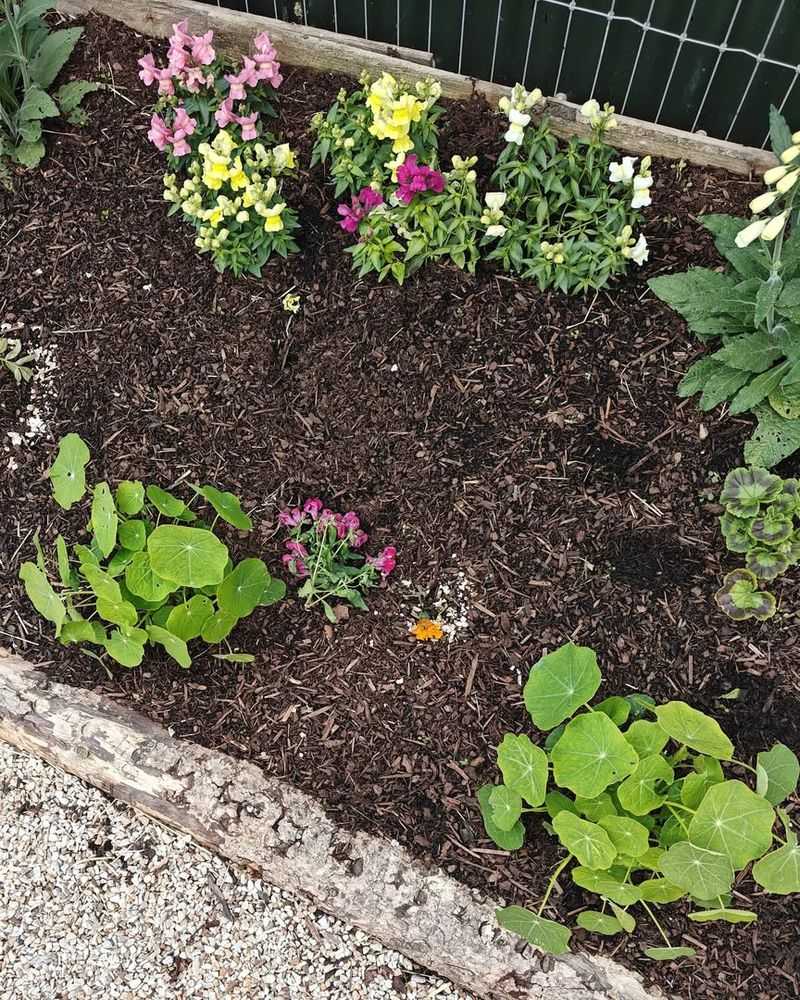
Finishing your spring garden preparation with a good layer of mulch is one of those steps that pays off in ways you will notice all season long.
Mulch acts like a protective blanket over your clay soil, shielding it from the impact of heavy spring rains that would otherwise cause the surface to crust over and compact.
That surface crust is a real problem in North Carolina gardens, making it harder for air and water to reach the roots below.
Aim for a 2 to 3 inch layer of organic mulch such as shredded leaves, pine bark, or wood chips spread across your garden beds after planting.
Keep the mulch pulled back slightly from the base of plant stems to allow for good air circulation and prevent moisture from building up right against the plant.
As the mulch breaks down over the season, it gradually feeds organic matter back into the clay soil below, slowly improving its structure over time.
Mulch also plays a huge role in keeping soil temperatures stable during those unpredictable North Carolina spring weeks when warm days and cool nights alternate without much warning.
Consistent soil temperature helps seeds germinate more evenly and gives transplants a better chance of settling in without stress.
Moisture retention is another bonus, meaning you will spend less time watering on those dry, breezy spring days.
Mulching is a small finishing touch that makes a genuinely big difference from the very first week of the growing season.