How North Carolina Homeowners Build Eye-Catching Photo Backdrops
North Carolina homeowners have a real talent for turning simple garden spots into backdrops that look like they were made for photos without even trying.
You see how a mix of color, texture, and clever placement can make an ordinary corner pop, and suddenly you’re imagining how your yard could pull off the same charm.
It’s the kind of idea that sticks with you fast, and you might catch yourself planning a little photo-ready moment the next time you’re out in the yard.
1. Install Classic White Picket Fencing
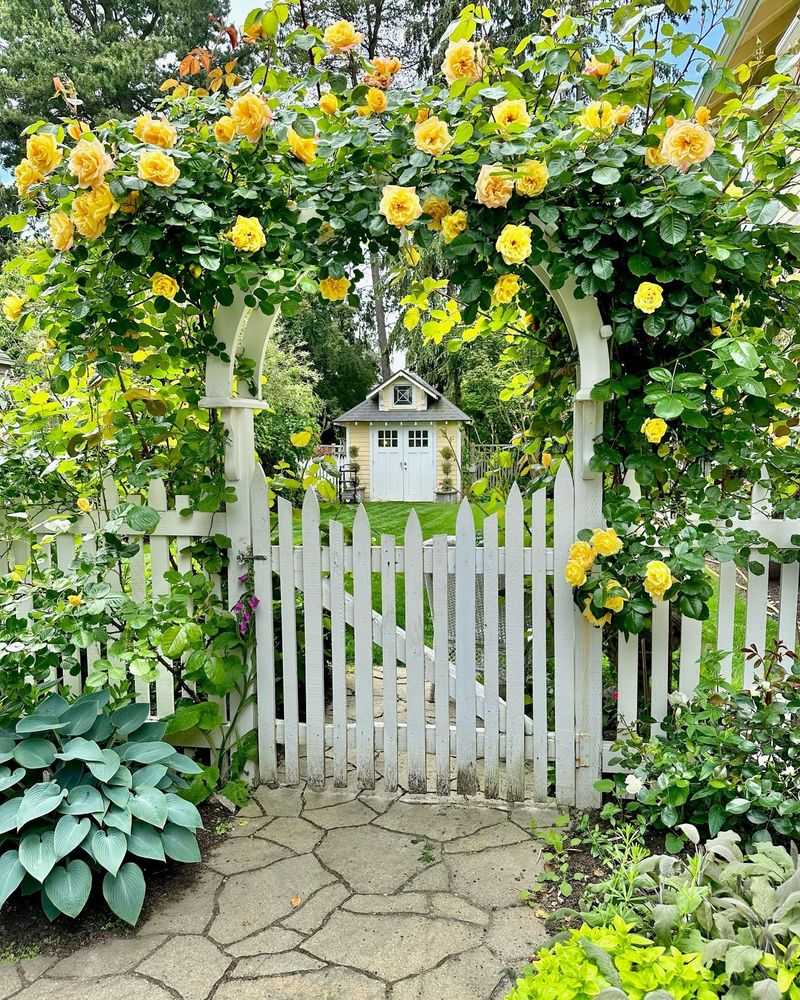
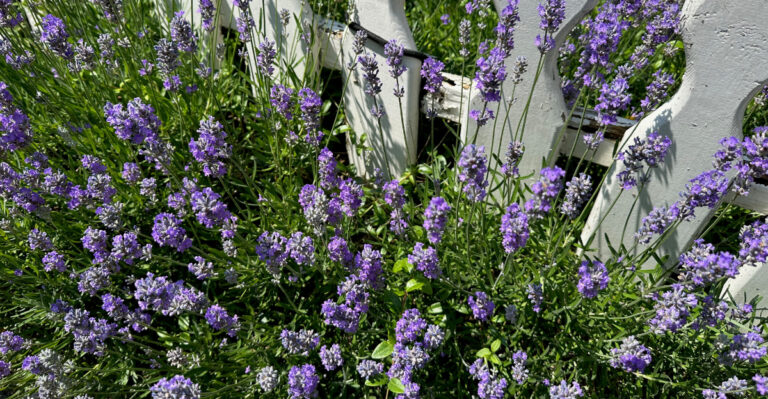
Crisp white fences create timeless charm that photographs beautifully against green lawns and colorful blooms throughout every season in North Carolina residential areas.
Homeowners paint wooden slats regularly to maintain brightness, ensuring each picture pops with contrast between the fence and surrounding plants in backyard settings.
Positioning flowers like roses or hydrangeas near fence lines adds layers of color that frame subjects perfectly during family portraits and celebration photography sessions.
The vertical lines guide viewers’ eyes naturally through images while providing structure that prevents busy garden backgrounds from overwhelming the main photo subject.
Many residents choose shorter fence sections instead of full perimeter installations, allowing flexibility in creating multiple backdrop zones across their outdoor living spaces.
Climbing vines weaving through pickets soften the look over time, blending manufactured elements seamlessly with organic growth patterns found in Southern landscape designs.
This approach works especially well in Charlotte and Raleigh neighborhoods where traditional aesthetics remain popular among families who value classic garden styling options.
Maintenance stays manageable with annual touch-ups, making white picket fencing a practical long-term investment for homeowners seeking reliable photo-ready backdrops year after year.
2. Build Rustic Arbors and Pergolas
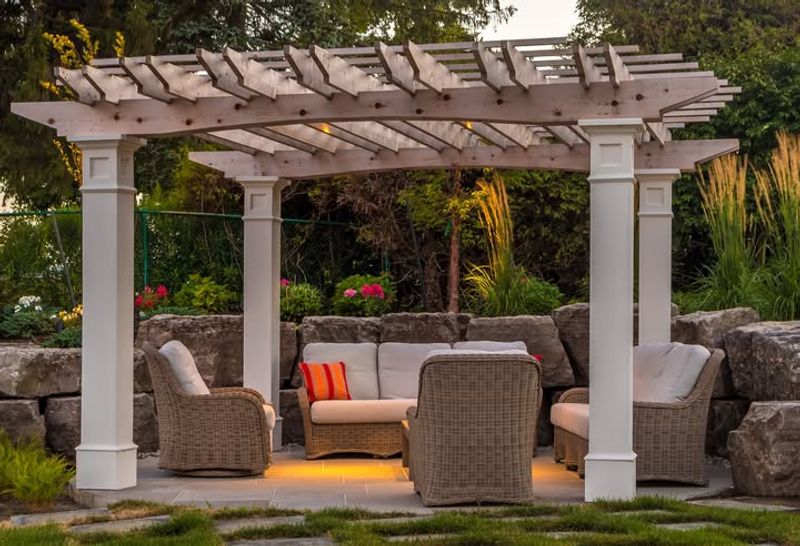
Wooden overhead structures add architectural interest that draws attention upward, creating dimensional depth that makes photographs feel more dynamic and professionally composed in gardens.
Cedar and treated pine remain popular material choices across North Carolina because they withstand humidity while developing attractive weathered patinas that enhance rustic appeal.
Climbing plants like clematis, wisteria, and jasmine transform bare frames into living canopies that provide dappled shade, perfect lighting conditions for flattering portrait photography.
Homeowners position these structures strategically to frame mountain views in Asheville or coastal landscapes near Wilmington, incorporating regional scenery into their backdrop designs naturally.
The vertical posts and horizontal beams create natural framing elements within photographs, directing focus toward subjects standing beneath while adding visual organization to compositions.
Staining wood in warm tones complements the earth-colored palette common in Southern gardens, ensuring structures blend harmoniously rather than appearing jarring or out of place.
String lights draped overhead extend usability into evening hours, enabling golden-hour photography sessions and twilight gatherings that require ambient illumination for beautiful image capture.
Installation typically takes one weekend for DIY enthusiasts, making arbors accessible projects that deliver immediate visual impact without requiring extensive construction experience or specialized tools.
3. Create Living Walls with Vertical Gardens
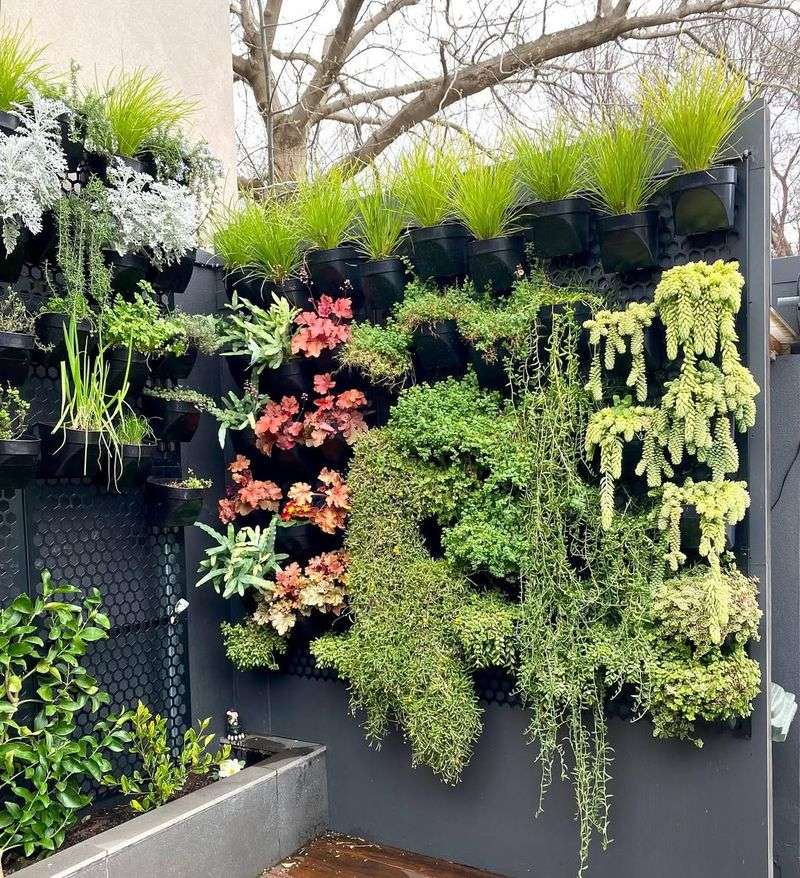
Vertical planters maximize limited space while producing lush green walls that photograph with stunning texture and vibrant color variations throughout growing seasons in Carolina climates.
Modular pocket systems attach to fences or freestanding frames, allowing homeowners to arrange plants in patterns that create visual interest from ground level up to eye height.
Mixing foliage types produces depth through contrasting leaf shapes and sizes, preventing flat appearances that sometimes occur when single plant varieties dominate garden backdrop designs.
Shade-tolerant ferns thrive in Durham gardens with tree coverage, while sun-loving succulents flourish in coastal Outer Banks locations where bright light dominates most daylight hours.
Irrigation systems built into vertical structures simplify maintenance considerably, ensuring plants stay healthy and vibrant without daily hand-watering that discourages busy homeowners from maintaining displays.
The compact footprint makes vertical gardens ideal for urban properties with small yards, providing impressive backdrops without sacrificing valuable ground space needed for patios or lawns.
Seasonal rotations keep the look fresh by swapping summer annuals for fall mums or winter evergreens, giving photographers new backdrop variations throughout the calendar year.
Installation costs vary widely depending on system complexity, but simple pallet-based designs offer budget-friendly entry points for North Carolina residents experimenting with vertical gardening concepts initially.
4. Design Colorful Flower Borders
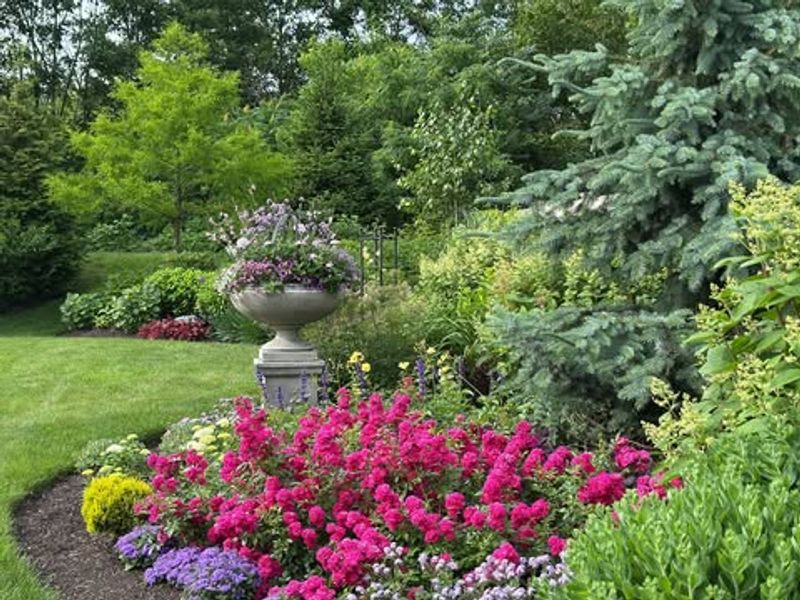
Layered plantings arranged by height create graduated backdrops where shorter flowers front taller specimens, producing professional-looking depth that enhances photograph composition and visual appeal.
Selecting blooms with staggered flowering times ensures continuous color from spring tulips through summer zinnias to autumn asters, keeping backdrops camera-ready across multiple months.
North Carolina’s moderate climate supports diverse species, allowing homeowners to experiment with perennials like coneflowers alongside annuals that provide intense seasonal color for special photography projects.
Curved border edges soften geometric yard layouts while guiding viewers’ eyes naturally through images, creating flow that straight lines sometimes fail to achieve in landscape photography.
Color theory principles help residents choose complementary hues that photograph well together, avoiding clashing combinations that create visual confusion or distract from intended photo subjects.
Mulched pathways between borders and lawn areas define clear boundaries, preventing grass encroachment while providing clean transition zones that keep photo backgrounds looking tidy and intentional.
Greensboro and Winston-Salem gardeners often incorporate native wildflowers that attract butterflies and hummingbirds, adding movement and life to photographs beyond static floral arrangements alone.
Regular deadheading maintains peak bloom appearance throughout growing seasons, ensuring flowers always look fresh and vibrant when homeowners need beautiful backdrops for impromptu photography sessions.
5. Incorporate Water Features and Fountains
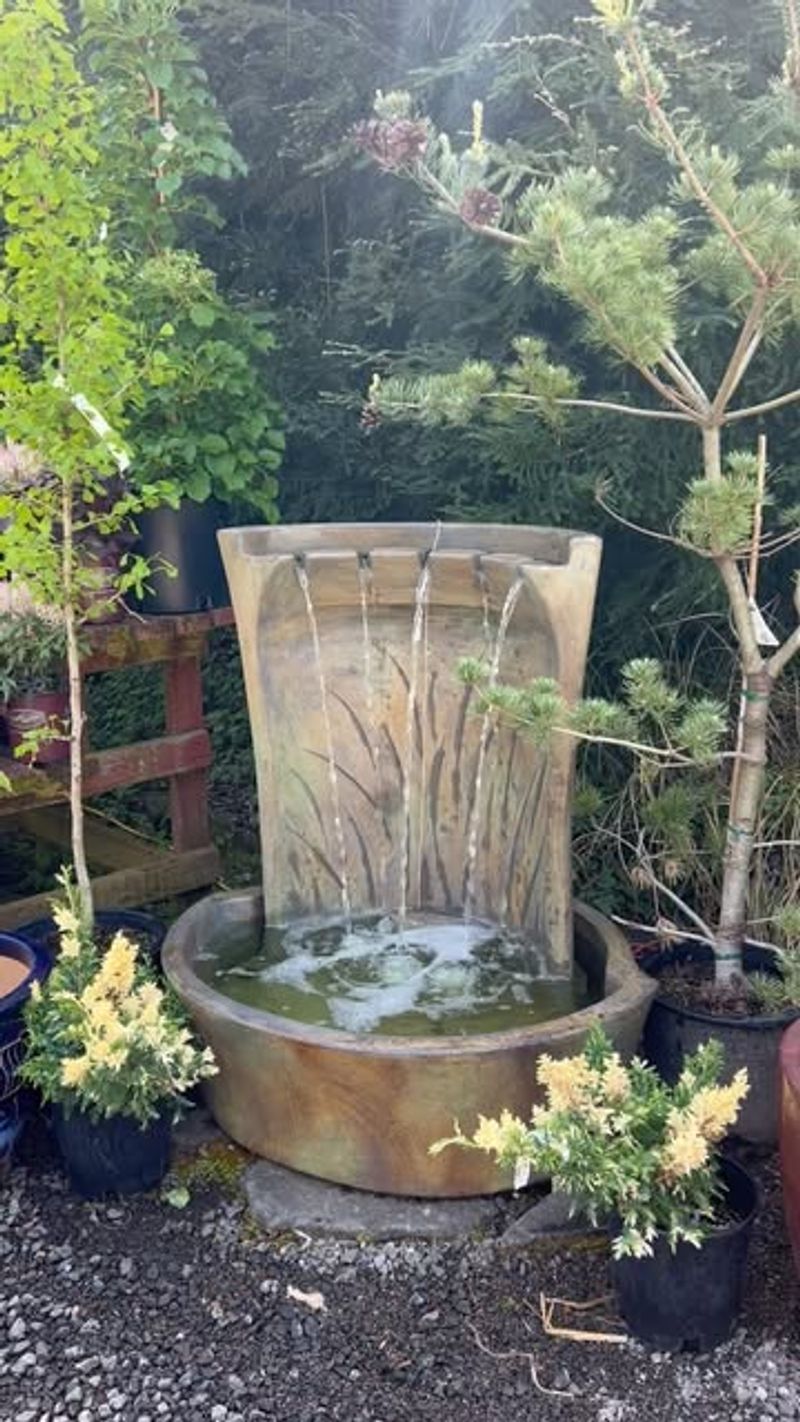
Moving water introduces soothing sounds that create relaxed atmospheres during photo sessions while adding reflective surfaces that bounce light in flattering ways across garden settings.
Birdbath fountains attract wildlife that becomes part of the living backdrop, offering unexpected photo opportunities when cardinals or goldfinches visit during Carolina springtime months.
Homeowners position water elements strategically to catch sunlight, creating sparkle effects that add magical qualities to images without requiring artificial lighting or post-processing photo enhancements.
Recirculating pumps keep maintenance minimal while conserving water resources, addressing environmental concerns important to many North Carolina residents committed to sustainable landscaping practices throughout the state.
Stone surrounds and planted edges help fountains blend naturally into garden designs rather than appearing as isolated decorative objects that disrupt the organic flow of landscapes.
The gentle motion draws viewer attention in photographs, creating focal points that guide composition while maintaining soft, non-distracting movement that complements rather than overwhelms subjects.
Raleigh and Chapel Hill homeowners often choose tiered fountain designs that provide multiple water levels, creating varied visual interest and dimensional complexity within relatively compact footprints.
Winter operation requires consideration in mountain regions where freezing temperatures occur, but coastal areas enjoy year-round fountain use that extends backdrop versatility across all calendar seasons.
6. Add Decorative Trellises and Lattice Panels
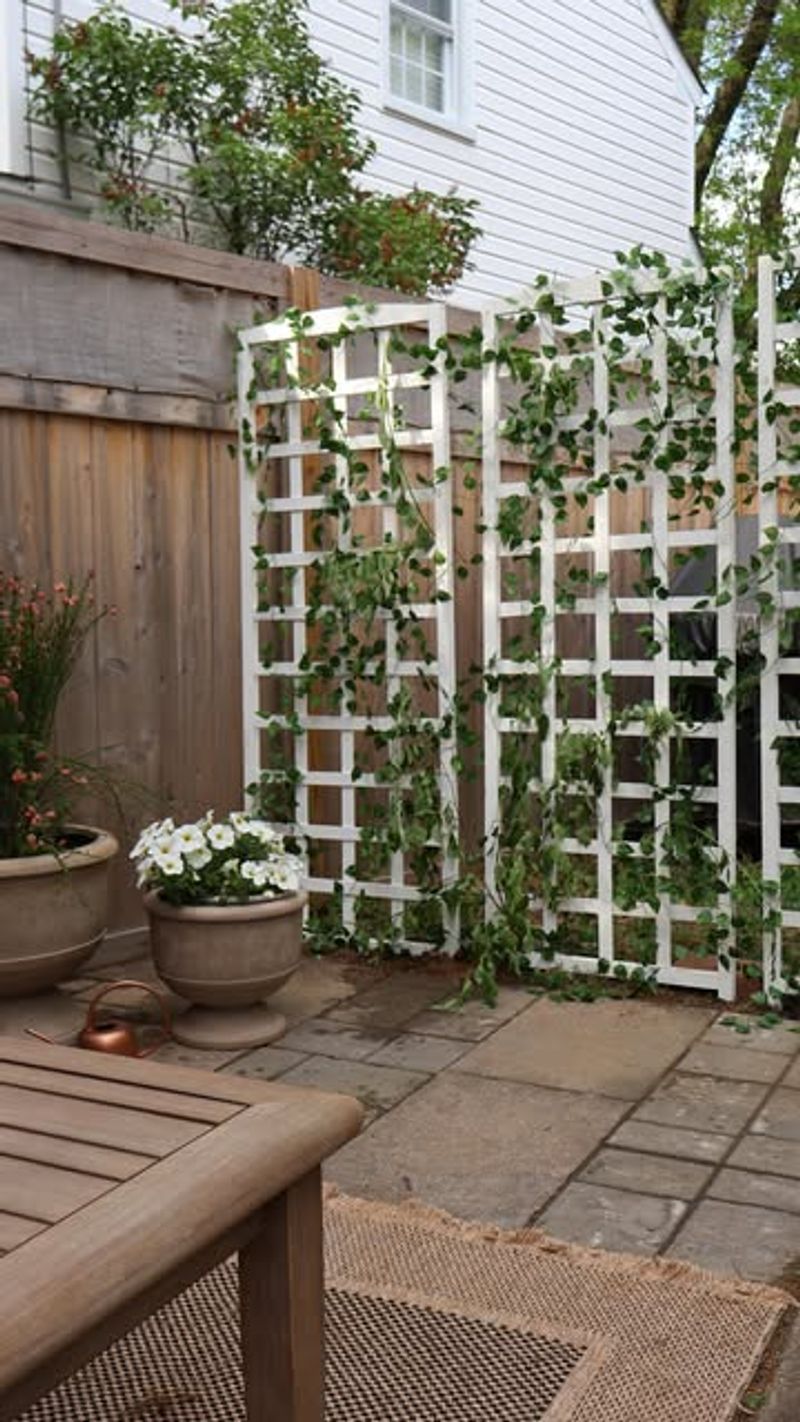
Lattice panels create instant privacy screens that block unsightly views like storage sheds or neighboring properties, ensuring clean backgrounds that keep photograph focus on intended subjects.
Painting trellises in bold colors like navy blue or sage green adds personality to backdrops while complementing flower hues common in Southern gardens throughout Carolina regions.
Lightweight construction allows easy repositioning as garden layouts evolve, giving homeowners flexibility to refresh backdrop locations without permanent structural commitments or expensive landscape renovations.
Climbing vegetables like beans and cucumbers transform functional trellises into productive garden elements, combining beautiful photography backdrops with practical food-growing spaces that maximize yard utility.
Geometric patterns in lattice designs photograph with interesting shadow play during morning and evening hours, adding textural complexity that elevates simple portraits into artistically compelling images.
Freestanding trellis units placed strategically throughout North Carolina yards create multiple photo zones, allowing variety within single properties for different photography moods and seasonal backdrop preferences.
Weatherproof materials like vinyl and composite woods reduce maintenance demands while providing longevity that protects homeowner investments in backdrop infrastructure over many years of regular use.
Charlotte residents often combine trellises with container gardens at the base, creating complete vignettes that frame subjects beautifully while incorporating multiple design elements into cohesive compositions.
7. Plant Ornamental Trees as Focal Points
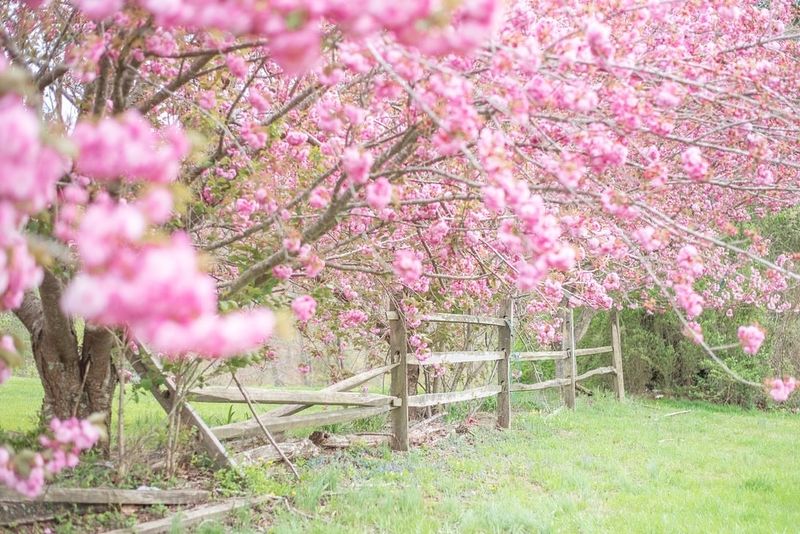
Flowering trees like dogwoods and redbuds provide spectacular spring backdrops when covered in blooms, creating naturally stunning settings that require minimal styling for gorgeous photographs.
Strategic placement considers mature size to avoid overwhelming small yards while ensuring trees provide adequate backdrop coverage without casting excessive shade on surrounding garden areas.
Fall foliage from maples and sweetgums delivers fiery autumn colors that North Carolina landscapes showcase brilliantly, giving homeowners seasonal backdrop variations that keep photography fresh annually.
Weeping varieties like cherry trees create romantic canopy effects with cascading branches that frame subjects beautifully, adding movement and graceful lines to portrait and event photography.
Evergreen selections maintain year-round greenery that ensures consistent backdrops during winter months when deciduous plants lose leaves and gardens appear dormant across the state.
Proper spacing from hardscapes prevents root damage to patios and walkways while maintaining healthy growth that keeps trees looking vibrant and camera-ready throughout their lifespans.
Asheville homeowners often choose native species adapted to mountain microclimates, ensuring trees thrive without excessive watering or maintenance that burdens busy families with limited gardening time.
Underpinning with shade-tolerant groundcovers like hostas completes the look, filling space beneath tree canopies with additional texture and color that enhances overall backdrop richness and photographic appeal.
8. Establish Gravel or Stone Pathways
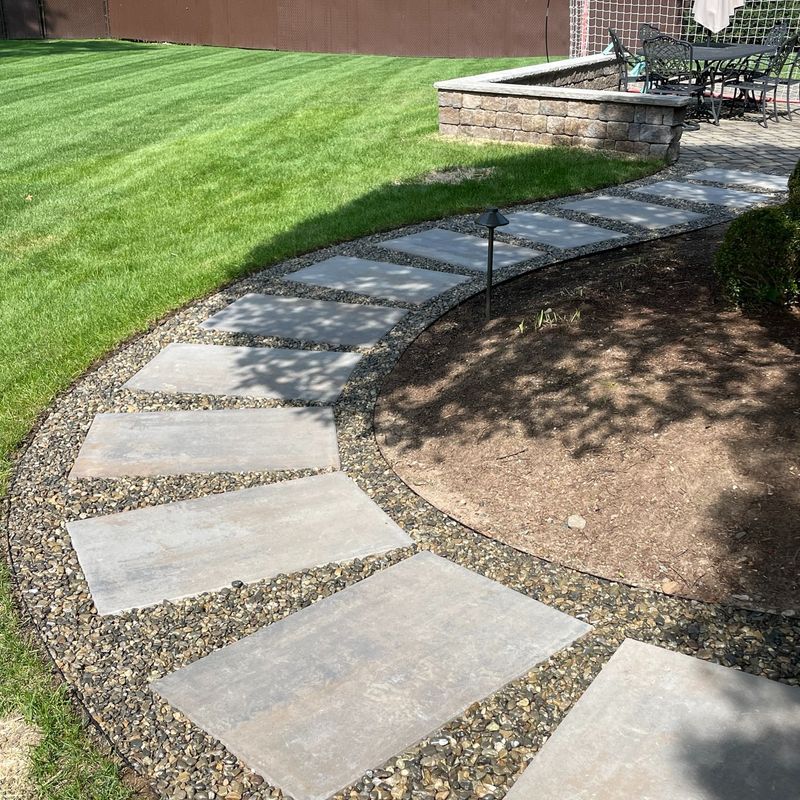
Crushed stone paths create leading lines that guide viewers through photographs, adding compositional strength that professional photographers use to create balanced and engaging garden images.
Contrasting colors between light gravel and dark mulch define clear boundaries, preventing visual confusion while adding graphic elements that enhance photograph clarity and subject separation.
Curved pathways feel more natural and inviting than straight walks, encouraging subjects to pose casually while creating dynamic angles that produce interesting perspectives in final images.
Permeable surfaces address drainage concerns common in North Carolina’s humid climate, preventing puddles that would otherwise limit usability after rainfall and restrict photography session scheduling flexibility.
Edging materials like brick or metal strips contain gravel neatly, maintaining clean lines that photograph well while reducing maintenance time spent repositioning displaced stones after garden activities.
Wilmington and coastal homeowners often incorporate shells into pathway materials, adding regional character that connects garden designs to nearby beach environments and local landscape traditions.
Lighting along pathway edges extends photography hours into evening, creating ambient illumination that produces warm, inviting backdrops for twilight portraits and outdoor gathering documentation.
Width considerations ensure paths accommodate subjects comfortably without feeling cramped, typically requiring three to four feet across for single-person portraits and wider for group photography sessions.
9. Install Outdoor Curtains and Fabric Panels
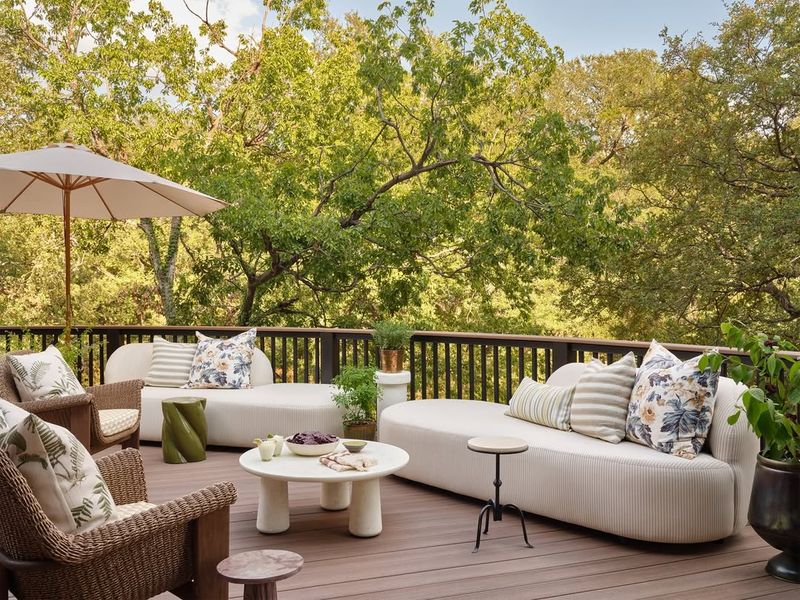
Weather-resistant fabrics hung from pergolas or standalone frames add softness and movement that contrasts beautifully with rigid architectural elements throughout North Carolina garden landscapes.
Neutral tones like cream and taupe provide versatile backdrops that complement any subject clothing colors, while bold patterns make dramatic statements for themed photography sessions.
Sheer materials filter harsh midday sunlight into diffused illumination that flatters skin tones, solving common outdoor photography challenges without requiring expensive lighting equipment or technical expertise.
Curtain panels hide less attractive garden areas temporarily during photo sessions, offering quick backdrop solutions when permanent landscape changes aren’t feasible or desirable for homeowners.
Billowing fabric captured in photographs conveys romance and elegance, particularly popular for engagement sessions and anniversary portraits taken in Greensboro and High Point residential gardens.
Removable installations allow seasonal storage that protects fabrics from winter weather damage, extending material lifespan while maintaining fresh appearances for years of repeated photography use.
Layering multiple curtain colors creates depth and visual interest, producing professional-looking backdrops that rival studio setups while maintaining outdoor garden settings’ natural charm and appeal.
Hardware selection matters significantly, with rust-resistant materials essential for North Carolina’s humid conditions that quickly corrode standard metals and compromise installation stability over time.
10. Arrange Container Gardens in Clusters
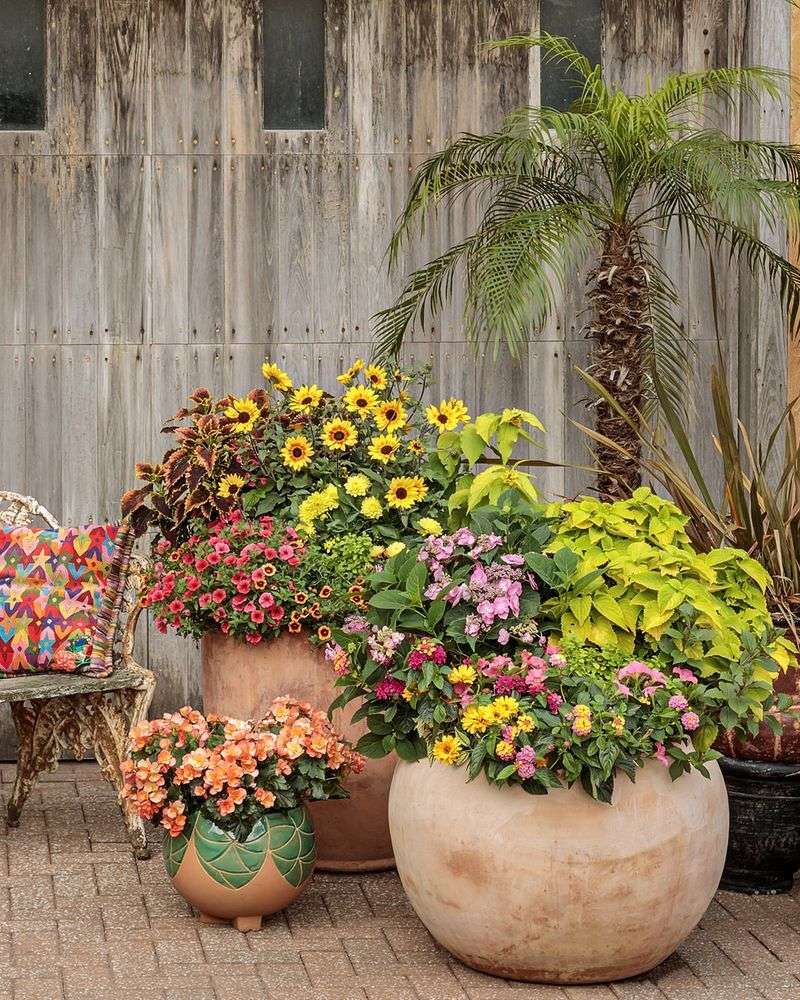
Grouped planters offer ultimate flexibility for backdrop creation, allowing homeowners to rearrange compositions quickly based on specific photography needs or seasonal plant availability across Carolina regions.
Varying pot heights creates dimensional interest that prevents flat appearances, stacking containers on stands or benches to achieve staggered levels that photograph with professional depth.
Mixing container materials like terracotta, ceramic, and metal adds textural variety that enriches visual complexity without requiring additional plants or complicated design planning from homeowners.
Mobile backdrops enable photography in multiple yard locations throughout the day, following optimal lighting conditions as sun angles change from morning through afternoon across North Carolina properties.
Seasonal swaps keep backdrops current by replacing spent summer flowers with autumn chrysanthemums or winter evergreens, maintaining fresh appearances that prevent repetitive-looking photographs year-round.
Thriller, filler, and spiller planting techniques create professionally designed containers that photograph beautifully, combining upright focal plants with mounding fillers and cascading edge specimens together.
Raleigh homeowners appreciate the rental-friendly nature of container gardens that don’t require permanent landscape alterations, making them ideal for residents without long-term property commitments.
Coordinating pot colors with home exteriors creates cohesive looks that tie garden backdrops visually to architectural elements, producing harmonious overall aesthetics that enhance property curb appeal simultaneously.