How Often To Water A Money Tree In California To Keep It Healthy And Lucky All 2026
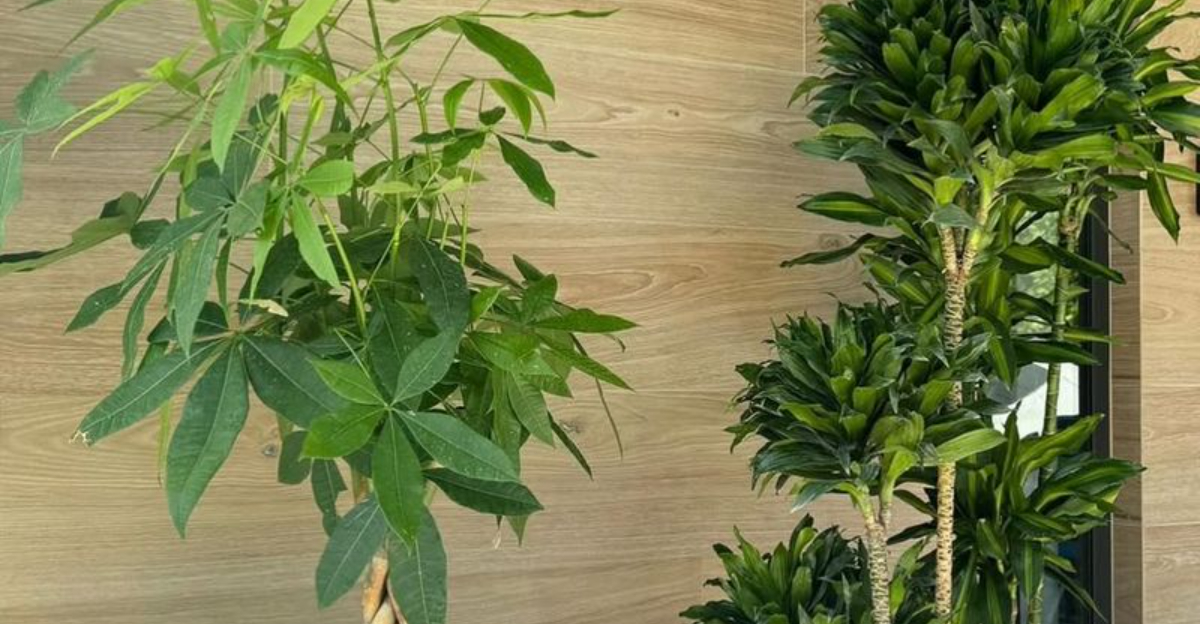
Money trees have earned a reputation as both easy houseplants and symbols of good fortune, but keeping one healthy in California requires more than luck.
In most California homes, a money tree should be watered about every 10 to 14 days, only after the top two to three inches of soil have dried out completely.
This simple timing makes all the difference.
With climates ranging from cool coastal air to dry inland heat, watering habits play a major role in how well a money tree grows.
These plants store water in their thick trunks, which means too much moisture can cause more harm than too little.
Many common problems—like yellowing leaves, sudden leaf drop, or mushy stems—come from overwatering rather than neglect.
California’s bright light, dry indoor air, and seasonal temperature swings all affect how quickly soil dries, so rigid schedules often fail.
Learning to check the soil instead of the calendar helps the plant grow steadily and stay balanced.
With the right watering rhythm, a money tree remains strong, attractive, and thriving year after year—well beyond 2026.
Why Overwatering Is The Fastest Way To Harm A Money Tree
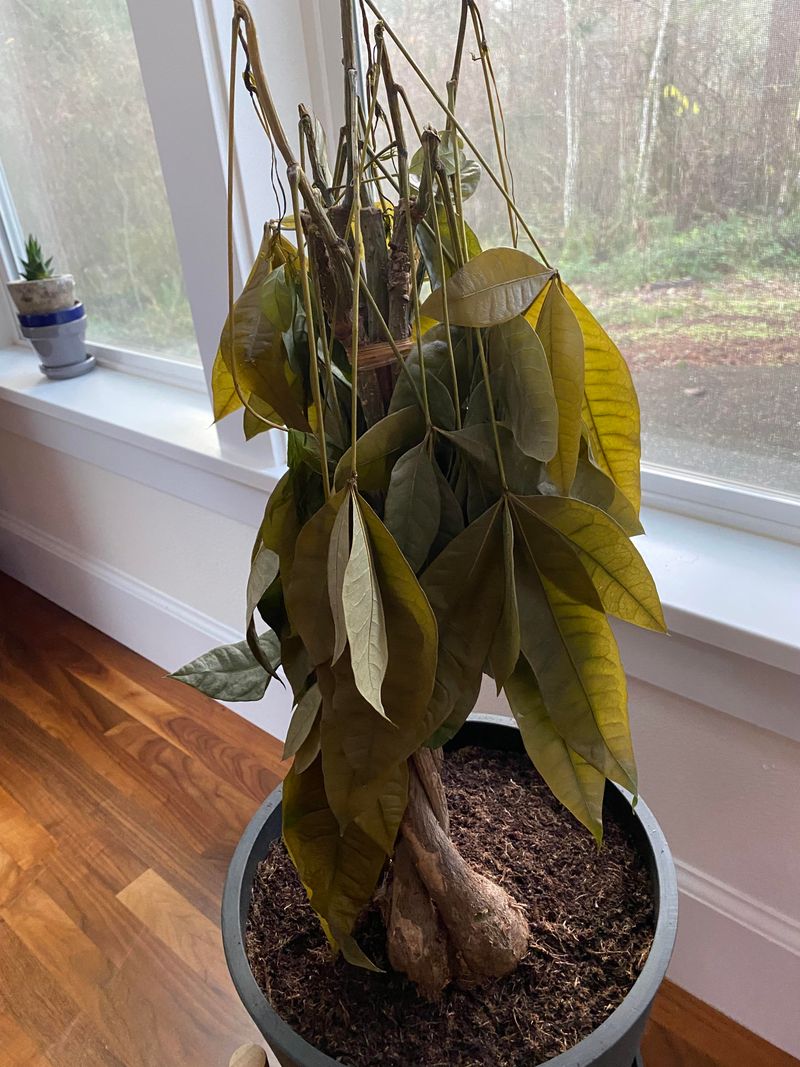
Money trees store moisture inside their thick, braided trunks, which means they can survive longer stretches without water than many other houseplants.
Because of this built-in reservoir, they are naturally adapted to periods of drought and do not need constant watering.
When soil stays wet for too long, the roots cannot breathe, and harmful fungi begin to grow in the soggy environment.
Root rot sets in quickly, turning healthy white roots into brown, mushy tissue that cannot absorb nutrients or water properly.
Once root rot takes hold, the plant starts to decline rapidly, with yellowing leaves, a foul smell from the soil, and eventually a soft, collapsing trunk.
California gardeners often water too frequently out of love and concern, but this kindness can backfire with moisture-sensitive plants like money trees.
Always allow the top two to three inches of soil to dry out completely before adding more water.
Use your finger or a moisture meter to check soil dryness rather than sticking to a rigid calendar schedule.
Remember that less is more when it comes to watering a money tree, and patience will keep your plant thriving for years to come.
The Simple Finger Test That Tells You When To Water
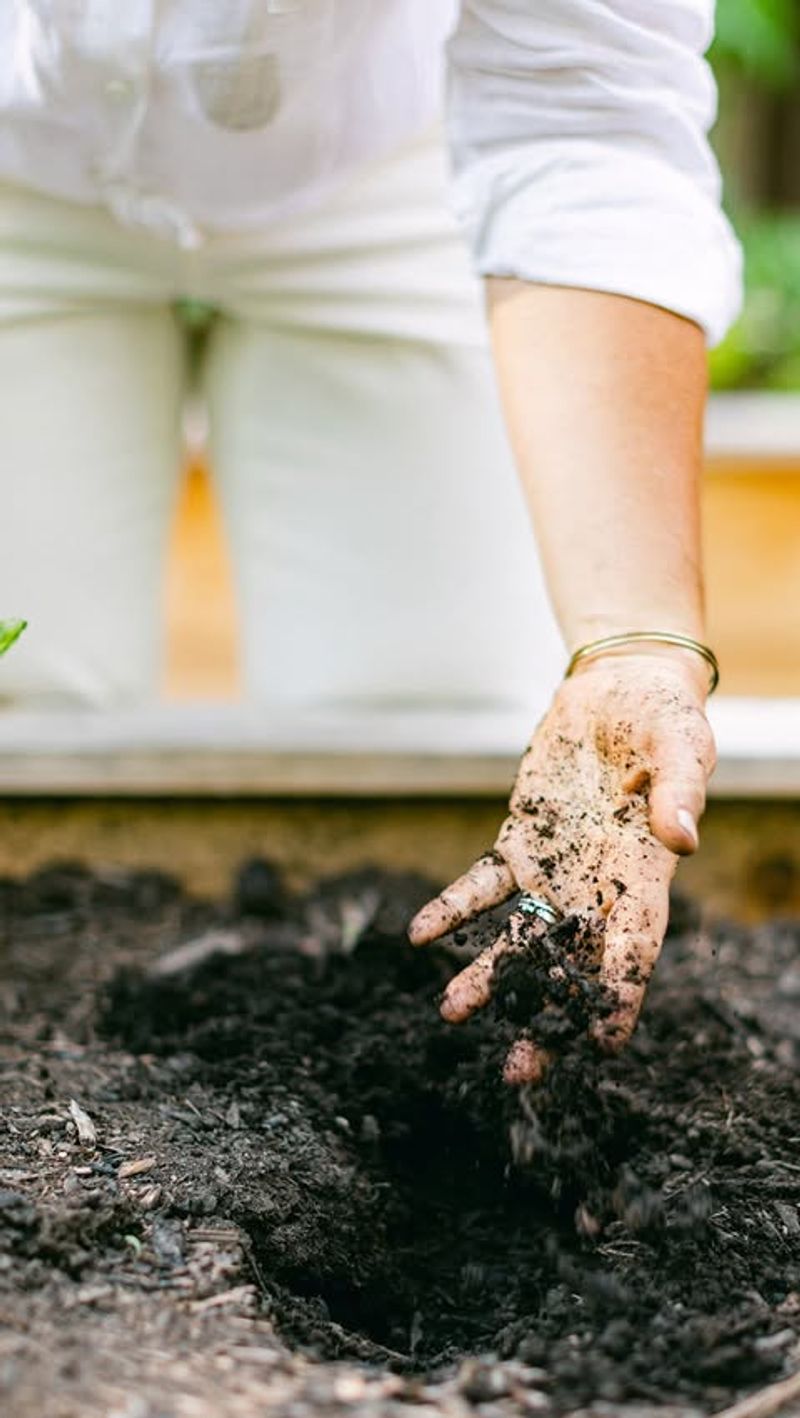
Instead of watering on a fixed schedule, let the soil itself tell you when your money tree needs a drink.
Stick your index finger into the soil up to the second knuckle, which is about two to three inches deep.
If the soil feels dry at that depth, it is time to water; if it still feels damp or cool, wait a few more days and test again.
This simple method works better than any calendar because indoor conditions vary widely based on humidity, air conditioning, heating, and sunlight exposure.
During hot summer months in California, soil may dry out faster, while in cooler winter months, moisture lingers much longer.
The finger test adapts to these changes automatically, helping you avoid both underwatering and overwatering.
Some gardeners prefer using a wooden chopstick or a moisture meter, which can also provide accurate readings without guesswork.
Whichever tool you choose, consistency is key to developing a feel for your plant’s unique needs.
Over time, you will notice patterns in how quickly your money tree dries out, making watering decisions easier and more intuitive.
How California’s Dry Air Changes Watering Needs
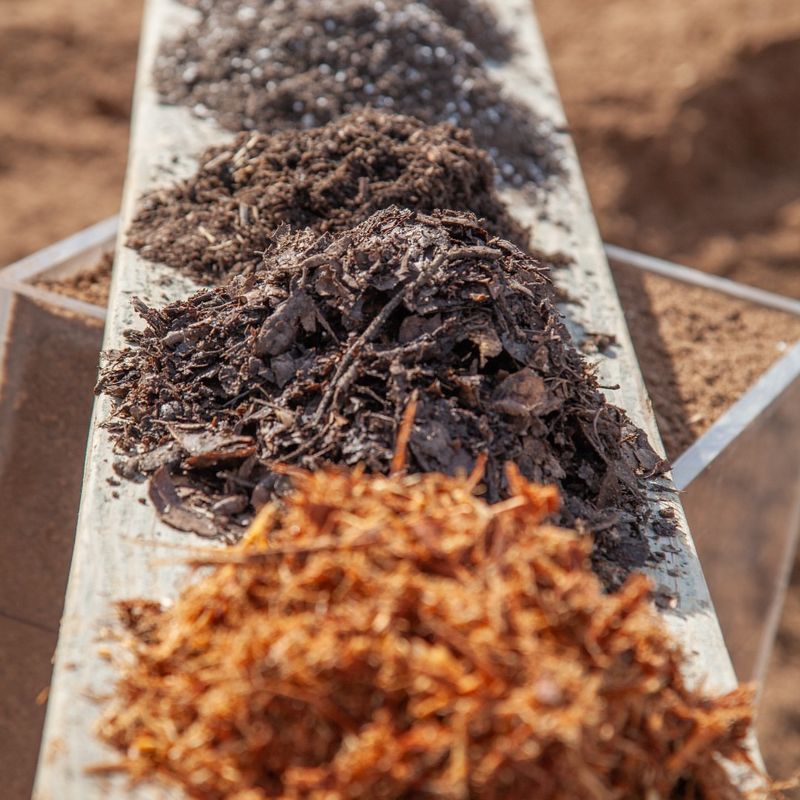
California is not a single climate but a patchwork of microclimates, from foggy coastal towns to scorching inland valleys and high-desert communities.
Coastal areas like San Francisco and San Diego enjoy moderate temperatures and higher humidity, which means money trees dry out more slowly.
Inland regions such as Sacramento and Fresno experience hotter summers and drier air, causing soil to lose moisture much faster.
Desert areas like Palm Springs push watering frequency even higher during peak heat, though indoor air conditioning can complicate the picture.
If you live near the coast, you may only need to water every twelve to fourteen days, while inland gardeners might water every seven to ten days in summer.
Pay attention to your home’s indoor humidity as well, especially if you run heating or cooling systems that dry out the air.
Using a small humidifier near your money tree can help maintain healthier foliage and reduce the stress caused by overly dry conditions.
Always rely on the finger test rather than assumptions about your region, since individual homes vary widely even within the same neighborhood.
Why Money Trees Need Less Water In Winter
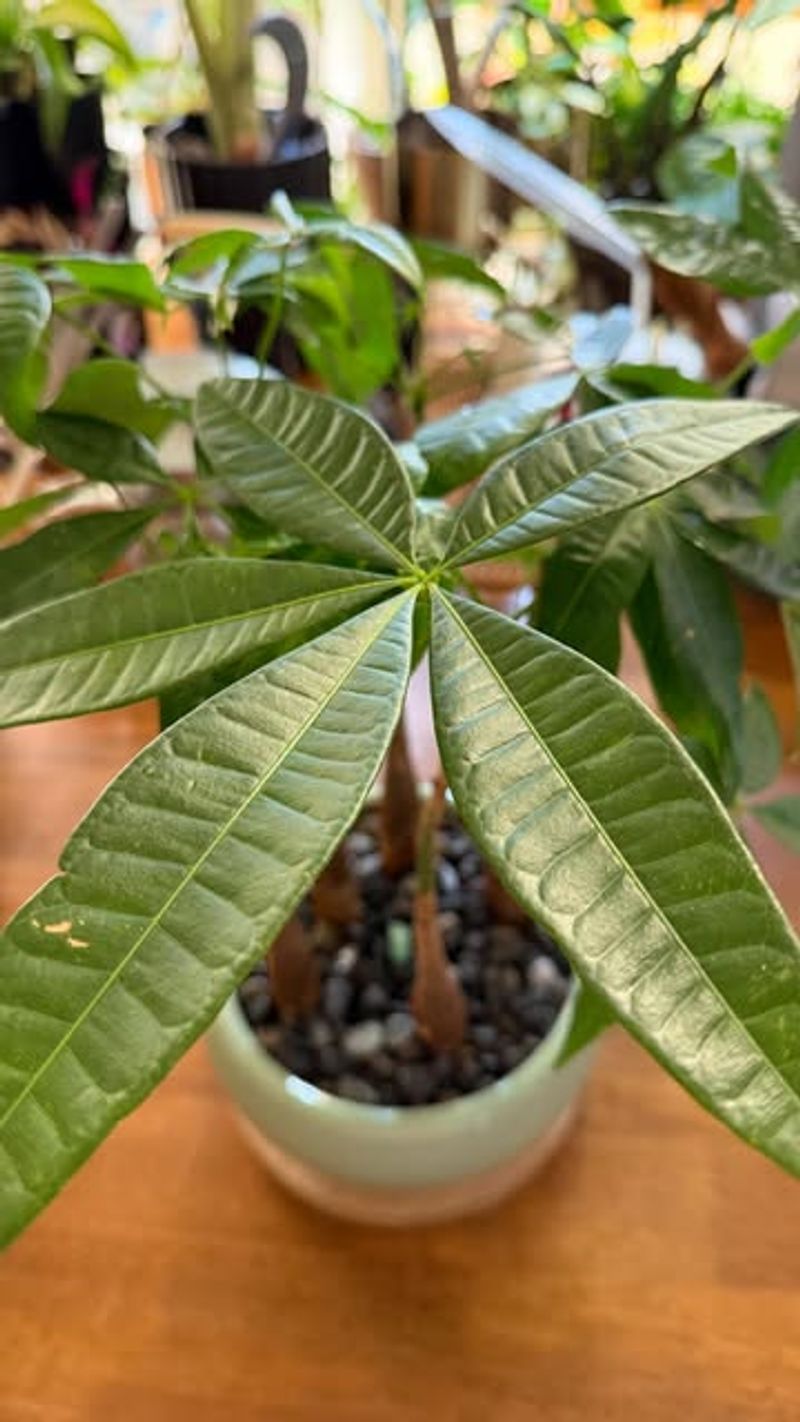
As daylight hours shorten and temperatures drop from fall through early spring, money trees enter a period of slower growth and reduced metabolic activity.
This natural slowdown means the plant uses less water and nutrients, so its roots absorb moisture at a much slower rate than during the active growing season.
Watering on the same schedule you used in summer can quickly lead to soggy soil and root problems during winter months.
Many California gardeners find that their money trees need water only once every two to three weeks in winter, compared to weekly or biweekly watering in summer.
Indoor heating systems can dry out the air, but they do not necessarily speed up soil drying as much as summer heat does.
Always check soil moisture before watering, and resist the urge to water just because a certain number of days have passed.
Cooler indoor temperatures and lower light levels both contribute to slower evaporation and reduced water uptake by the plant.
By adjusting your watering routine to match the seasons, you help your money tree conserve energy and stay healthy through the quieter months of the year.
Signs Your Money Tree Is Thirsty Versus Overwatered
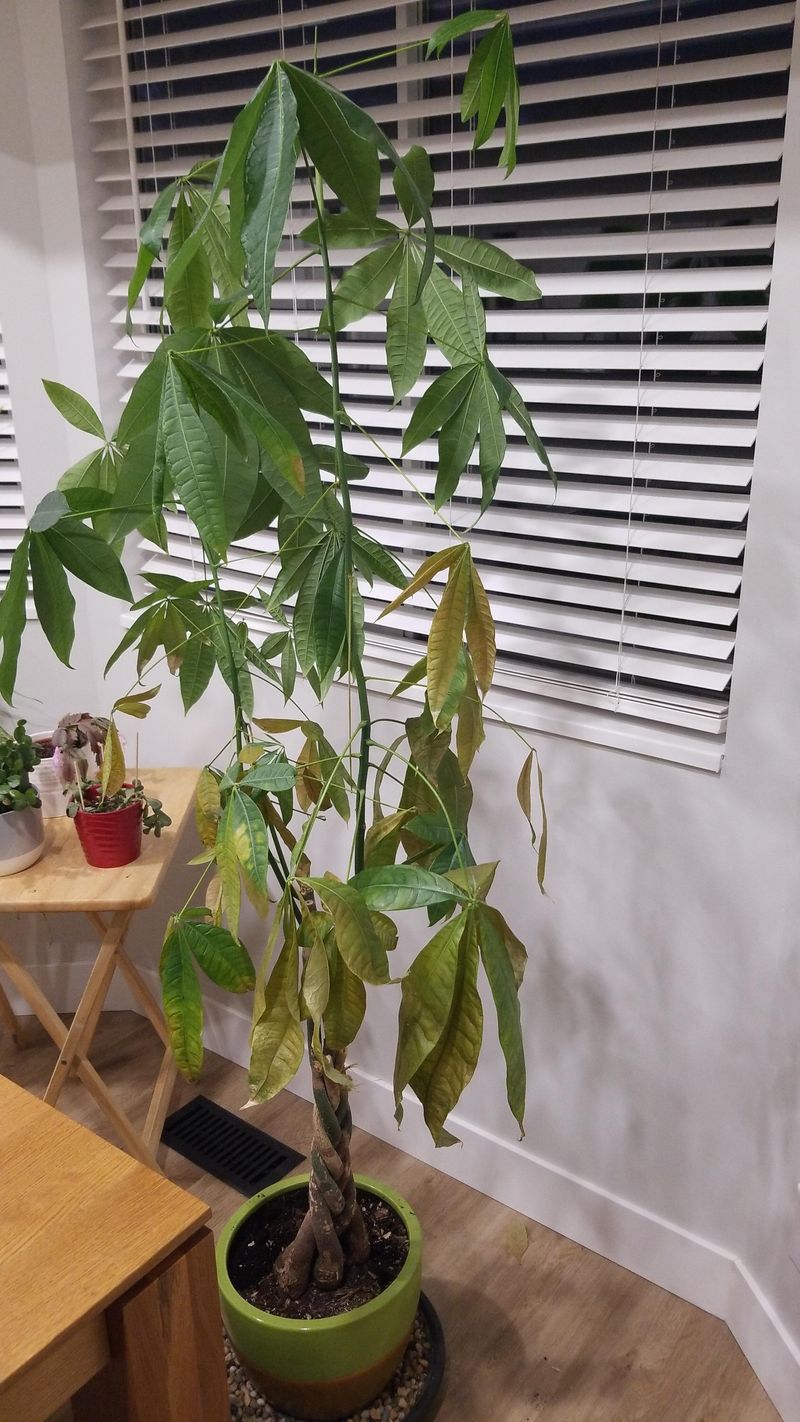
Learning to read your money tree’s signals can prevent both underwatering and overwatering, which often show up in surprisingly similar ways at first glance.
When a money tree is thirsty, its leaves may droop or curl slightly, and the soil will feel completely dry several inches down.
The plant may also shed a few lower leaves, and the foliage might lose some of its vibrant green color, appearing duller or slightly wilted.
Overwatered money trees, on the other hand, develop yellowing leaves that often start at the bottom and spread upward, and the soil remains damp or soggy even days after watering.
You might notice a musty or sour smell coming from the soil, and the trunk may feel soft or squishy to the touch instead of firm.
Root rot is the most serious consequence of overwatering, and it progresses quickly if not caught early.
If you suspect overwatering, stop watering immediately, check the roots for mushiness, and consider repotting in fresh, well-draining soil.
For underwatering, give the plant a thorough drink until water drains from the bottom, then adjust your schedule to prevent future dryness.
How Pot Size And Drainage Affect Watering Frequency
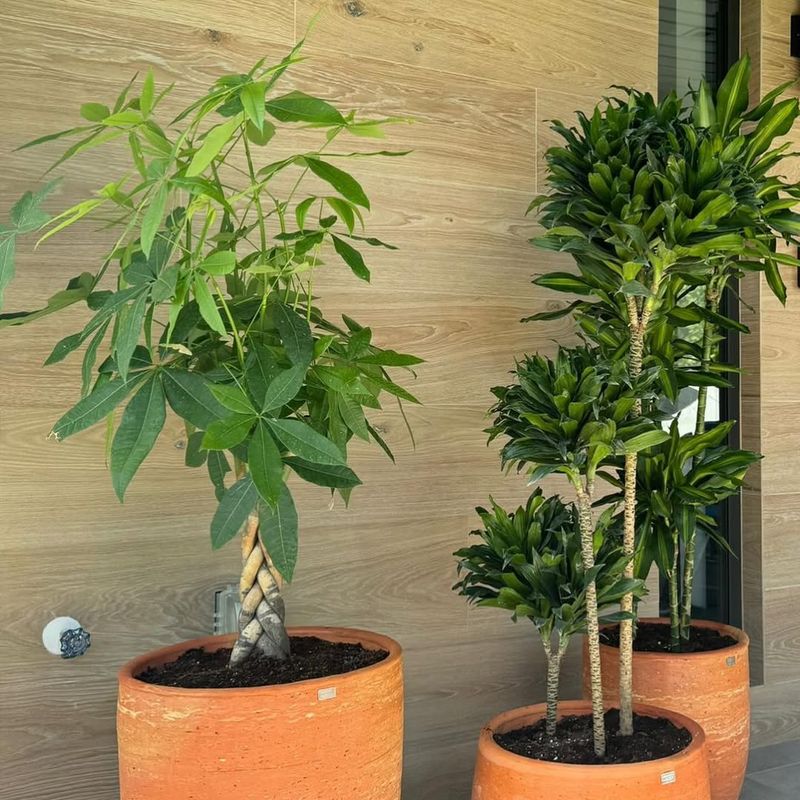
The type of pot you choose has a huge impact on how often your money tree needs water and how quickly excess moisture can escape.
Pots without drainage holes trap water at the bottom, creating a hidden reservoir that keeps roots sitting in moisture long after the surface soil appears dry.
This situation is one of the leading causes of root rot in money trees, especially for beginners who may not realize the danger.
Always use a pot with at least one drainage hole in the bottom, and place a saucer underneath to catch any runoff.
Terracotta pots are excellent for money trees because they are porous and allow air and moisture to pass through the walls, helping soil dry out more evenly.
Plastic and glazed ceramic pots retain moisture longer, which can be helpful in very dry climates but risky if you tend to overwater.
Larger pots hold more soil and take longer to dry out, while smaller pots dry faster and may require more frequent watering.
Match your pot size to your plant’s root system, and upgrade to a larger pot only when roots begin to circle the bottom or emerge from drainage holes.
Why Misting Is Not A Substitute For Proper Watering
Many houseplant enthusiasts love to mist their money trees, believing it keeps the plant hydrated and happy, but misting only affects the leaves and does not reach the roots where water is truly needed.
Misting can temporarily raise humidity around the foliage, which is beneficial in very dry indoor environments, but it does not replace the deep watering that roots require.
Money trees absorb water primarily through their root systems, and the roots need thorough soaking to reach all parts of the plant.
Relying on misting alone will leave your money tree chronically thirsty, leading to drooping leaves and stunted growth over time.
If you enjoy misting for humidity, do so in addition to regular watering, not instead of it.
In California’s drier inland areas, misting can help reduce leaf browning and keep foliage looking fresh, but always prioritize soil moisture first.
Overusing a spray bottle can also create a damp environment on leaves that encourages fungal spots or bacterial issues, especially if water sits on foliage overnight.
For best results, water the soil thoroughly when needed and mist occasionally if your home is particularly dry, but never confuse the two practices.
The Best Time Of Day To Water A Money Tree Indoors
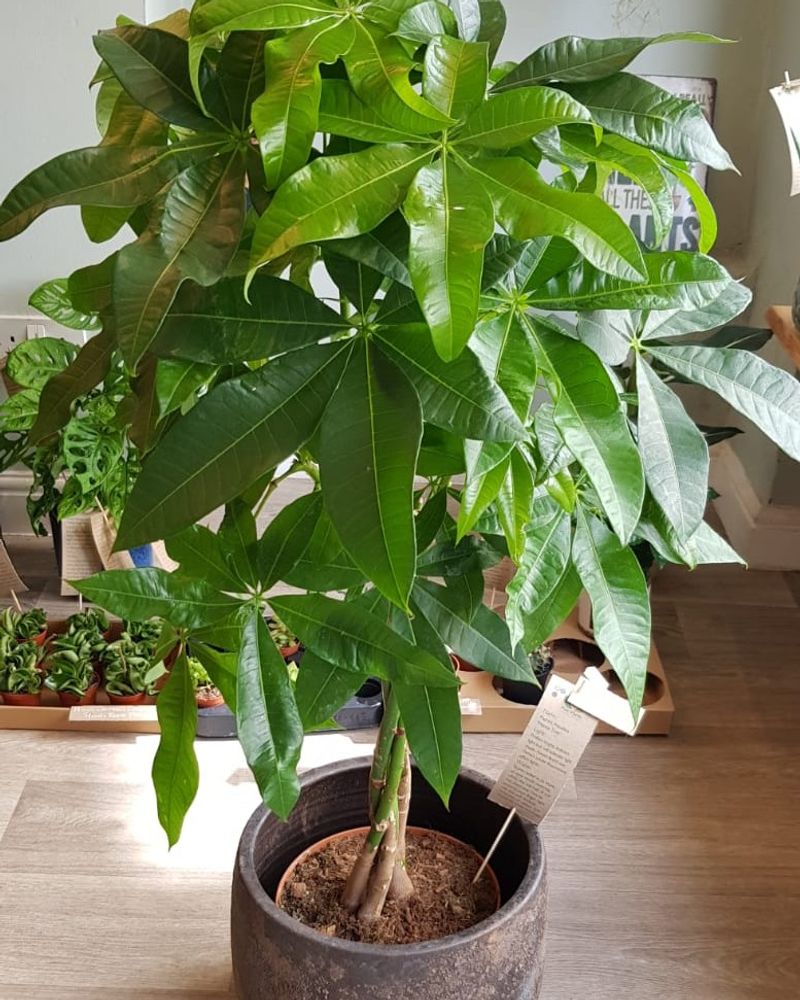
Watering your money tree in the morning allows the plant to absorb moisture throughout the day when its metabolic processes are most active.
Morning watering also gives any excess water on the soil surface or foliage time to evaporate before evening, reducing the risk of fungal growth or bacterial issues.
If you water late in the day or at night, moisture lingers longer in cooler temperatures, creating a damp environment that can encourage problems.
Indoor conditions in California homes often include air conditioning or heating, which can affect how quickly soil dries, but morning watering remains the safest and most effective routine.
Watering in the morning also makes it easier to monitor your plant throughout the day and catch any issues like water pooling in the saucer or soil draining too slowly.
If mornings are not convenient, early afternoon is the next best option, as long as the plant has several hours of daylight left to process the water.
Avoid watering right before bed, since the plant will sit in damp soil all night without the benefit of sunlight or active growth to use the moisture.
Consistency in timing helps establish a healthy routine and makes it easier to remember when you last watered your money tree.
How Often To Water During California Heat Waves
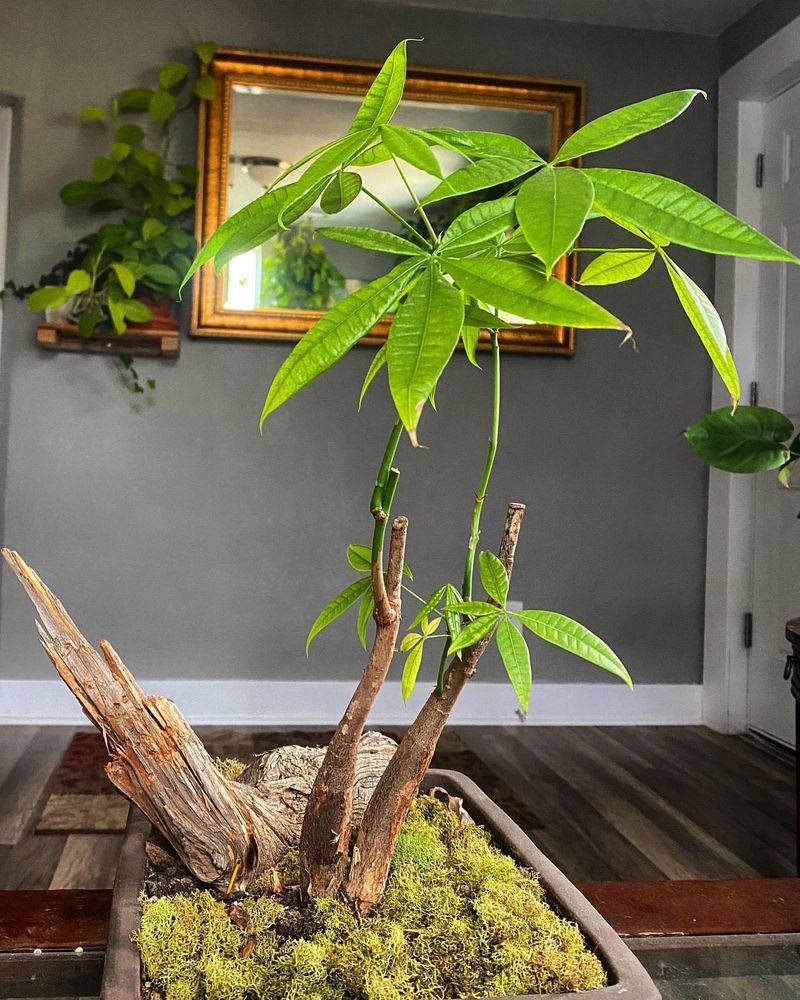
California heat waves can push indoor temperatures well above normal, causing soil to dry out faster than usual and stressing houseplants that are not adapted to extreme conditions.
During a heat wave, you may need to shorten your watering interval slightly, checking soil moisture every few days instead of every week or two.
However, avoid the temptation to drench the soil constantly, as money trees still prefer to dry out between waterings even in hot weather.
If your home reaches very high temperatures and the soil dries out within five or six days, water when the top two to three inches are dry, just as you would normally.
Placing your money tree away from direct sunlight and heat sources like windows or vents can help reduce stress and slow moisture loss.
You can also increase humidity around the plant by grouping it with other houseplants or using a small humidifier nearby.
Never water on a strict daily schedule during a heat wave, since this can lead to overwatering if the soil has not dried out enough.
Once the heat wave passes and temperatures return to normal, resume your regular watering routine and continue monitoring soil moisture closely.
Why Consistent Care Matters More Than Luck
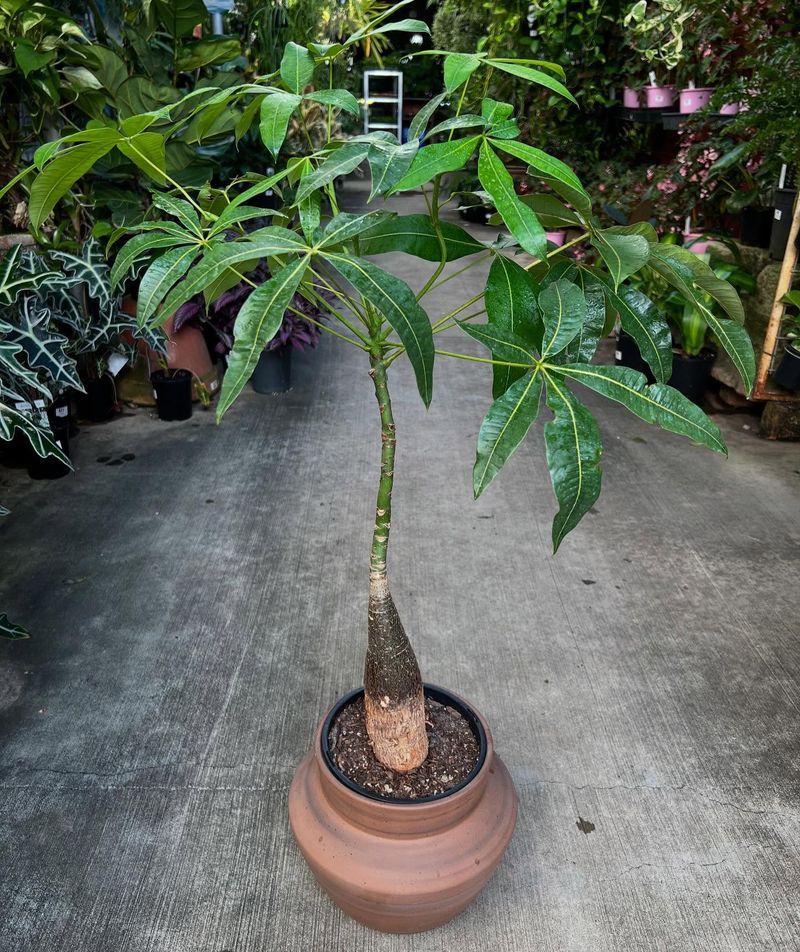
While money trees are often associated with good fortune and prosperity in feng shui traditions, the real secret to a thriving plant lies in consistent, thoughtful care rather than superstition alone.
Proper watering, adequate light, good drainage, and attention to your plant’s signals will do far more for its health than any lucky charm or placement ritual.
Many people bring home a money tree with high hopes, only to watch it struggle because they rely on guesswork or neglect the basics of plant care.
By developing a reliable routine that includes checking soil moisture, adjusting for seasonal changes, and responding to your plant’s needs, you create the conditions for long-term success.
Healthy plants grow steadily, produce vibrant foliage, and bring genuine joy and beauty into your home, which feels far more rewarding than any abstract notion of luck.
In California’s varied climates, consistency also means adapting your care to local conditions and staying flexible as the seasons shift.
Your money tree will reward your efforts with years of lush growth and resilience, proving that careful attention and knowledge are the true keys to keeping any houseplant happy.
So trust in your own ability to learn and adjust, and watch your money tree flourish throughout 2026 and beyond.