How Ohio Gardeners Build Walipini Greenhouses For Year Round Growing
Ohio winters test every gardener’s patience. Frost settles in, garden beds freeze solid, and fresh greens feel months away.
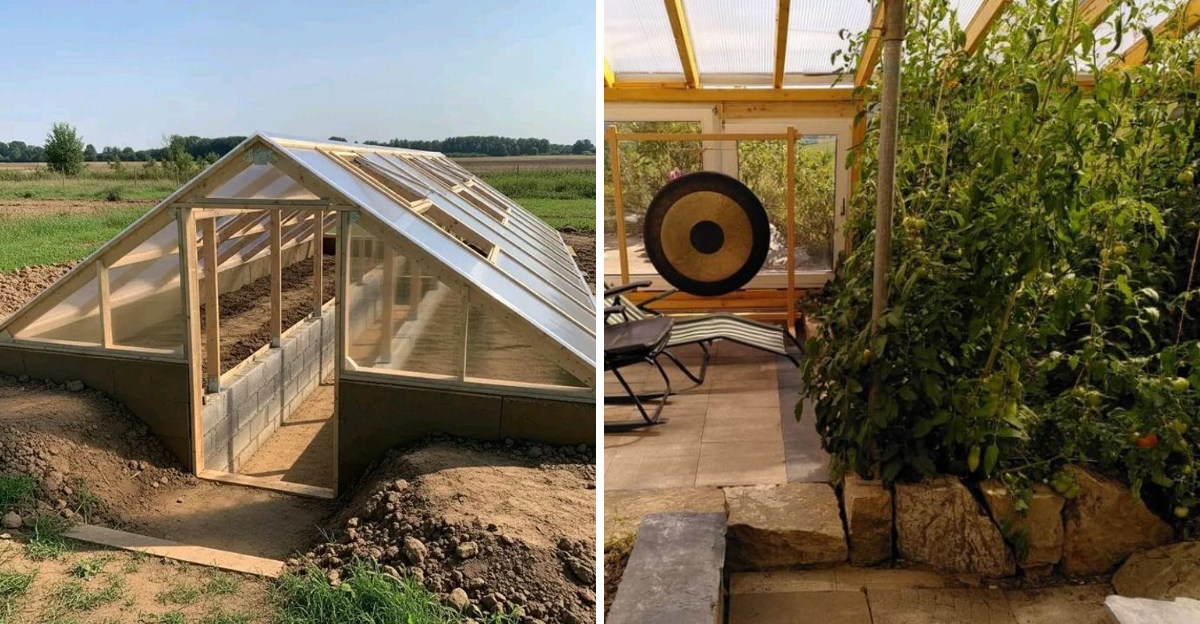
A Walipini greenhouse changes that story in a surprisingly simple way. Instead of fighting the cold, this underground greenhouse works with the earth.
The structure sits partially below ground, where soil naturally holds warmth. A clear, angled roof pulls in sunlight during the day, while the surrounding soil slowly releases stored heat through the night.
The result creates a much steadier environment for plants, even when temperatures outside plunge. Gardeners across Ohio use this approach to stretch the growing season far beyond the usual limits.
Leafy greens, herbs, and cool-season vegetables can continue producing long after outdoor beds shut down for winter.
With thoughtful design and the right placement, a Walipini can turn the coldest months of the year into an unexpectedly productive growing season.
1. What Is A Walipini Greenhouse And How It Works In Ohio
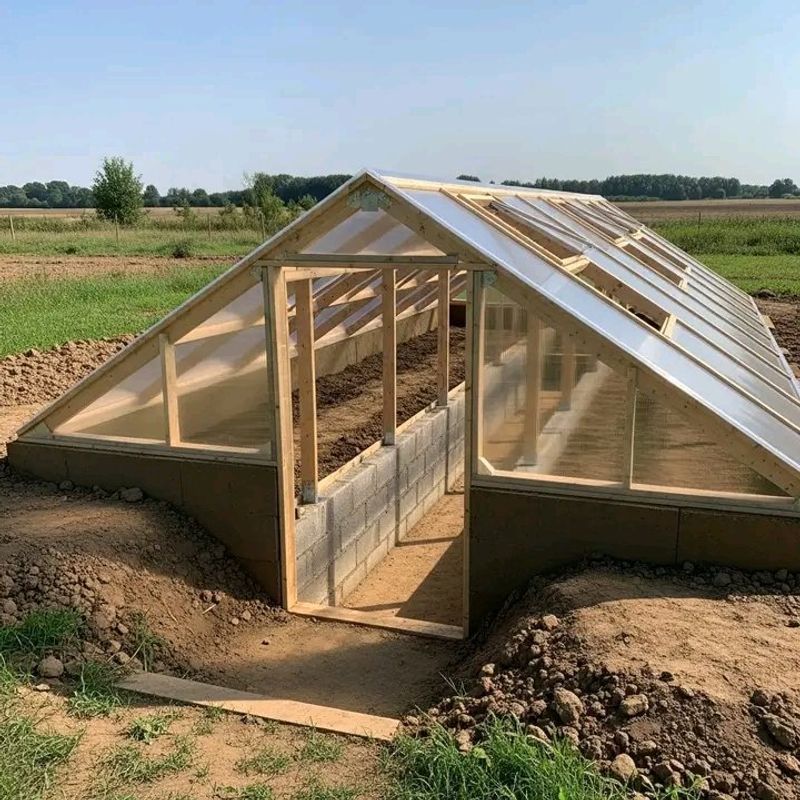
A Walipini greenhouse is an earth-sheltered structure that uses the soil’s natural thermal mass to maintain a more stable temperature.
The name comes from the Aymara language in South America and translates to “place of warmth,” a fitting description for Ohio gardeners seeking extended growing seasons.
Typically, the greenhouse is a rectangular pit dug six to eight feet deep with a transparent roof angled to face south. The ground at this depth remains relatively stable year-round, often between 50 and 55 degrees Fahrenheit, which reduces reliance on electric or propane heat.
In Ohio winters, this makes a significant difference, as outside temperatures can drop into the single digits.
Polycarbonate panels or heavy greenhouse plastic are common roofing choices, and inside, gardeners can grow leafy greens, herbs, and frost-tolerant crops even after the first autumn frost.
The orientation and materials work together to capture maximum solar energy, turning the Walipini into a low-cost, energy-efficient growing space.
This natural heat retention also helps prevent cold damage to plants, extending the life of sensitive crops that would otherwise succumb to frost.
2. Choosing The Best Location For Your Walipini In Ohio
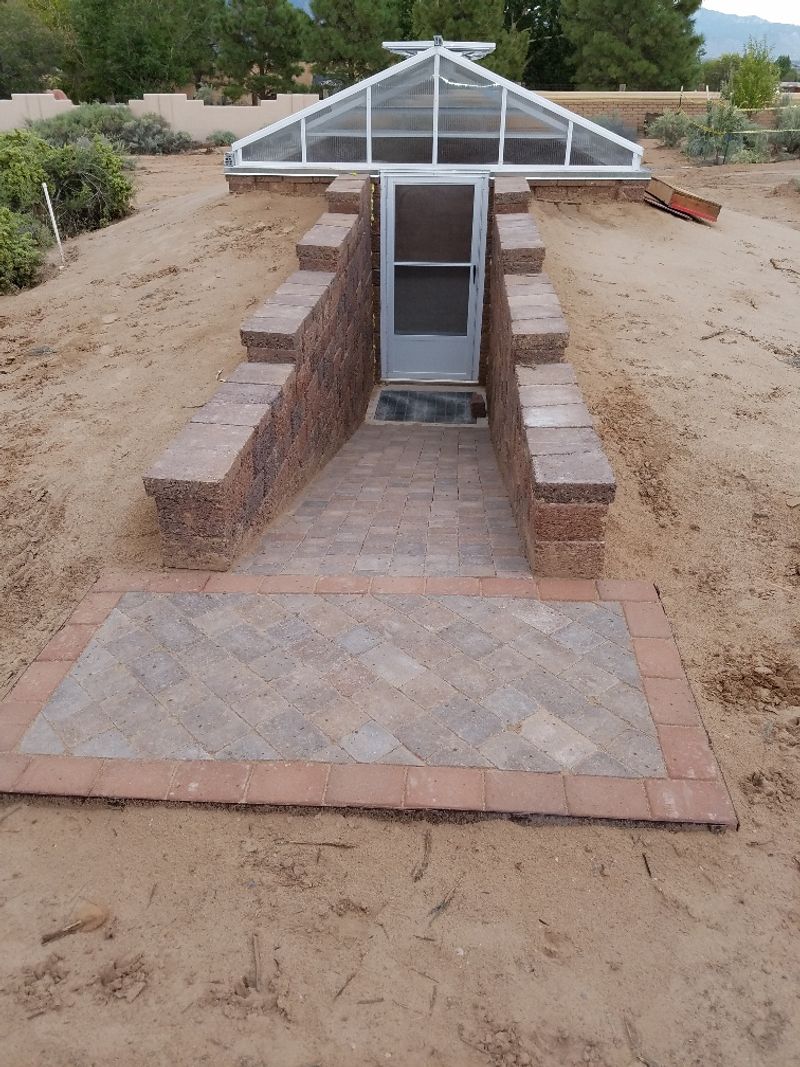
Location is critical for a successful Walipini in Ohio. The ideal spot is a south-facing slope to capture maximum sunlight during the winter months.
Gardeners should select areas with at least six hours of direct sun in December and January while avoiding shading from trees, buildings, or hills.
Ohio’s landscape varies widely, from flat plains to rolling hills, so each site will present unique challenges.
Soil type matters just as much as sun exposure. Clay-heavy soils retain water but can become waterlogged, complicating drainage, while sandy loam or well-drained soils simplify excavation and reduce flooding risks.
Checking the local water table is essential before digging, especially in areas prone to spring saturation.
Selecting the right site can also reduce long-term maintenance, as a carefully chosen slope will naturally shed water and snow while providing consistent sunlight.
Taking the time to observe sun angles and drainage patterns during different seasons can help prevent future headaches and ensure year-round plant growth.
3. Designing Your Walipini For Ohio’s Climate And Soil
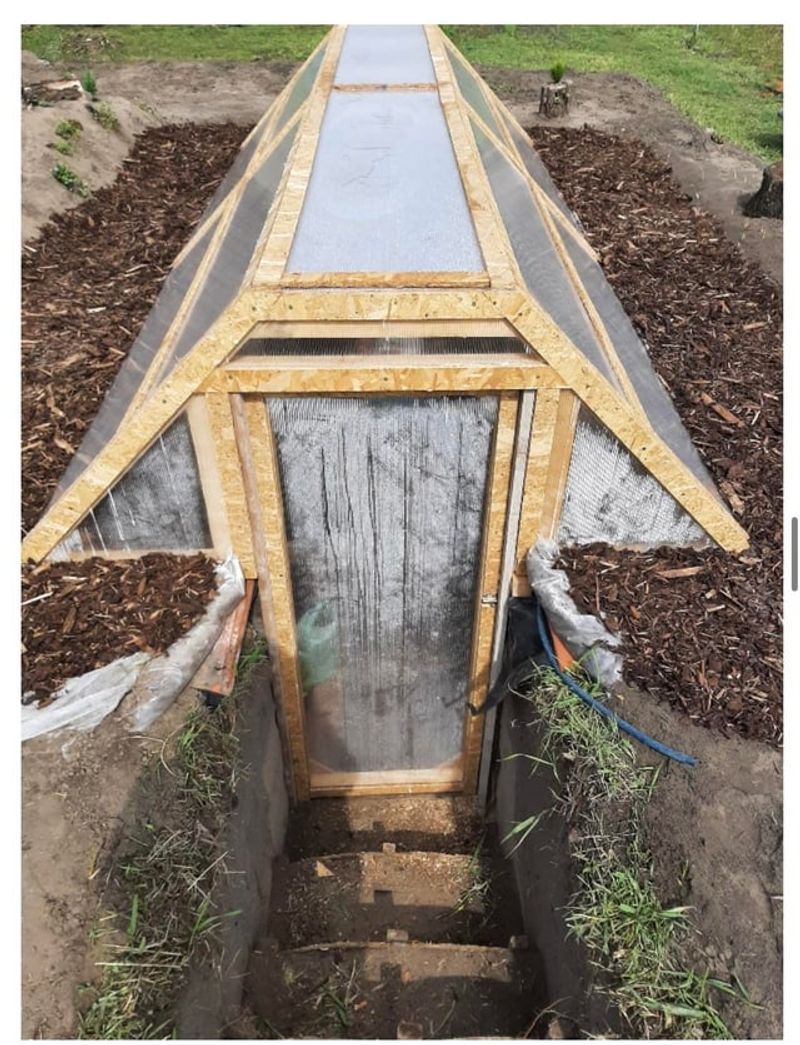
Careful design is key to success in Ohio’s varied climate. Depth, width, and length should balance growing space with ease of construction, with most Ohio Walipinis between 6 and 8 feet deep, 10 to 12 feet wide, and 20 to 30 feet long.
The roof angle should be 30 to 35 degrees to capture low winter sun effectively. Wall materials can range from concrete blocks for durability and thermal mass to earthbag or rammed earth for budget-conscious builders.
A minimum wall thickness of 12 inches provides meaningful insulation against Ohio’s winter cold.
Planning the design to accommodate heavy spring rains, humid summers, and occasional ice storms ensures the greenhouse will remain functional throughout the year.
Including built-in seating or pathways in the design can improve accessibility during Ohio’s snowy winters.
Additionally, planning for storage and tool access inside the Walipini makes it a more versatile workspace, reducing trips outside in extreme weather.
Adding small interior partitions or shelves can help organize plants by type or growth stage, keeping the space tidy and productive.
Considering future expansion during the design phase allows for easier modifications if your gardening goals change.
Incorporating durable, weather-resistant materials for walkways and surfaces reduces maintenance and helps prevent slips in damp Ohio conditions.
4. How To Ensure Proper Drainage For Your Walipini
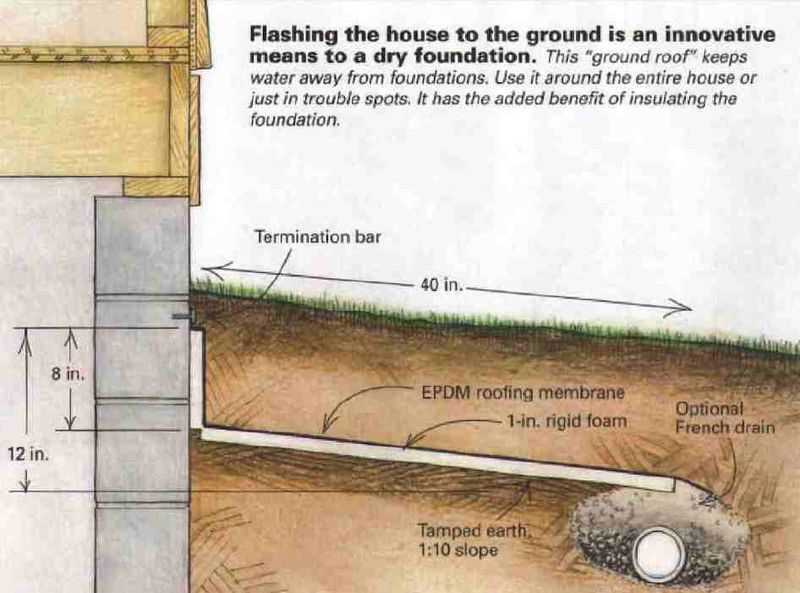
Drainage is a critical concern in Ohio due to its 38 to 40 inches of annual precipitation and spring snowmelt. Without proper drainage, a Walipini can quickly become waterlogged, turning the structure into a maintenance nightmare.
Surrounding soil should be graded to direct surface water away from the structure, and a slight berm around the perimeter helps redirect runoff.
Inside the pit, a perforated drainage pipe or French drain channels groundwater away from the greenhouse.
A gravel floor base of 6 to 8 inches adds additional drainage, and some Ohio builders include a sump pump for extra protection. Raised planting beds further protect crops by keeping roots above any collected moisture.
Testing the drainage system during spring runoff or after heavy rain can help identify weak spots before planting. Integrating simple seasonal checks ensures the Walipini stays dry and productive throughout the year.
Adding a layer of landscape fabric beneath the gravel can prevent soil from clogging the drainage system over time.
Extending drainage pipes to a natural low point on your property or into a rain garden can further reduce water buildup around the Walipini.
Regularly inspecting and cleaning the drainage pipes and gravel base each season ensures the system continues to function efficiently, even during Ohio’s wettest months.
5. Building A Sturdy Frame For Ohio’s Weather Conditions
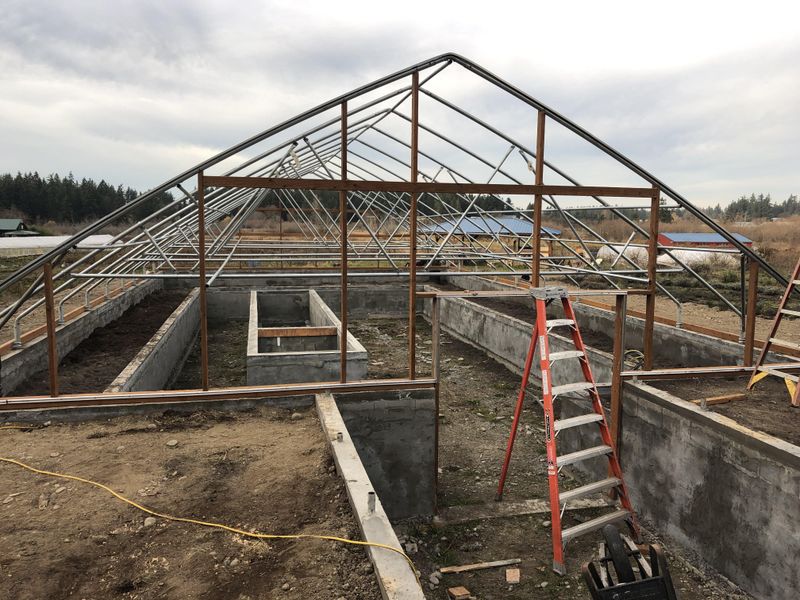
Ohio winters can bring heavy snow that places significant stress on greenhouse roofs. The frame must support snow loads of 25 to 30 pounds per square foot, which is typical for Ohio’s worst-case winter scenarios.
Common materials include steel for strength and longevity or pressure-treated lumber for affordability and DIY friendliness. Roof designs often use simple lean-to or A-frame styles that allow snow to slide off naturally.
Polycarbonate twin-wall panels provide insulation and impact resistance, while galvanized or stainless steel hardware prevents rust in a moist environment.
Adding cross braces and reinforcement at key points increases the roof’s resilience against strong winds.
Proper anchoring of the frame into the Walipini walls ensures stability during storms and prevents shifting during freeze-thaw cycles. With careful construction, the frame can last decades, making it a reliable investment for Ohio gardeners.
Including removable or adjustable roof supports can make maintenance and seasonal repairs easier.
Considering slightly steeper roof angles in areas prone to heavy snow helps prevent accumulation and reduces long-term stress on the structure.
6. How To Maximize The Thermal Mass Of Your Walipini
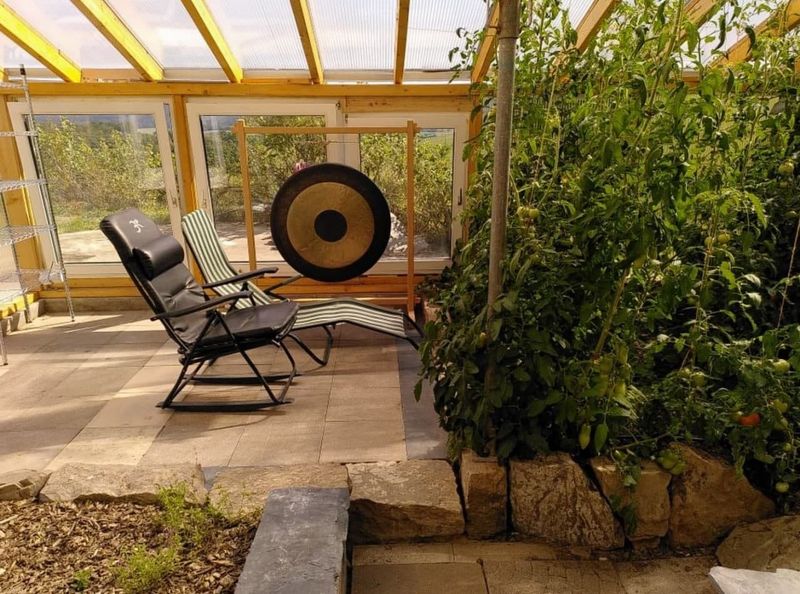
Thermal mass stabilizes the Walipini’s interior temperature by absorbing heat during the day and releasing it overnight. Earth walls already provide significant thermal mass, but adding water-filled barrels painted black or stone flooring can increase warmth.
Ohio’s cold winter nights make this step particularly valuable. Maximizing thermal mass helps maintain temperatures 20 to 30 degrees above outdoor levels on sunny days and protects plants from frost during the coldest nights.
Dark-colored containers, stones between plant rows, or even black-painted walls enhance heat absorption.
Pairing thermal mass with ventilation and shading strategies allows gardeners to maintain optimal temperatures in both winter and summer months.
This combination ensures a consistent microclimate that supports healthy year-round growth. Adding thermal mass near the north wall preserves warmth where sunlight is limited, while placing it strategically near plant beds ensures even heat distribution.
Covering barrels or stones with clear plastic or glass panels can further trap heat during sunny days, boosting efficiency.
Monitoring interior temperatures with a simple thermometer helps gardeners fine-tune placement and ventilation to maximize the benefits of thermal mass throughout Ohio’s winter.
7. Managing Moisture And Keeping Your Walipini Dry
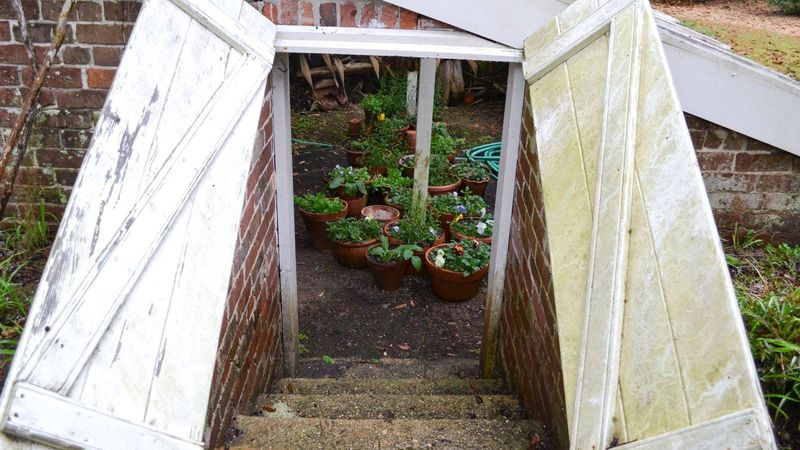
Humidity control is essential to prevent mold, mildew, and fungal disease in Ohio’s damp seasons. Ventilation is the primary tool, with at least two vents to create a natural airflow.
Automatic vent openers can help maintain conditions without constant monitoring. A vapor barrier under the gravel floor prevents ground moisture from rising, and mulch between plant rows absorbs surface water.
Ohio’s clay soils hold water strongly, so pairing good drainage with active ventilation is critical. Installing fans or small passive vents along the sides can improve air movement, especially during humid spring days.
Maintaining airflow helps reduce plant stress, keeping leaves healthy and preventing fungal outbreaks throughout the year. Watering habits matter too, so aim for morning watering so leaves dry faster during the day.
A simple hygrometer can help you spot humidity spikes early, especially on cloudy stretches when the Walipini holds moisture longer.
Keeping plant spacing a little wider also improves airflow around foliage, which can reduce disease pressure during Ohio’s wet spring and fall weather.
8. Navigating Permits And Local Building Codes In Ohio
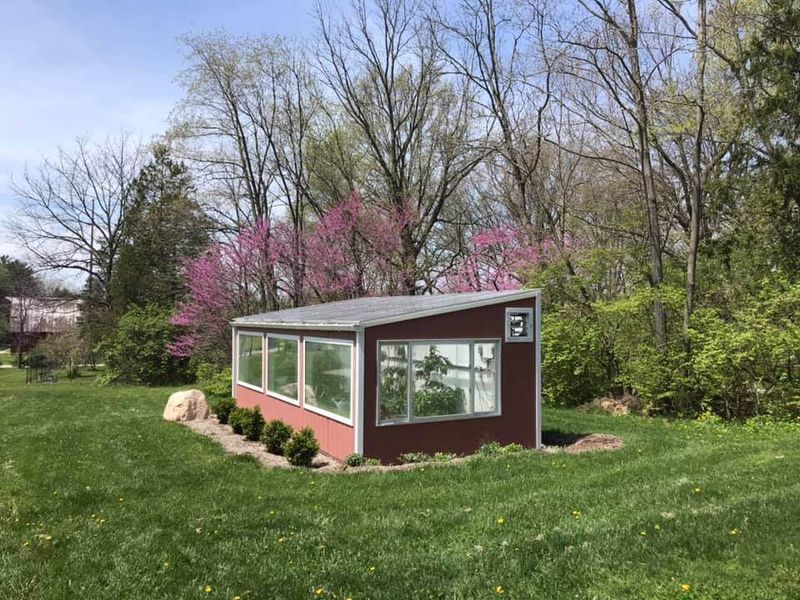
Even sunken structures require permits in most Ohio counties. Skipping permits can lead to fines or forced removal, so it is important to consult local building departments or township zoning offices.
Regulations vary by county, so confirm setback requirements, agricultural exemptions, and HOA rules before starting. Bringing site plans and design drawings to your permit meeting demonstrates preparedness and can simplify the approval process.
Some Ohio counties treat Walipinis as agricultural structures, which may make permitting easier. Checking rules before excavation also helps prevent costly redesigns and ensures your project is compliant from day one.
Understanding local requirements saves time, money, and stress throughout the building process. In addition, keeping detailed records of approvals and communications with officials can protect you if questions arise later.
Planning permits early in the design process also allows you to adjust your site layout for setbacks or drainage requirements without disrupting the project timeline.
9. How To Handle Radon When Building A Walipini
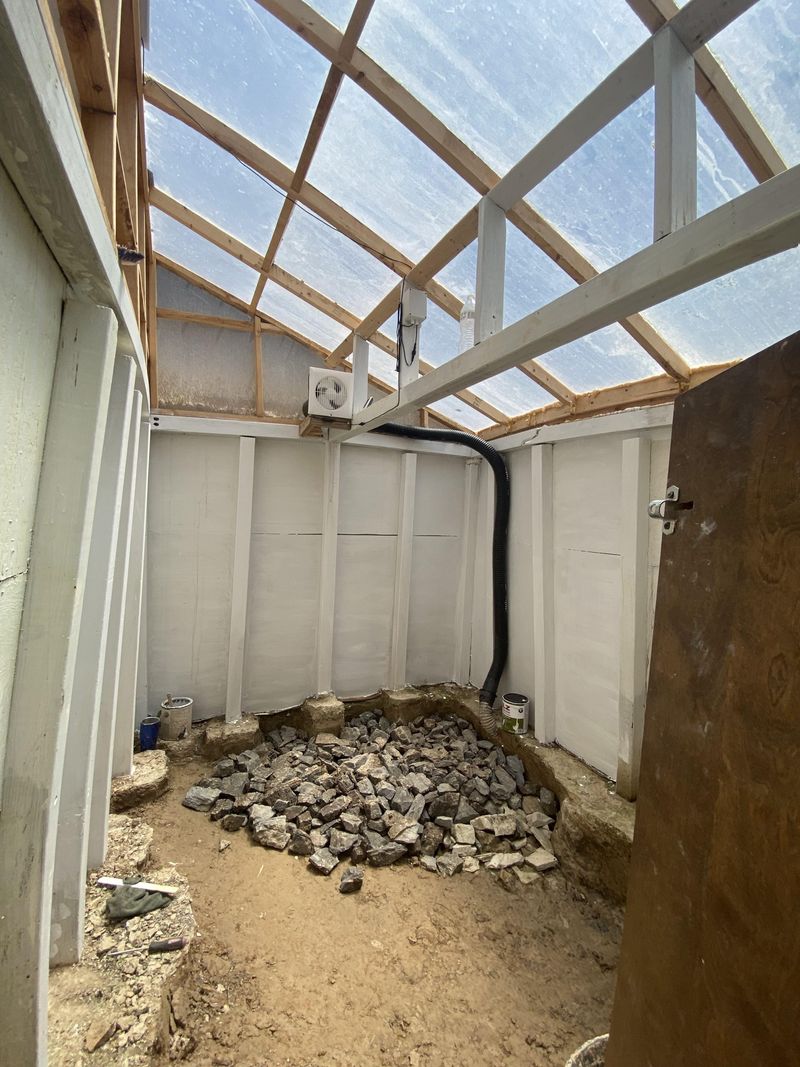
Radon is a naturally occurring gas in many Ohio soils, particularly in central and northern regions. Testing before and after construction is recommended.
Short-term test kits are inexpensive and provide initial guidance, while certified lab analysis confirms results. If radon levels exceed 4 picocuries per liter, mitigation is necessary.
Installing a sub-slab depressurization system, sealing the floor, and maintaining good ventilation can reduce radon exposure effectively. Properly managing radon ensures a safe environment for gardeners who spend extended time inside the structure.
Periodic retesting is also recommended to make sure levels remain low as soil conditions or the structure itself change over time.
Gardeners should also consider keeping windows or vents open when possible to improve natural air circulation.
Consulting a certified radon mitigation professional can ensure that any mitigation system is installed correctly and remains effective throughout the lifetime of the Walipini.
10. Other Greenhouse Options For Ohio Gardeners
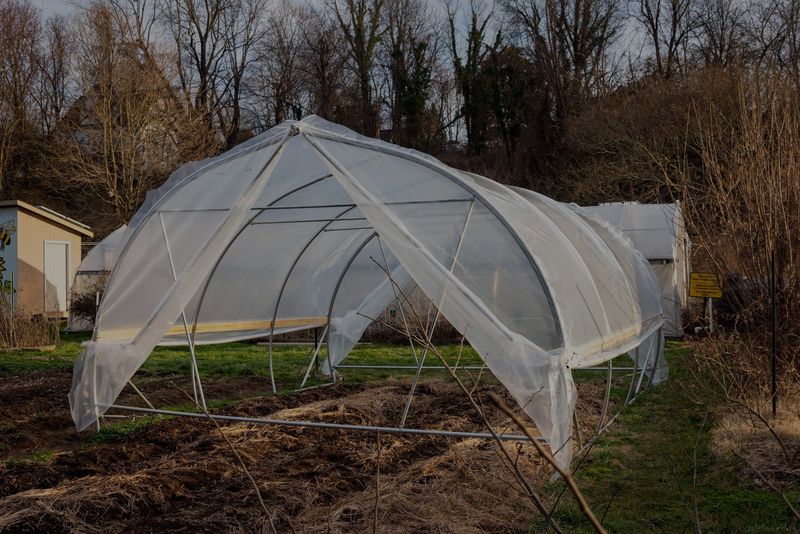
A Walipini is a fantastic option for year-round growing, but it is not the only path forward for Ohio gardeners who want to extend their season. Understanding the full range of greenhouse options helps you pick the structure that fits your budget, skill level, and growing goals.
Sometimes a simpler solution gets the job done just as well.
Hoop houses – also called high tunnels – are among the most popular season-extension tools in Ohio. These unheated structures consist of bent metal conduit or PVC pipe covered with greenhouse plastic.
They are far cheaper and faster to build than a Walipini, and they protect crops from frost effectively. Many Ohio market gardeners use hoop houses to grow salad greens, spinach, and kale through the winter months without any supplemental heat.
Cold frames are another accessible option for smaller-scale growers. These low-profile boxes with transparent lids – often old window sashes – create a mini-greenhouse effect for seedlings and cold-hardy crops.
Traditional glass or polycarbonate greenhouses offer the most control over growing conditions but come with higher construction and heating costs.
Lean-to greenhouses attached to the south side of a home benefit from the building’s warmth and can be surprisingly energy-efficient.
Each option has real merit, and many Ohio gardeners end up using a combination of structures to maximize their growing potential year-round.