How Ohio Gardeners Can Fertilize Hydrangeas Before Spring For Better Flowers
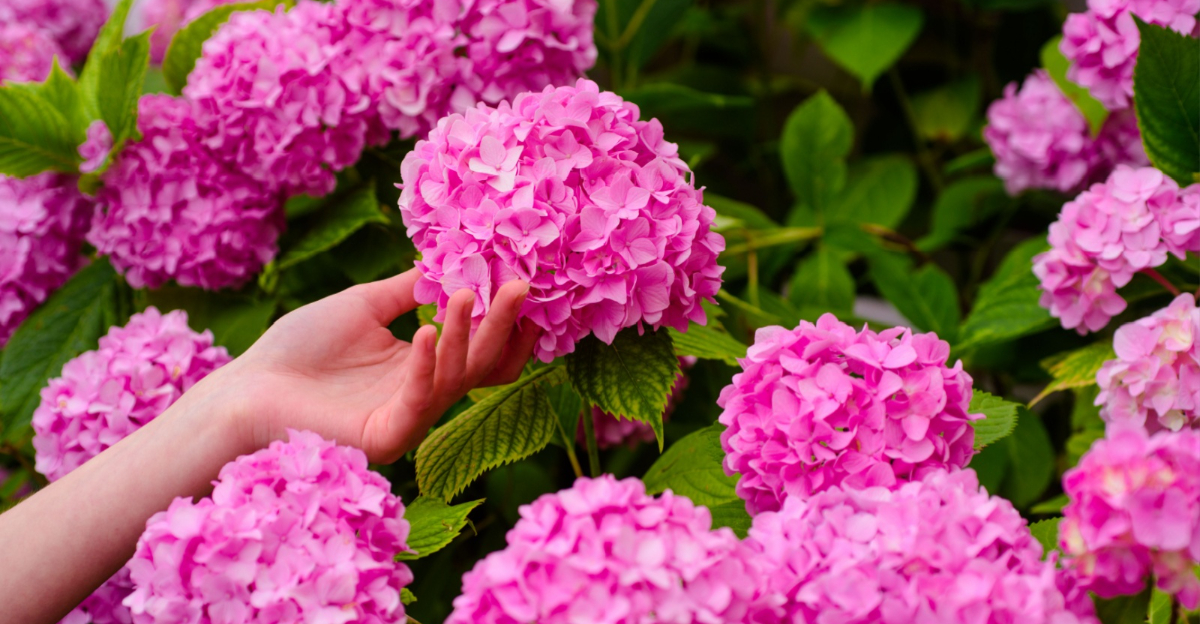
After a long Ohio winter, hydrangeas can sit quietly for weeks, then suddenly wake as the soil softens and buds begin to swell. That in-between stretch is when fertilizing decisions matter most.
Feed too early and the plant may not use much of it. Hit the right moment as growth begins, and your shrub gets a steadier start for the season ahead.
Many experts recommend fertilizing in early spring when new growth appears rather than relying on a fixed calendar date. Ohio conditions can make timing tricky.
Spring weather swings from mild to freezing, soils range from heavy clay to loose loam, and hydrangea types bloom in different ways. Some set buds on old wood, others on new growth.
Because of that, a simple, plant-specific feeding plan often works better than a one-size-fits-all routine.
1. Ohio’s Weather Sets The Pace
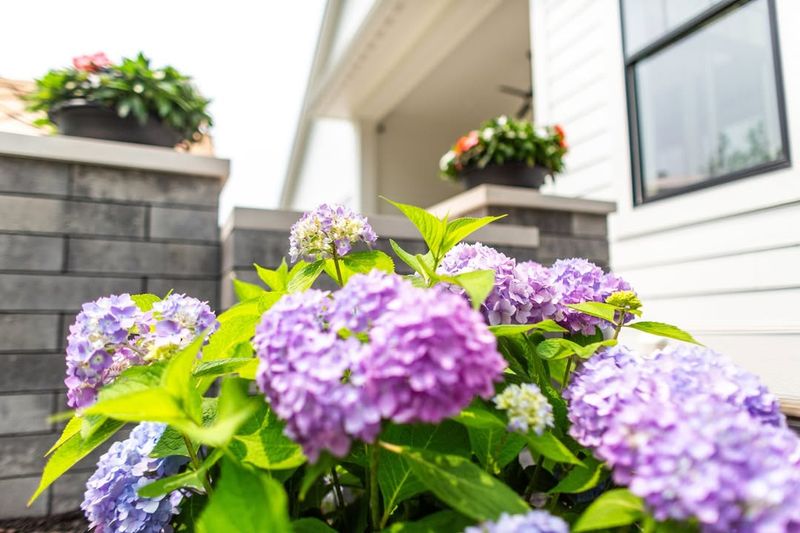
Few gardening jobs in Ohio are helped by guessing, and hydrangea fertilizing is one of them. Late winter can bring mild afternoons, frozen mornings, wet soil, and sudden cold snaps all in the same stretch of days.
That matters because hydrangeas are not ready to make full use of fertilizer while the ground is still cold and roots are barely active.
A better approach is to watch the plant and the soil instead of forcing a calendar date.
Spring feeding makes the most sense as new growth begins to emerge, because that is when the shrub is starting to move water and nutrients through the root system and into developing shoots.
In Ohio, that timing may arrive earlier in southern parts of the state and later in colder pockets, low spots, or exposed sites.
Bud swelling, soft workable soil, and the first signs of fresh growth are much more useful than circling one fixed date on the calendar. Gardeners who apply fertilizer too early may end up feeding cold soil instead of an active plant.
Those who wait for real signs of seasonal movement usually get better results. Letting local weather guide the timing keeps the process more practical and helps hydrangeas use nutrients when they are actually ready for them.
2. Timing Matters More Than Extra Fertilizer
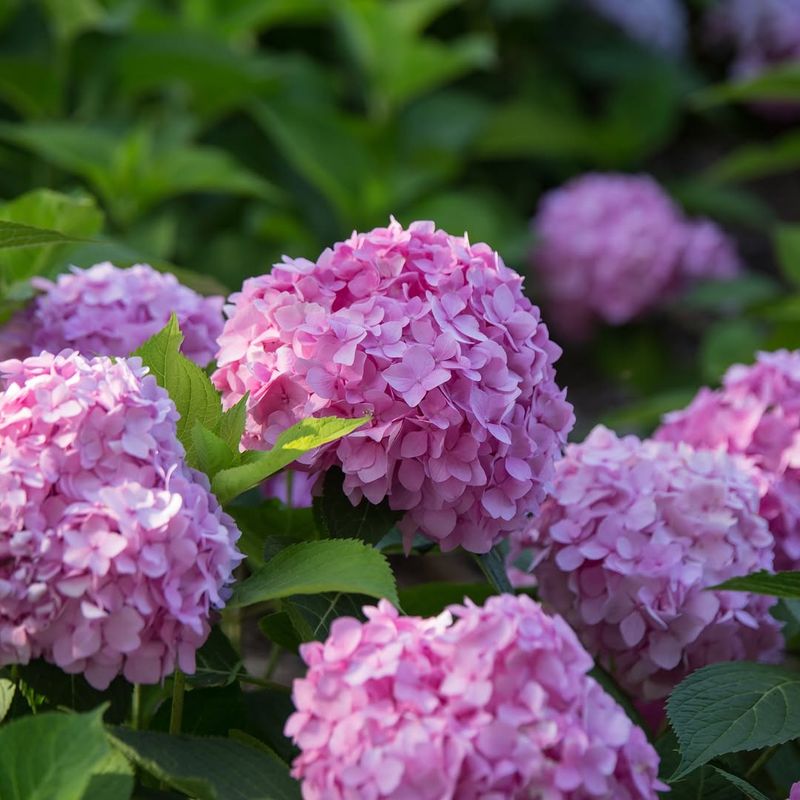
More fertilizer can sound like an easy shortcut to bigger flowers, but hydrangeas usually respond better to good timing than to heavier feeding.
When nutrients are applied just as spring growth begins, the plant can put them to work on stems, leaves, and flower development in a steadier way.
That is a more reliable approach than feeding long before the shrub is fully active.
Getting ahead of the season by too much can backfire. If fertilizer goes down while the soil is still cold or overly wet, some of those nutrients may sit unused or move out of the root zone before the plant is ready.
Waiting too long is not ideal either, because the shrub may already be pushing early growth without much nutritional support. The goal is not to force hydrangeas into fast growth.
It is to meet them at the point where the season is already beginning.
That matters even more in Ohio, where weather can swing quickly and different hydrangea types do not all wake up the same way. A measured feeding timed to visible growth is usually more helpful than a heavy early application.
Paying attention to the plant itself leads to fewer mistakes and a stronger start once spring settles in for good.
3. Healthy Roots Come Before Heavy Blooms
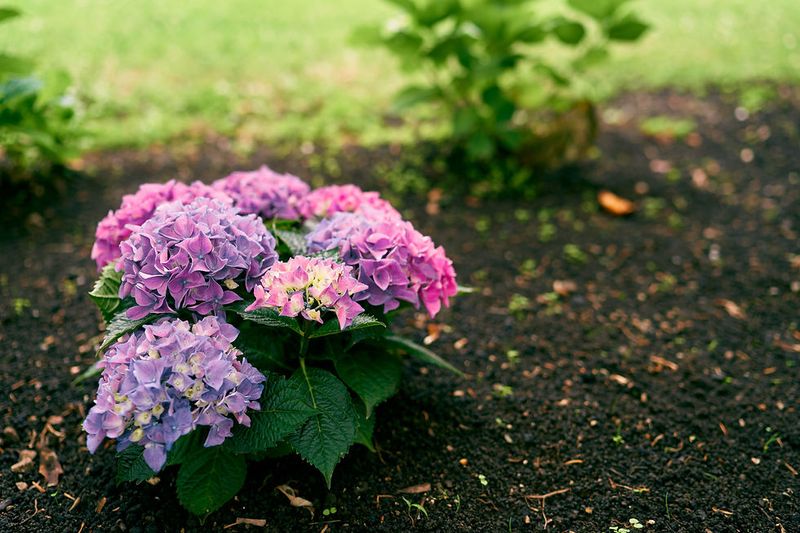
Big flower heads get all the attention in summer, but the real work starts below the soil line. Hydrangeas grow best in soil with plenty of organic matter and good drainage.
A shrub sitting in soggy ground or compacted soil is not likely to respond well to fertilizer, no matter how promising the product looks on the label.
That is why root health deserves attention before bloom size. In many Ohio yards, heavier soils can stay wet after snowmelt or spring rain, and that can limit oxygen around the roots.
If the site drains poorly, improving the planting area may help more than feeding alone.
Organic matter can support better soil structure over time, but with established shrubs it is gentler to top-dress compost over the root zone rather than dig deeply around the base and disturb shallow roots.
A soil test can also make a real difference. Hydrangeas do not all need the same pH, and bigleaf varieties can shift flower color depending on soil conditions.
Blue blooms are more likely in lower-pH soil, while pink blooms are more common in higher-pH soil.
Knowing what is already in the ground helps you choose fertilizer more wisely and avoid adding nutrients or amendments that the shrub may not need in the first place.
4. Slow-Release Feeding Gives Plants A Steadier Start
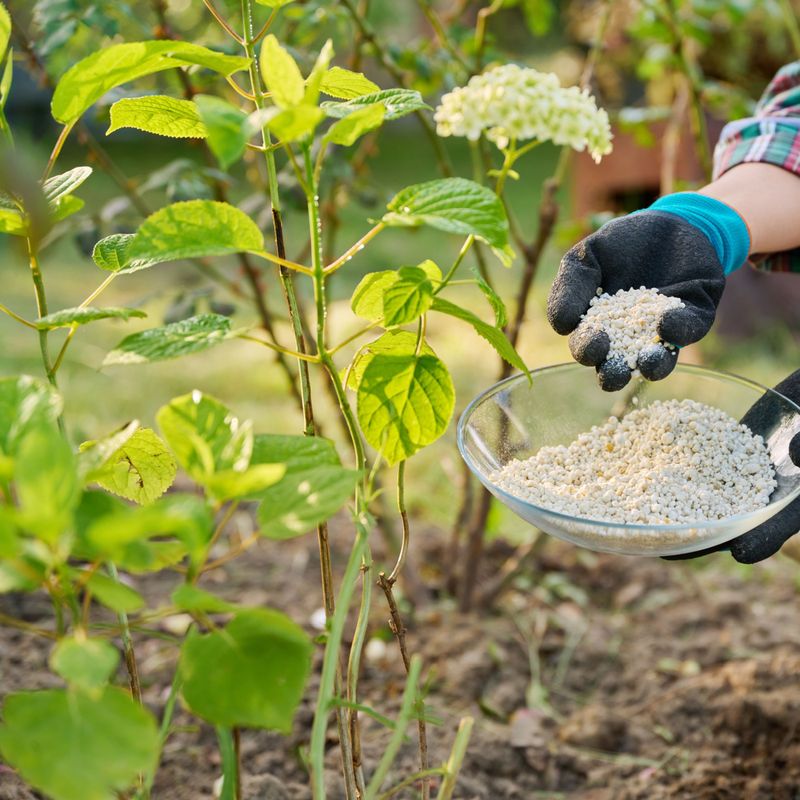
A slow, steady start tends to suit hydrangeas better than a sudden burst of rich feeding. Slow-release fertilizers work gradually, giving the plant nutrients over time instead of delivering everything in one quick flush.
For many Ohio gardeners, that lines up well with the uneven pace of early spring. Some weeks feel like winter is finally loosening its grip, and the next week reminds you it is not done yet.
That is one reason slow-release products are often a practical choice. They support steadier growth and reduce the odds of a rapid push of soft, vulnerable new growth early in the season.
A balanced fertilizer can be a sensible starting point for many hydrangeas, especially when it is used at the recommended rate instead of applied too heavily.
Placement matters just as much as product choice. Fertilizer should be spread around the root zone rather than piled against the stems, then watered in so nutrients can move into the soil where roots can reach them.
Mulch can stay in place while you do this, as long as the product is not left sitting directly against the crown. Hydrangeas usually respond better to consistency than intensity, and a slow-release feeding routine fits that pattern nicely.
5. Too Much Nitrogen Can Mean Fewer Blooms
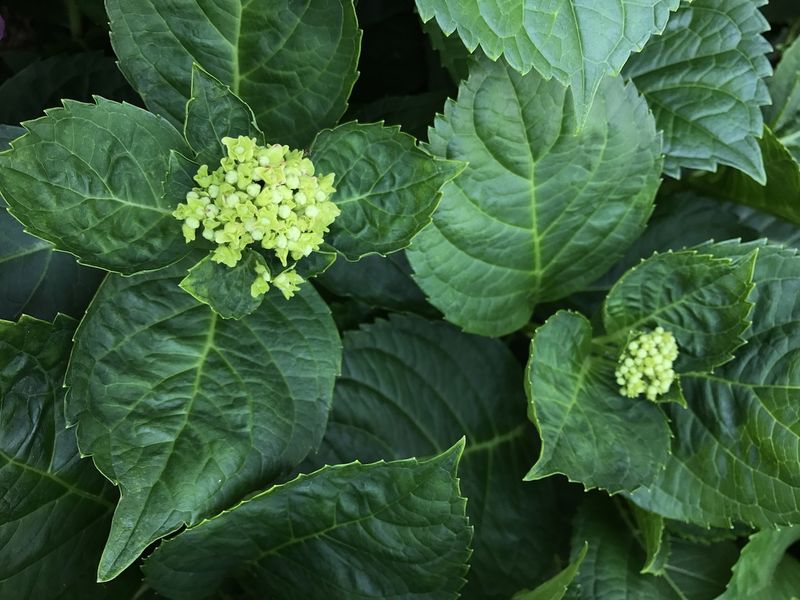
Lush green leaves can be misleading. A hydrangea that looks vigorous from across the yard may still disappoint at bloom time if too much of its energy has gone into foliage rather than flowers.
Excess nitrogen often encourages leafy growth, and that can leave a shrub looking healthy while producing fewer blooms than expected.
This is a common problem when hydrangeas are planted near turf and end up getting the same fertilizer as the lawn. Grass thrives on nitrogen-heavy feeding, but flowering shrubs do not benefit from that same approach.
A lawn fertilizer can throw the balance off in a way that encourages leaves at the expense of blossoms. That is why it is worth choosing a product that suits the shrub instead of simply using whatever is already in the garage.
There is another reason not to overdo it. Rich feeding can push growth that looks strong at first but is not especially helpful in the long run.
Hydrangeas tend to perform better when nutrients are available in moderation and at the right time.
Gardeners hoping for blue blooms on bigleaf hydrangeas should also be careful with high-phosphorus products, since they can complicate the soil conditions that affect flower color.
A balanced approach usually supports better bloom performance than chasing dramatic results with stronger fertilizer.
6. Bigleaf And Panicle Hydrangeas Have Different Needs
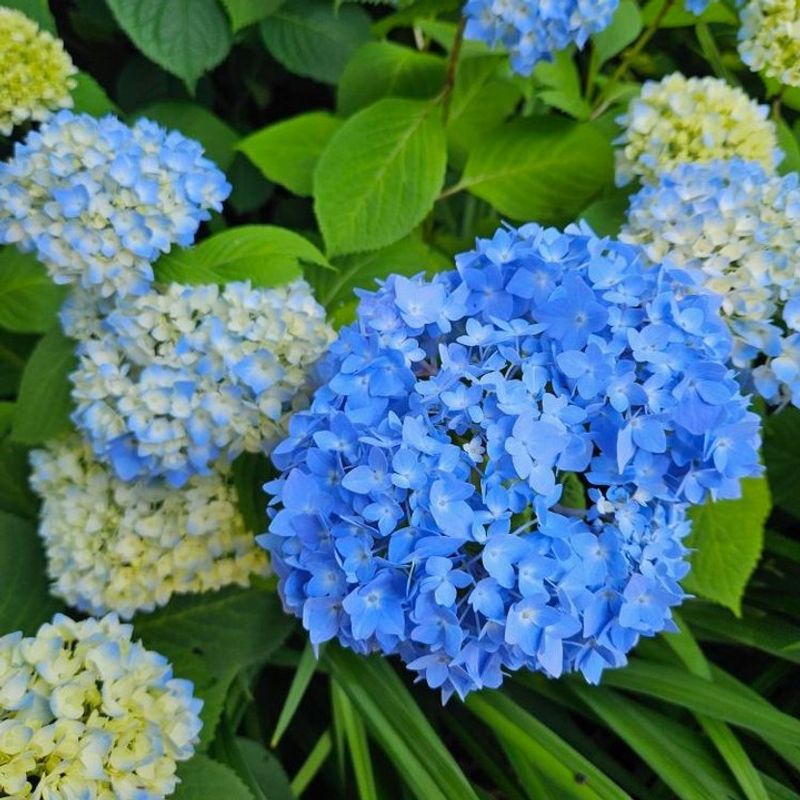
Knowing which hydrangea you have can clear up a lot of spring confusion. Some hydrangeas bloom on old wood, while others bloom on new wood, and that difference affects bloom reliability, pruning, and winter damage.
Bigleaf hydrangeas, including many mophead and lacecap types, often bloom on old wood. That means flower buds for the coming season may already be sitting on last year’s stems before winter even begins.
In Ohio, that can make a big difference. A bigleaf hydrangea may survive winter and still bloom lightly if the buds were damaged by cold.
Panicle hydrangeas are different. They bloom on new wood, which helps explain why they are often more dependable bloomers across much of the state.
Their flower buds are formed on the current season’s growth, so they are less tied to how well last year’s stems came through winter.
That does not mean panicle hydrangeas need a heavier feeding program. It simply means they are often more forgiving when it comes to bloom production.
Bigleaf types usually need more attention to siting and winter protection, while panicle types give gardeners a bit more flexibility.
Once you know which kind you are growing, spring feeding becomes easier to time and much easier to keep in proportion.
7. Mulch And Moisture Help Fertilizer Work Better
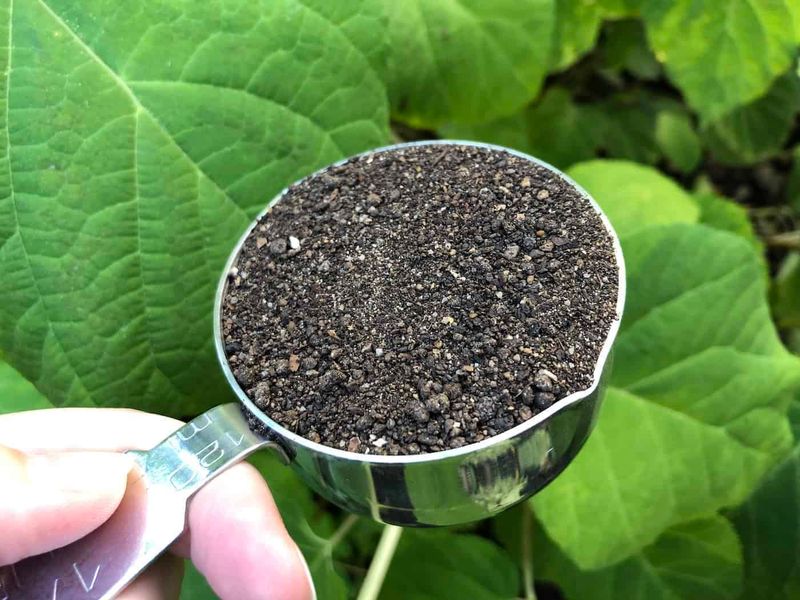
Good fertilizer cannot do much in poor soil conditions. Hydrangeas prefer consistent moisture, and nutrient uptake depends on water moving through the soil and into the root zone.
Dry soil can leave fertilizer sitting near the surface instead of carrying it to active roots, while overly wet soil can create a different set of problems around oxygen and drainage.
That is where mulch earns its place. A two- to three-inch layer of organic mulch helps conserve moisture, softens temperature swings, and supports a more stable root environment.
In Ohio, that matters during spring when the weather can flip from chilly rain to bright warmth in a matter of days. Mulch helps smooth out some of those swings and gives the soil a more even feel from week to week.
Shredded bark, leaf-based mulch, or similar organic materials can all work well. As they break down, they also contribute some organic matter back into the soil.
The main detail to remember is spacing. Keep mulch pulled slightly back from the stems so the base of the shrub is not buried under damp material.
When mulch, moisture, and fertilizing work together, hydrangeas get a better chance to absorb nutrients efficiently and grow with fewer setbacks through the season.
8. Better Flowers Begin With Smarter Feeding
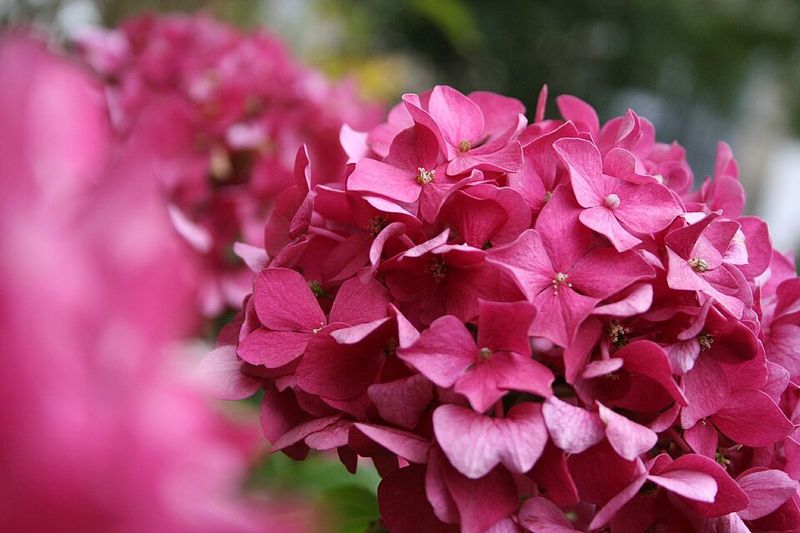
The best hydrangea displays in Ohio usually come from steady care, not dramatic interventions.
Fertilizer is only one part of the picture, and it works best when it supports the plant instead of trying to override poor drainage, winter bud loss, or the wrong hydrangea for the site.
That is why smarter feeding usually leads to better flowers than stronger feeding.
A good routine is fairly simple once you break it down. Start by checking the soil if you have not tested it in a while.
Use that information to guide pH adjustments and fertilizer choices instead of guessing. Wait until spring growth begins, then apply a balanced slow-release fertilizer around the root zone and water it in.
Keep mulch in place, manage soil moisture, and remember that bigleaf and panicle hydrangeas do not face the same bloom challenges in Ohio.
These steps are not flashy, but they line up with the way hydrangeas actually grow. Over time, that kind of measured approach can lead to sturdier stems, healthier growth, and a better shot at the kind of summer flowers gardeners hope for every year.
The payoff is not just bigger blooms. It is the confidence that your care routine fits the plant, the soil, and the rhythm of an Ohio spring.