How Ohio Gardeners Protect New Spring Growth From Deer Without Ugly Netting

The first warm days of spring bring a surge of fresh growth across Ohio gardens, and deer seem to notice right away.
Tender shoots and new leaves quickly become easy targets, especially after a long winter when natural food sources have been limited.
It often takes just one night for young plants to look completely picked over, which can feel discouraging after all that early-season effort.
Many Ohio gardeners want to protect their plants but hesitate to cover their yards in bulky netting.
There are, however, practical ways to reduce damage while still keeping your garden looking open, natural, and inviting.
1. Why Deer Target Tender Spring Growth In Ohio Gardens
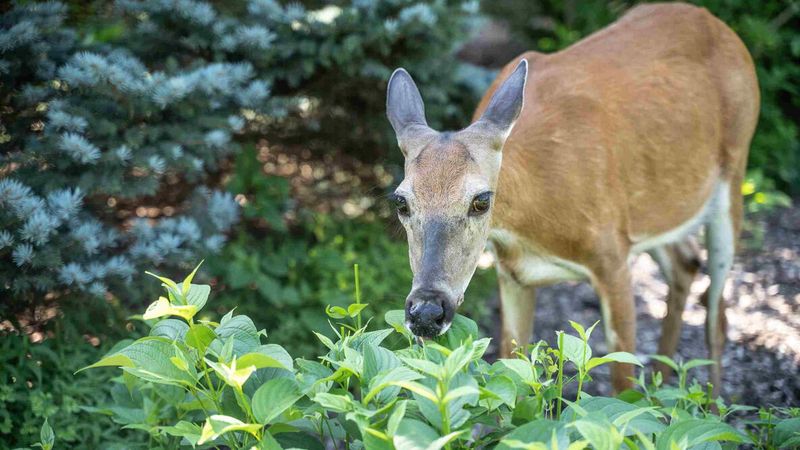
Soft new growth in spring is like a buffet spread out across every Ohio yard, and deer know exactly when to show up.
After months of surviving on woody stems and dried grasses through a cold Ohio winter, deer are nutritionally depleted and actively searching for fresh, high-protein plant material.
Young shoots, leaf buds, and emerging perennials are packed with moisture and nutrients that deer crave as the season changes.
Ohio sits within a high deer-density region, which means many gardeners are not dealing with the occasional wandering animal but with established herds that follow predictable seasonal routes.
Deer tend to return to the same feeding areas year after year, especially when those locations have provided reliable food before.
A garden that was browsed last spring is very likely to be visited again this spring.
Understanding why deer behave this way helps gardeners prepare rather than just react.
Knowing that deer are most active at dawn and dusk, and that they move more aggressively during early spring food scarcity, allows Ohio gardeners to time their protective measures more effectively.
Getting ahead of the problem before plants fully leaf out is the most practical approach.
2. Scent-Based Repellents Help Deter Browsing Deer
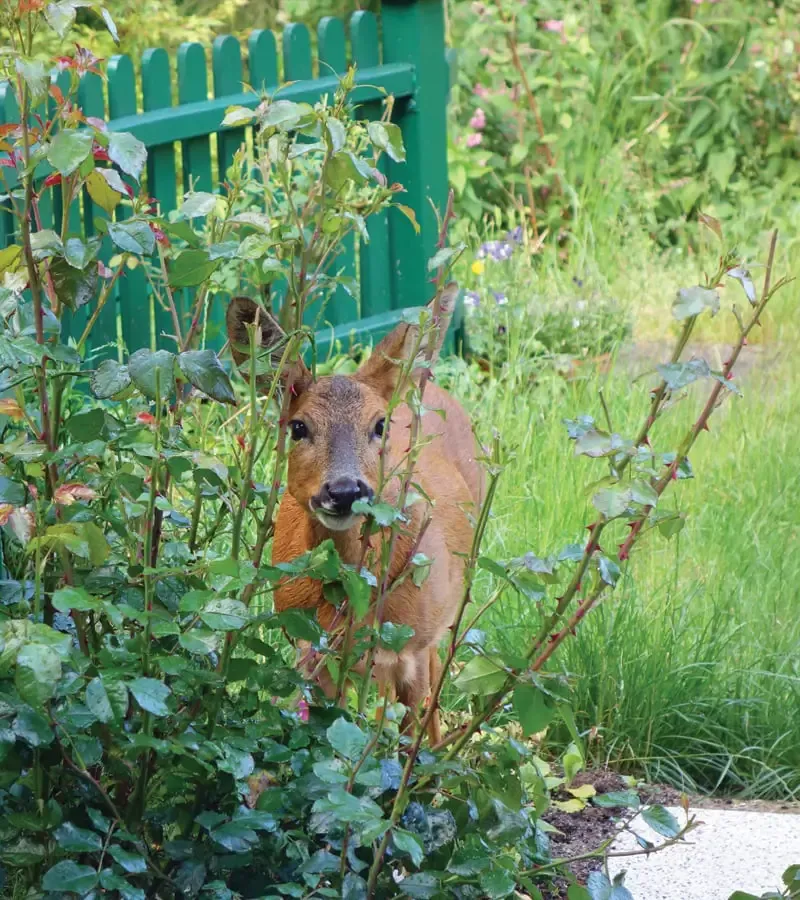
Deer rely heavily on their sense of smell to evaluate whether a food source is safe, and that instinct can work in a gardener’s favor. Scent-based repellents introduce odors that signal danger or simply make plants smell unappetizing enough to skip.
Egg-solids, garlic, putrescent oils, and predator urine are among the most commonly used active ingredients in both commercial and homemade formulas.
Commercial products like Plantskydd and Liquid Fence have shown solid results for Ohio gardeners when applied consistently.
These products work best when sprayed directly on plant foliage before deer establish a feeding habit in the area.
Waiting until damage appears often means the deer have already decided the garden is worth revisiting, making the repellent job harder.
Homemade sprays using diluted hot sauce, raw egg, and water can also reduce browsing, though they tend to break down faster and need more frequent reapplication, especially after Ohio’s unpredictable spring rain.
Rotating between different repellent types throughout the season helps prevent deer from becoming desensitized to a single scent.
Applying repellents every one to two weeks during peak spring growth gives the best chance of keeping deer moving past the garden.
3. Physical Barriers That Blend Into The Landscape
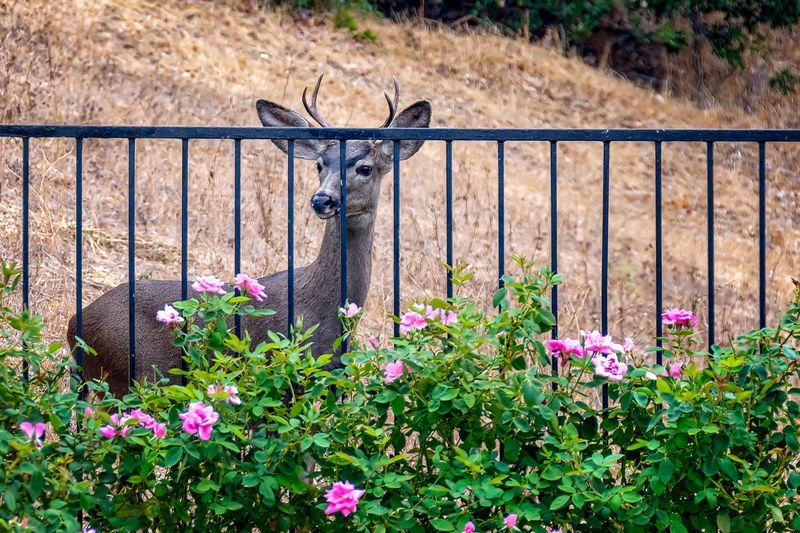
Not every physical barrier has to look like a construction site. Ohio gardeners have found creative ways to use low fencing, decorative stakes, and garden edging that protect plants while still looking intentional and attractive.
Wrought-iron-style fencing, bamboo borders, and stone edging placed close around vulnerable beds can make it physically awkward for deer to step in and feed without drawing attention to themselves.
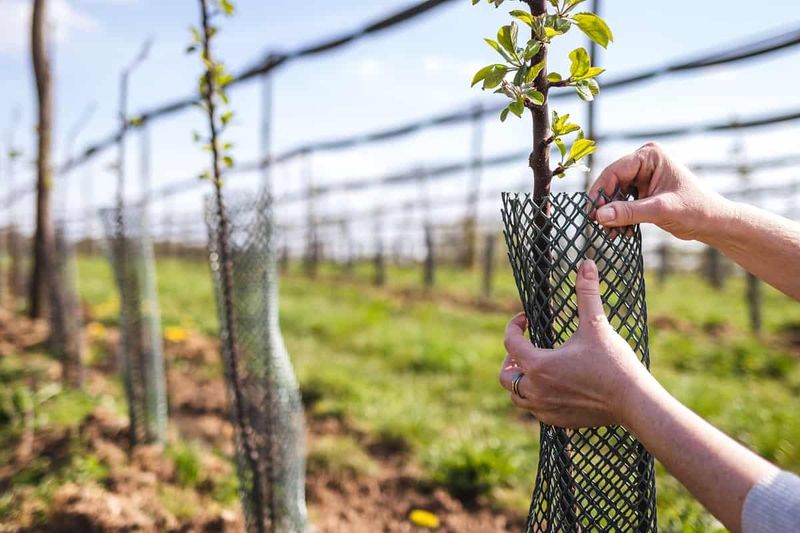
Tree tubes and individual plant guards made from wire mesh are especially useful for protecting young trees and shrubs during their first one to two growing seasons.
These guards can be painted or left in a natural finish that blends with bark and mulch.
Many Ohio nurseries carry guards specifically sized for fruit trees and ornamental shrubs that are prone to antler rubbing in late winter and early spring.
For gardeners who want broader coverage without a towering fence, a double-row planting strategy using thorny shrubs like hawthorn or barberry along the garden perimeter creates a natural physical deterrent.
Deer are reluctant to push through dense, prickly growth, especially when easier food sources are nearby.
Combining these barriers with repellents creates a layered defense that feels far more manageable than installing a full perimeter fence.
4. Plant Choices That Deer Tend To Avoid In Spring

Swapping out a few plant choices can make a surprisingly big difference in how much deer damage a garden suffers each spring. Deer tend to avoid plants with strong fragrances, fuzzy or rough textures, and bitter or toxic compounds.
Knowing which plants fall into those categories gives Ohio gardeners a solid starting point when planning or replanting vulnerable beds.
Lavender, bee balm, Russian sage, and catmint are among the fragrant perennials that deer generally pass over in favor of more palatable options.
Hellebores, also called Lenten roses, bloom early in Ohio and have a natural toxicity that makes them largely unappealing to browsing deer.
Ornamental grasses, ferns, and astilbe also tend to hold up better through spring without significant deer pressure.
Bulb choices matter too. Daffodils contain alkaloids that deer find unpleasant, making them a far safer investment than tulips, which deer treat like a seasonal snack.
Alliums, with their strong onion-like scent, are another spring bulb that deer typically skip.
Replacing deer-favored plants does not mean giving up color or variety – Ohio’s climate supports a wide enough range of deer-resistant species to build a full, beautiful garden without constant worry.
5. Strategic Plant Placement Reduces Deer Damage

Where plants are positioned in the yard can be just as important as which plants are chosen.
Deer are naturally cautious animals that prefer to feed near cover – wooded edges, fence lines, and shrubby borders where they can retreat quickly if startled.
Placing the most vulnerable plants closer to the house or near areas with regular human activity takes advantage of that skittishness.
Ohio gardeners who live near wooded lots or creek corridors deal with heavier deer pressure along those edges.
Placing deer-resistant plants like ornamental grasses, spirea, or forsythia along the property border closest to the woods creates a buffer that may discourage deer from venturing deeper into the yard.
More tender or desirable plants positioned near patios, walkways, or driveways benefit from the natural deterrent of human foot traffic and household noise.
Raised beds also offer a subtle positional advantage.
Deer prefer flat, accessible ground when feeding, and a raised bed with solid sides adds just enough physical awkwardness to make some deer move on to easier targets.
Grouping vulnerable plants together in a central bed surrounded by deer-resistant species on all sides creates a natural layered defense without requiring any fencing or special equipment.
6. Temporary Protection Methods For Young Plants
Young plants are at their most vulnerable during the first few weeks after they emerge or are transplanted. At that stage, even a single night of deer browsing can set back or completely destroy a plant that took months to grow.
Fortunately, temporary protection options exist that are easy to install, inexpensive, and far less visually intrusive than full netting setups.
Individual wire cloches, small tomato cages, and inverted wire baskets placed over new transplants can protect them during those critical early weeks without looking out of place in a well-kept garden.
Floating row cover fabric, when draped loosely over a bed and secured at the edges, also provides a soft, breathable barrier that deer tend to avoid stepping on or pushing through.
Many Ohio gardeners use this method in vegetable gardens during early spring when lettuce, spinach, and peas are just getting established.
Burlap wraps around individual shrubs and small trees serve double duty in Ohio’s early spring, protecting against both late frost damage and deer browsing.
Once plants are established and growing more vigorously, most temporary measures can be removed.
The goal is simply to get plants through their most delicate phase with enough root and stem development to recover quickly if any minor browsing does occur.
7. Yard Conditions That Attract Deer In Early Season
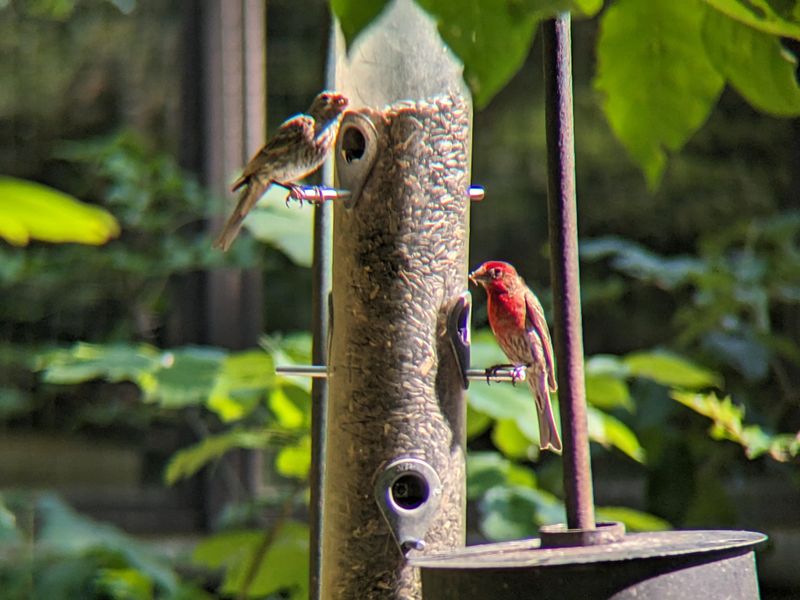
Some yards simply invite deer in without gardeners realizing it. Bird feeders that drop seed onto the ground create a reliable food source that brings deer in close and teaches them that the yard is a safe place to eat.
Once deer feel comfortable in a space, they are much more likely to explore nearby garden beds and sample whatever is growing there.
Open lawns with minimal human activity, especially those bordering wooded areas or Ohio creek corridors, are natural deer travel routes in early spring.
If the yard also has standing water, dense ornamental shrubs for cover, or low-hanging fruit trees, it becomes even more appealing.
Removing or modifying these attractants does not have to mean a complete yard overhaul, but small changes can shift the balance.
Bringing in bird feeders at night during peak deer season, raking up fallen seed regularly, and trimming back dense shrubs that provide deer with a sense of cover near the garden are all practical steps Ohio gardeners can take.
Motion-activated lights or sprinklers placed near garden entry points add an element of surprise that deer find unsettling.
Reducing what draws deer in to begin with makes every other protective strategy work more effectively.
8. Consistency Matters When Managing Deer Pressure
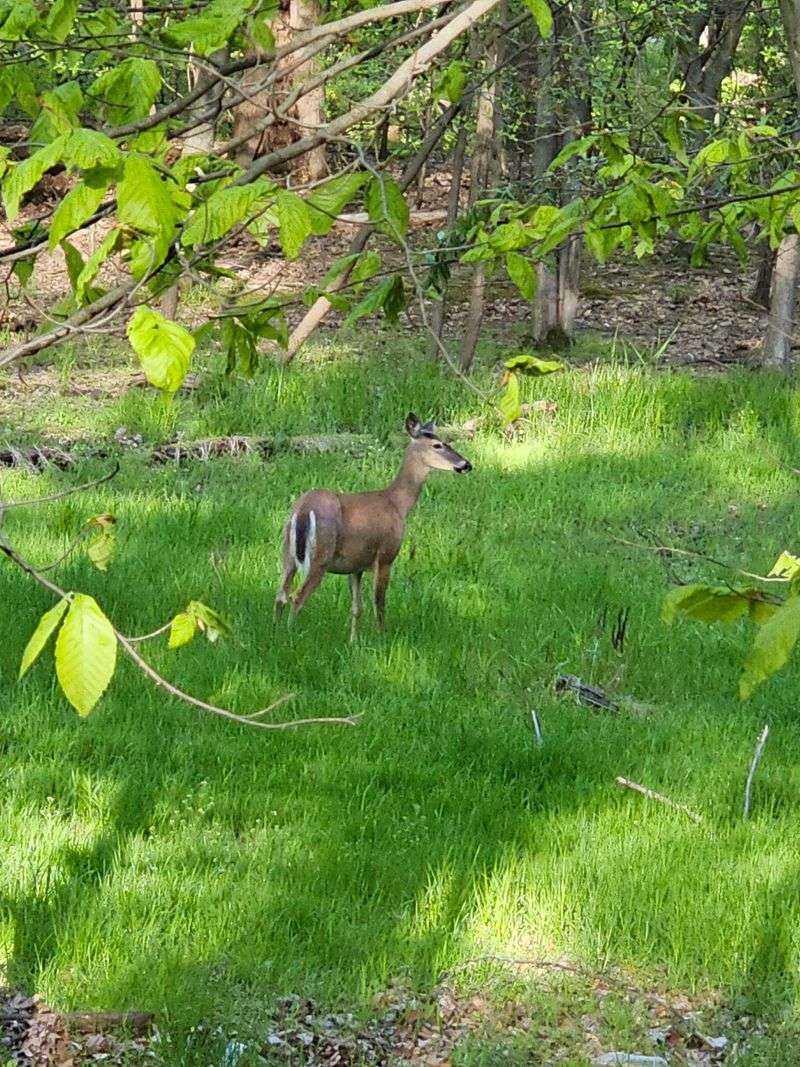
Managing deer pressure is not a one-time task – it requires steady attention throughout the entire spring season.
Deer are adaptable and persistent, and they will return to a garden where they have found food before, even after a few unsuccessful attempts.
Gardeners who apply a repellent once or install a cloche and then forget about it often find that deer simply wait out the disruption and return when the deterrent fades.
Checking the garden regularly for early signs of browsing, such as ragged leaf edges or broken stem tips, helps catch problems before they become serious.
Reapplying repellents after rain, rotating between different scent formulas, and refreshing any temporary barriers every couple of weeks keeps the garden’s defenses from becoming predictable.
Deer are creatures of habit, and breaking their routine requires a gardener who is equally committed to staying unpredictable.
Ohio’s spring weather can stretch from late March well into May, and deer browsing pressure often peaks during that window before natural food sources become more abundant.
Staying consistent through that stretch, rather than relaxing efforts too early, makes the biggest difference in how much damage a garden ultimately sustains.
A little regular effort goes a long way toward protecting a full season of new growth.