How Oregon Gardeners Can Create Stunning Plant Combinations
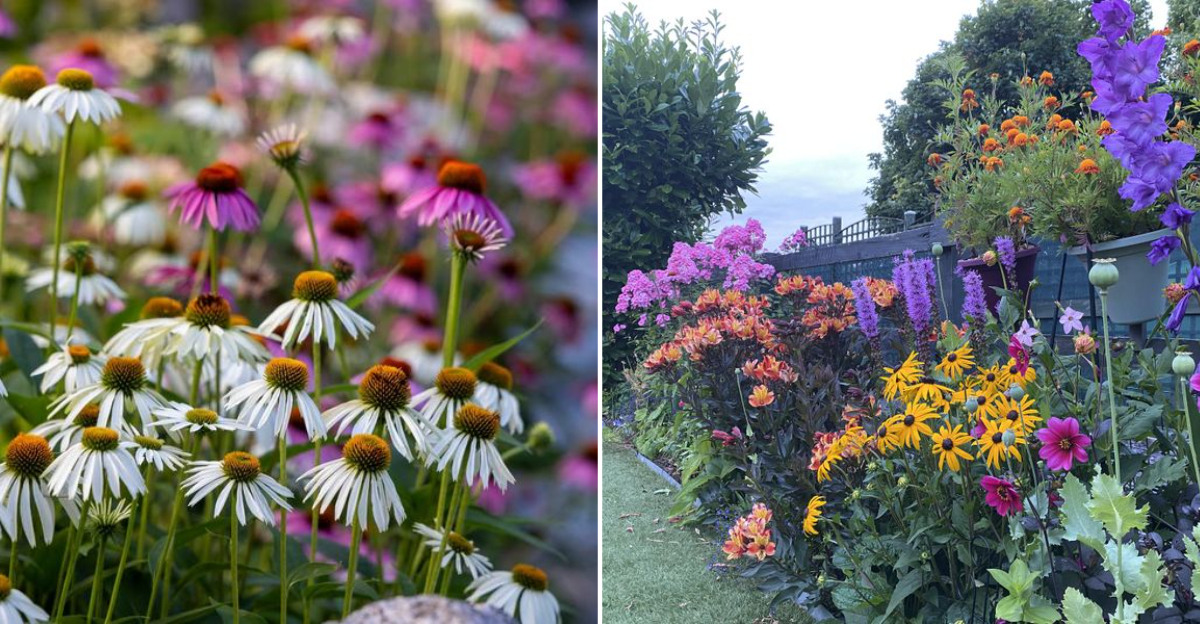
Great gardens are not just about individual plants. The real magic happens when colors, textures, and shapes come together in a way that feels alive and effortless.
Oregon gardeners have a special advantage thanks to rich soils, gentle rains, and an amazing mix of native and climate friendly plants that love to grow here.
Imagine bold flowers dancing above soft grasses, bright foliage glowing against deep greens, and seasonal blooms taking turns in the spotlight.
With a little creativity, your yard can look vibrant and beautifully layered all year long. Mixing plants is like painting with nature, and every garden becomes a personal masterpiece.
Play with contrast, repeat colors for harmony, and let each plant show off its personality while supporting the others.
Soon your space will feel lush, balanced, and full of eye catching moments that change with the seasons and keep your garden exciting every single day.
1. Start With Bold, Round Blooms
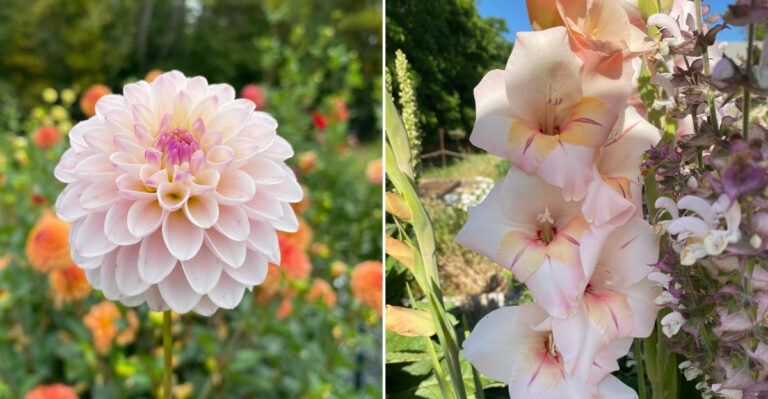
Round flowers act as natural focal points that draw the eye and anchor your garden design. Hydrangeas thrive in Oregon’s climate and offer softball-sized blooms in shades of blue, pink, and white.
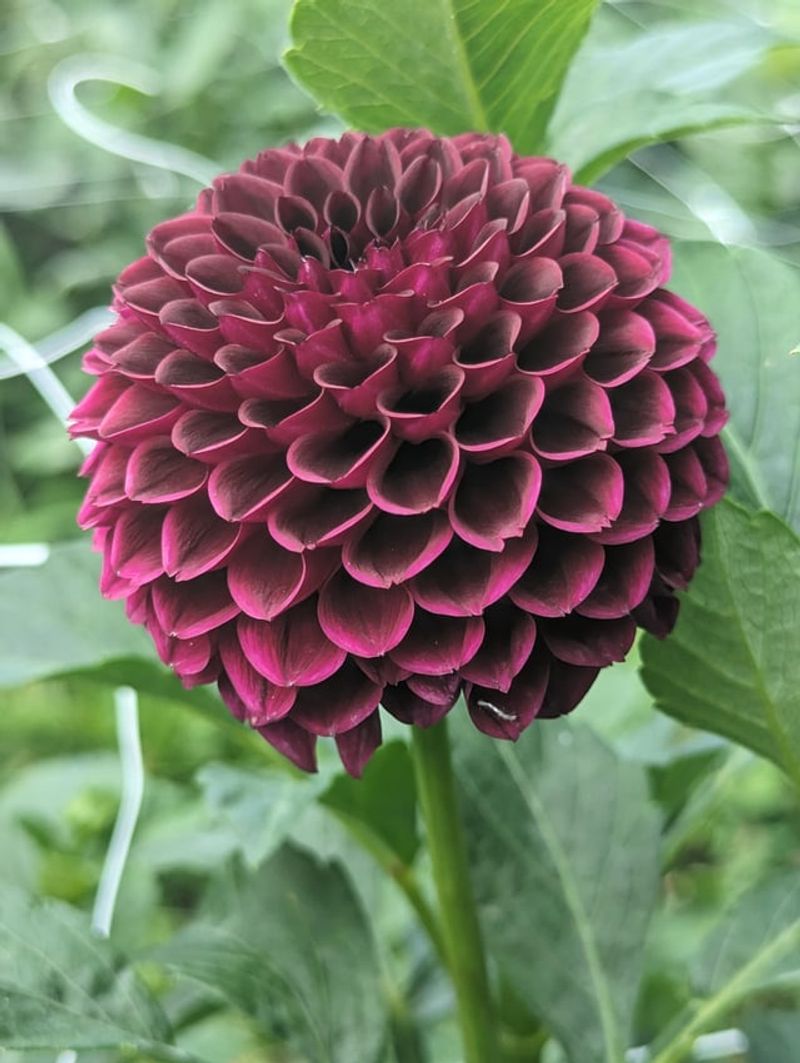
Dahlias add drama with their layered petals and come in nearly every color imaginable.
These bold bloomers work best when you plant them where visitors will notice them first. Try placing them near pathways or at the front of garden beds.
Their full, rounded shape creates a sense of abundance and makes other plants around them look more intentional.
Oregon gardeners should choose varieties that match their sun exposure. Hydrangeas prefer morning sun and afternoon shade, while dahlias need at least six hours of direct sunlight.
Both plants reward you with months of continuous blooms when you remove spent flowers regularly.
Pair round blooms with plants that have different shapes to create contrast. Ornamental grasses or tall spiky flowers make excellent companions because they provide a completely different visual texture.
This combination prevents your garden from looking flat or monotonous and adds depth to your overall design.
2. Add Height With Spiky Flowers
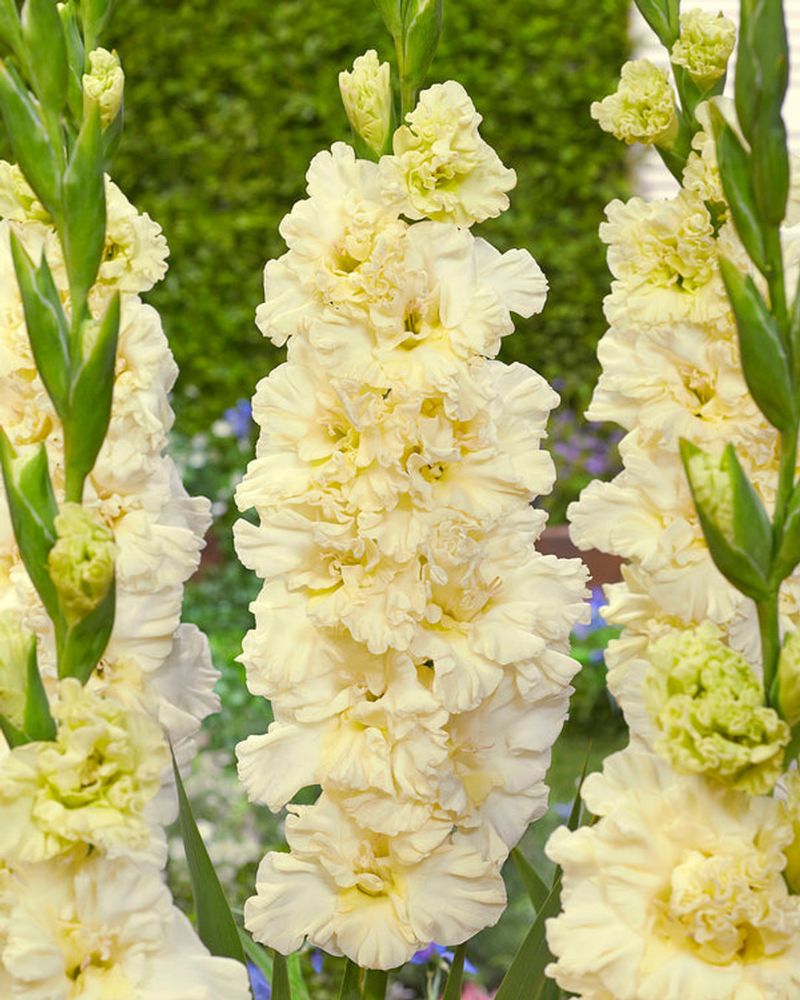
Vertical elements change how people experience your garden by directing their gaze upward. Delphiniums produce towering spikes covered in blue, purple, pink, or white flowers that can reach five feet tall.
Foxgloves offer similar height with their tubular blooms arranged along sturdy stems.
These tall plants create what designers call vertical interest. They break up horizontal lines and make your garden feel bigger than it actually is.
Oregon’s cool nights and moderate summers provide ideal conditions for growing these dramatic bloomers.
Plant spiky flowers toward the back of borders or in the middle of island beds where they won’t block shorter plants. Their height makes them visible from across the yard and creates a layered effect that looks professionally designed.
They also attract hummingbirds and bees, bringing movement and life to your space.
Combine tall spikes with mounding plants at their base to hide bare stems and create fuller beds. Low-growing perennials like catmint or hardy geraniums work perfectly for this purpose.
This pairing ensures your garden looks complete from ground level to the top of the tallest bloom.
3. Plant In Groups, Not Singles
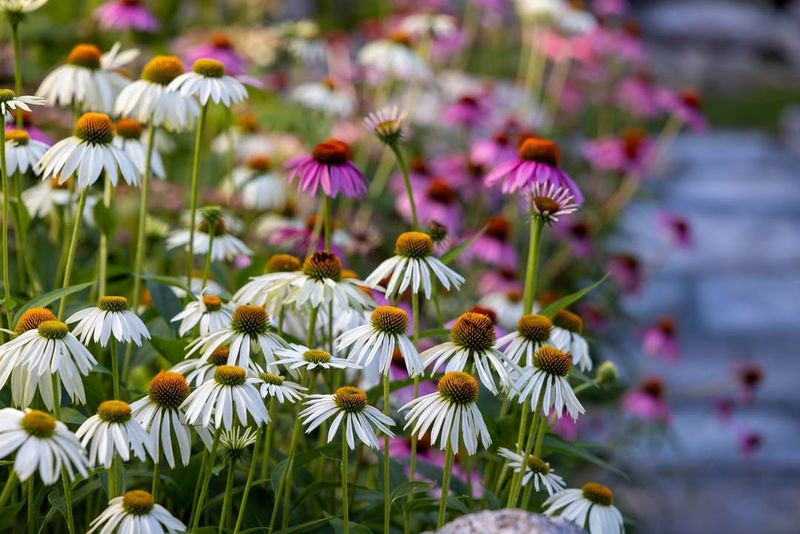
Single plants scattered throughout a bed create a spotty, disorganized appearance that lacks impact. Grouping three, five, or seven of the same plant together makes a much stronger visual statement.
This technique, called mass planting, helps your garden look cohesive and professionally planned.
Oregon gardeners can use this strategy with perennials, annuals, and even small shrubs. When you plant in odd-numbered groups, the arrangement looks more natural and less formal.
Your eye processes these clusters as unified elements rather than individual specimens.
Choose one plant variety and repeat it in multiple locations throughout your garden. This repetition creates rhythm and ties different areas together.
For example, planting groups of purple coneflowers in three separate spots makes your whole yard feel connected and thoughtfully designed.
Groups also have practical benefits beyond aesthetics. They create more substantial blocks of color that remain visible from a distance.
Individual plants might disappear visually, but clusters command attention and make your garden more memorable to visitors and passersby walking down the street.
4. Repeat Colors Across The Bed
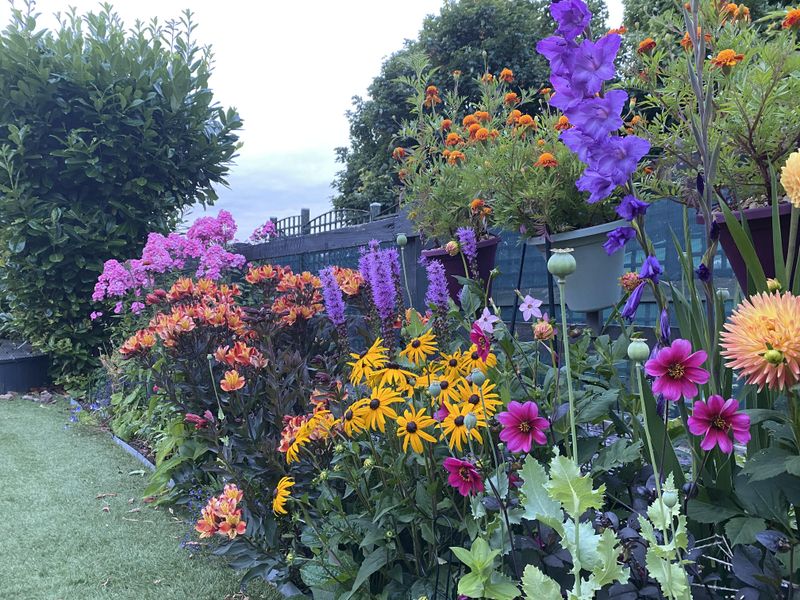
Color repetition creates harmony and prevents your garden from looking like a random collection of plants. Pick two or three main colors and use them throughout your beds.
Purple salvia paired with yellow coreopsis, repeated several times, creates a unified theme that feels intentional.
Oregon gardens benefit from this approach because it works with any style, from cottage gardens to modern landscapes. Your chosen colors should appear in different areas of the bed, not just grouped together in one spot.
This distribution leads the eye around the entire space and makes everything feel connected.
Avoid using too many colors at once, which can create visual chaos. Limiting your palette to a few shades makes your garden feel calmer and more sophisticated.
You can always add white or silver foliage plants, which act as neutrals and work with any color scheme.
Consider bloom times when selecting plants for color repetition. If your purple flowers bloom in spring and your yellow ones in summer, you won’t see them together.
Choose varieties that overlap in their flowering periods to ensure your color combination appears simultaneously and creates the desired effect.
5. Mix Light And Dark Foliage
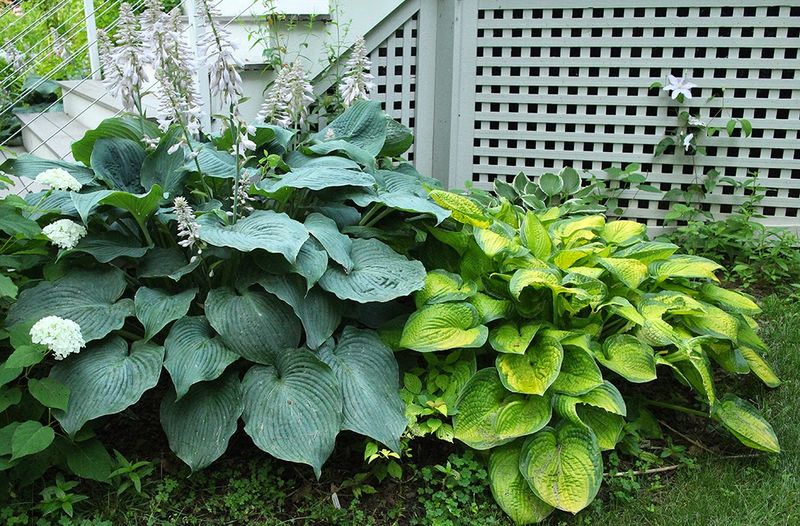
Foliage provides color and interest for far longer than flowers, making it essential for successful combinations. Light green leaves catch sunlight and brighten shady areas, while dark purple or burgundy foliage adds depth and drama.
Oregon gardeners can use this contrast to create year-round visual appeal.
Heucheras come in shades ranging from chartreuse to nearly black and stay attractive through multiple seasons. Pair them with hostas or Japanese forest grass for stunning foliage combinations that need minimal maintenance.
These plants thrive in Oregon’s climate and tolerate both sun and partial shade depending on the variety.
Dark foliage makes bright flowers appear even more vibrant when planted nearby. A purple-leaved plant behind pink or orange blooms creates a natural backdrop that intensifies the flower colors.
This technique works especially well in small gardens where every plant needs to contribute maximum impact.
Remember that foliage combinations work even when nothing is blooming. During Oregon’s long spring and fall seasons, interesting leaf colors and textures keep your garden attractive.
This approach reduces pressure to have constant flowers and creates a more sustainable, low-maintenance landscape overall.
6. Pair Shrubs With Perennials
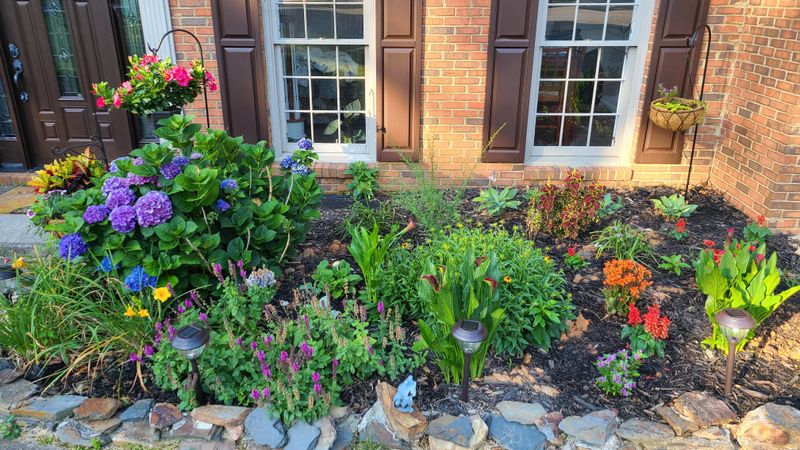
Shrubs provide permanent structure while perennials add seasonal color and variety. This combination creates gardens with year-round interest and reduces the amount of replanting you need to do.
Oregon’s climate supports countless shrub and perennial pairings that look beautiful together.
Evergreen shrubs like boxwood or compact rhododendrons make excellent backdrops for changing perennial displays. In spring, pair them with bleeding hearts or hellebores.
Summer brings options like daylilies or phlox, while fall offers asters and ornamental grasses that continue the show.
Shrubs also solve the problem of bare ground in winter when perennials go dormant. Their branches and foliage keep your beds looking furnished even during the coldest months.
Many shrubs offer additional interest through colored stems, berries, or interesting bark that becomes more visible after leaves fall.
When combining shrubs and perennials, consider mature sizes carefully. Leave enough space for both plants to reach their full width without crowding.
Shrubs generally need less frequent division and maintenance than perennials, making them valuable anchors that provide stability while you experiment with different perennial combinations around them.
7. Combine Early And Late Bloomers
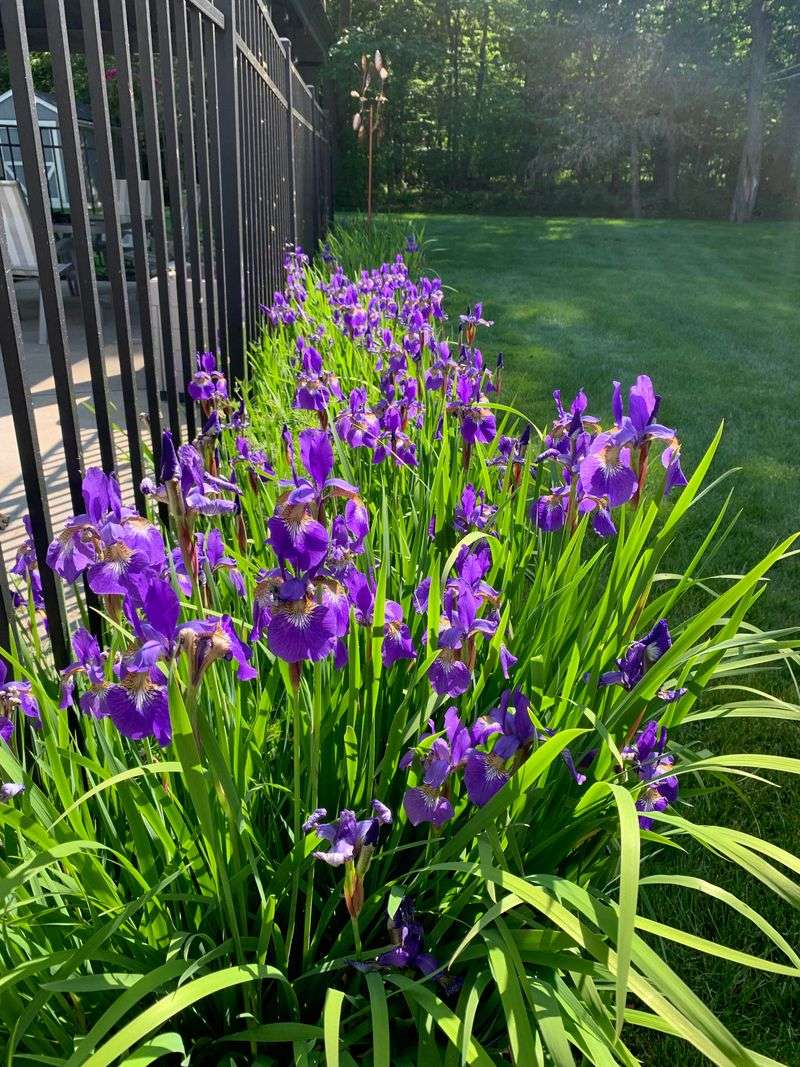
Gardens that peak only once feel disappointing for the rest of the season. Mixing plants with different bloom times ensures continuous color from early spring through fall.
Oregon gardeners can achieve months of interest by planning combinations that take turns flowering.
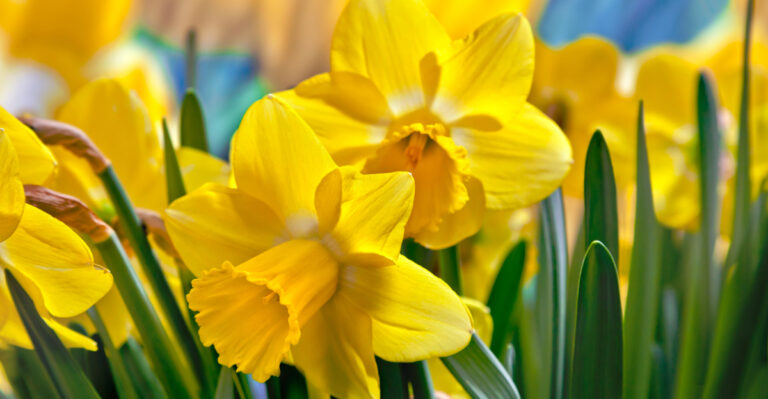
Start with spring bulbs like tulips or daffodils planted among emerging perennials. As the bulbs fade, later bloomers like peonies or irises take over.
Summer brings coneflowers and black-eyed Susans, while fall finishes with sedums and Japanese anemones.
This approach requires thinking ahead about what your garden will look like in each season. Make notes during the growing season about gaps in bloom time, then add plants that flower during those quiet periods.
Oregon’s long growing season makes succession planting especially rewarding.
Early bloomers often go dormant by midsummer, leaving empty spaces unless you plan for it. Plant later-flowering perennials nearby that will grow large enough to fill in those gaps.
Hostas work perfectly for this purpose because their foliage expands throughout summer and hides the yellowing leaves of spring bulbs that have finished blooming.
8. Blend Soft And Bold Textures
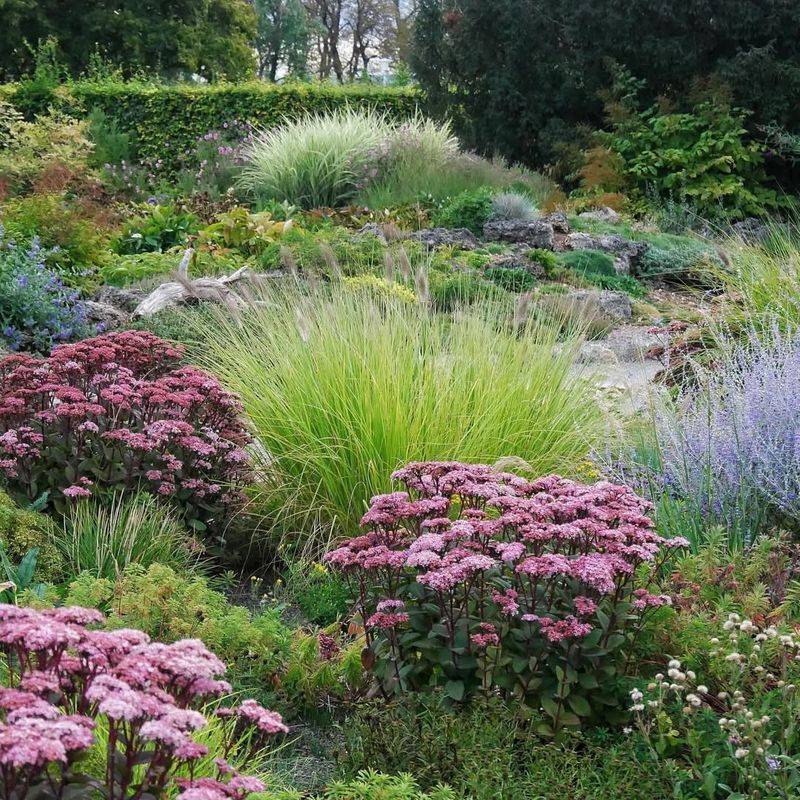
Texture refers to how plants look from a distance, whether fine and delicate or bold and substantial. Combining different textures creates visual interest even when colors are similar.
Oregon gardens benefit greatly from this design principle because texture works in all seasons and lighting conditions.
Fine-textured plants include ornamental grasses, ferns, and flowers with small blooms like baby’s breath. Bold textures come from large-leaved plants like hostas, ligularia, or flowers with big blooms like dinner-plate dahlias.
When you place these contrasting textures next to each other, both plants look more interesting.
Wispy grasses soften the edges of bolder plants and add movement when breezes blow through your garden. Their delicate appearance makes neighboring plants with larger leaves or flowers stand out more prominently.
This contrast prevents monotony and gives your eye something engaging to explore.
All-fine or all-bold plantings feel flat and uninteresting. The magic happens when you alternate between textures throughout your beds.
Try placing a fine-textured plant between every two bold ones, or create small groupings that alternate. This rhythm makes your garden feel professionally designed and more visually complex.
9. Use Evergreens Dor Year-Round Structure
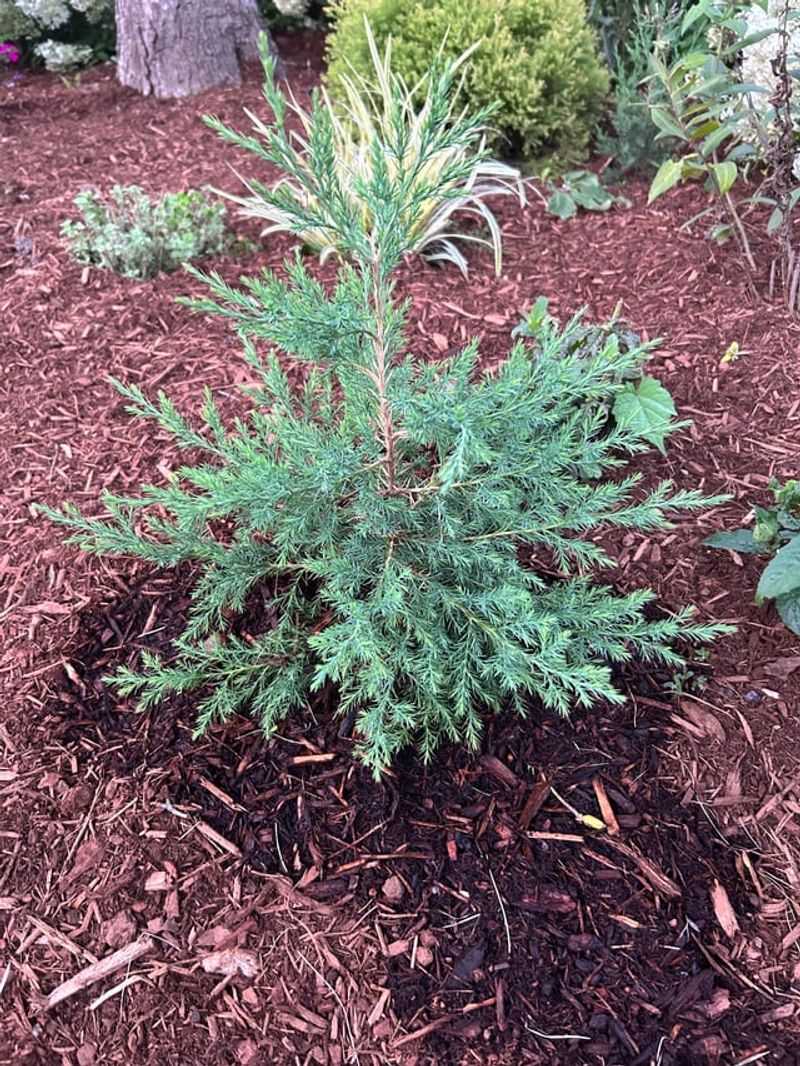
Evergreens keep your garden from looking empty during winter when perennials disappear and deciduous shrubs lose their leaves. They provide permanent bones that hold your design together through all seasons.
Oregon gardeners have access to numerous evergreen options that thrive in the region’s climate.
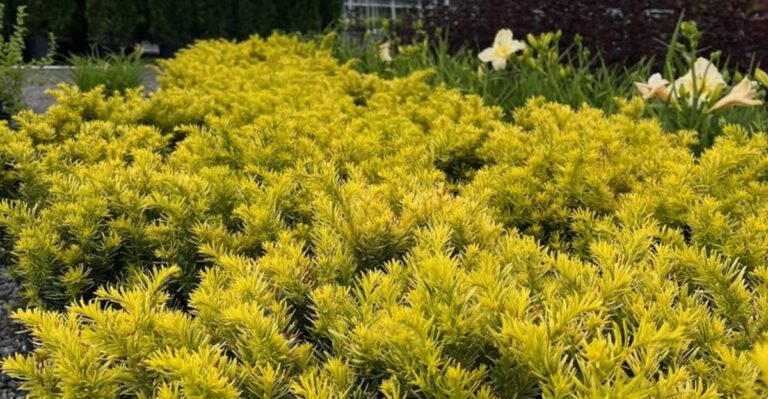
Small conifers like dwarf spruces or compact junipers add year-round green color and interesting shapes. Broadleaf evergreens such as rhododendrons or pieris offer flowers in spring plus attractive foliage every month.
These plants create focal points that remain visible even when snow covers the ground.
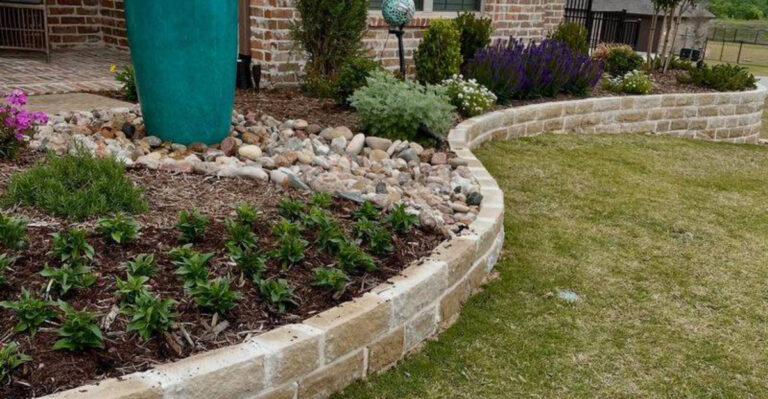
Position evergreens strategically where they’ll provide the most benefit. Place them at corners of beds, as anchors in the center, or as backdrops for seasonal plants.
Their consistent presence makes temporary plantings look more intentional and helps define your garden’s overall shape.
Evergreens also simplify garden maintenance because they don’t require cutting back or seasonal cleanup like perennials. Their permanent nature means you can build your design around them with confidence.
As other plants change with the seasons, evergreens provide stability and ensure your Oregon garden always has something attractive to offer visitors throughout the entire year.
10. Keep The Palette Simple
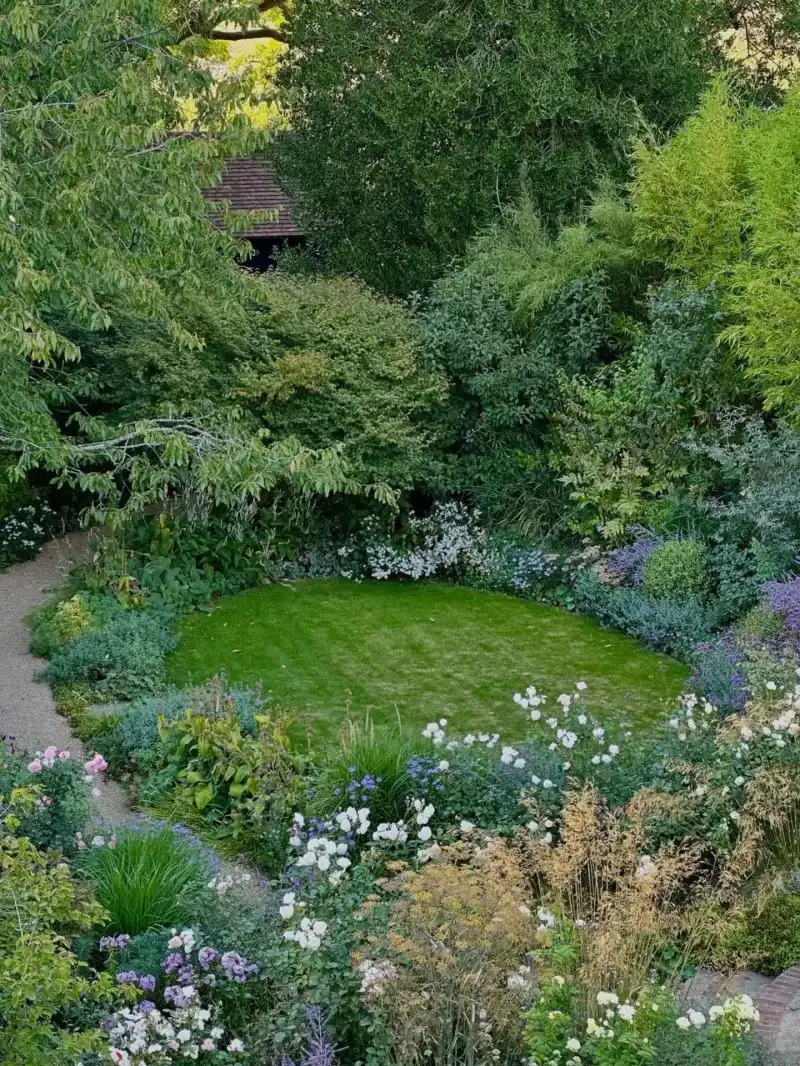
Beginners often make the mistake of trying to include every color they love in one garden. This approach creates visual confusion and makes spaces feel chaotic rather than beautiful.
Limiting yourself to two or three main colors plus white or silver creates much more sophisticated results.
Choose colors that appear together in nature or follow basic color theory. Blue and yellow create classic combinations, as do purple and pink.
Oregon gardeners can look to local wildflower meadows for inspiration about which colors work well together in the regional landscape.
A simple palette doesn’t mean boring gardens. You can use many different plants as long as they fall within your chosen color range.
Ten different purple flowers still create a cohesive look, while ten different colors create chaos. Varying shades of your main colors adds depth without breaking the unified theme.
Simple palettes also photograph better and make stronger impressions on visitors. Your garden becomes memorable for its elegant restraint rather than overwhelming variety.
As you gain experience, you can experiment with more complex combinations, but starting simple ensures success and helps you learn which colors you truly enjoy living with throughout the growing season in your Oregon garden.