How Oregon Gardeners Keep Outdoor Potted Plants Alive Through The Unpredictable Winter Weather
If there’s one thing Oregon gardeners know, it’s that winter weather is as unpredictable as a coin toss in a windstorm.
One day the rain drums on the patio like a steady heartbeat, and the next, icy air rolls in off the Cascades with no warning.
Outdoor potted plants often take the brunt of these mood swings, struggling against soggy soil, cold snaps, and surprise frost.
But seasoned Oregon gardeners have a few tricks up their sleeves, and they’re ready to spill the beans.
With the right strategy, your containers can ride out winter’s ups and downs without missing a beat.
This guide walks you through the methods that keep pots thriving even when Mother Nature can’t make up her mind.
Protecting Pots From Sudden Temperature Drops
When cold snaps arrive overnight in Oregon, container plants can suffer fast because their roots are more exposed than plants growing in the ground.
Moving your pots closer to your house creates a natural windbreak and captures warmth radiating from the building’s foundation.
Even a few feet can make a real difference when temperatures plummet unexpectedly.
Clustering containers together is another brilliant trick that works like magic.
When pots sit side by side, they share warmth and create a microclimate that buffers against harsh conditions.
Think of it as your plants huddling together for comfort during a storm.
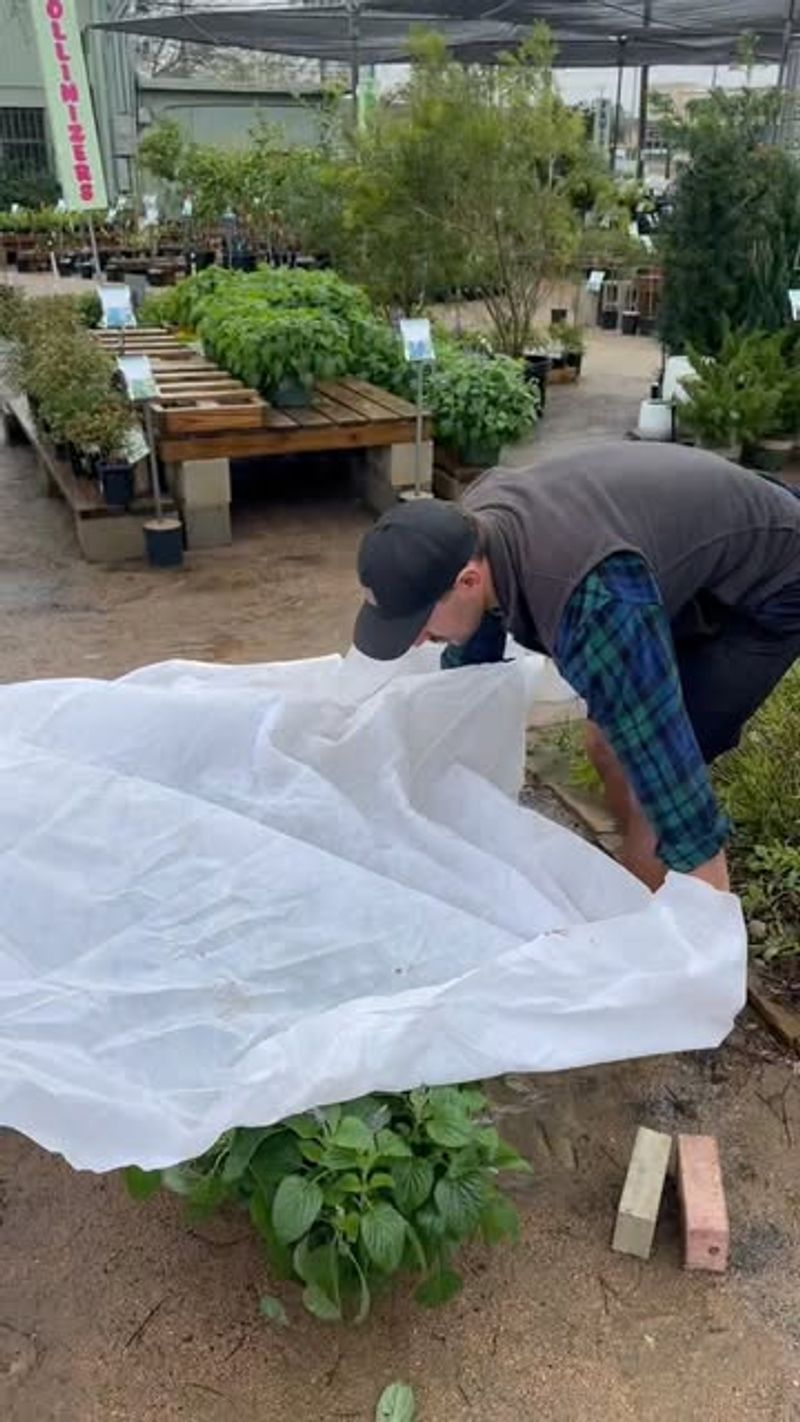
Frost cloths, old blankets, or even large cardboard boxes become lifesavers during those surprise freezes.
Drape them over your plants before sunset when forecasts predict overnight lows.
Remove coverings in the morning once temperatures rise so plants can breathe and receive sunlight.
Always check weather forecasts regularly during winter months, especially when atmospheric rivers approach the Pacific Northwest.
Being proactive instead of reactive saves many plants from temperature shock.
A little effort in the evening protects weeks or months of growth and keeps your container garden looking vibrant through spring.
Choosing Cold-Hardy Varieties That Can Handle Oregon’s Swings
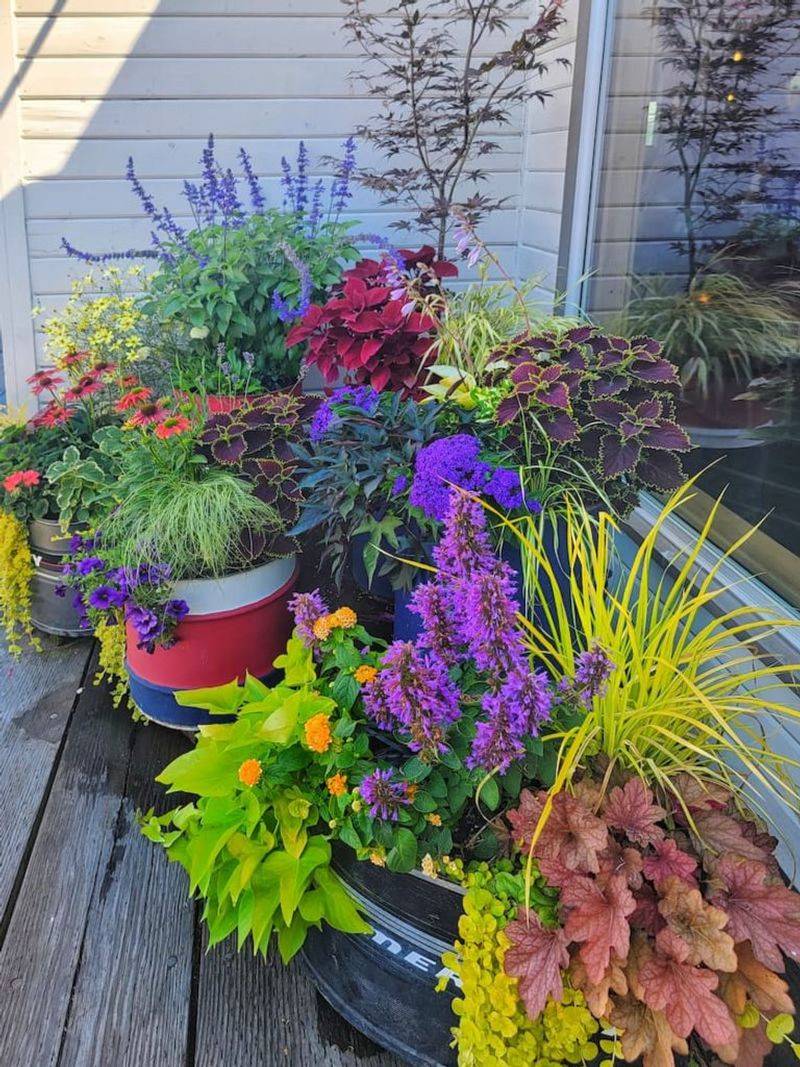
Smart plant selection makes all the difference when winter weather refuses to follow predictable patterns.
Opting for varieties rated at least one USDA hardiness zone colder than your actual region gives you a built-in safety margin.
For example, if you garden in Zone 8, choose plants hardy to Zone 7 or even Zone 6.
Evergreen perennials like hellebores, heucheras, and hardy ferns bring color and texture to winter containers while tolerating Oregon’s mood swings beautifully.
Hardy shrubs such as dwarf conifers, boxwood, and pieris also perform exceptionally well in pots year-round.
Their tough nature means less worry and more enjoyment during the coldest months.
Tropical plants might look gorgeous in summer, but they struggle mightily once temperatures dip below freezing.
Unless you have easy indoor space or a sheltered spot, skip the tender specimens for outdoor winter displays.
Instead, embrace native and adapted plants that evolved alongside Oregon’s unpredictable climate.
Visit local nurseries and ask staff which varieties thrive in containers through winter in your specific area.
Their experience and regional knowledge provide invaluable guidance.
Investing in the right plants from the start saves disappointment and replanting costs when spring arrives.
Preventing Root Rot During Weeks Of Heavy Rain
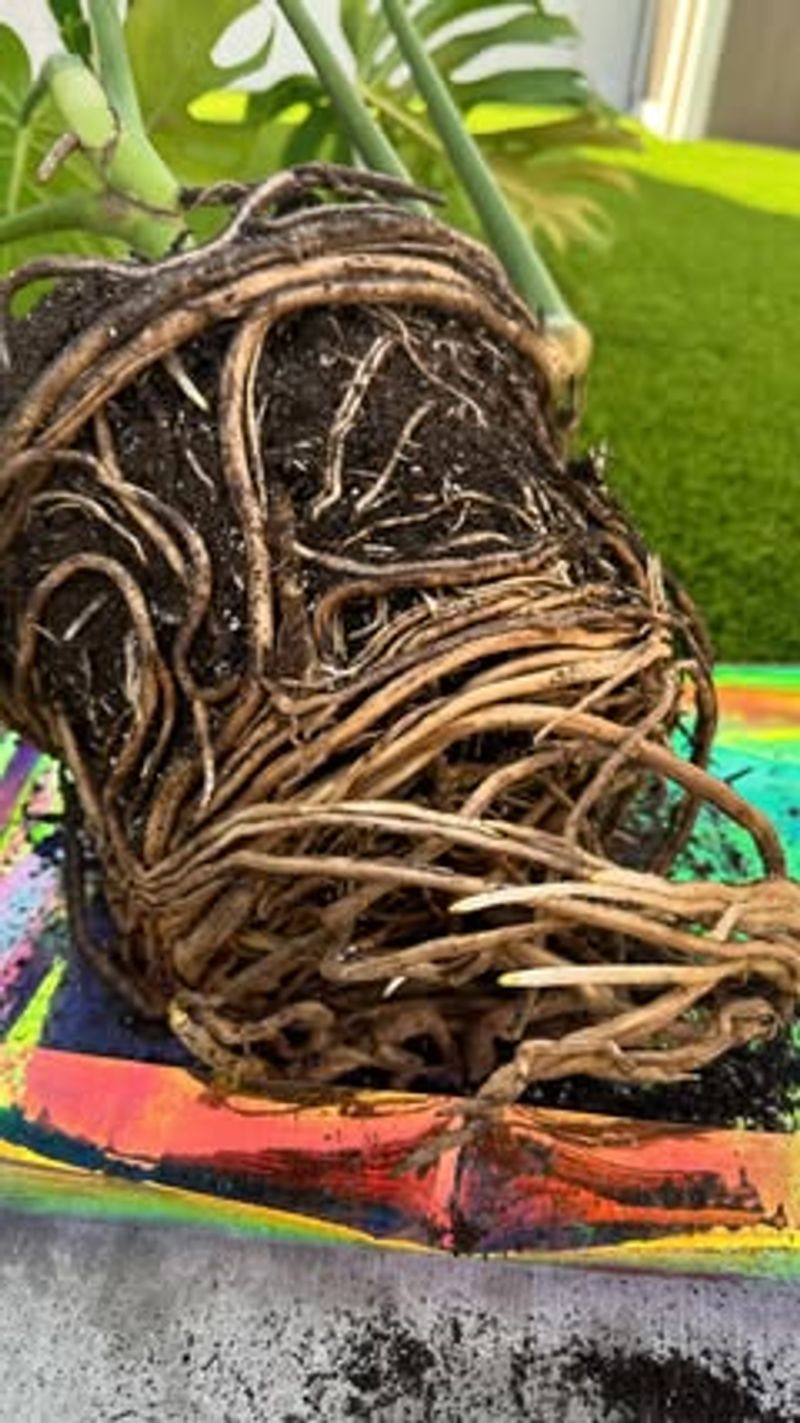
Oregon’s famous rainy season can drown potted plants faster than you might imagine, especially when downpours last for days or weeks.
Root rot develops when soil stays waterlogged, suffocating roots and creating conditions perfect for harmful fungi.
Prevention starts with ensuring every single pot has adequate drainage holes that aren’t blocked by debris or compacted soil.
Elevating containers on bricks, decorative pot feet, or wooden blocks allows excess water to escape freely instead of pooling at the bottom.
This simple step dramatically reduces the risk of soggy roots and improves overall plant health.
Plus, lifting pots off cold concrete or pavement provides extra insulation from ground chill.
Soil quality matters tremendously in wet climates like Oregon’s.
Use potting mixes specifically formulated for good drainage, often containing perlite, pumice, or coarse sand.
Garden soil or heavy mixes retain too much moisture and compact easily in containers.
Check your pots periodically during rainy stretches by feeling the soil several inches down.
If it’s constantly soaking wet, consider temporarily moving containers under eaves or covered areas.
Balancing moisture levels keeps roots healthy and plants thriving even during Oregon’s wettest winter weeks.
Shielding Containers From Freezing Soil
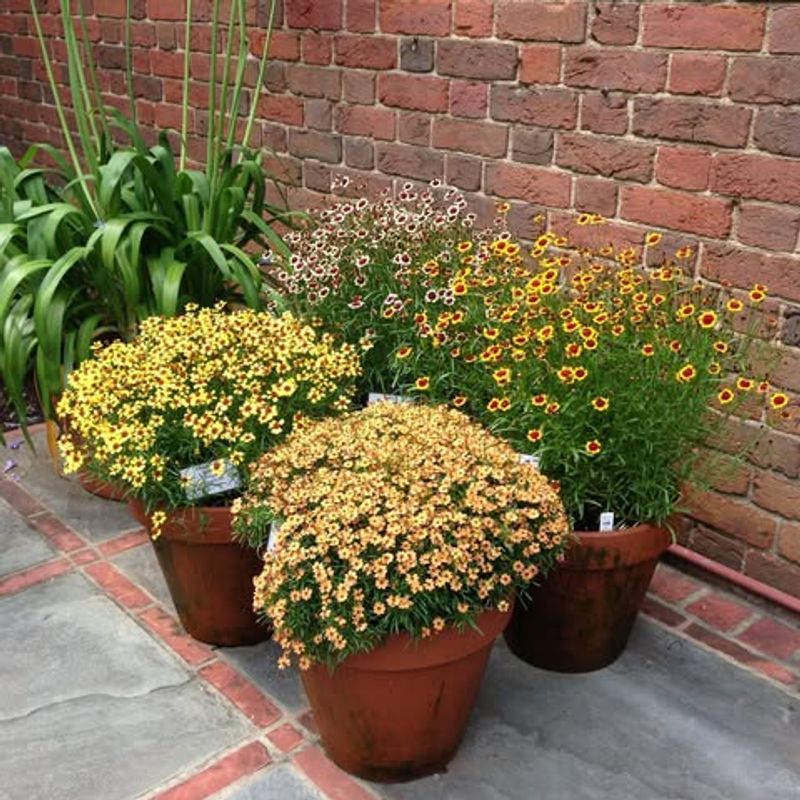
Frozen soil in containers can seriously damage or stress plant roots, especially during prolonged cold spells that occasionally hit Oregon.
Unlike in-ground plants whose roots stay buffered by earth’s natural insulation, container roots face direct exposure to freezing air temperatures.
Wrapping pots with burlap, bubble wrap, or foam insulation creates a protective barrier that moderates temperature fluctuations.
Focus particularly on the sides of containers where roots sit closest to the outer walls.
Secure wrapping materials with twine or tape, making sure they stay in place during windy conditions.
This extra layer can mean the difference between healthy roots and damaged plants come spring.
Mulching heavily around the soil surface and base of plants adds another level of protection against temperature extremes.
Use organic materials like shredded bark, straw, or evergreen boughs that insulate while allowing air circulation.
Apply mulch several inches deep for maximum effectiveness.
Ceramic and concrete pots look beautiful but crack more easily than plastic or resin when water inside them freezes and expands.
If you love these materials, wrap them carefully or move them to sheltered locations during the coldest periods.
Fiberglass and high-quality resin containers offer durability and style without the cracking risk.
Managing Moisture When Rainfall Turns To Snow Or Ice
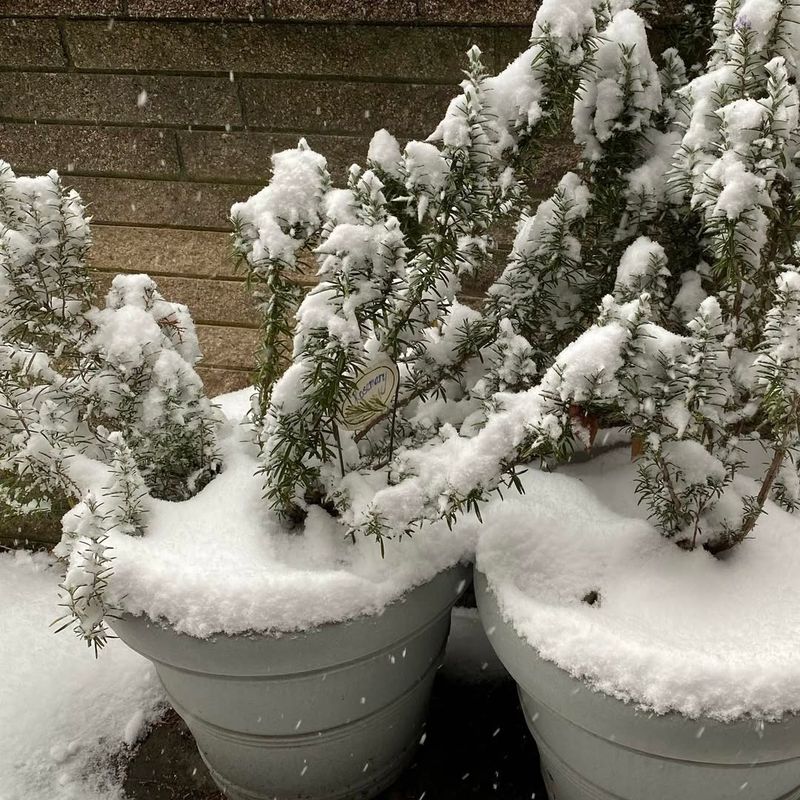
Snow and ice create special challenges that differ from rain because they insulate plants while also adding weight and blocking light.
Gently brushing accumulated snow off branches and leaves prevents breakage and reduces the burden on stems.
Use a soft broom or your gloved hand, working carefully to avoid damaging tender growth.
Many gardeners mistakenly assume snow provides adequate moisture, but it actually doesn’t hydrate roots effectively until it melts.
Check soil moisture beneath the surface by sticking your finger down a few inches.
If the soil feels dry despite snow cover, water lightly on milder days when temperatures rise above freezing.
Ice accumulation poses greater danger than snow because it’s heavier and harder to remove safely.
Covering plants with frost cloth or tarps before predicted ice storms prevents buildup and protects foliage.
Anchor coverings securely so wind doesn’t blow them away during storms.
After snow or ice events, inspect your containers for damage or shifting.
Straighten any leaning pots and check that drainage holes haven’t become blocked with frozen debris.
Oregon’s winter weather often alternates between rain, snow, and ice, so staying vigilant helps your potted plants weather every storm successfully.
Moving Vulnerable Plants Under Shelter Before Storms Hit
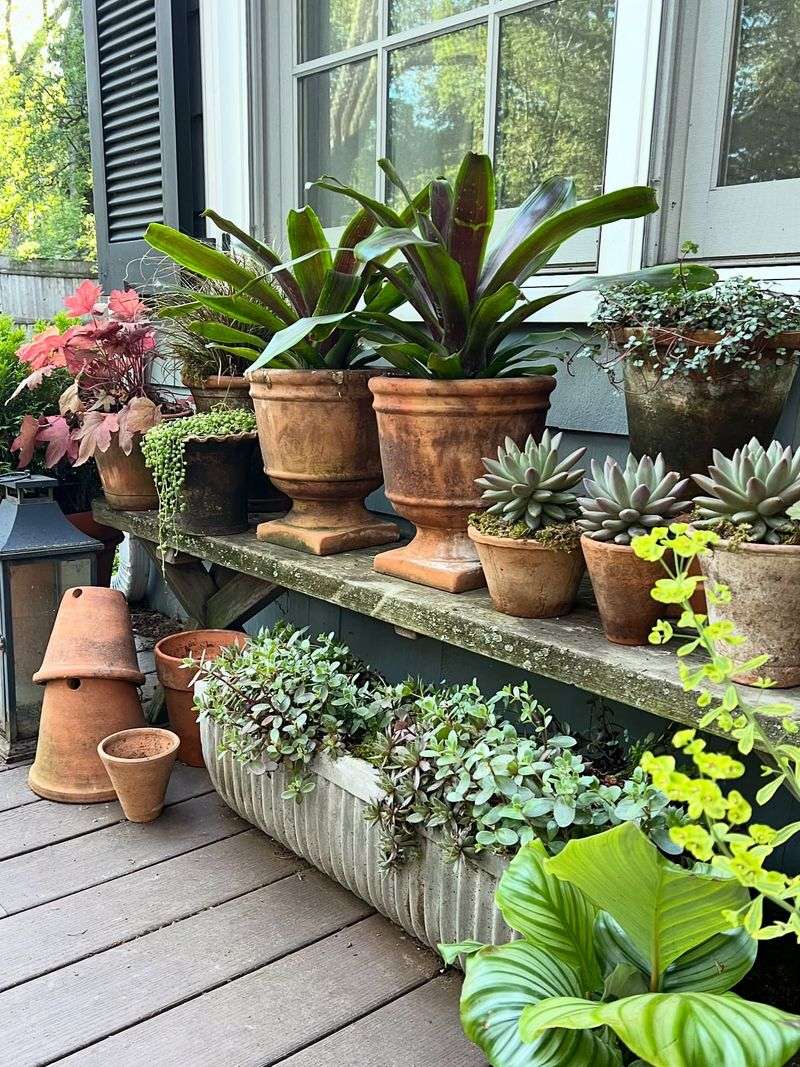
Sometimes the smartest strategy involves temporarily relocating borderline-hardy plants to protected spots when severe weather approaches.
Covered patios, porches, carports, and even unheated garages or sheds offer enough shelter to make a critical difference.
Plants avoid direct exposure to wind, heavy rain, and freezing temperatures while still experiencing seasonal dormancy.
Timing matters when moving plants between outdoor and sheltered locations.
Sudden environmental changes can shock plants, so acclimate them gradually when possible.
Move them to transitional spots for a day or two before final placement.
Borderline-hardy specimens—those rated for slightly warmer zones than yours—benefit most from this approach.
Japanese maples, citrus trees, and certain Mediterranean herbs fall into this category for many Oregon gardeners.
Rather than risk losing them entirely, provide temporary refuge during the harshest weeks.
Keep sheltered plants away from heating vents or overly warm indoor areas that might break dormancy prematurely.
Unheated spaces work best because they keep plants cold enough to rest but protect them from extreme conditions.
Mark your calendar or set phone reminders to check weather forecasts regularly during winter months.
Having a relocation plan ready means you can act quickly when forecasts predict atmospheric rivers, ice storms, or unusually hard freezes.
Feeding Plants Wisely Before Winter Stress Peaks
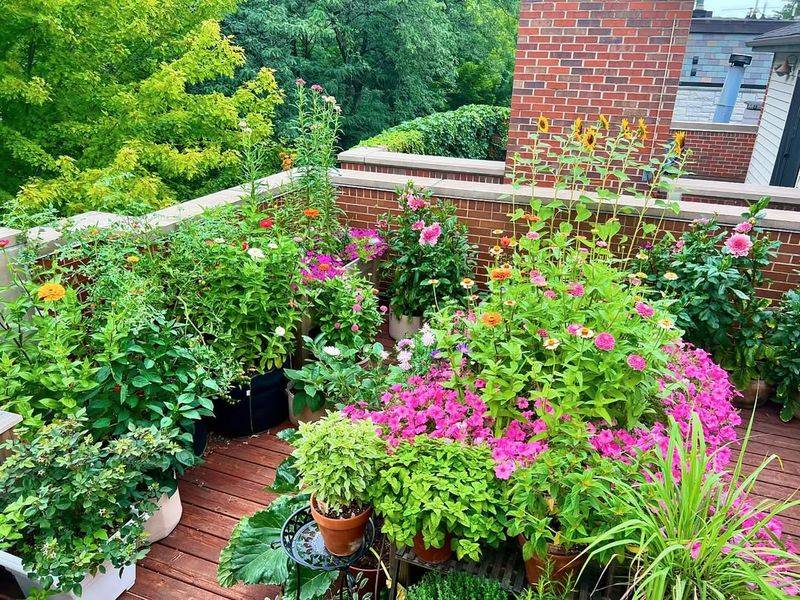
Proper nutrition timing helps plants build strength before winter challenges arrive, but feeding at the wrong time can backfire badly.
Apply slow-release fertilizer in early fall—typically September or early October in Oregon—giving plants time to absorb nutrients before growth slows.
This strengthens root systems and overall plant health heading into dormancy.
Avoid high-nitrogen fertilizers during fall and winter because nitrogen encourages tender new growth.
Fresh shoots are extremely vulnerable to frost damage and drain energy that plants need for survival.
Look for balanced or low-nitrogen formulas designed for fall application.
Organic amendments like compost, well-aged manure, or worm castings provide gentle, long-lasting nutrition without the risk of over-stimulation.
Top-dress containers with a layer of compost in late fall for slow nutrient release throughout winter.
Organic matter also improves soil structure and moisture retention.
Once mid-winter arrives, hold off on all feeding until early spring when new growth begins.
Fertilizing dormant plants wastes resources and can harm roots in cold, wet soil.
Think of fall feeding as preparing athletes before a marathon—you want them strong and ready, not exhausted from last-minute training.
Proper nutrition timing sets your potted plants up for success through Oregon’s unpredictable winter months.
Monitoring Pots For Frost Heave And Soil Shifting
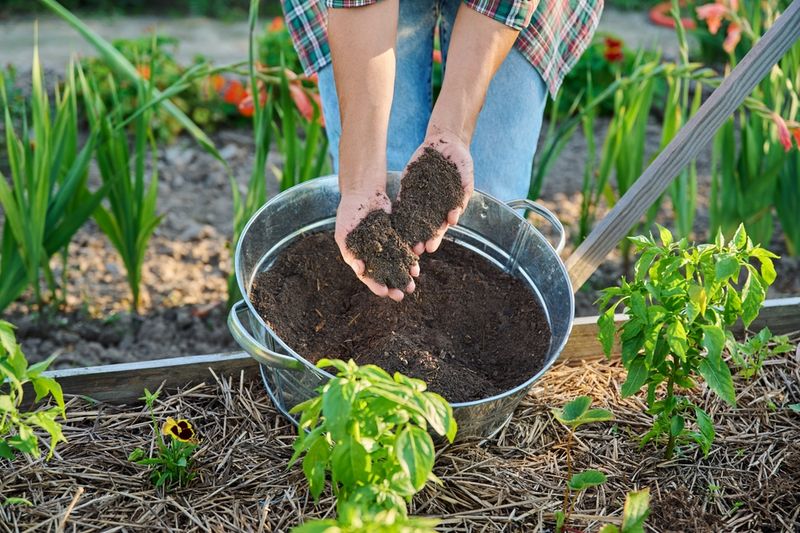
Frost heave occurs when soil freezes and expands, literally pushing plants upward and exposing their roots to damaging air and cold.
Oregon’s freeze-thaw cycles—where temperatures drop at night and warm during the day—create perfect conditions for this phenomenon.
Check containers regularly throughout winter, especially after cold snaps, looking for roots that have surfaced.
When you discover exposed roots, gently press them back into the soil without forcing or breaking them.
Add fresh potting mix if needed to cover roots completely, then apply a thick layer of mulch for insulation.
This simple maintenance prevents roots from drying out and suffering cold damage.
Lighter containers are more prone to shifting during windy, icy weather, sometimes tipping over or sliding across decks and patios.
Using heavier pots or adding weight to the bottom with stones provides stability.
Group lightweight containers together and secure them if necessary during storm warnings.
Soil can also settle and compact in pots throughout winter, especially after heavy rains and freeze-thaw cycles.
Top off containers with fresh potting mix as needed to maintain proper soil levels.
Regular monitoring takes only minutes but catches problems before they become serious.
Walk through your container garden weekly during winter, observing changes and addressing issues promptly for healthier, happier plants.
Keeping Evergreen Container Plants Healthy
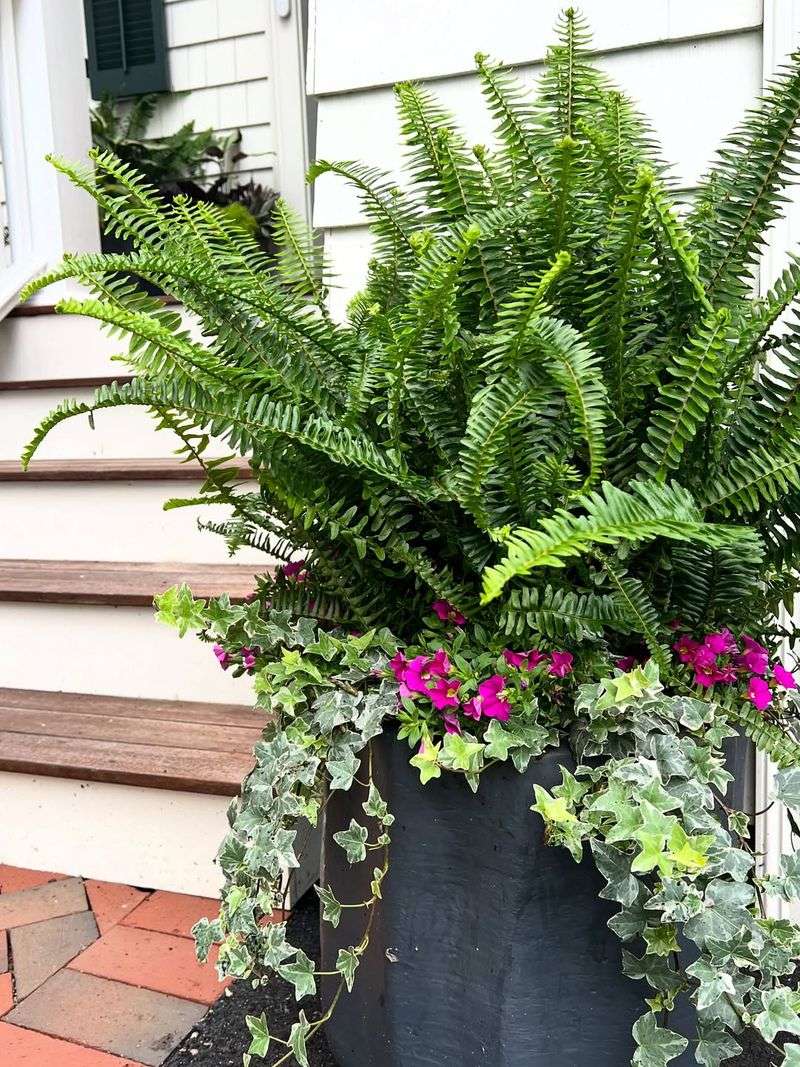
Evergreens in containers face unique winter challenges because they continue transpiring moisture through their foliage even during cold months.
Unlike deciduous plants that drop leaves and rest completely, evergreens need occasional watering during dry winter spells.
When Oregon experiences stretches without rain—which happens more often than newcomers expect—check soil moisture and water lightly as needed.
Winter sun combined with snow reflection can actually scorch evergreen foliage, causing brown or bleached patches.
Sun-sensitive varieties like Japanese forest grass, certain azaleas, and some ferns benefit from strategic placement in partial shade.
You can also create temporary shade using frost cloth or burlap screens during the brightest winter days.
Resist the urge to prune evergreens heavily during winter except to remove damaged or broken branches.
Major pruning stimulates new growth that will be vulnerable to late-season cold snaps.
Save shaping and significant trimming for early spring when plants actively grow.
Evergreens provide valuable winter interest in container gardens, offering color and structure when everything else looks bare.
Their year-round beauty makes the extra care worthwhile.
Brush off heavy snow accumulation to prevent branch breakage, and ensure containers have proper drainage to avoid waterlogged roots during Oregon’s wet periods.
Preparing For Oregon’s Worst-Case Winter Weather
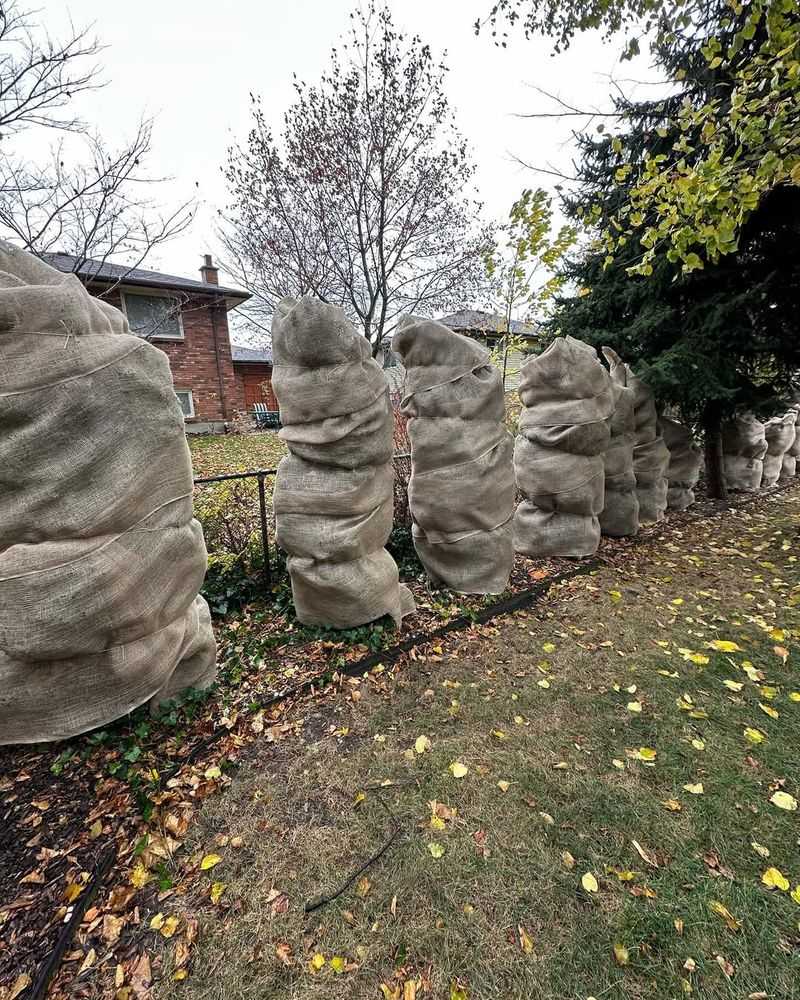
Having emergency supplies organized and accessible makes responding to sudden weather changes quick and stress-free.
Keep frost cloths, burlap, garden ties, and blankets stored in a convenient location like a garage, shed, or covered porch.
When weather alerts arrive, you won’t waste precious time searching for protection materials.
Oregon’s winter weather can shift dramatically with little warning, especially when atmospheric rivers bring flooding rains or arctic air masses plunge temperatures unexpectedly.
Monitor local weather forecasts regularly through reliable sources, paying attention to extended outlooks and storm warnings.
Weather apps with alert features help you stay informed even when you’re busy.
Develop a specific relocation plan for your most prized or sentimental plants before emergencies arise.
Know exactly which containers will move where and have pathways cleared for easy access.
This planning prevents panic decisions during storms and ensures your favorites receive proper protection.
Consider photographing your container arrangements and noting which plants need special attention.
Written or digital records help you remember important details when stress levels rise.
Preparedness transforms winter gardening from anxious scrambling into confident management.
When you’re ready for Oregon’s worst weather, you can relax and enjoy your beautiful container garden knowing your plants are protected and cared for properly.