How Oregon Gardeners Should Water Hydrangeas During A 100-Degree Heat Wave
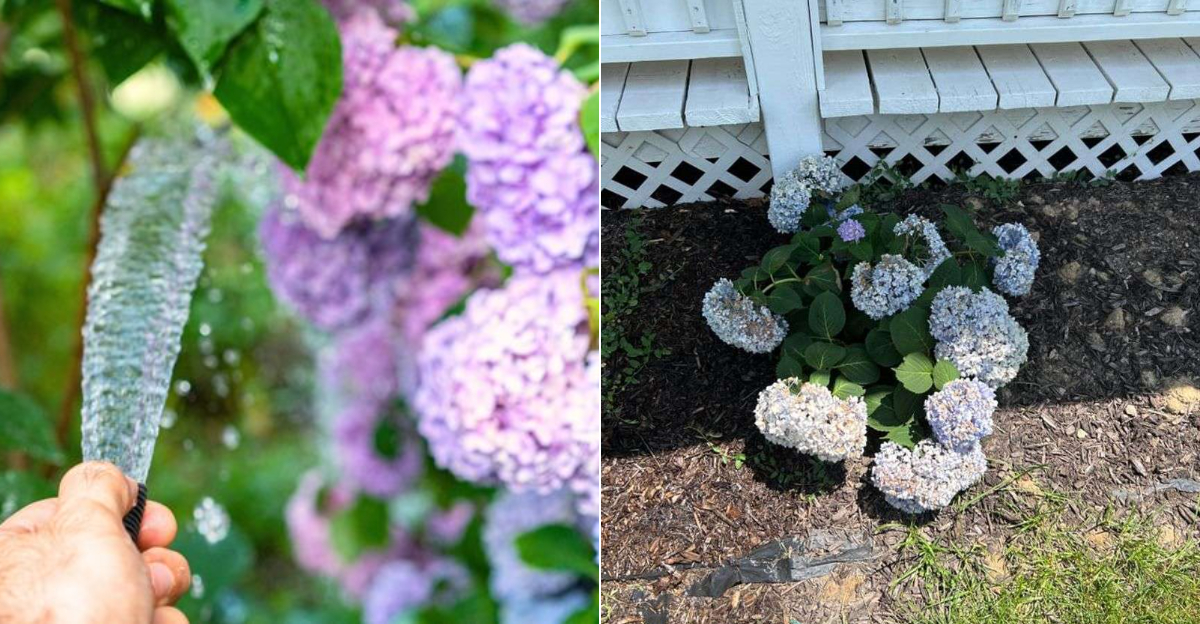
Hydrangeas can look dramatically wilted during a 100-degree Oregon afternoon, even when they seemed perfectly fine that morning.
The temptation is to keep reaching for the hose, but heat-wave watering works best when the roots get what they need without spending the entire day in soggy soil.
Timing becomes especially important because water applied at the wrong moment can disappear quickly near the surface while deeper roots remain stressed.
Established shrubs and newly planted hydrangeas may also need very different treatment during the same hot spell.
A quick glance at drooping leaves does not tell the whole story, since some plants temporarily wilt as a defense against intense heat.
Checking the soil first can prevent an unnecessary soaking and help you decide when intervention is actually needed.
During extreme temperatures, a thoughtful watering routine can protect blooms and foliage without creating a second problem underground.
1. Giving Hydrangeas A Deep Drink Before The Heat Peaks
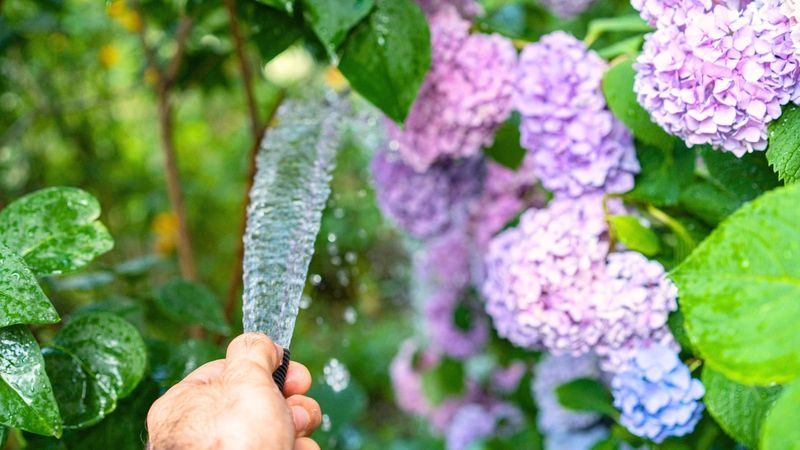
Before a heat wave hits, the smartest move you can make is giving your hydrangeas a long, slow, deep watering session. Shallow watering only wets the top few inches of soil, and that moisture evaporates fast once temperatures spike.
Deep watering encourages roots to grow further down into cooler soil, where moisture sticks around longer.
To water deeply, let your hose run slowly at the base of the plant for 20 to 30 minutes. You want the water to soak down at least 8 to 12 inches into the ground.
A good trick is to push a wooden chopstick or thin stick into the soil after watering to check how deep the moisture has reached.
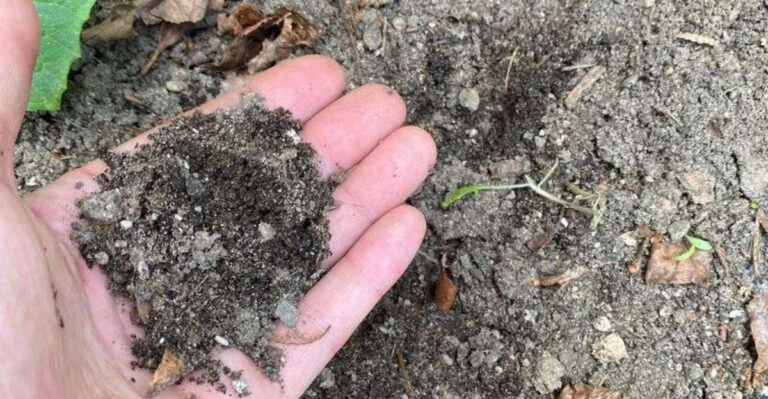
In Oregon, the soil can be heavy with clay in some areas, which means water drains slowly. In other spots, sandy or loamy soil drains fast.
Knowing your soil type helps you figure out how long to water. Clay soil needs slower watering to avoid runoff, while sandy soil needs more frequent sessions.
Try doing this deep watering the evening before a predicted heat wave. That gives the soil overnight to absorb the moisture fully.
Going into a scorching day with deeply hydrated roots puts your plant in the best possible position to handle the stress without losing too many leaves or blooms.
2. Watering Early Before The Sun Gets Brutal
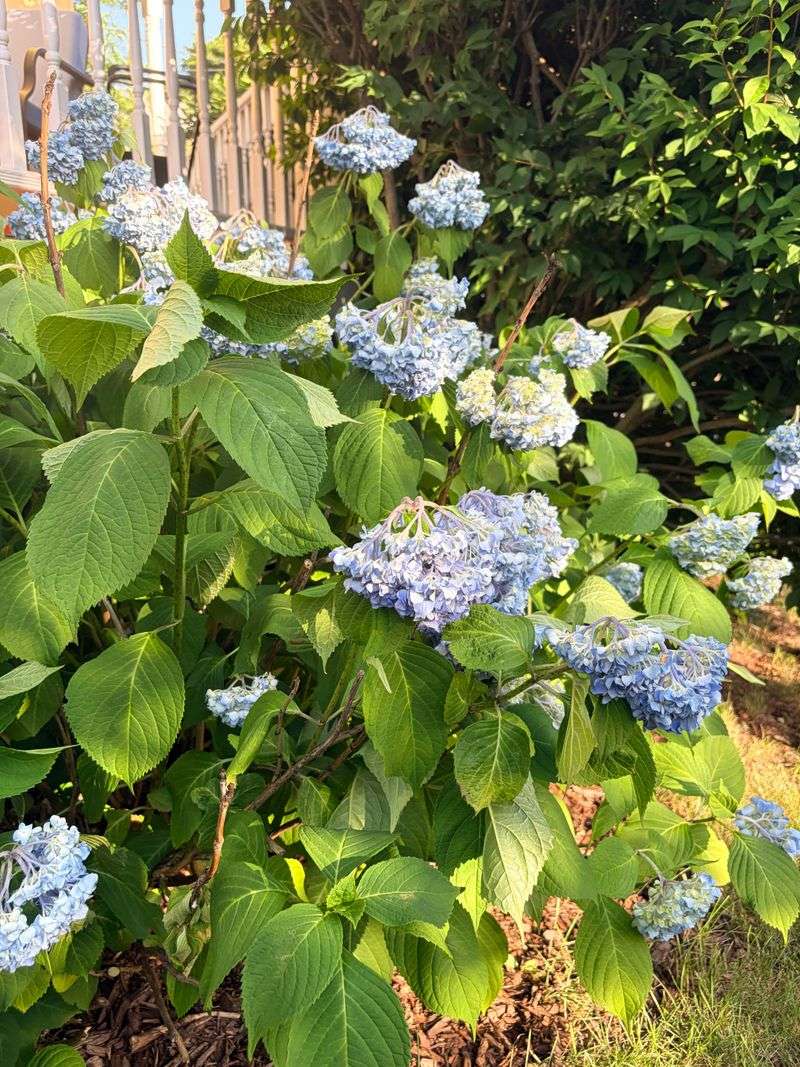
Early morning is the best time to water hydrangeas, full stop. When you water before 9 a.m., the soil soaks up moisture before the heat has a chance to steal it through evaporation.
Your plants get the full benefit of every drop you put down.
Watering in the middle of the day during a heat wave wastes water fast. The sun bakes the moisture right out of the soil, sometimes before it even reaches the roots.
Plus, if water droplets land on leaves, they can act like tiny magnifying glasses and cause leaf scorch, which leaves brown patches on the foliage.
Evening watering is a second option if you miss the morning window. However, wet soil overnight can invite fungal issues, especially in Oregon where humidity can linger.
Your Oregon Garden Changes Every Week. Your Plan Should Too.
Gardening in Oregon changes quickly throughout the season. Every Friday you’ll receive a simple weekly plan showing exactly what to plant, prune, fertilize, harvest, and protect so you never miss the right timing.
Morning is always the safer and more effective choice during extreme heat periods.
Set an alarm if you need to. Getting up just 30 minutes earlier during a heat wave can make a real difference for your plants.
Some gardeners use a simple timer attached to their hose bib so the watering happens automatically before sunrise. That kind of consistency keeps hydrangeas well-supported even when life gets busy and the heat wave stretches on for several days in a row.
3. Soaking The Roots Instead Of Spraying The Leaves
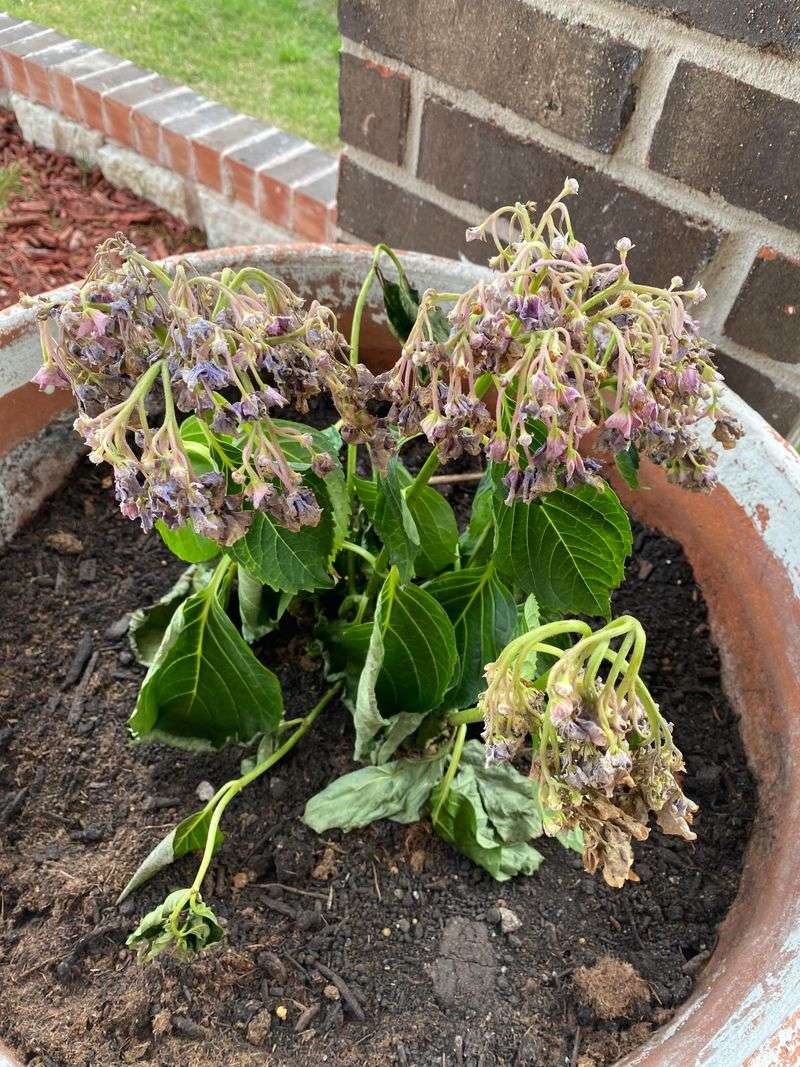
A lot of Oregon gardeners grab the hose and spray their hydrangeas all over when the plants look droopy. It feels helpful, but spraying the leaves during a heat wave does very little good.
Water on the foliage evaporates almost instantly in triple-digit heat, and it can even cause burning if the sun is already high in the sky.
What hydrangeas actually need is water delivered directly to the root zone. The roots are where water gets absorbed and sent up through the plant.
Spraying leaves bypasses this system entirely. Soaker hoses and drip irrigation lines are great tools for getting water exactly where it needs to go, slowly and efficiently.
If you do not have a drip system, simply hold your hose low to the ground and let water trickle out near the base of the plant. Move the hose around the base slowly to cover the full root zone, which can extend outward as far as the plant is wide.
Avoid creating puddles or runoff, which just wastes water.
Focusing water at the roots also reduces the chance of powdery mildew and other fungal problems that thrive on wet leaves. During a heat wave, every bit of water counts.
Making sure it goes where it is actually needed keeps your hydrangeas healthier and stretches your watering effort much further across the hottest days of summer.
4. Checking Soil Before Giving Them Another Drink
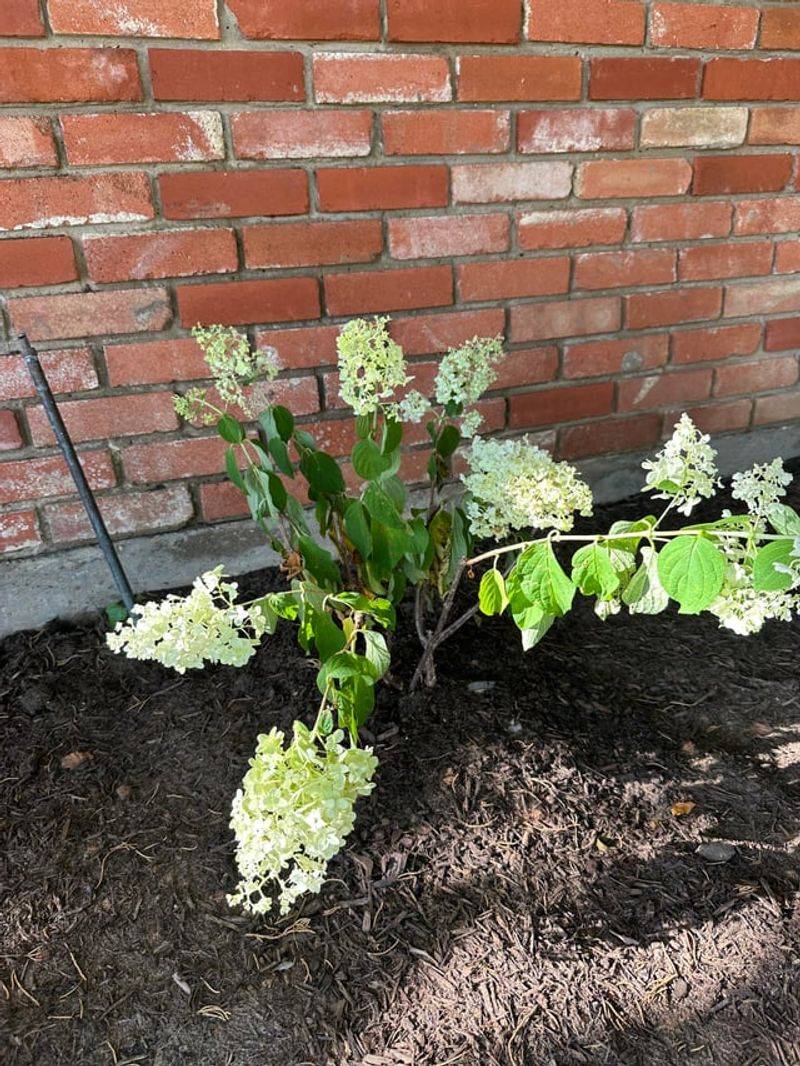
More water is not always better, even during a heat wave. Overwatering hydrangeas can cause root rot, which weakens the plant just as badly as drought stress does.
Before you reach for the hose again, take 10 seconds to check the soil moisture first.
Push your finger about two inches into the soil near the base of the plant. If it feels damp and cool, hold off on watering for a few more hours.
If it feels dry and crumbly, that is your cue to water again. This simple finger test saves water and protects your plant from getting too much of a good thing.
You can also use an inexpensive soil moisture meter, which you can find at most garden centers across Oregon. These tools give you a quick reading and take the guesswork out of your watering schedule.
They are especially helpful for newer gardeners who are still learning to read their soil.
During a heat wave, you may find you need to water every single day, or even twice a day for plants in full sun. That is completely normal when temperatures hit 100 degrees.
The key is to let the soil guide you rather than following a rigid schedule. Checking before watering keeps your hydrangeas in a healthy balance between too wet and too dry, which is exactly where they need to be to get through extreme summer heat.
5. Keeping Mulch Thick Enough To Hold Moisture In
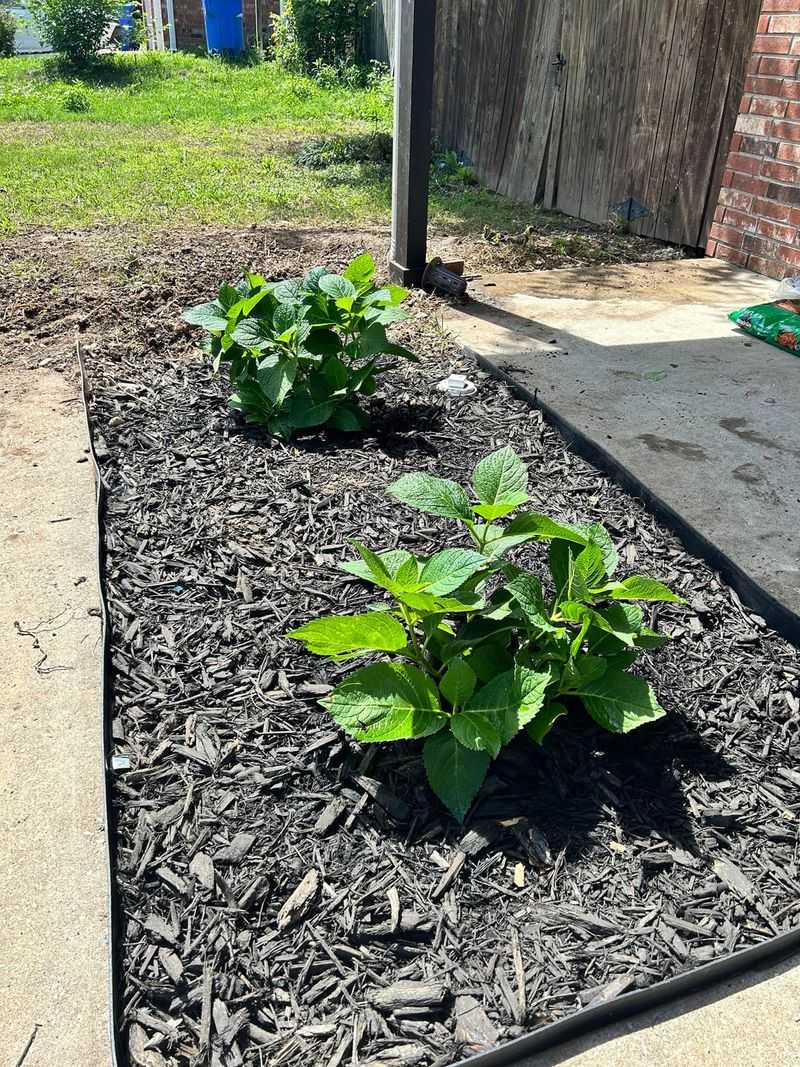
Mulch is one of the most underrated tools in a gardener’s toolkit, especially during a brutal heat wave.
A thick layer of mulch acts like a blanket over the soil, slowing down evaporation and keeping the ground cooler for much longer than bare soil ever could.
For hydrangeas during extreme heat, aim for a mulch layer that is 3 to 4 inches thick. Spread it in a wide circle around the base of the plant, but keep it a few inches away from the main stem.
Mulch piled right against the stem can trap moisture against the wood and cause rot over time.
Wood chips, shredded bark, straw, and compost all work well as mulch materials. Many garden centers and municipal composting programs across this state offer free or low-cost wood chips during summer.
It is worth grabbing a truckload before a heat wave arrives so you are ready to apply it quickly.
Mulch also suppresses weeds, which compete with hydrangeas for the water you work hard to provide. Fewer weeds mean more moisture stays available for your plants.
After a heat wave passes, the mulch continues doing its job by slowly breaking down and improving soil quality.
Adding fresh mulch at the start of summer and again mid-season keeps the layer thick enough to make a real difference when temperatures push into dangerous territory.
6. Watching Potted Hydrangeas Dry Out Extra Fast
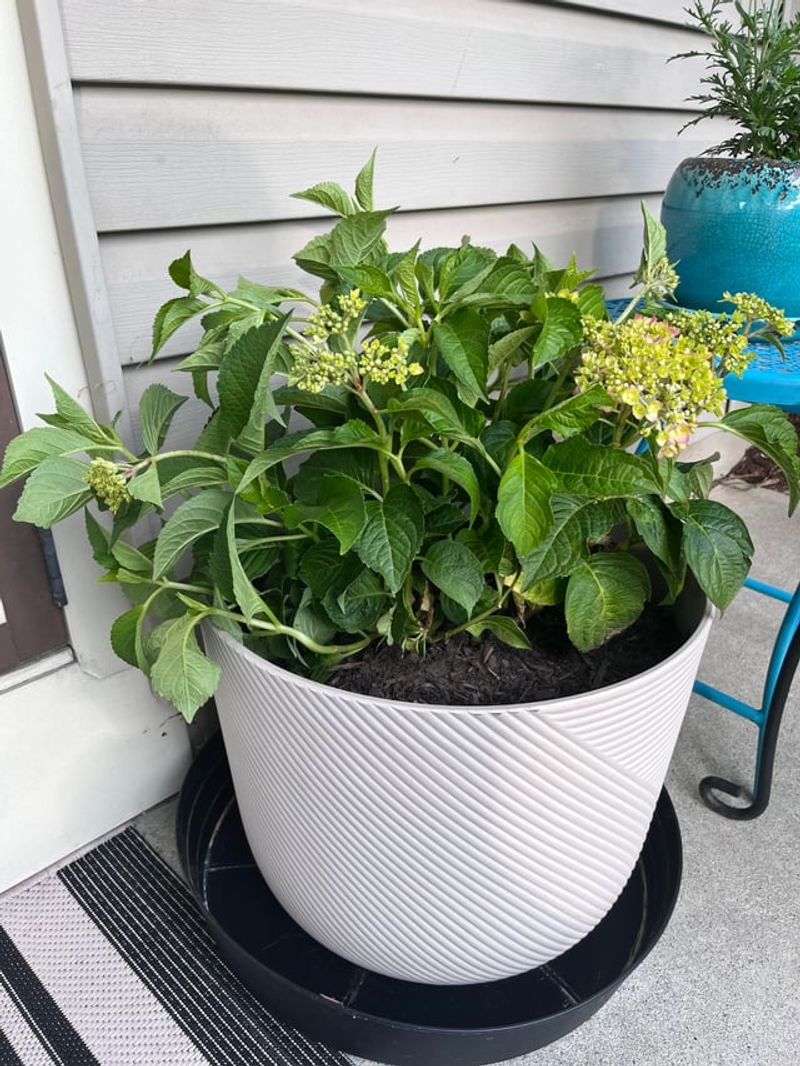
Container-grown hydrangeas have it rougher than in-ground plants during a heat wave. Pots heat up fast in the sun, and that warmth cooks the soil and dries out roots much faster than garden beds do.
If you have hydrangeas in pots, they need your attention first every single day during extreme heat.
During a 100-degree heat wave, potted hydrangeas may need watering twice a day. Check them in the morning and again in the early evening.
Stick your finger into the top inch of the potting mix. If it feels dry, water thoroughly until you see water draining from the bottom of the pot.
Moving pots to a shaded spot during the hottest part of the day is one of the best things you can do. Even a few hours of shade between noon and 4 p.m. can dramatically reduce how fast the soil dries out.
Patios, decks, and driveways reflect extra heat, which makes the situation even harder for potted plants.
Consider placing potted hydrangeas on top of a shallow tray filled with pebbles and water. As the water in the tray evaporates, it creates a small zone of humidity around the pot, which can help the plant cope better with dry, hot air.
Grouping several pots together also helps, since plants clustered together create a slightly cooler, more humid microclimate that benefits all of them during the most intense heat days.
7. Giving Afternoon-Wilted Plants Time To Recover
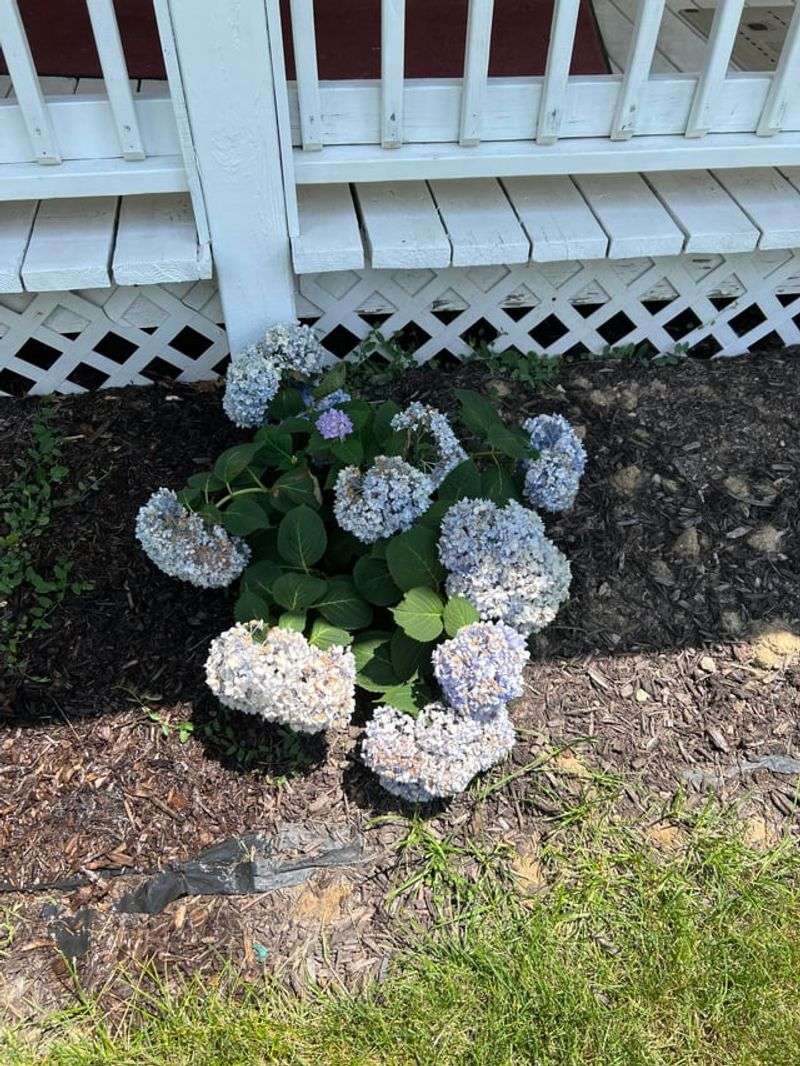
Seeing your hydrangeas wilt in the afternoon heat can feel alarming, but do not panic right away. Hydrangeas are known for wilting dramatically during the hottest part of the day, even when the soil has plenty of moisture.
This is actually a normal survival response. The plant is conserving energy by reducing water loss through its leaves.
Before you rush to add more water, wait until the evening when temperatures drop. If the plant perks back up on its own after the sun goes down, that means it was just reacting to heat stress, not actual drought.
This kind of temporary wilting is common during heat waves and does not mean the plant is in serious trouble.
If the plant is still drooping after sunset and the soil feels dry, then go ahead and give it a slow, deep watering. Check again the next morning to see how it is responding.
Most hydrangeas bounce back remarkably well once cooler air arrives, especially if they were well-watered heading into the heat wave.
Providing afternoon shade using a beach umbrella, shade cloth, or even a lawn chair propped up nearby can reduce wilting significantly. Shade cloth rated at 30 to 50 percent is easy to find online or at garden centers in this state.
Blocking just a couple of hours of direct afternoon sun can keep your hydrangeas looking much better and reduce the stress they experience during the most intense heat of the day.