How Oregon Greenhouses Stay Busy All Winter Preparing Early Spring Blooms
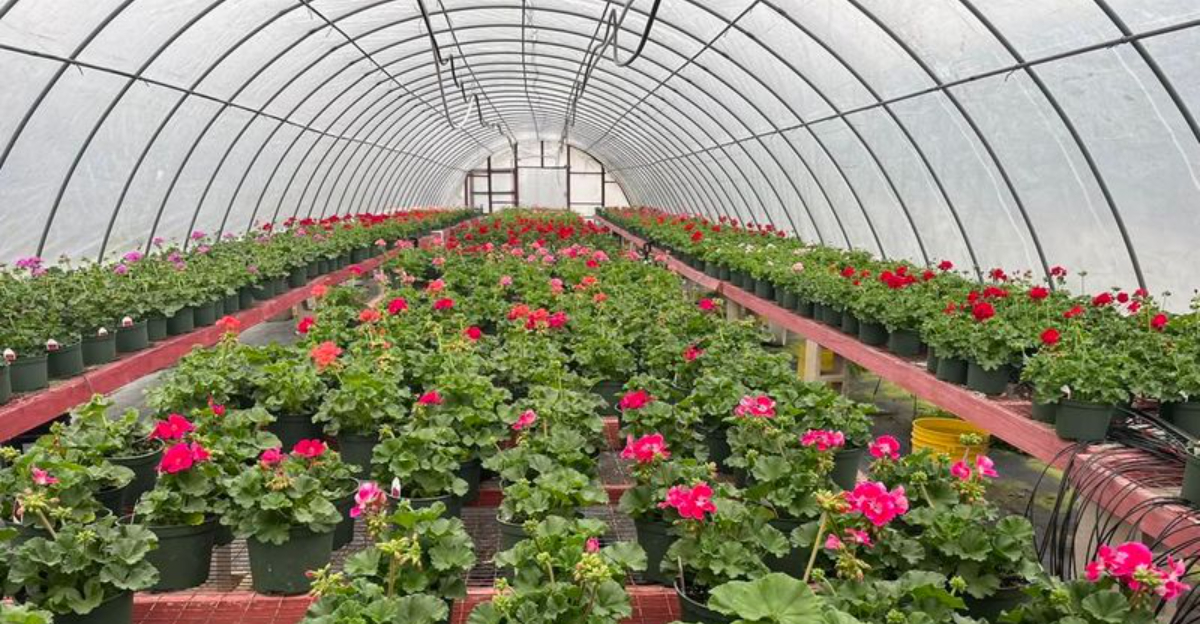
Oregon’s greenhouses feel lively all winter as growers move through warm aisles nurturing seedlings that wait to burst into colorful early spring blooms very soon.
I enjoy watching these winter routines because every tray, sprout and warming bench adds hopeful energy that makes cold months feel productive and surprisingly uplifting.
It inspires me seeing growers stay creative through gray stretches while preparing vibrant plants that Oregon gardeners eagerly anticipate enjoying as early spring finally arrives.
1. Starting Seeds in Heated Trays
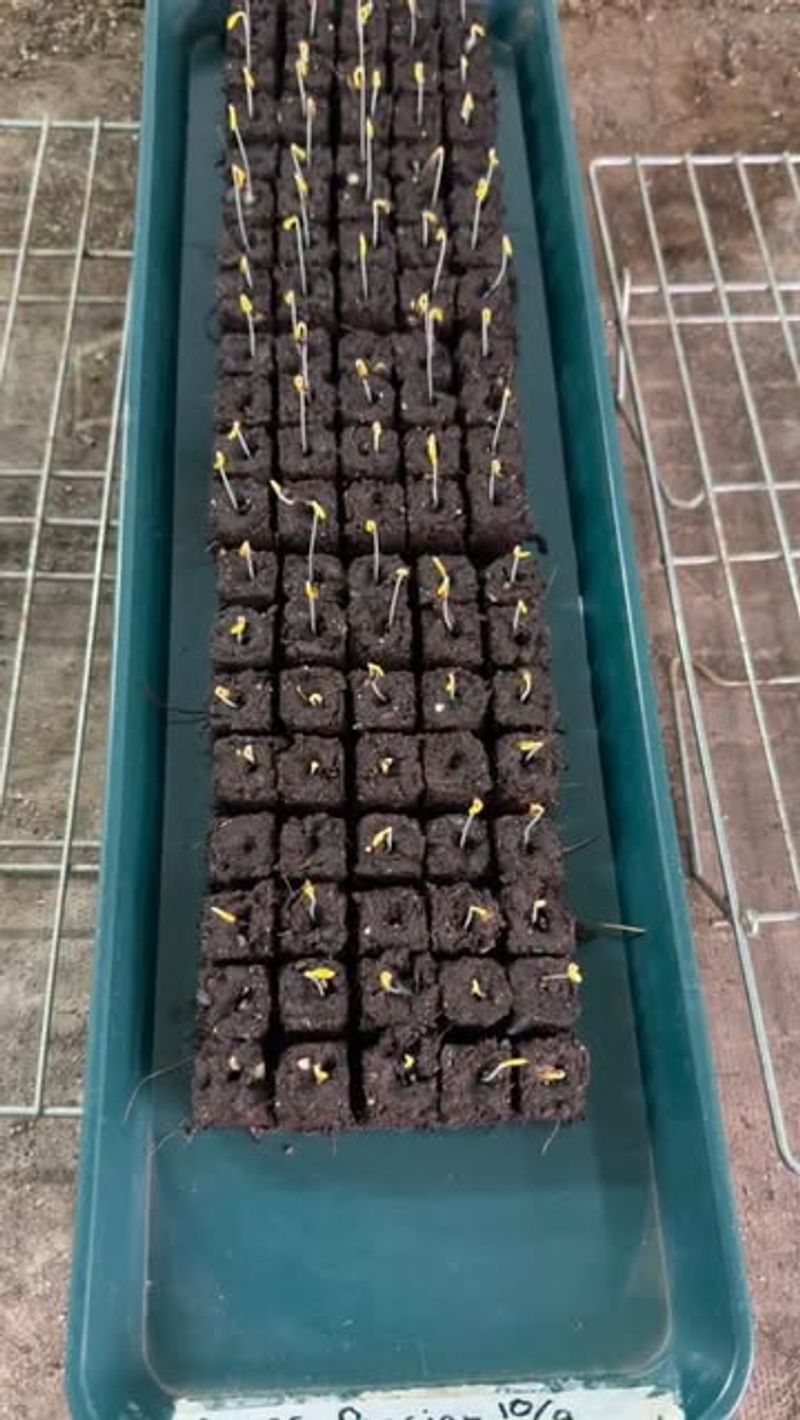
Greenhouse workers in Oregon begin planting seeds in special heated trays long before the ground outside becomes warm enough for growth.
These trays sit under bright lights that mimic summer sunshine, tricking tiny seeds into thinking spring has already arrived in full force.
Temperature controls keep the soil at exactly the right warmth, usually between sixty and seventy degrees, which helps seeds sprout faster consistently.
Workers check moisture levels daily because too much water can cause problems, while too little water stops seeds from germinating at all.
Petunias, pansies, and snapdragons are among the most popular flowers started this way during the coldest months of the entire year.
Each tray holds hundreds of seeds, and workers label them carefully so they know exactly which variety goes where in the facility.
Starting seeds early means customers across Oregon can buy blooming plants as soon as warmer weather finally arrives in their local neighborhoods.
Timing is everything, and experienced growers know precisely when to plant each type of seed for the best results come springtime sales.
2. Adjusting Supplemental Lighting Systems
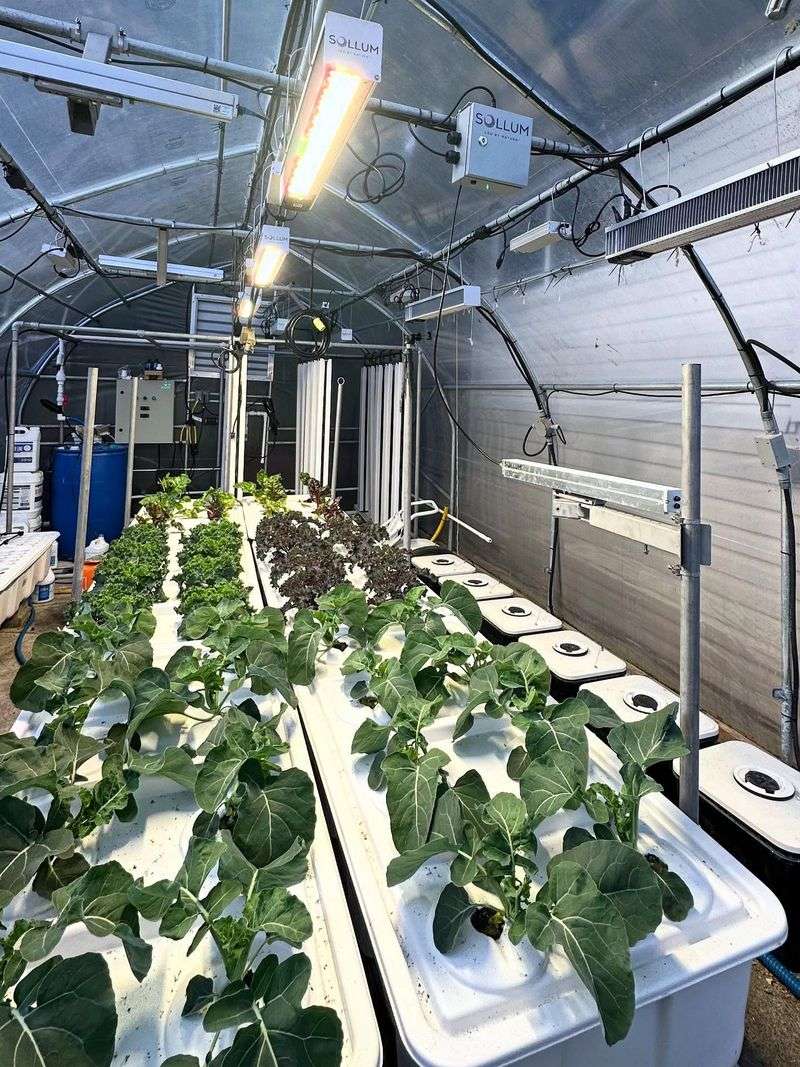
Shorter winter days mean plants do not receive enough natural sunlight, so Oregon greenhouses install powerful artificial lights to compensate for darkness.
Modern facilities use LED lights that produce specific colors of light, helping plants grow stronger stems and develop more vibrant flower colors.
Workers program timers to turn lights on before dawn and off after sunset, extending the day length to fourteen or sixteen hours.
Energy costs rise during winter, but without supplemental lighting, plants would grow too slowly or fail to bloom at the right time.
Different plant species need different light intensities, so greenhouse staff adjust fixtures and heights to meet each variety’s unique requirements throughout the season.
Purple and red lights promote flowering, while blue lights encourage leafy growth, and skilled growers know exactly which combination works best overall.
Regular maintenance keeps bulbs clean and functioning properly, because even a thin layer of dust can reduce light output by a significant amount.
Oregon greenhouse teams monitor light levels with special meters, ensuring every plant receives the exact amount needed for healthy development and growth.
3. Monitoring Temperature and Humidity Levels
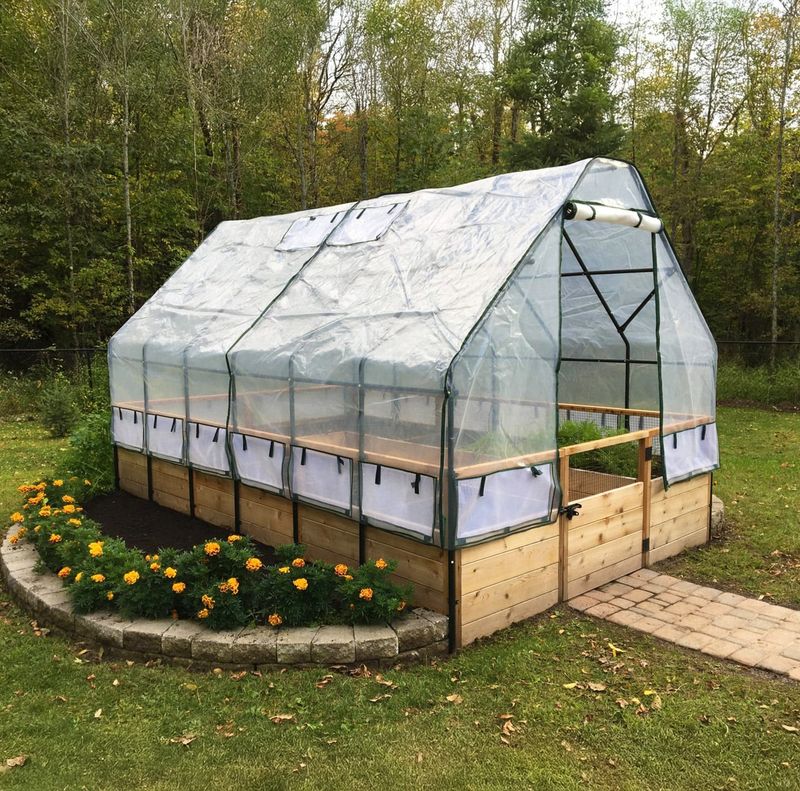
Keeping the air at the perfect temperature and moisture level is one of the most important jobs greenhouse workers perform during Oregon winters.
Automated systems track conditions constantly, but humans still check readings multiple times daily to catch any problems before they become serious issues.
Most flowering plants prefer daytime temperatures around sixty-five to seventy degrees, with slightly cooler nights that mimic natural outdoor conditions in springtime.
Humidity must stay between fifty and seventy percent, because air that is too dry causes leaves to wilt while excessive moisture encourages mold.
Heaters run almost constantly during cold Oregon nights, burning natural gas or using electric coils to maintain warmth inside the glass structures.
Ventilation fans open automatically when temperatures climb too high, letting in fresh air while preventing plants from overheating during sunny winter afternoons.
Workers adjust settings based on weather forecasts, preparing for cold snaps or unexpected warm spells that could stress plants if left unchecked.
Balancing these factors takes experience and attention, but getting it right ensures healthy plants that bloom exactly when spring customers start shopping eagerly.
4. Mixing Custom Soil Blends
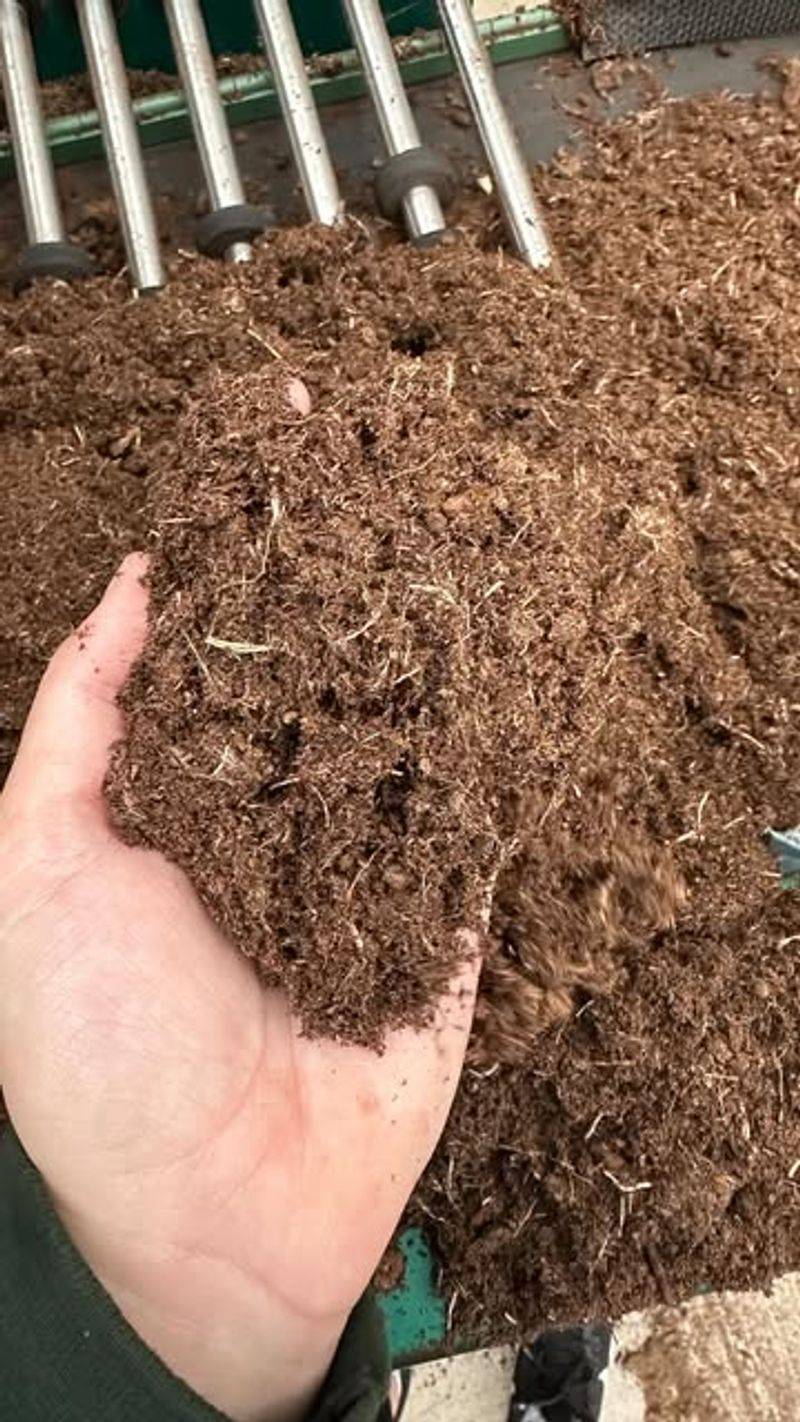
Not all plants grow well in regular garden dirt, so Oregon greenhouses create special soil mixtures tailored to different flower types and needs.
Workers combine peat moss, perlite, vermiculite, and compost in precise ratios, ensuring the blend drains well while holding enough moisture for roots.
Some plants like azaleas prefer acidic soil, while others thrive in neutral or slightly alkaline conditions, requiring different ingredients in the mix.
Large batches are mixed in motorized tumblers or by hand with shovels, depending on the size of the operation and available equipment.
Fertilizers get added to the soil before planting, providing nutrients that young seedlings need to develop strong roots and healthy green leaves.
Quality control is important, so samples are tested regularly to make sure the pH level and nutrient content match what each plant requires.
During winter months, Oregon greenhouse teams prepare thousands of gallons of custom soil, storing it in covered bins until planting time arrives.
Using the right soil mixture makes a huge difference in plant health, helping flowers grow faster and bloom more abundantly when spring finally comes.
5. Transplanting Seedlings into Larger Containers
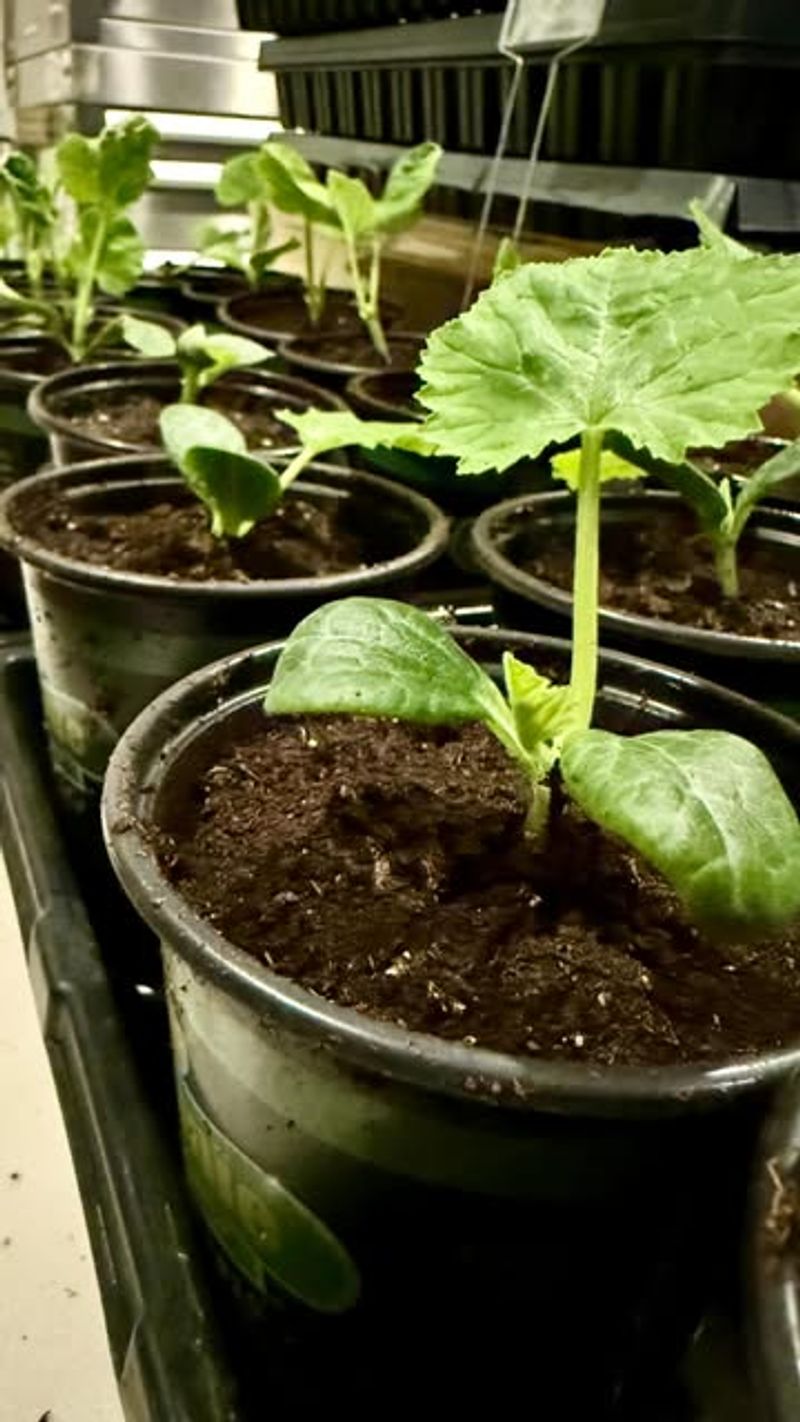
Once seeds sprout and develop their first true leaves, Oregon greenhouse workers carefully move them from tiny cells into bigger pots with room.
Transplanting must happen at the right time, because moving plants too early can damage fragile roots while waiting too long stunts their growth.
Workers gently remove each seedling, holding it by the leaves rather than the stem, which can bruise easily and harm the plant.
Larger containers allow roots to spread out and absorb more nutrients and water, helping plants grow faster and become stronger before sale.
Spacing matters too, because plants placed too close together compete for light and air, while those spaced properly develop full, attractive shapes.
Teams work quickly but carefully during transplanting sessions, processing hundreds or even thousands of plants in a single day during peak winter production.
Each transplanted seedling gets watered immediately to help settle the soil around roots and reduce stress from being moved to new containers.
Oregon greenhouse staff take pride in their transplanting skills, knowing that proper technique now leads to beautiful, healthy plants customers will love.
6. Applying Fertilizer on Strict Schedules
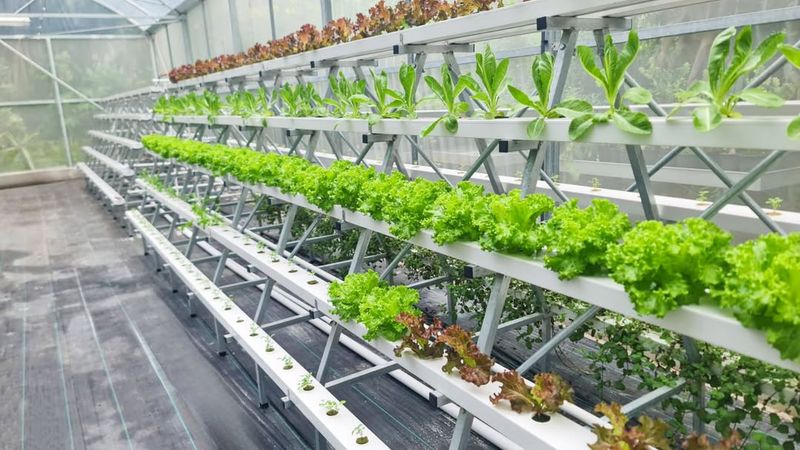
Plants growing in containers cannot access nutrients from the ground, so Oregon greenhouse workers must feed them regularly with carefully measured fertilizer applications.
Liquid fertilizers get mixed with water and applied through irrigation systems or by hand, delivering nutrients directly to roots where absorption happens.
Different growth stages require different nutrient ratios, with young seedlings needing more nitrogen while flowering plants benefit from extra phosphorus and potassium.
Feeding schedules are planned weeks in advance, ensuring plants receive consistent nutrition without getting too much, which can burn roots or leaves.
Organic options like fish emulsion or seaweed extract are popular in some Oregon greenhouses, appealing to customers who prefer natural growing methods.
Workers keep detailed records of when and how much fertilizer each plant type receives, helping them adjust future applications for better results.
Over-fertilizing wastes money and can harm plants, while under-fertilizing produces weak, pale plants that do not bloom well or attract buyers later.
Proper fertilization during winter months gives plants the strength they need to burst into colorful bloom as soon as spring weather arrives.
7. Controlling Pests Without Harsh Chemicals
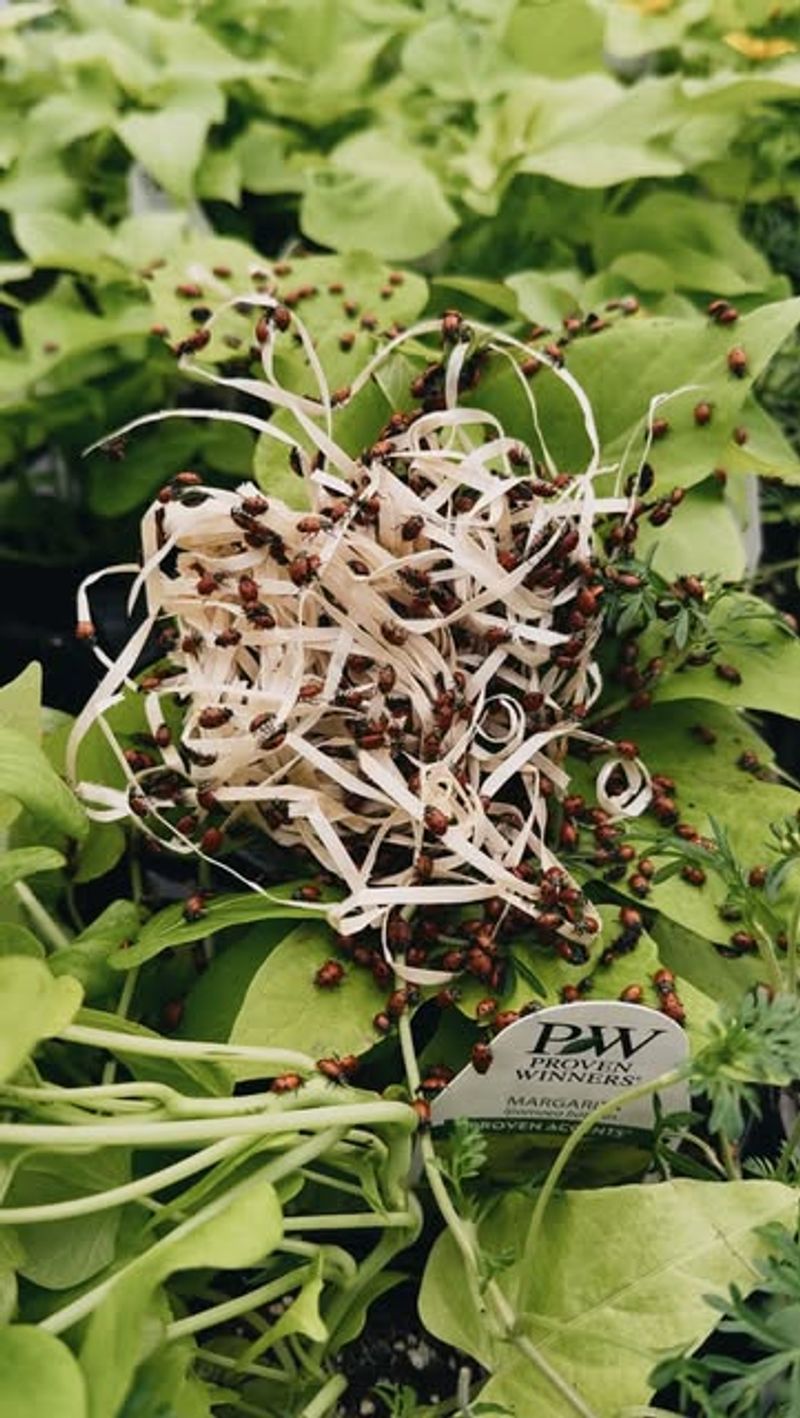
Even in winter, pests like aphids, whiteflies, and spider mites can invade Oregon greenhouses, threatening entire crops if not managed quickly and effectively.
Many facilities use integrated pest management, combining beneficial insects, sticky traps, and careful monitoring rather than relying on chemical sprays alone constantly.
Ladybugs and lacewings are released among plants to eat harmful insects, providing natural control that does not leave chemical residue on flowers.
Workers inspect plants daily, looking for early signs of infestation like yellowing leaves, sticky residue, or tiny bugs hiding on leaf undersides.
Catching problems early makes them easier to solve, often requiring just a strong spray of water to knock pests off plants before populations explode.
Yellow sticky cards hang throughout Oregon greenhouses, trapping flying insects and helping staff monitor pest numbers and identify which species are present currently.
When chemical treatments become necessary, workers choose products that break down quickly and pose minimal risk to people, plants, or the environment overall.
Healthy plants resist pests better, so maintaining proper growing conditions remains the best defense against infestations during the long winter preparation period.
8. Pruning and Shaping Young Plants
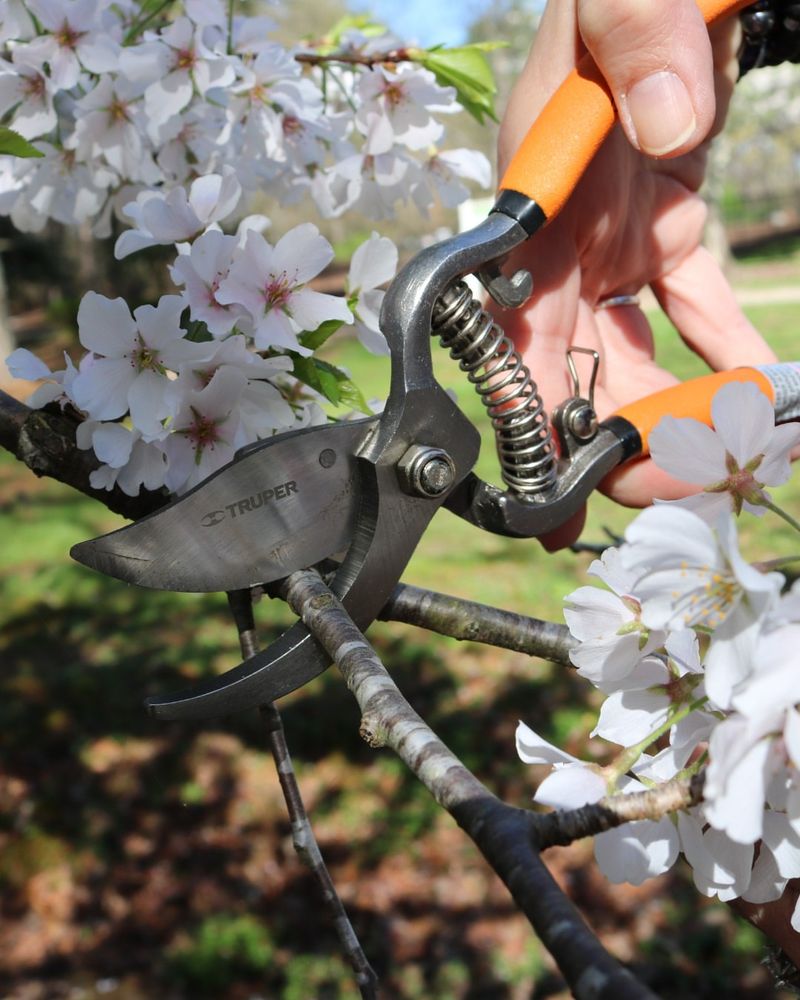
Pruning might seem counterproductive, but Oregon greenhouse workers pinch back stems regularly to encourage plants to grow bushier and produce more flower buds.
Removing the top growing tip forces plants to send out side branches, creating fuller, more attractive shapes that customers prefer over tall leggy specimens.
Timing matters because pruning too late can delay flowering, while doing it too early means plants have not developed enough to benefit properly.
Workers use clean, sharp scissors or simply pinch stems with their fingers, making cuts just above a leaf node where new growth emerges.
Different plants respond differently to pruning, so greenhouse staff must know which varieties benefit most and which should be left alone to grow.
Geraniums, petunias, and coleus are among the species that become much more attractive with regular pruning during their winter growth phase in greenhouses.
Removed plant material gets composted rather than thrown away, turning waste into valuable organic matter that enriches future soil mixes across the facility.
Properly shaped plants not only look better but also bloom more abundantly, making them more valuable and appealing when spring sales begin.
9. Scheduling Bloom Times for Market Demand
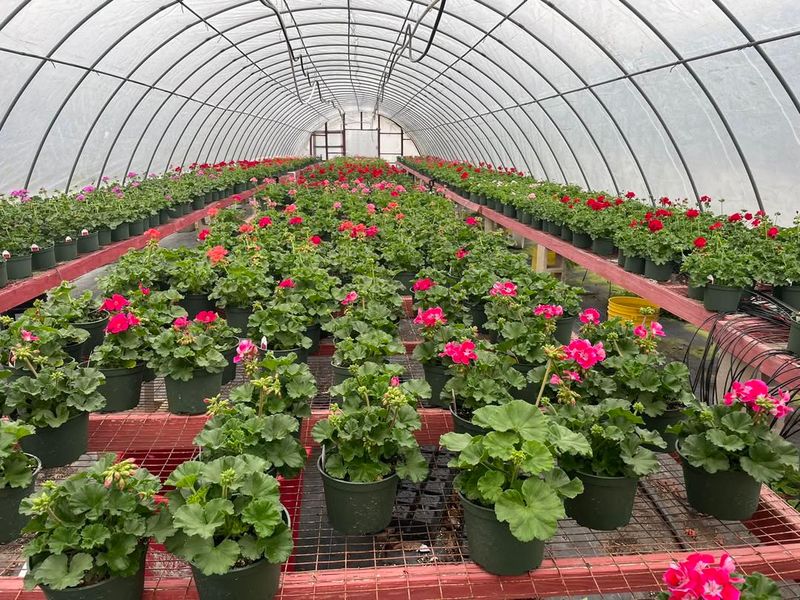
Oregon greenhouse managers carefully calculate when to start each plant variety, working backward from desired bloom dates to meet spring market demand precisely.
Easter, Mother’s Day, and spring garden sales create peaks in customer demand, requiring plants to bloom at specific times rather than randomly.
Some flowers take six weeks from seed to bloom, while others need twelve or more, so starting dates vary widely depending on species.
Temperature manipulation helps control bloom timing, with cooler conditions slowing growth and warmer temperatures speeding plants toward flowering when needed most urgently.
Light exposure also affects flowering, and growers adjust day length using supplemental lighting or blackout curtains to trigger bloom at the right moment.
Miscalculating bloom time means missing sales opportunities or having plants bloom too early and fade before customers are ready to buy them.
Experienced Oregon greenhouse operators track bloom times over years, learning how each variety responds to different growing conditions and adjusting schedules accordingly.
Getting timing right requires both scientific knowledge and practical experience, but the reward is having perfect plants ready exactly when customers want them.
10. Cleaning and Sanitizing Growing Areas
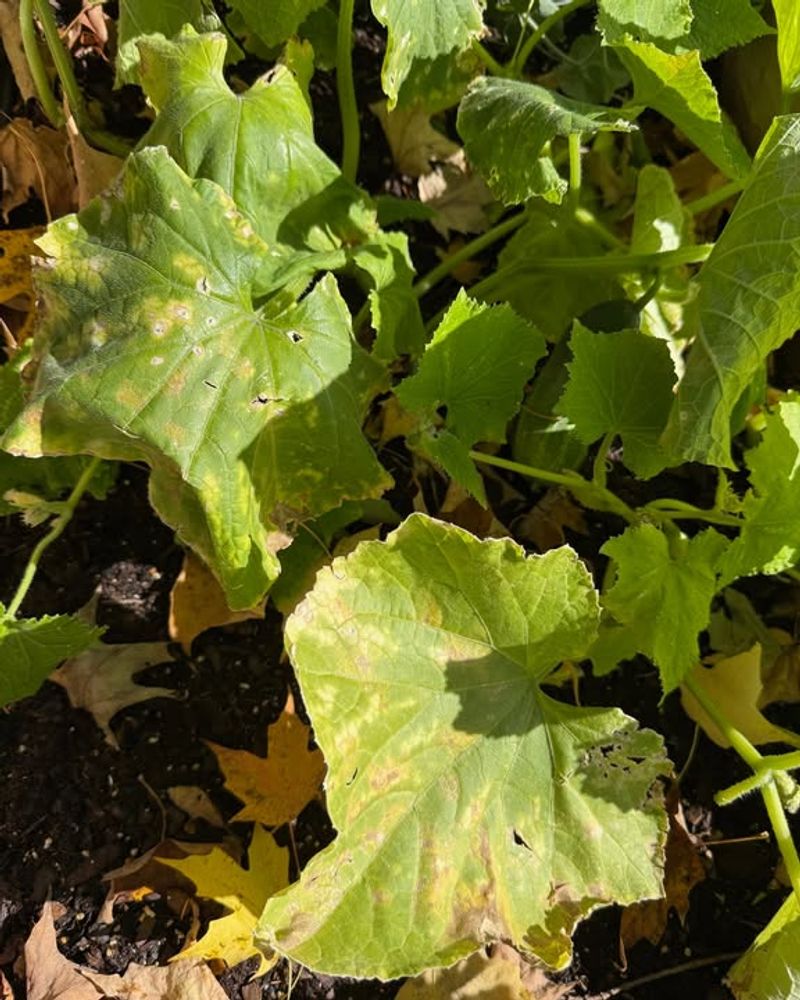
Between crop cycles, Oregon greenhouse workers thoroughly clean and disinfect all surfaces to prevent diseases from spreading to newly planted seedlings and young plants.
Benches, pots, tools, and walkways get scrubbed with disinfectant solutions that eliminate fungal spores, bacteria, and viruses that could cause future problems.
Algae and mineral deposits accumulate on surfaces over time, reducing cleanliness and potentially harboring pests or pathogens that threaten plant health significantly.
Pressure washers blast away stubborn dirt and grime, while hand scrubbing reaches tight corners and crevices where contaminants hide from casual cleaning.
Clean growing environments reduce disease pressure, meaning plants stay healthier with less need for chemical treatments that add cost and labor to production.
Workers also organize supplies, repair damaged equipment, and check irrigation systems for leaks or clogs during these winter maintenance and cleaning sessions regularly.
Sanitizing takes time and effort, but Oregon greenhouse teams know that starting with clean facilities gives plants the best possible chance for success.
By maintaining high sanitation standards throughout winter, greenhouses protect their investment and ensure customers receive the highest quality plants when spring shopping begins.