How Oregon Homes Support Backyard Birds All Year

Backyard birds bring a spark of life to Oregon homes, and many homeowners find joy in turning their spaces into year-round havens for their feathered visitors.
From misty coastal mornings to crisp high-desert afternoons, Oregon’s shifting seasons invite a wide mix of species, each with its own needs and habits.
A yard with steady food, clean water, and safe shelter becomes a magnet for birds that might otherwise pass by without a second glance.
Simple features such as native shrubs, berry-laden branches, and sheltered nesting spots give birds a place to rest, refuel, and ride out storms.
Even small yards can become bustling hubs when the right elements fall into place.
As birds return day after day, they repay the favor by eating pests, spreading seeds, and filling the air with movement and song.
With a bit of attention and an understanding of what birds look for, an Oregon home can support vibrant bird life through the entire year.
1. Installing Native Plant Gardens Attracts Local Species
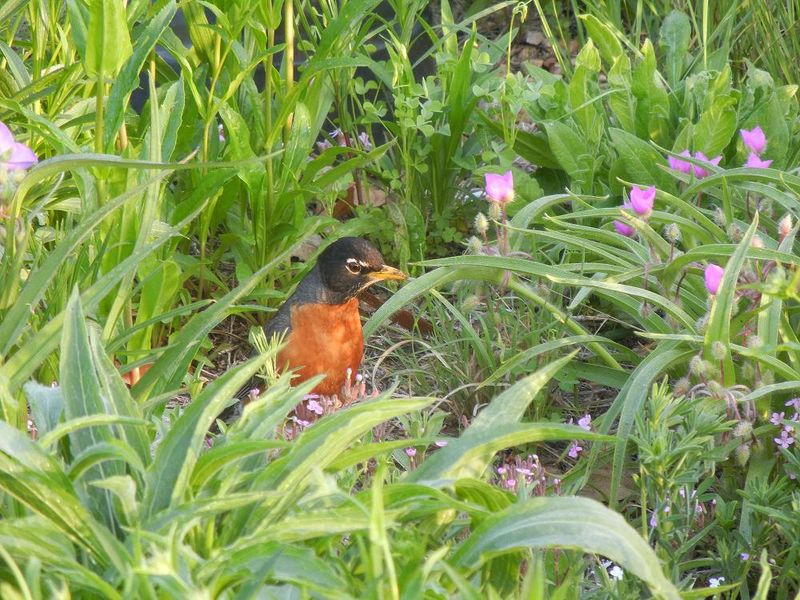
Native plants form the foundation of any successful bird habitat in Oregon.
Species like Oregon grape, salal, and red-flowering currant provide natural food sources that birds have relied on for thousands of years.
These plants produce berries, seeds, and nectar at different times throughout the year, ensuring consistent nutrition for various bird species.
Choosing native vegetation also attracts insects that many birds feed their babies during nesting season.
Chickadees, warblers, and nuthatches eagerly hunt caterpillars and beetles among native shrubs and trees.
Your garden becomes a living buffet that supports the complete life cycle of backyard birds.
Native plants require less water and maintenance than non-native species, making them perfect for Oregon’s climate.
They’ve adapted to local rainfall patterns and temperature fluctuations, which means less work for homeowners.
Many Oregon nurseries now specialize in native plant selections specifically chosen to attract birds.
Layering your plantings creates different habitat zones that appeal to various bird species.
Tall trees provide nesting sites for robins and jays, while lower shrubs shelter towhees and sparrows.
Groundcovers offer protection for birds that forage on the forest floor, creating a complete ecosystem right in your backyard that functions beautifully throughout all seasons.
2. Providing Fresh Water Sources Year-Round
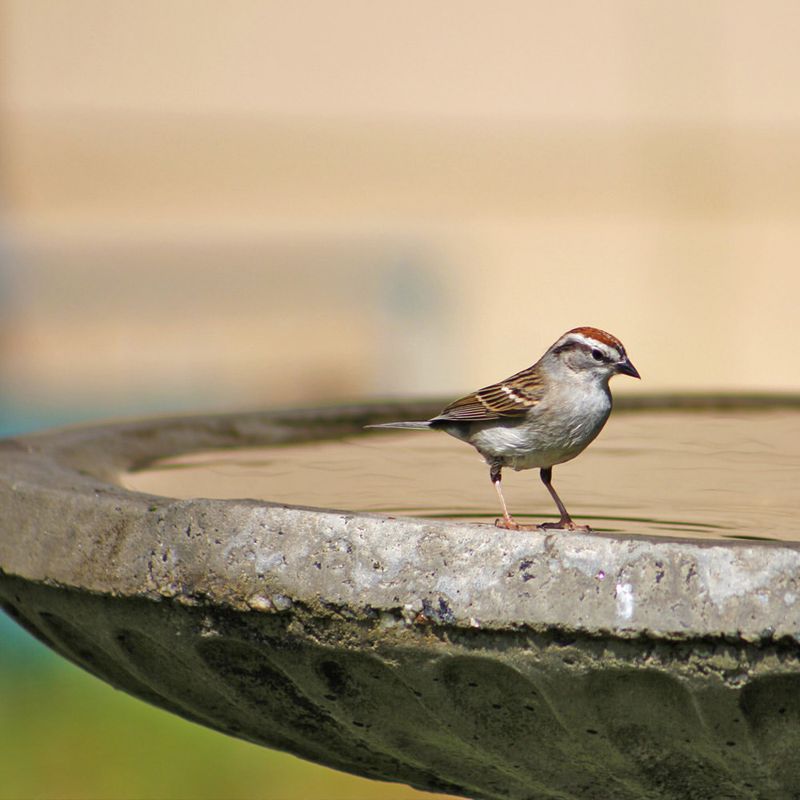
Birds need reliable water access for drinking and bathing regardless of the season.
A simple birdbath becomes a gathering spot where you’ll witness fascinating bird behavior throughout the year.
During Oregon’s wet winters, birds still appreciate clean water sources separate from muddy puddles, while summer droughts make water features absolutely essential.
Heated birdbaths prevent freezing during cold snaps in eastern Oregon and higher elevations.
These devices use minimal electricity while providing life-saving hydration when natural sources ice over.
Even in milder western Oregon areas, a heating element ensures birds always find accessible water during occasional freezes.
Moving water attracts more birds than still water because the sound and sparkle catch their attention from greater distances.
Small fountains or drippers create appealing ripples that birds find irresistible.
The movement also prevents mosquito breeding, keeping your water feature healthy and safe.
Placement matters significantly for bird safety and your viewing pleasure.
Position water sources near protective shrubs where birds can quickly escape from predators, but maintain clear sightlines so birds feel secure while bathing.
Regular cleaning prevents disease transmission between visiting birds.
Change water every few days and scrub the basin weekly with a brush to remove algae and droppings that accumulate naturally.
3. Offering Supplemental Food Through Multiple Feeder Types
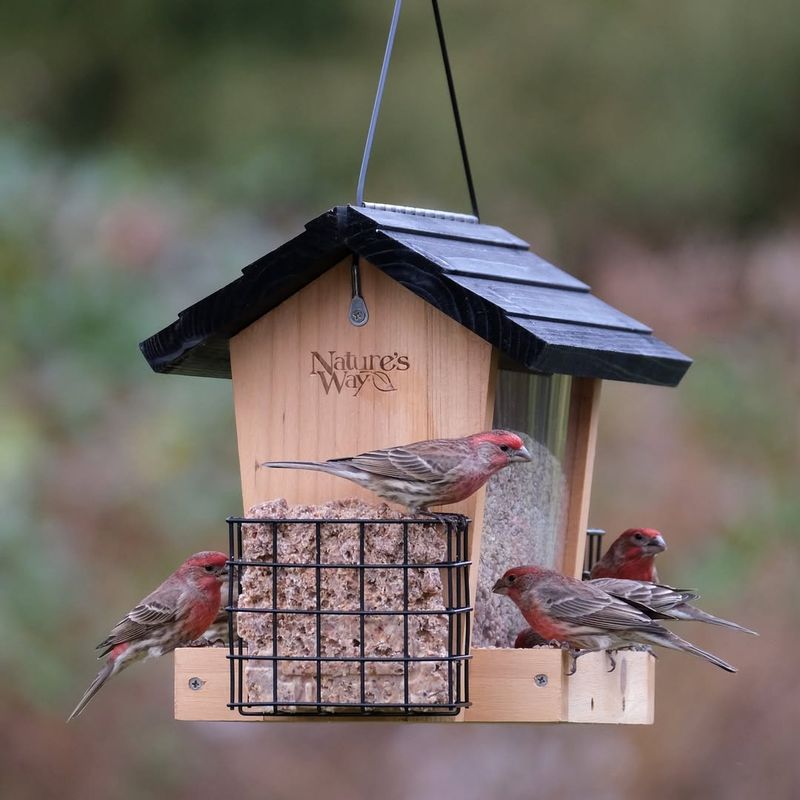
Different bird species prefer different foods and feeding styles, so variety matters tremendously.
Tube feeders filled with black oil sunflower seeds attract finches, chickadees, and nuthatches, while platform feeders accommodate larger birds like jays and towhees.
Suet feeders provide essential fat and protein that woodpeckers, bushtits, and warblers need, especially during cold Oregon winters.
Hummingbird feeders filled with sugar water solution support these tiny migrants during spring and summer months.
Oregon hosts several hummingbird species, including Anna’s hummingbirds that stay year-round in many areas.
Maintaining clean feeders with fresh nectar prevents harmful mold growth that can harm these delicate birds.
Seed selection influences which species visit your yard most frequently.
Nyjer seed brings goldfinches and pine siskins, while peanuts attract jays and woodpeckers.
Mixing different seed types in separate feeders creates diverse feeding opportunities that accommodate more bird species throughout the seasons.
Feeder placement requires thoughtful consideration for both bird safety and predator prevention.
Position feeders at least ten feet from dense shrubs where cats might hide, but close enough to trees that birds can quickly retreat if hawks appear.
Spacing multiple feeders throughout your yard reduces competition and allows timid species to feed without harassment from aggressive birds that sometimes dominate single feeding stations.
4. Creating Safe Nesting Opportunities With Birdhouses
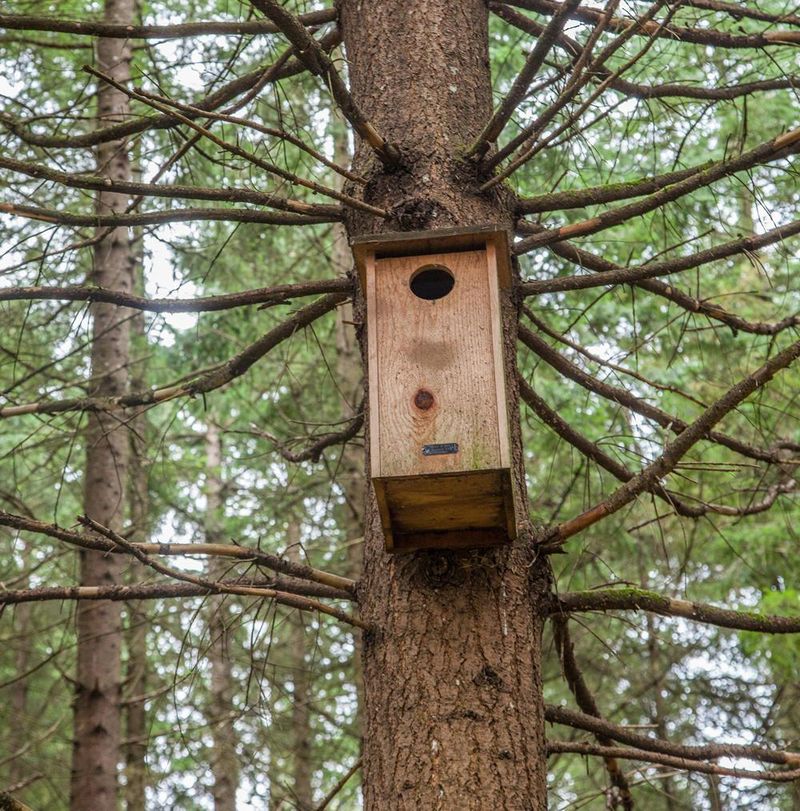
Many Oregon bird species readily accept human-provided nesting boxes when natural cavities become scarce.
Chickadees, wrens, bluebirds, and swallows all use appropriately sized birdhouses to raise their young.
Each species requires specific entrance hole dimensions, so research which birds inhabit your area before purchasing or building boxes.
Proper birdhouse placement increases occupancy rates significantly.
Mount boxes at appropriate heights for target species, bluebird houses work best on posts in open areas, while chickadee boxes prefer woodland edges.
Face entrance holes away from prevailing winds and afternoon sun to keep nestlings comfortable during Oregon’s variable spring weather.
Annual cleaning after nesting season ends prevents parasite buildup and prepares houses for next year’s residents.
Remove old nesting material in late fall, scrub interiors with mild soap solution, and rinse thoroughly.
Some birds use clean boxes for winter roosting, providing valuable shelter during cold nights.
Avoid birdhouses with perches beneath entrance holes, as these actually help predators access nests more easily.
Drainage holes in the floor prevent water accumulation, while ventilation gaps near the roof keep interiors from overheating.
Quality construction using untreated wood ensures boxes last multiple seasons while remaining safe for delicate eggs and baby birds that depend on them for survival and growth.
5. Maintaining Brush Piles And Natural Cover
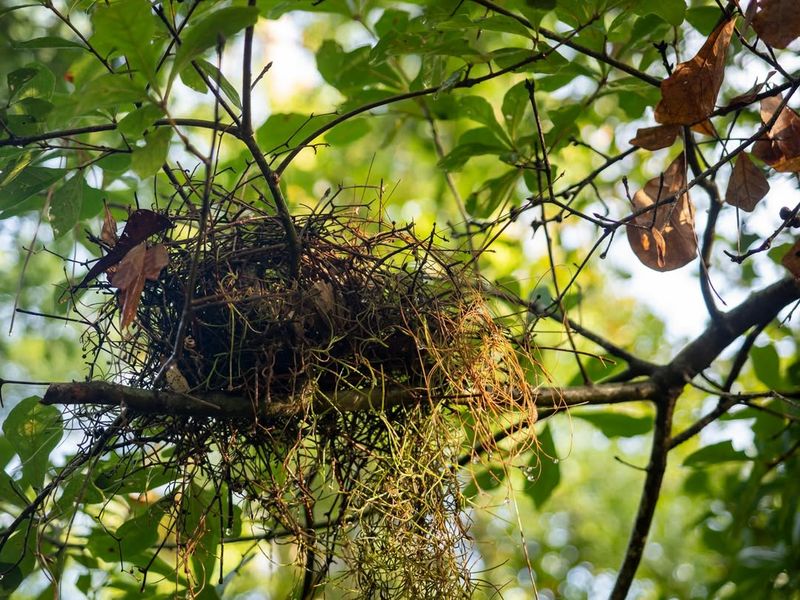
Leaving some areas of your yard slightly wild benefits ground-feeding birds tremendously.
Brush piles created from pruned branches and fallen limbs provide essential shelter where sparrows, towhees, and wrens forage for insects and seeds.
These tangled structures offer protection from hawks and cats while creating microhabitats that support the insects birds eat.
Oregon’s frequent rain makes dry shelter especially valuable for small birds.
Brush piles positioned in corners or along fence lines don’t interfere with lawn areas while providing critical refuge during storms.
Stack branches loosely to create gaps and tunnels where birds can move freely while remaining hidden from predators.
Dry trees and large branches, called snags, serve important ecological functions when safety permits keeping them.
Woodpeckers excavate nest cavities in soft dry wood, creating homes they use for one season before abandoning them for chickadees, nuthatches, and swallows.
Insects living in decaying wood provide rich food sources that many bird species depend upon.
Evergreen trees and dense shrubs offer year-round cover that birds use for roosting and escaping weather extremes.
Oregon’s native conifers create perfect windbreaks and thermal shelter during winter nights.
Planting evergreens in clusters rather than single specimens creates better protection, and mature plants provide superior shelter compared to young, sparse plantings that take years to develop.
6. Reducing Window Strikes With Visual Deterrents
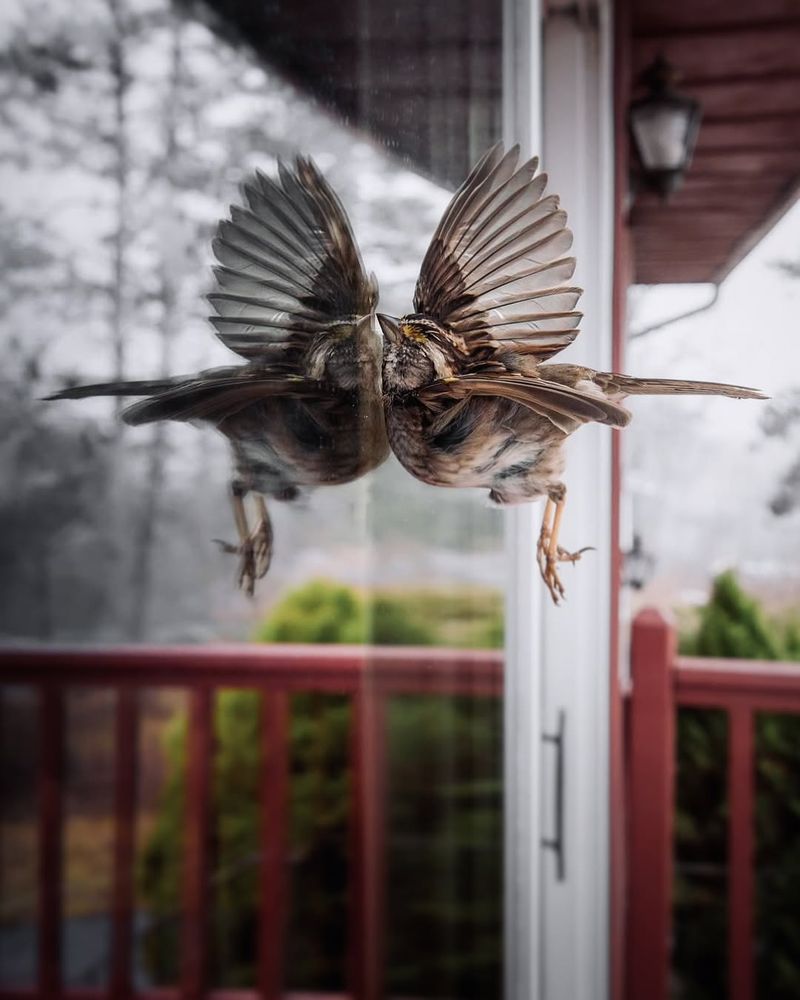
Window collisions harm countless birds across Oregon every year, but simple solutions prevent most accidents.
Birds perceive reflections of sky and trees as flight paths, causing them to strike glass at full speed.
Applying visual markers helps birds recognize barriers they would otherwise fly directly into without hesitation.
Window decals, tape patterns, and external screens all reduce collisions effectively when properly applied.
Spacing markers no more than two inches apart horizontally and four inches vertically creates a visible barrier that birds recognize and avoid.
Many Oregon homeowners use decorative patterns that enhance rather than detract from their home’s appearance.
The outside surface of windows requires treatment because that’s where birds perceive the reflection.
Inside decorations rarely work since birds still see reflected habitat in the glass surface.
Specialty films and screens designed specifically for bird safety combine effectiveness with attractive appearance, making protection both functional and beautiful.
Feeders positioned either very close to windows or farther than thirty feet away reduce collision risks considerably.
Birds feeding within three feet of glass can’t build enough speed to harm themselves if startled, while distant feeders give birds flight paths that don’t intersect with windows.
Oregon homes using these strategies report dramatic reductions in window strikes while still enjoying close-up bird watching throughout the year.
7. Eliminating Pesticide Use Protects Food Chains
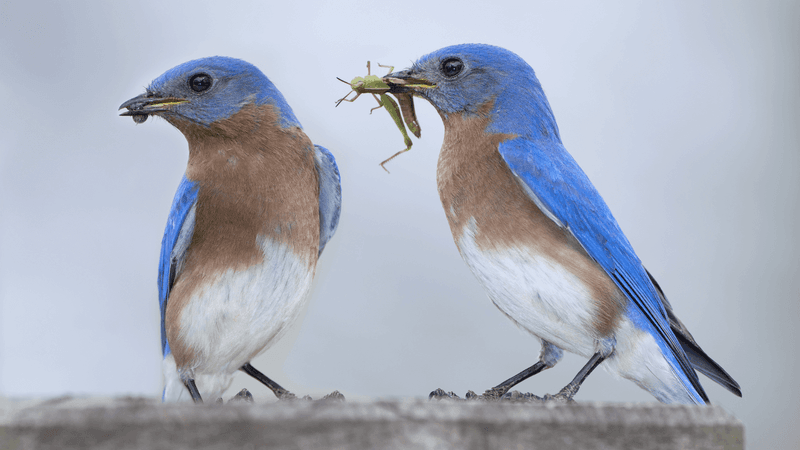
Chemical pesticides harm birds both directly and indirectly by eliminating the insects they depend on for survival.
Baby birds especially need protein-rich caterpillars and beetles during their rapid growth period.
When homeowners spray pesticides, they remove this essential food source that parent birds cannot easily replace with alternatives.
Oregon’s bird populations naturally control many garden pests without chemical intervention.
Chickadees consume thousands of aphids and caterpillars throughout nesting season, while swallows catch flying insects on the wing.
Allowing birds to provide pest control creates healthier ecosystems and reduces your workload simultaneously.
Organic gardening methods support robust bird populations while producing beautiful landscapes and productive gardens.
Companion planting, beneficial insects, and hand removal of problem pests work effectively without poisoning the environment.
Many Oregon gardeners discover that bird-friendly yards actually have fewer pest problems because natural predators keep populations balanced.
Herbicides pose particular dangers because they eliminate seed-producing plants that finches and sparrows eat.
Tolerating some dandelions and other common plants provides valuable food for birds while reducing lawn maintenance.
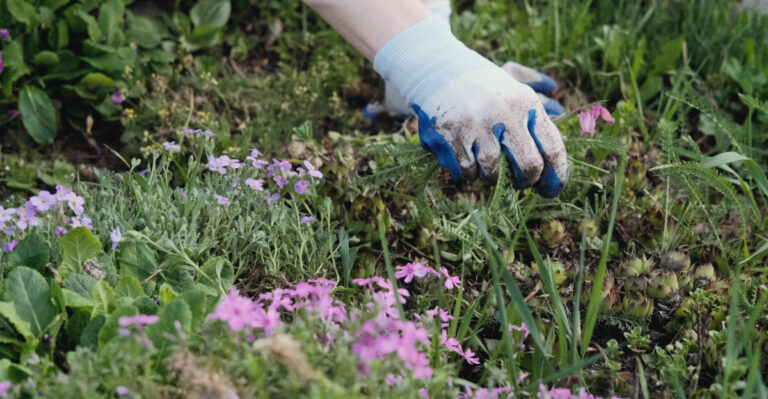
Native ground covers offer attractive alternatives to traditional grass lawns that require fewer inputs while supporting more diverse wildlife.
Oregon homeowners embracing this approach enjoy lower maintenance costs and greater bird activity simultaneously throughout every season.
8. Keeping Cats Indoors Or Supervised Outside
Domestic cats pose the single greatest human-caused threat to bird populations across North America.
Even well-fed cats retain strong hunting instincts that compel them to stalk and catch birds.
Oregon homeowners can protect birds tremendously by keeping cats indoors or supervising outdoor time in enclosed spaces.
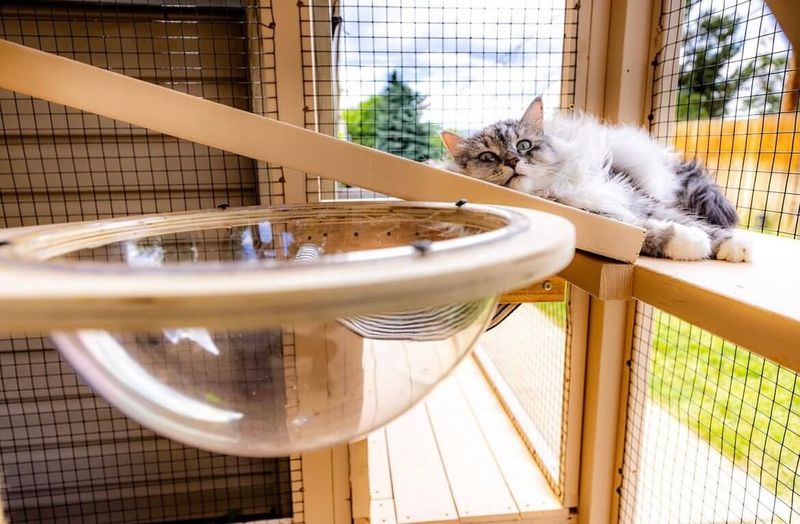
Catio enclosures allow cats to enjoy fresh air and outdoor stimulation while keeping birds completely safe.
These screened structures attach to homes or stand independently in yards, giving cats enriching outdoor experiences without endangering wildlife.
Many Oregon pet owners report their cats remain happy and healthy while living indoors or using supervised outdoor enclosures.
Cat bells and bright collars provide minimal protection because cats learn to move silently despite these devices.
Birds focused on feeding or singing rarely notice approaching cats until too late.
The only truly effective solution involves preventing cats from accessing areas where birds feed and nest.
Indoor cats live longer, healthier lives while avoiding vehicles, diseases, and conflicts with other animals.
They still enjoy watching birds through windows, which provides entertainment without danger to either species.
Oregon communities with strong indoor cat programs report noticeably higher bird populations and diversity.
Bird-loving homeowners who also cherish cats find that indoor living creates the best outcome for everyone involved, allowing both species to thrive in close proximity without conflict or harm.