How Painting Fruit Trees Early Can Boost Growth In Colorado
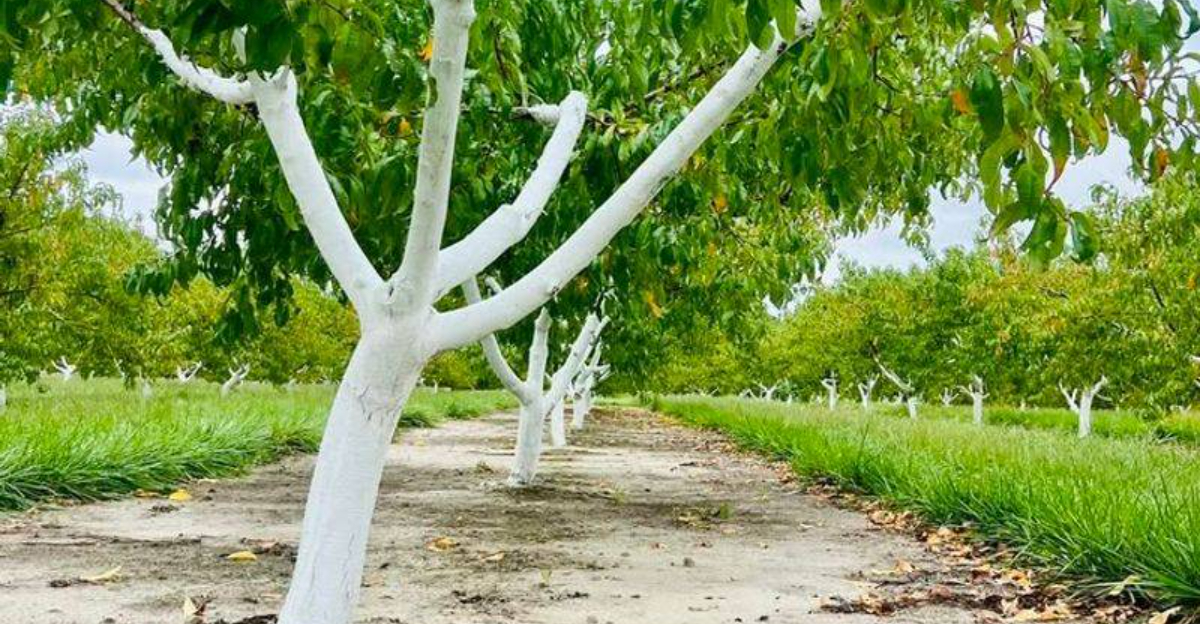
In Colorado’s variable climate, small steps can make a big difference for fruit trees, and painting trunks early in the season is one of the simplest yet most effective techniques.
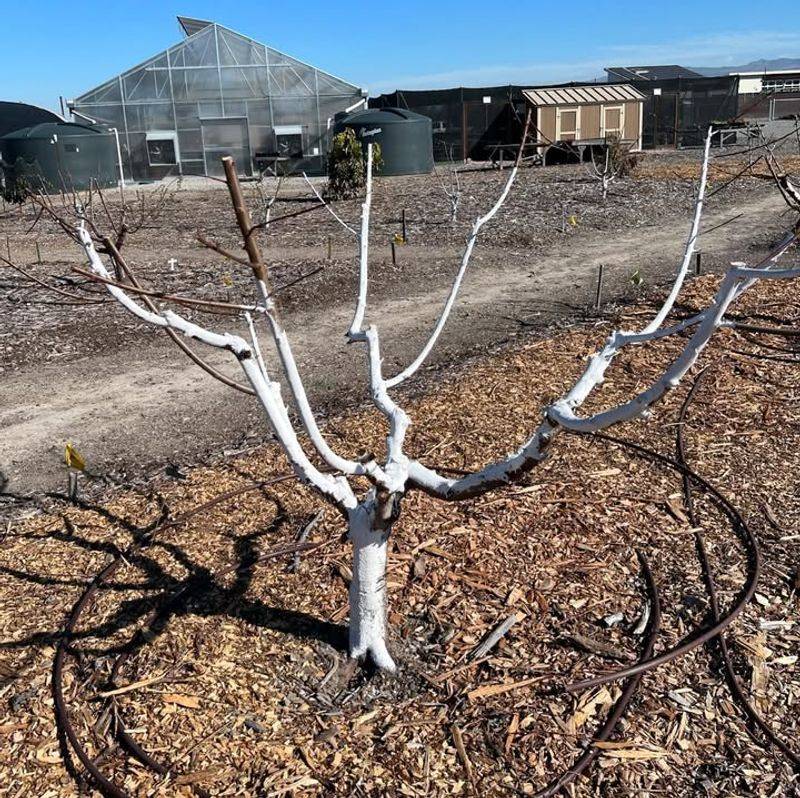
A fresh coat of white or reflective paint helps protect trees from sunscald, which occurs when winter or early spring sun heats bark unevenly, causing cracking and stress.
This protection preserves the tree’s energy, allowing it to focus on growth rather than recovery from damage.
Early painting also reflects light, moderates temperature fluctuations, and can reduce pest activity on vulnerable bark.
For Colorado homeowners, this preventative step contributes to healthier trees, stronger branches, and ultimately better fruit production.
1. Prevents Sunscald Damage On Young Bark
Colorado’s intense winter and early spring sun can cause serious harm to fruit tree bark.
When temperatures swing dramatically between day and night, the bark expands and contracts rapidly.
This movement creates cracks and splits that weaken the tree’s protective outer layer.
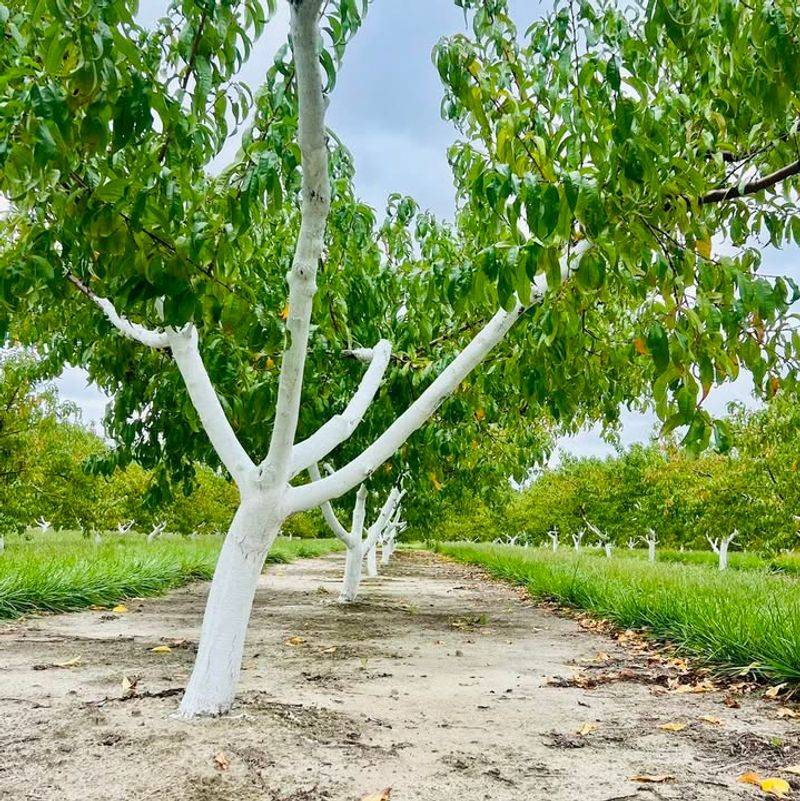
White or light-colored paint reflects sunlight away from the trunk.
The reflection keeps bark temperatures more stable throughout the day.
Stable temperatures mean less stress on the tree’s tissues and fewer opportunities for damage.
Young trees with thin bark benefit most from this protection.
Newly planted fruit trees haven’t developed thick, protective bark yet.
Painting gives them the shield they need while they mature.
Sunscald damage weakens trees and creates entry points for pests and disease.
By preventing this damage early, you help your fruit trees establish strong, healthy growth patterns.
A simple coat of paint in late winter can save your trees from months of recovery time.
Healthy bark means better nutrient flow throughout the tree.
Better nutrient distribution results in stronger branches, more blossoms, and ultimately more fruit.
2. Reduces Temperature Fluctuations Around The Trunk
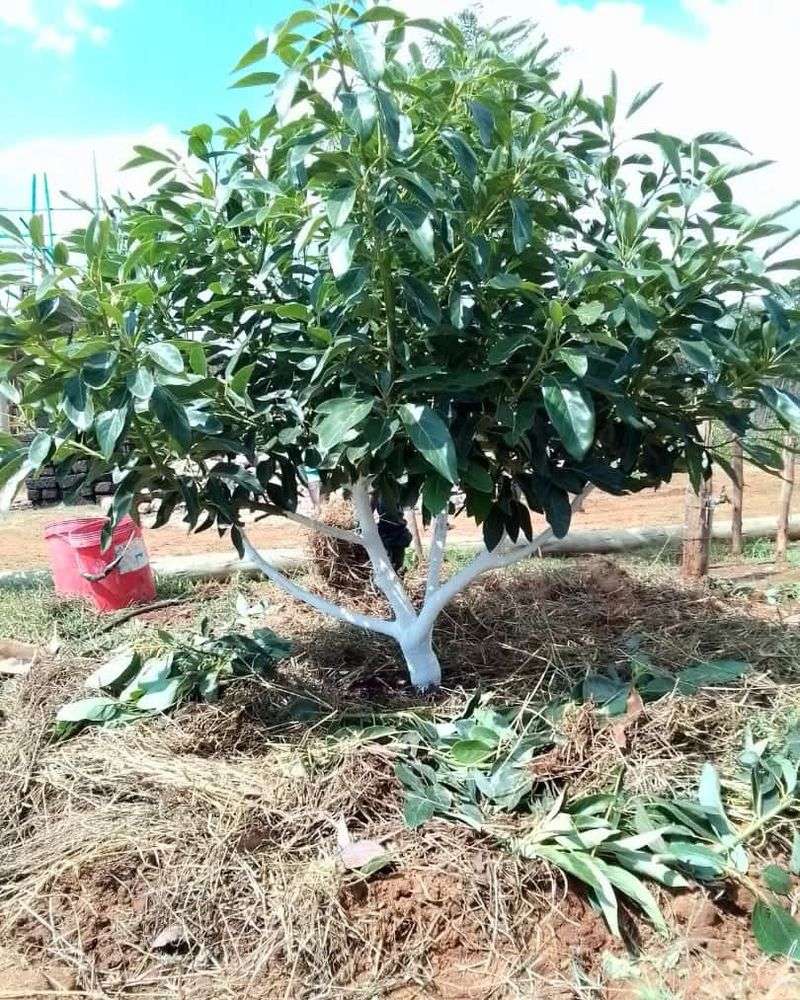
Temperature swings in Colorado can be extreme, especially during late winter and early spring.
A sunny afternoon might warm bark to 60 degrees, then overnight temperatures plunge below freezing.
These rapid changes confuse the tree’s internal systems and can trigger premature growth.
Paint acts as insulation that moderates temperature changes.
The light color deflects heat during warm days and provides a buffer during cold nights.
This creates a more consistent environment for the tree’s cambium layer, where growth occurs.
When temperatures remain steadier, trees can regulate their growth cycles more effectively.
They won’t be tricked into budding too early by a warm spell, only to suffer when frost returns.
Consistent conditions allow the tree to save energy for strong spring growth instead of wasting it on false starts.
Growers across Colorado have noticed that painted trees leaf out more evenly in spring.
Even leafing means the tree can photosynthesize more efficiently from the start of the season.
More efficient photosynthesis translates directly into better growth and fruit development.
The protective barrier helps trees thrive rather than just survive Colorado’s challenging climate.
3. Protects Against Southwest Injury
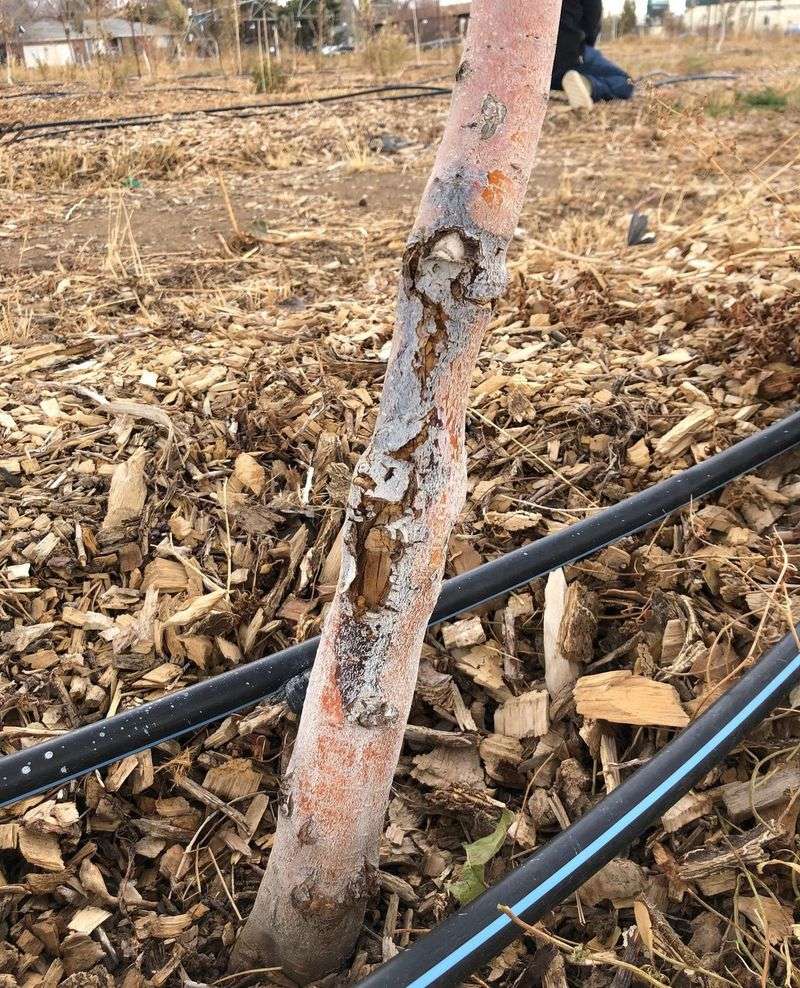
Southwest injury gets its name from the side of the tree most commonly affected.
In Colorado, the intense afternoon sun from the southwest direction hits tree trunks with particular force during winter months.
This side of the trunk heats up significantly while the opposite side remains cold.
The temperature difference causes the warmed bark to break dormancy prematurely.
When the sun sets, temperatures drop rapidly and the active tissues freeze.
Repeated freeze-thaw cycles create vertical cracks that scar the trunk permanently.
White paint applied to the southwest side, or better yet the entire trunk, prevents this uneven heating.
By reflecting sunlight equally, the paint maintains uniform bark temperature all around the trunk.
Uniform temperatures mean the tree stays properly dormant until true spring arrives.
Southwest injury can girdle young fruit trees completely, cutting off nutrient flow.
Even partial girdling reduces growth potential significantly and delays fruit production by years.
Prevention through painting costs just pennies compared to replacing damaged trees.
Orchardists in Western Colorado consider trunk painting essential, not optional.
Their success rates with young plantings improved dramatically once they adopted this practice.
Your fruit trees deserve the same proven protection.
4. Delays Early Bloom During Frost Risk Periods
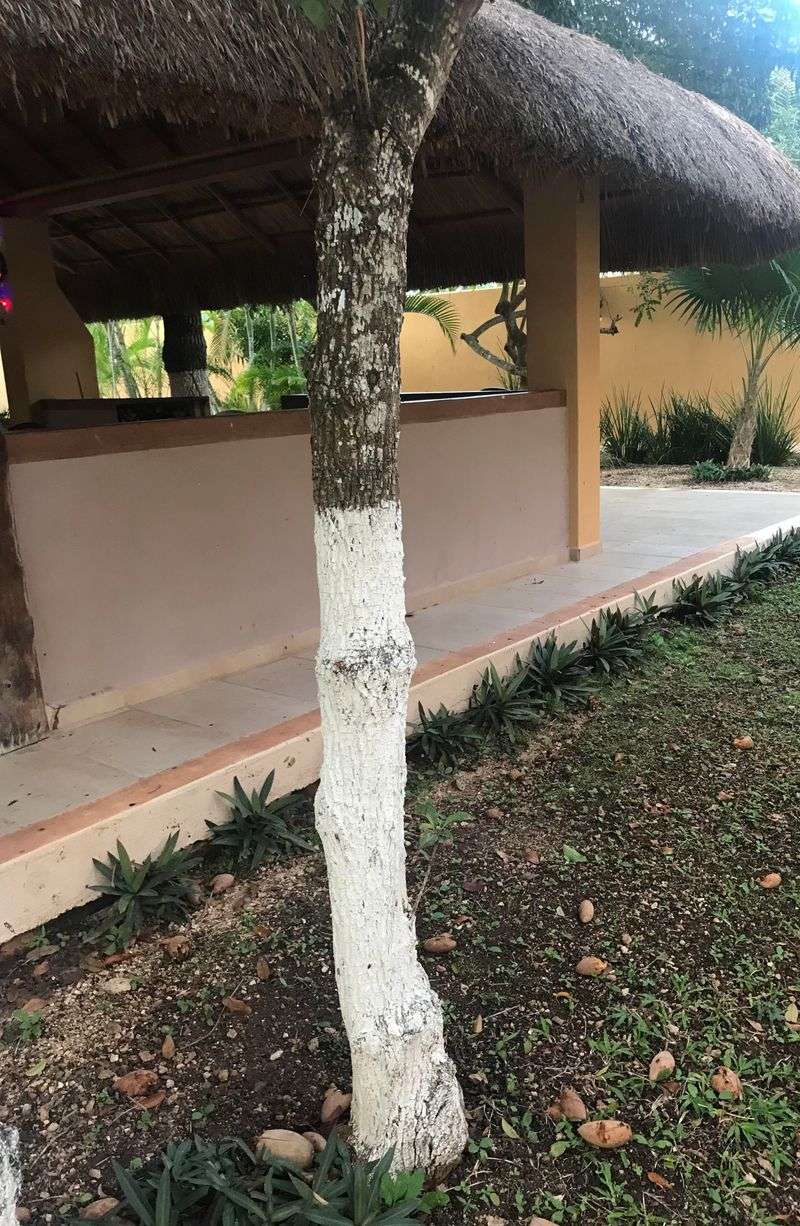
Colorado’s spring weather can be deceptive, with warm stretches followed by hard frosts.
Fruit trees that bloom too early often lose their blossoms to late-season freezes.
No blossoms means no fruit, regardless of how well the tree grows otherwise.
Painting tree trunks helps keep them slightly cooler in early spring.
Cooler trunk temperatures slow the tree’s transition out of dormancy.
A delay of even a few days can mean the difference between frost damage and a successful bloom.
Peach and apricot trees are particularly vulnerable to early blooming.
These species respond quickly to warm temperatures and often bloom before the last frost date.
Painted trunks give them a better chance of blooming during safer weather windows.
Growers have observed that painted trees in the same orchard bloom three to five days later than unpainted ones.
That small delay often coincides with the end of frost season in many Colorado valleys.
The result is better fruit set and higher yields at harvest time.
This benefit alone justifies the small effort required to paint your trees.
Protecting your potential harvest starts with managing bloom timing effectively.
Paint provides a simple tool for better timing control.
5. Deters Boring Insects From Infesting The Trunk
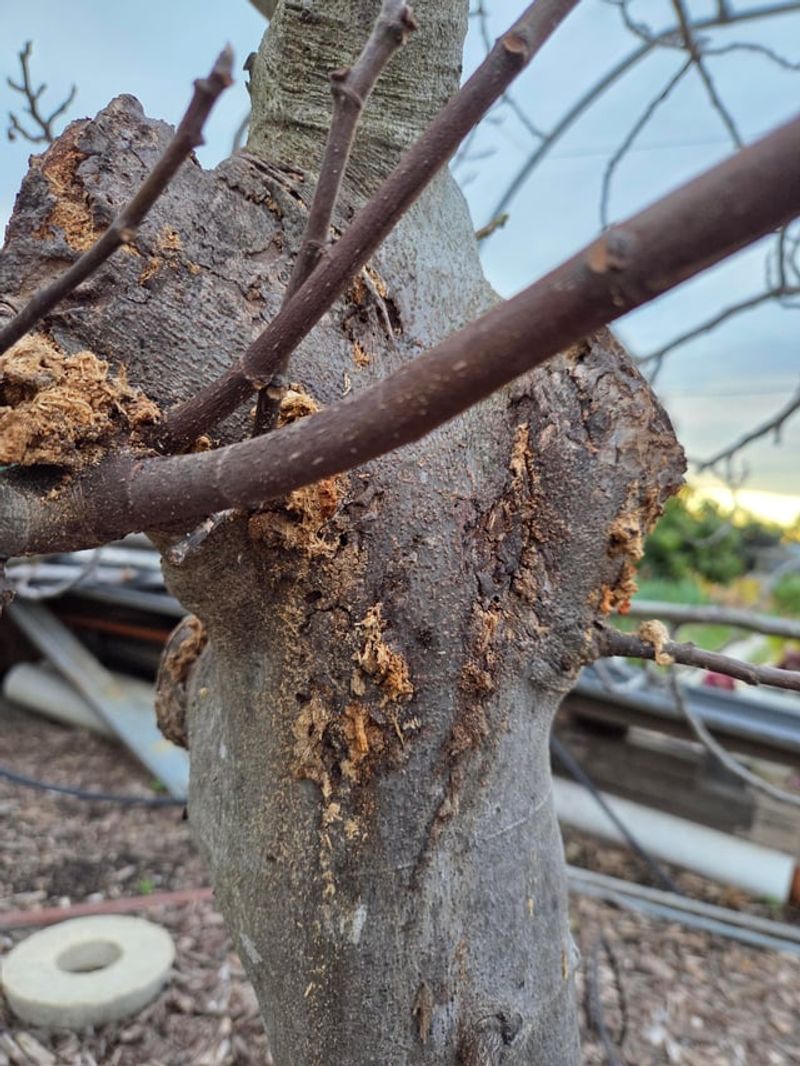
Many destructive insects target fruit tree trunks as places to lay eggs or burrow.
Flatheaded borers and other pests prefer dark, warm bark where they can establish colonies.
Once inside the trunk, these insects tunnel through vital tissues and compromise tree health.
Light-colored paint makes trunks less attractive to these pests.
The cooler surface temperature discourages egg-laying behavior.
Additionally, the paint texture may interfere with the insects’ ability to detect suitable host trees.
Borer damage in young trees can be catastrophic, stunting growth or causing structural weakness.
Mature trees can usually tolerate some borer activity, but young trees lack the resources to recover easily.
Protecting vulnerable trees during their first few years establishes a foundation for long-term productivity.
Research from Colorado State University suggests that painted trees experience fewer borer infestations.
The reduction isn’t complete, but even a 50% decrease in pest pressure helps trees thrive.
Combined with other management practices, painting becomes part of an integrated pest management strategy.
Healthy trees without borer damage grow faster and produce fruit sooner.
They also develop stronger branch structures that support heavy fruit loads better.
Paint offers a chemical-free deterrent that supports tree health naturally.
6. Improves Moisture Retention In Bark Tissues
Colorado’s dry climate and intense sun can dehydrate tree bark rapidly.
Bark that loses too much moisture becomes brittle and cracks easily.
These cracks allow further moisture loss and create openings for disease organisms.
A coating of paint forms a barrier that reduces moisture evaporation from bark.
The barrier works both ways, keeping moisture in while preventing excessive water absorption during wet periods.
Balanced moisture levels in bark tissues support healthier cambium function.
The cambium layer is where all tree growth originates.
When this layer stays properly hydrated, cells divide more efficiently and growth proceeds smoothly.
Dehydrated cambium slows growth and may even enter a stress-induced dormancy.
Young fruit trees in Colorado often struggle with establishment because of moisture stress.
Their root systems haven’t spread far enough yet to access reliable water sources.
Helping the trunk retain moisture reduces overall tree stress during this critical period.
Growers who paint their trees often notice improved bark appearance and flexibility.
Flexible bark bends rather than cracks when stressed by wind or weight.
This resilience contributes to better overall tree structure and longevity.
The moisture-retention benefit works year-round, making paint a four-season protector.
7. Enhances Photosynthesis Efficiency Through Healthier Growth

Photosynthesis happens in leaves, but trunk health directly impacts how well trees produce and use energy.
When trunks suffer damage from sun, pests, or temperature stress, nutrient transport systems become compromised.
Compromised transport means leaves don’t receive the minerals they need for optimal photosynthesis.
Painting protects the trunk’s vascular system from damage.
Undamaged xylem and phloem tissues move water, minerals, and sugars efficiently throughout the tree.
Efficient movement supports vigorous leaf development and healthy leaf function.
Trees with protected trunks typically develop fuller canopies with more leaf surface area.
More leaves mean more photosynthesis, which generates more energy for growth and fruit production.
The relationship between trunk protection and canopy development is clear in side-by-side comparisons.
Colorado’s intense sunlight provides excellent conditions for photosynthesis when trees can take advantage of it.
Healthy trees with painted trunks make better use of this abundant solar resource.
They convert sunlight into growth more effectively than stressed trees struggling with trunk damage.
Fruit quality also improves when trees photosynthesize efficiently.
Better energy production means more sugars available for fruit development, resulting in sweeter, larger fruit.
The connection between trunk painting and fruit quality might seem indirect, but it’s scientifically sound.
8. Extends The Productive Lifespan Of Fruit Trees
Fruit trees represent a significant investment of time and money.
Growers naturally want their trees to produce abundant fruit for as many years as possible.
Early trunk damage can shorten a tree’s productive life by decades.
Painting provides protection during the vulnerable establishment years when damage has the most lasting impact.
Trees that avoid early trunk injury develop stronger structures and healthier vascular systems.
Strong structures and healthy systems translate directly into longer productive lifespans.
A well-maintained apple tree in Colorado can produce for 30 to 50 years or more.
However, trees that suffer repeated trunk damage often decline after just 15 to 20 years.
The difference in total fruit production over these lifespans is enormous.
Painting costs very little compared to the value of extended production.
A single application can protect a tree for two to three years before repainting becomes necessary.
The return on this small investment becomes clear when you harvest fruit year after year.
Orchardists who have painted their trees from planting report fewer tree losses and more consistent yields.
Their orchards remain productive longer, generating income for more years.
Home gardeners benefit similarly, enjoying homegrown fruit for decades from properly protected trees.
Protection today means abundance tomorrow and for many years beyond.