How Pennsylvania Gardeners Can Grow Snow Oyster Mushrooms This Winter
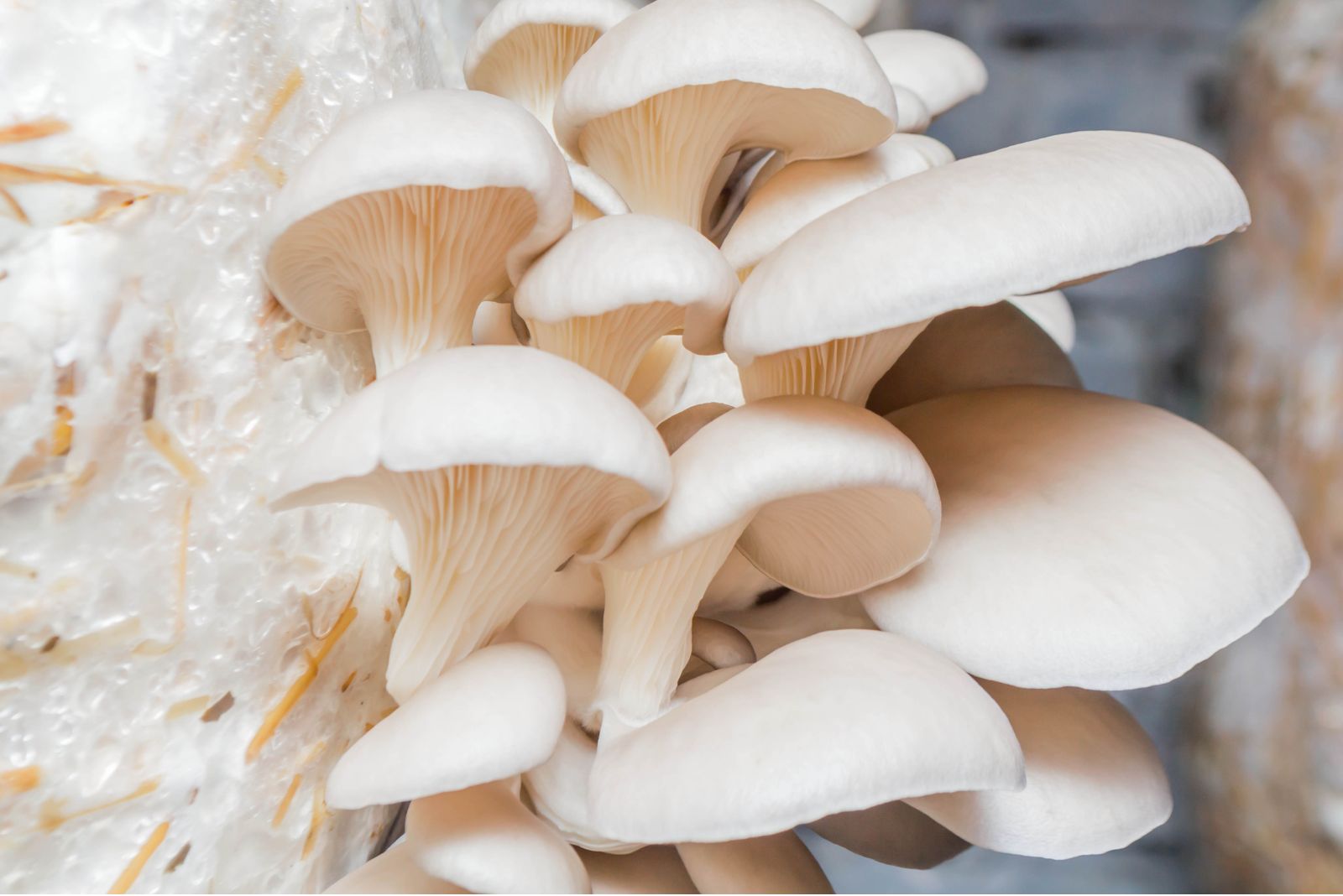
Winter in Pennsylvania does not have to mean pressing pause on growing fresh food. Many gardeners are discovering the quiet excitement of cultivating snow oyster mushrooms right at home during the cold months.
These delicate, snowy white mushrooms thrive in cool conditions, making them a perfect winter project when outdoor gardens are resting. Growing them may sound complicated, but it is surprisingly simple once you understand the basics.
With the right setup, a little moisture, and proper temperature, you can enjoy fresh, homegrown mushrooms even while snow covers the ground outside.
Pennsylvania gardeners love this rewarding hobby because it brings life to winter days and adds something unique to the kitchen.
Curious how to get started? Let’s explore how you can successfully grow snow oyster mushrooms this winter and enjoy a steady harvest right from your own home
1. Start With A Quality Mushroom Growing Kit
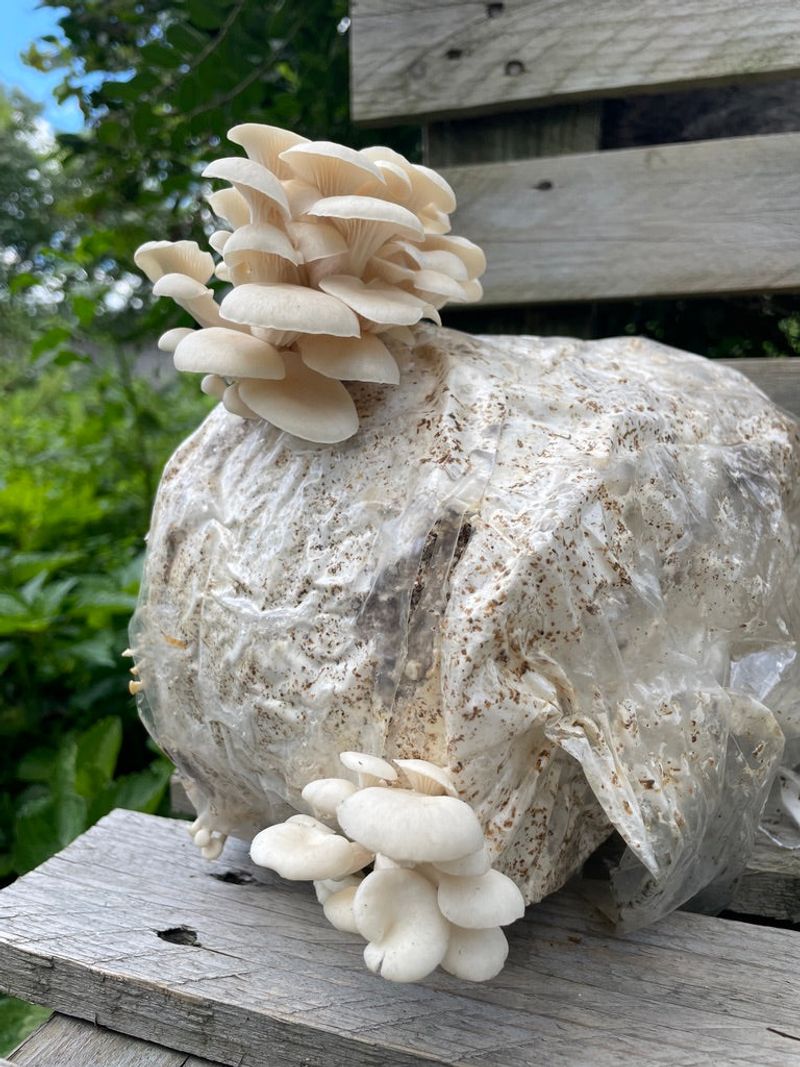
Mushroom growing kits take all the guesswork out of starting your winter harvest. These ready-made packages come with everything already prepared, including sterilized substrate that’s been inoculated with snow oyster mushroom spores.
Pennsylvania gardeners who’ve never grown mushrooms before find these kits incredibly helpful because they eliminate the trickiest steps.
Most kits arrive as a block of substrate inside a plastic bag. You simply cut an opening in the bag, mist it with water, and place it somewhere cool in your home.
Basements work wonderfully for Pennsylvania winters since they stay naturally cold. The mushrooms start appearing within one to two weeks, which is much faster than waiting for spring vegetables to sprout.
Quality matters when choosing your kit. Look for companies that specialize in cold-weather mushroom varieties and have good reviews from other growers.
Some Pennsylvania garden centers now carry these kits during winter months, or you can order them online and have them shipped directly to your door.
The beauty of starting with a kit is that you’ll learn exactly what conditions snow oyster mushrooms need to thrive. You’ll see how much moisture they require, what temperature range works best, and how quickly they grow.
This hands-on experience becomes invaluable if you decide to grow mushrooms from scratch later.
One kit can produce multiple flushes of mushrooms over several weeks. After harvesting your first batch, you simply keep misting and waiting for the next round to appear.
Some Pennsylvania gardeners report getting three or four harvests from a single kit, providing fresh mushrooms throughout the coldest months. The investment pays for itself quickly when you compare the cost to buying fresh mushrooms at the grocery store.
2. Create The Perfect Indoor Growing Space
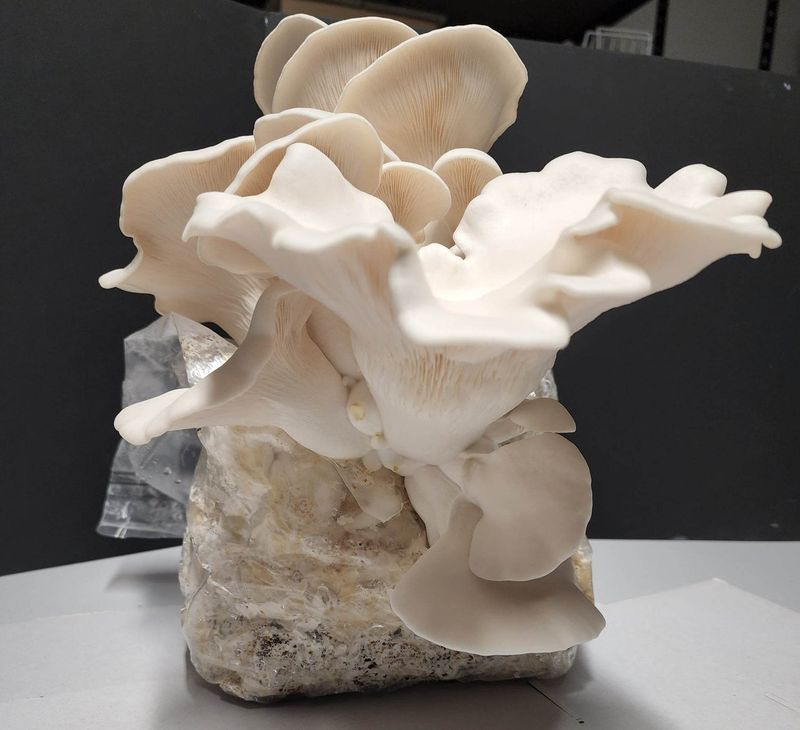
Finding the right spot in your Pennsylvania home makes growing snow oyster mushrooms much easier. These mushrooms prefer temperatures between 45 and 60 degrees Fahrenheit, which is cooler than most people keep their living spaces.
Your basement probably stays naturally cool during winter, making it an ideal location without any special equipment.
Snow oyster mushrooms need indirect light but not direct sunlight. A small window or even a fluorescent bulb provides enough light for healthy growth.
Too much bright light can actually slow down mushroom development, so dim corners of your basement or garage work better than sunny windowsills.
Humidity is crucial for mushroom success. These fungi need moisture in the air to develop properly, typically around 80 to 90 percent humidity.
Pennsylvania winters can be quite dry indoors due to heating systems, so you’ll need to create a more humid microclimate. Many growers use plastic totes or small tents to contain moisture around their mushroom blocks.
Air circulation matters too, but you don’t want strong drafts. Mushrooms need fresh air exchange to prevent carbon dioxide buildup, which can cause strange shapes or poor growth.
Opening your growing area once or twice daily provides enough air movement. Some Pennsylvania mushroom growers use small fans on low settings to keep air moving gently.
Keep your growing space clean and away from areas with lots of dust or mold. Mushrooms can pick up contamination from their environment, which might affect their growth or safety.
A corner of a finished basement works better than a dusty storage area. Temperature stability helps too, so avoid spots near furnaces or exterior doors where cold drafts come through during Pennsylvania winter storms.
3. Master The Misting And Humidity Technique
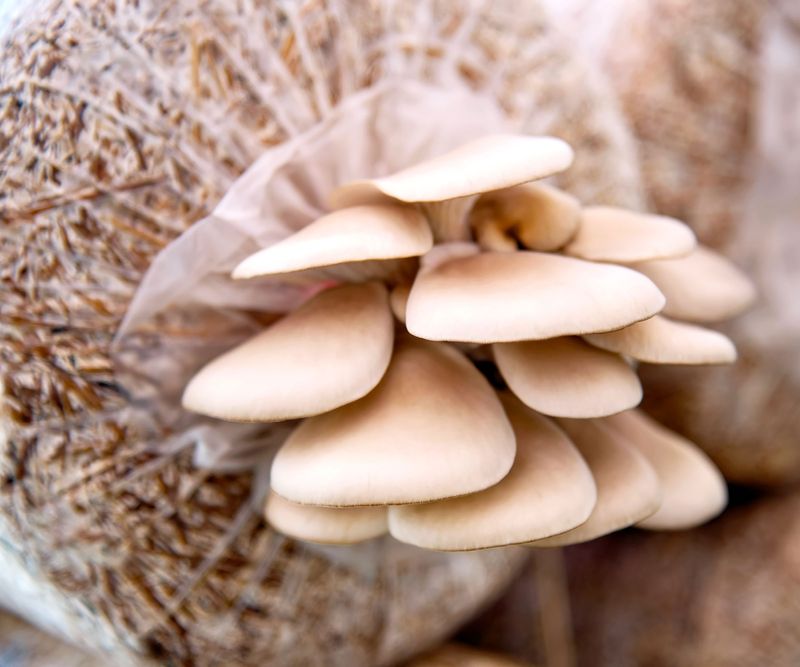
Water management separates successful mushroom growers from frustrated beginners. Snow oyster mushrooms don’t absorb water through roots like regular plants.
Instead, they absorb moisture directly through their surface and from humid air around them. Pennsylvania gardeners need to mist their mushroom blocks multiple times each day to maintain proper moisture levels.
Use a clean spray bottle filled with regular tap water for misting. Spray the mushroom block and the inside of any covering you’re using until you see tiny water droplets forming.
The surface should look damp but not soaking wet or dripping heavily. Too much water pooling around the base can cause problems, while too little leads to dried-out mushrooms that stop growing.
Timing your misting sessions helps maintain consistent humidity. Most Pennsylvania growers mist their snow oyster mushrooms three to four times daily.
Morning, midday, afternoon, and evening misting keeps humidity levels steady. If you’re away during the day, morning and evening sessions can work, though you might need to mist more thoroughly.
Watch your mushrooms for signs they need more or less water. If edges start curling or looking dry, increase your misting frequency.
If you notice yellowing or slimy spots, you might be overdoing it. Every Pennsylvania home has different humidity levels, so you’ll adjust based on what you observe.
Some growers create humidity tents using clear plastic storage totes or large plastic bags. These enclosures trap moisture around the mushrooms, reducing how often you need to mist.
Just remember to open them daily for fresh air. During dry Pennsylvania winters when furnaces run constantly, these humidity tents become especially helpful for maintaining the moist environment snow oyster mushrooms love.
4. Try Outdoor Cold-Weather Growing Methods
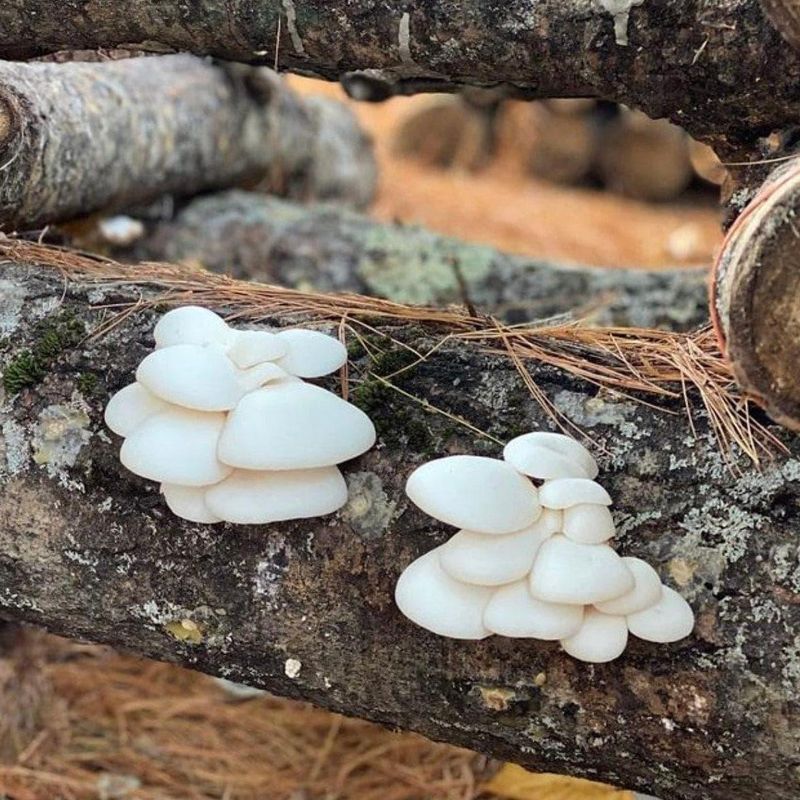
Pennsylvania winters offer unique opportunities for outdoor mushroom cultivation that warmer climates can’t match.
Snow oyster mushrooms actually grow better in cold temperatures, and you can take advantage of natural winter conditions right in your backyard.
Protected outdoor spots allow mushrooms to experience the temperature swings and fresh air they need without you managing everything indoors.
Hardwood logs make excellent outdoor growing substrates for snow oyster mushrooms. Oak, maple, and beech trees common throughout Pennsylvania work wonderfully.
You’ll need to drill holes in fresh logs, insert mushroom spawn, and seal them with wax. The mushrooms colonize the wood over several months, then fruit when conditions are right during winter.
Placing logs in shaded areas protects them from direct sun and harsh winds. Lean them against a north-facing wall, stack them under evergreen trees, or create a simple shelter using tarps.
The goal is keeping them moist and protected while still exposing them to cold temperatures. Pennsylvania snow actually helps insulate the logs and maintain moisture.
Straw bales offer another outdoor growing method that works well in Pennsylvania winters. You can inoculate straw with snow oyster mushroom spawn and place the bales in protected outdoor areas.
The straw provides food for the mushrooms while the cold weather creates perfect fruiting conditions. Some growers cover their straw bales with clear plastic to create mini-greenhouses.
Outdoor growing requires more patience than indoor kits since you’re working with natural cycles. Your mushrooms might take weeks or months to appear depending on when you start.
However, outdoor methods often produce larger harvests and require less daily maintenance. You won’t need to mist constantly because Pennsylvania winter precipitation and humidity do much of the work for you naturally.
5. Use Straw And Sawdust Substrate Recipes
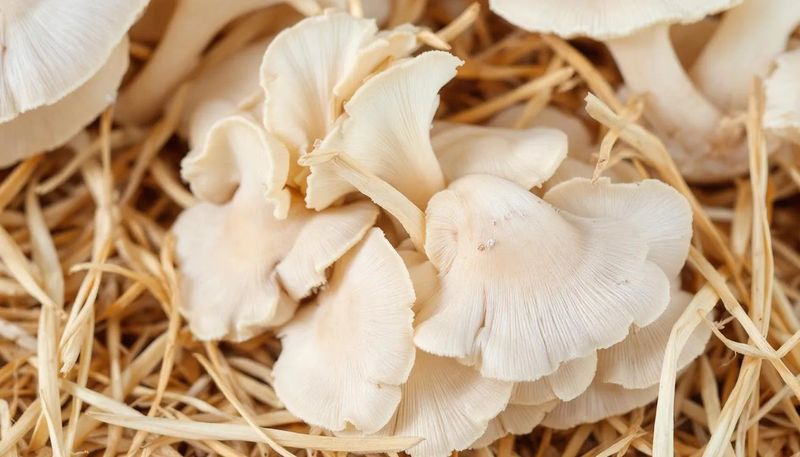
Making your own growing substrate costs less than buying kits and lets you grow much larger quantities of snow oyster mushrooms. Straw and sawdust are the two most popular base materials, and both are easy to find in Pennsylvania.
Local farms often have straw available, while sawmills and woodworking shops provide sawdust, sometimes even for free.
Straw works exceptionally well for snow oyster mushrooms because it’s inexpensive and easy to prepare. You’ll need to chop the straw into smaller pieces and then pasteurize it by soaking in hot water for an hour or two.
This process removes competing organisms that might interfere with mushroom growth. After draining and cooling, you mix in mushroom spawn and pack everything into plastic bags with holes for air exchange.
Sawdust from hardwood trees provides denser substrate that produces heavy mushroom flushes. Pennsylvania has plenty of hardwood sources including oak, maple, and cherry.
You’ll supplement the sawdust with wheat bran or other nutrients to give your mushrooms extra food. The mixture gets sterilized, cooled, inoculated with spawn, and packed into growing containers.
Mixing both straw and sawdust creates a balanced substrate that combines benefits of each material. The straw provides structure and air pockets while sawdust adds density and nutrition.
Many Pennsylvania mushroom growers experiment with different ratios to find what works best in their specific conditions.
Homemade substrates require more work upfront but produce impressive results. You can prepare large batches at once and store them until ready to use.
The initial time investment pays off when you’re harvesting pounds of fresh snow oyster mushrooms throughout the winter. Plus, you’ll gain valuable knowledge about mushroom cultivation that helps you troubleshoot problems and improve your techniques over time.
6. Harvest And Store Your Winter Mushroom Crop
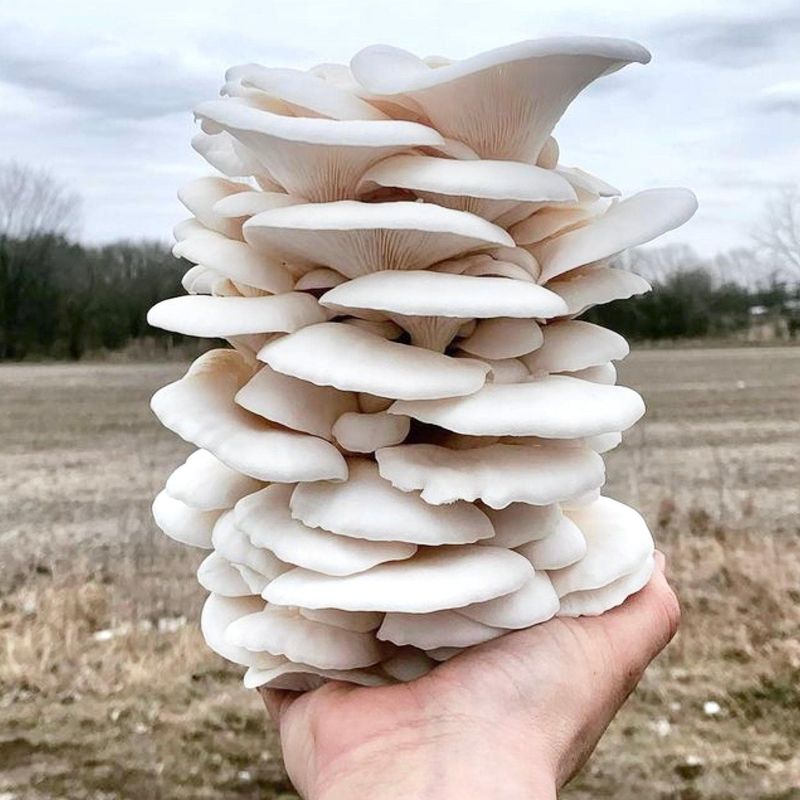
Knowing when to harvest snow oyster mushrooms ensures you get the best flavor and texture. These mushrooms grow quickly once they start, sometimes doubling in size overnight.
You’ll want to pick them when the caps have fully opened but before the edges start curling upward. At this stage, they’re tender and flavorful, perfect for cooking.
Harvesting technique matters for getting multiple crops from the same block. Use a sharp knife to cut the mushroom cluster at its base rather than pulling or twisting.
Clean cuts heal better and allow new mushrooms to form in the same spot. Pennsylvania growers often get two or three more flushes after the first harvest by continuing to mist and maintain proper conditions.
Fresh snow oyster mushrooms store well in paper bags in your refrigerator for up to a week. Avoid plastic bags because they trap moisture and make mushrooms slimy.
The paper absorbs excess moisture while still protecting the mushrooms. Many Pennsylvania gardeners harvest every few days throughout winter, always having fresh mushrooms available.
Cooking snow oyster mushrooms brings out their delicate flavor and meaty texture. They work beautifully in stir-fries, soups, and pasta dishes.
Some people enjoy them simply sautéed in butter with garlic. Their mild taste makes them versatile for many recipes, and they’re packed with protein, vitamins, and minerals.
If you harvest more mushrooms than you can use fresh, drying preserves them for months. Slice them thin and use a food dehydrator or your oven on low heat.
Dried snow oyster mushrooms rehydrate beautifully and work great in winter stews. Pennsylvania gardeners who master winter mushroom growing often have enough to share with friends and family, spreading the joy of homegrown food even during the coldest months.