How Pennsylvania Gardeners Keep Geraniums Alive During Winter

When temperatures start to drop in Pennsylvania, many gardeners begin to worry about one popular warm-weather favorite, geraniums.
Known for their vibrant blooms and long-lasting beauty, geraniums can’t handle the state’s cold winters on their own.
But instead of letting these plants die off, smart Pennsylvania gardeners have found creative ways to keep them alive until spring.
With a little planning and the right care, your geraniums can survive the cold season and come back strong when warmer days return.
Some gardeners bring their geraniums indoors and treat them like houseplants, placing them near sunny windows and watering sparingly.
Others prefer the “bare root” method, which involves storing dormant plants in a cool, dark space like a basement or garage.
Both approaches work well, depending on your space and how much effort you want to put in.
The key is to keep the plants from freezing while allowing them to rest during the colder months.
Come spring, they’ll reward your efforts with fresh growth and colorful blooms.
1. Bring Potted Geraniums Indoors As Houseplants
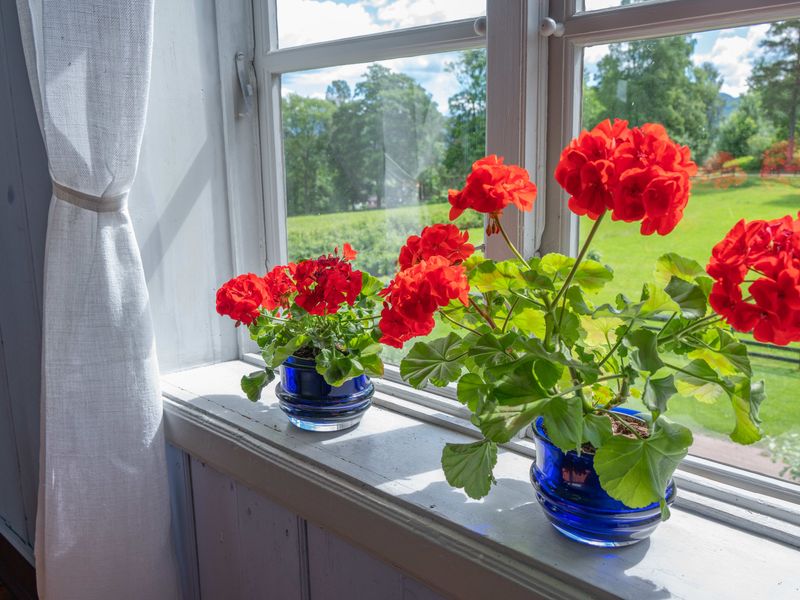
Moving your potted geraniums inside before the first frost is perhaps the easiest method for Pennsylvania gardeners.
This approach works especially well if you already have your geraniums in containers, saving you the hassle of transplanting.
Before bringing them indoors, inspect each plant carefully for pests like aphids, spider mites, or whiteflies that might have taken up residence during summer.
Washing the leaves with a gentle spray of water helps remove any hitchhikers.
Trim back any leggy or damaged stems to encourage bushier growth once they adjust to indoor conditions.
Choose a bright location in your home where the geraniums will receive at least four to six hours of sunlight daily.
South-facing windows work best in Pennsylvania homes during winter months when daylight hours are shorter.
If natural light is limited, consider supplementing with grow lights to keep your plants healthy and prevent them from becoming spindly.
The transition from outdoor to indoor conditions can stress plants, so expect some leaf yellowing initially.
Indoor heating systems can dry out the air considerably, which geraniums tolerate better than many houseplants, but they still appreciate occasional misting.
Water your geraniums less frequently than you did outdoors, allowing the soil to dry slightly between waterings to prevent root rot.
Pennsylvania homes typically maintain temperatures between 65 and 75 degrees Fahrenheit, which suits geraniums perfectly.
Fertilize sparingly during winter, perhaps once a month with a diluted liquid fertilizer, since growth slows considerably in lower light conditions.
Watch for common indoor problems like stretched stems reaching for light or leaf drop from inconsistent watering.
Rotating your pots weekly ensures even growth on all sides.
By spring, your geraniums will be ready to return outdoors, often larger and more vigorous than when you brought them inside.
2. Store Dormant Geraniums In A Cool Basement
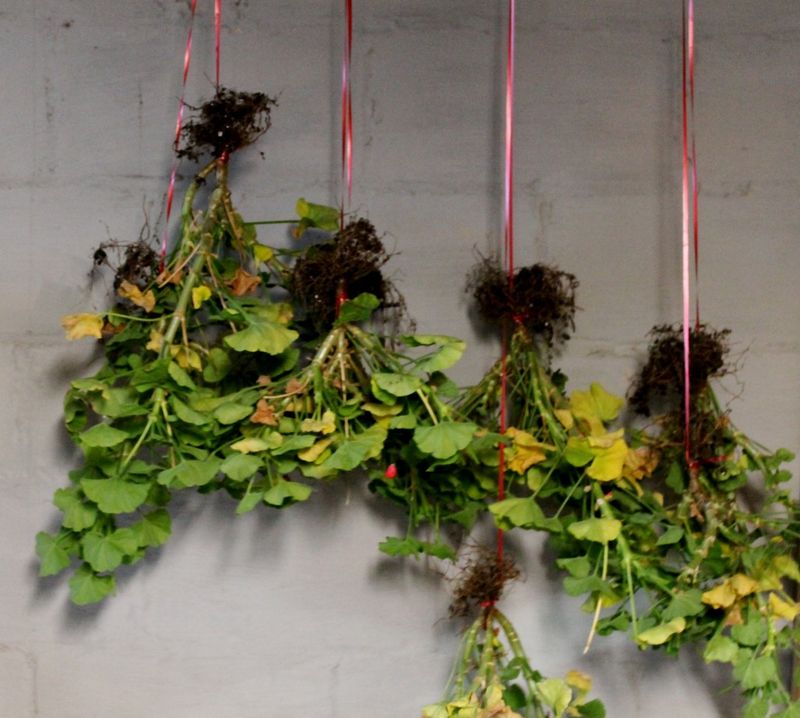
Pennsylvania basements provide ideal conditions for storing geraniums in a dormant state throughout winter.
This old-fashioned method has been used successfully for generations and requires minimal effort once you get the hang of it.
Before the first hard frost arrives in October or early November, dig up your geraniums carefully, preserving as much of the root system as possible.
Shake off excess soil from the roots, but don’t wash them completely clean.
The goal is to let the plants enter a resting phase where they require almost no care.
Hang the plants upside down from ceiling joists or rafters in your basement, or lay them on newspaper in a cool, dark area.
Basements in Pennsylvania typically maintain temperatures between 45 and 55 degrees Fahrenheit during winter, which is perfect for dormant geraniums.
Check your stored plants every few weeks, lightly misting the roots if they appear extremely shriveled.
The plants will look quite sad and lifeless, with leaves dropping off gradually, but this is completely normal.
Some Pennsylvania gardeners prefer placing the bare-root geraniums in paper bags with a few holes punched for air circulation.
Label each bag if you have multiple varieties so you remember which is which come spring.
The lack of light and cool temperatures signal the plants to rest rather than grow.
This method works particularly well for gardeners with large collections who lack indoor space for multiple pots.
Around March or early April, bring your dormant geraniums back to life by potting them in fresh soil and placing them in a bright location.
Trim away any shriveled stems, water thoroughly, and watch for new growth to emerge within a few weeks.
This technique saves considerable space compared to keeping plants actively growing indoors all winter long.
3. Take Cuttings To Propagate New Plants
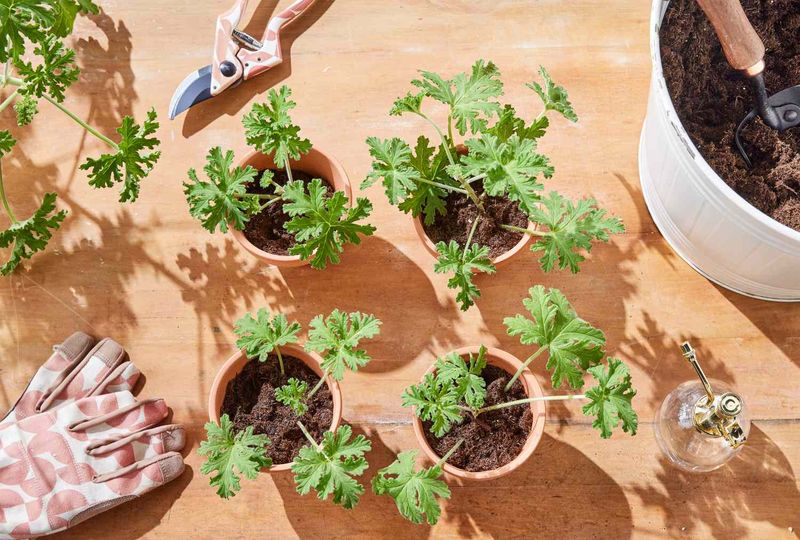
Propagating geraniums from cuttings offers Pennsylvania gardeners a space-efficient way to preserve their favorite varieties through winter.
Rather than saving entire plants, you simply snip healthy stem sections and root them indoors.
This method is particularly useful if your outdoor geraniums have grown quite large and unwieldy by season’s end.
Take your cuttings in late summer or early fall before Pennsylvania’s first frost, which typically occurs between mid-October and early November depending on your specific location.
Select healthy stems that are four to six inches long, making clean cuts just below a leaf node using sharp, sterilized scissors or pruning shears.
Remove the lower leaves, keeping only two or three sets at the top.
Allow the cut ends to dry for a few hours, which helps prevent rotting when you place them in rooting medium.
Some Pennsylvania gardeners dip the cut ends in rooting hormone powder, though this isn’t strictly necessary for geraniums, which root quite readily on their own.
Place your cuttings in small pots filled with moistened perlite, vermiculite, or a mix of peat and sand.
Regular potting soil can work too, but lighter mixes drain better and reduce the risk of rot.
Set the pots in a bright location away from direct sunlight, maintaining consistent moisture without overwatering.
Within three to four weeks, gentle tugging will reveal whether roots have formed.
Once rooted, transplant the cuttings into regular potting soil and treat them like young houseplants.
This approach allows you to start spring with multiple new plants from just one parent geranium.
Pennsylvania gardeners often share rooted cuttings with friends and neighbors, spreading favorite colors and varieties throughout their communities.
By spring, your cuttings will have developed into sturdy young plants ready for outdoor planting after the last frost passes in late April or May.
4. Overwinter In An Unheated Garage Or Shed
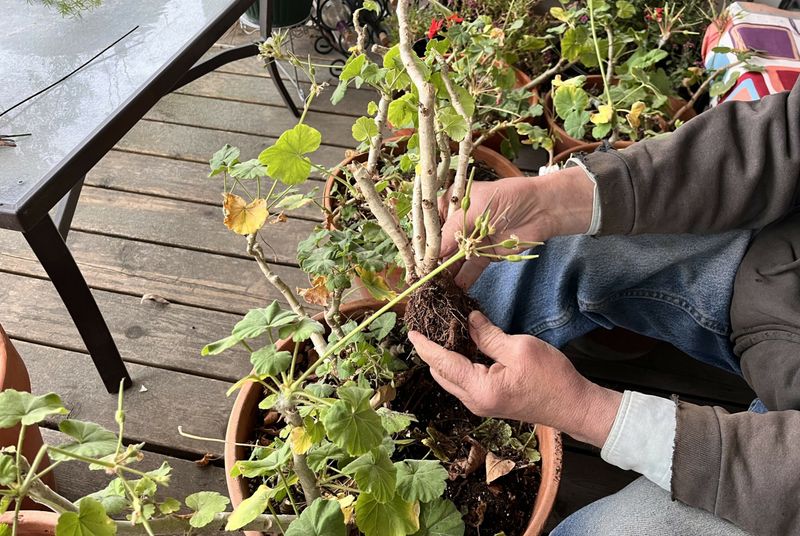
An unheated garage or garden shed can serve as a halfway house for geraniums during Pennsylvania winters.
This method works best for gardeners whose garages stay above freezing most of the time but remain too cold for active plant growth.
The key is finding that sweet spot where temperatures hover between 35 and 50 degrees Fahrenheit.
Many attached garages in Pennsylvania maintain these conditions naturally, especially if they share a wall with the heated house.
Pot up your geraniums before frost arrives, using well-draining soil and containers with adequate drainage holes.
Cut the plants back by about one-third to reduce their size and minimize water needs during dormancy.
Place the pots in your garage near a window if possible, though geraniums in this semi-dormant state don’t require much light.
Water very sparingly throughout winter, perhaps once every three to four weeks, just enough to keep the roots from completely drying out.
Pennsylvania winters can bring occasional warm spells followed by bitter cold snaps, so monitor your garage temperatures if possible.
If a particularly harsh cold front is forecast, temporarily moving pots closer to the house wall or covering them with old blankets can provide extra protection.
The plants will lose most of their leaves and look rather pitiful, but they’re simply resting until spring arrives.
Some new growth may appear during warmer periods in late winter.
Check your geraniums periodically for signs of pests or disease, removing any moldy or rotting material promptly.
Proper air circulation helps prevent fungal problems in the cool, damp conditions.
As March approaches and temperatures begin moderating, gradually increase watering and move the pots to brighter locations.
By the time Pennsylvania’s last frost date passes in late spring, your geraniums will be ready to resume their place in your garden or on your porch.
5. Use A Cold Frame For Protection
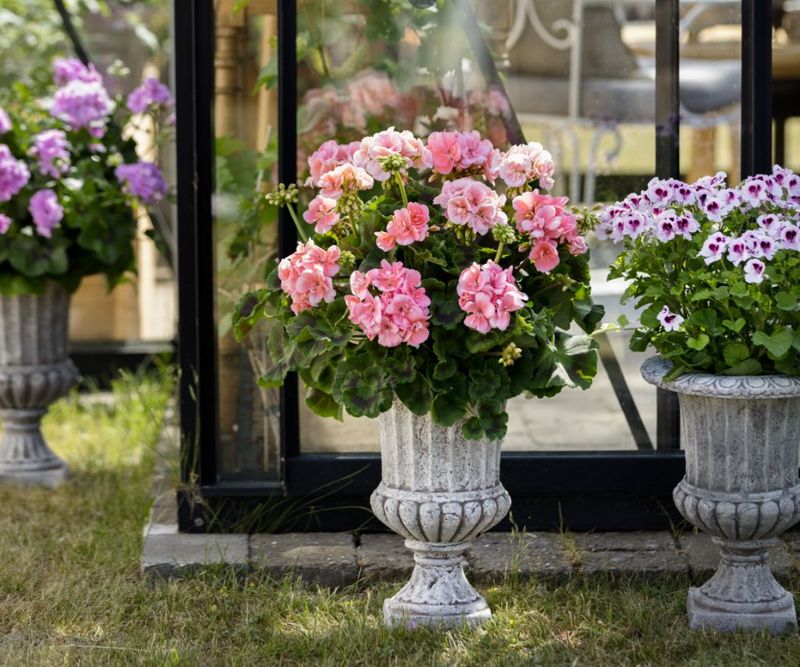
Cold frames offer Pennsylvania gardeners an excellent compromise between outdoor and indoor storage for geraniums.
These simple structures act like miniature greenhouses, capturing solar heat during the day while protecting plants from harsh winds and the worst of winter’s cold.
Building a basic cold frame is straightforward, requiring only some lumber and an old window or sheet of clear plastic.
Position your cold frame against a south-facing wall of your house or garage for maximum warmth and protection from Pennsylvania’s prevailing winter winds.
Before the first hard freeze, transplant your geraniums into pots and place them inside the cold frame.
The plants will experience cooler temperatures than they would indoors but will remain protected from the freezing and thawing cycles that damage tender roots.
On sunny winter days, even when outdoor temperatures are below freezing, the air inside a cold frame can warm considerably.
Monitor the temperature and prop open the lid on particularly bright days to prevent overheating.
Pennsylvania winters bring variable weather patterns, with some weeks mild and others brutally cold.
During extreme cold snaps, drape old blankets or burlap over the cold frame at night for additional insulation.
Remove the covering during daylight hours to allow maximum light penetration.
Water your geraniums sparingly, as the cool temperatures slow their growth and water needs dramatically.
The soil should remain barely moist but never soggy.
Geraniums in cold frames typically maintain some foliage throughout winter, though growth remains minimal.
This method works especially well for gardeners who enjoy checking on their plants and don’t mind the occasional adjustments needed for temperature regulation.
As spring approaches and Pennsylvania’s weather moderates, gradually increase ventilation to acclimate your geraniums to outdoor conditions.
They’ll emerge from winter healthier and more robust than dormant-stored plants, giving you a head start on the growing season.
6. Pot And Prune For Sunny Window Growing
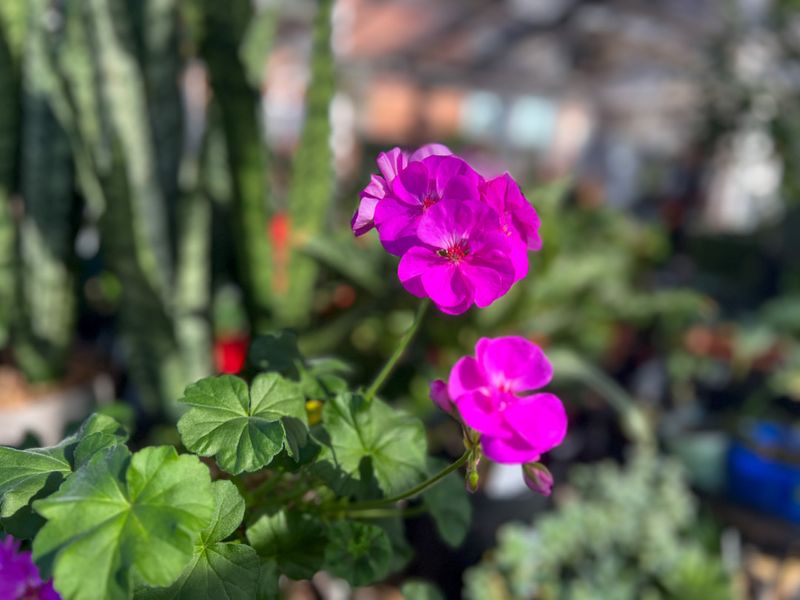
Transforming your geraniums into compact, bushy houseplants through strategic potting and pruning gives Pennsylvania gardeners beautiful blooms throughout winter.
Unlike simply bringing pots indoors, this method involves more deliberate shaping and care to keep plants attractive and flowering.
Start by selecting your healthiest geraniums in late summer, giving them time to adjust before winter arrives.
Dig them up carefully if they’re planted in the ground, or remove them from their existing containers.
Choose pots that are appropriately sized for the root system, typically six to eight inches in diameter for mature plants.
Use fresh, high-quality potting soil rather than garden dirt, which can harbor pests and doesn’t drain well in containers.
Prune your geraniums back by about half, removing leggy growth and shaping them into rounded forms.
This heavy pruning might seem drastic, but it encourages branching and prevents the stretched, sparse appearance that often develops when geraniums grow indoors with limited light.
Place your potted geraniums in the sunniest windows available in your Pennsylvania home.
South or west-facing windows provide the best light during winter months when the sun’s angle is low and days are short.
Supplement with fluorescent or LED grow lights if your windows don’t provide at least six hours of bright light daily.
Maintain consistent temperatures between 65 and 70 degrees Fahrenheit during the day, with slightly cooler nights.
This temperature fluctuation actually encourages blooming.
Water when the top inch of soil feels dry to the touch, and feed every two weeks with a balanced liquid fertilizer diluted to half strength.
Pinch back new growth periodically to maintain the compact shape and encourage more flowering stems.
Remove spent blooms regularly to keep plants looking tidy and to promote continuous flowering.
With proper care, your geraniums will reward you with cheerful blooms throughout Pennsylvania’s gray winter months, bringing a touch of summer indoors until spring returns.