How Pennsylvania Homeowners Keep Spider Plants Healthy During Long Winter Months
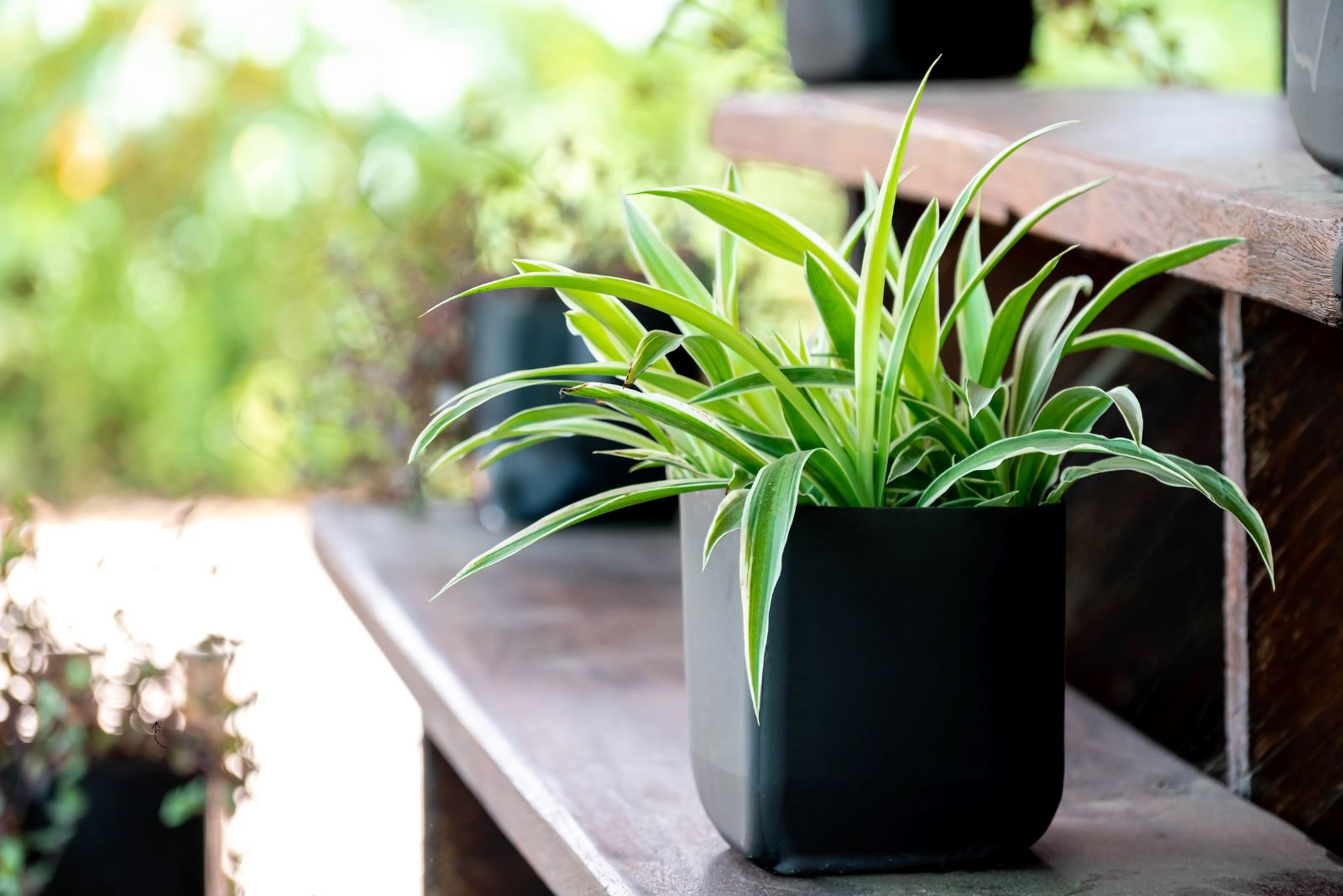
When winter settles into Pennsylvania, shorter days and dry indoor heat can make houseplants struggle, but spider plants have a reputation for staying tough and beautiful.
Even so, they still need the right care to stay lush and vibrant through the long, chilly months.
Many Pennsylvania homeowners have figured out simple, practical ways to keep their spider plants healthy while everything outside is cold and gray.
It often comes down to light, watering habits, and protecting those graceful leaves from dry air. And the best part? You do not need fancy tools or expert skills to make it work.
A few smart adjustments can keep your spider plant full, green, and even growing while winter drags on. Curious how locals keep their plants looking fresh until spring returns?
Let’s explore the easy, proven tips Pennsylvania homeowners use to help spider plants thrive all winter long indoors.
1. Adjusting Light Exposure For Shorter Days
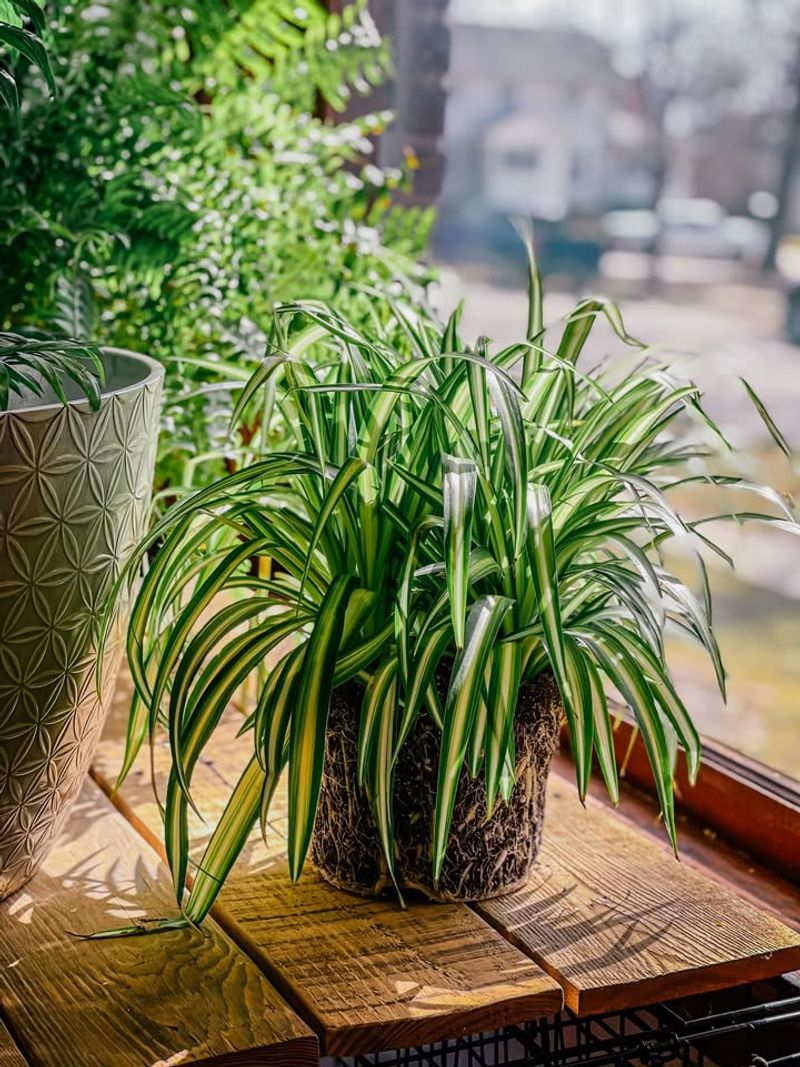
Sunlight becomes scarce during Pennsylvania winters when days grow short and clouds often cover the sky. Spider plants need bright, indirect light to maintain their striped leaves and healthy growth patterns.
Many homeowners across the state move their plants closer to south-facing windows during November through March.
Placing your spider plant within three feet of a window helps it absorb maximum available light without risking leaf burn from direct sun exposure.
If your home lacks adequate natural light, consider adding a small grow light above the plant. These inexpensive bulbs mimic sunlight and can run for 12 to 14 hours daily.
Watch for signs that your plant needs more light. The leaves may lose their vibrant stripes or turn completely green when light levels drop too low.
New growth might appear weak or stretched out as the plant reaches desperately for any available rays.
Pennsylvania homeowners in older houses with smaller windows sometimes rotate their plants every few days.
This rotation ensures all sides receive equal light exposure and prevents lopsided growth. The effort takes just seconds but makes a noticeable difference in plant appearance.
Remember that windows lose heat during winter, creating cold spots that can harm tropical plants. Keep your spider plant a few inches away from the glass itself.
A simple curtain pulled at night provides extra insulation while still allowing morning light to reach your green companion throughout the coldest months.
2. Managing Indoor Humidity In Heated Homes
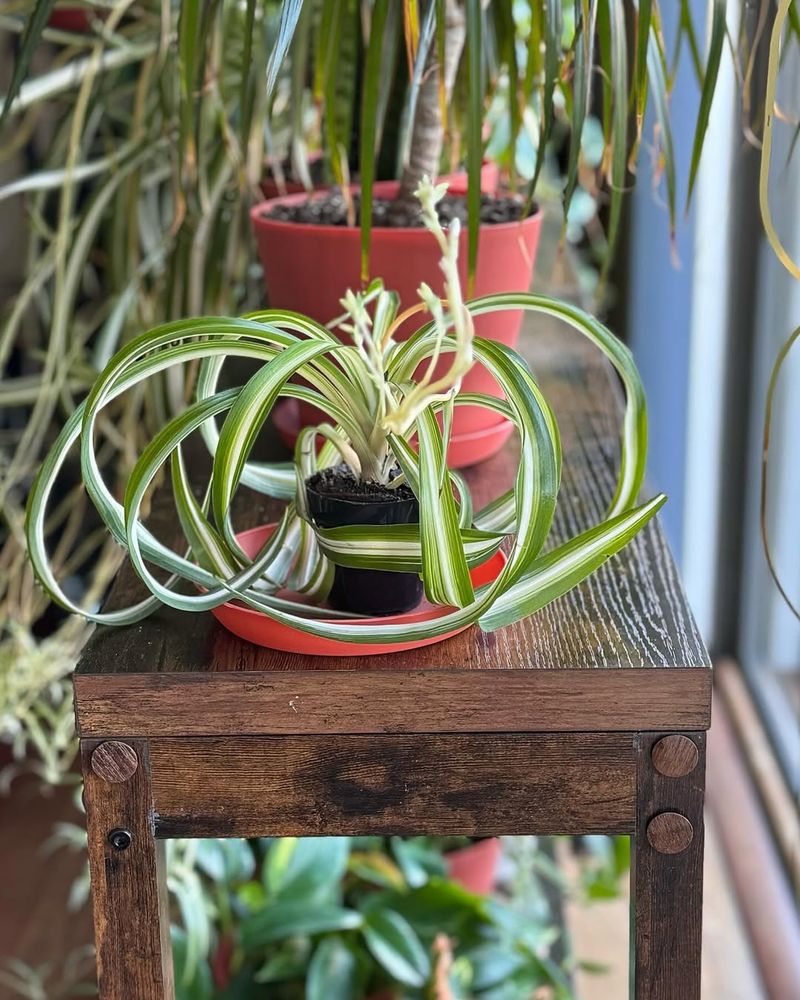
Furnaces and heating systems make Pennsylvania homes comfortable for people but create desert-like conditions for spider plants. These plants originally come from tropical South Africa where humidity stays high year-round.
Central heating can drop indoor moisture levels below 20 percent, while spider plants prefer 40 to 60 percent humidity.
Dry air causes brown leaf tips, one of the most common complaints among Pennsylvania plant owners during winter. You can increase humidity around your spider plant without buying expensive equipment.
Grouping several plants together creates a mini ecosystem where they share moisture through transpiration.
Another simple method involves placing your potted spider plant on a tray filled with pebbles and water. As the water evaporates, it rises around the leaves and increases local humidity.
Just make sure the pot sits on the pebbles above the water line, not in it, to prevent root problems.
Some homeowners in Pittsburgh and Philadelphia run small humidifiers near their plant collections.
These devices add moisture to the entire room and benefit both plants and people during dry winter months. Your skin and sinuses will thank you too.
Misting spider plants provides temporary relief but is not a long-term solution. The moisture evaporates quickly in heated air.
Regular misting can also encourage fungal growth on leaves if done too frequently or late in the day when temperatures drop and air circulation decreases around your beloved houseplant.
3. Reducing Watering Frequency During Dormancy
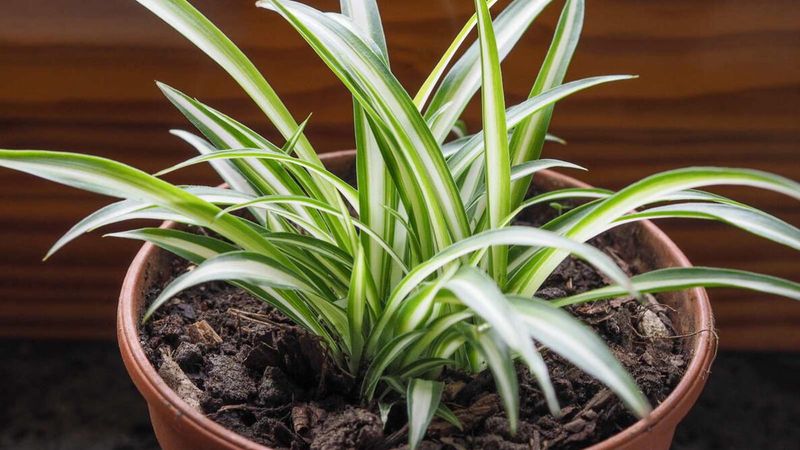
Growth slows dramatically for spider plants when winter arrives in Pennsylvania and daylight hours shrink. This natural dormancy period means the plant uses less water and energy than during spring and summer months.
Overwatering becomes the biggest mistake homeowners make when trying to help their plants through cold weather.
Check the soil moisture before reaching for your watering can. Stick your finger about two inches deep into the potting mix.
If it feels damp or cool, wait a few more days before watering. Spider plants develop thick, tuberous roots that store water, making them surprisingly drought-tolerant.
During Pennsylvania winters, most spider plants need water only once every two to three weeks. This schedule varies based on your home’s temperature, humidity levels, and pot size. Smaller pots dry out faster than larger containers, so adjust accordingly.
Yellow leaves often signal overwatering rather than underwatering. When roots sit in soggy soil, they cannot absorb oxygen properly and begin to rot.
This problem becomes worse in winter when plants drink less and soil stays wet longer between waterings.
Many experienced plant owners across the state use the “lift test” to determine watering needs. Pick up the pot when the soil is dry and memorize the weight.
After watering, lift it again to feel the difference. Over time, you will know instantly whether your spider plant needs a drink just by picking up the container and feeling its heft.
4. Maintaining Proper Temperature Ranges Indoors
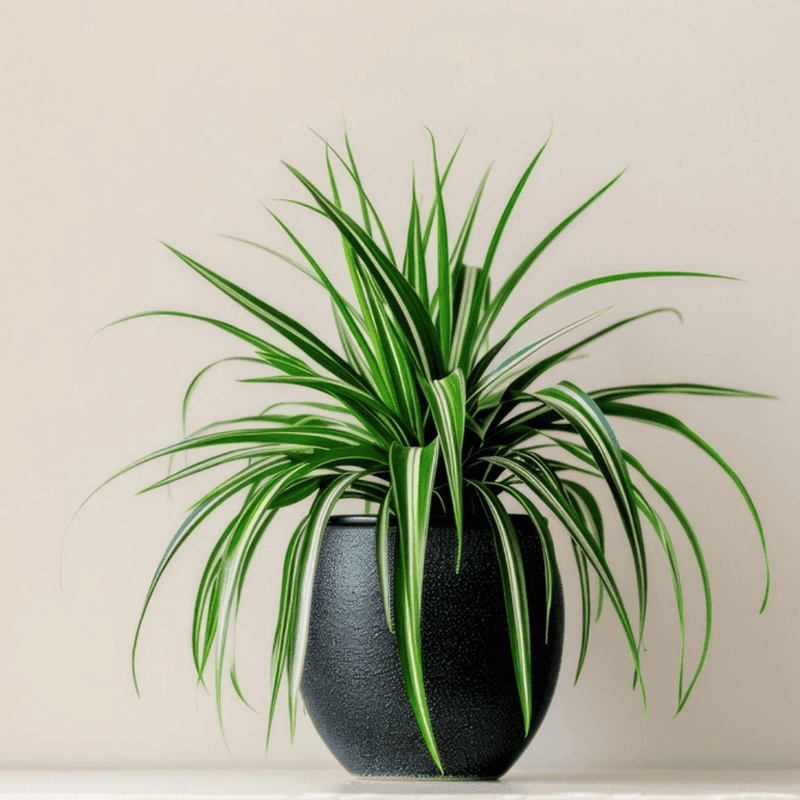
Temperature fluctuations stress spider plants more than consistent cool conditions. These plants prefer temperatures between 55 and 80 degrees Fahrenheit, which matches most Pennsylvania home settings during winter.
Problems arise when plants sit near drafty doors, cold windows, or heating vents that blast hot air directly on leaves.
Cold drafts from poorly sealed windows can cause leaf damage even when the room feels comfortable to you.
Spider plants exposed to temperatures below 50 degrees for extended periods show stunted growth and discolored foliage. Moving plants away from exterior walls during the coldest nights prevents this issue.
Heating vents create the opposite problem by drying out leaves and soil too quickly. Direct heat also causes brown, crispy leaf tips that look unsightly.
If your spider plant must stay near a vent, redirect the airflow with a simple deflector or shield.
Pennsylvania homes with programmable thermostats sometimes drop temperatures significantly at night to save energy.
Spider plants tolerate cooler nighttime temperatures well, actually preferring a 10-degree drop after sunset. This mimics their natural environment and can promote healthier growth patterns.
Avoid placing spider plants near fireplaces, wood stoves, or space heaters that create intense localized heat. The temperature swings confuse the plant and can cause stress.
Instead, choose locations with stable, moderate temperatures that stay relatively consistent throughout the day and night for the best results with your indoor greenery during harsh winter conditions.
5. Limiting Fertilizer Applications In Winter
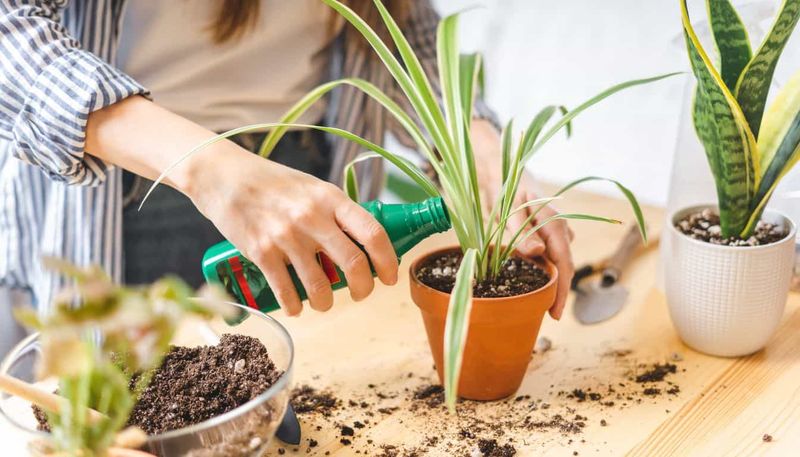
Spider plants rest during Pennsylvania winters and do not need the same nutrition they require during active growing seasons. Fertilizing dormant plants wastes product and can actually harm root systems.
Salt buildup from excess fertilizer causes brown leaf tips and edges, mimicking the appearance of low humidity damage.
Most experienced plant owners across the state stop fertilizing completely from November through February.
The reduced light and cooler temperatures mean spider plants cannot process nutrients efficiently. Any fertilizer you add just sits in the soil, potentially reaching toxic concentrations.
If your spider plant shows signs of nutrient deficiency during winter, such as very pale new growth, you can apply a heavily diluted liquid fertilizer once.
Mix it at one-quarter the recommended strength. This gentle feeding provides a small boost without overwhelming the resting plant.
Resume regular fertilization in early spring when days lengthen and you notice new growth emerging from the center of the plant. Pennsylvania typically sees this change in late March or early April, depending on your specific location within the state.
Organic fertilizers release nutrients slowly and pose less risk of burning roots during winter. However, even these gentle options work best when applied during active growth periods.
Save your feeding efforts for when your spider plant can actually use the nutrition to produce new leaves, runners, and baby plantlets that make this species so rewarding to grow throughout the year in your home.
6. Cleaning Leaves To Maximize Light Absorption
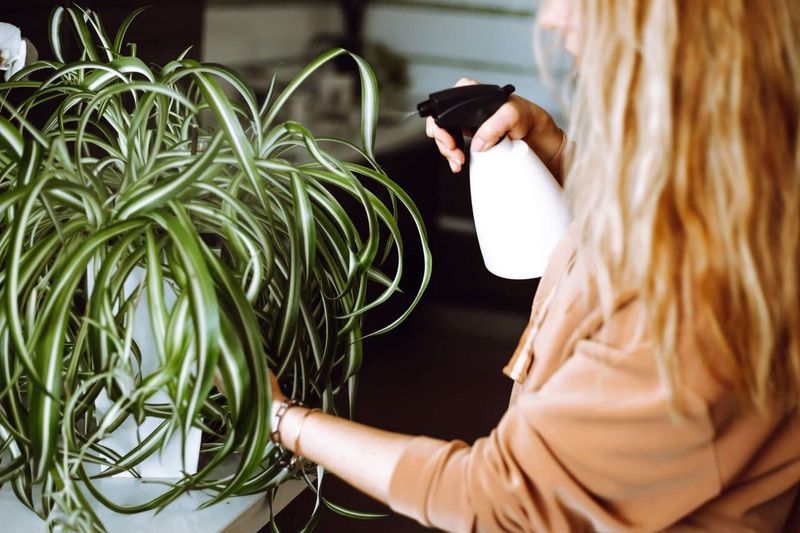
Dust accumulates quickly on spider plant leaves during Pennsylvania winters when windows stay closed and heating systems circulate indoor air.
This layer of grime blocks light from reaching the leaf surface where photosynthesis occurs. Regular cleaning helps your plant make the most of limited winter sunlight.
Wipe leaves gently with a soft, damp cloth every two to three weeks. Support each leaf from underneath with one hand while cleaning the top surface with the other.
This prevents accidental breakage of the long, arching foliage that gives spider plants their distinctive cascading appearance.
Some homeowners in Pennsylvania give their spider plants a gentle shower every month during winter. Place the pot in your bathtub and use lukewarm water to rinse dust from all the leaves at once.
Let the plant drain completely before returning it to its usual spot to prevent water from pooling in the crown.
Avoid using leaf shine products on spider plants. These commercial sprays can clog the tiny pores on leaves and interfere with the plant’s ability to breathe and exchange gases. Plain water works perfectly well for cleaning and keeps leaves looking naturally glossy.
Clean leaves also help you spot pest problems early. Spider mites occasionally attack indoor plants during winter when low humidity weakens plant defenses.
Regular inspection and cleaning while wiping down foliage lets you catch these tiny pests before they cause serious damage to your cherished houseplant collection.
7. Monitoring For Common Winter Pests
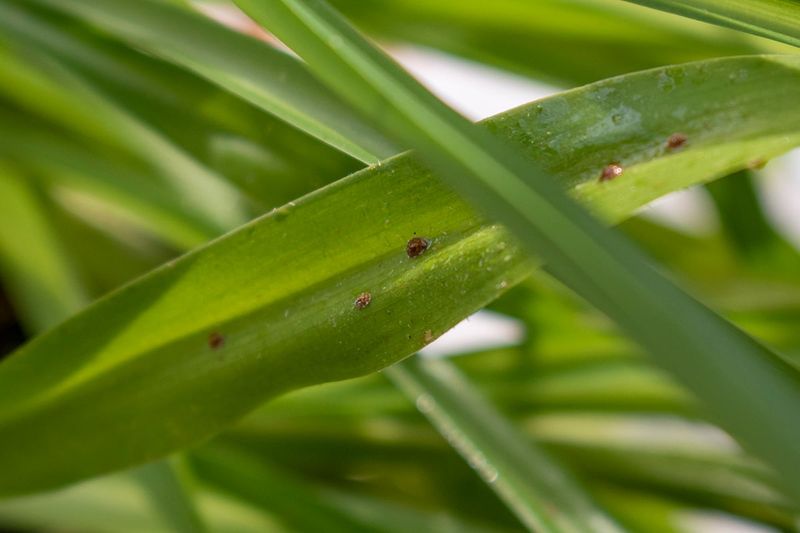
Winter conditions in Pennsylvania homes create perfect environments for certain plant pests. Spider mites thrive in warm, dry air produced by heating systems.
These microscopic creatures spin fine webs on leaf undersides and suck plant juices, causing stippled, yellowing foliage.
Check your spider plant weekly by examining the undersides of leaves near the center of the plant. Early detection makes pest problems much easier to control.
Look for tiny moving specks, webbing, or small yellow dots on leaves that indicate mite feeding damage.
Fungus gnats also become problematic during winter when overwatering keeps soil moist. These small flying insects lay eggs in damp potting mix.
Their larvae feed on organic matter and can damage tender roots. Allowing soil to dry between waterings prevents most fungus gnat issues.
If you spot pests, isolate the affected spider plant immediately to prevent spread to other houseplants. Spray leaves thoroughly with water to dislodge spider mites.
For persistent problems, insecticidal soap works well and poses minimal risk to people and pets in your Pennsylvania home.
Increasing humidity around your spider plant helps prevent spider mite infestations naturally. These pests dislike moist conditions.
The same strategies that keep your plant healthy also make the environment less hospitable to common winter pests that plague indoor gardens throughout the coldest months of the year.