How Pennsylvania Homeowners Preserve Flowers For Christmas Decorations Using 7 Tricks That Really Work
In Pennsylvania, Christmas décor doesn’t always come from a store—it often starts in the garden.
Homeowners are preserving flowers from earlier seasons, turning them into meaningful, long-lasting holiday decorations.
Preserving flowers is part art, part science.
Done right, it locks in color, shape, and texture without turning blooms brittle or dull.
These tried-and-true techniques work with Pennsylvania’s climate and typical garden flowers.
The result is décor that feels personal, sustainable, and full of story.
When flowers last beyond their season, they bring the garden indoors—right when it’s needed most.
1. Using Silica Gel For Shape Preservation
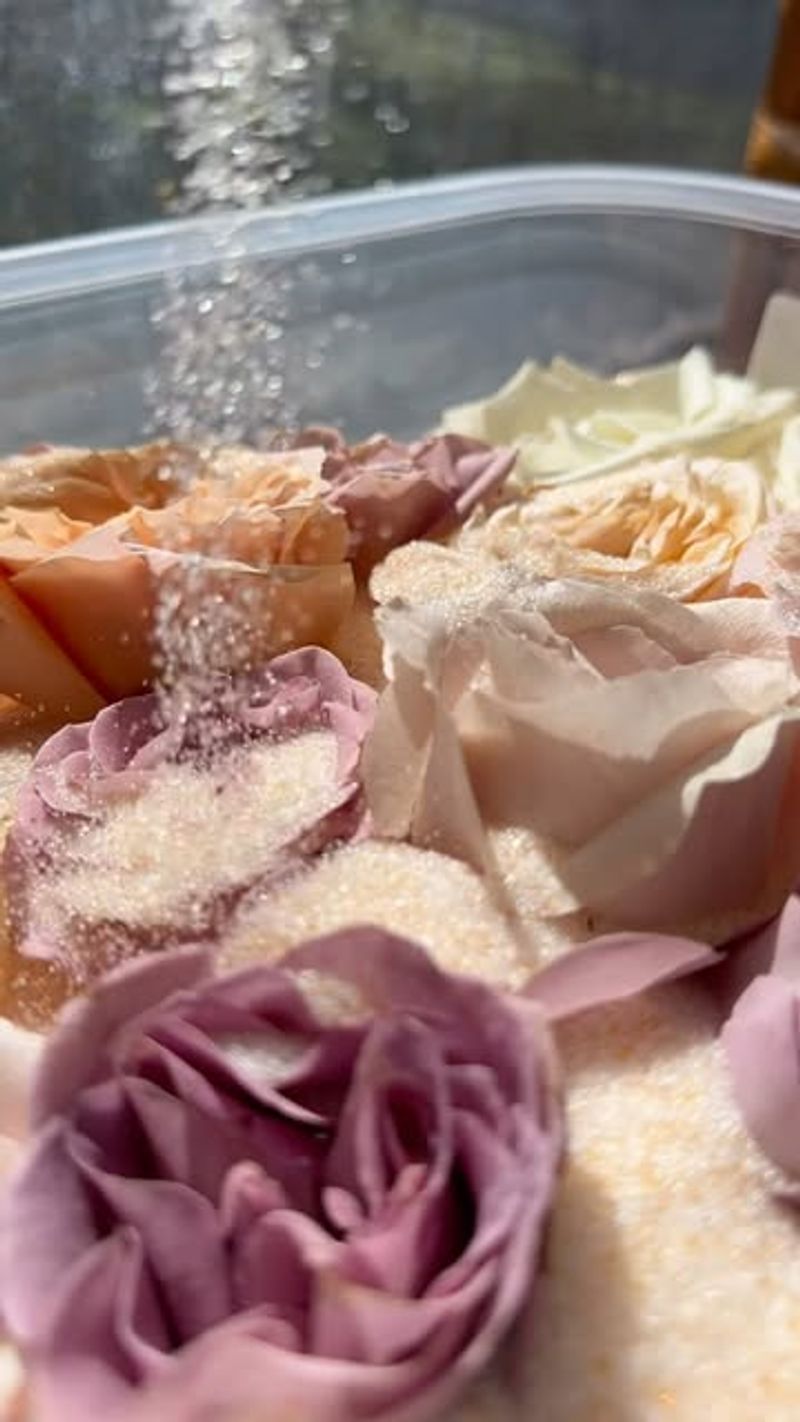
Silica gel is a game-changer for anyone who wants their blooms to look almost freshly picked even months later.
Unlike air-drying, which can sometimes cause petals to shrink or curl, silica gel draws out moisture gently while supporting the flower’s natural form.
Pennsylvania homeowners often use this method for roses, zinnias, and marigolds that they plan to feature in Christmas wreaths or tabletop arrangements.
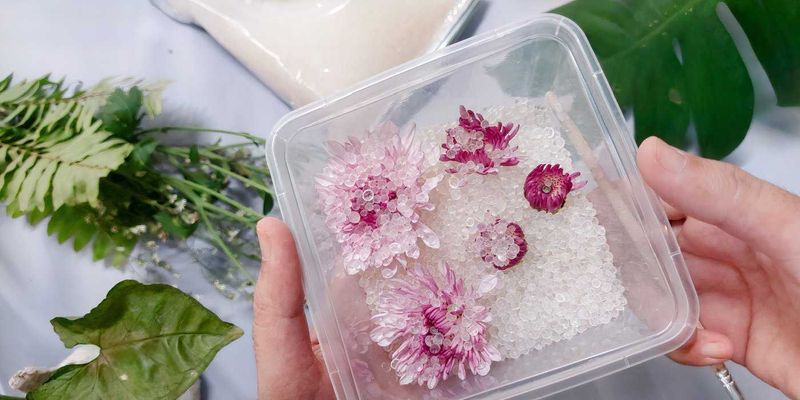
The process is straightforward: pour a layer of silica gel into an airtight container, place the flower on top, then carefully cover it with more gel until it’s completely buried.
Within a few days to a week, depending on the bloom’s size, the flower will be fully preserved.
The colors stay vibrant, and the petals remain surprisingly lifelike.
This technique is especially popular for creating statement pieces like centerpieces or mantel displays where detail matters.
Silica gel can be reused many times, making it cost-effective over the years.
After drying, gently brush off any remaining crystals with a soft paintbrush.
Homeowners appreciate how this method captures the beauty of their favorite flowers in a way that feels almost magical.
It’s perfect for those who want their Christmas decorations to wow guests with realistic, delicate blooms.
2. Pressing Flowers For Flat Decorations
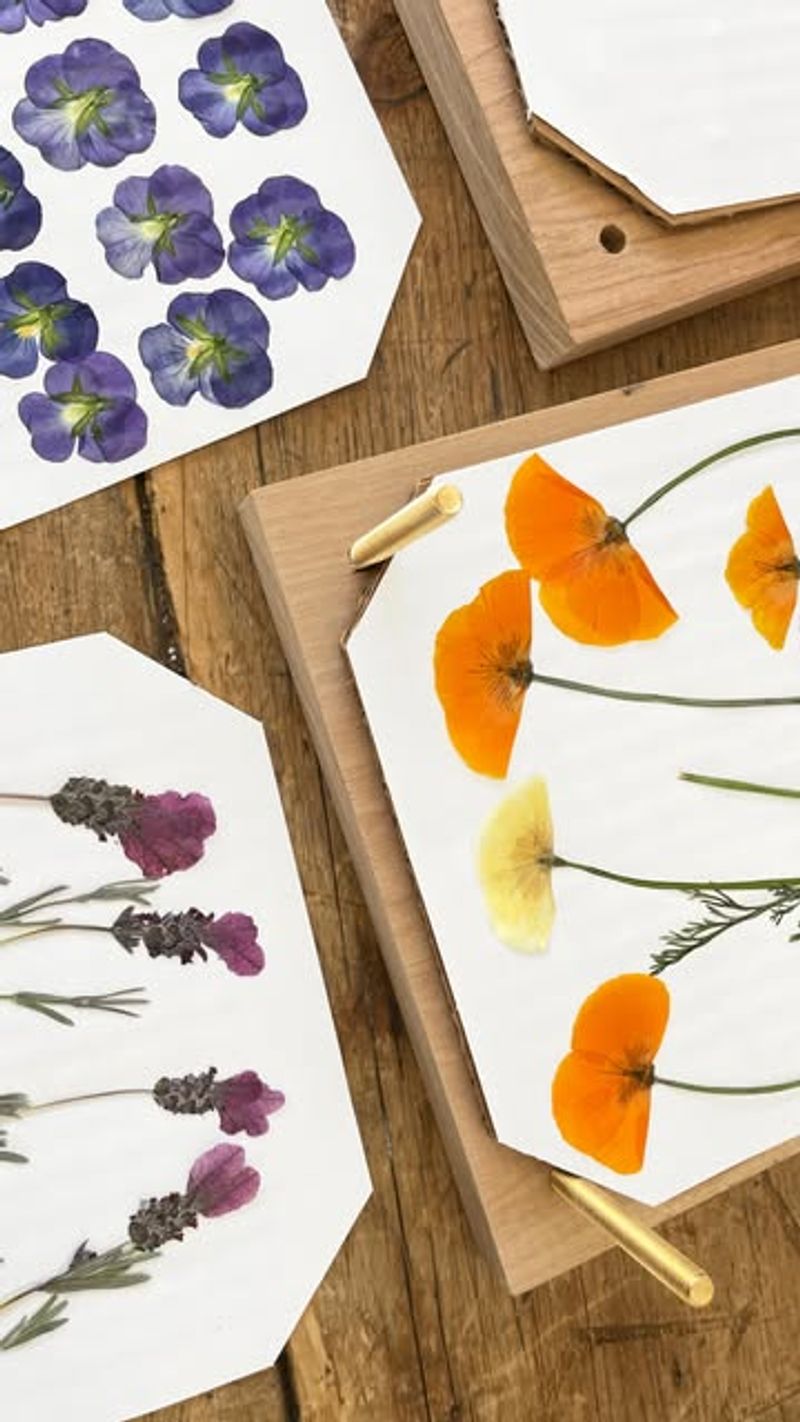
Pressing flowers brings back memories of childhood craft projects, but Pennsylvania gardeners have elevated it into a charming holiday tradition.
Flat, preserved blooms work beautifully for ornaments, framed art, handmade gift tags, and even holiday cards.
Pansies, violets, and smaller wildflowers press especially well because of their naturally thin petals.
The classic method involves placing flowers between sheets of absorbent paper inside a heavy book, then stacking more books on top for weight.
After two to four weeks, the flowers emerge flat, delicate, and ready to use.
For those who press often, a wooden flower press with adjustable screws offers more control and faster results.
Once pressed, the blooms can be arranged on cardstock, sealed with clear adhesive, and turned into unique Christmas keepsakes.
Kids love helping with this project, and it’s a great way to spend a cozy afternoon indoors.
Some families create entire ornament sets from their summer garden, each one a little snapshot of warmer days.
Pressed flowers also make thoughtful additions to homemade gift wrap or name tags for presents.
This method is gentle, low-cost, and endlessly creative, making it a favorite for Pennsylvania households looking to add a personal, handcrafted touch to their holiday décor.
3. Air-Drying Flowers In Small Bundles
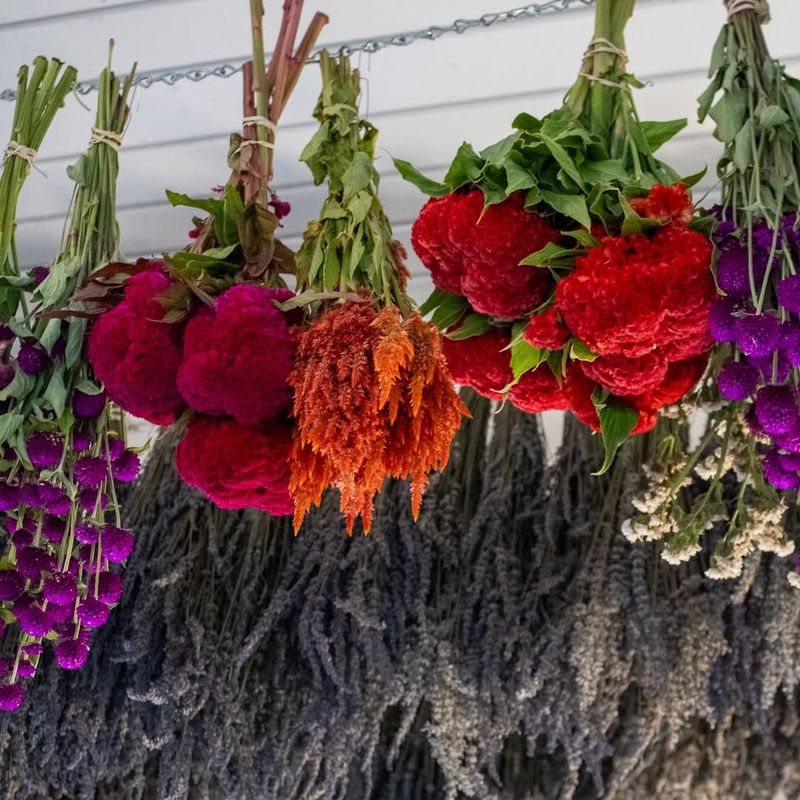
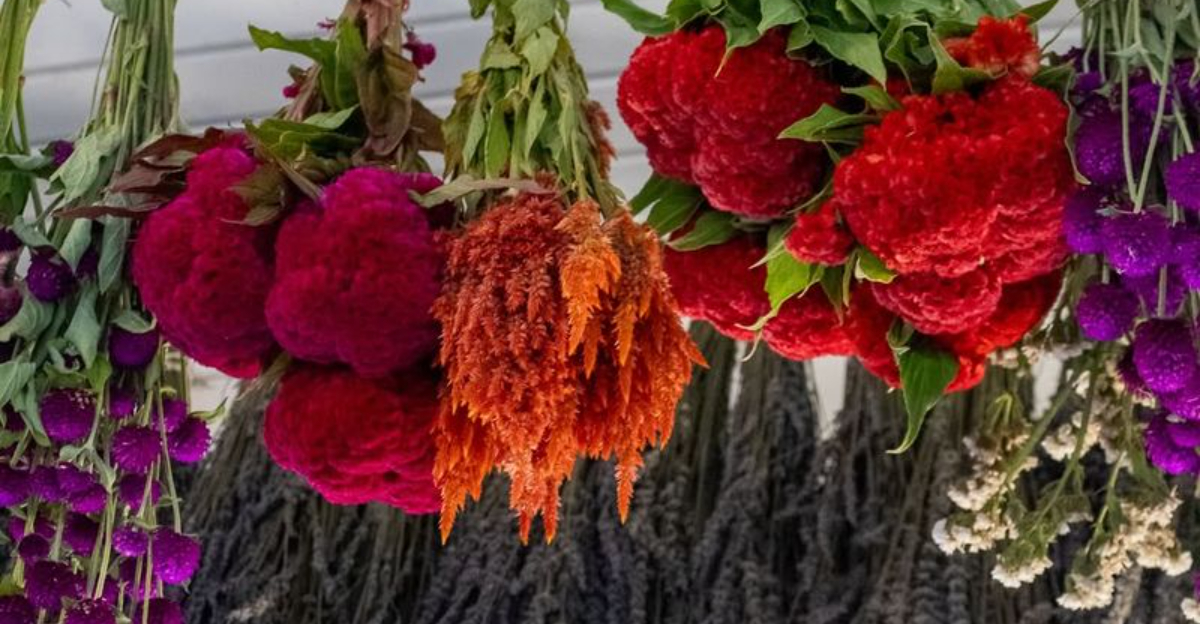
Bundling flowers upside down is one of the oldest and most reliable preservation tricks Pennsylvania homeowners swear by.
Before the cold, damp winter air arrives, gardeners gather blooms like hydrangeas, roses, and baby’s breath at their peak.
They tie small bunches with twine or rubber bands, making sure not to overcrowd the stems so air can circulate freely.
Hanging them in a dry, well-ventilated space like a basement, attic, or spare bedroom keeps moisture away and speeds up the drying process.
Within two to three weeks, the flowers become crisp and hold their shape beautifully.
Roses may darken slightly, but hydrangeas often keep much of their original color, especially if picked when they’re just starting to fade naturally.
Baby’s breath dries quickly and adds airy texture to wreaths and garlands.
This method requires no special equipment, just patience and a good spot away from direct sunlight.
Once fully dried, the bundles can be gently taken down and stored until it’s time to decorate.
Many families enjoy the rustic charm of air-dried blooms because they feel handmade and personal.
It’s a wonderful way to bring a piece of your garden into your holiday celebrations without spending extra money on store-bought decorations.
4. Drying Flowers With Glycerin For Flexibility
Glycerin offers something other preservation methods can’t: flexibility.
While most dried flowers become brittle and fragile, those treated with glycerin stay soft and pliable, perfect for draping garlands or shaping into wreaths.
Pennsylvania homeowners often use this technique on eucalyptus, ferns, and certain leafy branches that add greenery to Christmas arrangements.
The process involves mixing one part glycerin with two parts warm water, then placing freshly cut stems into the solution.
Over the course of one to three weeks, the glycerin gradually replaces the water inside the plant tissue, keeping it supple.
As the stems absorb the mixture, you’ll notice the leaves may darken slightly or take on a richer, almost waxy appearance.
This method works especially well for foliage that needs to bend without breaking, like when wrapping a banister or creating a swag for a doorway.
Some flowers, like roses and hydrangeas, also respond well to glycerin treatment, though their colors may shift.
The result is a durable, touchable decoration that won’t crumble when handled.
Families appreciate how glycerin-preserved greenery feels more lifelike and less fragile than traditional dried materials.
It’s an excellent choice for high-traffic areas where decorations might get bumped or brushed against during holiday gatherings.
5. Using Low-Heat Oven Drying For Quick Results
Sometimes the holidays sneak up faster than expected, and there’s no time to wait weeks for flowers to air-dry.
That’s when Pennsylvania homeowners turn to their ovens for a gentle, speedy solution.
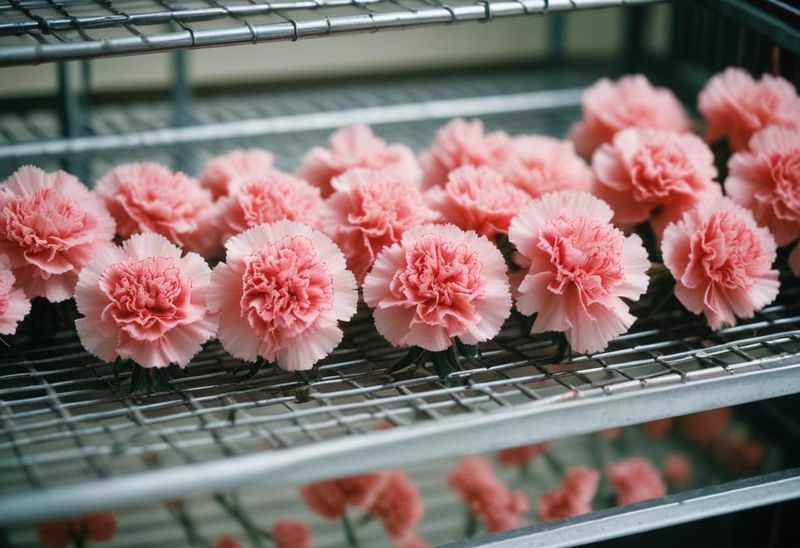
Low-heat oven drying works best for sturdy blooms like strawflowers, celosia, and statice that can handle a bit of warmth without wilting.
The key is keeping the temperature very low, usually between 150 and 200 degrees Fahrenheit, to avoid scorching delicate petals.
Flowers are arranged on a baking rack so air can circulate underneath, and the oven door is left slightly ajar to let moisture escape.
Check on them every 30 minutes or so, as drying times vary depending on the flower type and moisture content.
Within a few hours, the blooms become crisp and ready to use.
This method isn’t ideal for every flower, as some may lose color or become too brittle, but it’s a lifesaver when time is tight.
Homeowners appreciate the convenience, especially if they forgot to start preserving earlier in the season.
Once cooled, the flowers can be incorporated into wreaths, centerpieces, or garlands right away.
Just be sure to monitor closely to prevent overheating, which can cause browning or an unpleasant smell.
It’s a practical trick that proves you don’t always need weeks of planning to create beautiful, natural Christmas decorations.
6. Spraying Dried Flowers With Clear Sealant
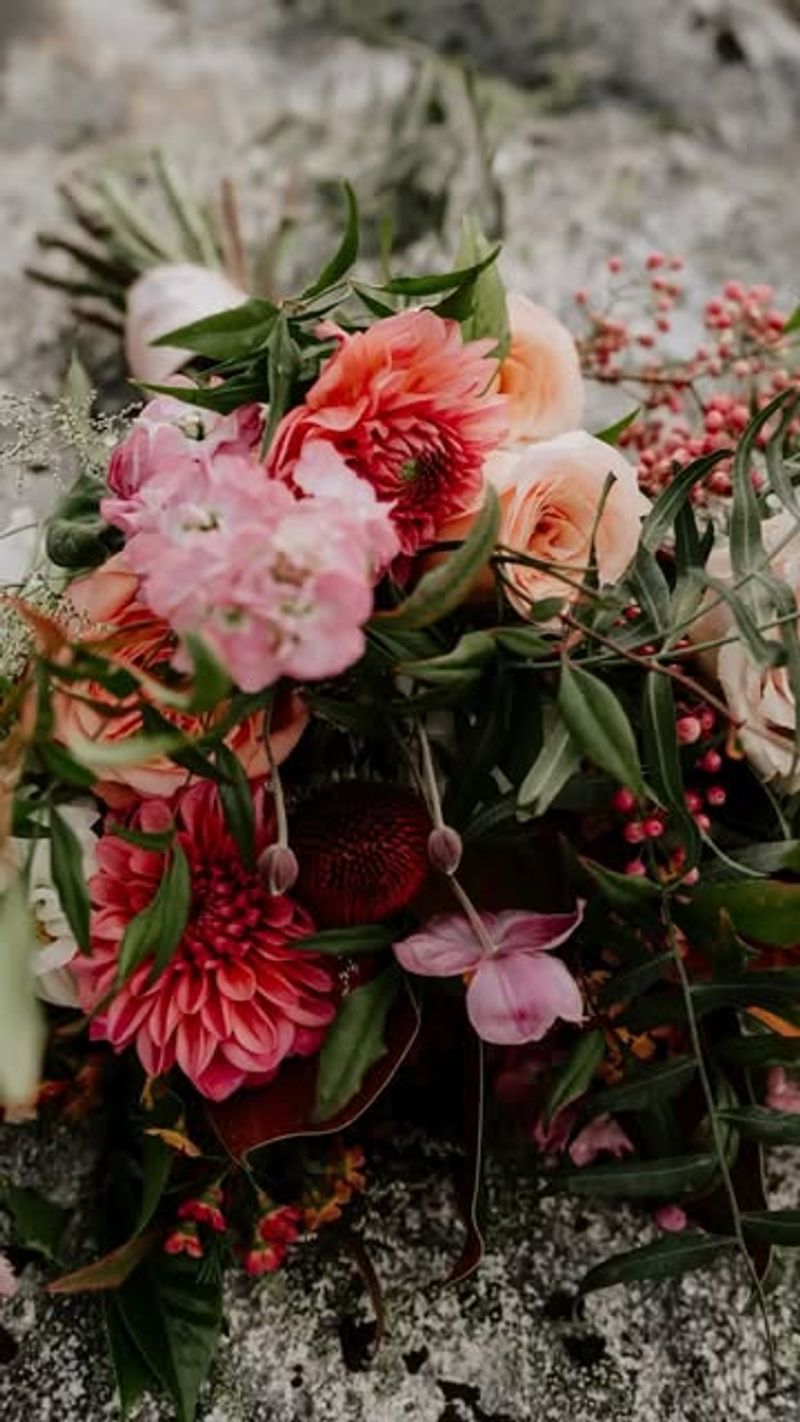
Once flowers are preserved, the last thing anyone wants is for them to shed petals all over the house.
That’s why many Pennsylvania homeowners finish their dried blooms with a light coating of clear floral spray or even hairspray.
This simple step strengthens fragile petals, reduces crumbling, and helps the flowers hold up throughout the entire holiday season.
The process is easy: take your preserved flowers outside or to a well-ventilated area, hold the spray can about 12 inches away, and apply a fine, even mist.
Let them dry completely before bringing them indoors or adding them to arrangements.
Some sprays also add a subtle shine, which can make colors appear more vibrant and fresh.
Hairspray works in a pinch and is often already on hand, though dedicated floral sealants tend to last longer and resist yellowing over time.
This trick is especially helpful for delicate blooms like baby’s breath or lavender that tend to drop pieces when moved.
Families with pets or young children find it particularly useful, as sealed flowers are less likely to create a mess.
The sealant also offers a bit of protection against humidity, which can be a concern in Pennsylvania homes during winter.
It’s a quick finishing touch that makes a noticeable difference in how long your decorations stay beautiful and intact.
7. Storing Preserved Flowers Properly Until Christmas
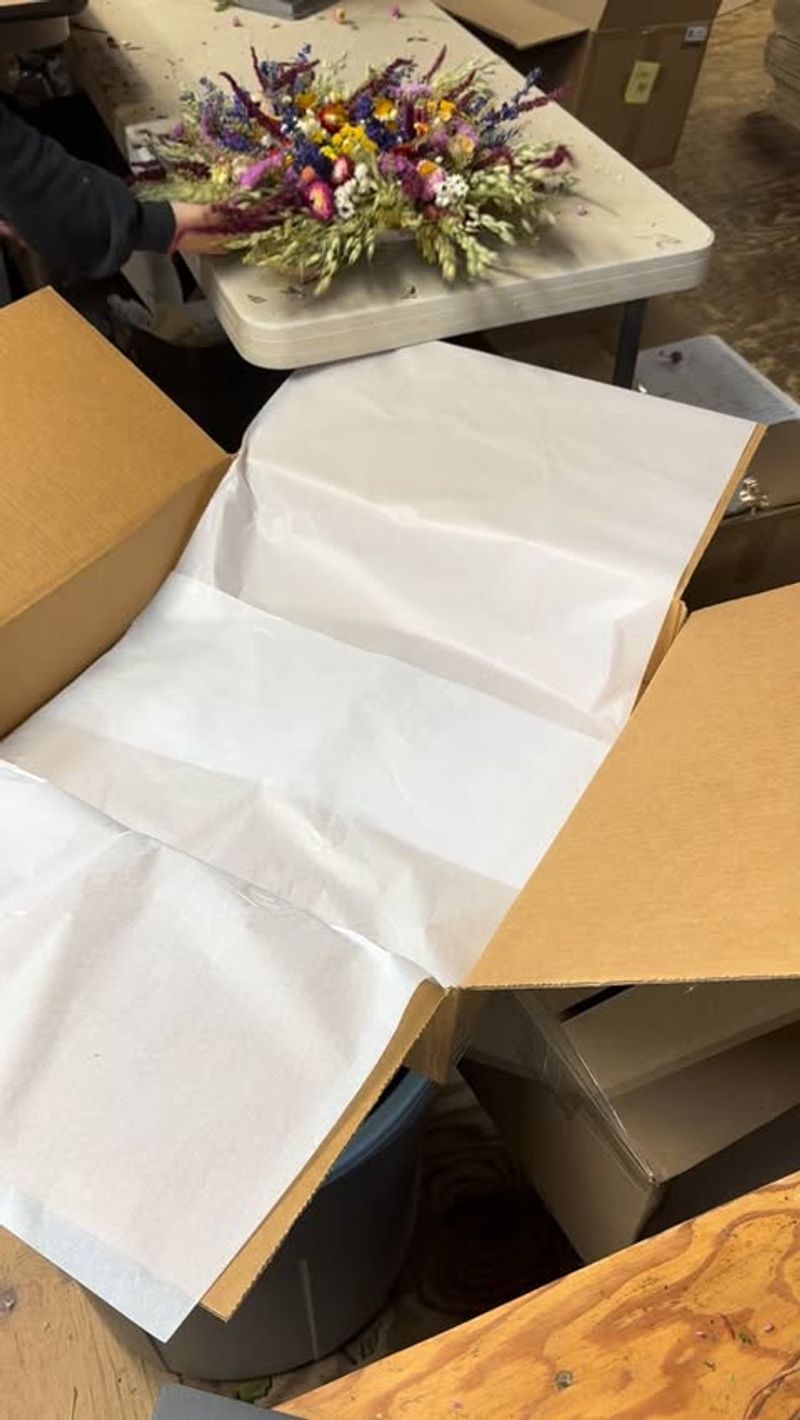
Preserving flowers is only half the battle; storing them correctly ensures they stay in great shape until it’s time to decorate.
Pennsylvania homeowners have learned that proper storage prevents crushing, moisture damage, and unwanted pests from ruining their hard work.
Breathable containers, like cardboard boxes lined with tissue paper, work far better than airtight plastic bins, which can trap humidity and cause mold.
Each flower or bundle should be wrapped gently in tissue to cushion it from bumps and keep petals from rubbing against each other.
Labeling boxes by flower type or color makes it easy to find exactly what you need when decorating day arrives.
Store the boxes in a cool, dry place away from direct sunlight, such as a closet, basement shelf, or spare room.
Avoid areas with temperature swings, like garages or attics, which can cause condensation and weaken dried blooms.
Some people tuck a small sachet of silica gel inside each box to absorb any lingering moisture.
When it’s finally time to pull out your preserved flowers, handle them gently and give them a quick inspection for any loose petals or dust.
A soft brush or gentle puff of air can refresh them before arranging.
Taking these extra steps means your flowers will look just as beautiful in December as they did the day you preserved them.