How Pennsylvania Nurseries Shift From Christmas Trees To Spring Flowers In December
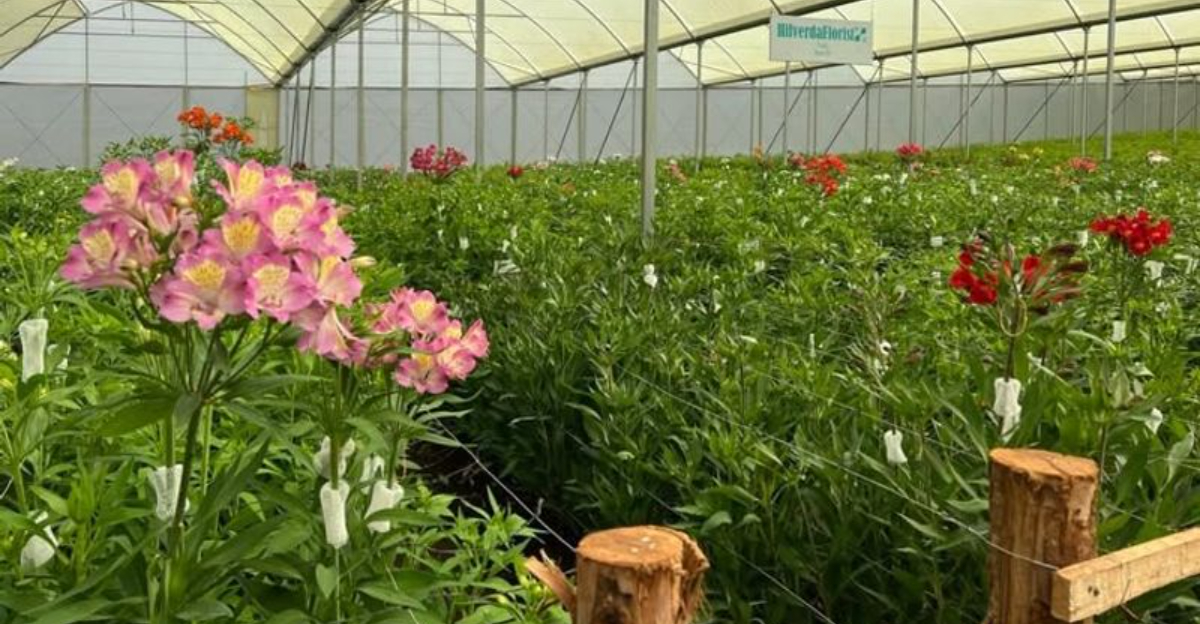
Pennsylvania nurseries make December surprisingly exciting as they smoothly transition from fragrant Christmas trees to cheerful early spring flowers that brighten chilly days long before winter even settles fully.
I love watching staff replace holiday greenery with colorful trays of pansies and primroses because the shift creates a hopeful mood that feels refreshing during colder weeks.
It always amazes me how quickly nurseries adapt their displays, giving gardeners an early chance to dream about spring while enjoying a little splash of seasonal cheer.
1. Greenhouse Temperature Management Becomes Priority
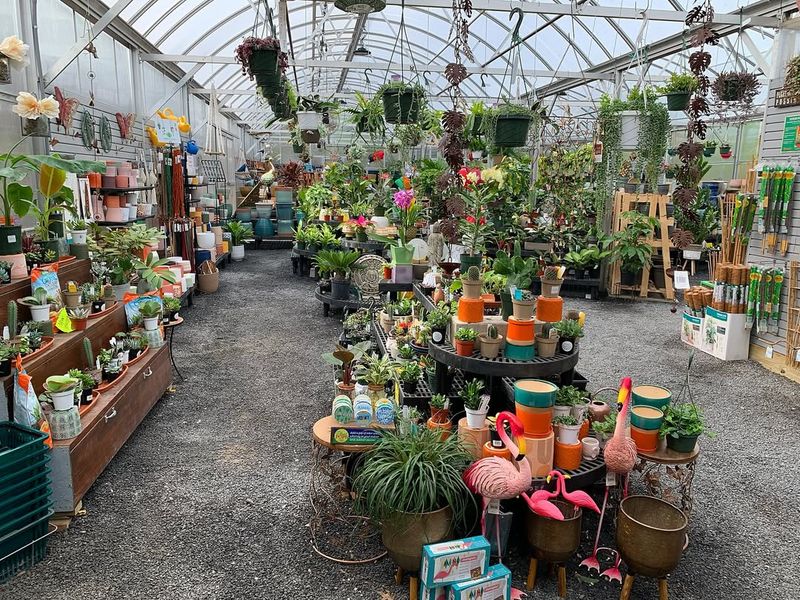
Growers across Pennsylvania begin adjusting greenhouse temperatures immediately after the Christmas tree rush ends to create ideal conditions for delicate spring flower seedlings.
Maintaining consistent warmth between sixty and seventy degrees Fahrenheit allows tulips daffodils and hyacinths to develop strong root systems without experiencing cold damage or stress.
Automated heating systems with digital thermostats help nursery owners monitor temperature fluctuations throughout the day and night ensuring plants receive optimal growing conditions at all times.
Energy costs rise during this period but investing in proper climate control pays off when healthy vibrant flowers reach market readiness by early spring.
Pennsylvania winters can be harsh and unpredictable so backup heating sources provide insurance against power outages that could damage thousands of dollars worth of inventory.
Workers check temperature sensors multiple times daily making adjustments based on outdoor weather patterns and specific plant requirements for each variety being cultivated in the facility.
Successful temperature management separates thriving nurseries from struggling operations because even small temperature variations can delay bloom times or reduce flower quality significantly in production.
2. Soil Preparation Shifts To Lighter Mixtures

Once Christmas tree sales wind down Pennsylvania nurseries immediately switch their focus to creating specialized soil blends that promote healthy root development for spring bulbs.
Lighter mixtures containing peat moss perlite and vermiculite allow excellent drainage while retaining enough moisture to support rapid growth during the critical early development stages.
Heavy clay soils used for evergreen trees would suffocate delicate flower roots so growers must completely change their soil preparation methods when transitioning between these crop types.
Workers spend hours blending ingredients in precise ratios testing pH levels and adding nutrients that will feed plants throughout their growth cycle until they bloom beautifully.
Quality soil preparation directly impacts final product quality because flowers grown in poor substrate develop weak stems yellow leaves and disappointing blooms that customers will reject.
Pennsylvania growers often source materials locally when possible reducing transportation costs while supporting regional suppliers who understand the specific needs of flower production in this climate.
Attention to soil detail during December sets the foundation for successful spring sales making this preparation phase absolutely essential for nursery profitability and customer satisfaction.
3. Irrigation Systems Get Reconfigured For Delicate Plants

Watering needs change dramatically when Pennsylvania nurseries transition from hardy Christmas trees to fragile spring flowers that require gentle consistent moisture without becoming waterlogged or dry.
Drip irrigation systems with adjustable flow rates get installed throughout greenhouses allowing precise water delivery directly to root zones where plants can absorb nutrients most efficiently.
Overhead misting systems provide humidity control for seedlings that need moist air but cannot tolerate heavy watering which would wash away seeds or damage emerging shoots.
Automated timers ensure plants receive water at optimal times usually early morning when temperatures are cooler and evaporation rates remain low throughout the growing facility.
Pennsylvania tap water often contains minerals that can build up in soil over time so some growers install filtration systems to protect sensitive flower varieties.
Monitoring soil moisture levels becomes a daily task because overwatering causes root rot while underwatering leads to stunted growth and poor flower development in commercial operations.
Proper irrigation management during December establishes healthy growth patterns that continue through winter ensuring flowers reach peak condition when spring selling season arrives with eager customers.
4. Lighting Schedules Extended With Supplemental Systems

Short December days in Pennsylvania provide insufficient natural sunlight for spring flowers so nurseries install supplemental lighting systems that extend photoperiods to promote healthy growth.
LED grow lights emit specific wavelengths that plants use most efficiently for photosynthesis while consuming less electricity than traditional high pressure sodium bulbs used previously.
Timers automatically turn lights on before dawn and keep them running after sunset giving plants fourteen to sixteen hours of total light exposure daily.
Different flower species require varying light intensities and durations so growers must program lighting zones throughout their greenhouses to accommodate multiple crop types growing simultaneously under production.
Pennsylvania nursery owners view lighting as an essential investment because inadequate light produces leggy weak plants with pale foliage that customers find unattractive and unhealthy looking.
Energy efficient systems reduce operating costs while environmental benefits appeal to eco conscious consumers who prefer supporting businesses that minimize their carbon footprint through smart technology.
Proper lighting during dark winter months accelerates growth schedules allowing Pennsylvania growers to bring flowers to market earlier than competitors who rely solely on natural sunlight.
5. Bulb Storage Areas Converted To Active Growing Zones

Spaces previously used for storing Christmas tree inventory get rapidly transformed into active growing areas where thousands of spring bulbs begin their journey toward blooming.
Pennsylvania nurseries maximize every square foot of available space during this transition period because real estate costs money and idle areas represent lost revenue opportunities.
Workers install shelving systems that allow vertical growing arrangements multiplying production capacity within existing buildings without expensive construction projects or facility expansion costs incurred by operations.
Temperature controlled storage rooms that kept trees fresh now maintain precise conditions for forcing bulbs into early bloom using techniques developed over decades of horticultural experience.
Organizing bulbs by variety and expected bloom time helps growers stagger production ensuring continuous flower availability throughout spring rather than overwhelming supply concentrated in short periods.
Pennsylvania growers often pre chill certain bulb varieties in these converted spaces mimicking natural winter conditions that trigger flowering mechanisms when plants get moved to warmer environments.
Efficient space utilization separates profitable nurseries from marginal operations because maximizing production per square foot directly impacts bottom line financial performance during competitive selling seasons ahead.
6. Staff Training Focuses On Flower Cultivation Techniques
Employees who spent weeks helping customers select and cut Christmas trees must quickly learn completely different skills related to delicate spring flower production and care.
Pennsylvania nursery managers organize training sessions during December teaching proper bulb handling planting depths watering schedules and pest identification specific to flower crops being cultivated currently.
Hands on demonstrations prove more effective than lectures alone because workers retain information better when they practice techniques under supervision before working independently with valuable inventory.
Understanding growth stages helps staff recognize problems early when corrective actions remain simple and inexpensive rather than discovering issues after significant damage has already occurred.
Cross training employees for multiple seasonal tasks improves job satisfaction and retention rates because workers appreciate learning diverse skills that make them more valuable to employers.
Pennsylvania labor markets remain competitive so nurseries that invest in employee development tend to attract and keep better workers who produce higher quality products consistently.
Knowledge sharing between experienced growers and newer staff members creates a culture of continuous improvement where everyone contributes ideas for enhancing efficiency and product quality.
7. Pest Management Strategies Adapted For Indoor Growing
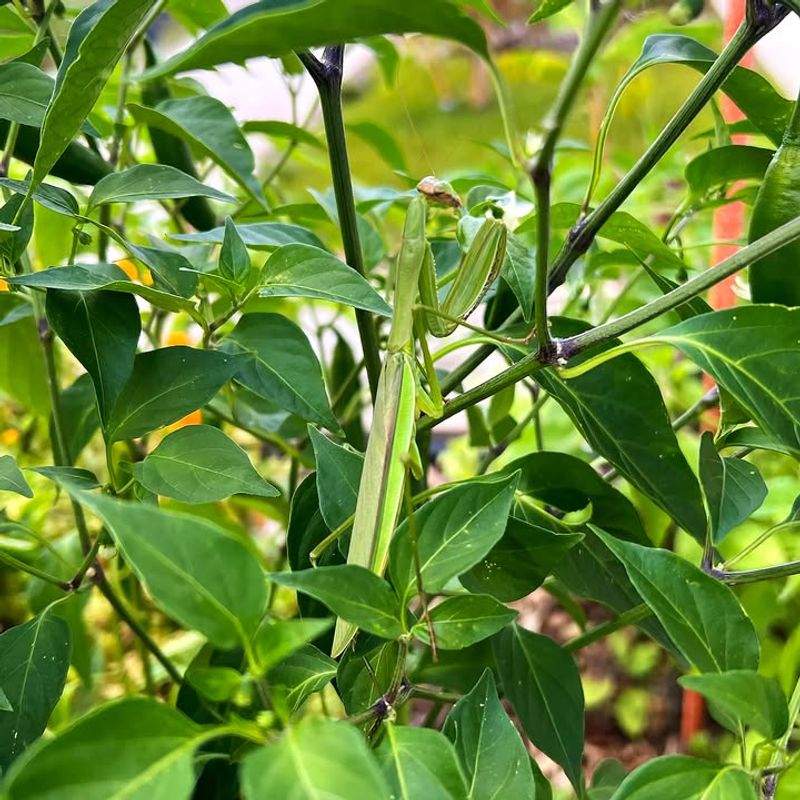
Enclosed greenhouse environments in Pennsylvania create ideal conditions for plant growth but unfortunately also provide perfect habitats for pests like aphids spider mites and fungus gnats.
Integrated pest management strategies combine biological controls beneficial insects and targeted organic treatments that protect flowers without leaving harmful chemical residues on plants destined for homes.
Regular scouting involves careful inspection of leaves stems and soil surfaces to detect pest populations while they remain small and manageable rather than waiting for infestations.
Yellow sticky traps hung throughout growing areas catch flying insects while providing visual indicators of pest pressure levels that help growers determine when intervention becomes necessary.
Pennsylvania regulations governing pesticide use in commercial nurseries have become stricter so many growers prefer preventive approaches that reduce reliance on chemical treatments whenever possible.
Maintaining proper air circulation and avoiding overcrowded plant spacing reduces humidity levels that encourage fungal diseases which can spread rapidly through greenhouses causing extensive crop losses.
Successful pest management during December protects emerging spring flowers ensuring they develop without damage that would reduce market value or make them unsaleable to quality conscious customers.
8. Marketing Materials Shift From Evergreens To Blooms

While workers tend plants behind the scenes Pennsylvania nursery marketing teams begin creating promotional materials that will attract customers when spring flower inventory becomes available soon.
Social media posts featuring early bloom photos generate excitement and anticipation among followers who eagerly await the arrival of colorful flowers after long gray winters.
Email newsletters inform previous customers about upcoming availability special varieties and pre order opportunities that guarantee popular items before they sell out to other buyers quickly.
Print catalogs showcasing spring offerings get designed and sent to landscapers garden centers and retail partners who need advance notice to plan their own purchasing schedules.
Pennsylvania nurseries often participate in regional garden shows and home improvement expos during late winter promoting their spring inventory to thousands of potential customers simultaneously.
Professional photography during peak bloom periods provides high quality images for websites and advertising campaigns that make flowers look irresistible to anyone dreaming of spring color.
Strategic marketing during December and January builds momentum that translates into strong sales when products become ready ensuring nurseries recoup their production investments with profitable margins.
9. Delivery Logistics Planned For Spring Distribution

Successfully growing beautiful flowers means nothing if Pennsylvania nurseries cannot efficiently deliver products to customers when they want them most during peak spring buying season.
December represents the perfect time to review delivery routes schedule vehicle maintenance and establish partnerships with shipping companies that specialize in transporting live plants carefully.
Refrigerated trucks maintain optimal temperatures during transport preventing flowers from opening prematurely or suffering damage from temperature fluctuations between greenhouse and final destination points across regions.
Coordinating delivery schedules with retail partners ensures flowers arrive when stores have staff available to receive shipments and display products properly before customers arrive shopping.
Pennsylvania geography includes urban centers and rural areas requiring different logistics strategies to serve diverse customer bases spread across varying terrain and population density levels efficiently.
Packaging materials get ordered in bulk during December when suppliers offer better prices and availability compared to last minute ordering during busy spring rush periods later.
Planning logistics well in advance prevents costly mistakes like missed deliveries damaged goods or dissatisfied customers who might choose competitors offering more reliable service next season.
10. Financial Planning Addresses Cash Flow Between Seasons

Christmas tree sales generate significant revenue but Pennsylvania nurseries must carefully manage cash flow during the months between holiday income and spring flower sales revenue.
December provides an opportunity to review budgets allocate resources for spring production and secure financing if necessary to cover operating expenses during slower winter months.
Fixed costs like heating utilities insurance and labor continue regardless of sales volume so growers must maintain adequate cash reserves to weather the gap between seasons.
Some Pennsylvania nurseries diversify income streams by offering winter services like wreath making workshops greenhouse tours or holiday decoration sales that generate supplemental revenue during transitions.
Negotiating payment terms with suppliers allows nurseries to delay paying for bulbs soil and materials until after spring sales generate income reducing immediate cash requirements.
Financial planning also includes pricing strategies that balance competitive market rates with profit margins necessary to sustain business operations and fund future growth investments over time.
Successful Pennsylvania nurseries treat financial management as seriously as plant cultivation because even the most beautiful flowers cannot save businesses that run out of money before selling season.