How Pennsylvanians Are Turning Unused Shady Spot Into A Fairy Mushroom Garden
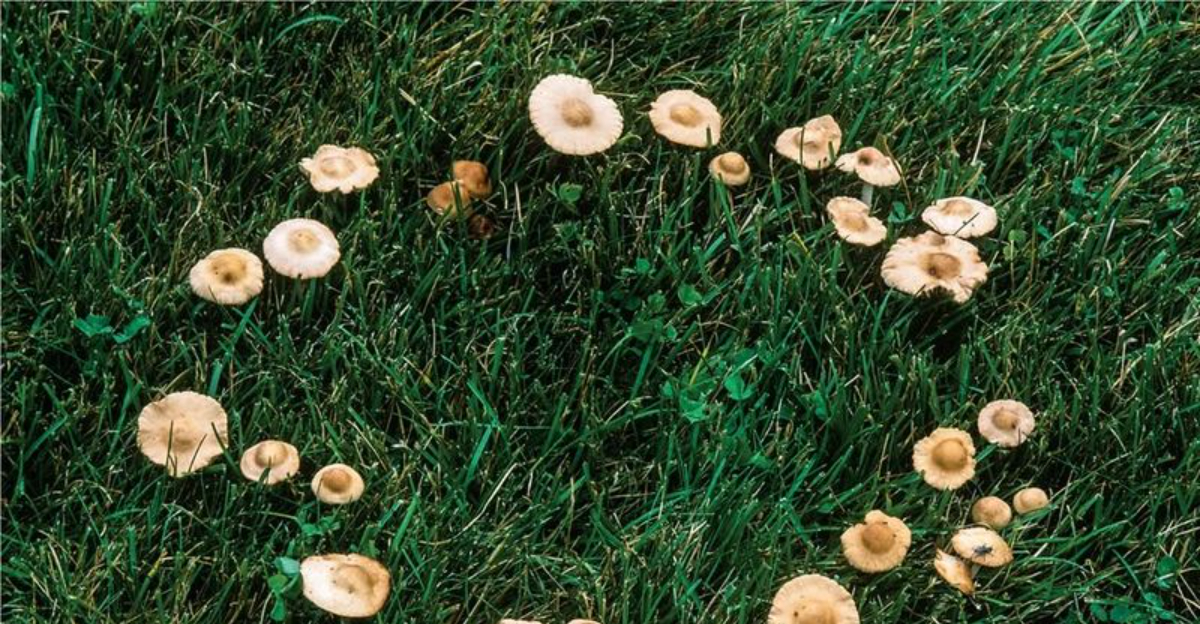
Got a shady corner in your Pennsylvania yard that feels like wasted space? Why not turn it into something magical?
More and more Pennsylvanians are transforming unused, dimly lit spots into enchanting fairy mushroom gardens, and it’s not just for the aesthetic.
These whimsical little corners bring a sense of calm and wonder to any outdoor area, using low-maintenance mushroom varieties and shade-loving plants that thrive in cool, damp conditions.
From classic toadstool-like mushrooms to colorful ground covers, a fairy garden doesn’t need much sunlight to shine.
Add in a few small decorations, tiny houses, stones, or figurines, and you’ve created a relaxing backyard escape that feels like something out of a storybook.
Whether you’re working with a shady corner behind your garage or a patch under tall trees, this guide will show you how to build your own magical mushroom retreat right at home.
1. Creating Log Inoculation Stations With Native Hardwoods
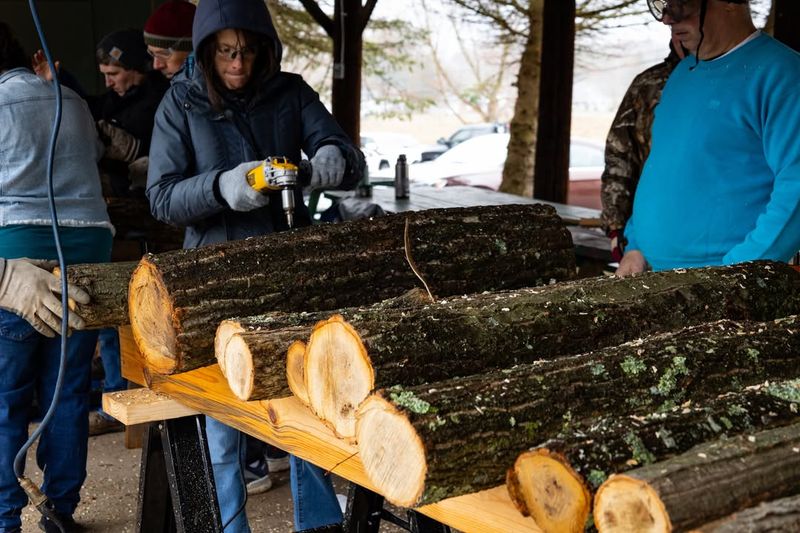
Many Pennsylvania gardeners start their mushroom adventures by drilling holes in freshly cut logs and filling them with mushroom spawn.
Oak, maple, and beech logs work wonderfully because these hardwoods are abundant throughout Pennsylvania forests and provide the perfect growing medium.
The process feels like a science experiment that kids absolutely love helping with, making it a fantastic family project for weekend afternoons.
You need logs that are about four feet long and six inches in diameter for best results. Cut them in late winter or early spring when the sap is still flowing but before buds appear on the trees.
Drill holes in a diamond pattern about six inches apart, then hammer in mushroom plugs or fill with sawdust spawn. Seal each hole with cheese wax to keep the spawn moist and protected from contamination.
Stack your inoculated logs in a shady corner of your yard where they will stay naturally moist. Pennsylvania’s humid climate means you usually do not need to water them much except during dry spells.
The logs will start producing mushrooms within six months to two years depending on the variety you choose.
Shiitake mushrooms are the most popular choice for log cultivation in Pennsylvania because they tolerate the temperature swings between seasons. Oyster mushrooms also work great and fruit much faster, sometimes producing your first harvest within months.
Position decorative fairy figurines around your log stack to create that magical garden atmosphere while you wait for nature to work its magic.
2. Building Mushroom Beds With Wood Chips And Straw
Ground-level mushroom beds offer an easier entry point for beginners who want quick results without the wait time of log cultivation.
Gardeners throughout Pennsylvania are layering wood chips and straw in their shadiest areas to create productive mushroom patches.
This method works especially well under evergreen trees where nothing else seems to grow properly.
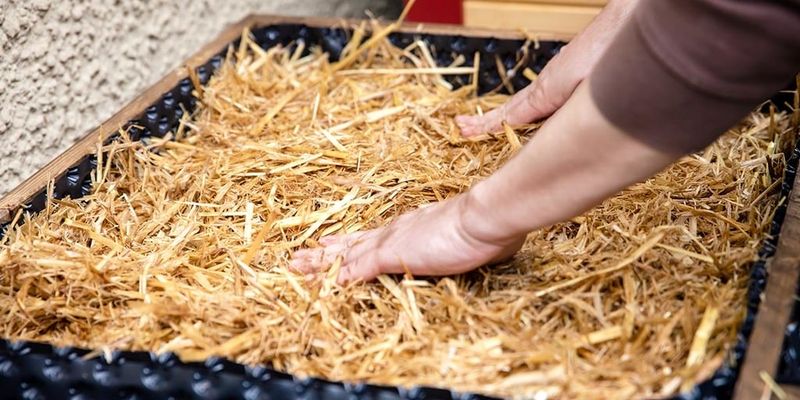
Start by clearing away any existing weeds or grass from your chosen spot. Lay down a thick layer of cardboard to suppress regrowth and create a clean slate for your mushroom bed.
Add about six inches of fresh hardwood chips mixed with straw, then sprinkle mushroom spawn throughout the layers as you build upward.
Wine cap mushrooms thrive in this type of setup and are incredibly easy to grow across Pennsylvania. They produce large, meaty mushrooms that taste delicious sautéed with butter and garlic.
Keep the bed moist by watering gently with a hose or letting natural rainfall do the work during wet seasons.
Edge your mushroom bed with small stones or decorative borders to define the space and add to the fairy garden aesthetic. Tuck tiny fairy houses, miniature benches, and colorful toadstools among the wood chips to create an enchanted woodland scene.
Pennsylvania children love searching for real mushrooms hidden among the decorations, turning harvest time into a treasure hunt adventure that gets them excited about gardening and nature exploration.
3. Installing Ready-Made Mushroom Growing Kits In Shady Corners
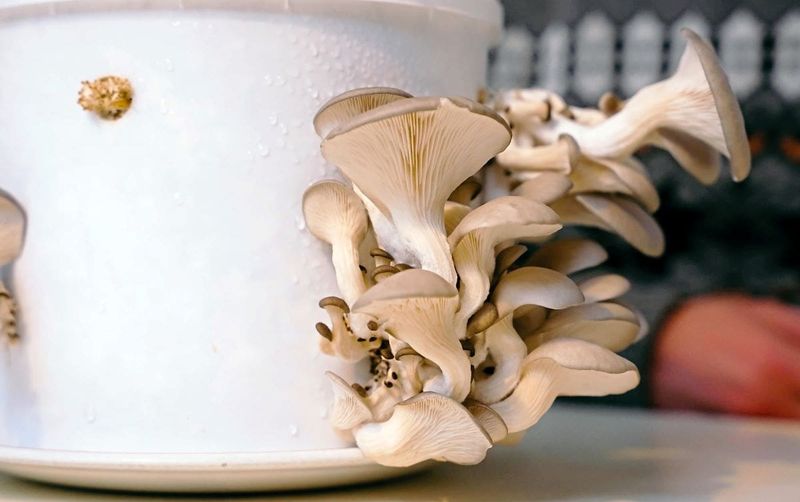
Not everyone wants to start from scratch, and that is where mushroom growing kits come to the rescue. These convenient packages contain pre-colonized substrate blocks that are ready to fruit with minimal effort.
Pennsylvania gardeners are placing these kits in their shadiest outdoor spots during spring and fall when temperatures stay moderate and humidity runs high.
Simply remove the kit from its packaging and place it in a protected shady area like under a porch, beneath a dense tree canopy, or along a north-facing wall. Mist the block twice daily with water to keep the surface moist but never soaking wet.
Within days, you will see tiny mushroom pins forming that quickly grow into full-sized mushrooms ready for harvest.
Oyster mushroom kits are the most forgiving and produce impressive flushes of colorful mushrooms in shades of gray, pink, yellow, or blue.
Lion’s mane kits create cascading white mushrooms that look like something from a fantasy movie, perfect for the fairy garden theme.
These dramatic specimens become conversation starters when guests visit your Pennsylvania home and discover your magical mushroom corner.
Arrange multiple kits at different heights using old stumps, wooden crates, or decorative plant stands to create visual interest. Surround them with moss, ferns, and shade-loving flowers like hostas to build a complete fairy garden ecosystem.
The combination of real growing mushrooms with whimsical decorations creates an enchanting space that produces food while looking absolutely magical throughout the growing season.
4. Establishing Permanent Mushroom Patches With Mycelium Expansion
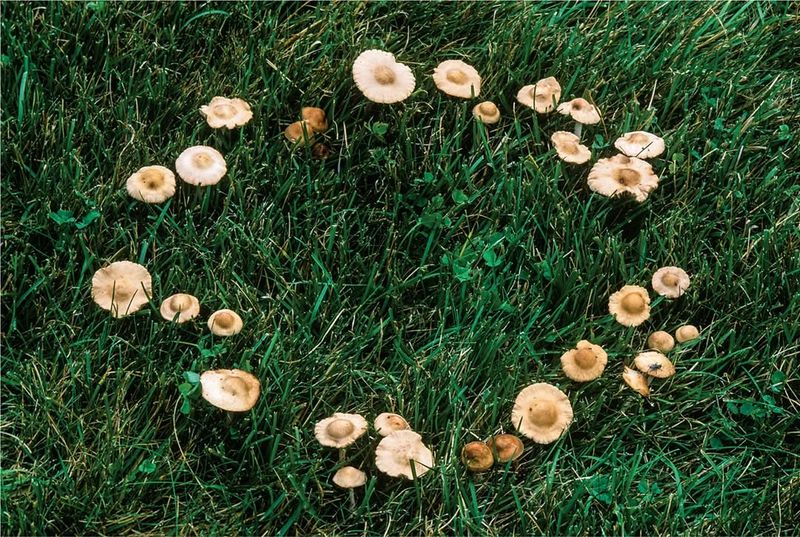
Experienced Pennsylvania mushroom growers are thinking long-term by establishing permanent patches that return year after year.
This approach involves introducing mushroom mycelium directly into the soil and organic matter in shady areas where it can spread naturally.
Once established, these patches require almost no maintenance and produce mushrooms seasonally without any replanting.
Choose a consistently shady spot with decent drainage where water does not pool after rainstorms. Mix mushroom spawn into the top few inches of soil along with generous amounts of composted wood chips or leaf litter.
Water the area thoroughly and keep it moist for the first few weeks while the mycelium establishes its network underground.
Garden giant mushrooms and wine caps work exceptionally well for permanent patches in Pennsylvania gardens. These species aggressively colonize wood-rich soil and can spread several feet each year once they get going.
You might not see mushrooms the first season, but patience pays off with abundant harvests in following years.
Mark your mushroom patch with decorative stepping stones or a small fairy ring of painted rocks so you remember where it is during winter months.
Add solar-powered fairy lights that glow softly at night to create an enchanted atmosphere in your Pennsylvania backyard.
Pennsylvania families often build their mushroom patches near outdoor seating areas where they can enjoy the magical ambiance during evening gatherings while watching for new mushrooms to appear after summer rains.
5. Repurposing Old Stumps As Natural Mushroom Habitats
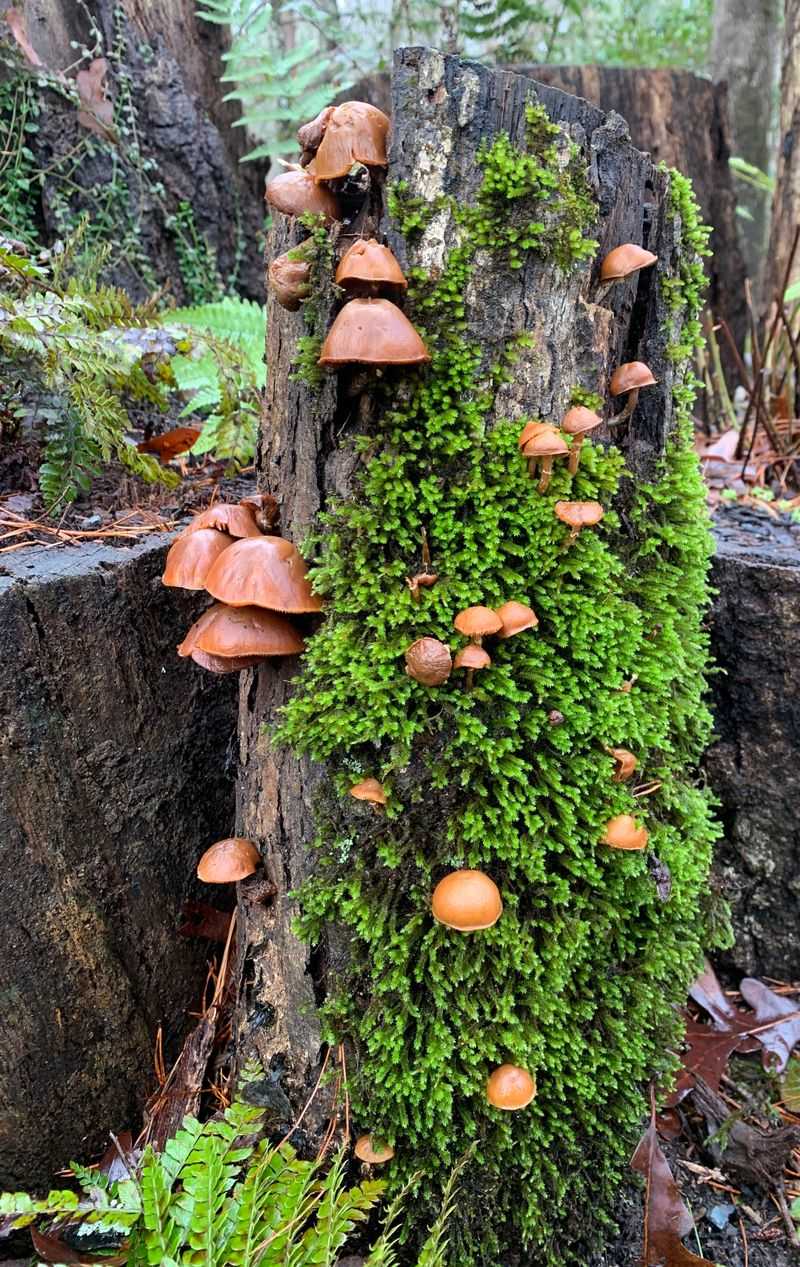
Got an ugly tree stump taking up space in your shady yard? Pennsylvania gardeners are transforming these eyesores into productive mushroom habitats that look like something straight from a fairy tale.
Instead of paying for expensive stump removal, you can turn that dry wood into a beautiful and functional part of your landscape design.
Drill large holes about two inches deep across the top and sides of the stump using a spade bit. Pack the holes with mushroom spawn, then cover the entire stump with a layer of damp burlap or cardboard to maintain moisture.
As the mycelium colonizes the stump from the inside out, it will gradually break down the wood while producing flushes of mushrooms.
Oyster mushrooms fruit quickly on stumps and create stunning cascading clusters that drape down the sides. Shiitake mushrooms take longer but produce for many years as they slowly consume the stump from within.
The process naturally removes the stump over time while giving you delicious harvests and a gorgeous focal point for your fairy garden.
Decorate around the base of your mushroom stump with colorful moss, small ferns, and fairy garden accessories. Create a miniature village scene with tiny doors attached to the stump as if fairies live inside the mushroom-covered tree.
Pennsylvania kids become enchanted with these magical stumps and check them daily for new mushrooms, learning about decomposition and the important role fungi play in forest ecosystems.
6. Designing Vertical Mushroom Towers For Small Spaces
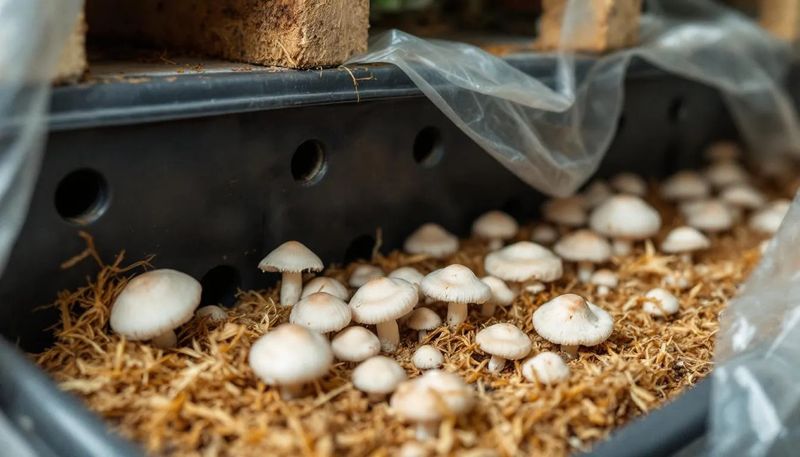
Pennsylvania gardeners with limited shady space are going vertical with mushroom towers that maximize production in minimal square footage.
These creative structures stack growing substrate in vertical columns that can fit into narrow side yards, small courtyards, or even shaded balconies in Philadelphia or Pittsburgh apartments.
Build your tower using stacked wooden boxes, repurposed plastic buckets with holes drilled in the sides, or even hanging fabric grow bags arranged on a frame.
Fill each level with a mixture of straw, wood chips, and mushroom spawn, keeping everything moist as the mycelium colonizes the substrate.
Mushrooms will fruit from the sides and top of your tower, creating a living sculpture in your shady spot.
Oyster mushrooms work brilliantly in vertical setups because they naturally grow in shelf-like formations on trees. Pink oysters add a pop of vibrant color that looks stunning against the green backdrop of a Pennsylvania shade garden.
The vertical design also makes harvesting easier since you do not need to bend down to ground level.
Paint your tower structure in whimsical colors or wrap it with fairy lights to enhance the magical garden theme. Add miniature ladders, tiny washing lines with doll clothes, and other fairy garden accessories at different levels of the tower.
This approach creates a three-dimensional fairy world that uses vertical space efficiently while producing impressive amounts of gourmet mushrooms throughout the Pennsylvania growing season from spring through fall.
7. Combining Mushrooms With Shade-Loving Plants For Complete Fairy Gardens
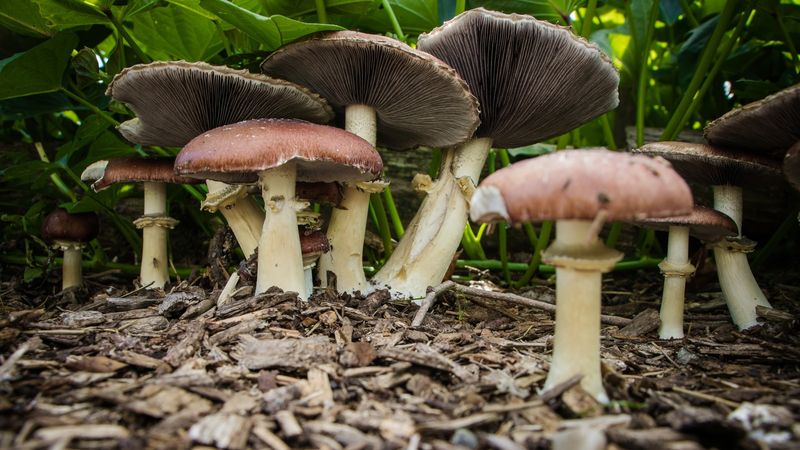
The most enchanting Pennsylvania fairy mushroom gardens combine actual growing mushrooms with complementary shade-loving plants that create a complete woodland ecosystem.
This integrated approach mimics natural forest floors where mushrooms grow alongside ferns, mosses, and wildflowers in harmonious beauty.
Plant hostas, astilbes, and bleeding hearts around your mushroom growing areas to add color and texture throughout the season. These perennials thrive in the same shady, moist conditions that mushrooms love, making them perfect companions.
Creeping Jenny, sweet woodruff, and various mosses create a lush green carpet that makes your mushrooms look like they are growing in an enchanted forest.
Pennsylvania native plants like wild ginger, trillium, and Jack-in-the-pulpit add authentic woodland character while supporting local pollinators and wildlife. Interplant spring bulbs like crocus and snowdrops that bloom early before your mushrooms start fruiting.
This creates year-round interest in your shady fairy garden with something beautiful happening in every season.
Scatter decorative elements throughout the integrated garden including fairy statues, miniature bridges over imaginary streams, and tiny furniture tucked among the plants.
Use naturally weathered wood, stones from Pennsylvania streams, and other organic materials to keep the design feeling authentic rather than overly artificial.
This holistic approach transforms forgotten shady areas into magical destinations that produce both food and joy.
It shows that even the most challenging spots in Pennsylvania yards can become the most treasured and productive parts of your outdoor living space.