How Portland Gardeners Can Care For Orchids Indoors This Winter In Oregon
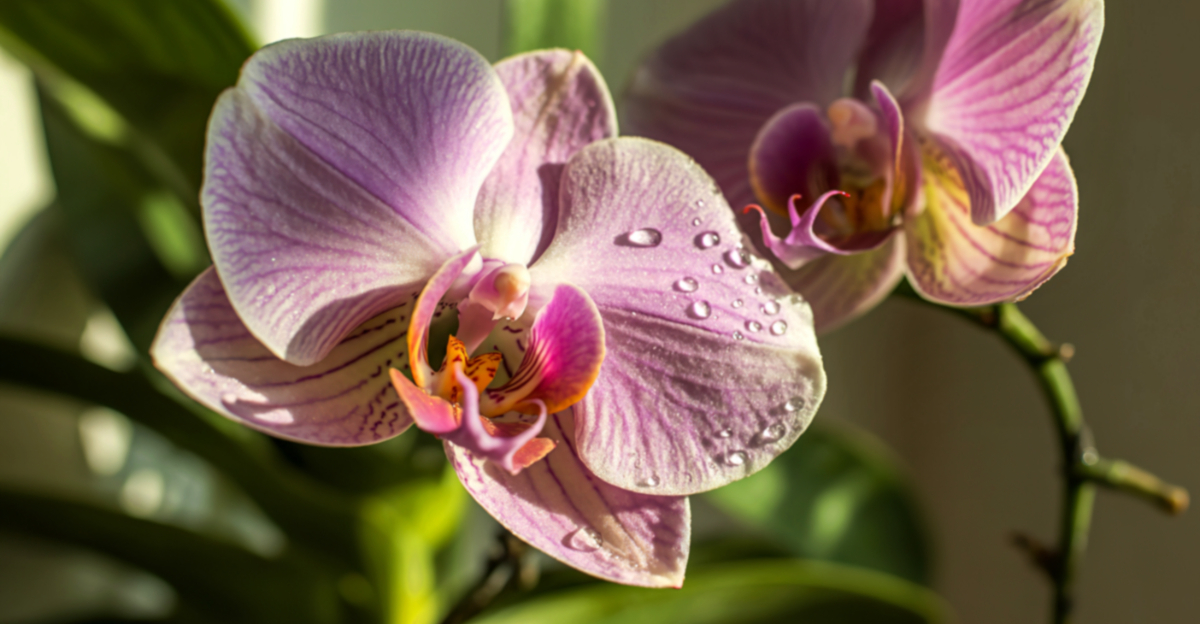
Winter in Portland doesn’t have to mean sad, struggling orchids. Indoors, these tropical plants face shorter daylight hours, cooler temperatures, and dry air from heaters.
That combination can slow growth and fade blooms fast. The good news is small adjustments create big improvements.
Better light placement, consistent watering, and a boost in humidity can keep leaves glossy and roots strong all season long.
Many orchid problems start with simple habits that are easy to correct once you know what to watch for.
With the right setup, your home can support healthy growth and even trigger new flower spikes during the cold months.
Caring for orchids in Oregon winters is less about complicated routines and more about smart, steady care that works with indoor conditions.
1. Give Orchids Bright Indirect Light
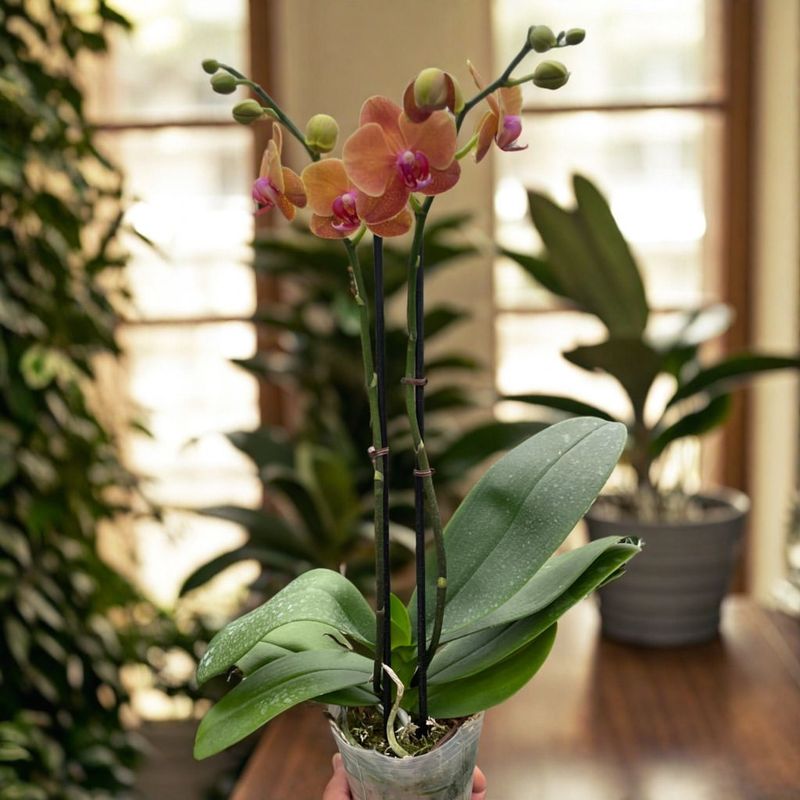
Portland’s winter days get pretty short, and your orchids will notice the difference right away. Most orchid varieties need plenty of light to stay healthy, but direct sunlight can actually harm their delicate leaves.
Place your plants near south-facing or east-facing windows where they’ll catch the most natural light during Oregon’s cloudy winter months.
Sheer curtains work wonderfully to filter intense rays if you’re worried about leaf burn. You can also rotate your orchids every few days so all sides get equal exposure to the available light.
If your Portland home doesn’t get much natural brightness, consider adding a grow light designed specifically for orchids.
Watch your plant’s leaves for clues about whether it’s getting enough illumination. Healthy orchid leaves should be a medium green color, not dark green or yellowish.
Dark leaves usually mean the plant needs more light, while yellow or reddish leaves suggest it’s getting too much direct sun.
Many Portland gardeners find that moving orchids closer to windows during winter makes a huge difference in plant health. Just remember to keep them away from cold glass panes that can chill the roots.
Balancing light exposure with temperature protection is key to winter orchid success in Oregon.
2. Keep Indoor Temperatures Stable
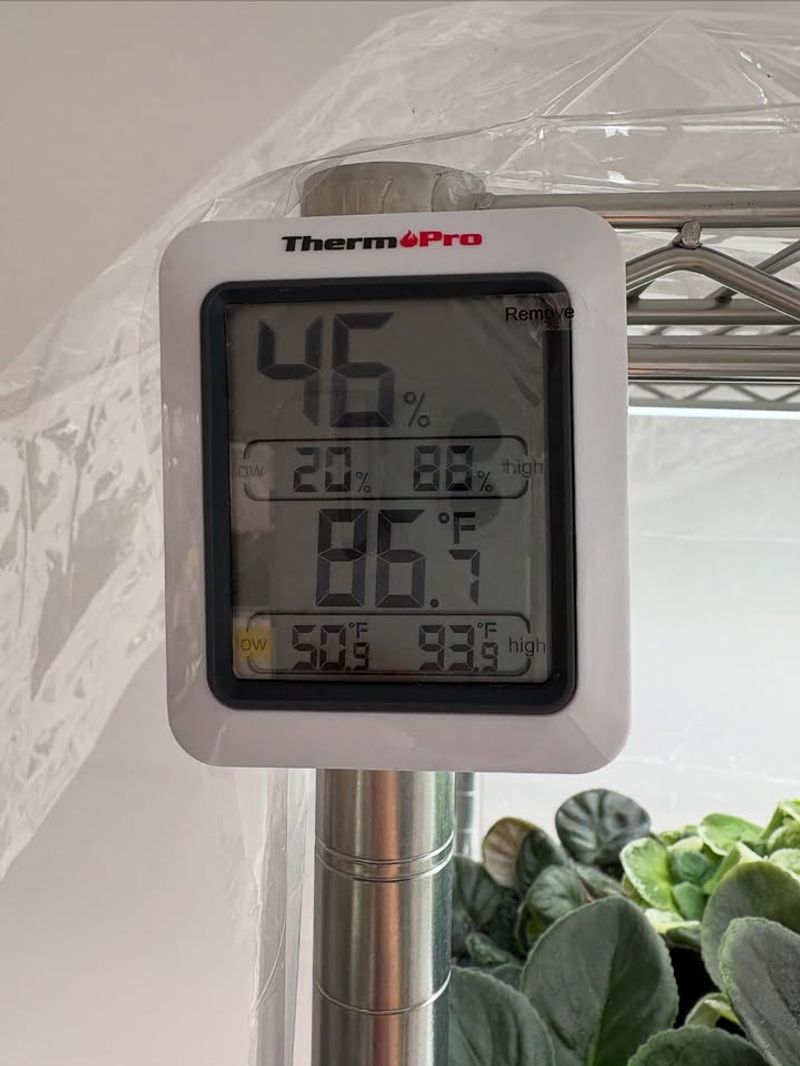
Orchids are sensitive to temperature swings, which can stress them out during Portland’s unpredictable winter weather.
Most common orchid types prefer daytime temperatures between 65 and 75 degrees Fahrenheit. Nighttime temperatures can drop about 10 to 15 degrees lower without causing problems for your plants.
Oregon homes often have heating systems that create hot and cold spots throughout different rooms.
Avoid placing your orchids near heating vents, fireplaces, or radiators that blast warm air directly on them. These sudden temperature changes can cause buds to drop off before they ever open into flowers.
Portland’s winter nights can get quite chilly, so keep orchids away from exterior walls and windows after sunset. Cold drafts from poorly insulated windows can shock the roots and damage new growth.
Consider moving plants a few feet away from windows at night if your home gets particularly cold. A simple room thermometer placed near your orchids helps you monitor conditions throughout the day.
Consistent temperatures make orchids feel secure and encourage them to conserve energy for spring blooming. Many successful Oregon orchid growers find that stable warmth matters just as much as proper watering during winter months.
3. Water Less During Winter Months
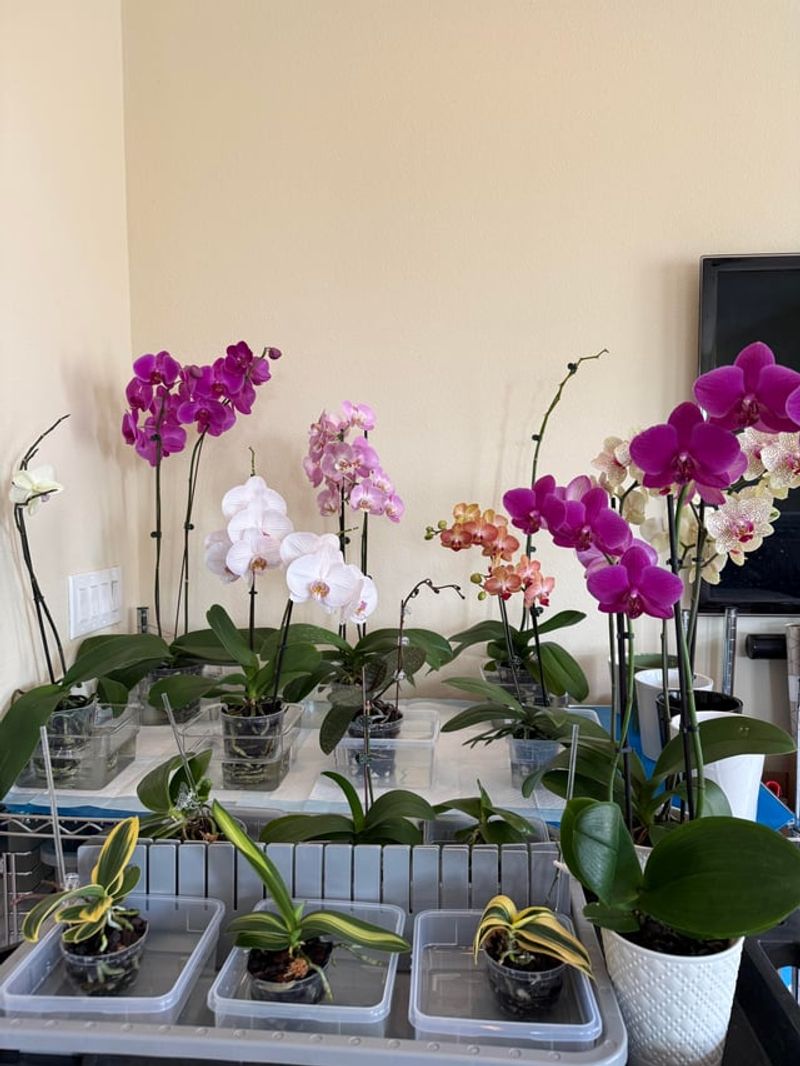
Winter changes how quickly orchid roots absorb moisture, and overwatering becomes a real danger in Portland’s cool season.
Orchids naturally slow down their growth when temperatures drop and daylight decreases across Oregon.
This means they need significantly less water than they do during active growing periods in spring and summer. Check your orchid’s potting medium by sticking your finger about an inch down into the bark or moss.
If it feels damp or cool, wait another few days before watering again. Most Portland gardeners find that watering once every 10 to 14 days works well during winter, compared to weekly watering in warmer months.
Clear pots make it easy to see the roots and judge moisture levels without guessing. Healthy orchid roots should look silvery-green when dry and turn bright green after watering.
Mushy brown roots signal too much water, which can lead to root rot problems. Oregon’s rainy winter weather might make you think orchids need more water, but indoor humidity and plant needs are different.
When you do water, do it thoroughly in the morning so excess moisture evaporates during the day. Always empty saucers under pots to prevent roots from sitting in standing water overnight.
4. Boost Humidity Without Overwatering
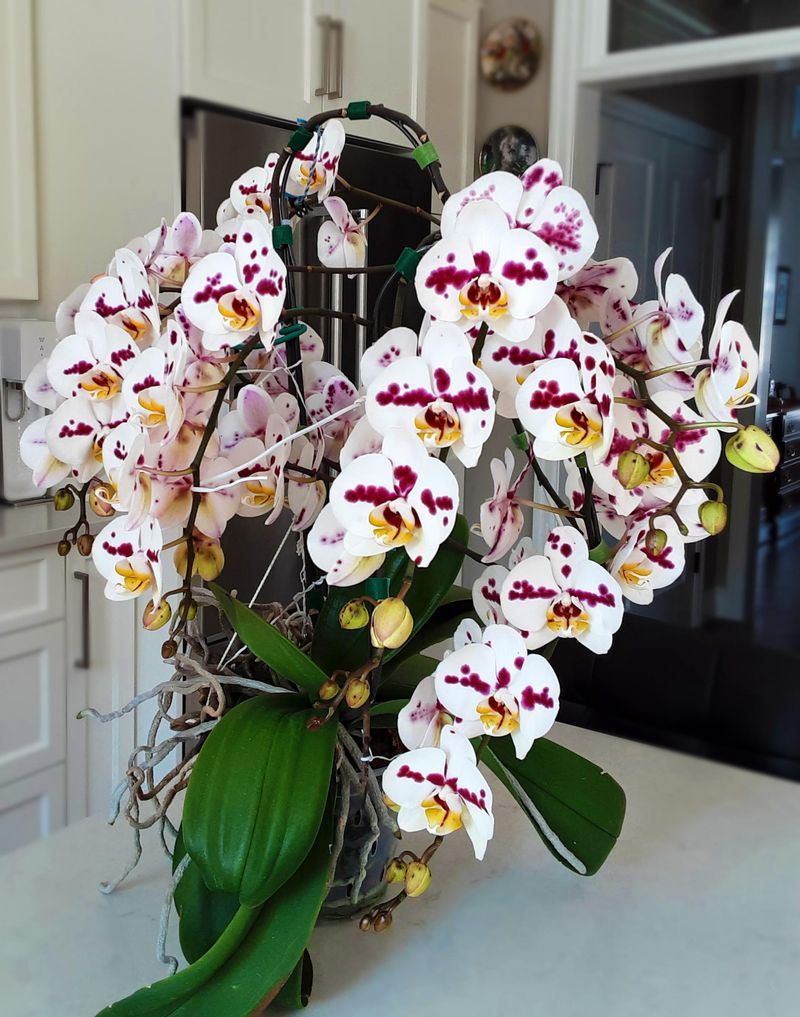
Portland’s winter heating systems can dry out indoor air quickly, creating a challenge for humidity-loving orchids.
These tropical plants originally grew in steamy forests where moisture hung in the air constantly.
Your Oregon home probably has humidity levels around 30 to 40 percent in winter, but orchids prefer 50 to 70 percent humidity. Pebble trays offer a simple solution that doesn’t require expensive equipment or constant attention.
Fill a shallow tray with small rocks or pebbles, add water until it reaches just below the top of the stones, then set your orchid pot on top. As water evaporates, it creates a humid microclimate around your plant without waterlogging the roots.
Small humidifiers work great in rooms where you keep multiple orchids together in your Portland home.
Grouping several orchids close together also helps them create their own humid environment naturally.
Misting leaves seems helpful but actually doesn’t raise humidity much and can encourage fungal problems if done too often. Bathrooms often have higher natural humidity, making them good temporary homes for orchids during Oregon’s driest winter weeks.
Just make sure they still get adequate light near a window. Balancing humidity needs with proper air circulation prevents moisture-related issues while keeping your orchids comfortable all winter long.
5. Avoid Cold Window Drafts
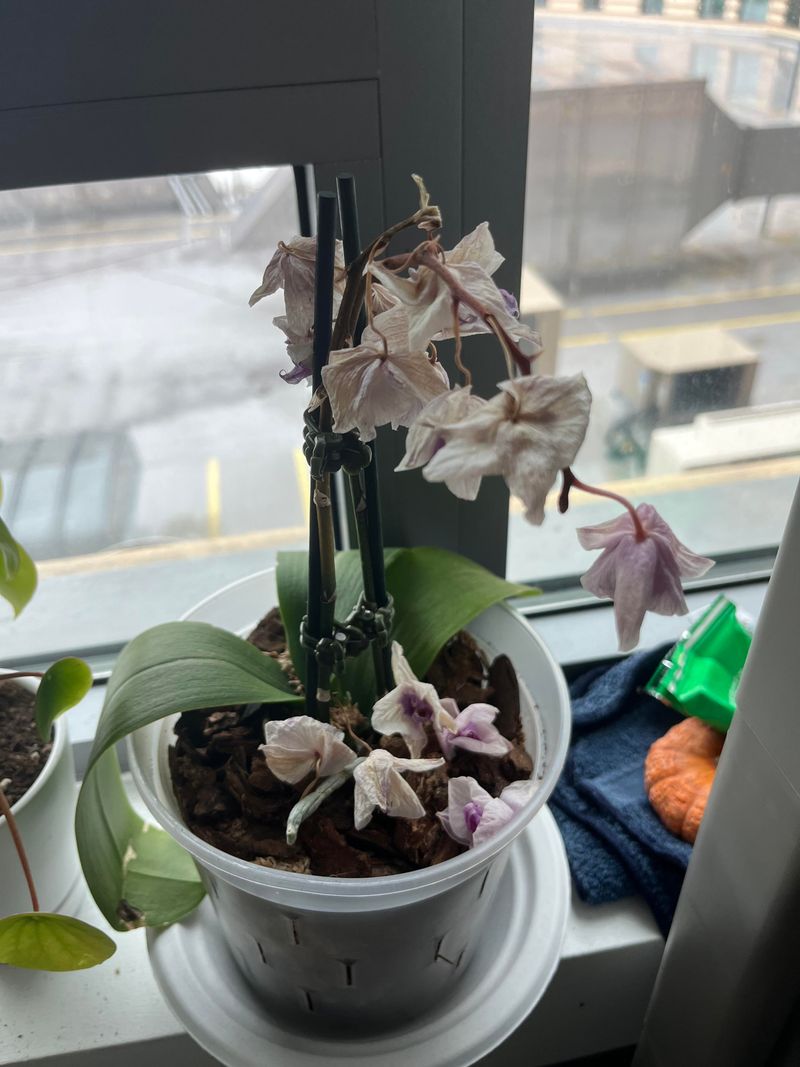
Windows let in precious winter light for Portland orchids, but they can also expose plants to dangerous cold drafts. Oregon’s winter temperatures often drop into the 30s and 40s at night, and single-pane windows transfer that cold directly inside.
Orchid roots are especially vulnerable to cold damage because they’re sensitive tropical plants not adapted to chilly conditions. Feel around your window frames on a cold evening to identify where drafts sneak into your home.
Even small air leaks can create cold zones that stress orchids sitting nearby. Weather stripping and draft stoppers help seal gaps and protect your plants from temperature drops.
Consider placing orchids on plant stands or shelves that position them slightly away from the actual window glass. This small distance provides a buffer zone between the cold surface and your plant’s roots.
Heavy curtains closed at night add another layer of insulation between windows and orchids. Many Portland gardeners move their orchids a few feet back from windows once the sun sets each evening.
This simple habit prevents overnight cold exposure while still allowing plants to catch morning light. If you notice leaves turning yellow or developing dark spots near windows, cold damage might be the culprit and you should relocate your orchids immediately.
6. Use Proper Orchid Potting Mix
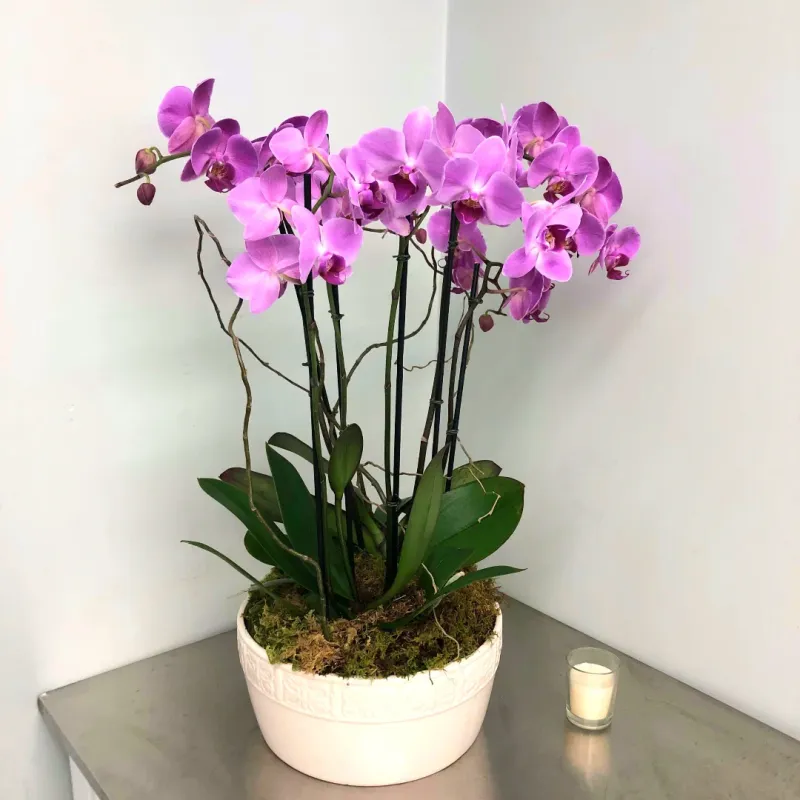
Regular potting soil is too dense for orchids and will suffocate their roots during Portland’s damp winter months.
Orchids are epiphytes in nature, meaning they grow on tree branches where their roots get plenty of air circulation.
Specialized orchid potting mix mimics these natural conditions using bark chips, charcoal, and other chunky materials that drain quickly. Oregon’s winter humidity combined with poor drainage creates perfect conditions for root rot problems.
Proper orchid mix allows water to flow through quickly while still holding just enough moisture for roots to absorb. You can find orchid-specific potting media at garden centers throughout Portland, or mix your own using fir bark and perlite.
Check your orchid’s potting mix every winter to see if it has broken down into smaller pieces. Old mix that looks more like soil than bark chunks needs replacing because it holds too much water.
Repotting during late winter or early spring gives your orchid fresh media just as it prepares for new growth. Clear pots let you monitor root health and see how quickly water drains through the potting mix.
Healthy roots should be visible through the container sides and look firm and plump. Investing in quality orchid potting mix makes winter care much easier for Portland gardeners and helps prevent common cold-season problems.
7. Reduce Fertilizer Until Spring
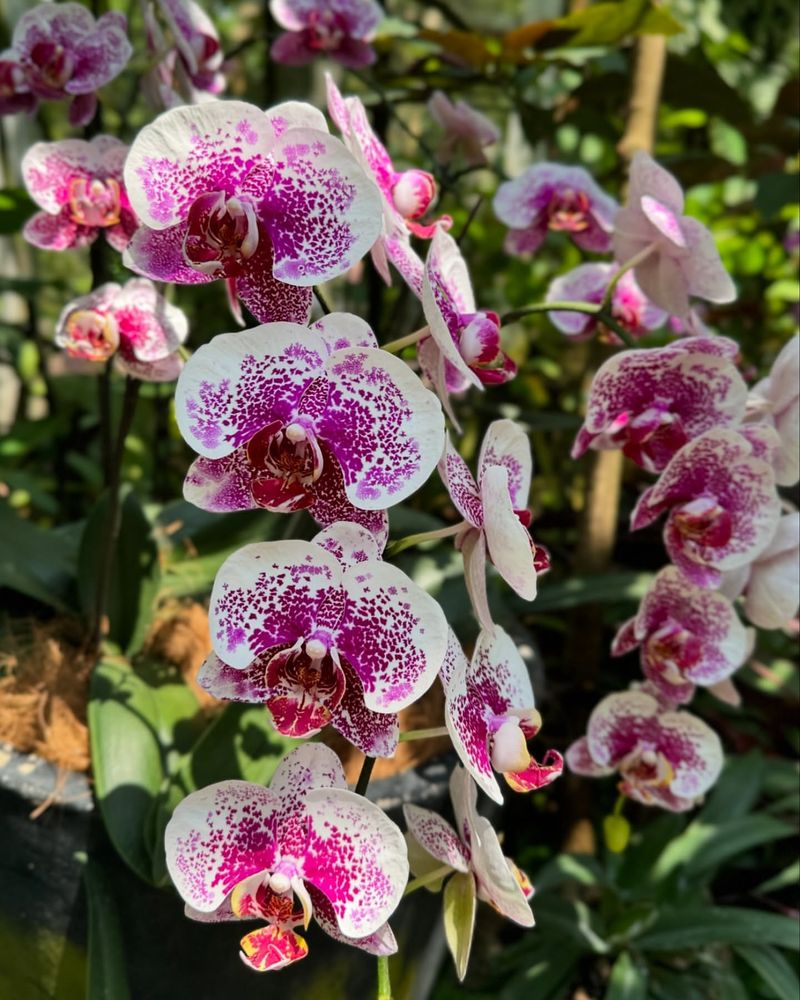
Orchids take a natural rest period during winter when growth slows down across Portland and throughout Oregon.
Feeding them heavy doses of fertilizer during this dormant time can actually harm roots and stress the plant unnecessarily.
Think of it like trying to eat a huge meal when you’re not hungry – your orchid simply can’t use all those nutrients right now. Cut back to fertilizing only once a month during winter months, or stop completely until you see new growth in spring.
If you do fertilize, dilute the orchid food to quarter strength rather than the full concentration recommended on the bottle.
Many experienced Portland orchid growers prefer using a “weakly, weekly” approach in summer but switch to monthly or less in winter.
Watch for signs that your orchid is actively growing, like new leaves or roots appearing. These signals tell you the plant is ready for more nutrients as days lengthen in late winter.
Oregon’s spring typically arrives in March, and that’s when you can gradually increase fertilizer frequency again.
Over-fertilizing during winter can cause salt buildup in the potting mix that damages delicate roots. If you notice white crusty deposits on the bark or pot edges, flush the mix thoroughly with plain water.
Letting your orchids rest naturally during Portland’s quiet winter months helps them store energy for spectacular blooms when warmer weather returns.