How Short Growing Seasons Shape Gardening In Michigan’s Upper Peninsula
Gardening in Michigan’s Upper Peninsula is a true test of patience and creativity. With short summers and the constant threat of unpredictable frosts, every planting decision has a significant impact on the success of your garden.
The region’s unique climate presents both challenges and opportunities for growers who are willing to adapt. To thrive in the Upper Peninsula, gardeners must work with the climate rather than against it.
By understanding the growing conditions and choosing the right plants, you can maximize your harvest and minimize setbacks.
Whether you’re an experienced gardener or just getting started, knowing these key factors will help you plant smarter, protect your crops from late frosts, and ultimately enjoy a bountiful garden in Michigan’s northernmost region.
1. Planting Dates Are Delayed Due To Cold Soils
Cold soil is one of the biggest challenges gardeners face in Michigan’s Upper Peninsula every single year.
Even when the calendar says spring, the ground can stay chilly and waterlogged well into late May or even early June.
Planting tender vegetables like tomatoes and peppers into cold, wet soil too early almost always leads to stunted growth and poor root development.
Soil temperature matters more than air temperature when it comes to seed germination and root health.
Most warm-season vegetables need soil temperatures of at least 60 degrees Fahrenheit to grow properly.
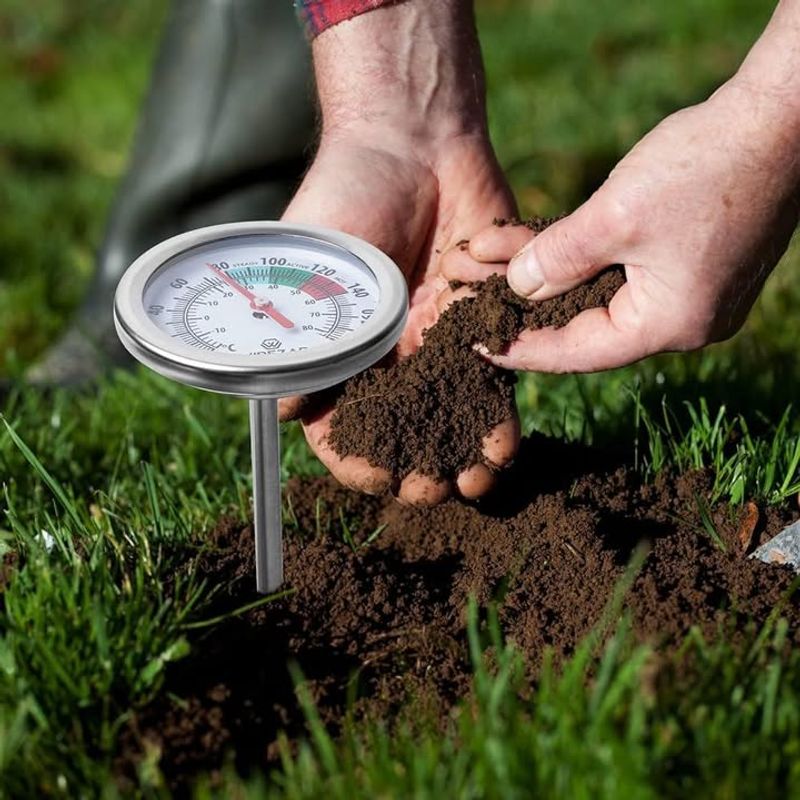
In the Upper Peninsula, that threshold often isn’t reached until late May or early June, which is weeks later than most other parts of Michigan. A simple soil thermometer can be your best gardening tool up here.
Checking your soil temperature before planting saves you from wasted effort and lost seedlings. Waiting just a bit longer for the soil to warm up pays off with stronger, healthier plants that establish quickly once they’re in the ground.
Patience really is a gardener’s greatest skill in this region, and learning to trust the soil’s readiness over the calendar date will set your whole season up for success.
2. Shorter Growing Season Means Fewer Frost-Free Days
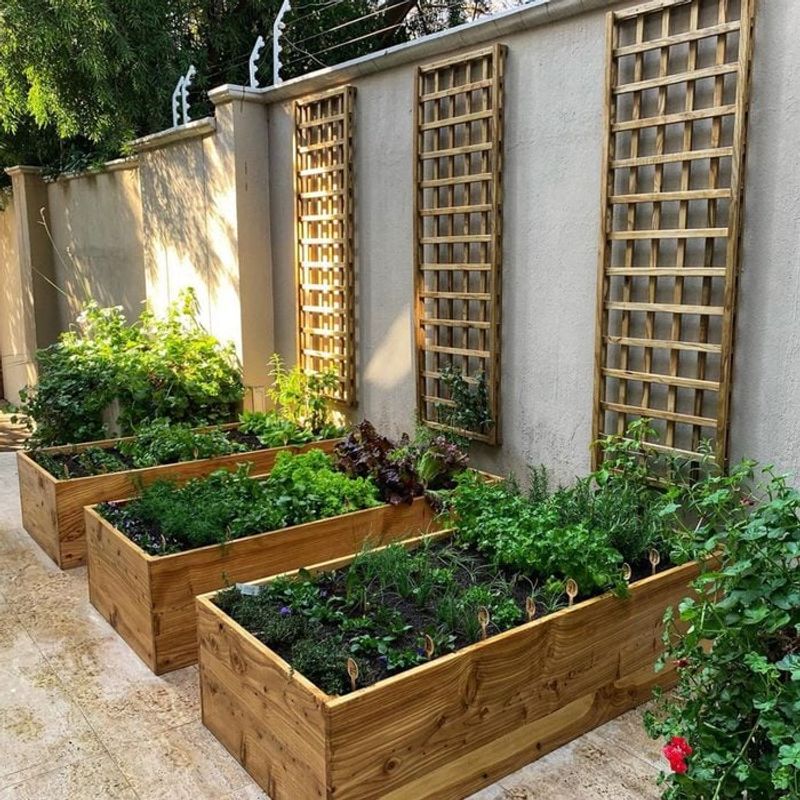
Most gardeners in warmer parts of the country take long growing seasons for granted, but up in Michigan’s Upper Peninsula, every frost-free day is genuinely precious.
The region typically sees only around 90 to 120 frost-free days each year, compared to 150 to 180 days in Michigan’s Lower Peninsula.
That’s a significant difference that shapes every single gardening decision made up here. With such a narrow window, careful planning becomes absolutely essential.
Gardeners need to know their first and last frost dates almost by heart, using that information to map out exactly when to plant, when to transplant, and when to start harvesting.
Missing that window by even a week or two can mean losing crops before they fully mature.
Michigan State University Extension recommends that Upper Peninsula gardeners consult local frost date records regularly since conditions can vary quite a bit depending on your exact location.
Towns near Lake Superior, for example, sometimes benefit from slightly moderated temperatures thanks to the lake’s influence. Still, the short season demands smart choices from the very start.
Choosing crops that mature quickly and planning your garden layout with timing in mind will help you get the most out of every precious frost-free day this beautiful region has to offer.
3. Early Spring And Late Fall Frosts Are Common
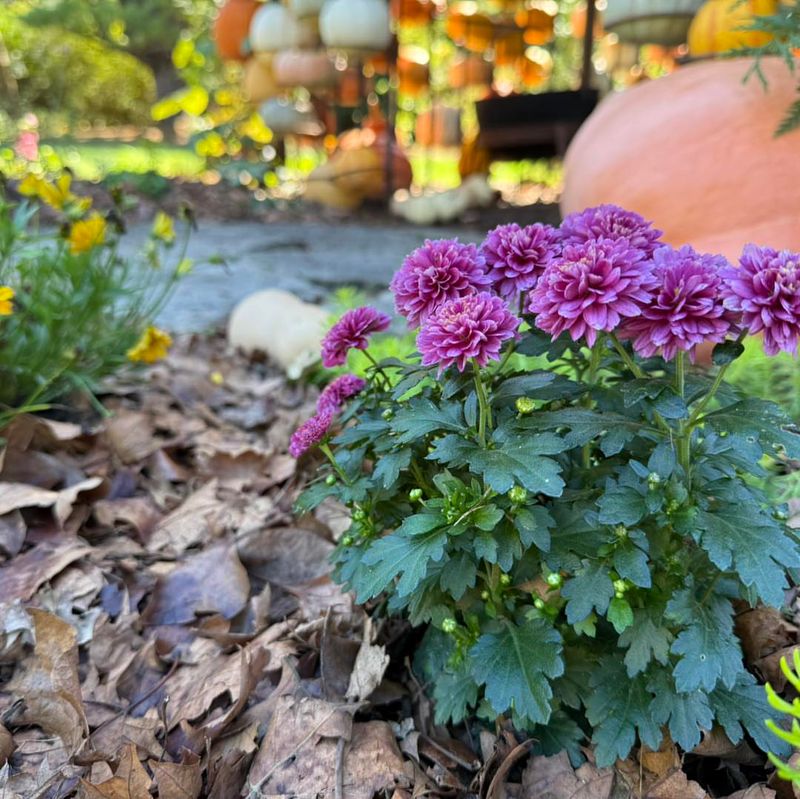
Frost can show up uninvited in the Upper Peninsula well into May, and it often comes back again as early as late September or October.
This reality catches many new gardeners off guard, especially those who move to the region from warmer climates.
A surprise frost can wipe out an entire planting of tender seedlings overnight if you’re not prepared for it.
Experienced UP gardeners keep a close eye on nightly weather forecasts throughout the entire growing season.
Having frost cloth, old bedsheets, or plastic row covers on hand at all times is practically a rule of thumb up here.
Covering vulnerable plants before a cold night and uncovering them the next morning becomes a regular part of the gardening routine from May through October. Knowing your specific microclimate also helps a lot.
Low-lying areas tend to collect cold air and frost much more heavily than slightly elevated spots or areas sheltered by trees and structures.
Some gardeners in Michigan’s Upper Peninsula plant in raised areas or near south-facing walls specifically to reduce frost risk.
Paying attention to these small details can save your garden from a rough night and keep your plants growing strong all the way through to a successful and satisfying harvest season.
4. Cool-Season Crops Are Best For The Region
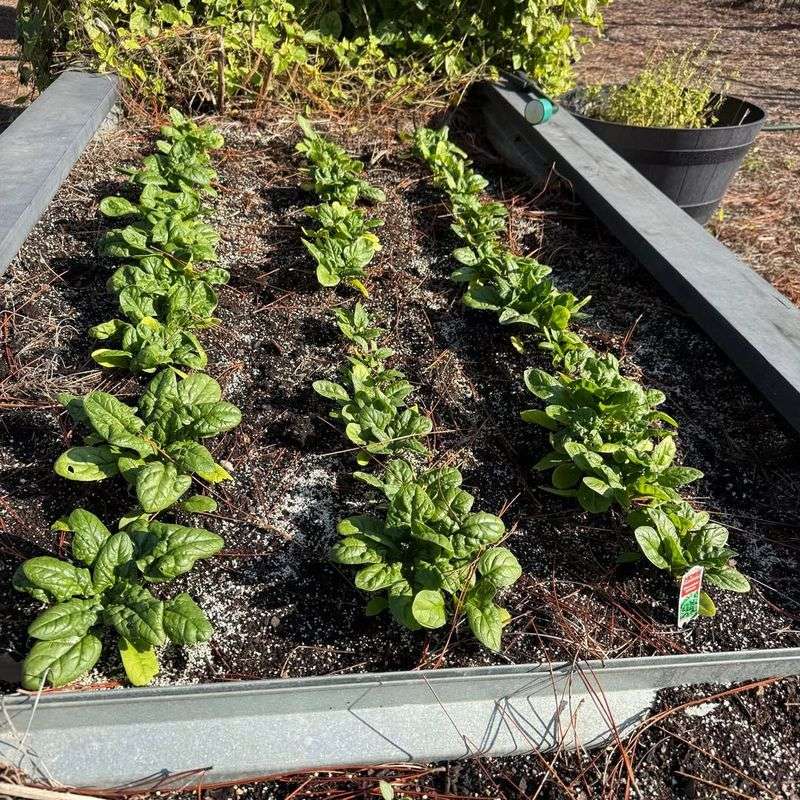
Not every vegetable struggles in the Upper Peninsula’s cool climate. In fact, some crops absolutely love it up there.
Lettuce, spinach, kale, radishes, peas, and Swiss chard are among the vegetables that thrive in cooler temperatures and can be planted earlier in the season than warm-season crops.
These plants actually taste better after a light frost, which brings out their natural sweetness.
Cool-season crops are a smart foundation for any UP garden because they make use of the early weeks of the growing season when the ground is still cold for tomatoes and peppers.
Planting a round of radishes or spinach in early May means you’re already harvesting food while you wait for warmer weather to arrive. It’s a great way to maximize your short growing window without wasting a single week.
Many gardeners in Michigan’s Upper Peninsula also do a second planting of cool-season crops in late summer for a fall harvest.
As temperatures drop in August and September, lettuce and spinach perk right back up after the summer heat.
This double-planting strategy stretches your harvest season from both ends and keeps fresh vegetables on your table longer.
Embracing cool-season crops is honestly one of the smartest moves any UP gardener can make for a productive and satisfying garden year after year.
5. Raised Beds And Cold Frames Help Extend The Growing Season
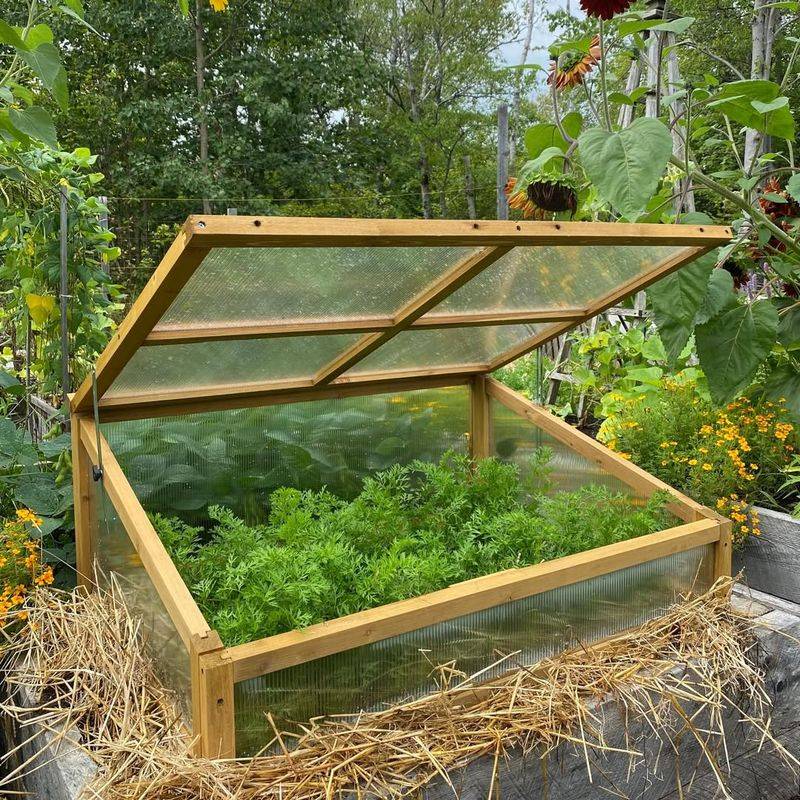
Raised beds and cold frames are two of the most popular tools in the Upper Peninsula gardener’s toolkit, and for good reason.
Raised beds warm up faster in spring than in-ground garden plots because they drain better and expose more soil surface to sunlight.
That earlier soil warmth can give you a head start of two to three weeks compared to traditional garden beds, which is huge when your growing season is already short.
Cold frames are basically mini-greenhouses made from a wooden or metal frame with a clear lid, usually glass or plastic. They trap heat from the sun during the day and protect plants from cold nights.
UP gardeners use them to harden off seedlings, start transplants early, and even grow cold-hardy greens through mild stretches of the fall season long after outdoor temperatures have dropped.
Combining raised beds with cold frames is a particularly effective strategy in Michigan’s Upper Peninsula.
You get the benefits of warmer soil from the raised bed plus the frost protection of the cold frame cover working together.
Many gardeners report harvesting fresh greens weeks earlier and weeks later than they ever could without these simple structures.
Building even one or two raised beds with cold frame lids can genuinely transform how much food you grow in a season up here.
6. Growing Heat-Loving Crops Requires Extra Effort
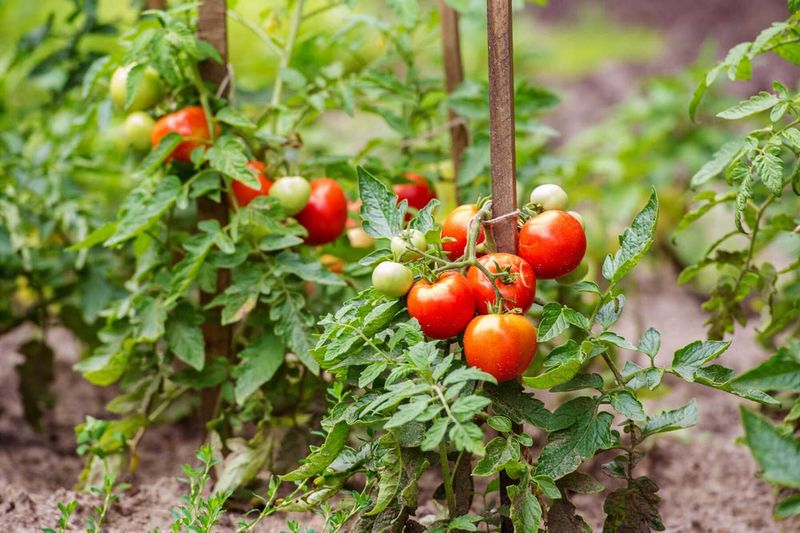
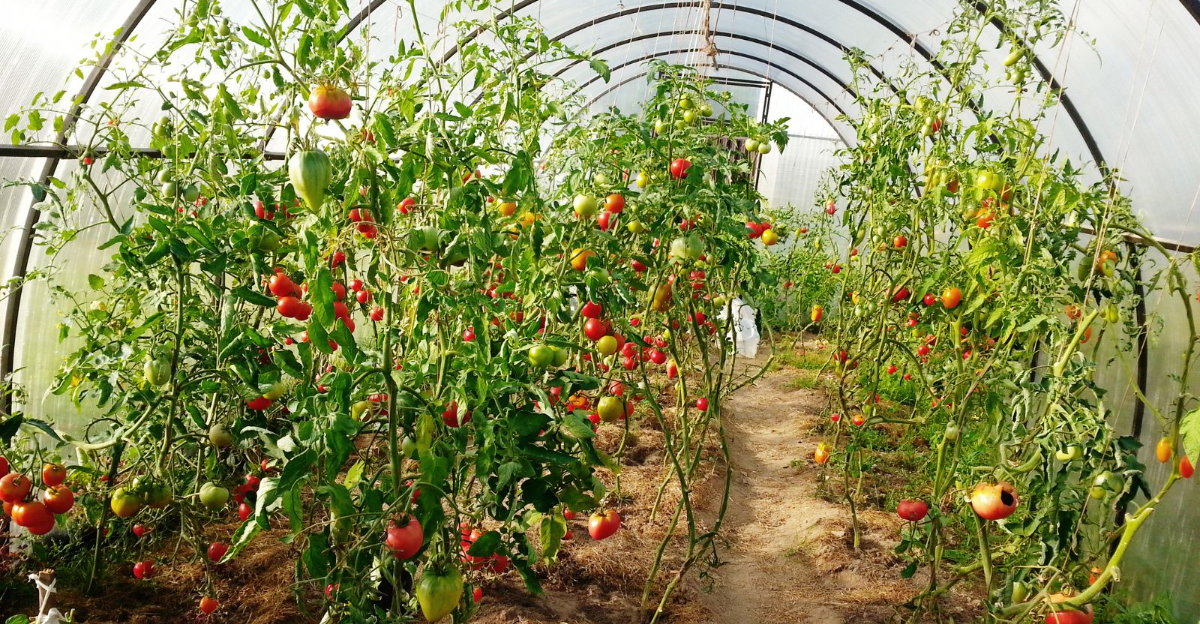
Growing tomatoes, peppers, or melons in Michigan’s Upper Peninsula is absolutely possible, but it takes a lot more planning than in warmer parts of the country.
These heat-loving crops need a long, warm season to fully mature, and the UP simply doesn’t offer that naturally.
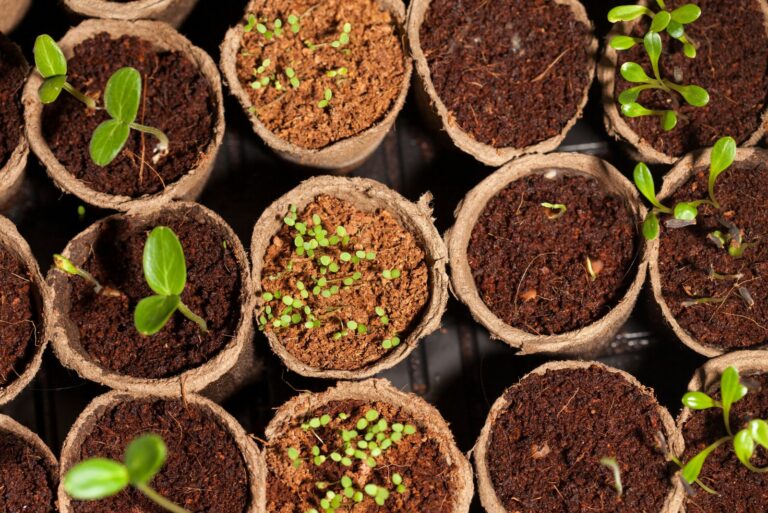
Gardeners who want these vegetables in their harvest have to create extra warmth and protection throughout the season. Starting seeds indoors is a must for heat-loving crops in this region.
Most UP gardeners begin tomato and pepper seeds six to ten weeks before the last expected frost date, giving the plants as much of a head start as possible.
Transplanting them outdoors only happens once both the air and soil are reliably warm, which often means waiting until late May or even early June.
Season extenders like plastic cloches, wall-o-water plant protectors, and black plastic mulch all help boost soil and air temperatures around heat-loving plants.
Black plastic mulch, in particular, absorbs heat during the day and releases it slowly at night, helping tomatoes and peppers feel like they’re growing somewhere much warmer.
Choosing shorter-season varieties specifically bred for northern climates is also a game changer.
With the right combination of timing, tools, and variety selection, even the most heat-hungry crops can thrive in Michigan’s Upper Peninsula.
7. The Region Is Ideal For Root Crops Like Potatoes And Carrots
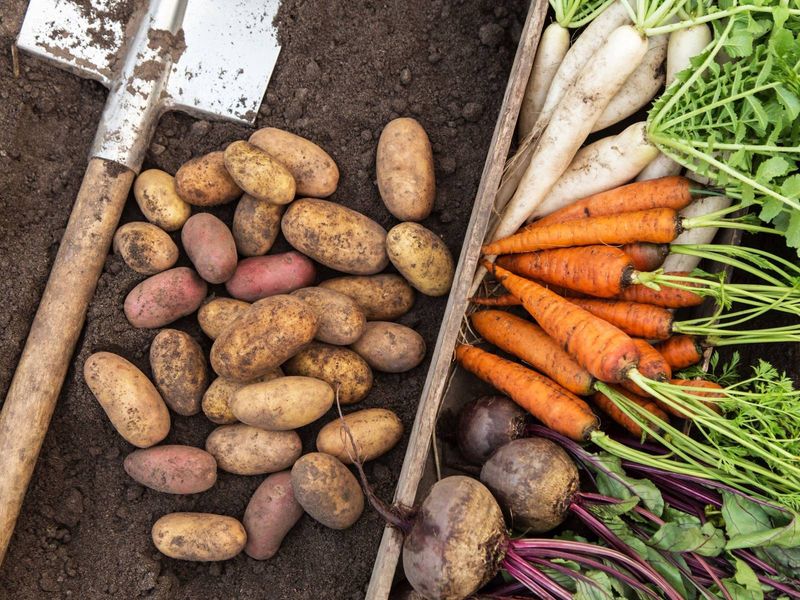
Here’s something that surprises many people: the Upper Peninsula’s cool climate is actually perfect for growing root vegetables.
Potatoes, carrots, beets, turnips, and parsnips all thrive in cool, moist soil and tend to develop excellent flavor when they mature slowly in lower temperatures.
The UP’s natural growing conditions are practically tailor-made for these crops. Potatoes especially love the region.
They grow best in cool soil temperatures between 60 and 70 degrees Fahrenheit, which is exactly what Michigan’s Upper Peninsula offers for much of the summer.
Potato plants can even tolerate a light frost, making them one of the more forgiving crops for UP gardeners to work with.
Many local gardeners plant potatoes as a reliable staple knowing they’ll produce a solid harvest almost every year.
Carrots grown in cooler conditions tend to be sweeter and more tender than those grown in heat, because the plants convert starches to sugars as temperatures drop.
Leaving carrots in the ground until after the first light frost actually improves their flavor noticeably.
Beets and turnips behave similarly, rewarding patient gardeners with roots that are rich, earthy, and satisfying.
Root crops are genuinely one of the Upper Peninsula’s greatest gardening strengths, and leaning into them is one of the smartest strategies any UP gardener can adopt for a full and flavorful harvest.
8. Longer Daylight Hours Help Plants Grow Quickly
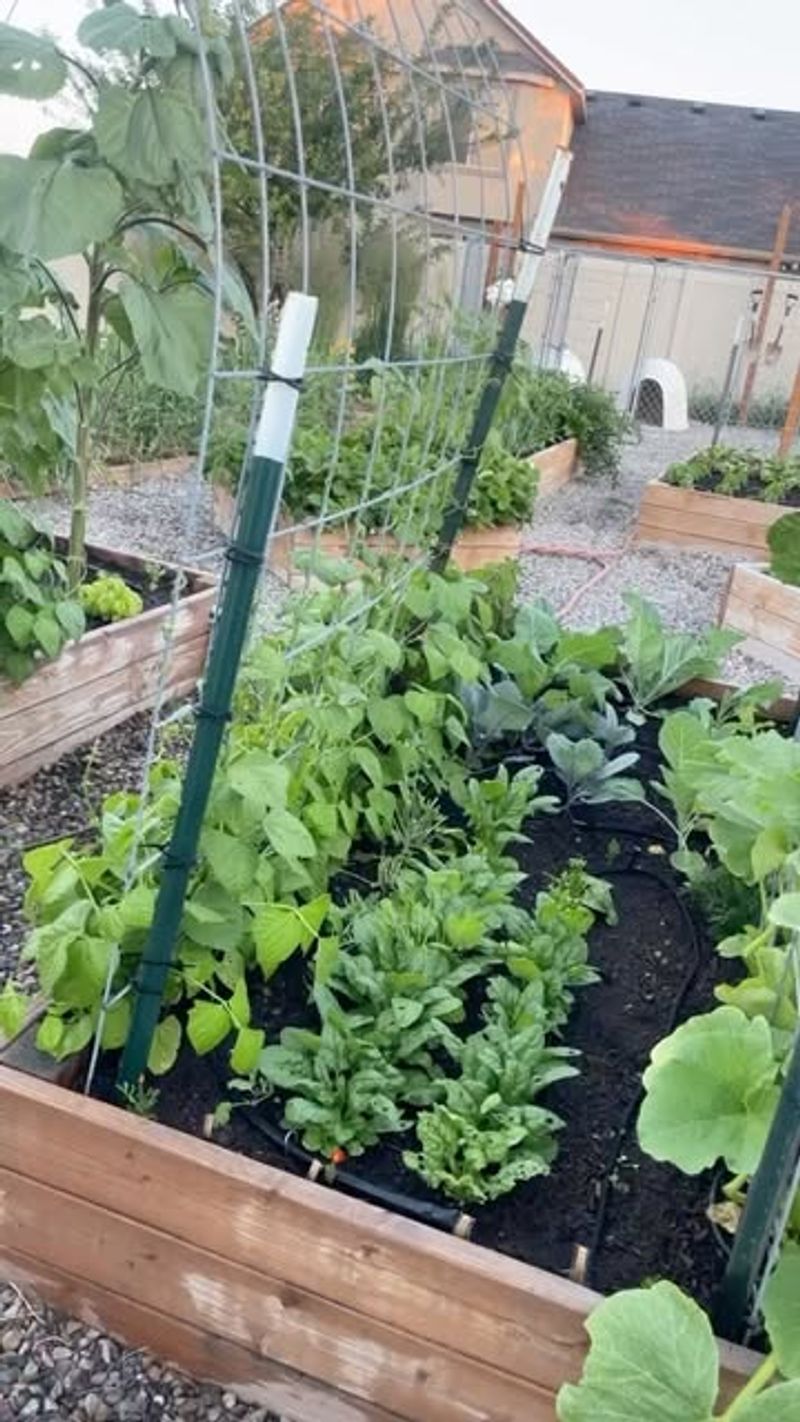
One of the most surprising advantages of gardening in Michigan’s Upper Peninsula is the amount of daylight available during summer.
Because the UP sits at a higher latitude than most of the continental United States, summer days are noticeably longer there.
In June and July, the sun can be up for 15 to 16 hours a day, giving plants an extended window of light to fuel their growth.
All that extra sunlight speeds up photosynthesis, which is the process plants use to turn light into energy and grow.
Even though the growing season is short, the intensity and duration of summer daylight in the Upper Peninsula helps plants pack a lot of growth into a relatively small number of weeks.
Gardeners often notice that their vegetables grow surprisingly fast during the peak of summer, almost making up for the late start the cool spring forced on them.
This long daylight advantage is especially helpful for crops that need a lot of light energy to produce fruit, like tomatoes, squash, and beans.
Positioning your garden in a spot that gets full sun exposure throughout the day maximizes the benefit of those long UP summer days.
Knowing that the sun is working hard for your garden even into the late evening hours is genuinely one of the most exciting and encouraging parts of growing food in Michigan’s Upper Peninsula.
9. Early Harvest Varieties Are Essential For Success
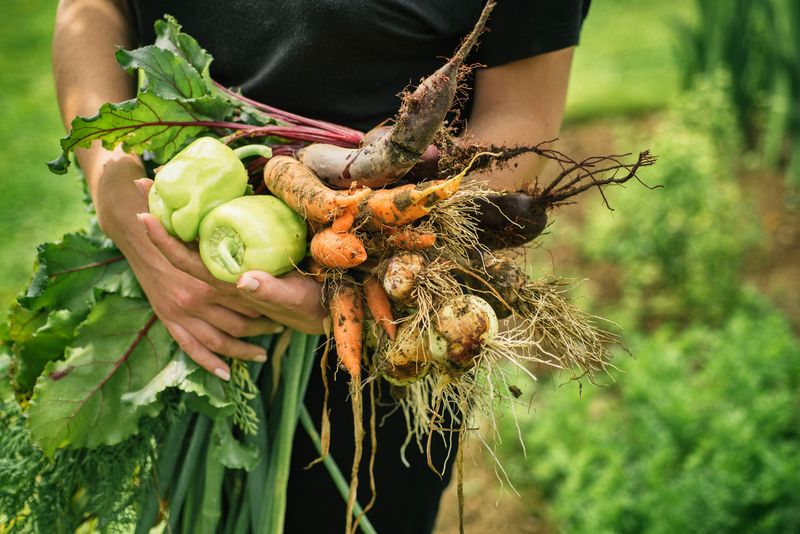
Choosing the right plant varieties is one of the single most important decisions an Upper Peninsula gardener makes each season.
Not all tomatoes, squash, or beans are created equal when it comes to how long they need to mature.
In the UP’s short growing window, selecting early-maturing varieties can mean the difference between a full harvest and a garden full of unripe vegetables when the first frost arrives.
Early-season tomato varieties like Stupice, Siletz, or Sub-Arctic Plenty are bred specifically to produce ripe fruit in as few as 52 to 60 days from transplanting. That’s a huge advantage compared to standard varieties that might need 80 or more days.
Similarly, compact bush squash varieties that mature in 50 to 55 days work far better in the UP than sprawling, long-season types that need a full three months of warm weather.
Reading seed packet information carefully and looking for phrases like “short season,” “early maturing,” or “northern climates recommended” will guide you toward the best choices for Michigan’s Upper Peninsula.
Many UP gardeners keep notes on which varieties performed well in past seasons, building a personal library of reliable performers over time.
Starting with proven short-season varieties and experimenting gradually with new ones is a practical and rewarding approach that keeps your garden productive and your harvest plentiful every single year.
10. Greenhouses Offer Year-Round Growing Opportunities
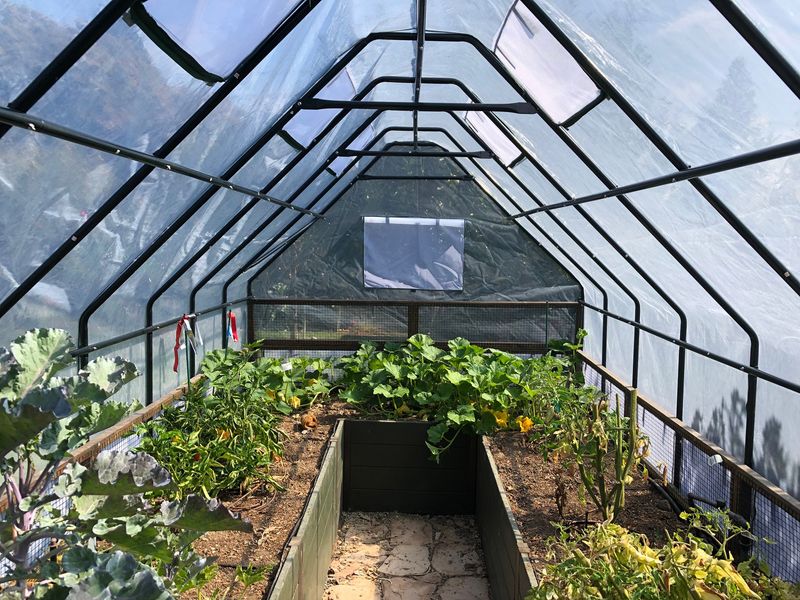
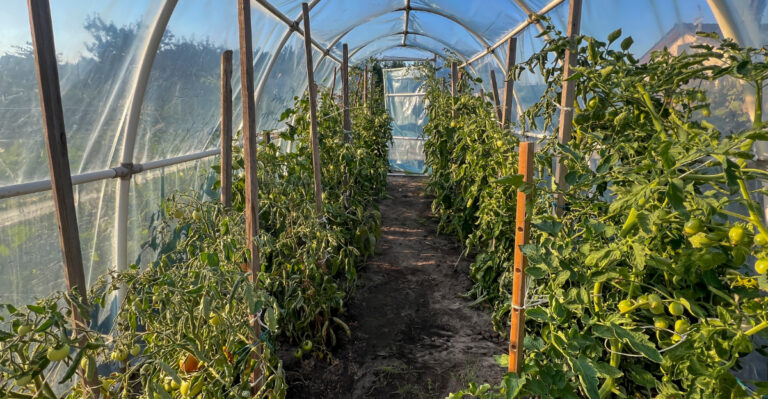
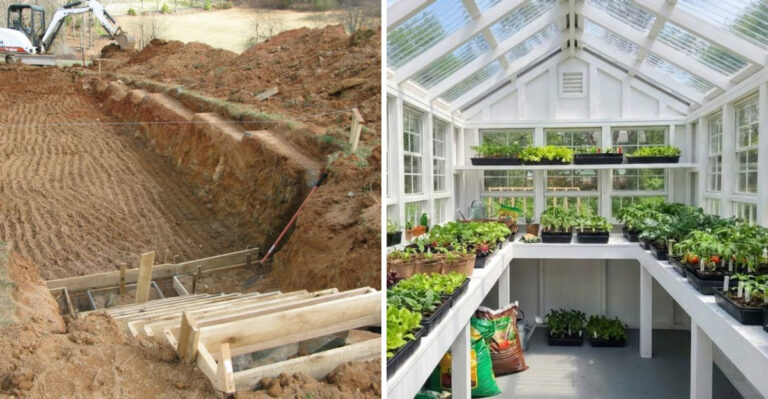
A greenhouse changes everything for gardeners in Michigan’s Upper Peninsula. When the outdoor season is only a few months long, having a protected growing space means you can start seeds weeks earlier!
You can grow sensitive plants all season without frost worry, and even continue harvesting fresh herbs and greens long after outdoor gardens have finished for the year.
It’s one of the most valuable investments a serious UP gardener can make. Even a small hobby greenhouse can dramatically expand what’s possible in this region.
Herbs like basil, which absolutely cannot tolerate frost, thrive inside a heated greenhouse year-round.
Tomatoes and cucumbers can be started in February or March, giving them a massive head start before the outdoor growing season even begins.
Some dedicated UP gardeners grow salad greens and microgreens inside their greenhouses all through the long winter months.
Heating a greenhouse in the Upper Peninsula does require some planning since winters are long and cold up there.
Insulating the structure well, using thermal mass like water barrels to hold daytime heat, and choosing an efficient heating system all help keep energy costs manageable.
Solar-powered or passive solar greenhouse designs are becoming increasingly popular in the region for exactly this reason.
A well-designed greenhouse in Michigan’s Upper Peninsula turns one of the region’s biggest gardening challenges into a genuine, year-round growing adventure that keeps fresh food coming no matter what the weather outside is doing.