How Short Is Too Short For Ohio’s First Mow Of The Season
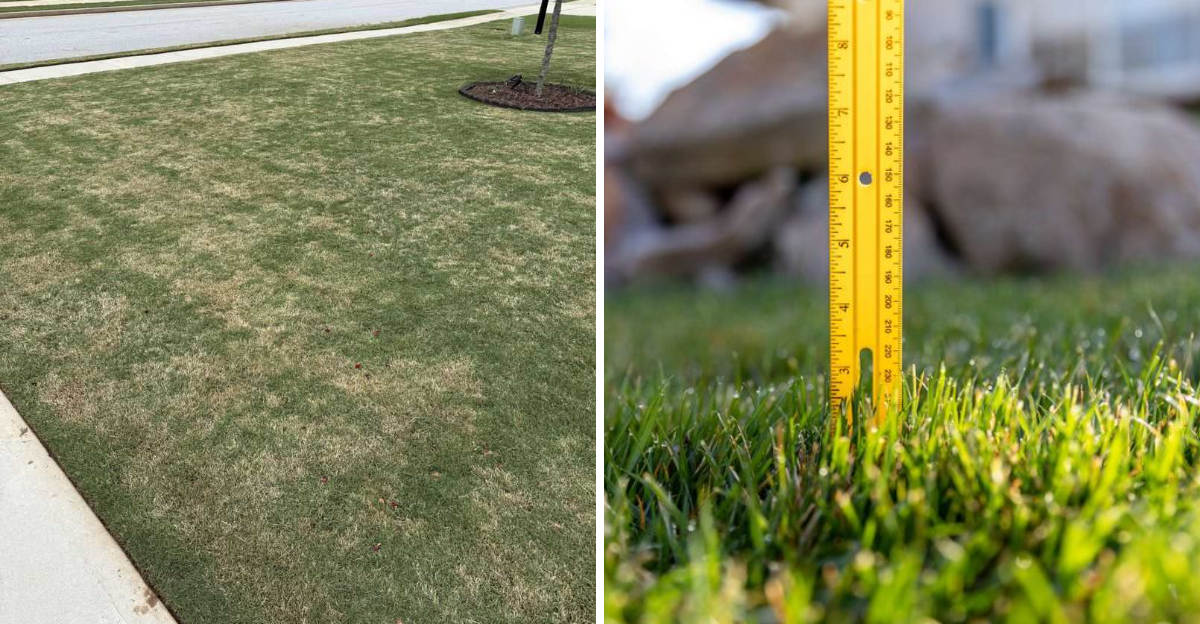
That first spring mow in Ohio can feel like the official start of lawn season, but cut too low and you can set your yard back fast. After months of cold, wet weather, grass comes out of winter stressed, tender, and not ready for a harsh trim.
It may look a little shaggy, but taking it down too far too soon can weaken roots, expose soil, invite weeds, and leave the whole lawn looking rough just when you want it waking up strong.
A lot of homeowners make that first pass with summer habits, then spend weeks wondering why the grass turns patchy, thin, or slow to recover.
The tricky part is that early mowing is not just about height. Timing, moisture, and lawn condition all matter more than most people think.
This is where one small mistake can create a chain reaction, and where the right first cut can set the tone for the whole season.
1. Cutting Too Low Is Where Spring Lawn Trouble Begins
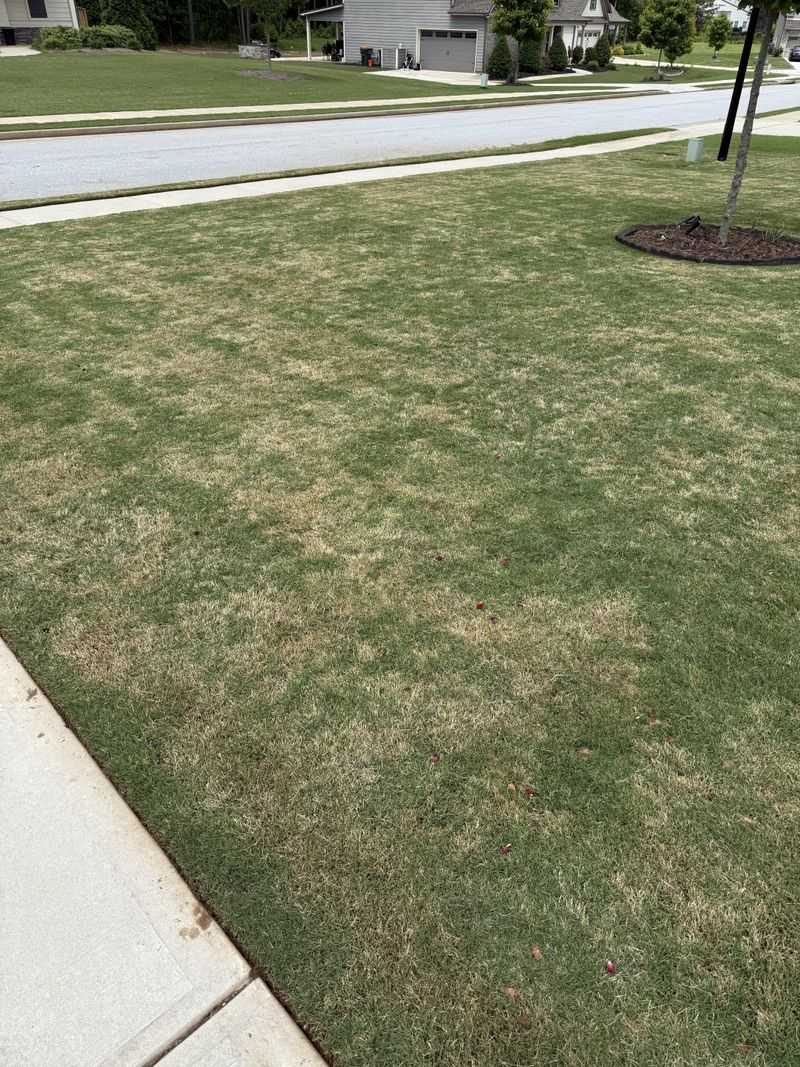
Grab a ruler and hold it over your Ohio lawn after that first spring mow. If the grass is sitting below two inches, you have already pushed your turf into stress territory before the season even gets going.
Most Ohio homeowners grow cool-season grasses like Kentucky bluegrass, tall fescue, or perennial ryegrass. Ohio State University Extension recommends keeping these grasses between 2.5 and 4 inches during the growing season.
Dropping below that range on the very first mow strips away the leaf blade that the plant depends on to produce energy through photosynthesis.
Without enough leaf surface, the grass cannot fuel its own recovery from winter dormancy. The root system, which is already shallow and fragile coming out of cold weather, gets almost no support.
The plant has to pull from its stored energy reserves just to survive, which leaves it weakened and slow to fill in.
Scalping, which is the term for cutting grass extremely short, causes the lawn to turn yellow or brown almost immediately. Bare soil becomes exposed, the surface dries out faster, and the turf loses its natural ability to crowd out competing plants.
Keeping the blade set higher on that very first pass is the simplest way to avoid a rough start to the Ohio mowing season.
2. The First Mow Sets The Tone For Everything That Follows
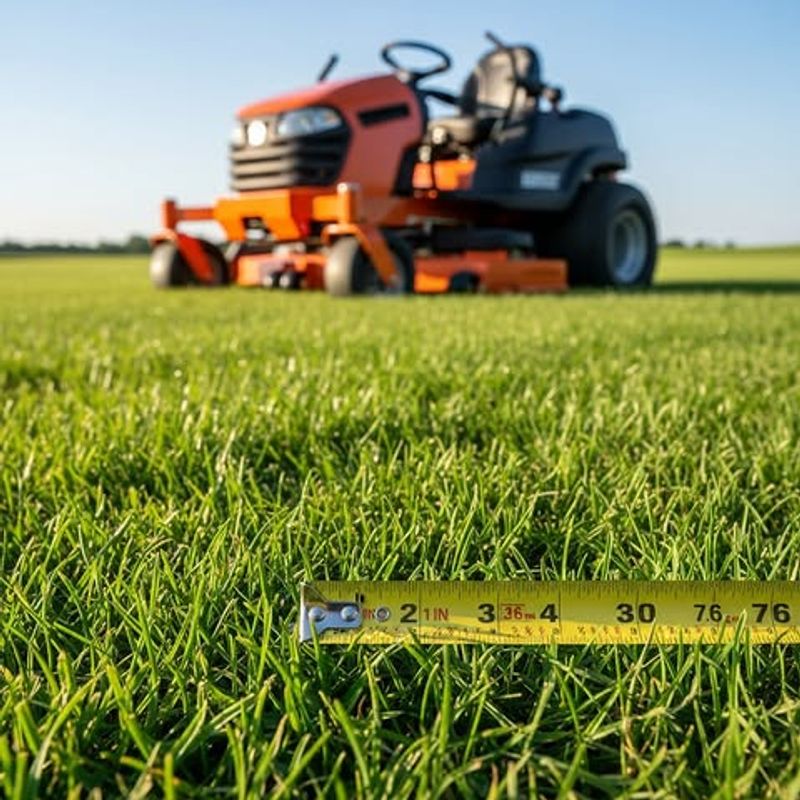
Most people think of the first mow as just a chore to check off the list. In reality, it is more like setting a schedule that your lawn will follow for the rest of spring.
When you mow at a healthy height early in the season, you encourage the grass to spread outward and thicken up. That density builds a stronger lawn going forward.
Mowing too low that first time, though, sends a different kind of signal. The plant shifts its energy toward survival rather than growth, and that pattern can be hard to break once it starts.
Ohio lawns tend to push their most vigorous growth during April and May, when temperatures are cool and moisture is plentiful. How you respond to that growth flush matters a great deal.
A properly timed and properly set first mow trains the lawn to grow in a balanced, healthy way. Skipping height adjustments or rushing the first cut when the grass is still waking up can create uneven growth, thin patches, and a lawn that always seems to be playing catch-up.
Think of the first mow as the foundation of your whole spring lawn care plan. Getting the height right from the start makes every mow after it easier, more consistent, and better for the long-term health of your turf throughout the Ohio growing season.
3. Scalping A Wet Ohio Lawn Can Do More Harm Than Good
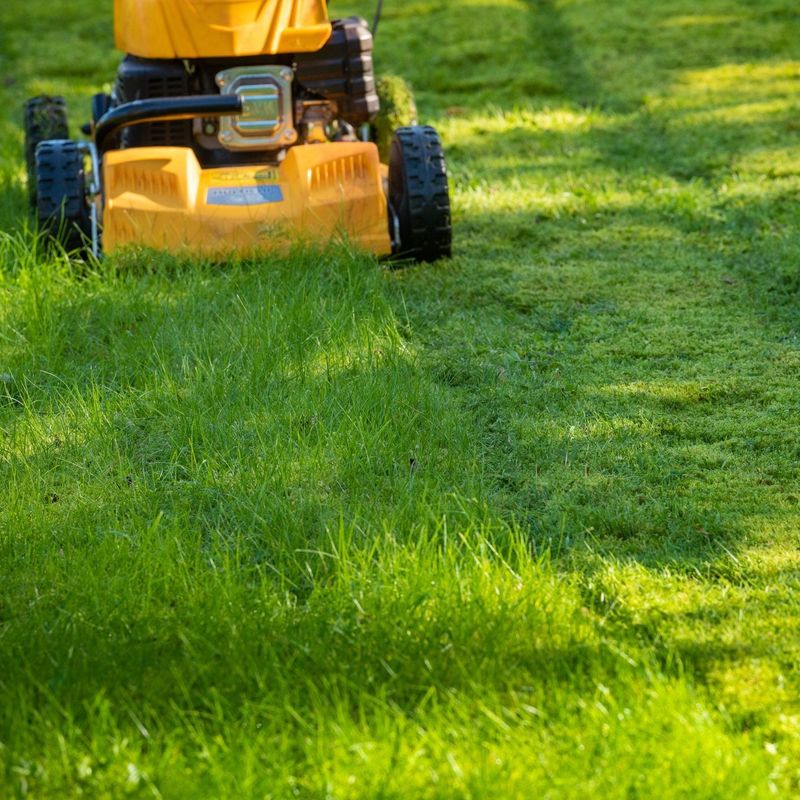
Ohio springs are notoriously soggy. Between snowmelt, April showers, and clay-heavy soils that hold moisture like a sponge, the ground often stays saturated well into May.
Mowing when conditions are this wet is a recipe for a messy, damaged lawn.
Wet grass blades bend rather than stand upright, which means the mower cuts unevenly. Some blades get trimmed while others get pushed flat and missed entirely.
The result is a patchy, ragged cut that looks worse than the overgrown lawn you started with. Wet clippings also clump together and mat down on the surface, blocking sunlight and air from reaching the soil below.
The real trouble, though, happens underground. When soil is saturated and you run a heavy mower across it, the wheels compress the soil and create ruts.
Compacted soil makes it harder for roots to push through, limits drainage, and reduces the oxygen that grass roots need to function. Those ruts can stick around for months if not addressed.
A simple test is to walk across the lawn and check whether your footprints stay pressed into the ground. If they do, the soil is still too soft to mow safely.
Waiting even two or three extra days after heavy rain before mowing an Ohio lawn can prevent damage that takes far longer than that to repair.
4. Cool Season Grass Needs A Gentle Start Not A Close Cut

Kentucky bluegrass, tall fescue, and perennial ryegrass are the workhorses of Ohio lawns. These cool-season grasses share one important trait coming out of winter: they are fragile before they fully wake up, and they respond much better to a light, high cut than an aggressive one.
According to Ohio State University Extension, Kentucky bluegrass and perennial ryegrass perform best when kept between 2 and 4 inches, while tall fescue should be maintained between 2.5 and 4 inches. Starting at the higher end of those ranges in spring gives each plant enough leaf surface to generate the energy it needs for strong early-season growth.
Cool-season grasses also have a natural growth cycle that peaks in spring. Cutting them too short disrupts that cycle by forcing the plant to redirect energy away from root development and toward regrowing lost leaf tissue.
The root system suffers most during this period because it is still recovering from the stress of winter and has not yet had the chance to push deep into warming soil.
A gentler approach to that first cut respects the biology of these grasses. Setting the mower deck at 3 to 3.5 inches for the first pass gives Ohio cool-season lawns the breathing room they need to establish a strong foundation before the demands of summer heat start building up later in the season.
5. A Too Short Mow Opens The Door To Stress And Weeds
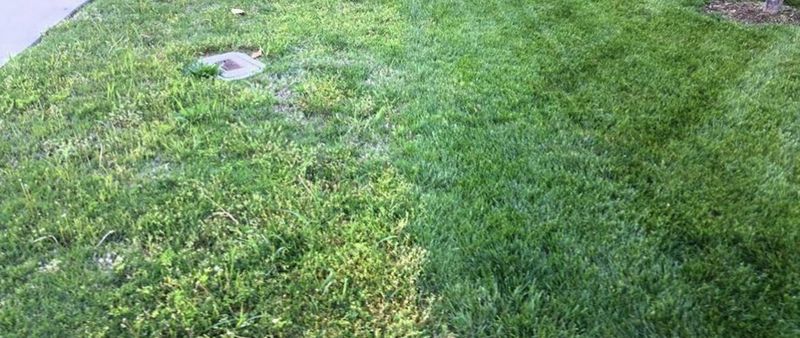
Weeds are opportunists. They do not need an invitation, but a freshly scalped Ohio lawn in spring is about as close to a welcome mat as you can give them.
When grass is cut too short, the leaf canopy thins out and bare soil becomes exposed to direct sunlight. Many common Ohio weeds, including dandelions, crabgrass, and chickweed, are triggered to germinate by exactly that kind of light and warmth reaching the soil surface.
A thick, taller lawn shades the ground and makes it much harder for weed seeds to get the conditions they need to sprout.
Beyond weed pressure, short-cut grass is physically weakened in ways that compound over time. The reduced leaf area means less photosynthesis, which means less energy for root growth, tillering, and lateral spread.
Thin turf cannot compete effectively with aggressive weeds, and once weeds establish a foothold in spring, they can be extremely difficult to manage without chemical intervention.
Ohio State University Extension consistently points to mowing height as one of the most effective and underused tools for natural weed suppression. Keeping grass at the recommended height is not just about looks.
It is about maintaining a dense, competitive turf that leaves little room for unwanted plants to move in. A higher first mow in spring is one of the simplest forms of weed prevention available to Ohio homeowners.
6. Spring Growth May Look Wild But That Does Not Mean Shave It Down
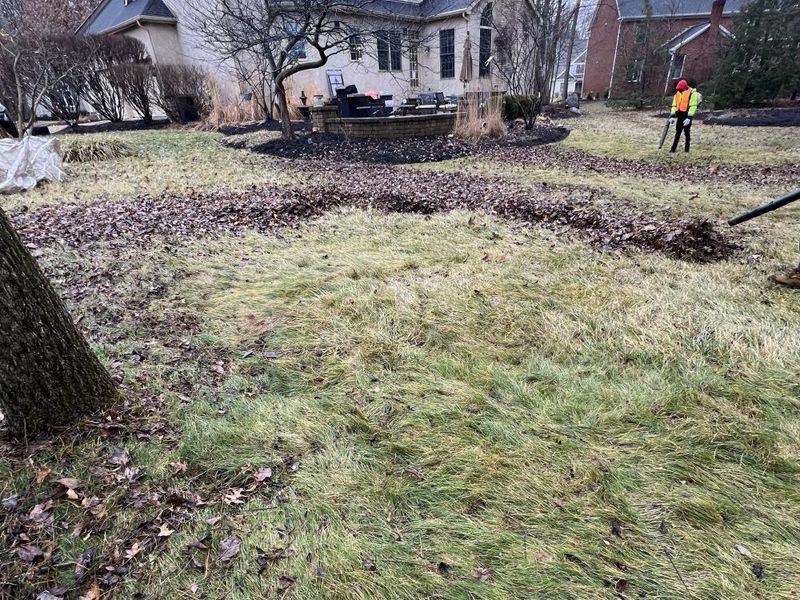
After a long Ohio winter, spring growth can seem almost out of control. Grass that looked dormant two weeks ago is suddenly ankle-high, and the urge to cut it all down at once is completely understandable.
Resist it.
Dropping the mower deck to its lowest setting to deal with a suddenly tall lawn is one of the most common mistakes Ohio homeowners make in spring. Cutting off more than one-third of the grass blade at one time puts significant stress on the plant.
This one-third rule is a well-established principle in turfgrass management, and it applies especially hard in spring when the grass is still building its strength.
If the lawn has gotten away from you and grown to six inches or more, the right approach is to mow it in stages. Bring it down to four inches first, then wait a few days and take it down to three.
Gradual mowing lets the plant adjust without going into shock, and it keeps the root system stable during a period when it is actively trying to grow deeper.
Tall spring grass can also hide uneven terrain, sticks, and debris left over from winter. Mowing gradually gives you a chance to spot and remove those hazards before they damage your mower blades or create scalped patches in low spots across the yard.
Patience here pays off in a noticeably healthier lawn within just a few weeks.
7. The Right First Cut Helps Roots Stay Stronger Longer
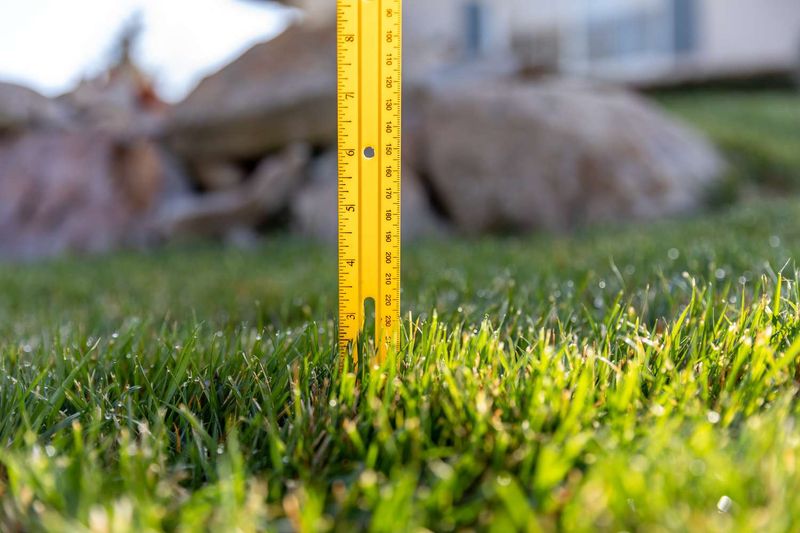
There is a direct relationship between how much leaf blade a grass plant has and how deep its roots can grow. More leaf means more photosynthesis, and more photosynthesis means more energy available for root development.
That connection becomes especially important during the first few weeks of spring mowing in Ohio.
When you mow too short early in the season, you remove the very tissue the plant uses to make food. The grass responds by shifting all available energy toward regrowing the lost leaf blade as quickly as possible.
Root development slows or stops entirely during that recovery period, leaving the lawn with a shallow root system that struggles to access moisture and nutrients deeper in the soil.
Shallow roots make a lawn far more vulnerable to summer heat and dry spells, which Ohio lawns face reliably every year between June and August. Grass with deep, well-established roots can pull water from lower in the soil profile and stay greener longer without extra irrigation.
Research from turfgrass programs at universities including Ohio State consistently shows that higher mowing heights support deeper root growth. Keeping the grass at 3 to 3.5 inches during that first spring mow, and maintaining that height through early season, gives roots the time and energy they need to push down before the heat arrives.
Strong roots built in spring are what carry a lawn through the toughest stretch of the Ohio summer.
8. A Higher Mow Now Can Mean A Better Lawn By Summer
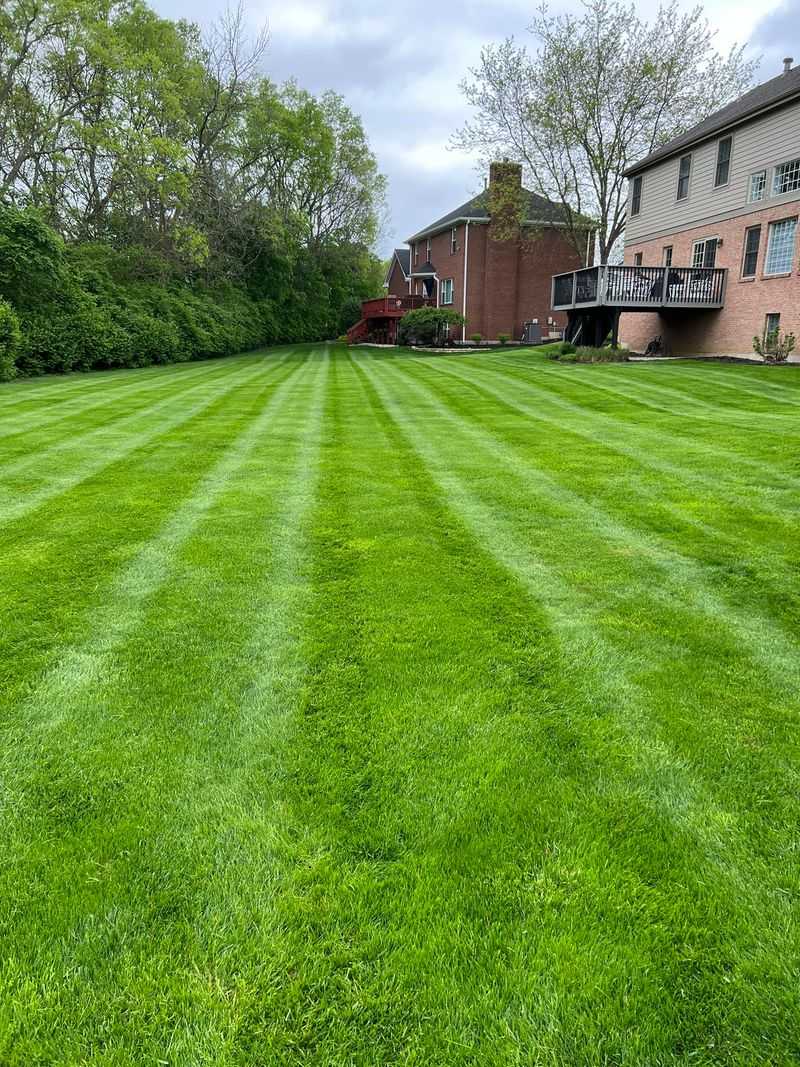
Every decision you make with your lawn in April and May shows up in how it looks in July and August. The payoff for getting the first mow right is not always instant, but it is real and it lasts.
Lawns that are mowed at the right height from the start of spring tend to develop better density, meaning more grass plants per square foot and fewer gaps where weeds or bare soil can show through. That density also creates a natural insulating layer at the soil surface that helps retain moisture and keep soil temperatures more stable as Ohio summers heat up.
Color is another benefit. Taller grass blades contain more chlorophyll, which is what gives a lawn its deep, rich green color.
Lawns that were scalped early in spring often develop a washed-out, yellowish tone that takes weeks to recover from, and that pale look can persist well into the warmer months.
Stress tolerance also improves when a lawn starts the season with a full, healthy canopy. Grass that has been allowed to build strong roots and thick leaf coverage in spring simply holds up better under the pressure of heat, foot traffic, and reduced rainfall that Ohio summers routinely bring.
A slightly higher mow in spring is one of the lowest-effort, highest-reward things you can do for your Ohio lawn all year long.