How Soil Temperature In April Affects Seed Germination In Georgia Gardens
It can feel confusing when warm spring air says it is time to plant, but the soil tells a different story. Across Georgia, April brings sunshine and longer days, yet the ground often warms more slowly than expected.
That gap can lead to uneven sprouting or seeds sitting still longer than planned. Many gardeners run into this without realizing what is happening below the surface.
Soil temperature plays a big role in how quickly seeds wake up and start growing.
Understanding how Georgia soils warm through April, and how different crops respond, can help you plant with better timing and see more consistent results in your garden.
1. Soil Temperature Plays A Key Role In Seed Germination
Every gardener who has ever waited anxiously for seeds to sprout knows that something beneath the surface has to click before growth begins.
That something is soil temperature, and it matters far more than most beginners realize when starting a Georgia garden in April.
Seeds contain everything they need to grow, but they rely on warmth from the surrounding soil to trigger the enzymes and biological processes that kick off germination.
When soil temperatures fall below a seed’s minimum threshold, those internal processes slow down or stall completely.
Planting at the wrong time can mean weeks of waiting with little to show for it.
Different crops have very different soil temperature requirements.
Cool-season vegetables like lettuce and spinach can begin germinating in soils as cool as 40°F to 45°F, while warm-season crops like tomatoes and peppers need soil temperatures closer to 60°F or above.
April in Georgia can fall anywhere in that range depending on the week, the location, and recent weather patterns.
Soil temperature also affects how evenly seeds germinate across a bed. Uneven warmth leads to uneven sprouting, which can make plant management more challenging.
Checking soil temperature before planting takes only a minute but can save Georgia gardeners a great deal of frustration throughout the growing season.
2. Soil Temperatures Gradually Warm Across Georgia In April
April feels like full spring in many parts of Georgia, but the soil beneath your feet tells a more cautious story.
Air temperatures in Georgia can climb into the 70s during April afternoons, yet the soil at a depth of two to four inches often lags several degrees behind.
This gap between air and soil temperature is especially noticeable in North Georgia, where cooler elevations and later frost dates mean soils warm more slowly than in central or southern parts of the state.
Gardeners in Atlanta or the foothills may find soil temperatures still hovering in the mid-50s during early April, while gardeners in Valdosta or Savannah may already be seeing readings in the low 60s.
Field reports show that Georgia soil temperatures in early April can sit around 48°F to 52°F, which works for cool-season crops but is still too chilly for warm-season vegetables.
As April progresses and daylight hours lengthen, soils typically warm steadily toward the 60°F range that many warm-season seeds require.
Paying attention to these regional differences helps Georgia gardeners set realistic expectations. A planting calendar designed for South Georgia may not apply well to someone gardening in the North Georgia mountains.
Knowing your local soil temperature trends gives you a meaningful advantage when planning what to plant and when.
3. Cool-Season Seeds Germinate Well In Lower Soil Temperatures
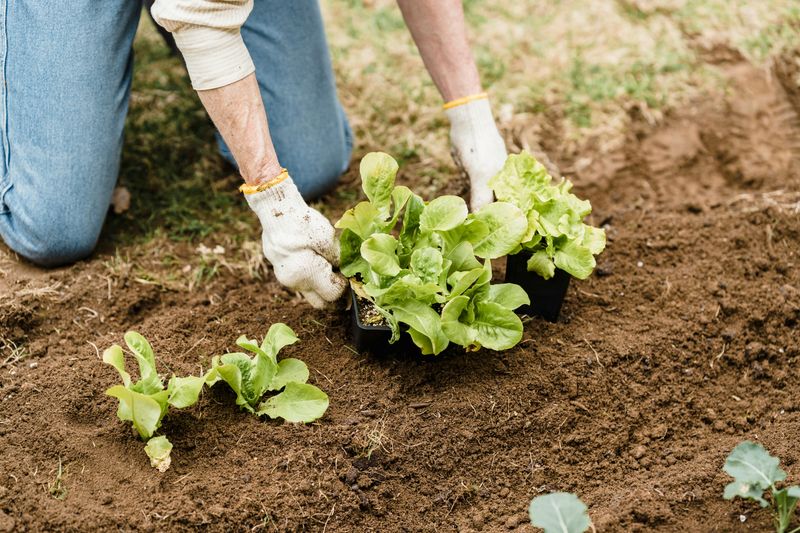
Some of the most satisfying early harvests in a Georgia garden come from cool-season crops that thrive when the soil is still on the cooler side.
Vegetables like lettuce, spinach, kale, beets, carrots, and peas are well suited to the soil conditions that Georgia April typically offers, especially in the earlier weeks of the month.
These crops generally germinate at soil temperatures between 40°F and 65°F, making them a practical choice for Georgia gardeners who are eager to get planting before warm-season crops are ready to go in the ground.
Spinach, for example, can begin sprouting in soil as cool as 45°F, and peas tend to do well when soils reach around 45°F to 55°F.
One practical advantage of cool-season crops is that they can be direct-seeded outdoors in April without much fuss, as long as soil temperatures are within their preferred range.
Germination may take a few extra days in cooler soils, but the seeds are well adapted to handle those conditions without harm.
Georgia gardeners in the northern parts of the state may find that April is actually an ideal window for cool-season crops, since soils there stay cooler longer.
Planting a quick crop of lettuce or spinach in early April can fill the garden with fresh greens well before summer heat arrives and warm-season planting gets underway.
4. Warm-Season Seeds Require Warmer Soil To Sprout Successfully
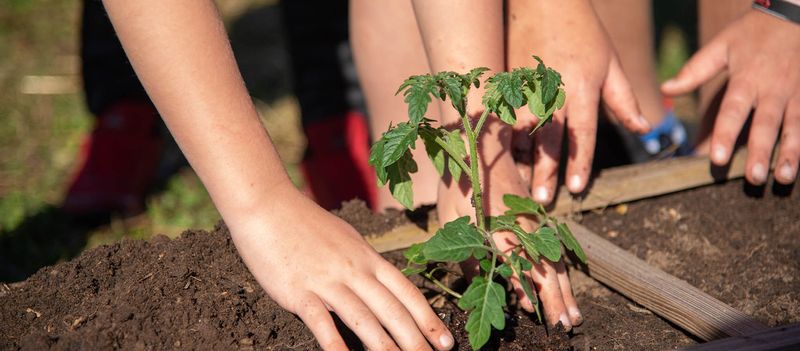
Warm-season crops are some of the most popular plants in Georgia gardens, but they come with a clear requirement: the soil needs to be warm enough before they will sprout reliably.
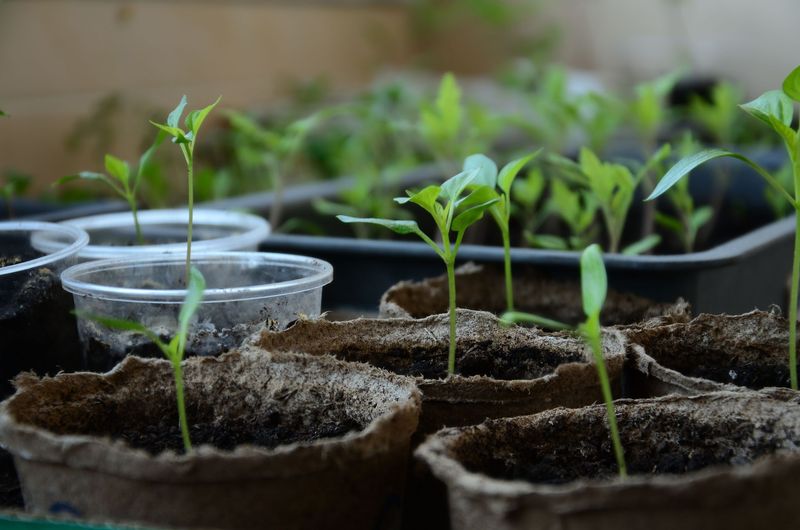
Tomatoes, peppers, cucumbers, beans, squash, and corn all fall into this category, and rushing them into cold soil rarely works out well.
Most warm-season seeds germinate best when soil temperatures are consistently between 60°F and 85°F. Tomatoes, for instance, tend to germinate most reliably when soil sits between 60°F and 70°F.
Corn can sprout in soils as cool as 50°F, but germination rates improve significantly once soil temperatures climb closer to 60°F or above.
In Georgia, the second half of April often brings soil temperatures that start reaching the lower end of that warm-season range, particularly in central and southern parts of the state.
However, planting warm-season seeds during a brief warm spell can be risky if a cool stretch follows shortly after.
Seeds sitting in soil that has cooled back down may sprout slowly or unevenly.
A helpful approach is to track soil temperatures over several consecutive days rather than checking just once.
When readings consistently hold at or above 60°F, warm-season seeds have a much better chance of sprouting evenly and developing into healthy seedlings.
Patience in April often leads to a more productive warm-season garden throughout the Georgia summer.
5. Checking Soil Temperature Helps Improve Planting Timing
Guessing when to plant based on the calendar alone is a common habit among gardeners, but the calendar does not always match what is happening in the soil.
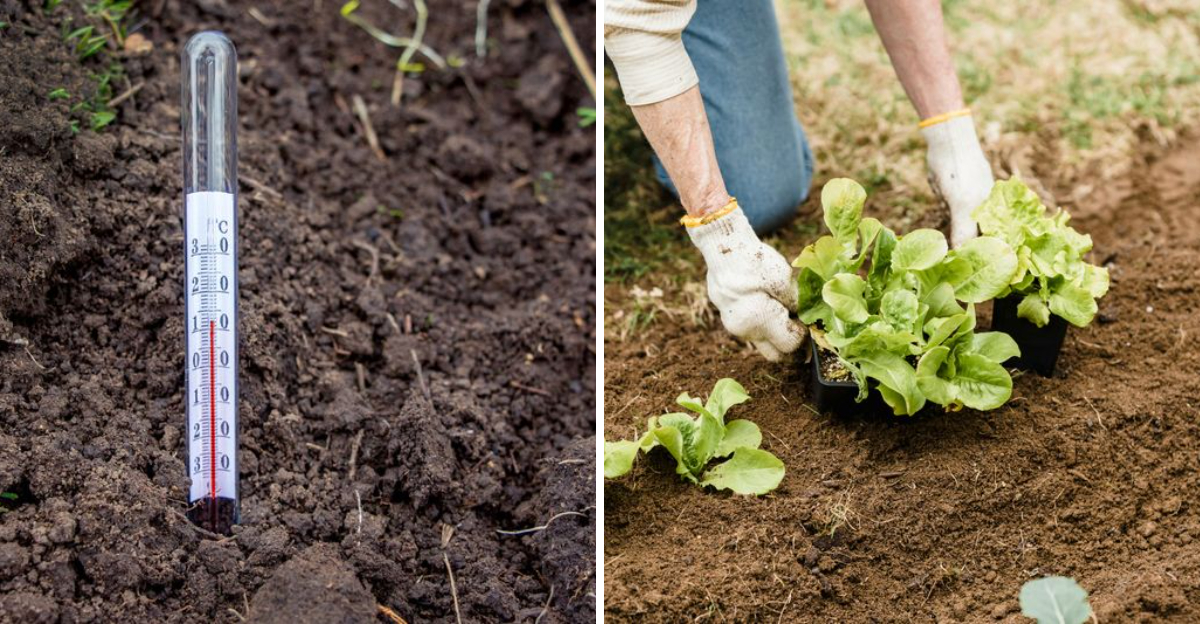
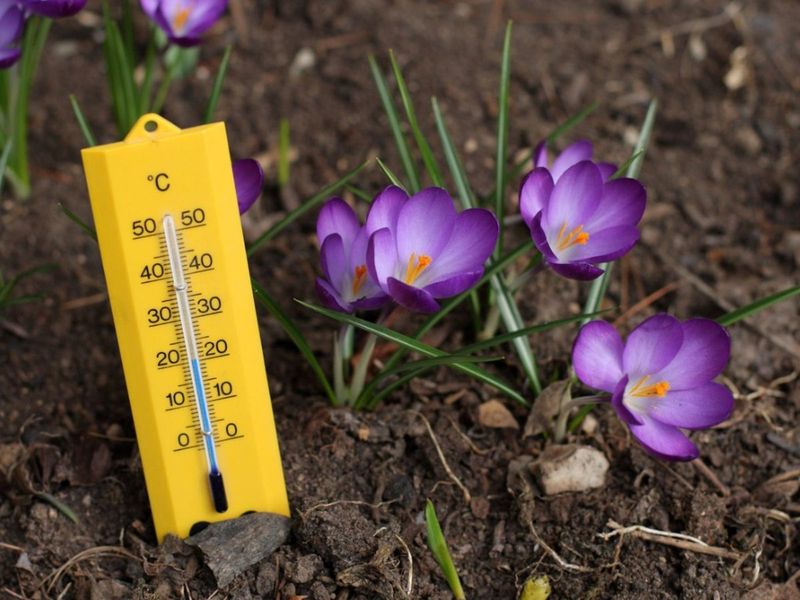
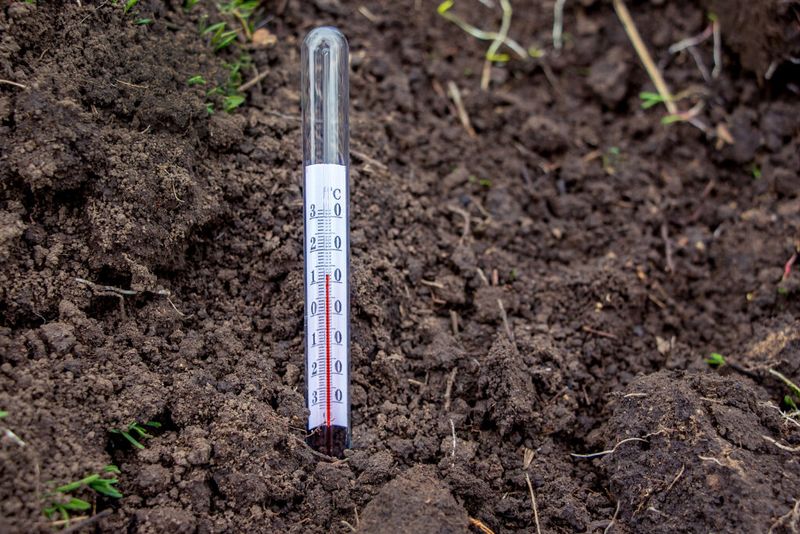
A simple soil thermometer is one of the most practical tools a Georgia gardener can own, and using one regularly in April can make a noticeable difference in germination success.
Soil thermometers are widely available at garden centers and online retailers, and most are straightforward to use.
Insert the probe two to four inches into the soil, which is roughly the depth where most vegetable seeds are planted, and take a reading in the morning when temperatures tend to be most consistent.
Checking at the same time each day over several days gives a more accurate picture of whether soil is warming steadily.
Monitoring soil temperatures is an important part of a thoughtful planting strategy, especially for warm-season crops that are sensitive to cold soil.
Checking temperatures across different areas of the garden can also reveal helpful patterns, since raised beds, south-facing slopes, and areas near pavement tend to warm faster than low-lying or shaded spots.
Keeping a simple log of daily soil temperature readings through April can help Georgia gardeners recognize when conditions are shifting and when their planting window is opening up.
Over time, those records become a useful seasonal reference that improves planning from one year to the next.
6. Soil Moisture Influences Temperature And Germination Speed
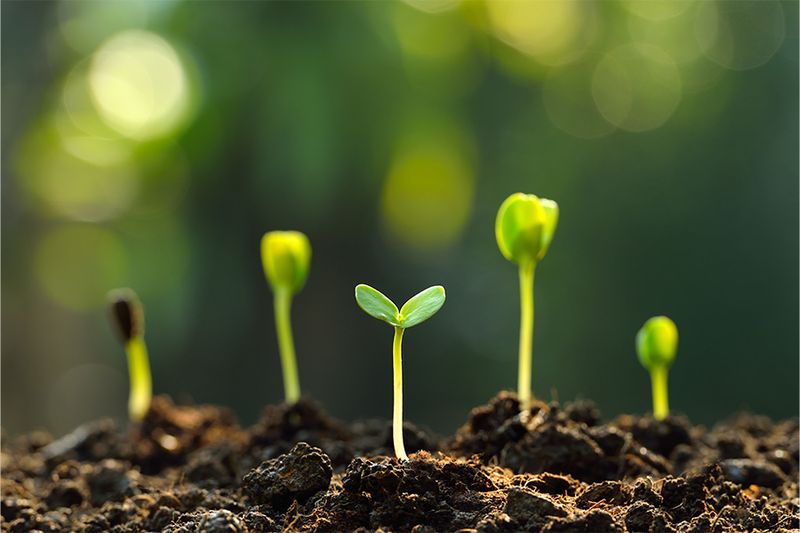
Water and warmth work together in the soil in ways that directly affect how quickly seeds sprout.
Soil moisture is not just about keeping seeds hydrated; it also plays a role in how soil absorbs and holds heat, which in turn affects germination speed and consistency in a Georgia spring garden.
Wet soil takes longer to warm than dry soil because water has a high heat capacity, meaning it absorbs a lot of energy before its temperature rises.
In early April, when Georgia soils are often still recovering from winter rains, overly saturated beds may stay cooler than expected even when air temperatures are climbing.
This is one reason why well-drained garden beds often produce earlier, more even germination than low-lying areas that hold water.
At the same time, seeds do need consistent moisture to germinate properly. Soil that dries out too quickly after planting can interrupt the germination process, even if temperatures are ideal.
The goal is a balance: soil that is moist enough to support seed hydration but not so waterlogged that it stays cold or lacks adequate oxygen for germinating seeds.
Mulching lightly around newly planted areas can help Georgia gardeners maintain that moisture balance while also moderating soil temperature swings between warm days and cool nights.
Even a thin layer of straw or shredded leaves can make a meaningful difference during the variable weather that April often brings across Georgia.
7. Cold Soil Slows Germination And Can Lead To Poor Results
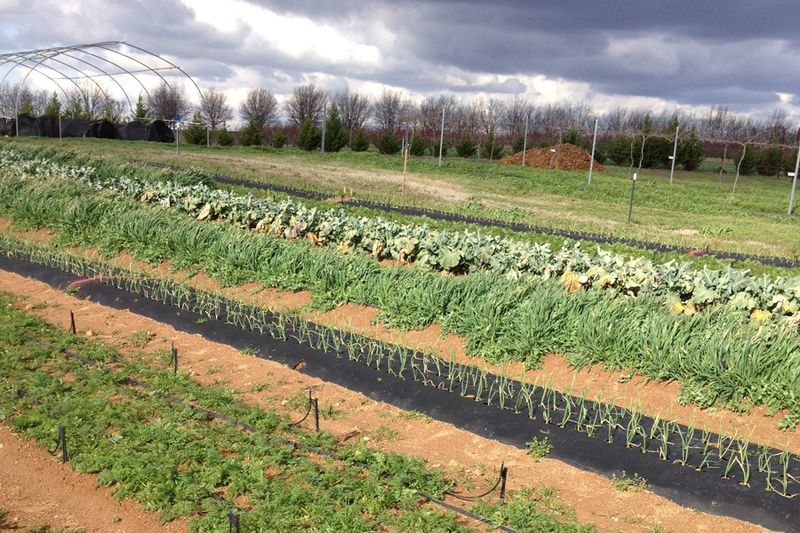
Few things are more discouraging than planting a full row of seeds and watching only a handful of them sprout over the following weeks.
Uneven or sluggish germination is a common sign that seeds were placed in soil that was not quite warm enough, a situation that Georgia gardeners can run into when they plant warm-season crops a bit too eagerly in early April.
When soil temperatures fall below a seed’s minimum germination threshold, the biochemical reactions inside the seed slow considerably.
Seeds may absorb water and begin the early stages of sprouting but then stall before breaking through the soil surface.
This extended time in cold, damp soil can also increase the chance of fungal issues that weaken seeds before they have a chance to establish.
Cold soil also affects the speed of root development in seedlings that do manage to emerge. Roots grown in cold soil tend to develop more slowly, which can leave young plants more vulnerable to stress from variable spring weather.
The result is often a garden that gets off to a slow, uneven start rather than the vigorous early growth most gardeners are hoping for.
Checking soil temperature before planting warm-season crops in Georgia helps reduce the risk of these outcomes.
Waiting even a week or two for soils to reach a more suitable temperature range can result in noticeably faster, more uniform germination and stronger early plant development across the garden.
8. Simple Methods Can Help Warm Soil Faster In Georgia Gardens
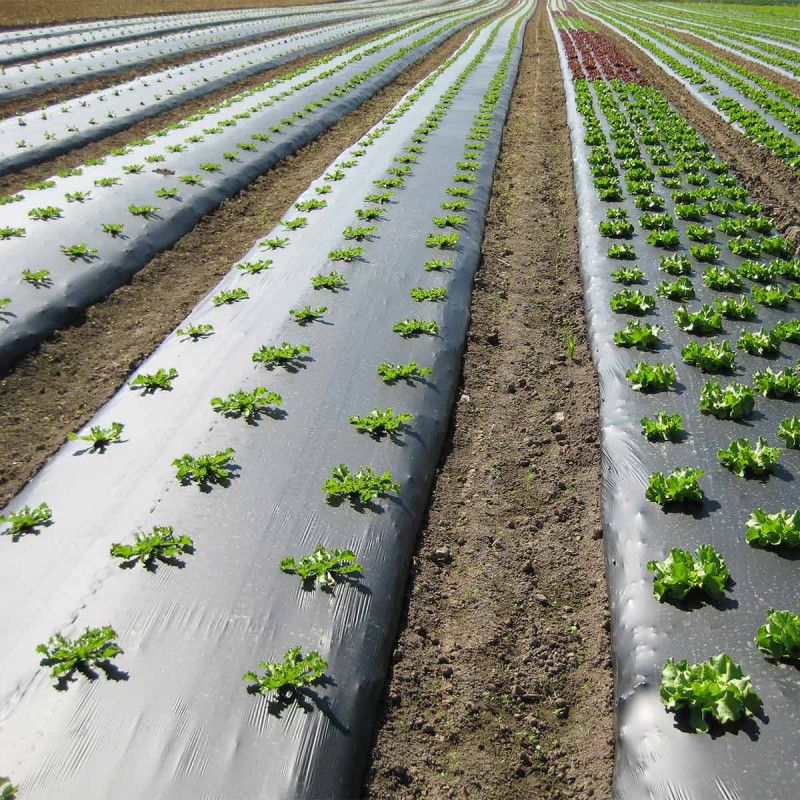
For Georgia gardeners who are eager to get warm-season crops in the ground a little earlier, there are several practical techniques that can help raise soil temperature without much expense or effort.
These strategies work especially well in North Georgia, where soils tend to warm more slowly than in the southern part of the state.
Black plastic mulch is one of the most effective tools for warming soil quickly. Laid over a prepared garden bed and secured at the edges, black plastic absorbs solar energy during the day and transfers that heat into the soil beneath.
Black plastic mulch can warm soil by several degrees over bare ground, making it easier to plant warm-season crops earlier.
Raised beds are another helpful option, as they drain more efficiently and warm up faster than in-ground beds. Positioning raised beds to face south or southwest can increase sun exposure and speed up warming even further.
Adding a layer of dark-colored compost to the soil surface can also help absorb heat on sunny April days.
Row covers and low tunnels offer an additional layer of warmth by trapping heat close to the soil surface overnight when temperatures drop.
Using these simple tools in combination gives Georgia gardeners more flexibility with their planting schedule and can lead to earlier, more reliable germination from warm-season seeds.