How Spring Weather Changes Crape Myrtle Growth In North Carolina

Spring weather in North Carolina can feel unpredictable, and crape myrtles respond to every shift along the way. As temperatures rise, these trees begin to wake up, but their growth does not always follow a smooth or steady pattern.
Warm days may push them forward, while sudden cool spells can slow things down just as quickly. This back and forth can affect when leaves appear, how quickly branches fill out, and even how strong the plant becomes later in the season.
Rainfall, temperature swings, and soil warmth all play a role in shaping early growth. What might seem like uneven progress is often just a response to changing conditions.
In different parts of the state, this can look slightly different from one yard to another. Once you understand how spring weather influences crape myrtles, it becomes easier to know what is normal and how to support healthy growth moving forward.
1. Warm Early Springs Trigger Faster Leaf-Out
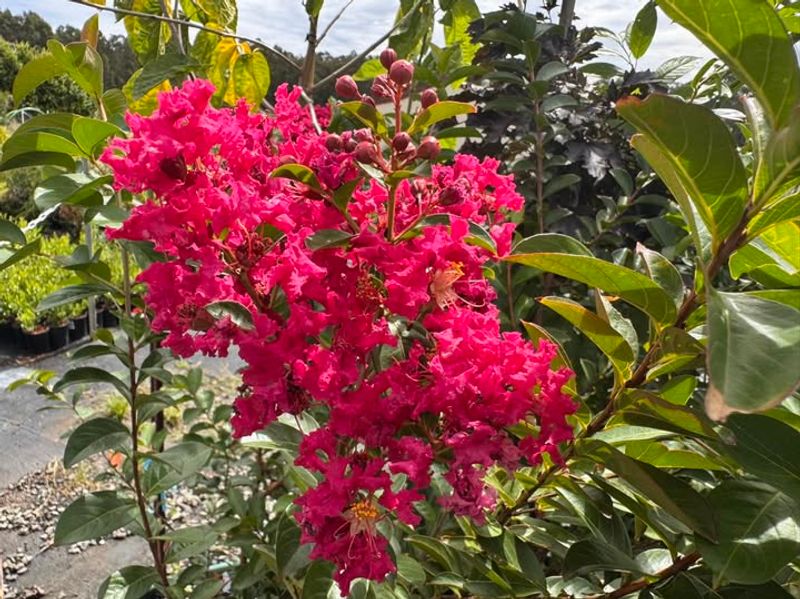
Something exciting happens in North Carolina when spring arrives early and temperatures climb faster than usual. Crape myrtles, known scientifically as Lagerstroemia indica, respond directly to warmth in both the air and the soil.
In the Coastal Plain region, where temperatures tend to rise sooner, trees can begin leafing out as early as late March, which is surprisingly early for most flowering trees.
Gardeners in these warmer zones often notice a flush of bright green foliage appearing while other parts of the state are still waiting. The whole growing season shifts forward when this early leaf-out occurs, which means blooms can arrive weeks ahead of schedule.
For homeowners who love the summer color crape myrtles bring, an early warm spring is genuinely exciting news.
In contrast, the North Carolina Piedmont tends to see leaf-out pushed back to mid or late April in cooler years. Soil temperature plays a big role here, and the difference between regions can be surprisingly dramatic.
Paying attention to your local spring patterns helps you predict when to expect that first flush of green and plan your garden tasks accordingly. Knowing your specific region in North Carolina gives you a real advantage when managing these beautiful trees.
2. Late Frost Can Delay Or Set Back New Growth
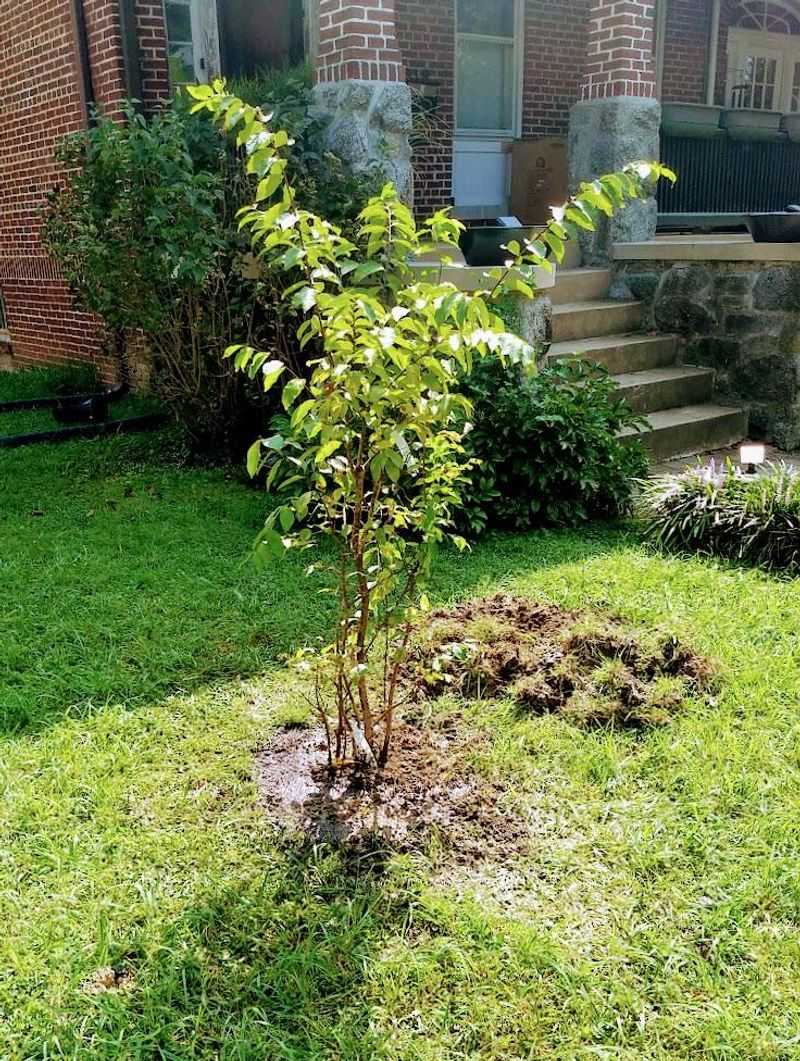
Crape myrtles have a clever habit of leafing out later than many other trees, which usually protects them from frost damage. However, an unusually warm stretch in early spring can trick these trees into pushing out tender new shoots ahead of schedule.
When that happens and a late frost rolls through North Carolina, those young shoots can suffer real damage that sets the whole tree back.
The good news is that crape myrtles are incredibly resilient. Because they bloom on new wood grown during the current season, a frost-damaged tree will simply push out fresh growth from lower buds and continue working toward flowering.
You might lose a few weeks on the timeline, but the blooms almost always arrive eventually, which is a reassuring fact for any North Carolina gardener.
Watching the forecast carefully in March and April is a smart habit, especially in the Piedmont and Mountain regions where late frosts are more common.
If a frost warning comes and your crape myrtle has already started pushing growth, covering small trees with a light fabric cloth overnight can reduce damage significantly.
Understanding this risk helps you stay calm when setbacks happen and trust that your tree knows how to bounce back beautifully. Spring in North Carolina keeps gardeners on their toes in the best possible way.
3. Cool Springs Slow Overall Growth Rate
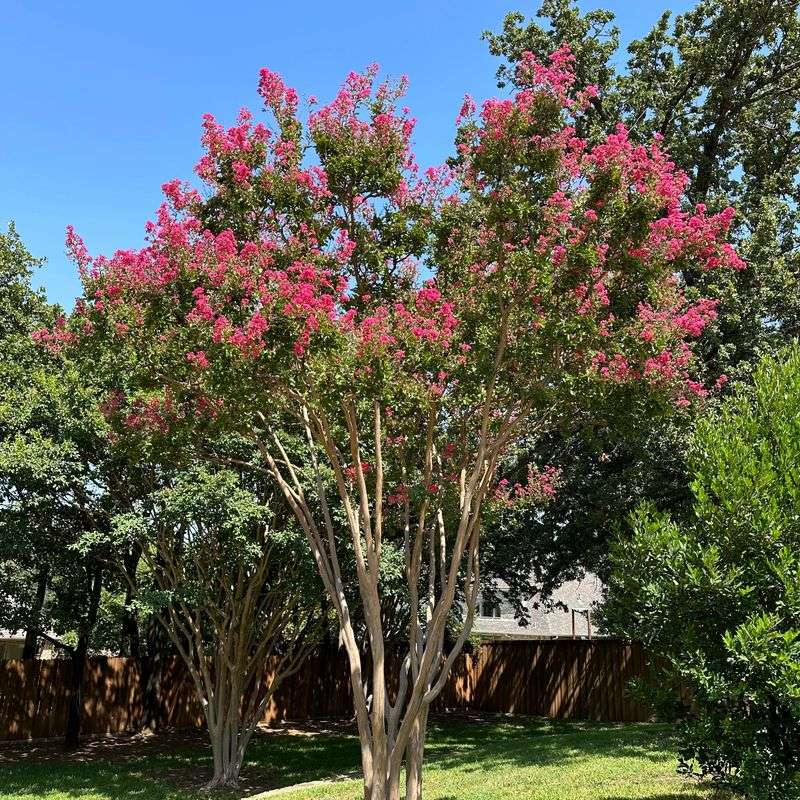
Few things confuse a gardener more than a crape myrtle that seems to be doing absolutely nothing while every other tree in the yard is leafing out.
Cool springs are the most common reason behind this apparent stubbornness, and it happens regularly across the Piedmont and especially the Mountain regions of North Carolina.
When temperatures stay consistently low, the tree simply stays dormant longer and waits for the right signal.
Many gardeners in these cooler areas start to worry that something is wrong with their tree, but patience is usually all that is needed. Crape myrtles are not in a rush, and they have an internal clock that responds to soil warmth more than calendar dates.
The soil in higher elevations and clay-heavy areas of North Carolina warms up much more slowly than sandy coastal soils, which directly delays the start of active growth.
Rather than panicking or over-pruning during this quiet period, the best approach is to simply wait and resist the urge to intervene. Scratching a small section of bark to check for green tissue underneath can confirm the tree is healthy and just waiting for warmer conditions.
Once soil temperatures rise consistently above 60 degrees Fahrenheit, growth typically begins quickly and catches up fast. North Carolina gardeners who understand this pattern save themselves a lot of unnecessary worry each spring season.
4. Rainfall Influences Early Shoot Development
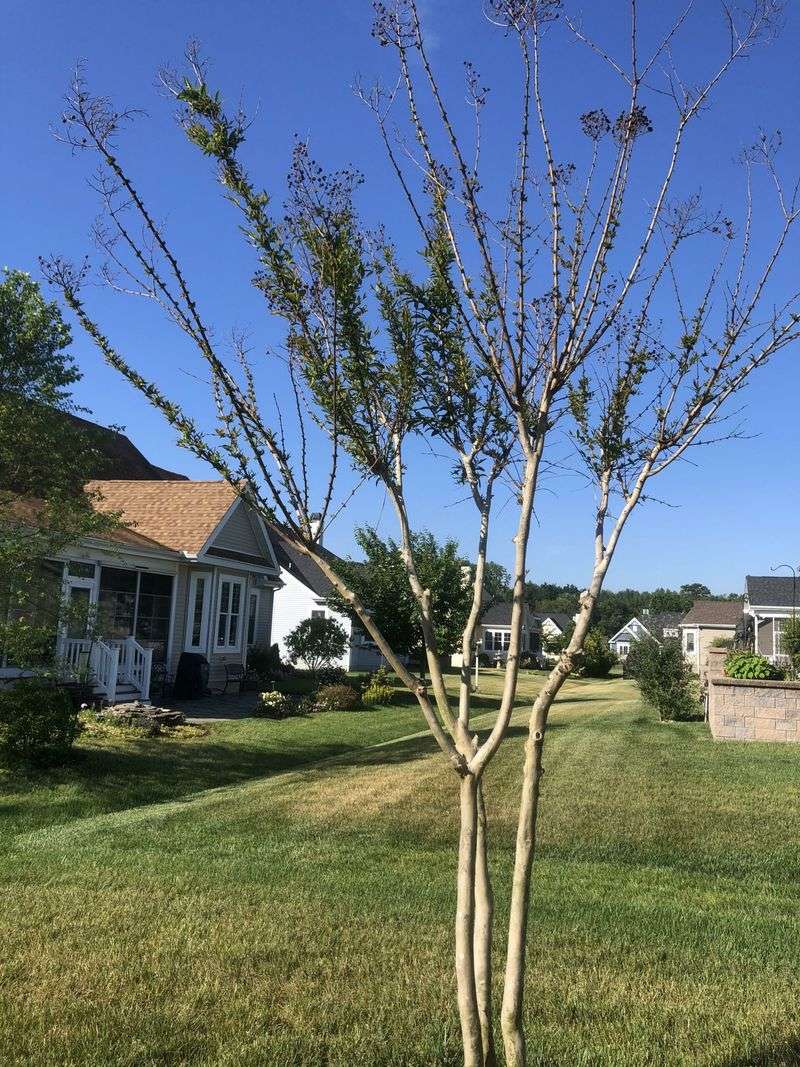
Rain might not be the first thing gardeners think about when it comes to crape myrtle growth, but consistent spring moisture plays a bigger role than most people realize.
During the critical leaf-out phase, when the tree is pushing out its first shoots and establishing new growth, available soil moisture directly affects how strong and vigorous those shoots become.
A well-watered crape myrtle in spring grows with noticeably more energy than one struggling in dry conditions.
Eastern North Carolina, with its sandy soils, offers an interesting case study in this effect. Sandy soil drains quickly, which means rainfall does not stay available to roots for long.
In springs with limited rain, crape myrtles in these areas may produce thinner, less dense initial growth compared to trees planted in moisture-retaining soil.
Gardeners in drier eastern counties often find that supplemental watering during spring makes a meaningful difference in overall shoot development.
For the best results, aim to keep the root zone consistently moist but never waterlogged during the active spring growth period. A layer of mulch around the base of the tree helps hold moisture in the soil between rainfall events and also keeps roots cool.
Paying attention to rainfall patterns in your specific part of North Carolina and adjusting your watering schedule accordingly gives your crape myrtle the strong start it needs for a spectacular summer bloom season.
5. Excess Moisture Can Increase Early Disease Pressure
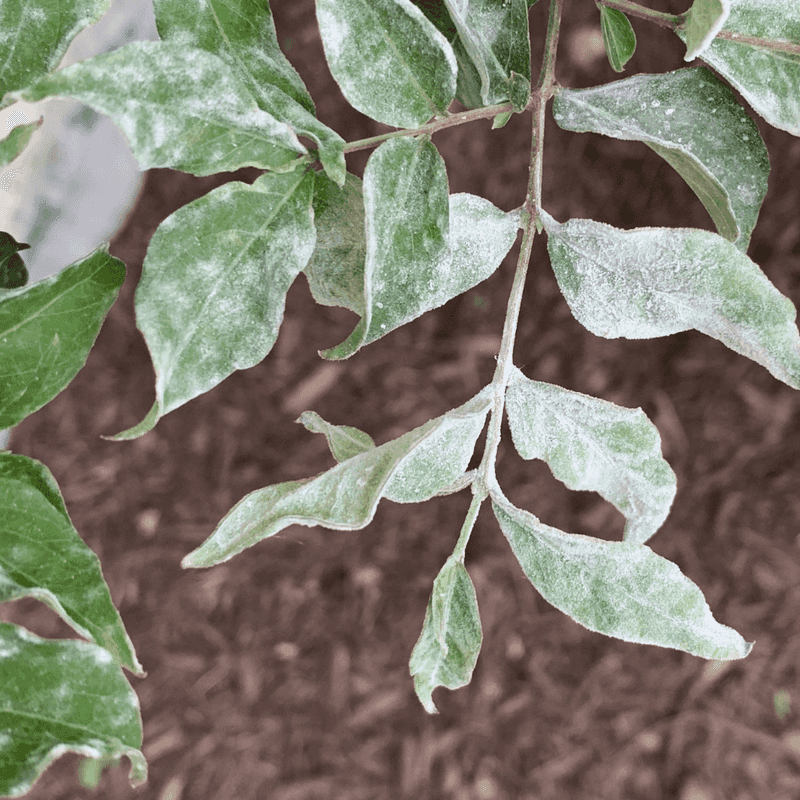
North Carolina springs can be wonderfully rainy, but all that moisture comes with a trade-off that crape myrtle growers need to watch for.
Warm, humid conditions combined with dense new growth and limited air circulation create a perfect environment for fungal diseases, most notably powdery mildew.
This common issue shows up as a white, dusty coating on leaves and new shoots, and it spreads quickly when conditions stay wet and still.
Powdery mildew rarely causes permanent harm to an established crape myrtle, but it does weaken the plant and reduces the visual appeal of the foliage during what should be its most vibrant season.
Humid regions of North Carolina, particularly in areas with heavy tree canopy or limited wind movement, tend to see this issue most frequently in spring.
Cercospora leaf spot is another fungal concern that appears under similar conditions and causes dark spots on the foliage.
The most effective prevention strategy starts with smart planting decisions. Giving crape myrtles plenty of space between each other and other plants ensures good airflow around the canopy.
Choosing disease-resistant cultivars, which are widely available at North Carolina nurseries, is another excellent long-term solution. Avoiding overhead watering and keeping the area under the canopy clear of debris also reduces fungal pressure significantly.
A little planning at planting time saves a lot of treatment effort later in the season when you would rather be enjoying the blooms.
6. Spring Temperature Swings Affect Bloom Timing
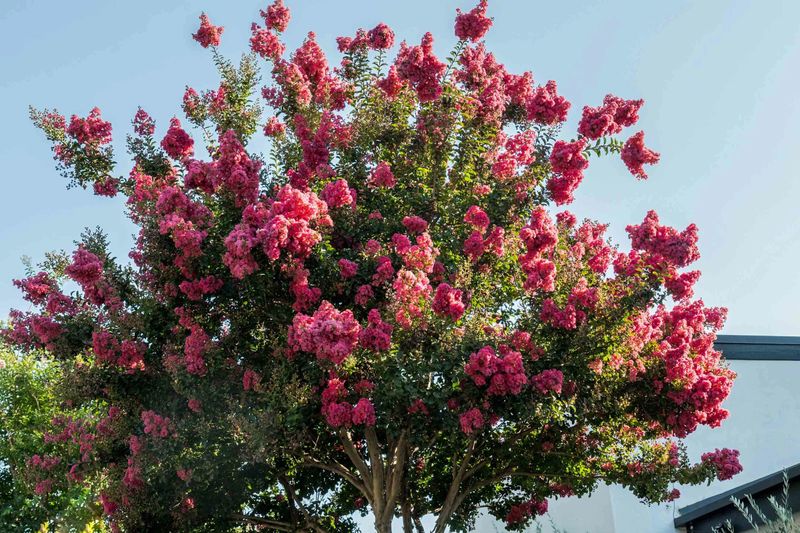
Anyone who has grown crape myrtles in North Carolina knows that the path from bare branches to full bloom is not always a straight line.
Spring temperature swings, where warm days are followed by unexpectedly cool stretches, can push the entire bloom timeline back by several weeks.
The tree needs a consistent run of warmth to move from active vegetative growth into its flowering stage, and unpredictable temperatures disrupt that process.
When temperatures fluctuate dramatically through April and May, crape myrtles put their energy into recovery and adjustment rather than building toward bloom. The tree is essentially waiting for stable conditions before committing to the flowering process.
In years when North Carolina experiences a smooth, steady climb in spring temperatures, crape myrtles often reward gardeners with earlier and more abundant blooms that arrive right at the start of summer.
Tracking the weather patterns in your area and comparing them to previous years can actually help you predict your crape myrtle bloom window with surprising accuracy.
Gardeners who keep simple notes about spring temperatures and first bloom dates over a few seasons build a useful personal record.
In North Carolina, stable warmth arriving by late May almost always means crape myrtles will be in full color by late June or early July. That reliable summer show is worth understanding and planning for every single year.
7. Soil Temperature Controls Root Activity
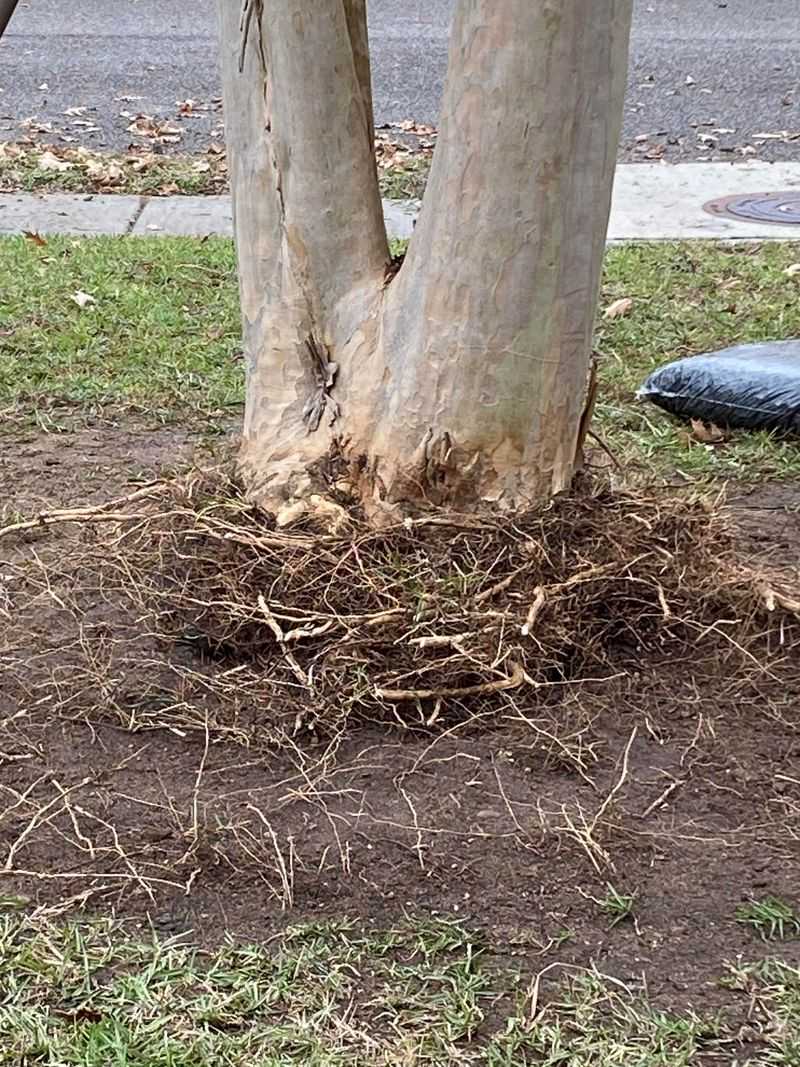
Here is something most gardeners never think about but absolutely should: the roots of a crape myrtle need to wake up before the rest of the tree can do anything at all.
Root systems remain essentially inactive during winter and early spring, and they only begin absorbing water and nutrients once soil temperature reaches a sufficient level.
Until that threshold is crossed, even warm air temperatures will not trigger meaningful above-ground growth.
Soil type has a huge influence on how quickly this warming happens, and North Carolina has tremendous variety in this regard.
The clay-heavy soils found across much of the Piedmont hold moisture well but warm up slowly in spring, which means crape myrtles in those areas often get a later start than their counterparts growing in the sandy soils along the Coastal Plain.
Sandy soil warms faster and drains freely, giving coastal trees an earlier root activation and a head start on the season.
Gardeners in the Piedmont and Mountain regions can help their crape myrtles along by pulling back mulch from the root zone in late winter to allow sunlight to warm the soil more quickly.
Reapplying mulch after growth begins helps retain that warmth and moisture through the rest of spring.
Understanding this soil temperature dynamic explains a lot about why two crape myrtles in different parts of North Carolina can look so dramatically different from each other at the same point in spring.
8. Spring Conditions Influence Shoot Strength And Flowering

Everything about a crape myrtle’s summer performance traces back to what happened during spring.
The quality of the new wood produced in spring directly determines how large and vibrant the flower clusters will be, because crape myrtles bloom exclusively on current season growth.
A spring filled with steady warmth, adequate moisture, and good sunlight produces long, strong shoots that carry impressive blooms from late June through August.
North Carolina’s long growing season is actually one of the biggest advantages crape myrtle growers have in this region.
Even when spring delivers setbacks like late frosts, temperature swings, or disease pressure, the extended warm season gives trees plenty of time to recover, push strong new growth, and still produce a full flowering display.
That built-in recovery window is one reason crape myrtles have become such a beloved landscape staple across the state.
To set your tree up for the strongest possible spring growth, focus on a few key habits. Apply a balanced, slow-release fertilizer in early spring just as growth begins, water consistently during dry stretches, and make sure your tree gets full sun for at least six hours each day.
Avoid heavy pruning cuts that reduce the number of flowering shoots available for the season. When you give a crape myrtle what it needs during spring in North Carolina, the summer reward is a breathtaking display of color that makes every bit of effort completely worthwhile.