How The Oregon Garden Became An 80-Acre Favorite Among Garden Visitors
The Oregon Garden became an 80-acre favorite because Oregon filled it with bright plant displays, peaceful walking spots, and views that garden visitors instantly connect with.
Every corner brings a little surprise, giving Oregon a way of showing just how much beauty can fit into one huge garden space.
If you want a place that feels lively without being overwhelming, Oregon’s standout garden has earned that spot on so many visitors’ must-see lists.
1. Diverse Specialty Gardens Create Unique Experiences
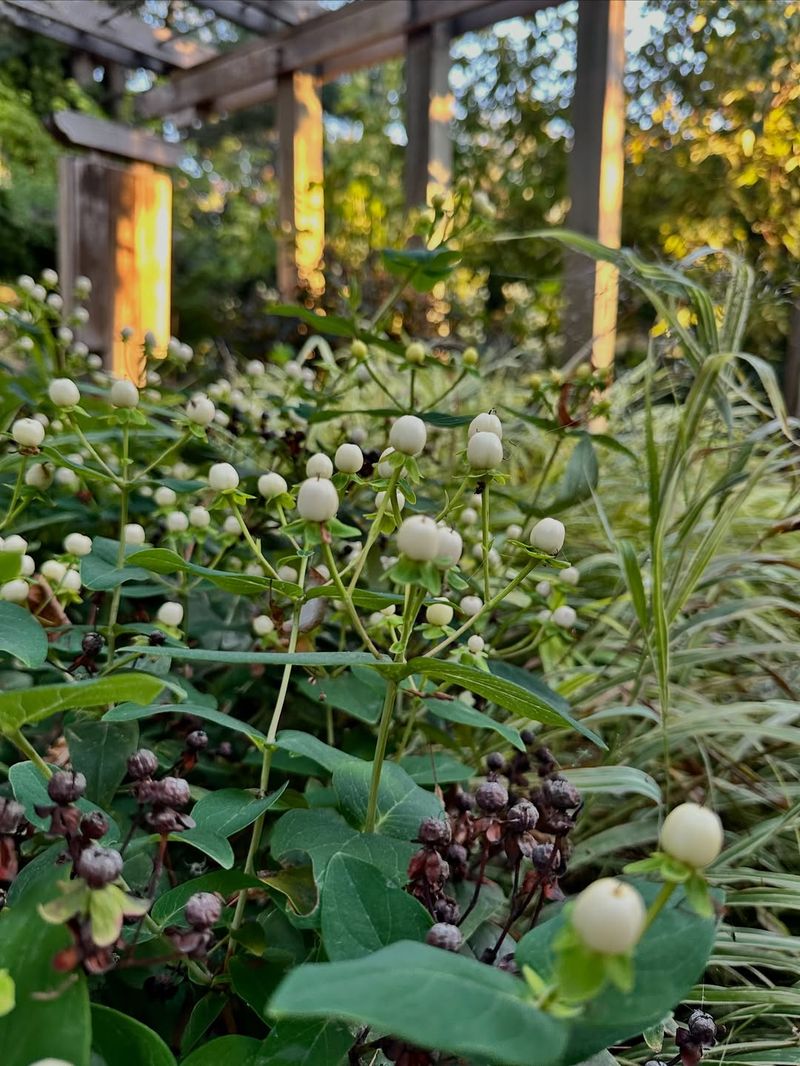
Walking through Oregon means discovering more than twenty specialty gardens that each tell their own story through plants and thoughtful landscape design choices.
Visitors encounter everything from a conifer garden to a wetland area, ensuring that every turn reveals something new and visually exciting to explore.
Families love how each garden section provides a different atmosphere, making the entire visit feel like several adventures wrapped into one memorable day.
Children especially enjoy spotting the changes between gardens, which keeps them engaged and curious about what might appear around the next corner ahead.
Garden enthusiasts appreciate the educational value since each specialty area showcases plants that thrive under specific conditions and design philosophies from around the world.
Photography lovers find endless opportunities to capture stunning images because the variety ensures that no two shots ever look quite the same throughout the property.
The careful planning behind these distinct spaces demonstrates why Oregon has become such a beloved destination for visitors seeking both relaxation and botanical education together.
2. Award Winning Design Impresses Garden Professionals
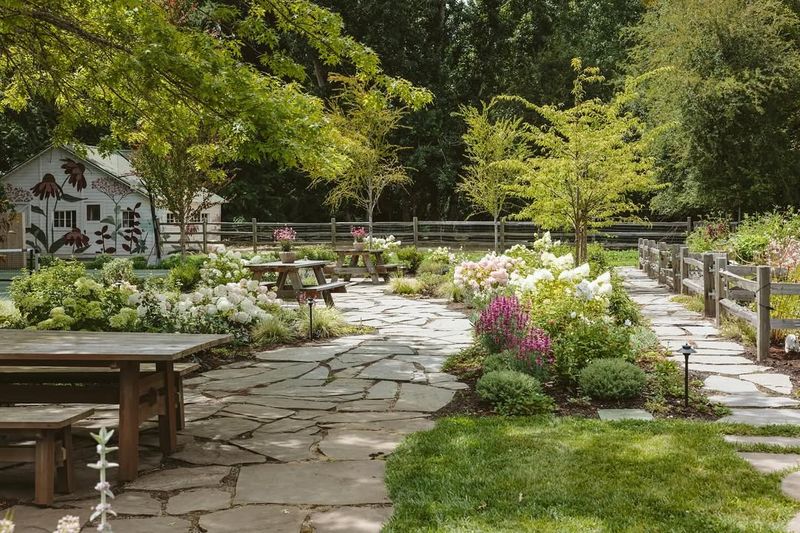
Landscape architects from across the nation have recognized this Oregon destination for its exceptional design that balances beauty with practical visitor flow and accessibility.
Professional gardeners often visit to study the techniques used here, learning how to combine native plants with ornamental varieties in ways that look effortless.
The design team created spaces that feel intimate even though the property covers eighty acres, making visitors feel welcomed rather than overwhelmed by size.
Careful attention to sight lines ensures that guests constantly discover new vistas and focal points, keeping their interest high throughout their entire walking tour.
Seasonal changes were built into the planning, which means the garden looks spectacular whether visitors arrive in spring, summer, fall, or even winter months.
Accessibility features blend seamlessly into the landscape, allowing people of all mobility levels to enjoy the beauty without feeling like accommodations are an afterthought.
This thoughtful approach to design excellence explains why Oregon continues to attract both casual visitors and serious horticulture students who want to learn from success.
3. Frank Lloyd Wright House Adds Architectural Interest
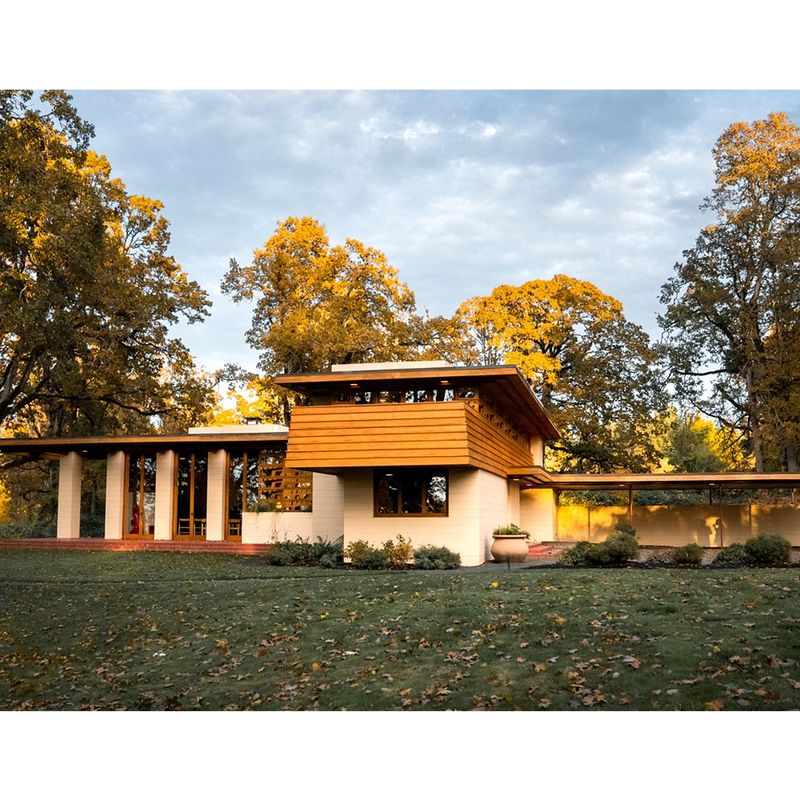
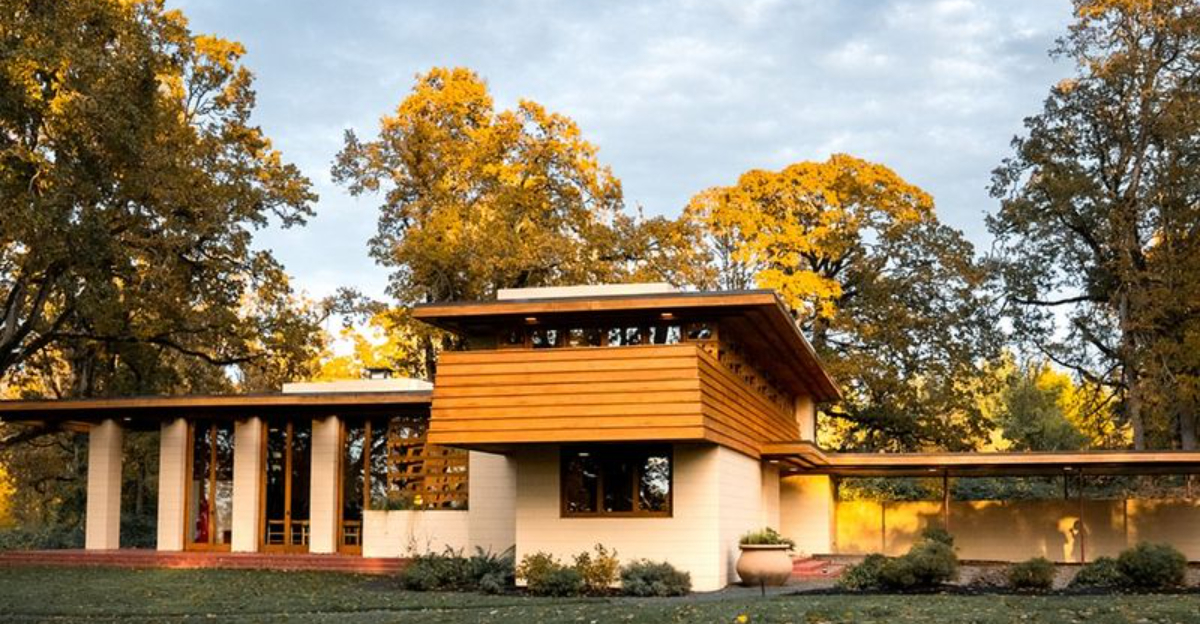
Architecture enthusiasts make special trips to Oregon specifically to tour the Gordon House, which represents the only Frank Lloyd Wright building open to public viewing.
This remarkable structure was relocated to the garden property, where it now serves as both a tourist attraction and an educational resource about American architecture.
Visitors marvel at how Wright incorporated natural elements into his design philosophy, creating spaces that blur the boundaries between indoor and outdoor living areas.
Guided tours explain the history behind the house and its journey to its current location, adding a fascinating human story to the architectural experience.
The building perfectly complements the botanical surroundings, demonstrating how thoughtful architecture can enhance rather than compete with natural beauty in shared spaces.
Photography restrictions inside protect the historical integrity, but exterior shots allow visitors to capture memories of this unique architectural gem in their collections.
Combining botanical gardens with significant architecture creates a richer experience that appeals to diverse interests, making Oregon a destination that satisfies multiple curiosities at once.
4. Pet Friendly Policies Welcome Furry Family Members

Many botanical gardens prohibit animals, but Oregon takes a different approach by welcoming leashed pets to explore alongside their owners throughout most garden areas.
Dog owners especially appreciate this inclusive policy since it means they can enjoy a beautiful outdoor experience without leaving their beloved companions at home.
Families traveling with pets find this destination ideal because it combines education, exercise, and quality time together in one convenient and welcoming location for everyone.
The wide pathways accommodate both human visitors and their four legged friends comfortably, preventing crowding and ensuring everyone has space to move freely.
Waste stations positioned throughout the property make responsible pet ownership easy, keeping the gardens clean and pleasant for all guests who visit each day.
Some visitors report that their dogs seem particularly happy exploring the diverse scents and environments, making the trip enjoyable for pets beyond just tagging along.
This welcoming attitude toward pets demonstrates how Oregon prioritizes accessibility and inclusion, creating an atmosphere where more families feel comfortable visiting and returning often together.
5. Educational Programs Engage Learners Of All Ages
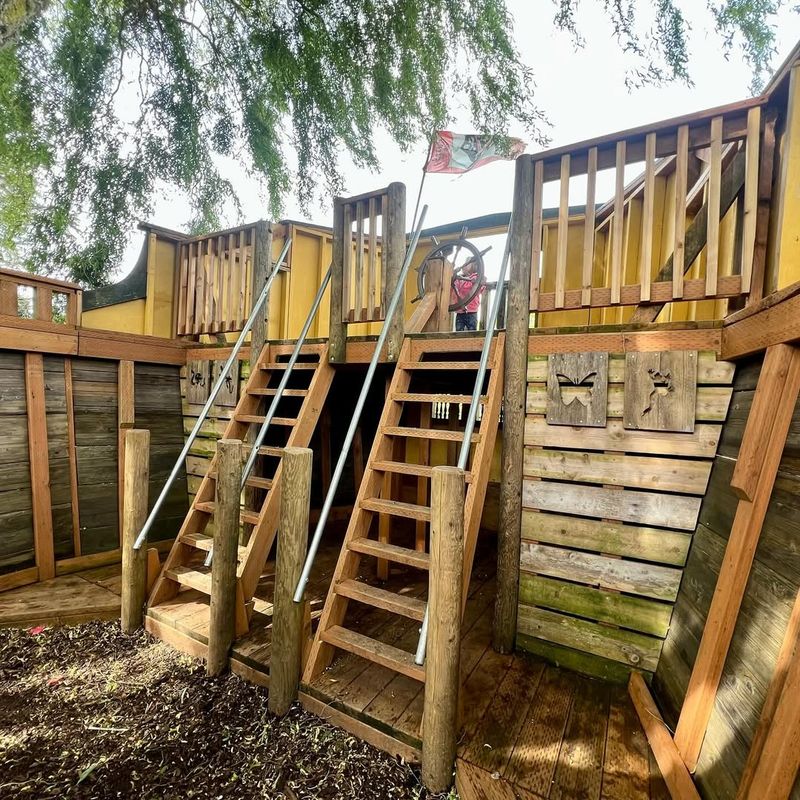
Schools throughout Oregon regularly schedule field trips here because the educational programs align perfectly with science standards while keeping students genuinely engaged and excited.
Workshops for adults cover topics ranging from basic gardening techniques to advanced horticultural practices, ensuring that learners at every skill level find valuable information.
Summer camps introduce young people to botany, ecology, and environmental stewardship through hands on activities that make learning feel more like play than schoolwork.
Master gardener programs use the facilities for training, giving volunteers access to diverse plant collections and expert staff who share decades of accumulated knowledge.
Seasonal classes focus on timely topics like winter pruning or spring planting, helping home gardeners time their learning to match their own gardening schedules.
The combination of formal education and informal exploration means visitors can choose their own level of engagement based on personal interests and available time.
By prioritizing education alongside beauty, Oregon has established itself as more than just a pretty place but as a genuine community resource for learning.
6. Seasonal Events Create Reasons To Return Repeatedly
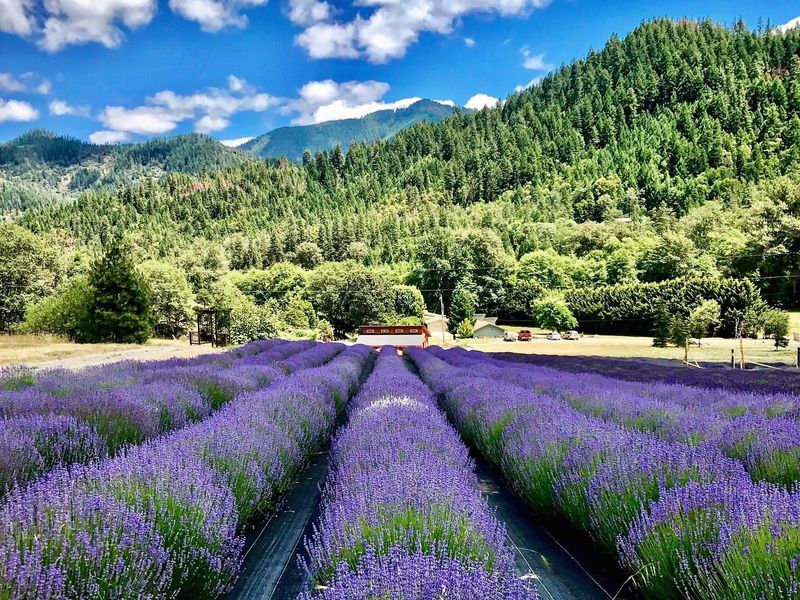
Calendar planning becomes essential for Oregon visitors because the garden hosts special events throughout the year that transform the space into something entirely different each season.
Spring brings plant sales where gardeners can purchase unique varieties not commonly found in standard nurseries, making the trip valuable for serious plant collectors.
Summer concerts allow guests to enjoy live music surrounded by blooming gardens, creating magical evenings that combine multiple sensory experiences into one memorable occasion.
Fall harvest celebrations showcase the bounty of Oregon agriculture while teaching visitors about sustainable growing practices and seasonal eating habits that benefit local communities.
Winter light displays illuminate the gardens after dark, proving that this destination offers beauty even during months when many other gardens close their gates.
Special holiday events create family traditions, with many Oregon families returning annually to experience beloved activities that mark the changing of seasons together.
This event calendar ensures that repeat visitors always find something new, which explains why membership programs remain popular among people who visit multiple times yearly.
7. Native Plant Collections Support Regional Ecology
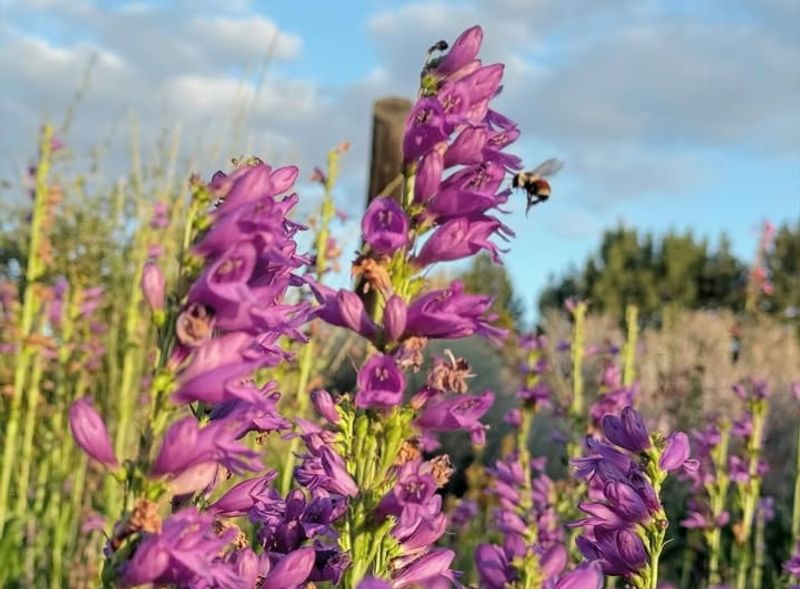
Conservation minded visitors appreciate how Oregon dedicates significant space to native plant collections that showcase the natural botanical heritage of the Pacific Northwest region.
These displays teach people which plants naturally thrive in local conditions, helping home gardeners make choices that require less water and maintenance over time.
Pollinators like bees and butterflies flock to native plant areas, allowing visitors to observe important ecological relationships that support healthy ecosystems throughout the state.
Educational signage explains why native plants matter for wildlife habitat and biodiversity, turning a simple walk into an opportunity to understand regional environmental challenges.
Landscape professionals study these collections to learn how to incorporate native species into commercial and residential projects that benefit both clients and local ecology.
Children discover that Oregon plants have adapted to local conditions in fascinating ways, sparking curiosity about evolution and the connections between plants and their environments.
By championing native species alongside ornamental varieties, the garden demonstrates that beauty and environmental responsibility can coexist successfully in thoughtfully designed landscapes throughout communities.
8. Accessible Pathways Welcome Visitors With Mobility Challenges
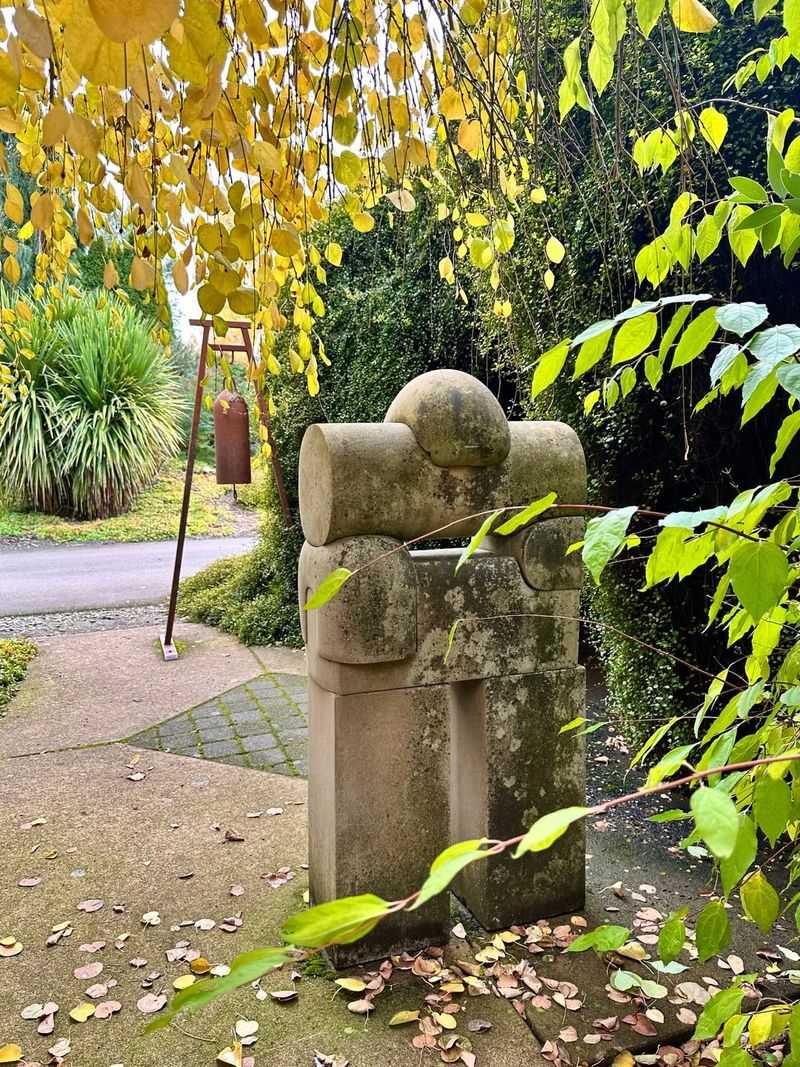
Thoughtful infrastructure planning means that visitors using wheelchairs, walkers, or strollers can access most garden areas without encountering barriers that limit their experience or enjoyment.
Paved pathways wind through the property with gentle slopes rather than steep grades, making navigation comfortable for people with various physical abilities and stamina.
Benches appear frequently along trails, providing rest spots where visitors can pause to enjoy the scenery without feeling rushed or exhausted by long distances.
Accessible restrooms and parking areas demonstrate that Oregon considered visitor needs comprehensively rather than treating accessibility as an afterthought added later for compliance.
Families with young children appreciate these same features since strollers navigate the paths easily, allowing parents to share garden experiences with even their youngest members.
Older adults find the garden welcoming because the infrastructure supports comfortable exploration regardless of age related mobility changes that might limit other outdoor activities.
This commitment to universal design principles ensures that Oregon remains a destination where everyone feels welcomed, valued, and able to fully participate in experiences.
9. Water Features Add Tranquil Sensory Dimensions
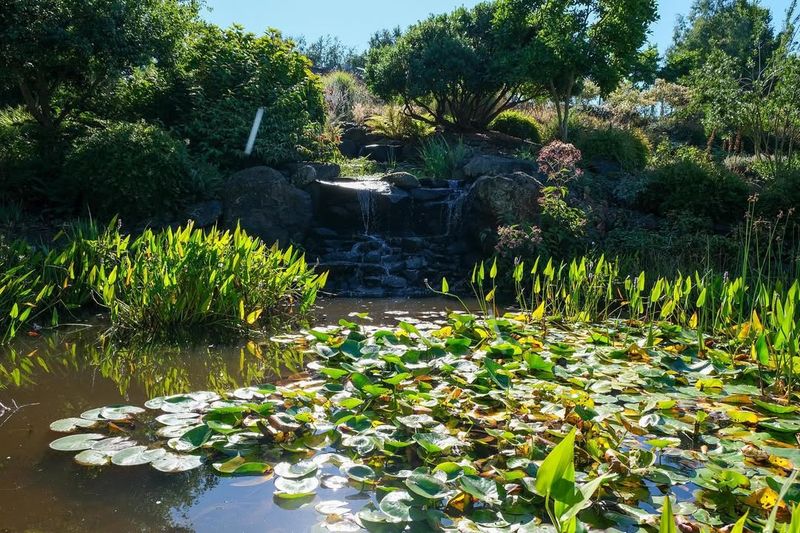
Multiple water features throughout Oregon create soothing soundscapes that help visitors relax and disconnect from the stress of daily life outside the garden gates.
Ponds support aquatic plant collections and provide habitat for frogs, dragonflies, and other creatures that add movement and life to the watery environments around them.
Fountains serve as focal points in several garden sections, drawing the eye and creating gathering spots where people naturally pause to rest and reflect.
Children love watching koi fish swim in designated ponds, providing entertainment that keeps young visitors engaged while parents enjoy the surrounding botanical displays nearby.
The sound of moving water masks traffic noise and other intrusions from the outside world, creating an acoustic environment that feels separate from everyday Oregon.
Water features also support the horticultural mission by demonstrating how aquatic and moisture loving plants can be incorporated into home landscapes with proper planning.
These elements prove that great garden design engages multiple senses simultaneously, creating experiences that visitors remember long after they leave the property behind.
10. Affordable Admission Makes Beauty Accessible To Everyone
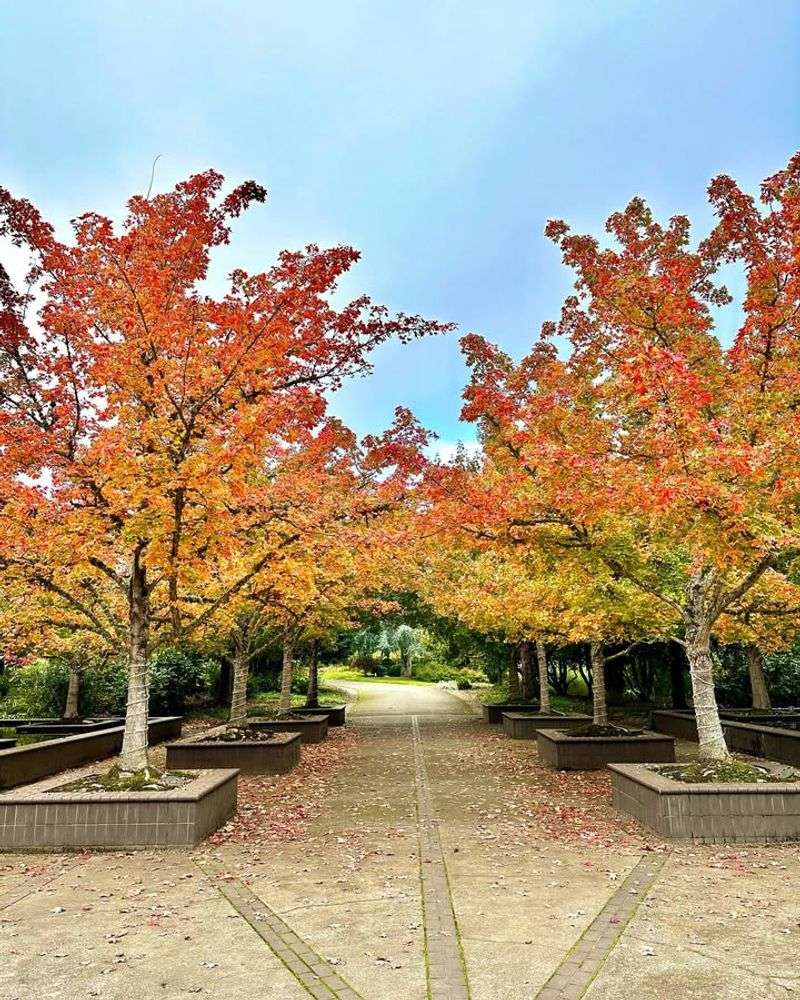
Reasonable ticket prices ensure that Oregon families can visit without breaking their budgets, making this beautiful destination accessible to people across various income levels.
Annual membership options provide even better value for local residents who want to visit frequently throughout the year, encouraging regular engagement with nature nearby.
Discounted rates for seniors, students, and military personnel demonstrate respect for different community groups while making the garden financially accessible to more people.
Special free admission days occur periodically, allowing those facing financial hardship to experience the beauty without worrying about entrance fees creating barriers to access.
Group rates benefit schools and organizations planning educational visits, ensuring that learning opportunities remain affordable for institutions operating on limited budgets in Oregon.
The pricing philosophy reflects a belief that access to beauty and nature should not be limited only to wealthy individuals but shared broadly.
By keeping costs reasonable while maintaining high quality experiences, Oregon has built a loyal visitor base that returns regularly and recommends the destination enthusiastically.