How To Add Useful Plants To Your Arizona Garden

Arizona gardens don’t have much patience for plants that look good briefly and then demand constant fixing.
Heat, dry air, and strong sun quickly expose which plants belong and which ones never really stood a chance.
Useful plants earn their space by doing more than decorating, whether that means providing food, shade, structure, or support for wildlife. They work with the climate instead of against it, which lowers maintenance and reduces frustration over time.
Adding useful plants to your Arizona garden starts with choosing options that pull their weight and keep paying off season after season.
1. Grow Herbs That Handle Heat And Dry Air Well

Useful plants in Arizona earn their space by giving you something back without asking for constant care. Herbs that handle heat and dry air do exactly that, producing food while staying compact and low-maintenance.
Rosemary stands up to scorching summers without complaint, producing fragrant needles you can snip for cooking year-round. Oregano spreads across garden beds with minimal fuss, creating a living carpet that smells amazing when you brush past it.
Thyme varieties handle the state’s intense sun better than most ornamental plants, and they require far less water than traditional garden flowers. These herbs don’t just survive in Arizona—they actually prefer conditions that would stress other plants.
Planting them near your kitchen door creates convenience while reducing the temptation to overwater, since they genuinely prefer drier soil.
Sage grows into substantial bushes that provide both culinary leaves and attractive purple blooms that local bees adore. Marjoram tolerates heat waves that send other plants into stress mode, continuing to produce tender leaves throughout the growing season.
Both herbs add texture to your landscape while serving practical purposes in your cooking.
Basil needs slightly more attention than its Mediterranean cousins, but varieties like African Blue Basil handle Arizona summers remarkably well. Cilantro works best during cooler months, giving you fresh herbs when other options slow their growth.
Rotating these two creates year-round herb availability without fighting the climate.
Container growing works beautifully for herbs in Arizona, letting you move plants to shadier spots during peak heat. Grouping pots near outdoor seating areas puts fresh flavors within easy reach while creating pleasant aromas.
Terracotta containers suit herbs perfectly since they allow soil to dry between waterings, matching these plants’ natural preferences.
Mulching around herb plants conserves moisture without keeping roots too wet, a balance that matters in the state’s extreme conditions. Wood chips or gravel both work well, depending on your garden’s style.
This simple step extends time between watering sessions while keeping soil temperatures more stable.
Harvesting herbs regularly encourages bushier growth and prevents plants from getting leggy or woody.
2. Choose Plants That Provide Food And Shade

Shade becomes precious in Arizona, where summer temperatures regularly exceed 100 degrees and unprotected spaces feel like ovens. Planting trees that produce edible yields gives you double benefits—cooling your yard while providing harvest opportunities.
Mesquite trees create filtered shade that protects more delicate plants underneath while producing nutritious pods you can grind into flour.
Fig trees adapt surprisingly well to the state’s conditions, especially varieties like Desert King or Brown Turkey that tolerate heat. Their broad leaves cast substantial shade that can lower temperatures beneath their canopy by 10 to 15 degrees.
Fresh figs taste completely different from store-bought versions, making these trees worth the small amount of care they require.
Pomegranate bushes grow large enough to shade smaller plants while producing fruit that thrives in hot, dry climates. They need minimal pruning and can handle neglect better than many fruit-bearing options.
The jewel-toned arils inside each fruit provide antioxidants and flavor that make waiting for harvest worthwhile.
Palo verde trees offer light, filtered shade that suits desert gardens perfectly while supporting native wildlife. Though their seeds aren’t typically eaten by humans, they provide food for birds and small mammals.
Their green bark continues photosynthesis even after leaves drop, making them incredibly efficient in water use.
Grapevines trained over pergolas or ramadas create living shade structures that cool outdoor living spaces dramatically. Varieties like Thompson Seedless or Flame produce well in Arizona’s long growing season.
The vines need sturdy support but reward you with both shade and fruit from the same plant.
Peach and apricot trees require some chill hours but low-chill varieties bred for warm climates produce successfully across much of the state. Positioning them on the east side of your property gives morning sun while providing afternoon shade to heat-sensitive areas.
Stone fruits taste spectacular when tree-ripened, far surpassing grocery store options.
Mulberry trees grow quickly and produce abundant fruit that birds love, though the berries can create mess if planted over patios. Positioning them strategically gives you shade where you need it without the cleanup hassles.
Some gardeners plant them specifically to attract birds away from other fruit trees.
Citrus trees struggle in the coldest parts of Arizona but thrive in low desert areas, providing year-round greenery and fragrant blooms. Lemons, limes, and oranges all produce well with proper care and placement.
Their dense foliage creates solid shade that significantly reduces heat in nearby spaces.
3. Add Perennials That Come Back Without Replanting

Replanting your entire garden each season wastes time, money, and water—resources that matter even more in Arizona’s challenging climate. Perennials establish deep root systems that help them survive tough conditions while returning year after year.
Desert marigold blooms almost continuously in the state’s warm climate, requiring virtually no maintenance once established in your landscape.
Penstemons native to Arizona come in stunning colors from coral to purple, attracting hummingbirds while handling heat and drought with ease. These plants often bloom in spring but can produce flowers sporadically throughout the year.
Their tubular blossoms add vertical interest to garden beds while requiring far less water than annual flowers.
Agave plants provide dramatic architectural elements that last for years, eventually producing spectacular flower stalks. Though individual plants expire after blooming, they produce offsets that continue the cycle naturally.
Their sculptural forms create focal points that look intentional and designed rather than accidental.
Autumn sage blooms reliably across multiple seasons, offering red, pink, or white flowers that pollinators visit constantly. This perennial handles neglect remarkably well and actually performs better with less fussing.
Cutting it back occasionally keeps plants compact and encourages fresh flowering stems.
Blackfoot daisy creates low mounds covered in white flowers that brighten edges and borders throughout warm months. It spreads slowly to fill spaces without becoming invasive or problematic.
This Arizona-friendly perennial works beautifully in rock gardens or as a softening element around harder landscape features.
Desert spoon plants provide evergreen structure with their symmetrical rosettes of tough, gray-green leaves. They require almost no care once established and can anchor garden designs for decades.
The flower stalks that emerge from mature plants reach impressive heights and add dramatic seasonal interest.
Fairy duster shrubs produce fuzzy pink blooms that look like tiny fireworks, appearing multiple times throughout the year. They stay relatively compact and require only occasional shaping to maintain attractive forms.
Butterflies and bees find these flowers irresistible, making them excellent additions for pollinator-friendly gardens.
4. Use Native Plants That Support Pollinators And Wildlife

Gardens that support local wildlife create living ecosystems rather than static landscapes, and native plants form the foundation of these relationships. Brittlebush produces masses of yellow daisy-like flowers that native bees depend on for early spring nectar.
This shrub handles the state’s harshest conditions while providing food sources that imported ornamentals simply can’t match.
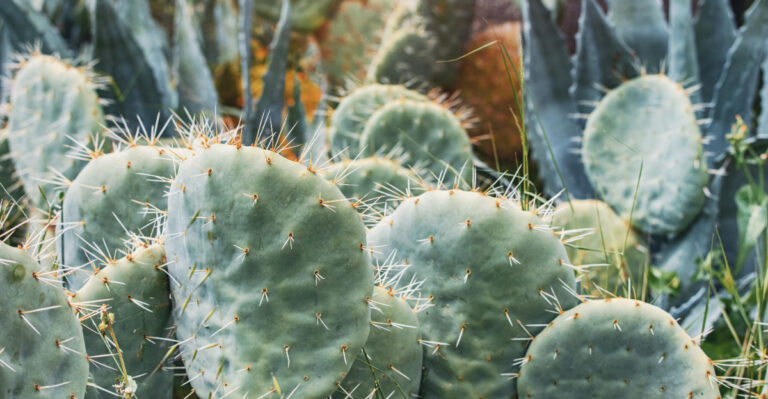
Prickly pear cacti offer multiple benefits—beautiful flowers, edible pads and fruits, and shelter for small animals seeking refuge. Their blooms attract native bees that have evolved alongside these plants for thousands of years.
The pads can be harvested for cooking, making these cacti both useful and wildlife-friendly.
Chuparosa blooms during cooler months when hummingbirds migrating through Arizona need reliable nectar sources. Its tubular red flowers provide exactly what these tiny birds require for their long journeys.
Planting this native shrub helps support bird populations that might otherwise struggle to find adequate food.
Desert willow trees aren’t true willows but produce orchid-like flowers that hummingbirds and bees visit constantly. They bloom throughout summer when many other plants pause in the heat.
The airy canopy provides light shade without blocking too much sun from plants growing underneath.
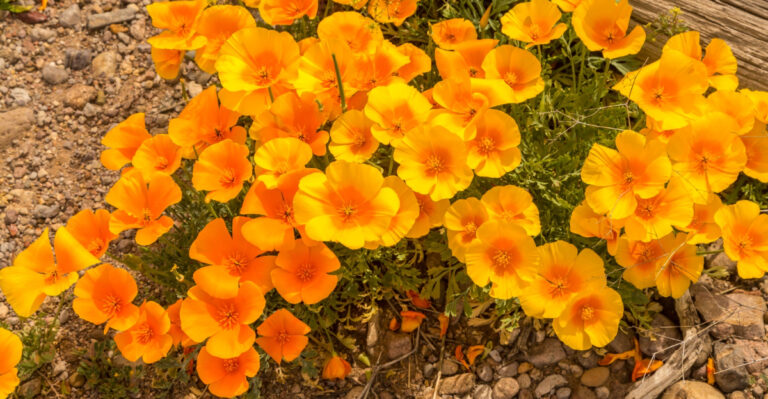
Globemallow produces orange flowers that native bees prefer over many showier imported blooms. This tough perennial reseeds readily, creating natural drifts that look better than formal plantings.
Its soft, fuzzy leaves give texture to garden beds while requiring virtually no care.
Ocotillo provides dramatic vertical elements with its spiny stems that leaf out after rains and produce brilliant red flowers at their tips. Hummingbirds time their migrations to coincide with ocotillo blooms across different elevations.
These plants embody the desert’s ability to burst into life when conditions align.
Desert marigold not only beautifies gardens but feeds numerous butterfly species that depend on native plants for reproduction. Caterpillars of native butterflies often can’t eat non-native plants, making landscape choices critical for their survival.
Including plants like this supports the entire lifecycle of local insects.
5. Plant Ground Covers That Reduce Weeds And Water Loss

Bare soil invites weeds, loses moisture rapidly, and looks unfinished—problems that ground covers solve while adding beauty and function. Trailing lantana spreads quickly across open areas, producing colorful flower clusters that bloom for months.
This tough plant handles Arizona heat while crowding out weeds that would otherwise colonize empty spaces.
Desert zinnia stays low and spreads gradually, covering ground with small leaves and bright yellow flowers. It requires minimal water once established and actually prefers the neglect that would harm fussier plants.
Using it between stepping stones or in rock gardens creates softness without demanding constant attention.
Damianita forms compact mounds of aromatic foliage topped with golden flowers that appear multiple times yearly. It works beautifully as a living mulch around larger plants, suppressing weeds while conserving soil moisture.
The pleasant scent released when you brush against it adds sensory interest to pathways and borders.
Trailing rosemary varieties serve double duty as ground covers and herb sources, spreading across slopes or flat areas with equal success. They handle reflected heat from paving and walls better than most plants.
Harvesting sprigs for cooking becomes easier when plants grow within easy reach along walkways.
Purple trailing lantana offers a different color option while providing the same tough, spreading growth habit as its yellow cousin. Both types attract butterflies constantly, turning ground-level plantings into active wildlife viewing areas.
They can handle occasional foot traffic, making them practical for areas between pavers.
Angelita daisy creates a carpet of fine-textured foliage that erupts with golden flowers several times throughout the year. It stays low enough to plant under windows without blocking views while still providing substantial weed suppression.
This Arizona native requires almost no supplemental watering after its first season.
Prostrate germander offers evergreen coverage with small leaves that form a dense mat, blocking light from reaching weed seeds. It tolerates light foot traffic and works well in areas where you need plants that can handle some abuse.
The subtle texture adds interest without competing with showier plants nearby.
6. Include Plants With Multiple Uses, Not Just Looks

Maximizing what each plant contributes to your Arizona garden makes every square foot work harder without increasing effort. Aloe vera provides striking sculptural form while offering gel for treating burns and skin irritation.
These succulents handle full sun and minimal water, making them practical choices that earn their space through multiple benefits.
Texas sage blooms spectacularly after summer rains while creating dense hedges that provide privacy and wind protection. The silvery foliage reflects heat rather than absorbing it, helping to cool surrounding areas.
Bees visit the purple flowers enthusiastically, supporting pollinator populations while beautifying your property.
Jojoba shrubs produce nuts that can be processed into oil used in cosmetics and cooking, though most gardeners simply appreciate their evergreen foliage and low water needs. They create effective screens and hedges while supporting native wildlife.
The plants handle pruning well, allowing you to shape them as needed for different landscape functions.
Russian sage contributes airy purple blooms on tall stems that move gracefully in breezes while the aromatic foliage deters many common garden pests. Cut stems dry beautifully for arrangements, extending the plant’s usefulness beyond the garden.
It tolerates Arizona’s alkaline soils better than many flowering perennials.
Lavender varieties adapted to heat produce fragrant flowers you can harvest for sachets, cooking, or crafts while attracting beneficial insects. The scent repels some pests naturally, providing protection for nearby plants.
Pruning after blooming keeps plants compact while giving you useful material rather than just waste.
Desert spoon plants provide architectural interest while their flower stalks can be harvested for dried arrangements that last for years. Indigenous peoples historically used the leaves for weaving and the flowering stalks for building materials.
Modern gardeners appreciate their sculptural qualities and extreme drought tolerance.
7. Group Plants By Water Needs To Save Time And Effort

Watering everything in your Arizona garden the same amount wastes water, stresses plants, and creates unnecessary work. Hydrozoning groups plants with similar moisture needs together, letting you water efficiently without overwatering some species while underwatering others.
This strategy reduces water bills while improving plant health across your entire landscape.
Placing high-water plants near outdoor living areas where you’ll see and enjoy them daily makes the extra irrigation feel worthwhile. Herbs, vegetables, and flowering annuals that need regular moisture thrive when grouped together on the same irrigation zone.
You can focus attention and resources where they provide maximum benefit and visibility.
Transitioning gradually from higher-water areas near your home to low-water zones at property edges creates natural-looking progression. Mid-level plants that need occasional deep watering form a buffer between thirsty plants and true desert survivors.
This layered approach looks intentional rather than random while serving practical irrigation purposes.
Installing separate drip irrigation zones for different plant groups lets you program watering schedules that match each area’s actual needs. High-water zones might run twice weekly during summer while low-water zones receive monthly deep soaking.
This precision prevents the common mistake of watering everything based on the thirstiest plants’ requirements.
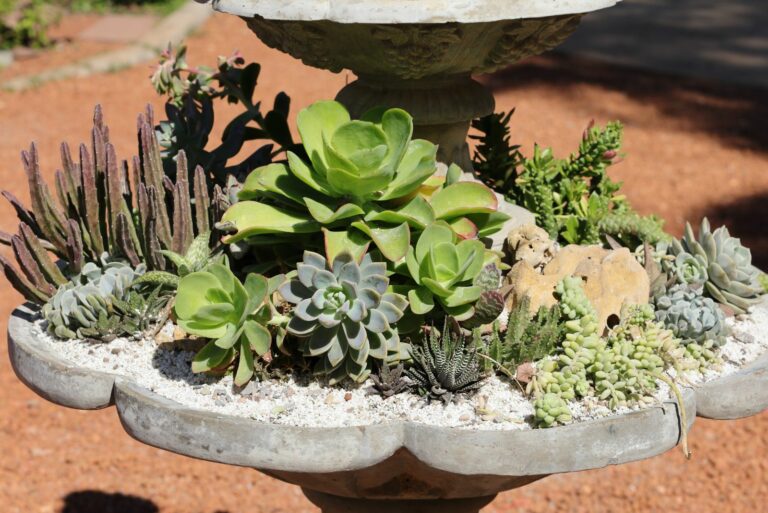
Grouping cacti and succulents together creates dramatic displays while ensuring these plants don’t receive excessive moisture that can cause rot. They need excellent drainage and minimal water, conditions that differ dramatically from most conventional garden plants.
Keeping them separate prevents accidental overwatering from adjacent zones.
Placing native plants together in low-water zones reduces maintenance to almost nothing once they establish. These species evolved to survive on natural rainfall patterns and actually perform better without supplemental irrigation.
Grouping them creates habitat areas that support wildlife while requiring minimal intervention from you.
Using mulch consistently within each hydrozone helps maintain appropriate moisture levels while visually unifying plant groupings. Organic mulches work well in higher-water areas while rock mulches suit low-water zones better.
This differentiation serves both functional and aesthetic purposes in Arizona landscapes.
Monitoring soil moisture in each zone separately helps you fine-tune irrigation schedules based on actual conditions rather than guessing. Inexpensive moisture meters take the uncertainty out of watering decisions.
Different zones dry out at different rates depending on sun exposure, soil type, and plant density.