How To Adjust Houseplant Watering During Dark Snowy Days In Michigan
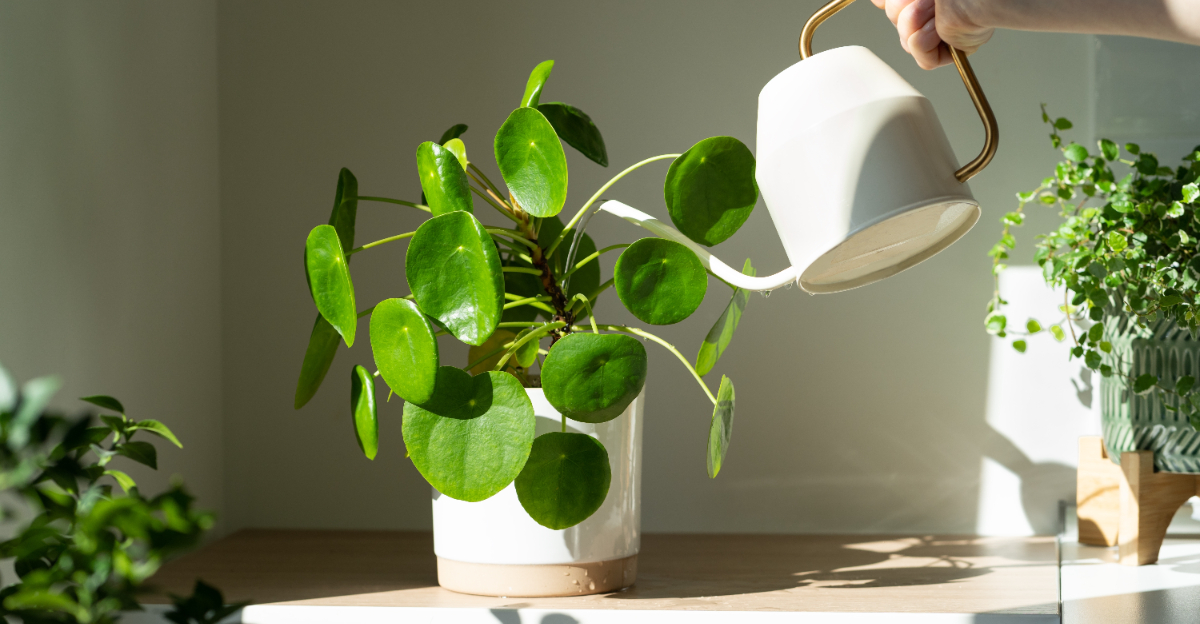
Gray winter days can linger for weeks, and the shift in light and temperature quietly changes how your houseplants grow and use water.
In Michigan, shorter daylight hours and cooler indoor conditions slow plant activity, meaning roots absorb moisture far more slowly than they do in summer.
Continuing the same watering routine often leaves soil too wet for too long, creating stress that can weaken even the healthiest plants. Many plant lovers do not notice the change until leaves lose firmness or growth stalls.
Adjusting your watering habits to match Michigan’s winter environment makes a remarkable difference. Allowing soil to dry slightly between waterings, monitoring light levels, and paying attention to indoor warmth all help maintain proper balance.
With a few simple changes, your plants can remain strong and vibrant through the darker months. Understanding winter watering needs ensures your Michigan houseplants stay healthy, steady, and ready to flourish when brighter days return.
1. Water Less Frequently When Light Levels Drop
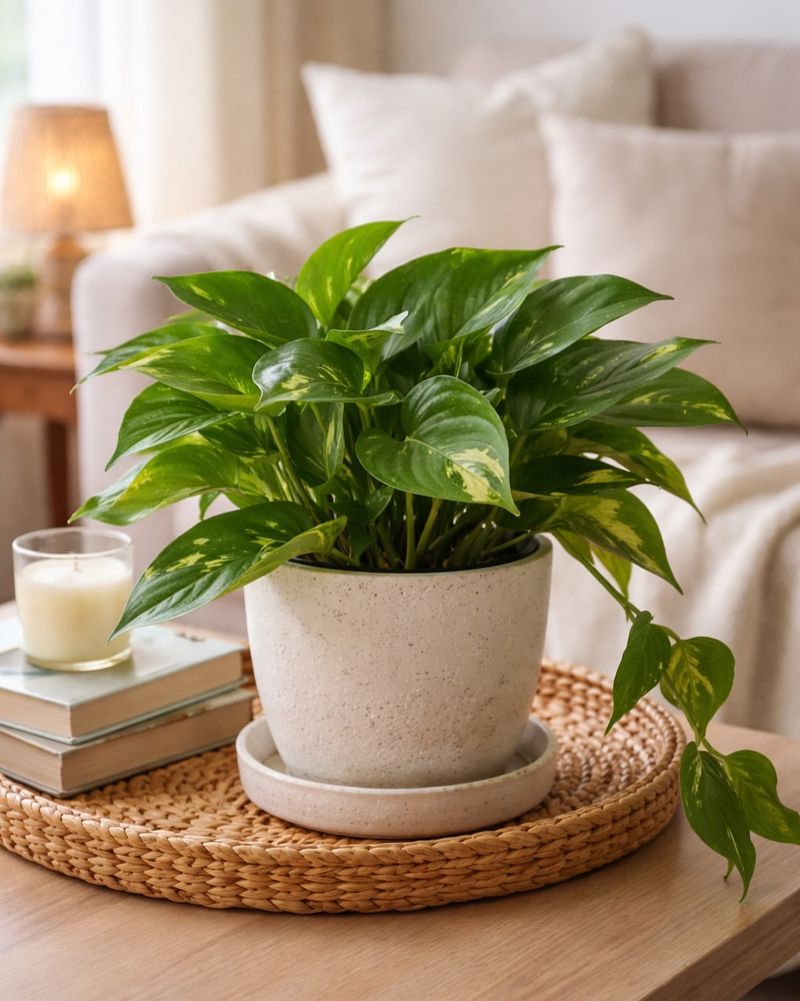
Something surprising happens to your houseplants the moment those long Michigan winter clouds roll in and stay. When sunlight disappears behind days of heavy snow, plants slow down their photosynthesis significantly.
Photosynthesis is the process plants use to convert light into energy, and less light means less energy production overall.
Because plants produce less energy during dark winter days, they also use far less water than they normally would. Think of it like a car engine idling instead of running at full speed.
The engine still needs fuel, but nowhere near as much as when it is working hard on the highway.
Watering your plants on the same schedule you used in July will almost certainly lead to soggy soil and stressed roots by February.
Most tropical houseplants, like pothos, philodendrons, and peace lilies, may only need water every ten to fourteen days during a dark Michigan winter.
Paying attention to how slowly the soil dries out is your best signal that your plant is asking for less water.
Cutting back your watering frequency by thirty to fifty percent compared to summer is a smart and science-backed starting point for keeping your plants genuinely happy through the coldest months of the year.
2. Check Soil Moisture Before Every Watering
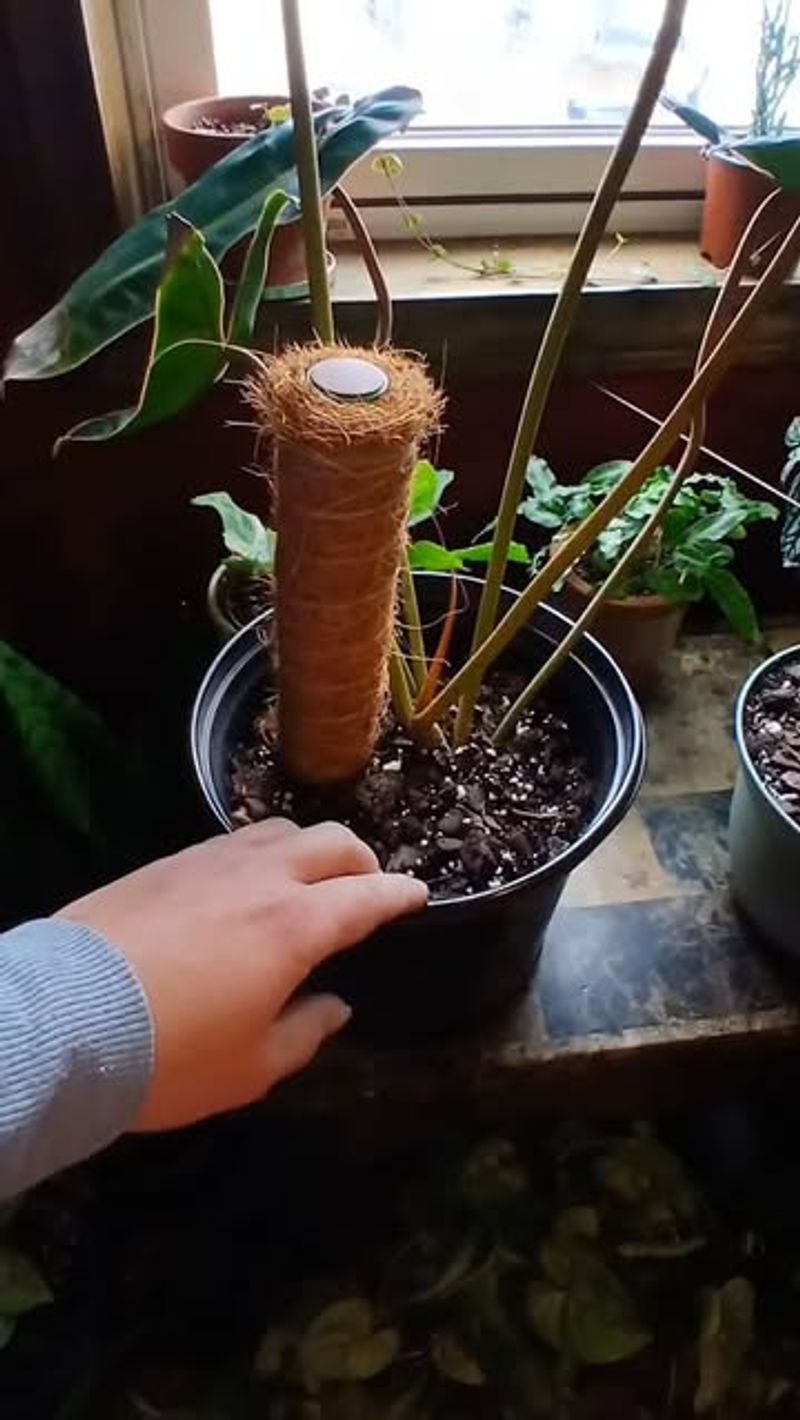
Forget the calendar. Seriously, toss out whatever watering schedule you have written on your fridge and replace it with one simple habit: checking the soil before you ever pick up a watering can.
During Michigan’s dark winter months, soil dries out at a much slower rate than it does during warmer, brighter seasons.
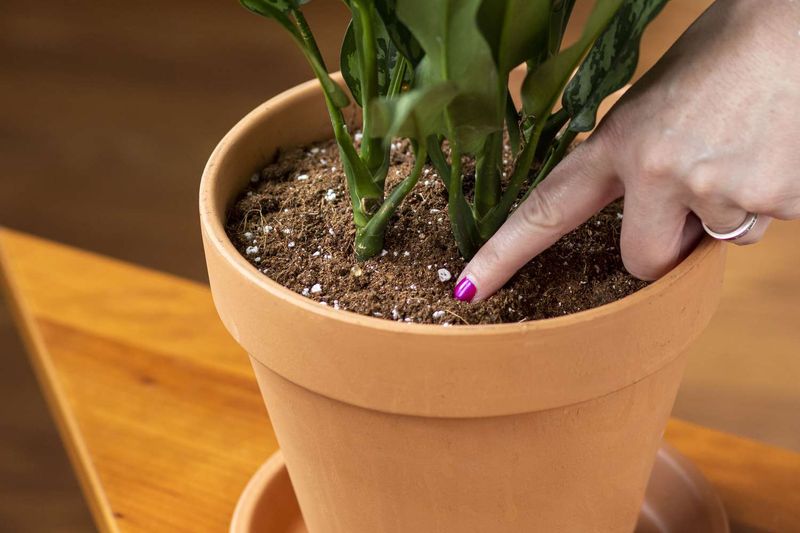
The easiest way to check soil moisture is the finger test. Push your index finger about one to two inches into the soil and feel whether it is dry, slightly damp, or wet.
If it still feels moist at that depth, your plant does not need water yet, no matter how long it has been since the last watering.
For plants in larger or deeper pots, moisture can linger near the bottom long after the top looks dry. A wooden chopstick or a basic moisture meter can help you check deeper into the pot without disturbing roots.
Moisture meters are inexpensive and genuinely useful for anyone who struggles with knowing when to water.
Trusting what the soil actually tells you, rather than a set schedule, is one of the most reliable ways to avoid overwatering during the slow, dim days of a Michigan winter.
Your plants will reward that attention with steady, healthy growth.
3. Allow The Top Layer Of Soil To Dry More Than In Summer
During the summer growing season, many houseplants appreciate being watered when just the top inch of soil feels dry.
Winter changes that rule entirely, and adjusting your expectations around soil dryness is one of the most important shifts you can make for your plants right now.
Slower growth during low-light winter conditions means plants pull water from the soil at a reduced pace. Roots are less active, metabolism slows, and the entire plant essentially shifts into a lower gear.
Allowing the top two to three inches of soil to dry out before watering is a much safer approach during Michigan’s dark, snowy months.
This longer drying window between waterings is not neglect. It is actually the most respectful thing you can do for a plant that is naturally conserving its resources during a tough season.
Even moisture-loving plants like ferns benefit from slightly drier intervals in winter because the combination of cold air and reduced light slows their water uptake considerably.
Getting comfortable with drier-looking soil takes a little confidence, but once you see your plants staying green and strong without frequent watering, the habit becomes second nature.
Trust the process, watch your plants closely, and let the soil guide you through every gray Michigan winter day.
4. Avoid Letting Plants Sit In Standing Water
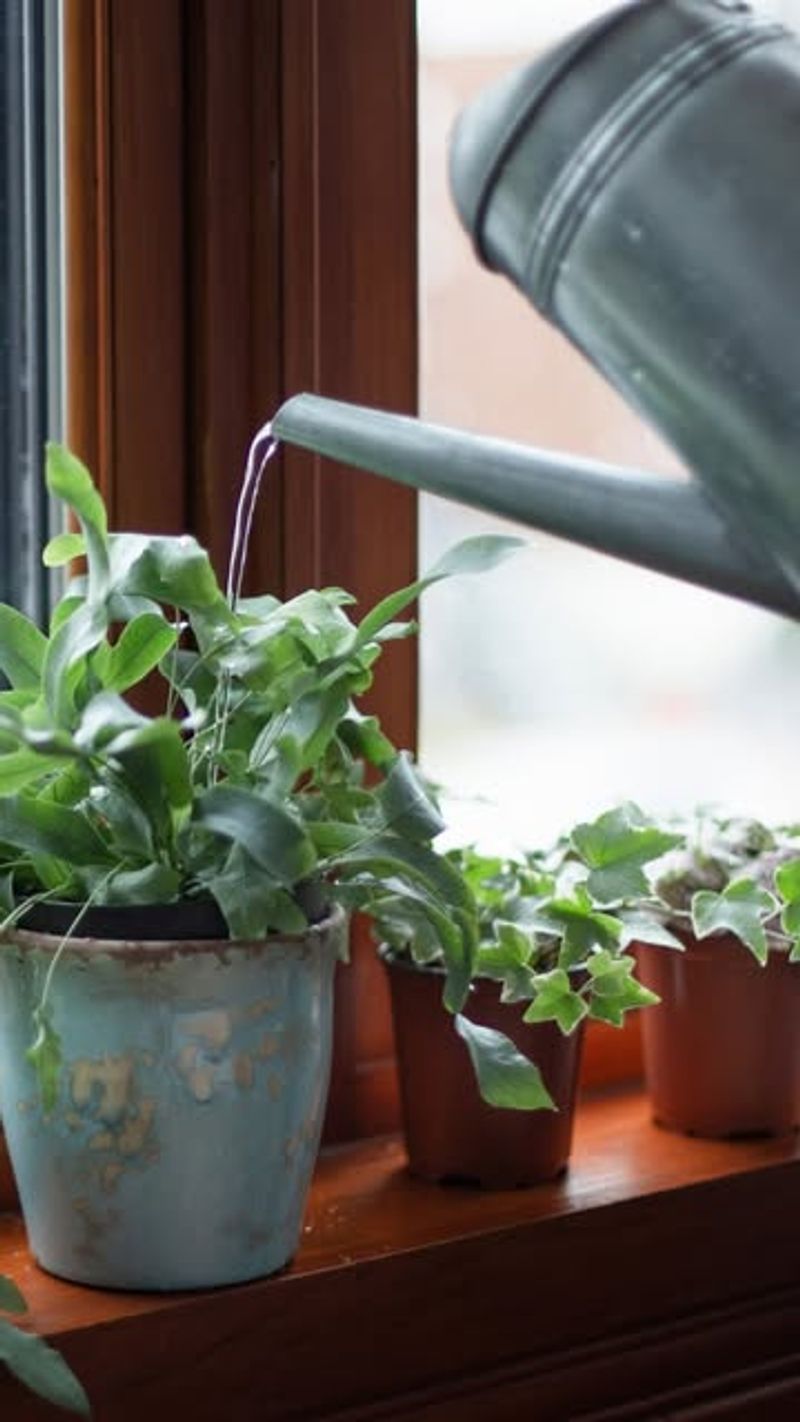
Picture this: your plant sits in a saucer of water all week during a cold Michigan January, and by the time you notice, the roots are already struggling.
Standing water beneath a pot during winter is one of the fastest ways to cause root rot, and cold temperatures make the situation even worse.
Root rot happens when roots stay wet for too long and begin to break down from fungal activity. In warmer months, roots can sometimes handle brief periods of standing water because the plant is actively growing and drinking.
During winter, however, root activity slows dramatically, and excess moisture just sits there doing damage.
Always empty your plant saucers about thirty minutes after watering, making sure no water is pooling beneath the pot. If you use decorative cache pots without drainage holes, check inside them regularly for collected water.
Elevating pots slightly using small pot feet or pebble trays can also improve airflow around the base and prevent moisture from getting trapped. Some gardeners add a thin layer of gravel to saucers to keep pot bottoms from sitting directly in water.
These small adjustments make a surprisingly big difference during Michigan winters when cold, sluggish roots simply cannot handle the stress of sitting in wet conditions for extended periods of time.
5. Reduce Watering Even Further For Succulents And Cacti
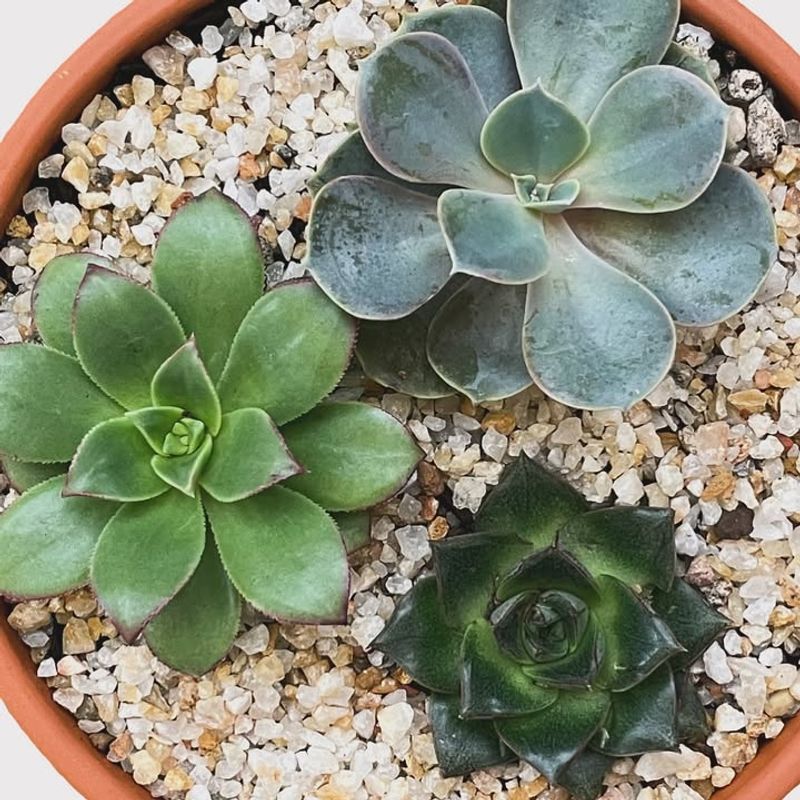
Succulents and cacti are the champions of water storage, and winter is when that superpower really matters. These plants are native to arid environments where dry seasons are long, so they have evolved to survive extended periods without moisture.
Michigan’s dark winter days trigger a similar response in them, pushing them into a state of partial dormancy.
During partial dormancy, a succulent or cactus uses almost none of its stored water and takes in very little from the soil. Watering them as often as you would in spring or summer can waterlog their roots within just a few weeks.
Most healthy succulents and cacti in Michigan only need watering once a month, or even less, between November and February.
A good rule of thumb is to water only when the soil is completely dry all the way through the pot, and even then, water sparingly.
The soak-and-dry method works well: water thoroughly, let all excess drain away, then wait until the soil is bone dry before watering again.
Avoid misting these plants during winter, as surface moisture without deep watering does more harm than good.
Giving succulents and cacti a true rest period during Michigan’s cold months actually encourages better, more vibrant growth when spring light returns and the growing season begins again.
6. Use Room Temperature Water To Prevent Root Shock
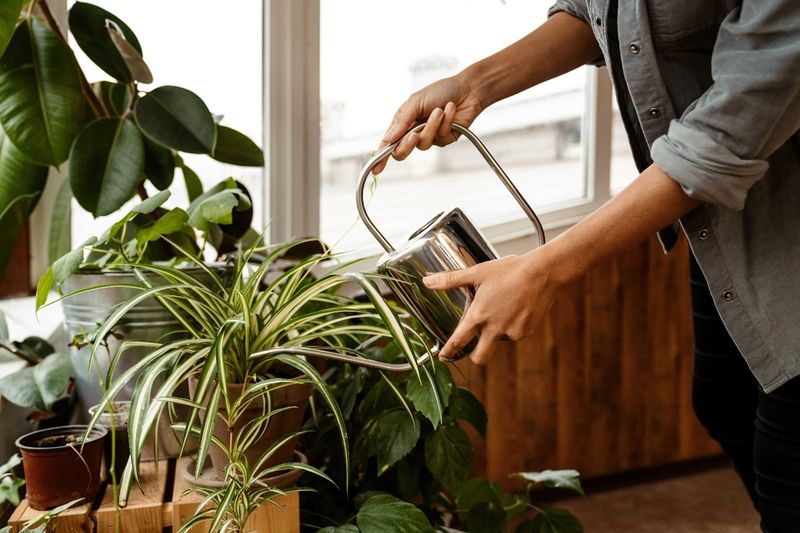
Cold water straight from the tap might seem harmless, but during winter it can genuinely stress your houseplants in ways that are hard to see at first.
When icy water hits warm root systems, it causes a brief but real temperature shock that disrupts normal root function and slows water absorption.
Plant roots are sensitive to sudden temperature changes, especially during the winter months when they are already operating at a reduced pace.
Repeatedly watering with very cold water can cause root tips to constrict, reducing the plant’s ability to take up water and nutrients efficiently.
Over time, this stress can lead to wilting, yellowing leaves, and sluggish growth even when the soil moisture level seems fine.
The fix is beautifully simple: fill your watering can the night before and leave it on the counter overnight. By morning, the water will have reached room temperature and be much gentler on your plants.
Filtered water or water that has been left to sit for a few hours is also ideal because it allows any chlorine to dissipate, which some sensitive plants appreciate. Rainwater collected during warmer months and stored indoors is another excellent option.
Taking this one small extra step each time you water can protect your plant’s root system and keep it functioning smoothly through every cold Michigan winter week.
7. Monitor Indoor Humidity From Heating Systems
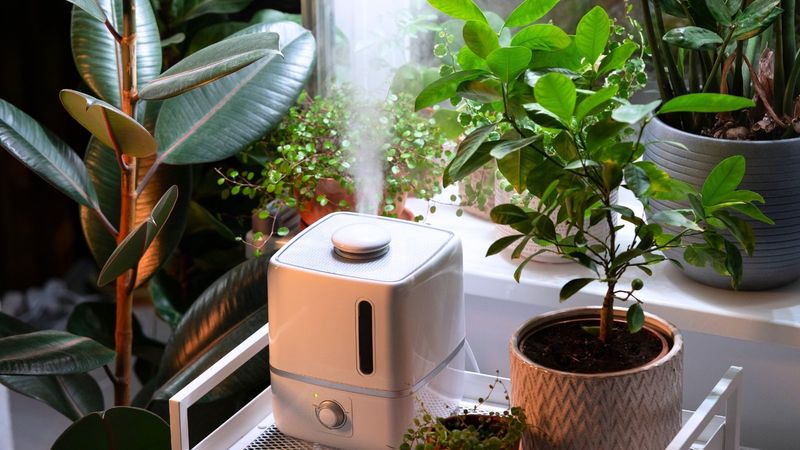
Here is something most plant owners do not think about: your heating system might be quietly working against your houseplants all winter long.
Forced-air furnaces and baseboard heaters are incredibly efficient at warming Michigan homes, but they also strip significant moisture from the indoor air in the process.
When indoor humidity drops, plants lose moisture through their leaves faster than usual through a process called transpiration.
This can create a confusing situation where the soil stays wet for a long time, but the plant still looks stressed or droopy because it is losing water through its foliage faster than its roots can replace it.
Low humidity is especially hard on tropical plants like fiddle-leaf figs, calatheas, and orchids.
A small digital hygrometer, which measures indoor humidity, is an inexpensive and very useful tool for any plant lover. Most tropical houseplants prefer humidity levels between forty and sixty percent, but Michigan homes in winter can drop well below thirty percent.
Running a small humidifier near your plants, grouping plants together to share moisture, or placing pots on pebble trays filled with water can all help raise humidity without adding more water to the soil.
Monitoring both soil moisture and air humidity together gives you a much more complete picture of what your plants actually need during the heating season.
8. Move Plants Closer To Bright Indirect Light If Possible
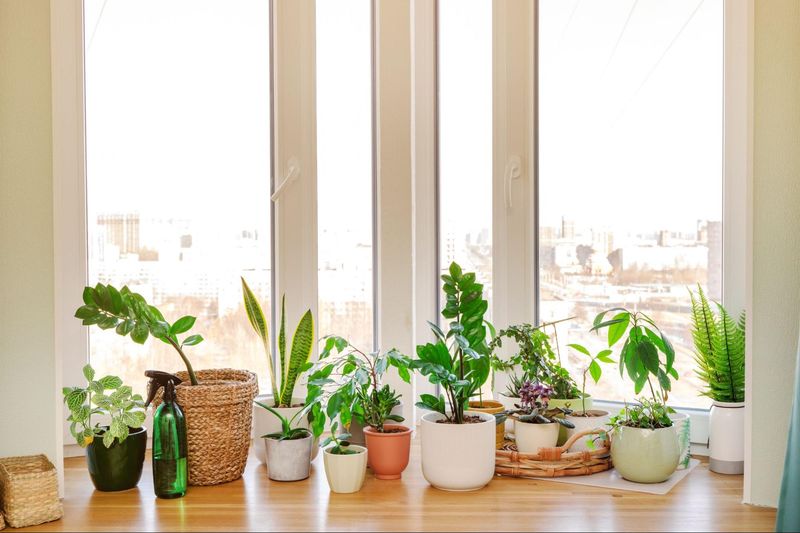
Light is the engine behind everything a plant does, including how it manages water. When a plant receives more light, it photosynthesizes more actively, uses water more efficiently, and maintains a healthier overall rhythm.
Moving your houseplants closer to your brightest windows during Michigan winters is one of the most effective ways to support their water balance.
South-facing windows receive the most direct winter sunlight in Michigan, making them prime real estate for light-hungry plants. East and west-facing windows also offer useful morning and afternoon light.
Even a move of just a few feet closer to a window can meaningfully increase the amount of light a plant receives, helping it stay more active and avoid the sluggishness that comes with very low light conditions.
Keep in mind that window glass in winter can get very cold, and plants placed too close to the pane may experience chilly temperatures on their leaves. A few inches of distance from the glass is usually enough to avoid cold damage while still capturing valuable light.
Rotating your plants every week or two ensures all sides receive equal exposure and prevents lopsided growth.
If natural light is simply too limited in your home, a basic grow light on a timer can supplement what the winter sky cannot provide, helping your plants regulate their water use more naturally throughout the season.
9. Watch For Yellowing Leaves As A Sign Of Overwatering
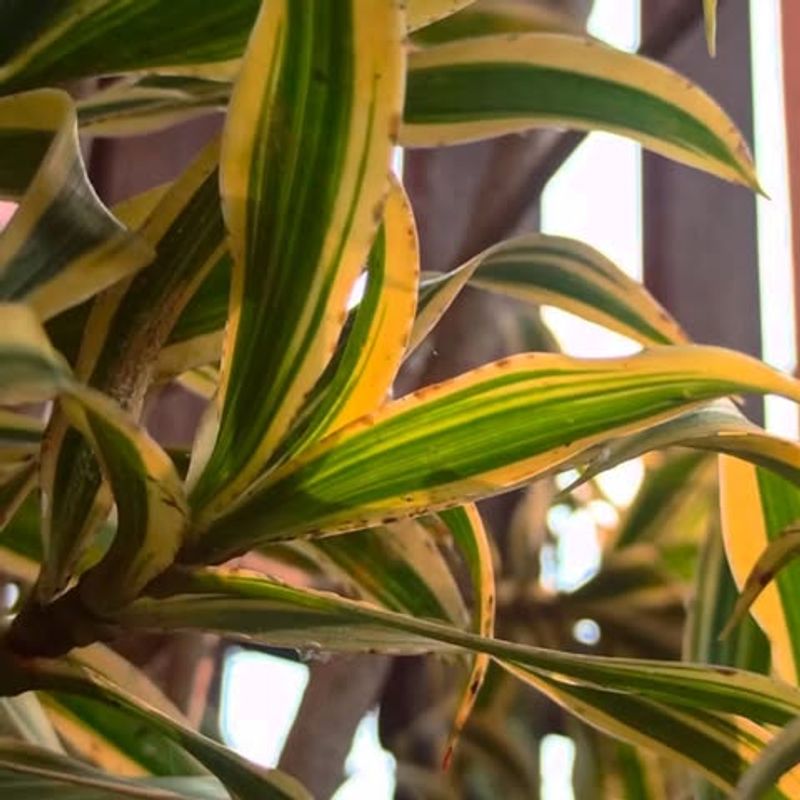
Yellow leaves during winter are one of the most common signs that something is off with your watering routine, and more often than not, the culprit is too much water rather than too little.
Overwatering during low-light conditions is incredibly easy to do, especially when you are following a summer schedule without realizing the season has changed everything.
When roots sit in consistently wet soil during winter, they struggle to absorb oxygen. Oxygen-starved roots cannot function properly, and the plant responds by dropping or discoloring its older, lower leaves first.
The yellowing usually starts from the bottom of the plant and moves upward as the problem continues. Leaves may also feel soft or mushy rather than firm and healthy.
If you notice yellowing leaves, resist the urge to add fertilizer or assume the plant needs more light before checking the soil first. Press your finger into the soil and see if it is still very wet from the last watering.
If it is, hold off on watering entirely until the soil dries out appropriately. In severe cases, you may need to remove the plant from its pot, trim any dark or mushy roots, and repot into fresh, dry soil.
Catching overwatering early by watching leaf color closely can save a struggling plant before the damage becomes too difficult to reverse.
10. Expect Slower Growth And Adjust Expectations Accordingly
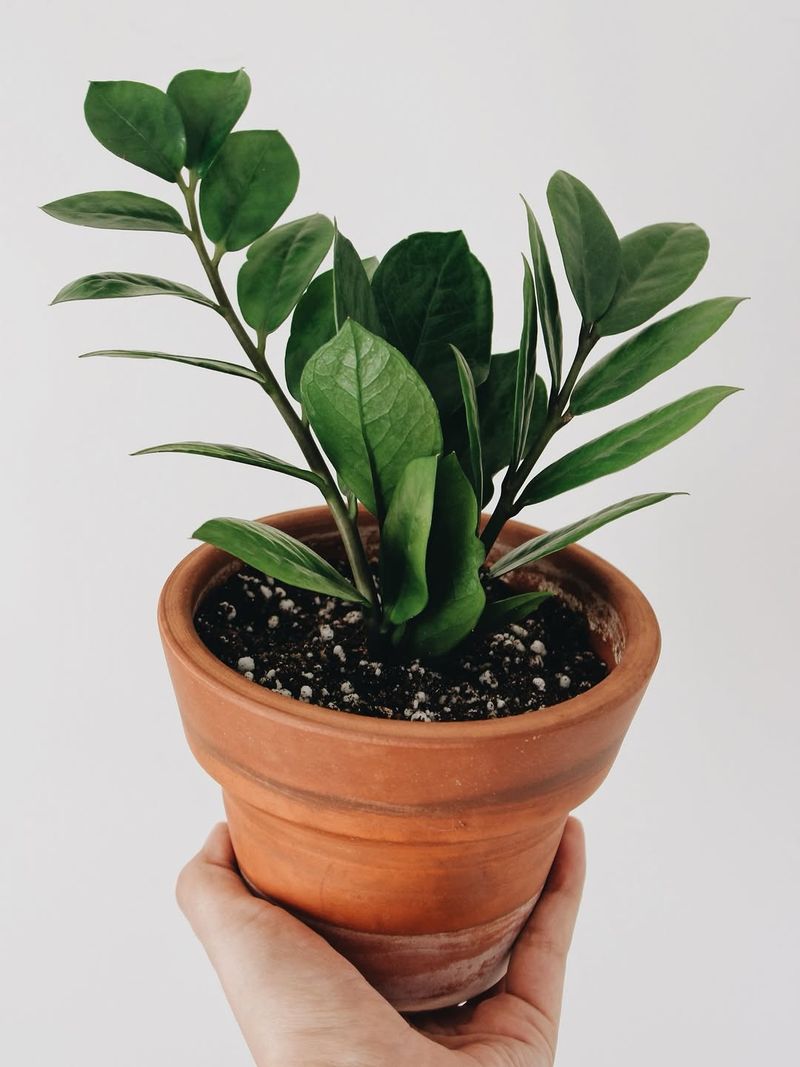
One of the most freeing things you can do for yourself as a plant parent during a Michigan winter is to simply accept that your plants are not going to grow much, and that is completely normal.
Most common houseplants, including pothos, snake plants, and monsteras, slow their growth significantly between November and March when light levels are at their lowest.
Slower growth means slower water consumption, slower nutrient uptake, and a plant that is essentially in a low-power mode. Trying to push growth during this period by watering more frequently or adding heavy doses of fertilizer usually backfires.
The plant cannot use those extra resources effectively, and the excess moisture or fertilizer salts can cause more harm than good.
Adjusting your expectations is not giving up on your plants. It is working with their natural biology instead of against it.
Use the winter months to observe your plants more carefully, learn their individual personalities, and build better habits around checking soil moisture and light levels.
Some plants may surprise you with a new leaf or two even during the darkest weeks, and that small sign of growth feels especially rewarding when you know you have been caring for them thoughtfully.
Come spring, when Michigan light returns, your plants will be rested, healthy, and ready to reward your patience with strong, beautiful new growth.