How To Attract Bees And Butterflies With North Carolina Native Plants
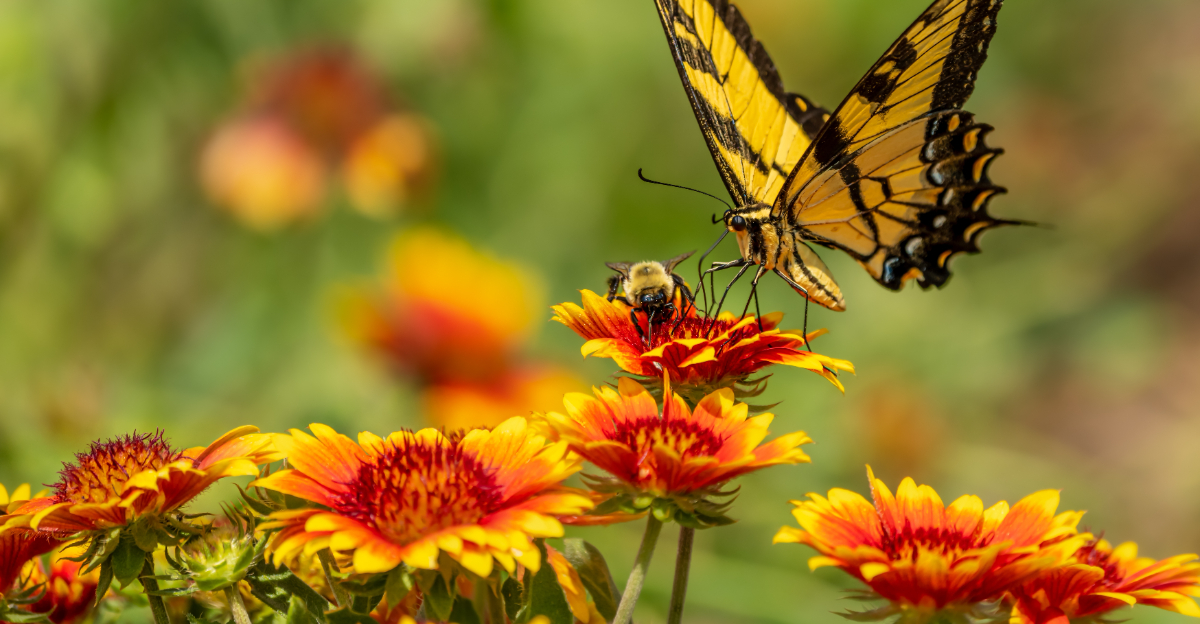
Imagine stepping into your yard and hearing the gentle buzz of bees while butterflies drift from flower to flower. A garden filled with pollinators feels alive, colorful, and constantly in motion, and in North Carolina it is easier to create than many people think.
Native plants already know how to thrive here. They evolved with local bees and butterflies, making them perfect partners that provide nectar, shelter, and seasonal support without demanding extra care.
Unlike many non native options, these plants handle heat, humidity, and changing weather with ease, which means less maintenance for you and more activity in your garden.
As blooms appear through the seasons, your space becomes a lively habitat that supports nature while adding beauty and movement.
With the right plant choices, your yard can transform into a welcoming haven for pollinators and a more vibrant place to enjoy every day.
1. Plant Native Flowers That Bloom Across The Growing Season
Planning a garden that feeds pollinators from early spring through late fall requires thoughtful selection of native plants. Different species bloom at various times throughout the year, creating a continuous buffet for hungry bees and butterflies.
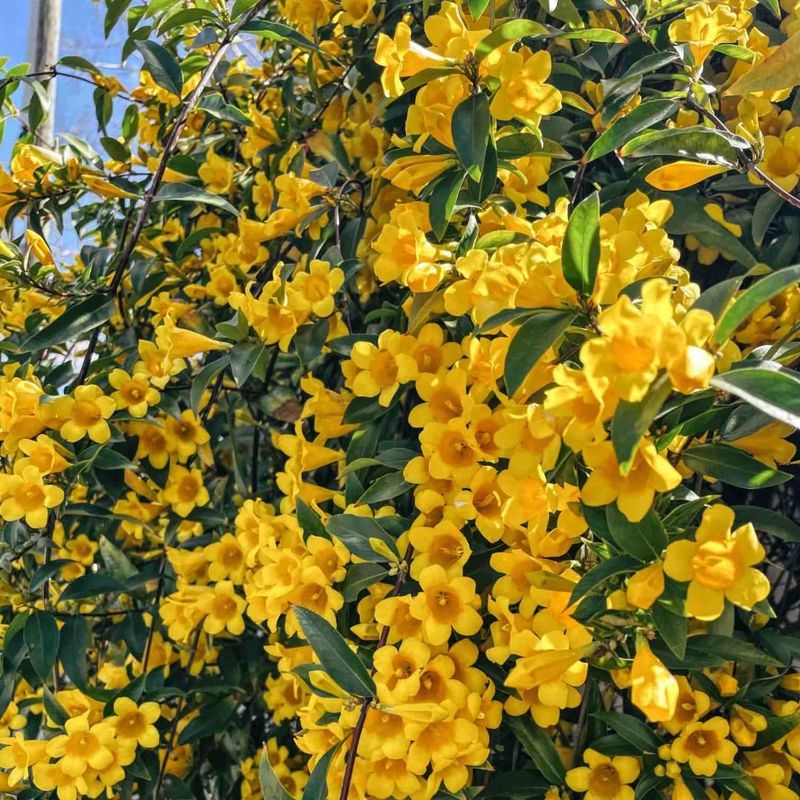
Early bloomers like Carolina jessamine and wild columbine provide crucial nectar when pollinators first emerge from winter dormancy.
Mid-season flowers such as purple coneflower and black-eyed Susan take over during summer months when pollinator activity peaks. These reliable bloomers produce abundant nectar and pollen that sustain large populations of beneficial insects.
Their sturdy stems and bright colors make them easy for flying visitors to locate and land upon safely.
Late-season options including New England aster and goldenrod extend the feeding period into autumn. These plants help butterflies build energy reserves for migration or overwintering while supporting late-emerging bee species.
Combining early, mid, and late bloomers ensures your garden remains an active pollinator hub throughout the entire growing season.
This approach mimics natural ecosystems where diverse plant communities provide consistent resources. Your garden becomes a reliable food source that pollinators return to year after year.
The variety also creates visual interest with changing colors and textures as different species take their turn blooming.
2. Choose Nectar Rich Native Wildflowers For Pollinators
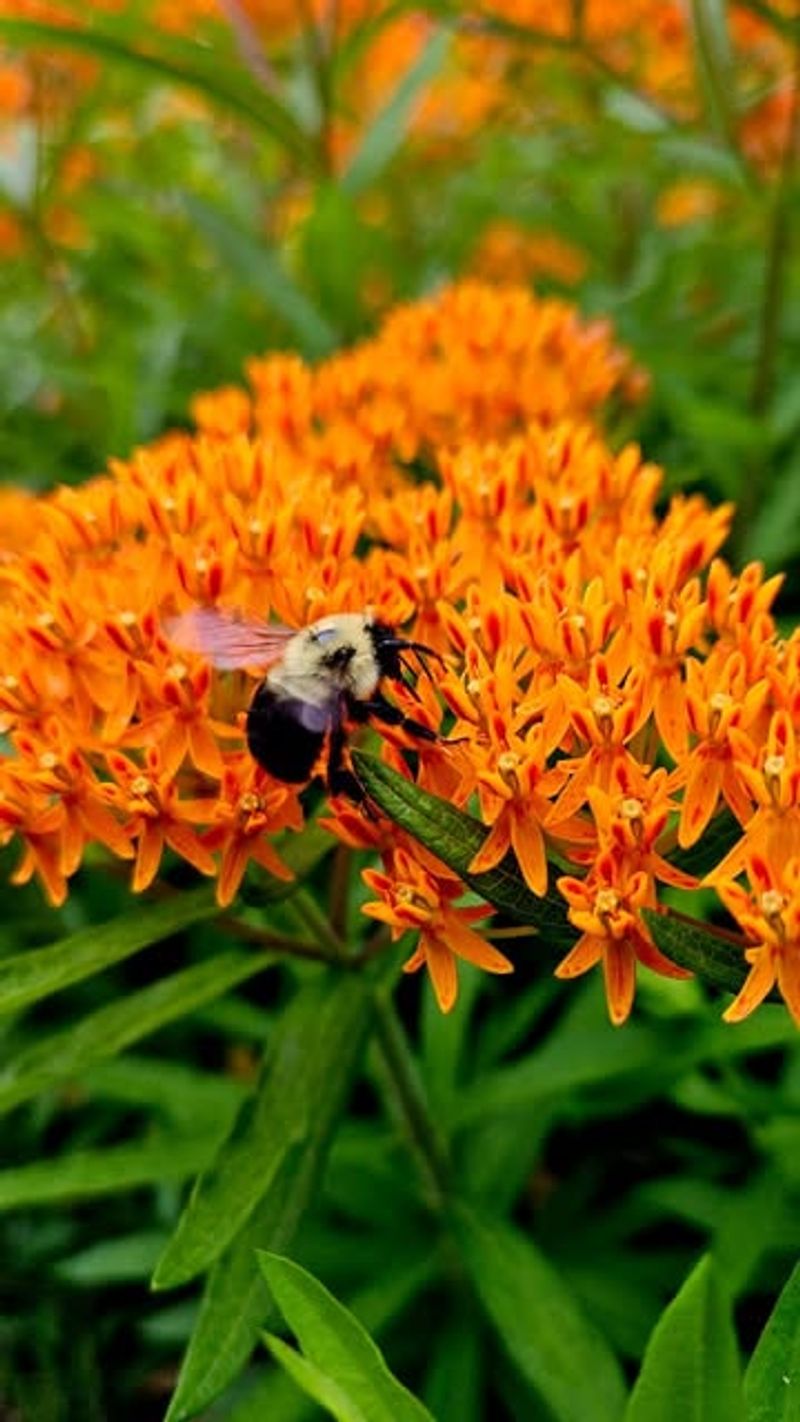
Native wildflowers produce nectar compositions perfectly matched to local pollinator needs and preferences. Butterfly weed stands out as an exceptional choice with its brilliant orange blooms that monarchs and swallowtails find irresistible.
This milkweed relative thrives in sunny spots and continues producing flowers for weeks during peak summer months.
Mountain mint creates clusters of small white flowers that attract an astonishing variety of bee species. The plant releases a pleasant minty aroma when brushed against and tolerates both moist and dry conditions.
Bees seem to prefer its compact flower structure which allows efficient nectar collection. Cardinal flower produces tubular red blooms specifically shaped for hummingbirds but also attracts certain butterfly species.
Its vibrant color acts as a beacon in shaded woodland edges where it naturally grows. The long blooming period from mid-summer into fall provides sustained nectar availability.
Wild bergamot offers lavender-pink flowers arranged in rounded clusters that bees can easily navigate. This adaptable plant grows well in various soil types and spreads gradually to form attractive drifts.
Its extended bloom time and abundant nectar production make it a pollinator magnet that also adds wonderful fragrance to garden spaces.
3. Include Milkweed To Support Butterfly Life Cycles
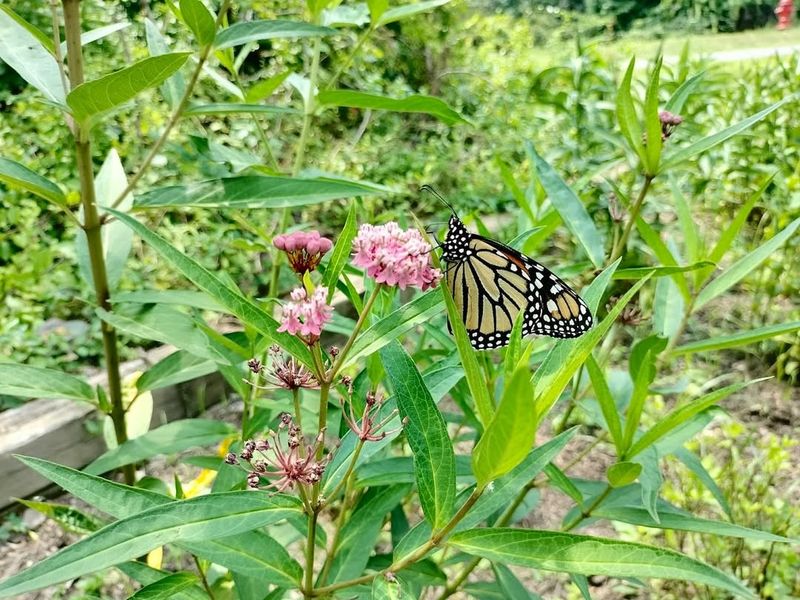
Monarch butterflies depend entirely on milkweed plants for their survival and reproduction throughout North America. Female monarchs lay eggs exclusively on milkweed leaves because the emerging caterpillars can only eat this specific plant.
North Carolina hosts several native milkweed species including common milkweed, swamp milkweed, and butterfly weed that all serve this critical function.
Common milkweed grows tall with large leaves and produces fragrant pink flower clusters attractive to many pollinator species. The plant spreads through underground rhizomes and can form substantial colonies over time.
Its sturdy stems and abundant foliage provide ample space for multiple caterpillars to feed simultaneously.
Swamp milkweed prefers moist locations and produces elegant pink flowers on more compact plants. This species works well in rain gardens or along pond edges where other milkweeds might struggle.
Butterflies readily use it for both egg-laying and nectar feeding throughout the summer. Butterfly weed tolerates drier conditions and offers brilliant orange blooms on shorter plants suitable for smaller gardens.
All three species contain compounds that caterpillars absorb, making them unpalatable to predators.
Planting multiple milkweed varieties ensures continuous availability of fresh foliage as caterpillars consume large quantities during their rapid growth period before forming chrysalises.
4. Grow Native Plants In Sunny Open Spaces
Most native plants that attract pollinators evolved in open meadows and prairies where sunlight reaches them throughout the day. Full sun exposure triggers maximum flower production which directly translates to more nectar and pollen for visiting insects.
Plants receiving six or more hours of direct sunlight typically bloom more abundantly than those in shadier locations.
Purple coneflower demonstrates this principle beautifully as plants in full sun produce twice as many flowers as partially shaded specimens. The increased bloom count means more feeding opportunities for bees and butterflies visiting your garden.
Sunny conditions also help flowers produce stronger scents that pollinators detect from greater distances.
Black-eyed Susan thrives in bright open areas where it forms cheerful golden displays that pollinators can easily spot. These tough plants tolerate heat and drought once established, making them reliable performers in sunny garden beds.
Their daisy-like flowers provide flat landing platforms that bees particularly appreciate.
Blazing star sends up tall purple flower spikes in sunny meadows and garden borders alike. The bottlebrush-shaped blooms open from top to bottom, extending the flowering period and pollinator feeding time.
Butterflies especially favor these vertical flowers which offer convenient perching spots while they sip nectar from the numerous tiny florets.
5. Provide Continuous Bloom From Spring Through Fall
Strategic plant selection creates a garden that never stops feeding pollinators throughout their active months. Spring arrives with wild columbine nodding its red and yellow flowers to early bumblebee queens searching for nectar.
These delicate blooms appear when few other food sources exist, making them especially valuable for newly emerged insects.
As temperatures warm, spiderwort opens fresh blue flowers each morning that attract small native bees. The blooms only last a day but new ones keep appearing for weeks, maintaining a steady nectar supply.
This overlaps with emerging summer bloomers, preventing any gaps in food availability.
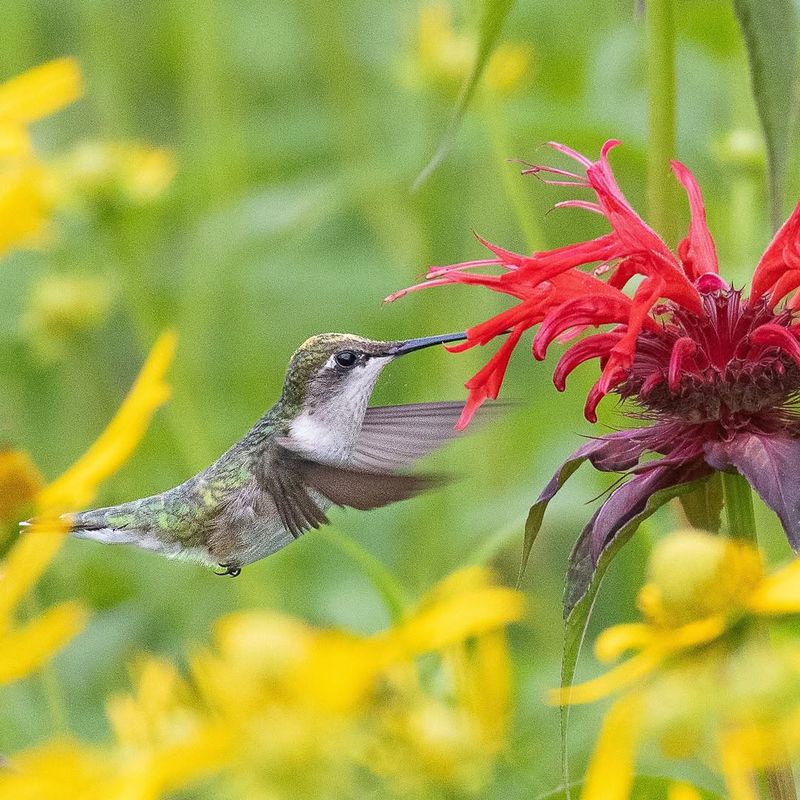
Summer brings peak blooming with coneflowers, bee balm, and mountain mint all producing flowers simultaneously.
This abundance supports the season’s highest pollinator populations when butterflies raise multiple generations and bee colonies reach maximum size.
The variety of flower shapes accommodates different pollinator species with varying feeding preferences.
Fall transitions begin with goldenrod’s yellow plumes and asters’ purple stars taking over as earlier bloomers fade. These late-season champions provide crucial energy for migrating monarchs and final broods of native bees.
Some aster species continue blooming until frost, offering sustenance right up to when pollinators enter dormancy or begin their long migrations southward.
6. Avoid Pesticides That Harm Pollinators
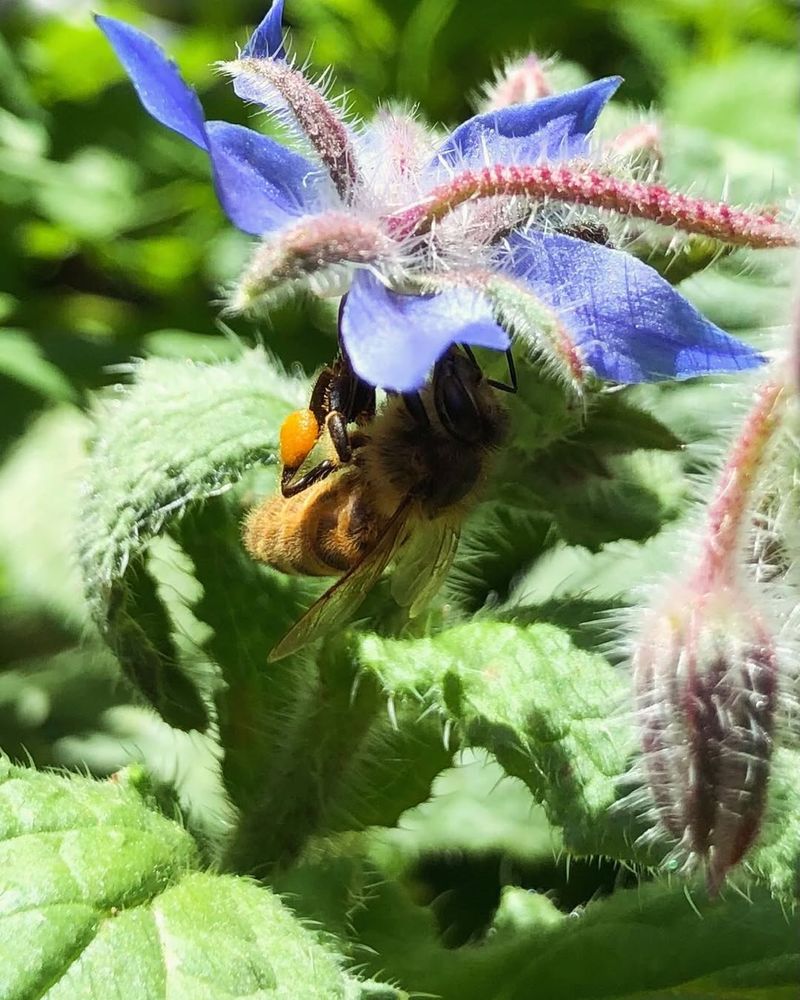
Chemical pesticides pose serious risks to bees and butterflies even when applied according to label directions. Insecticides designed to eliminate pests often cannot distinguish between harmful insects and beneficial pollinators visiting your flowers.
Neonicotinoids, a common pesticide class, can impair bee navigation and reproduction at concentrations too low for humans to detect.
Systemic pesticides get absorbed into plant tissues including nectar and pollen that pollinators consume directly. Butterflies and their caterpillars are particularly vulnerable since they feed extensively on leaves and flowers throughout their life cycles.
Even organic pesticides can harm pollinators when applied during bloom times or when beneficial insects are actively foraging.
Gardens planted with native species naturally experience fewer pest problems because these plants evolved defenses against local insects.
Native plants also support populations of predatory insects like ladybugs and lacewings that control pests without chemical intervention. This biological balance reduces the perceived need for pesticide applications.
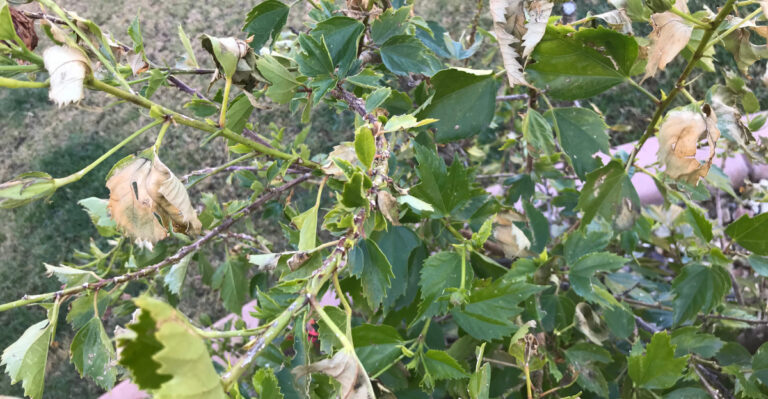
When pest issues do arise, targeted mechanical removal or water sprays often solve problems without chemicals. Accepting minor cosmetic damage to leaves allows the garden ecosystem to maintain its natural balance.
Healthy pollinator populations actually help control some pest species by supporting the predators and parasites that keep pest numbers in check naturally.
7. Add Native Host Plants For Caterpillars
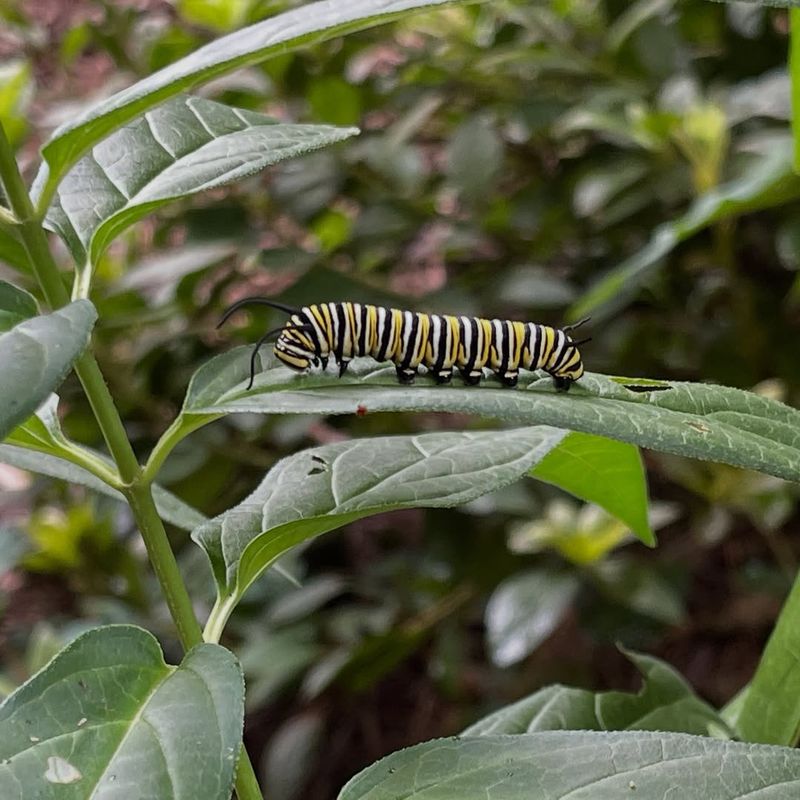
Adult butterflies need more than nectar sources to complete their life cycles successfully in your garden. Each butterfly species requires specific host plants where females lay eggs and caterpillars can feed safely.
Eastern tiger swallowtails choose tulip trees, black cherry, and sweet bay magnolia as caterpillar food sources found naturally throughout North Carolina.
Spicebush swallowtails depend on spicebush and sassafras, both attractive native shrubs that also provide fall color and winter interest. The caterpillars feed on leaves while developing through several growth stages before forming chrysalises.
Without these specific host plants, butterflies may visit your flowers but cannot establish breeding populations.
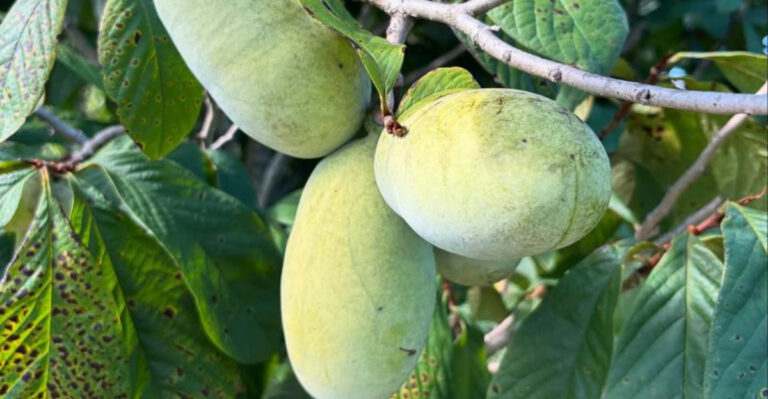
Pawpaw trees host the stunning zebra swallowtail with its distinctive black and white striped wings and long tails. These small native trees produce edible fruits and tolerate shade, making them versatile additions to various garden settings.
The relationship between pawpaw and zebra swallowtail demonstrates how supporting one species benefits another.
Native oaks support hundreds of caterpillar species including those that become food for nesting birds raising their young. Planting even small oak saplings contributes significantly to local ecosystem health beyond just butterflies.
Understanding these host plant relationships helps you create gardens that support complete pollinator life cycles rather than just providing temporary feeding stops.
8. Plant In Groups To Make Flowers Easier For Pollinators To Find
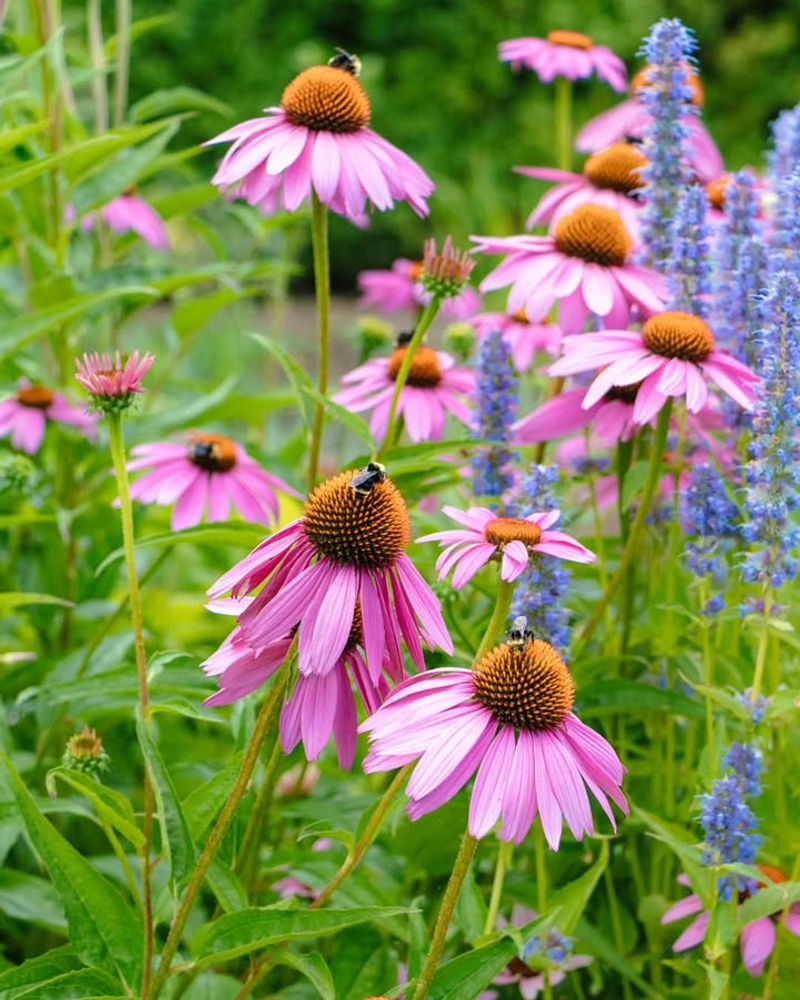
Pollinators locate flowers more efficiently when plants grow in clusters rather than scattered individually throughout a garden. Groups of three to five plants of the same species create visual targets that flying insects can spot from greater distances.
This arrangement mimics how wildflowers naturally grow in drifts and patches across meadows and prairies.
Bees demonstrate remarkable efficiency when they can move between nearby flowers of the same type without long flights between plants.
This behavior, called flower constancy, helps them learn which flowers offer the best rewards and develop efficient feeding patterns. Grouped plantings reduce the energy pollinators expend searching for their next meal.
Butterflies also benefit from massed plantings as they can sample multiple flowers while resting on a single plant clump. The concentrated nectar source encourages them to linger longer in your garden rather than moving on quickly.
This increases the chances of observing their beautiful colors and fascinating behaviors up close.
Practical garden design combines these grouped plantings with pathways and viewing areas for human enjoyment. Repeating drifts of the same plants throughout a garden bed creates rhythm and unity while maximizing pollinator attraction.
The bold visual impact of massed native flowers also creates stunning seasonal displays that change as different species bloom throughout the growing season.
9. Create Shelter With Native Grasses And Shrubs
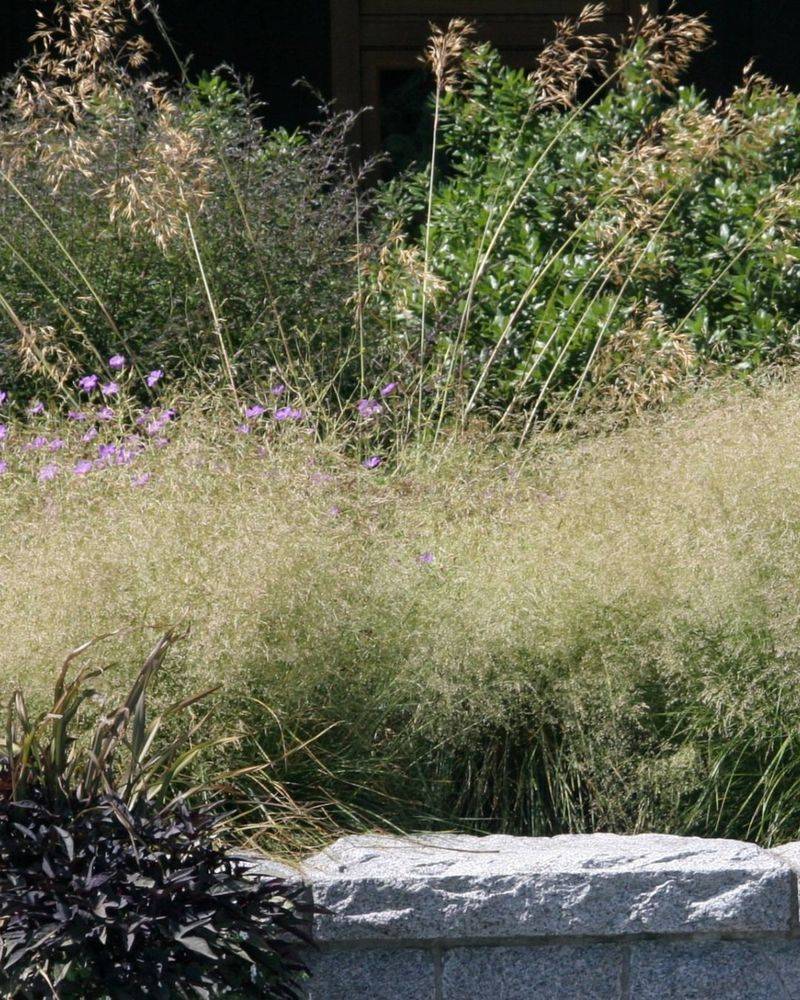
Pollinators need more than flowers to thrive as they also require protected spaces for resting and nesting. Native bunch grasses like little bluestem provide shelter where butterflies can wait out storms and spend cool nights.
These grasses also host skipper butterfly caterpillars and offer nesting material for native bees that construct above-ground homes.
Shrubs create layered habitat structure that benefits numerous pollinator species throughout the year. Blueberry bushes produce early spring flowers that feed emerging queen bumblebees while later providing fruit for birds and mammals.
Their dense branching offers protected spaces where butterflies roost overnight and during inclement weather.
Buttonbush grows near water and produces unusual spherical white flowers that attract butterflies and specialized bees. Its sturdy branches provide perching spots and the dense foliage creates cool microclimates during hot summer days.
Many native bees nest in hollow stems or burrow into soft wood, so leaving some natural debris benefits these important pollinators.
Maintaining areas of bare ground allows ground-nesting bee species to excavate their tunnels and raise young. These solitary bees are excellent pollinators that need undisturbed soil patches near flowering plants.
Combining flowering plants with grasses and shrubs creates diverse habitat that supports the full range of pollinator needs beyond just feeding opportunities.
10. Use A Variety Of Native Plant Shapes And Flower Types
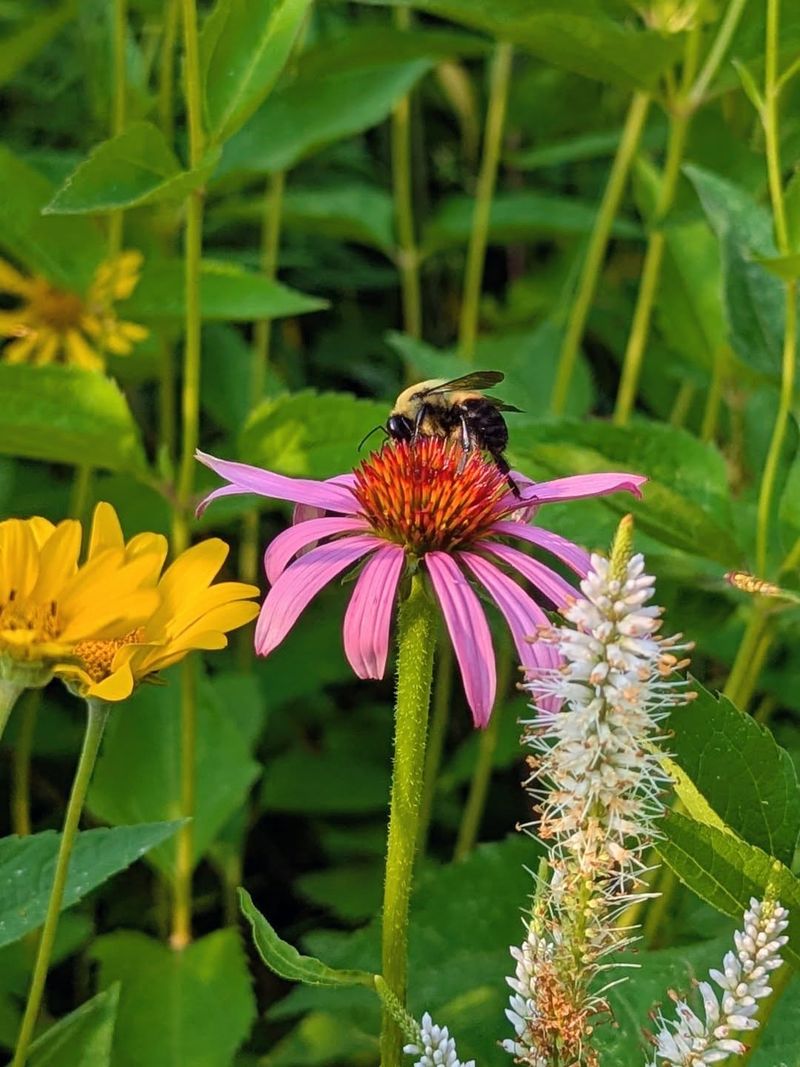
Different pollinator species have evolved to feed from flowers with specific shapes and structures. Long-tongued bumblebees easily access tubular flowers like cardinal flower and coral honeysuckle that shorter-tongued bees cannot reach.
This specialization means planting diverse flower forms attracts a wider variety of beneficial insects to your garden.
Flat or daisy-like flowers including coneflowers and black-eyed Susans provide landing platforms for butterflies and smaller bees. These open flower forms allow easy access to nectar and pollen for many species simultaneously.
Short-tongued native bees particularly appreciate these accessible flower structures where rewards are readily visible and obtainable.
Clustered flowers like mountain mint and Joe Pye weed offer numerous small blooms grouped together efficiently. Tiny native bees and beneficial wasps favor these flowers where they can quickly move between florets.
The compound flower heads essentially function as feeding stations where multiple insects can forage without competition.
Spike-shaped flowers such as blazing star and blue vervain attract butterflies that perch while feeding upward along the flower stem. These vertical forms add architectural interest to garden beds while serving specialized pollinators.
Combining all these flower forms creates a garden that welcomes the complete spectrum of native bees, butterflies, and other beneficial insects throughout the growing season.