How To Attract Northern Cardinals To Your Pennsylvania Garden
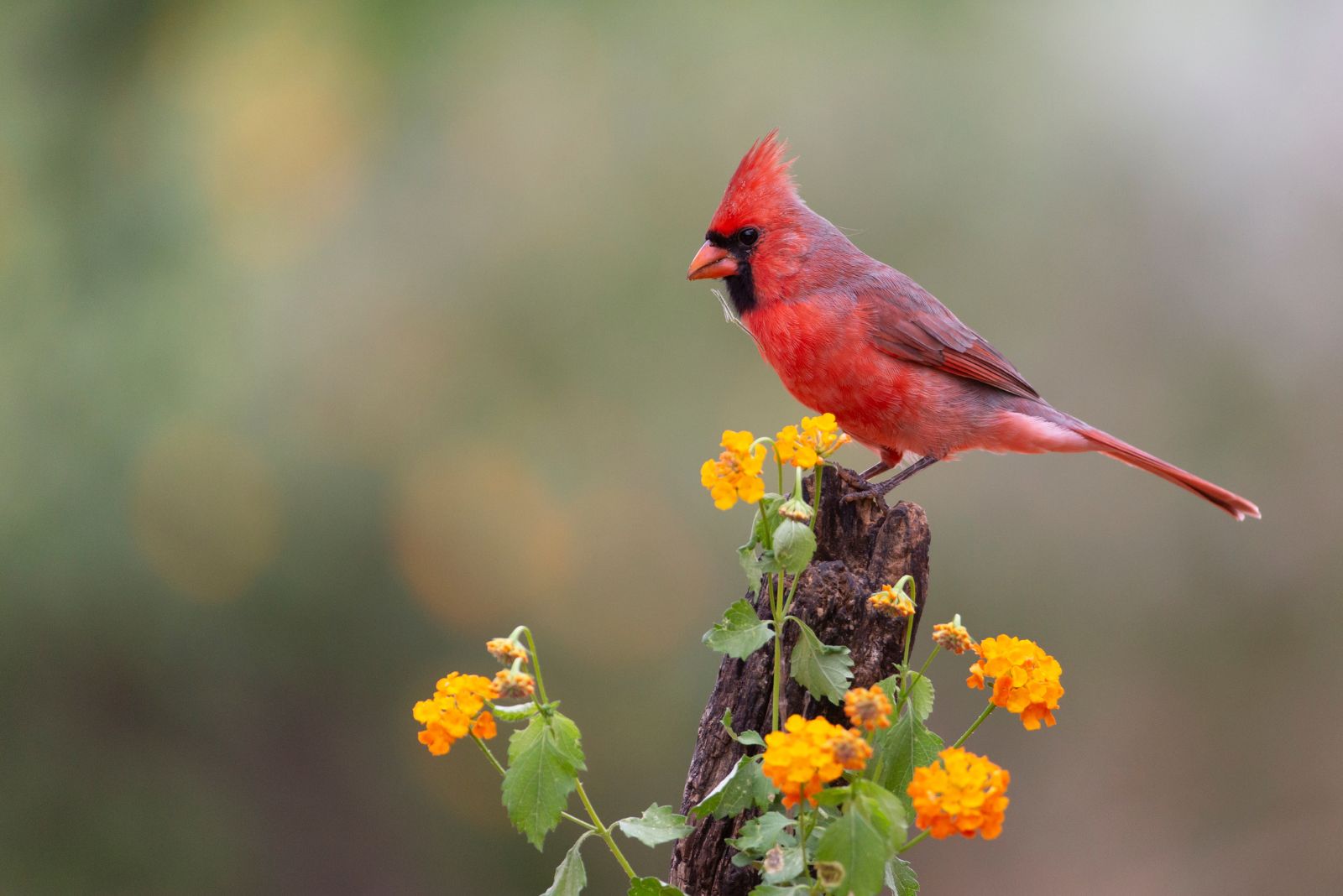
Northern cardinals are one of the most striking and beloved visitors to Pennsylvania gardens. Their bright red plumage, cheerful song, and year-round presence make them a favorite among bird watchers and casual gardeners alike.
Attracting these birds isn’t difficult, but it does take some thought about food, shelter, and water. Cardinals prefer dense shrubs for nesting, open areas for feeding, and consistent access to water sources.
Planting native berry bushes, providing high-quality birdseed, and keeping feeders in safe, quiet spots can make your yard irresistible to them.
Even small adjustments, like adding brush piles or maintaining natural cover, can encourage cardinals to stay longer and visit more often.
By creating a welcoming environment, you can enjoy their beauty, watch courtship behaviors, and listen to their lively songs. A little preparation turns any Pennsylvania garden into a vibrant haven for northern cardinals and other backyard birds.
1. Offer Sunflower Seeds And Safflower Seeds In Quality Feeders
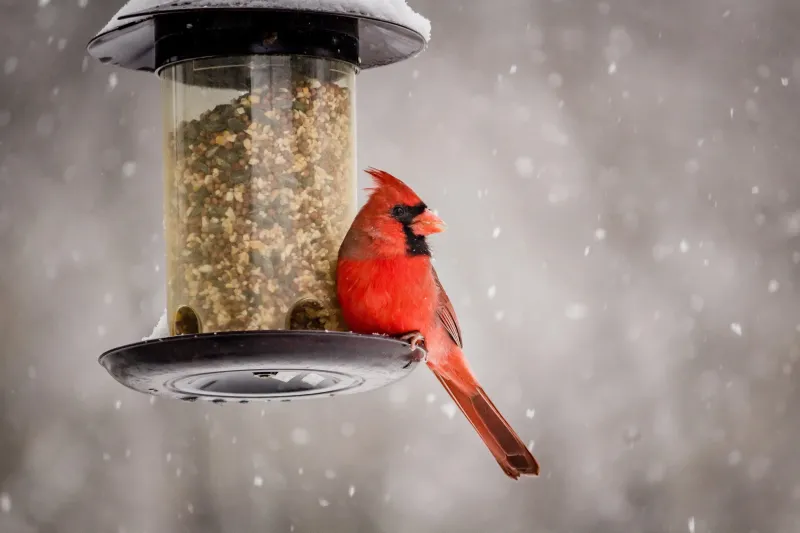
Cardinals have strong beaks built for cracking open seeds, making sunflower seeds their absolute favorite snack. Black oil sunflower seeds work especially well because they have thin shells that cardinals can easily break open.
These seeds also pack plenty of nutrition that keeps cardinals healthy and energized throughout Pennsylvania’s changing seasons.
Safflower seeds make another excellent choice for your feeders. Many squirrels and grackles avoid safflower, which means more food stays available for your cardinal visitors.
Cardinals love these white seeds just as much as sunflower seeds, and offering both varieties gives them options they’ll appreciate.
Platform feeders or hopper-style feeders work best for cardinals in Pennsylvania gardens. These birds prefer stable perches where they can comfortably sit while eating.
Tube feeders with large perches also work, but avoid feeders with tiny perches that make cardinals struggle to balance.
Place your feeders about five feet off the ground near trees or shrubs. Cardinals feel safer when they can quickly retreat to cover if needed.
Keep feeders clean by washing them every two weeks with a mild bleach solution to prevent disease.
Fill your feeders consistently, especially during winter months when natural food sources become scarce across Pennsylvania. Cardinals remember reliable food sources and will visit your garden regularly once they know they can count on finding seeds.
Morning and evening are peak feeding times, so make sure feeders stay full during these hours.
Quality matters when choosing feeders. Metal or thick plastic feeders withstand Pennsylvania weather better than cheap alternatives.
Invest in durable feeders with drainage holes that prevent seeds from getting moldy during rainy periods.
2. Plant Native Berry-Producing Shrubs And Trees
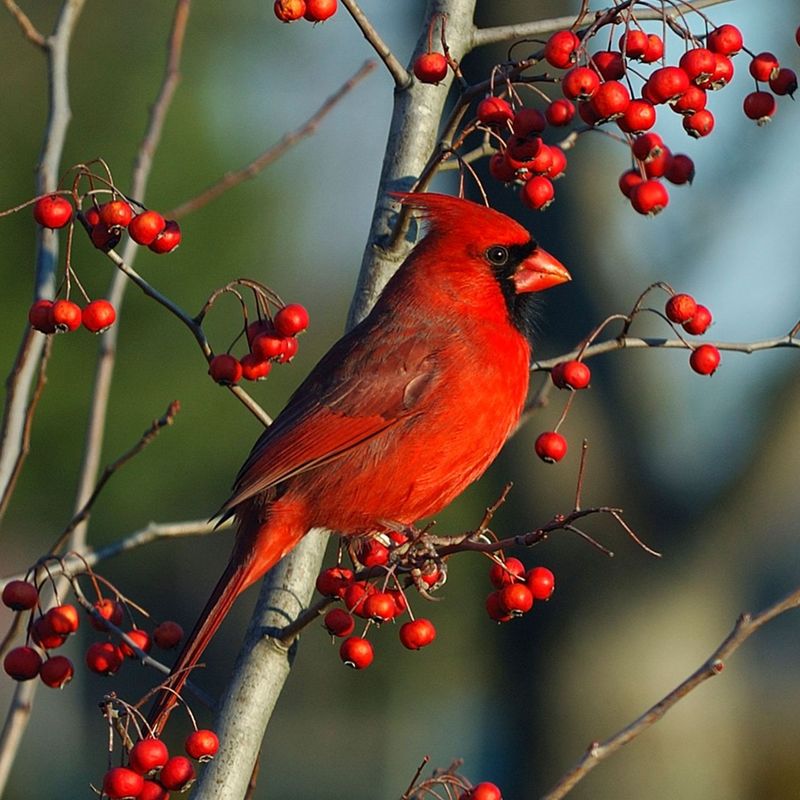
Native plants create a natural buffet that cardinals find irresistible in Pennsylvania landscapes. Dogwood trees produce berries that cardinals eagerly gobble up during fall and winter months.
These trees also provide excellent nesting sites with their dense branching patterns that offer protection from predators and harsh weather.
Serviceberry shrubs deliver double benefits for your cardinal visitors. Beautiful white flowers bloom in spring, followed by purple berries that ripen in early summer.
Cardinals feast on these nutritious berries while also hunting for insects that gather around the flowers.
Elderberry bushes grow quickly and produce clusters of dark berries that cardinals love. These native Pennsylvania plants thrive in various soil conditions and require minimal maintenance once established.
The berries ripen in late summer, providing food when cardinals need extra energy for molting.
Winterberry holly stands out as a champion for attracting cardinals during cold Pennsylvania winters. Female plants produce bright red berries that persist through snow and ice.
Cardinals depend on these berries when other food sources disappear beneath winter’s blanket.
Viburnum species offer year-round appeal with spring flowers, summer berries, and fall foliage. Native viburnums like arrowwood and blackhaw produce berries that cardinals devour eagerly.
These shrubs also create excellent cover for nesting and roosting.
Space your berry-producing plants in clusters rather than single specimens. Cardinals prefer gardens with multiple food sources grouped together.
This arrangement mimics natural forest edges where cardinals typically forage. Plan your garden to include plants that produce berries at different times throughout the year, ensuring cardinals always find something tasty in your Pennsylvania yard.
3. Provide Fresh Water Sources Year-Round
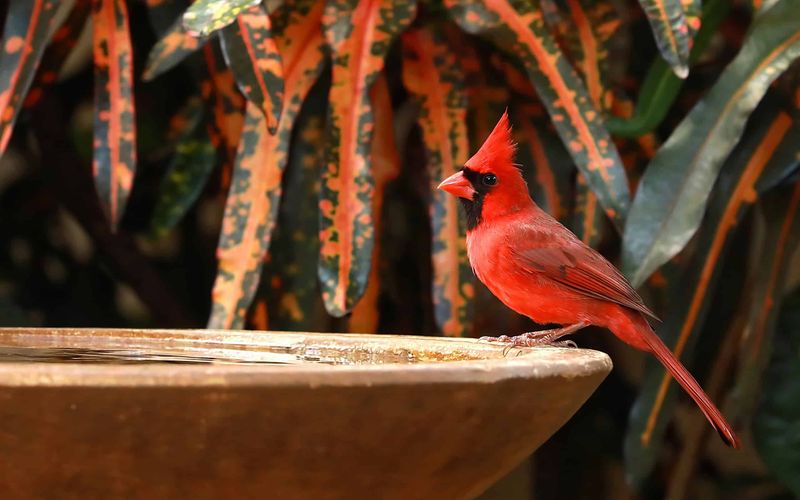
Water attracts cardinals just as effectively as food does in Pennsylvania gardens. Cardinals need to drink multiple times daily and love bathing to keep their brilliant feathers clean and healthy.
A simple birdbath becomes a cardinal magnet when you maintain it properly throughout all seasons.
Choose birdbaths with shallow basins, ideally one to two inches deep. Cardinals prefer wading into water gradually rather than diving into deep pools.
Rough surfaces on the basin bottom give cardinals better footing than slippery glazed ceramic.
Location matters tremendously for birdbath success. Place your water source near shrubs or trees where cardinals can perch before and after bathing. This proximity to cover helps cardinals feel secure while they’re vulnerable and wet.
Change the water every two or three days during warm months. Fresh, clean water prevents mosquito breeding and keeps cardinals healthy.
Scrub the basin weekly with a brush to remove algae and bird droppings that accumulate quickly.
Winter water sources require special attention in Pennsylvania’s cold climate. Heated birdbaths or birdbath heaters prevent freezing when temperatures drop below 32 degrees. Cardinals desperately need liquid water during winter when natural sources freeze solid.
Moving water creates irresistible appeal for cardinals. Add a small fountain, dripper, or bubbler to your birdbath.
The sound and movement of flowing water attracts cardinals from greater distances than still water does.
Consider adding multiple water sources around your Pennsylvania property. Ground-level basins, elevated birdbaths, and hanging water dishes give cardinals choices.
Cardinals often visit water sources more frequently than feeders, making reliable water your secret weapon for attracting these beautiful red birds consistently.
4. Create Dense Evergreen Shelter For Nesting And Roosting
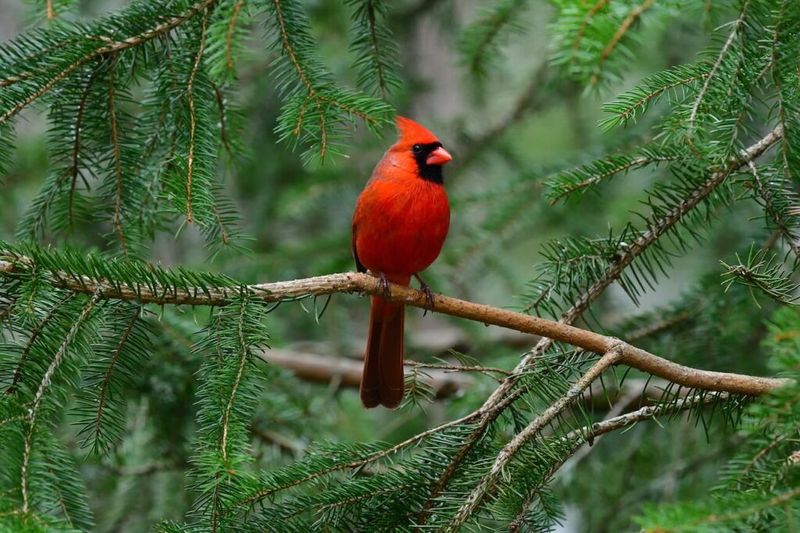
Cardinals crave privacy and protection when raising their families in Pennsylvania yards. Dense evergreen shrubs and trees provide the perfect sanctuary where cardinals build nests and sleep safely at night.
Unlike many birds that migrate south, cardinals stay in Pennsylvania year-round and need reliable shelter through every season.
Eastern red cedar trees rank among the best choices for cardinal habitat. These native Pennsylvania evergreens grow thick branches that shield cardinals from wind, rain, and snow.
Cardinals often build nests deep inside cedar branches where predators cannot easily spot them.
Arborvitae shrubs create living walls that cardinals adore. Plant these evergreens in rows or clusters to form dense screening.
Cardinals nest in arborvitae frequently because the tight foliage offers excellent concealment from hawks and cats.
Hemlock trees provide massive shelter potential in Pennsylvania landscapes. Their drooping branches and dense needle coverage create protected spaces where cardinals roost during brutal winter nights.
Multiple cardinals sometimes huddle together in hemlocks when temperatures plummet.
Native rhododendrons keep their leaves year-round in Pennsylvania gardens. These broad-leaved evergreens form impenetrable thickets where cardinals feel completely secure. The thick foliage blocks wind and provides insulation during cold snaps.
Hollies offer dual benefits with evergreen leaves and winter berries. American holly and inkberry grow well across Pennsylvania and give cardinals both food and shelter. The spiny leaves deter predators while creating safe nesting spots.
Arrange your evergreens in layers with tall trees, medium shrubs, and low groundcovers. This varied structure mimics natural forest edges that cardinals prefer.
Leave some evergreen branches unpruned to maintain maximum density. Cardinals need thick, tangled growth where they can disappear completely when danger threatens your Pennsylvania garden.
5. Maintain Brush Piles And Natural Garden Edges
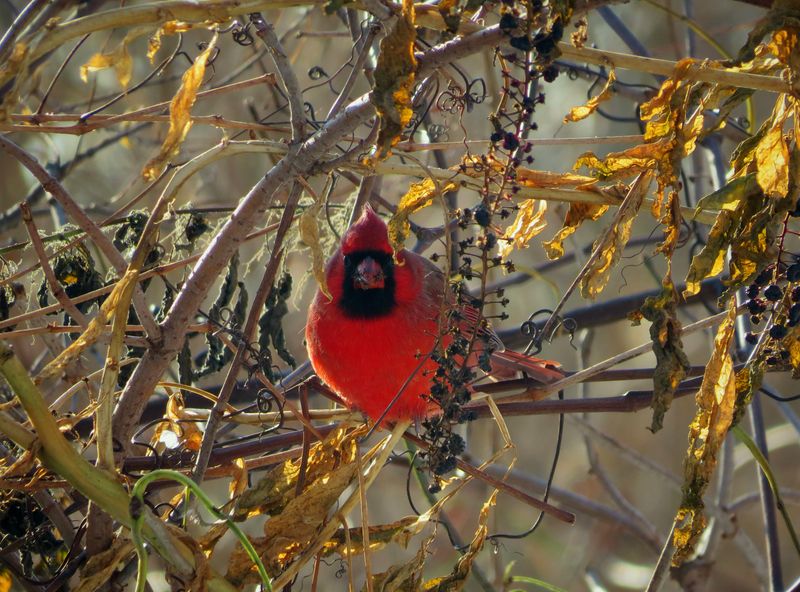
Wild, messy garden areas appeal to cardinals far more than perfectly manicured lawns do. Cardinals spend considerable time foraging on the ground where they scratch through leaf litter searching for seeds, insects, and berries.
Creating natural edges in your Pennsylvania garden gives cardinals the habitat they instinctively seek.
Brush piles transform yard waste into valuable cardinal habitat. Stack fallen branches, pruned limbs, and twigs in a corner of your property.
Cardinals use brush piles for quick cover when hawks fly overhead and for shelter during storms.
Leave fallen leaves under trees and shrubs instead of raking them away. Cardinals hop through leaf litter, flipping leaves aside with their beaks and feet.
This natural mulch harbors insects and spiders that cardinals eat, especially during breeding season when they need extra protein.
Let your garden edges grow a bit wild. Allow native grasses, wildflowers, and small shrubs to establish along fence lines and property borders.
These transitional zones between lawn and woods replicate the habitat where cardinals naturally thrive across Pennsylvania.
Dry tree snags provide valuable perches and potential nest sites. If you have a dry tree that poses no safety risk, leave it standing. Cardinals perch on bare branches to sing their territorial songs and scout for food below.
Native groundcovers like wild strawberry and partridgeberry create low-growing habitat where cardinals forage comfortably. These plants produce small fruits that cardinals nibble while also attracting insects that cardinals hunt.
Resist the urge to clean up your Pennsylvania garden too thoroughly each fall. Cardinals benefit from seed heads left standing on flowers and grasses through winter.
These natural food sources supplement your feeders and keep cardinals visiting regularly even when snow blankets your yard.
6. Avoid Pesticides And Provide Natural Insect Sources
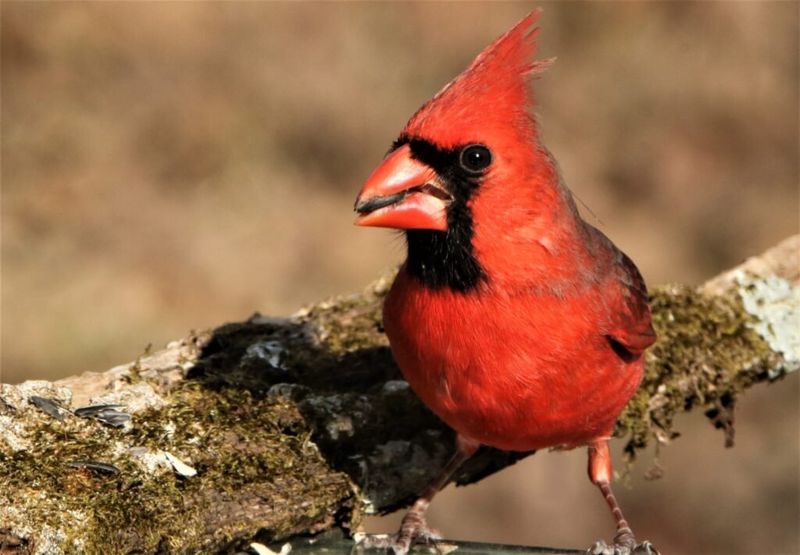
Cardinals eat more than just seeds and berries throughout the year in Pennsylvania. Insects form a crucial part of their diet, especially during spring and summer when adult cardinals feed protein-rich bugs to their growing chicks.
Baby cardinals need insects almost exclusively during their first weeks of life.
Chemical pesticides eliminate the insects that cardinals depend on for survival. When you spray your Pennsylvania garden to control pests, you also remove the natural food that cardinals need for raising healthy families.
Pesticides can also poison cardinals directly when they eat contaminated insects.
Native flowering plants attract beneficial insects that cardinals hunt eagerly. Coneflowers, black-eyed Susans, and asters bloom throughout Pennsylvania’s growing season while drawing beetles, caterpillars, and spiders.
Cardinals patrol these flowers daily, plucking insects from leaves and petals.
Caterpillars provide essential nutrition for baby cardinals. Native oak trees host hundreds of caterpillar species that cardinals feed to their nestlings.
A single cardinal family can consume thousands of caterpillars during one breeding season.
Tolerate some plant damage from insects instead of reaching for pesticides. A few chewed leaves actually indicate a healthy ecosystem that supports cardinals and other wildlife.
Cardinals will naturally control insect populations by eating them. Create habitat diversity that supports various insect species. Plant native flowers, grasses, shrubs, and trees together.
This variety hosts different insects throughout the year, giving cardinals consistent hunting opportunities across your Pennsylvania property.
Grasshoppers, crickets, and beetles thrive in unmowed areas where grass grows longer. Cardinals hunt through these mini meadows, catching insects with impressive speed and accuracy.
Let a portion of your lawn grow wild to boost insect populations that feed cardinals naturally without any pesticide use.