How To Bring More Songbirds To Your Wisconsin Backyard
Across Wisconsin, backyards can turn quiet or burst with song.
The difference rests on choices, not luck or size.
When food, cover, and water line up, birds take notice and stick around.
Cardinals flash red, chickadees chatter, and finches crowd in like regulars at a favorite café.
Cold winters and summers raise the stakes, yet smart setups tip the balance.
Skip empty lawns and one note feeders that miss the mark.
A layered yard offers shelter from wind, fuel through snow, and safety from harm.
This approach pays off year after year and builds a rhythm outside the window.
With a few proven moves, any space can pull birds close and keep them loyal.
Once conditions feel right, song fills the air, mornings feel brighter, and the yard earns a reputation.
Install Multiple Bird Feeders With Different Seed Types
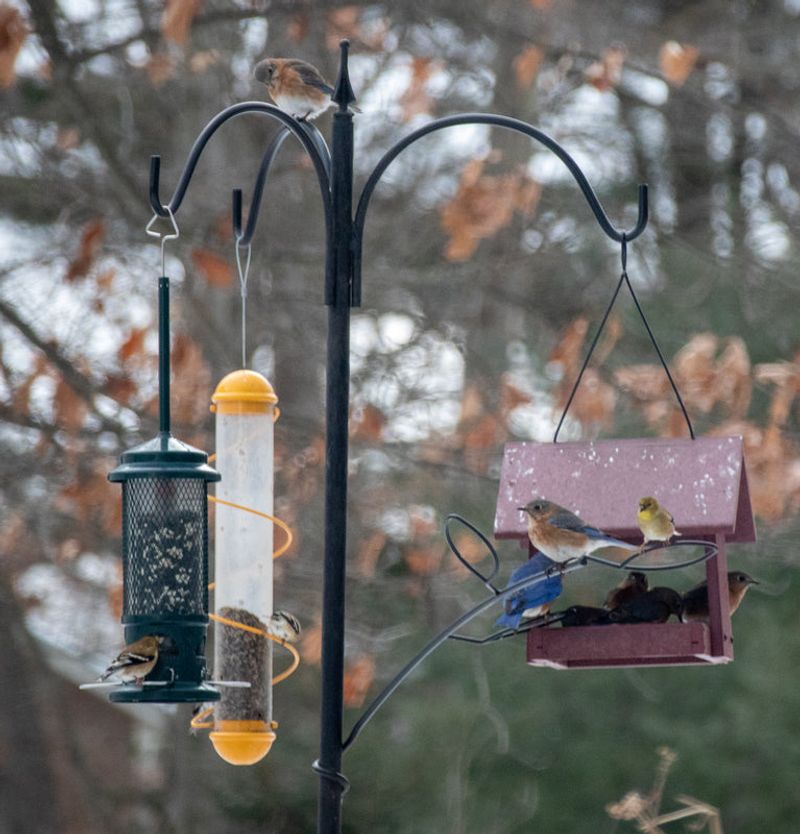
Different songbirds prefer different foods, so offering variety is the secret to attracting more species.
Black oil sunflower seeds appeal to cardinals, chickadees, and nuthatches, while nyjer seeds draw goldfinches and siskins.
Suet cakes work wonders for woodpeckers and warblers, especially during cold Wisconsin winters.
Placing feeders at different heights and locations around your yard creates more opportunities for birds to visit without competing for space.
Tube feeders work well for small birds, while platform feeders accommodate larger species like jays and grosbeaks.
Hopper feeders protect seeds from rain and snow, which is important during Wisconsin’s wet springs and snowy winters.
Keep feeders clean by washing them every two weeks with a mild bleach solution to prevent disease spread.
Refill feeders regularly so birds learn to depend on your yard as a reliable food source.
Position feeders near trees or shrubs where birds can quickly escape if a predator approaches.
Avoid placing feeders too close to windows to reduce the risk of collisions.
With multiple feeders stocked with various seeds, your backyard becomes a buffet that songbirds can’t resist.
Plant Native Trees And Shrubs That Produce Berries
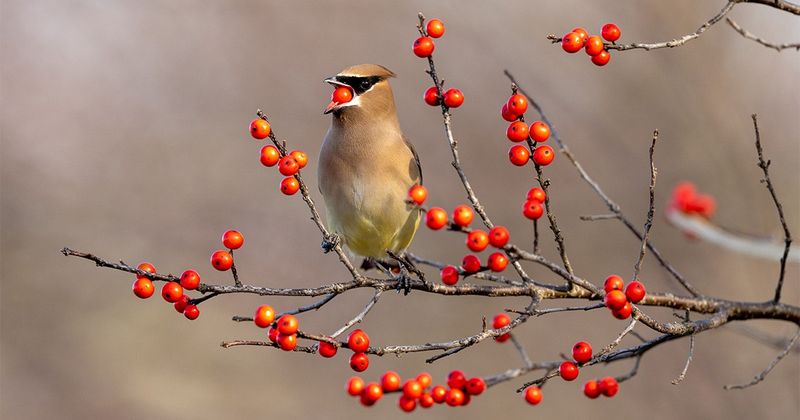
Natural food sources beat artificial feeders every time because they provide nutrition exactly when birds need it most.
Native plants have evolved alongside local bird populations for thousands of years, creating perfect partnerships.
Serviceberry trees produce small purple fruits in early summer that robins, waxwings, and thrushes devour eagerly.
Elderberry shrubs offer clusters of dark berries in late summer, feeding birds as they prepare for migration.
Dogwood varieties provide bright red or white berries that persist into fall and winter, giving resident birds crucial cold-weather fuel.
Viburnum species produce berries that ripen at different times, extending the feeding season from summer through winter.
Native plants also attract insects, which are essential protein sources for parent birds feeding their babies.
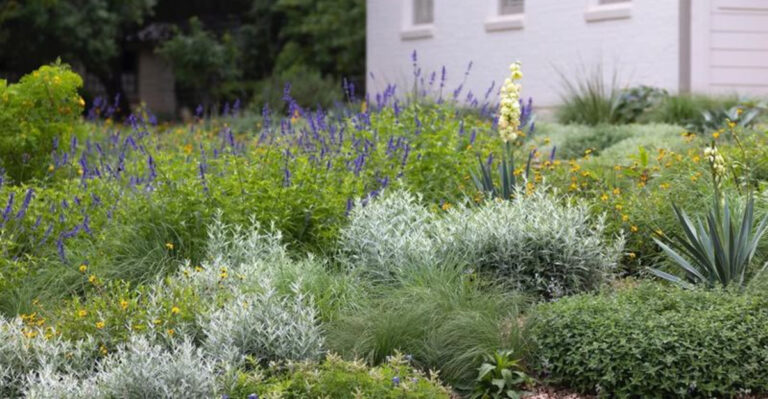
These plants require less water and maintenance than non-native species because they’re adapted to Wisconsin’s soil and climate.
Group several berry-producing plants together to create a natural feeding zone that birds will visit repeatedly.
Avoid trimming damaged flower heads in fall since many contain seeds that finches and sparrows eat during winter months.
A yard filled with native plants becomes a self-sustaining bird habitat that gets better every year.
Provide Fresh Water Year-Round With A Birdbath
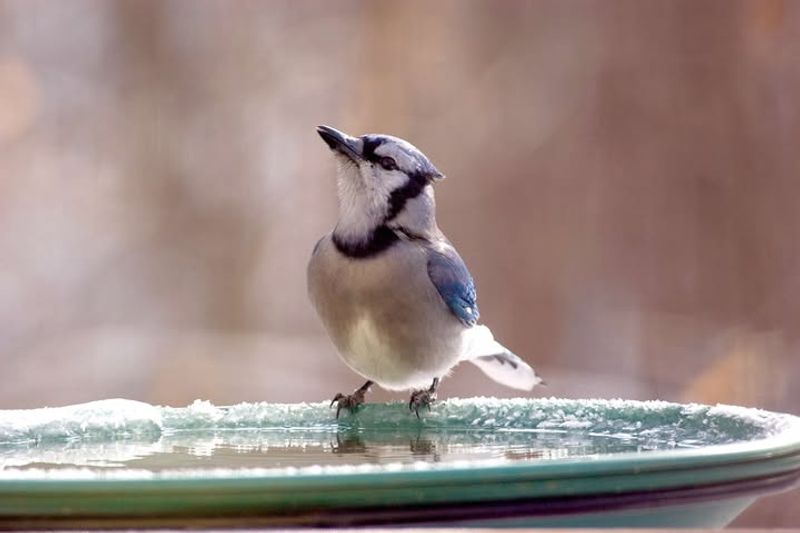
Birds need water just as much as food, yet many backyards lack this critical resource.
A simple birdbath can double or triple the number of bird species visiting your property.
Songbirds use water for drinking and bathing, which keeps their feathers clean and properly insulated.
Place your birdbath in a spot where birds can see approaching predators but still have nearby branches for quick escapes.
Shallow baths work best since most songbirds prefer water no deeper than two inches.
Add a few flat stones to provide different depth options and stable perching spots.
During Wisconsin’s freezing winters, a heated birdbath becomes incredibly valuable since natural water sources freeze solid.
Battery-operated or solar-powered heaters keep water liquid even on the coldest days without running up your electric bill.
Change the water every few days to keep it fresh and prevent mosquitoes from breeding in summer.
Scrub the bath weekly with a stiff brush to remove algae and bird droppings.
Moving water attracts even more birds, so consider adding a small fountain or dripper that creates gentle splashing sounds.
Birds can hear trickling water from remarkable distances and will investigate your yard when they detect it.
Create Brush Piles And Leave Wood For Shelter
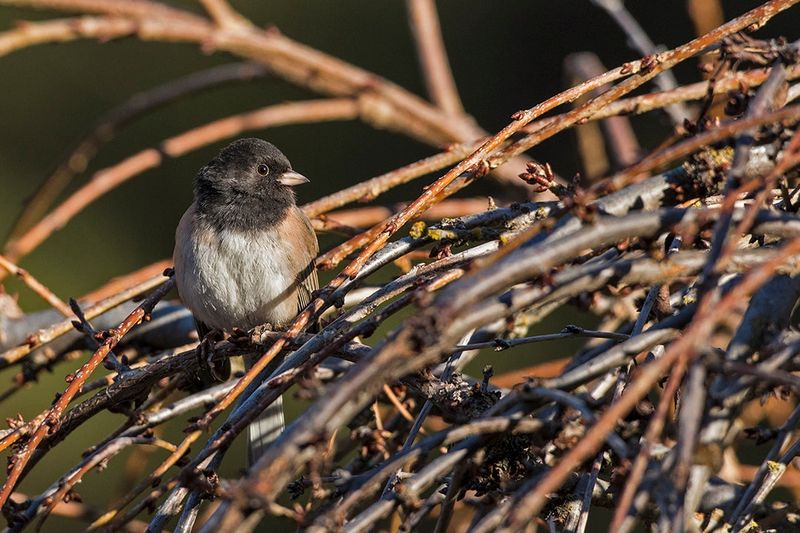
Songbirds need safe places to hide from hawks, cats, and harsh weather, and natural shelters work better than anything humans can build.
Brush piles made from pruned branches, fallen limbs, and twigs create perfect hiding spots for sparrows, wrens, and towhees.
Stack branches loosely so birds can hop inside but predators can’t easily reach them.
Place your brush pile in a quiet corner of your yard where it won’t look messy but will still be accessible to birds.
Standing damaged trees, called snags, provide nesting cavities for woodpeckers, chickadees, and nuthatches.
If a damaged tree isn’t dangerous to structures or people, consider leaving it standing instead of removing it.
Woodpeckers will excavate nest holes, which other birds will use in following years.
Even damaged branches on living trees serve as important perching and hunting spots for flycatchers and other insect-eaters.
Fallen logs on the ground shelter ground-feeding birds like thrushes and sparrows while attracting the insects they eat.
These natural features cost nothing to create and require zero maintenance.
Many people tidy their yards too much, removing the very features that birds need most.
A slightly wilder yard with natural shelter will always attract more songbirds than a perfectly manicured lawn.
Reduce Or Eliminate Pesticide Use In Your Yard
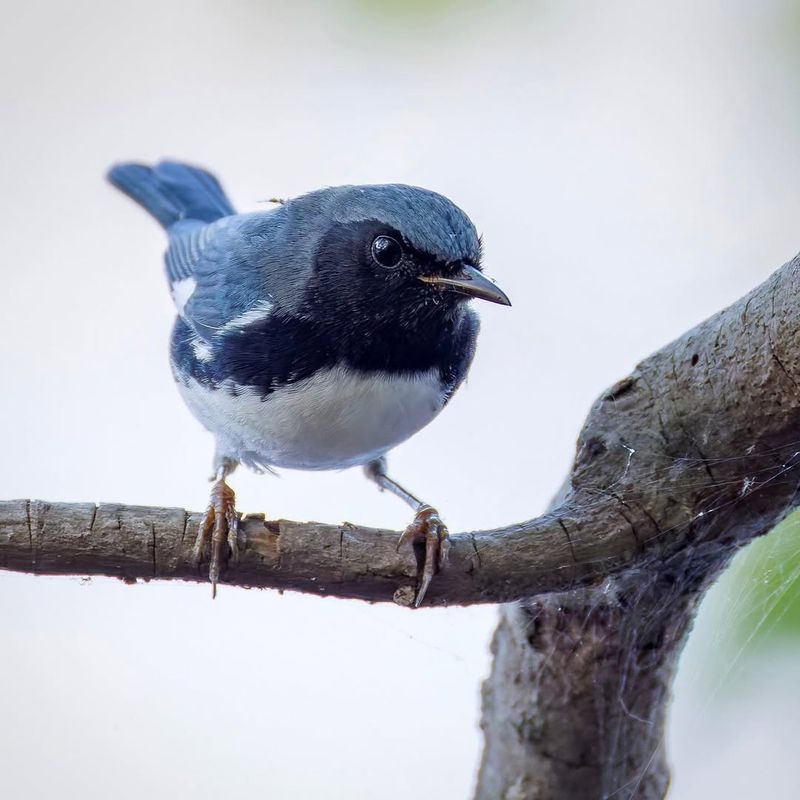
Chemicals that target insects also harm the birds that depend on those insects for survival.
Baby songbirds eat almost nothing but insects during their first weeks of life, requiring hundreds of caterpillars and other bugs daily.
When you spray pesticides, you eliminate this essential food source right when parent birds need it most.
Many common lawn and garden chemicals also poison birds directly through contaminated water or by coating their feathers.
Switching to natural pest control methods protects birds while still keeping your plants healthy.
Encourage natural predators like ladybugs and praying mantises that eat problem insects without harming birds.
Hand-pick larger pests like tomato hornworms and drop them in soapy water instead of spraying entire plants.
Accept that some leaf damage is normal and actually indicates a healthy ecosystem that supports bird populations.
Native plants naturally resist local pests better than exotic species, reducing the need for any intervention.
If you must treat a serious infestation, spot-treat only affected areas rather than broadcasting chemicals across your entire property.
Choose organic options like neem oil or insecticidal soap that break down quickly and pose less risk to wildlife.
A yard buzzing with insects might seem messy, but it’s actually a thriving bird cafeteria that will attract dozens of songbird species.
Install Nest Boxes Designed For Specific Species
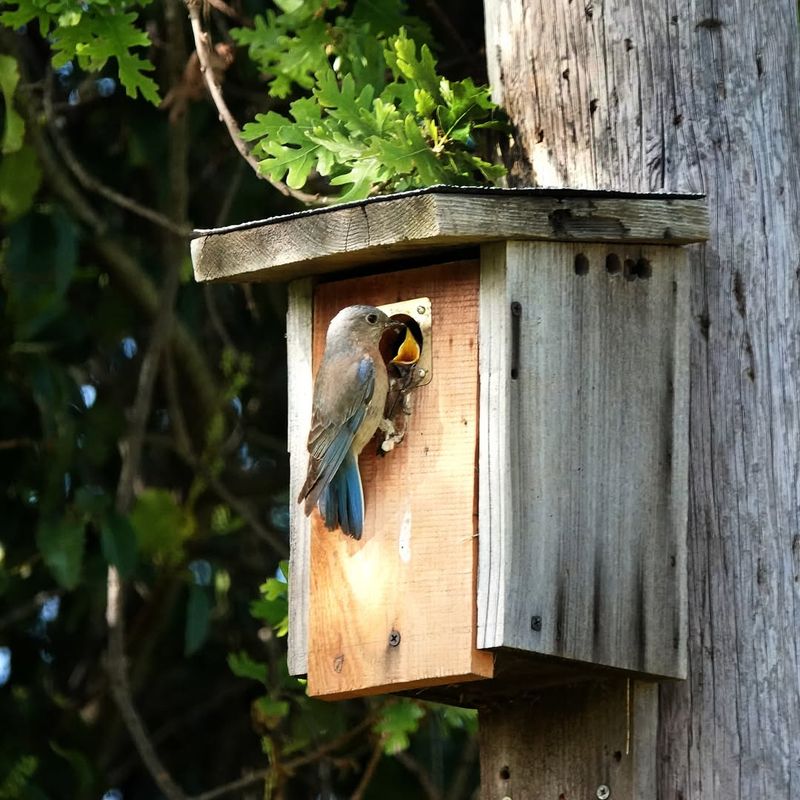
Many cavity-nesting songbirds struggle to find suitable nesting sites in modern landscapes where old trees are scarce.
Properly designed nest boxes give these birds safe places to raise their families right in your backyard.
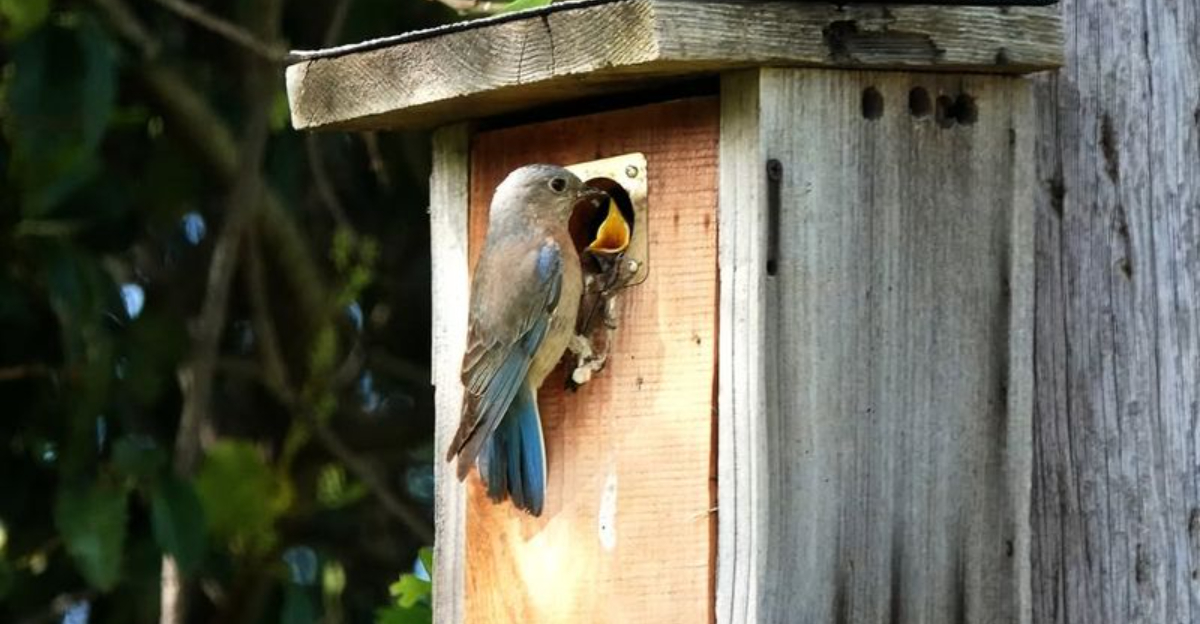
Bluebirds prefer boxes mounted on poles in open areas with the entrance hole facing away from prevailing winds.
Chickadees and nuthatches like boxes attached to trees at the forest edge or in lightly wooded areas.
House wrens will nest almost anywhere but prefer boxes placed four to six feet high in shrubby areas.
The entrance hole size determines which species can use each box, so research your target birds before building or buying.
Bluebirds need a 1.5-inch hole, while chickadees require only 1.125 inches.
Mount boxes in late winter before birds begin scouting for nest sites in early spring.
Place boxes at least 25 yards apart to reduce territorial conflicts between nesting pairs.
Clean out old nesting material each fall after birds have finished raising their young.
Avoid boxes with perches beneath the entrance hole since native birds don’t need them, but invasive starlings prefer them.
Watching a pair of bluebirds or chickadees raise their babies in a box you provided is one of nature’s most rewarding experiences.
Maintain A Mix Of Evergreen And Deciduous Trees
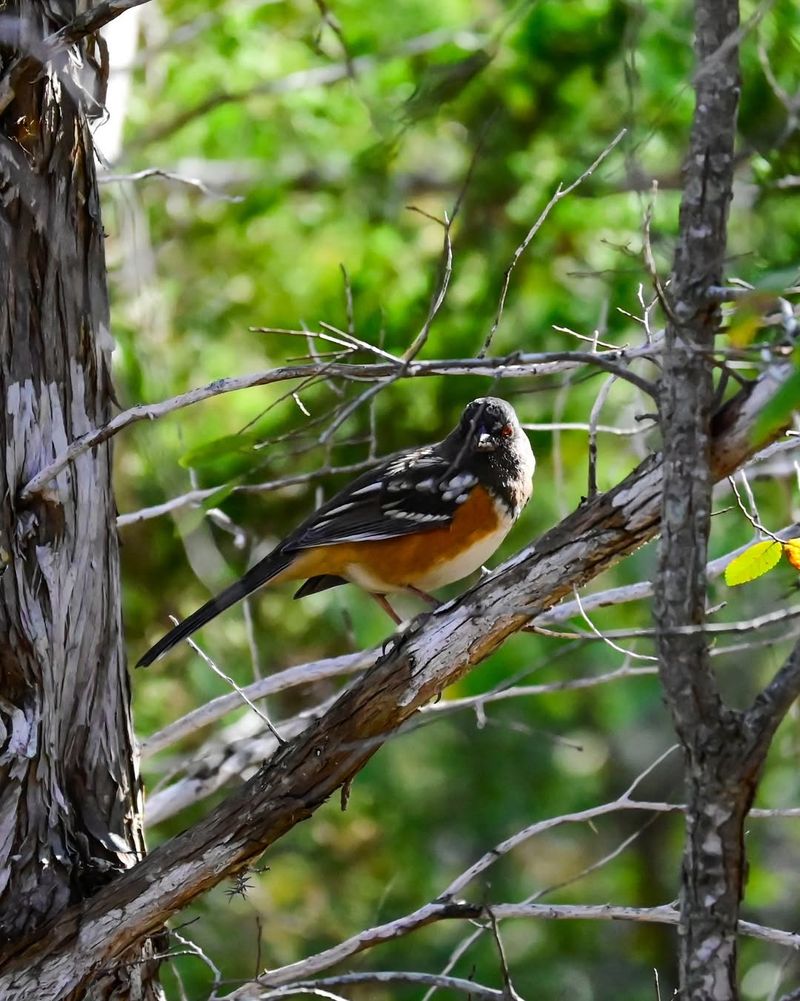
Variety in your tree selection creates year-round habitat that supports birds through every season.
Evergreens like spruce, pine, and cedar provide critical winter shelter when deciduous trees stand bare.
Their dense foliage blocks wind and snow, creating warm microclimates where birds roost on cold nights.
Chickadees, nuthatches, and kinglets spend winter days searching evergreen branches for hidden insect eggs and larvae.
Deciduous trees like oak, maple, and birch support far more insect diversity than evergreens, providing abundant food during spring and summer.
Oak trees alone host over 500 species of caterpillars, making them incredibly valuable for nesting birds.
The open branching structure of deciduous trees offers ideal nest sites for robins, orioles, and warblers.
In fall, many deciduous trees produce seeds and nuts that feed jays, woodpeckers, and other larger songbirds.
Even a small yard can accommodate one or two evergreens and several deciduous trees of varying sizes.
Plant trees in clusters rather than evenly spaced rows to create more natural edge habitat that birds prefer.
Choose native species whenever possible since they support local insect populations that birds have evolved to eat.
A diverse tree canopy transforms your property into a complex habitat that different bird species can use in different ways throughout the year.
Keep Cats Indoors Or Create Enclosed Outdoor Spaces
Free-roaming cats are among the biggest threats to backyard songbirds across North America.
Even well-fed pet cats retain strong hunting instincts and catch birds whenever opportunities arise.
Studies show that outdoor cats capture billions of birds annually, with songbirds making up a large portion of their prey.
The simplest solution is keeping cats indoors, where they live longer, healthier lives while birds remain safe.
Indoor cats avoid traffic accidents, fights with other animals, diseases, and exposure to parasites and toxins.
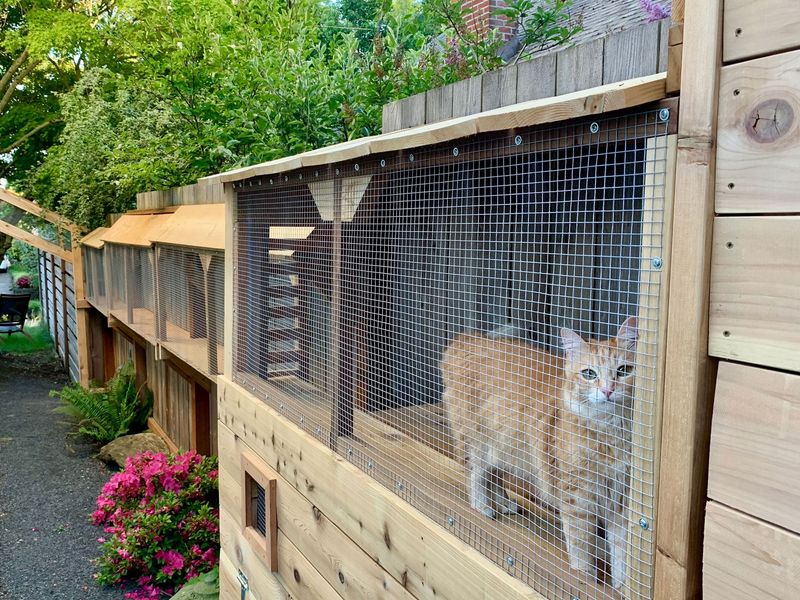
If your cat loves being outside, consider building a catio—an enclosed outdoor space where cats can enjoy fresh air without threatening wildlife.
Catios range from simple window boxes to elaborate structures with multiple levels, perches, and climbing areas.
You can also create a cat-proof fence around your yard or train your cat to walk on a leash in designated areas.
Bell collars don’t work well since birds often can’t hear the warning in time to escape.
Brightly colored collar covers called BirdsBeSafe reduce bird catches by making cats more visible, though they’re not foolproof.
When cats stay contained, bird populations in your neighborhood increase noticeably within just one or two breeding seasons.
Protecting songbirds doesn’t mean you can’t love cats—it just means being a responsible pet owner who respects wildlife too.
Let Your Lawn Grow Wild In Sections
Perfect lawns might look tidy, but they’re biological deserts that offer almost nothing to songbirds.
Grass kept constantly short can’t flower or produce seeds, eliminating food sources that sparrows and finches need.
Short turf also lacks the insect diversity that robins, thrushes, and other ground-feeding birds hunt.
Allowing at least part of your lawn to grow longer creates immediate habitat improvements without costing a penny.
Taller grass shelters ground-nesting birds and provides cover for insects that birds eat.
When grass grows long enough to flower and set seed, it attracts seed-eating birds like goldfinches and juncos.
You don’t need to abandon mowing entirely—just designate one or two sections to remain unmowed throughout the growing season.
Mow paths through wild areas so your yard still looks intentional rather than neglected.
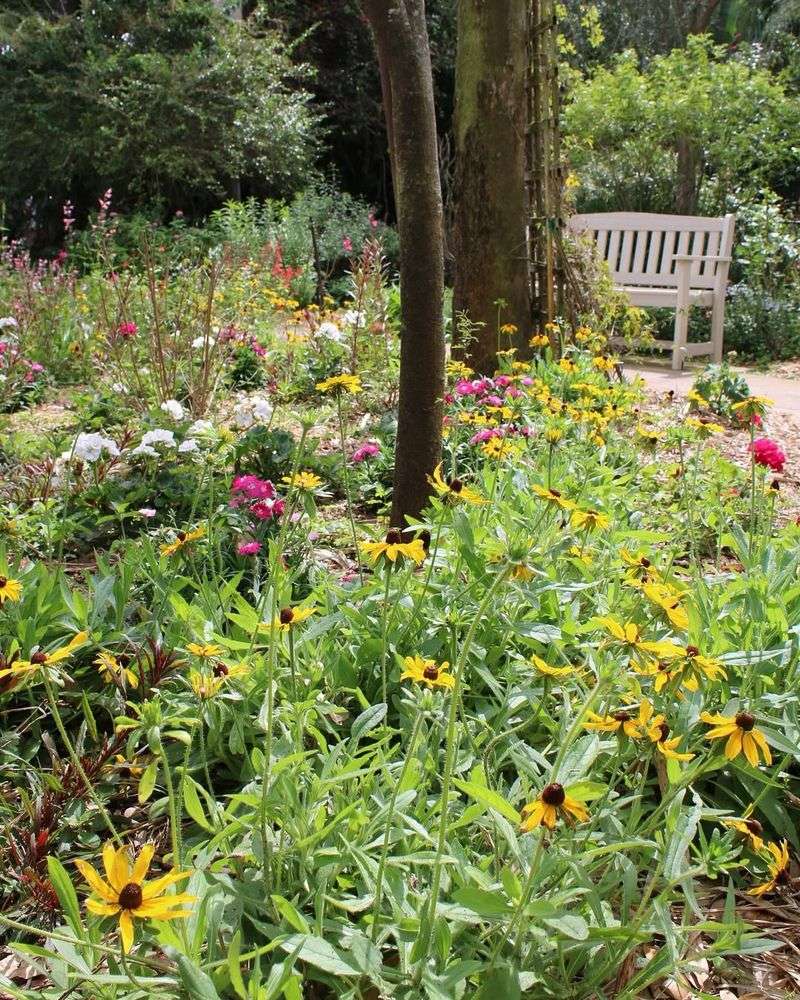
Add native wildflower seeds to unmowed sections to increase plant diversity and attract even more insects.
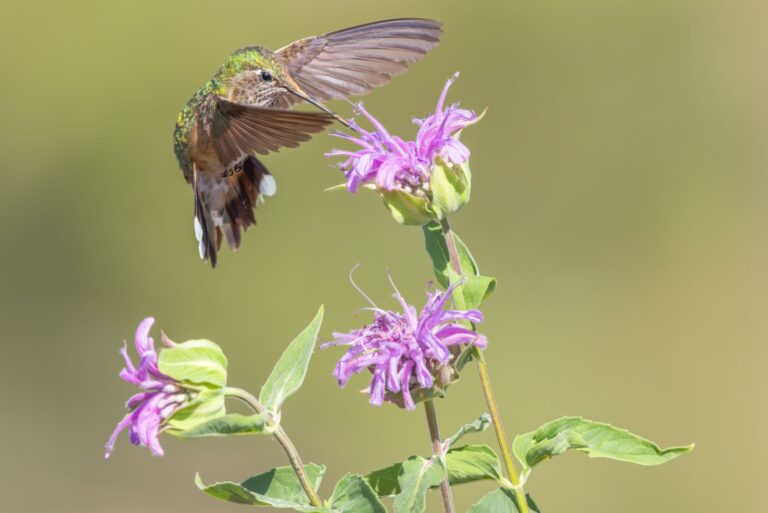
Species like black-eyed Susan, coneflower, and bergamot thrive in Wisconsin and support both insects and seed-eating birds.
In fall, leave damaged flower stalks standing instead of cutting everything down since they provide seeds and shelter through winter.
This approach reduces your mowing time, saves money on gas and maintenance, and creates better bird habitat all at once.