How To Build A California Pollinator Patch In Even The Smallest Yard
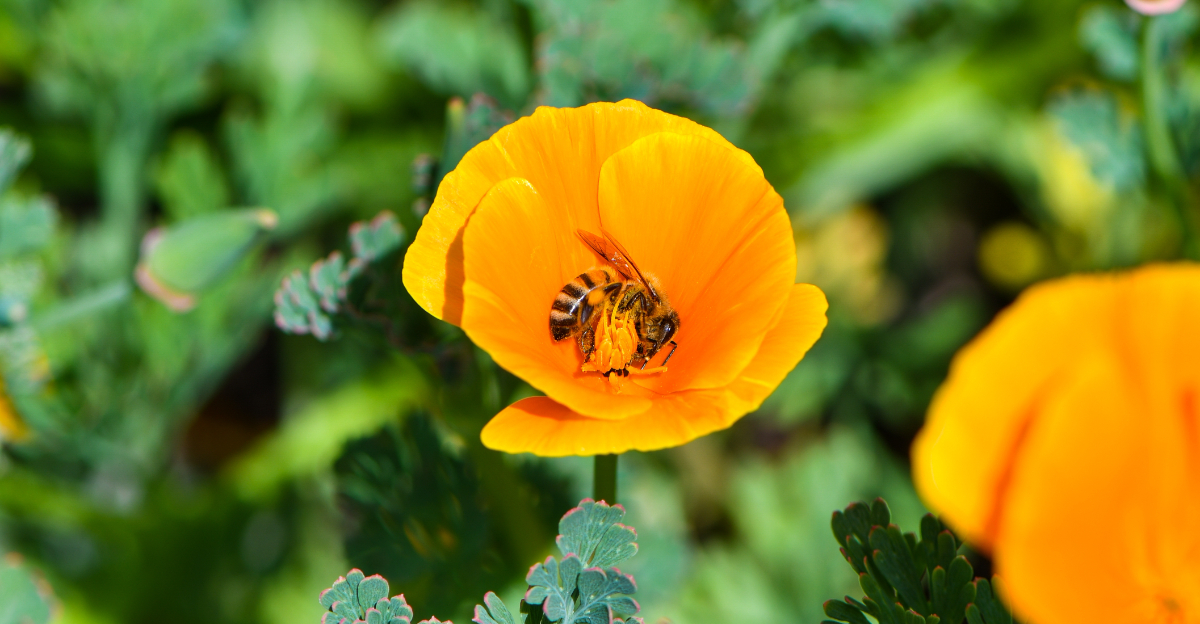
You don’t need a big yard to make a difference for pollinators. Even a small patch of space, a narrow side yard, or a few containers can turn into a buzzing little hotspot filled with bees, butterflies, and other helpful visitors.
It’s less about size and more about choosing the right plants and creating a space that actually invites them in.
Once you start paying attention, it’s kind of amazing how quickly pollinators show up. A few blooms here, a bit of shelter there, and suddenly your garden feels more alive.
It becomes less of a decoration and more of a tiny ecosystem doing its thing. The best part is how simple it can be. You don’t need complicated layouts or a full garden makeover.
With a few smart choices, even the smallest yard can support pollinators and bring a steady stream of movement, color, and life right to your doorstep.
1. Start With A Sunny Spot
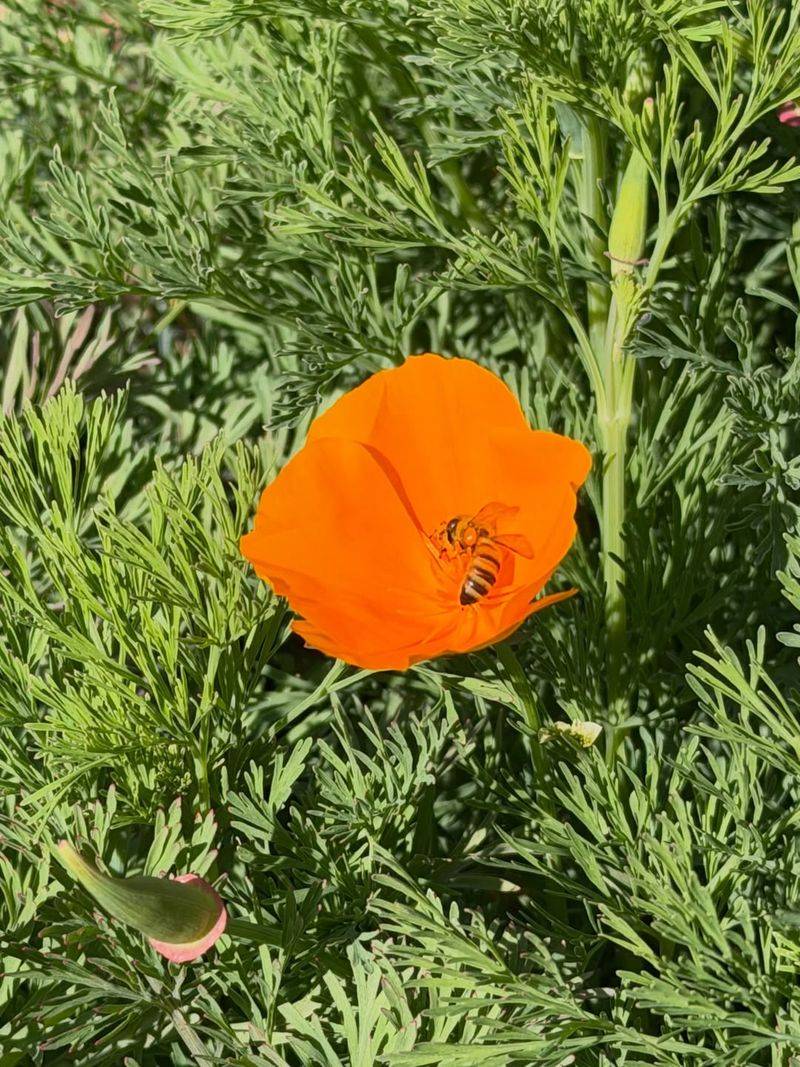
Sunlight is the secret ingredient that makes a pollinator patch thrive. Most native California plants and the pollinators that love them need at least six hours of direct sun each day.
Before you plant anything, spend a day watching how the sun moves across your yard.
Pick the brightest spot you can find, even if it is small. A 4×4 foot patch is plenty to get started.
Raised beds and large containers also work well if your ground space is limited. California summers are warm and dry, so choosing a spot with good drainage will keep your plants healthy and prevent root rot.
Avoid areas that sit in deep shade or collect standing water after rain. Wind can also be tough on small plants, so a spot near a fence or wall can offer some protection.
Once you find your sunny location, clear away weeds and loosen the soil before planting. Starting with the right location sets your whole pollinator garden up for success.
A well-chosen spot means healthier plants, more blooms, and a steady stream of bees and butterflies visiting your California yard all season long.
2. Choose California Native Flowers
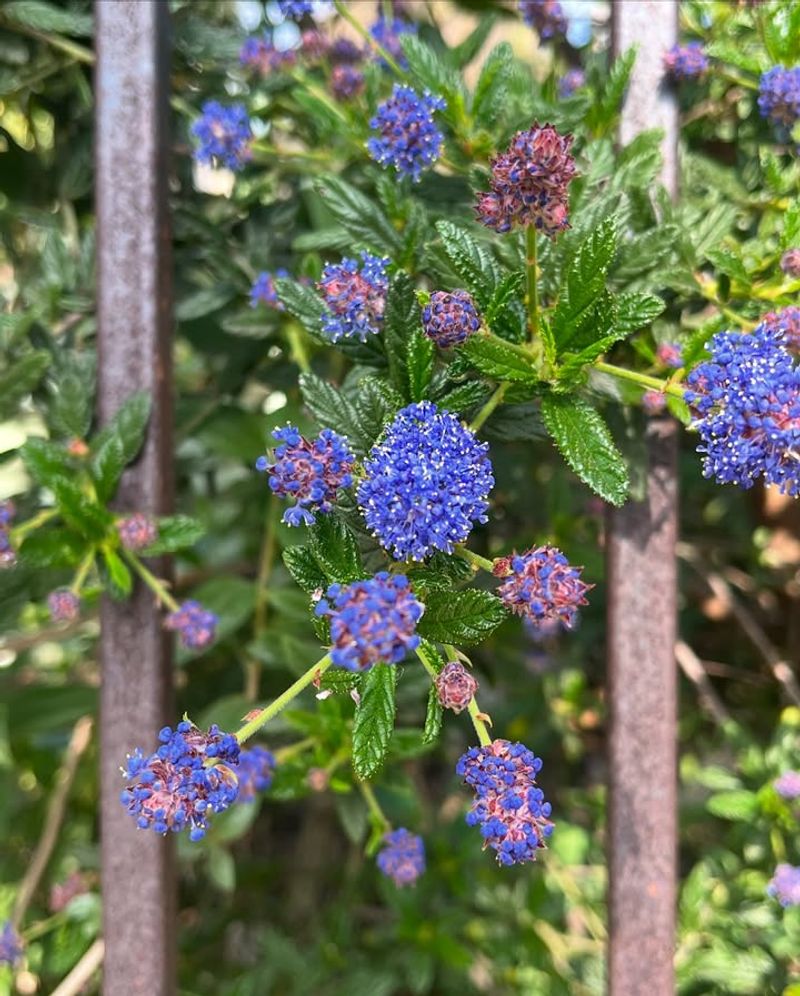
Nothing attracts local pollinators quite like the plants they evolved alongside. California native flowers like California poppies, lupines, penstemons, and buckwheat are perfectly suited to the state’s warm, dry climate.
They are also naturally adapted to local soils, which means they need far less water and care than non-native plants.
Bees, butterflies, and hummingbirds recognize native blooms by their scent, color, and shape. That familiarity keeps pollinators coming back to your yard again and again.
Native plants also tend to be tougher and more resistant to pests, making them a smart choice for low-maintenance gardening anywhere in California.
Some great beginner-friendly options include California fuchsia, coyote mint, yarrow, and sage. These plants are widely available at native plant nurseries across the state.
The Xerces Society even offers native plant kits specifically designed for small spaces in Southern California, which takes the guesswork out of shopping. Mixing several species together creates a richer, more welcoming environment for pollinators.
You will be amazed at how quickly native flowers attract visitors once they start blooming in your California yard.
3. Plant For Season-Long Blooms
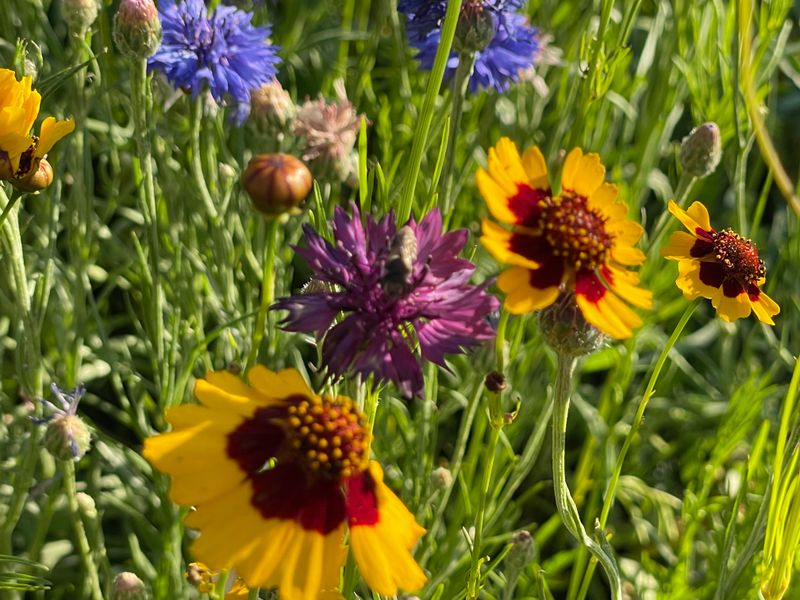
Pollinators need food from early spring all the way through late fall, and sometimes even into winter in warmer parts of California. If your patch only blooms for a few weeks, bees and butterflies will move on to find better sources.
Planning for season-long blooms keeps your garden busy and buzzing for months.
Start with early bloomers like blue-eyed grass and wild lilac, which flower in late winter and spring. Follow those with summer stars like black-eyed Susans, coneflowers, and California fuchsia.
Then round out the season with fall bloomers such as goldenrod and asters, which give pollinators a late-season energy boost before cooler weather arrives.
Writing out a simple bloom calendar before you plant can help you spot any gaps in your schedule. Aim to have at least two or three species flowering at any given time throughout the year.
Even in a tiny California yard, rotating blooms across the seasons creates a reliable food source that pollinators can count on. A well-timed garden is like a year-round buffet, and once word gets out among the local bees, your patch will never be empty.
4. Mix Flower Shapes And Sizes
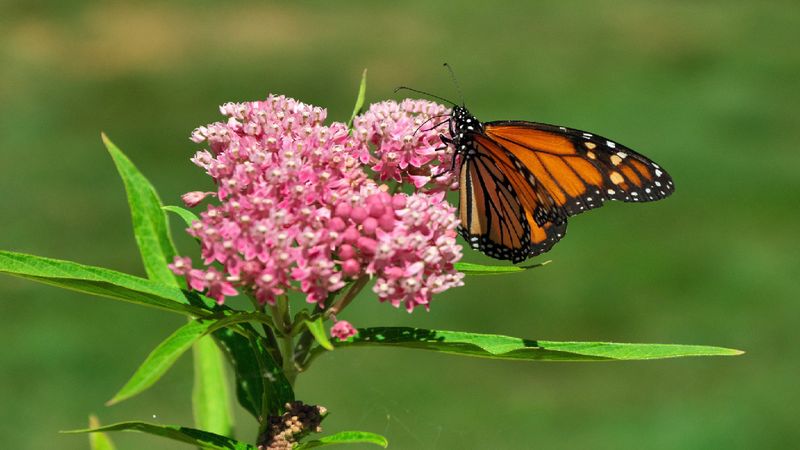
Not all pollinators feed the same way. Honeybees and bumblebees love flat, open flowers that give them easy access to nectar and pollen.
Hummingbirds prefer long, tubular blooms they can hover in front of. Butterflies often land on wide, flat flower clusters that give them a stable platform to feed from.
Mixing flower shapes and sizes in your California patch means you are rolling out the welcome mat for a much wider variety of visitors. Tall spiky flowers like salvia and penstemon attract hummingbirds and long-tongued bees.
Low, spreading plants like yarrow and buckwheat bring in smaller native bees and beetles. Daisy-shaped flowers are crowd-pleasers that seem to attract almost everything.
Varying plant heights also adds visual interest to your garden and creates layers of habitat. Taller plants can provide a windbreak for smaller ones.
Shorter ground-level plants offer landing spots and shelter for insects moving through the garden. Think of your pollinator patch as a tiny ecosystem where every shape and height serves a purpose.
The more variety you include, the more diverse and lively your California yard will become throughout the blooming season.
5. Group Plants In Small Clusters
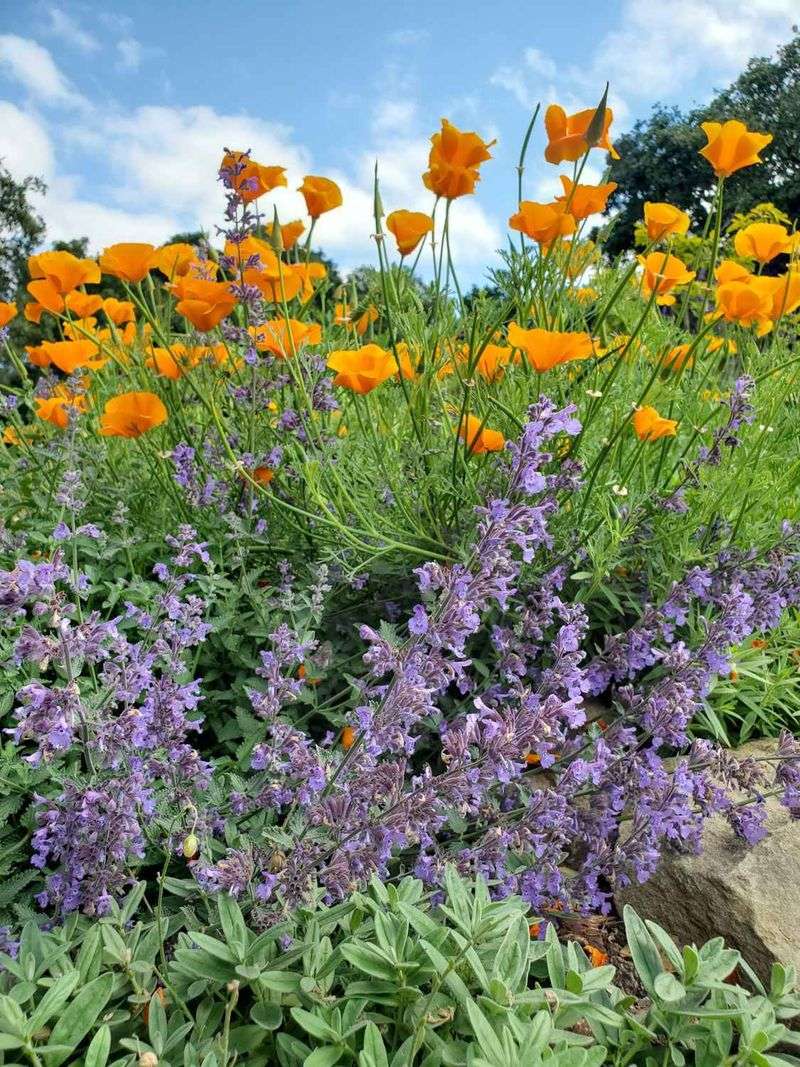
Planting in clusters is one of the smartest tricks for attracting pollinators to a small space. When you group three to five plants of the same species together, the visual signal becomes much stronger.
Pollinators can spot a bold patch of color from far away, and they are more likely to visit and stay when there is plenty to feed on in one spot.
Scattered single plants are easy to miss. A cluster of bright purple salvia or a group of golden California poppies creates a beacon that bees and butterflies simply cannot ignore.
Clustering also makes your garden look more intentional and beautiful from a design standpoint, which is a nice bonus for your California outdoor space.
You do not need a lot of room to make this work. Even in a container garden or a narrow strip of soil along a fence, you can plant small groupings side by side.
Leave a little space between clusters so each plant has room to grow and air can circulate. As plants mature and fill in, your clusters will merge into a lush, layered display.
Pollinators will quickly learn that your yard is a reliable and rewarding stop on their daily route.
6. Add A Shallow Water Source
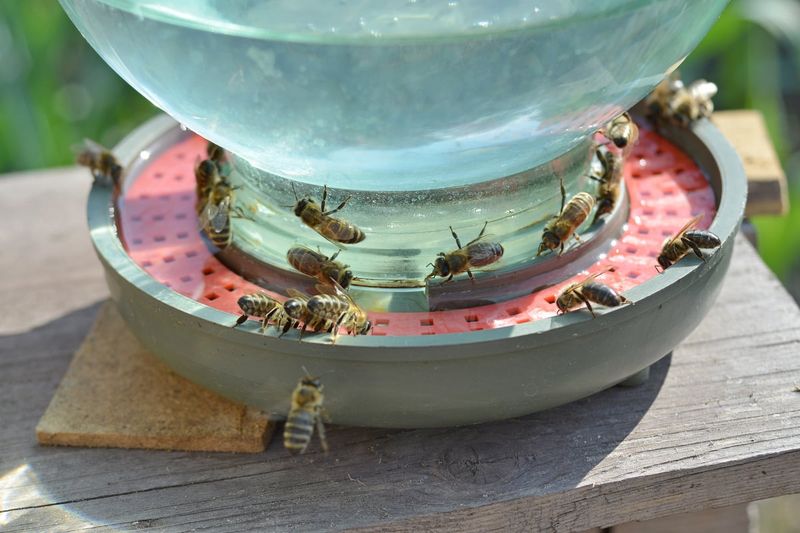
Water is just as important as flowers when it comes to supporting pollinators. Bees need water to cool their hives, mix with pollen, and stay hydrated on hot California summer days.
Butterflies sip from shallow puddles to absorb minerals. Without a water source nearby, even the most beautiful pollinator patch falls short of its potential.
A simple shallow dish or birdbath works perfectly. Fill it with clean water and add a few smooth stones or marbles so bees and butterflies have a safe place to land without falling in.
Change the water every two to three days to keep it fresh and prevent mosquito breeding. Place your water source in a shaded spot nearby so it stays cooler longer during warm California afternoons.
You can also try a drip feature or a small fountain, which pollinators find especially attractive because moving water is easy to locate by sound. Even a pie plate filled with wet sand works as a simple butterfly puddling station.
The key is keeping the water shallow and accessible. Once pollinators discover your water source, they will return to your California yard regularly, and your patch becomes a complete habitat rather than just a garden.
7. Avoid Pesticides In The Patch
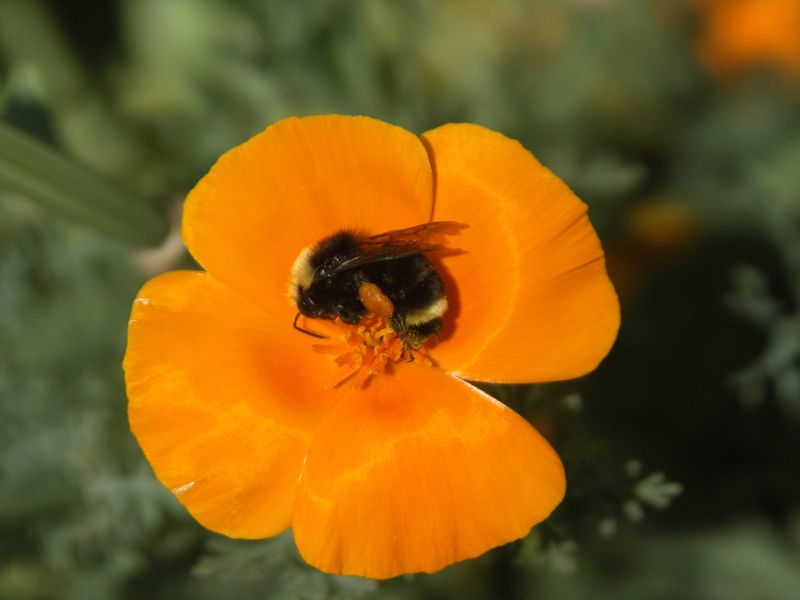
Pesticides and pollinators are a bad combination. Even products labeled as safe for plants can seriously harm bees, butterflies, and other beneficial insects.
Neonicotinoids, one of the most widely used types of pesticide, are especially dangerous because they can linger in soil and plant tissue long after application. Avoiding all pesticides in your pollinator patch is one of the most important steps you can take.
The good news is that a well-planted native garden rarely needs chemical help. California native plants are naturally resistant to many local pests, and a healthy garden ecosystem tends to regulate itself.
Beneficial insects like ladybugs and lacewings help keep pest populations in check without any intervention from you.
If you do spot a pest problem, try hand-picking insects off leaves, using a strong spray of water, or applying insecticidal soap only as a last resort and only away from blooming flowers. Never spray when bees are actively foraging.
Keeping your California pollinator patch completely pesticide-free creates a genuinely safe space for the creatures you are trying to attract.
Over time, a chemical-free garden becomes more balanced and self-sustaining, requiring less work from you and offering more rewards for the pollinators that call it home.
8. Leave Space For Beneficial Insects
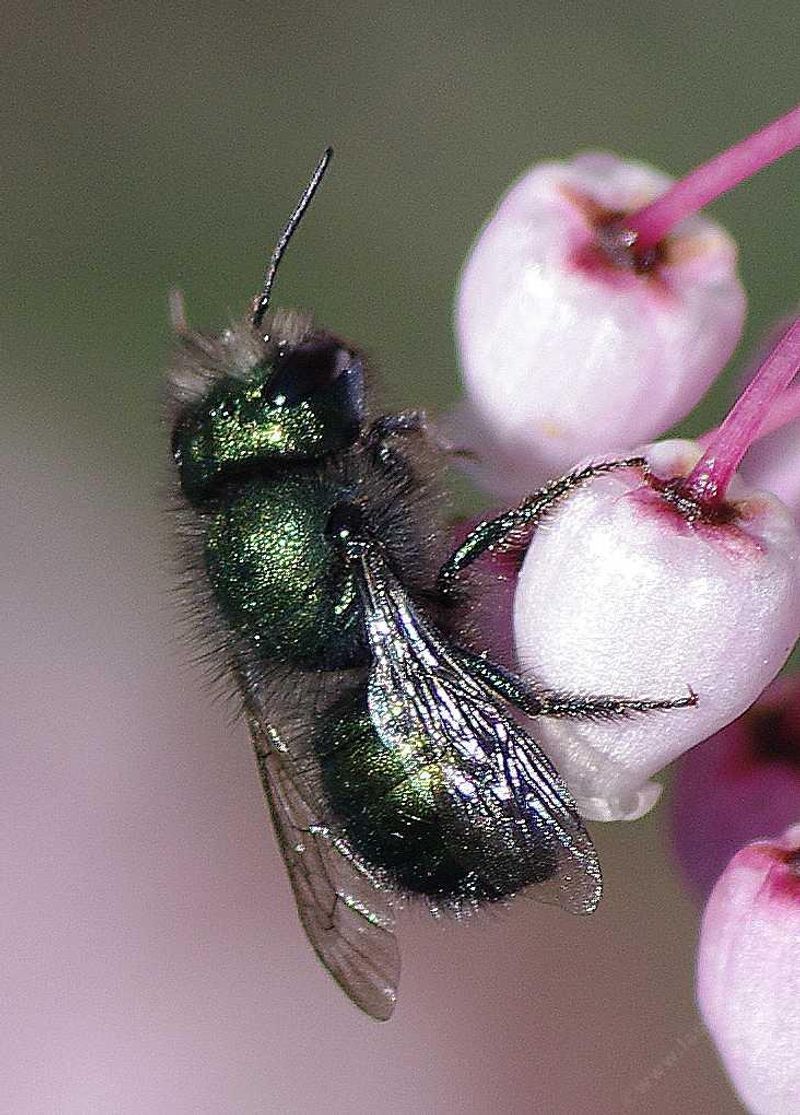
About 70 percent of California’s native bees nest in the ground, not in hives. That means bare patches of soil are actually valuable real estate for pollinators.
Leaving a small area of undisturbed, loose soil in your yard gives ground-nesting bees a safe place to lay eggs and raise young.
Hollow stems and dead wood are equally important. Cavity-nesting bees like mason bees and leafcutter bees look for small tunnels to nest in.
You can support them by leaving dried plant stems standing through winter instead of cutting everything back in the fall. A simple bundle of hollow bamboo tubes or a store-bought bee house also works well and adds a charming look to your California garden.
Brush piles and leaf litter provide shelter for beetles, lacewings, and other beneficial insects that help your garden stay balanced. Resist the urge to keep everything perfectly tidy.
A little wildness goes a long way when it comes to supporting insect biodiversity. Think of these untidy corners as tiny wildlife refuges within your yard.
The more habitat features you include, the richer and more active your California pollinator patch will become throughout the year.
9. Keep The Patch Blooming Year-Round
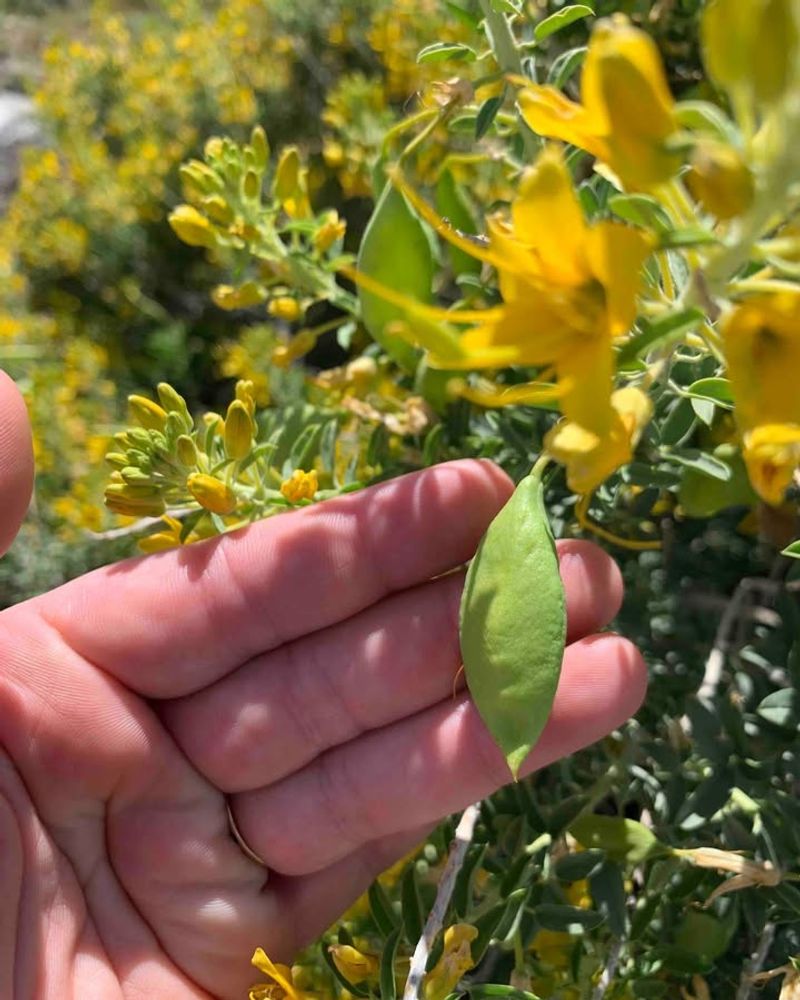
One of the most rewarding things about gardening in California is that the mild climate makes year-round blooming genuinely possible.
Unlike colder states where gardens go completely dormant, a well-planned California yard can support pollinators in every season.
That is a huge advantage worth taking full advantage of.
After your fall bloomers fade, look for winter-flowering natives like manzanita and toyon, which provide nectar during the quieter months.
Early-blooming plants like coffeeberry and native willows bridge the gap between winter and spring, giving early-emerging bees something to feed on before the main season kicks off.
Keeping notes on what blooms when in your yard helps you fill in any gaps the following year.
Regular deadheading, which means removing spent flowers, encourages many plants to produce new blooms and extend their season. Light pruning after flowering also keeps plants tidy and healthy without removing next season’s growth.
Watering consistently during California’s dry summers is essential for keeping plants strong and blooming. A year-round pollinator patch does more than just look beautiful.
It becomes a living, breathing part of your local ecosystem, supporting wildlife through every season and making your California yard a place worth visiting, for you and for every pollinator in the neighborhood.