How To Build A Garden Vision Board For Your Oregon Yard
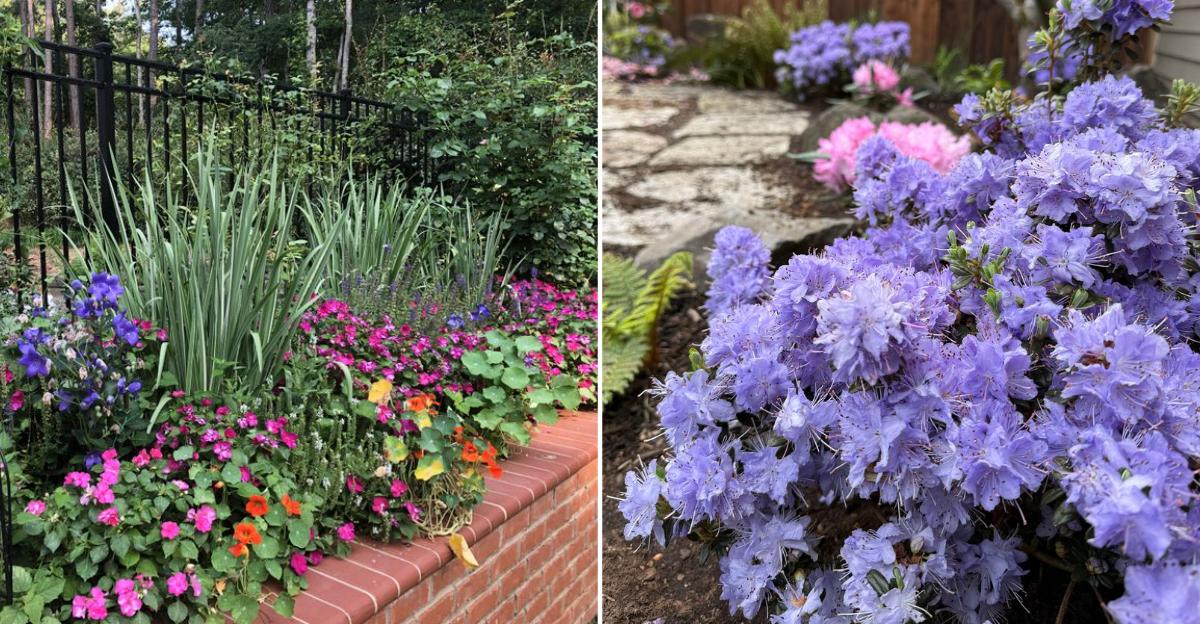
Planning a beautiful Oregon garden can feel overwhelming with so many plants, styles, and layouts to consider. One of the best ways to bring your ideas together is by creating a garden vision board.
It’s a simple, fun way to clarify what you want for your yard and make your dream garden feel more achievable.
Even if you’re new to gardening, a vision board helps you see the bigger picture. You can combine photos of plants you love, color palettes, garden structures, and even seasonal planting ideas all in one place.
It’s a visual guide that makes planning easier, reduces mistakes, and keeps you inspired throughout the year.
Creating a vision board doesn’t require fancy tools, just some magazines, printed images, or digital tools on your phone or computer.
You can include plants that thrive in Oregon’s climate, highlight areas for pollinators, or plan out spaces for vegetables, flowers, and relaxation.
Let’s walk through how to build a garden vision board for your Oregon yard. With this approach, you’ll gain a clearer plan, feel more confident about your choices, and set yourself up for a garden that’s beautiful, functional, and uniquely yours.
Decide What You Want Your Yard To Feel Like
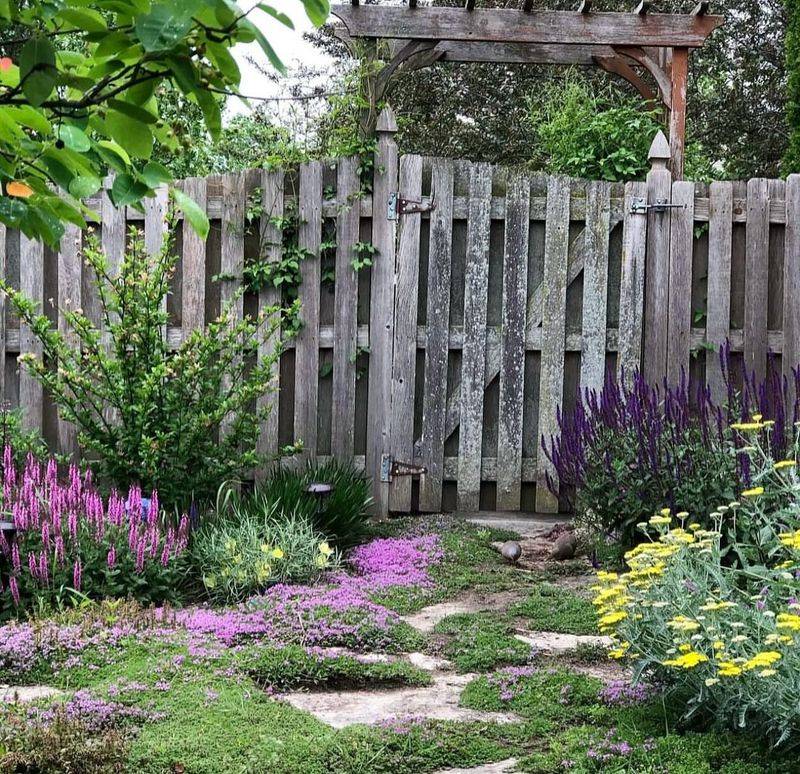
Before you pin a single garden photo or sketch out a planting bed, take a moment to think about how you want your yard to feel when you step outside. Do you want a calm retreat after work, a lively space for weekend gatherings, or a productive garden that feeds your family?
Naming that feeling helps you filter out ideas that look pretty but don’t match your lifestyle.
Oregon’s weather gives you plenty of moody, cozy months and bright summer days, so think about which seasons you’ll use your yard most. If you love being outside even in the rain, you might want covered seating or pathways that stay clean.
If summer evenings are your thing, focus on shade, seating, and plants that bloom when the weather’s warm.
Write down three or four words that capture the vibe you’re after, words like peaceful, colorful, low-maintenance, kid-friendly, or wild. Keep those words visible while you build your vision board.
They’ll help you stay focused when you’re tempted to add every gorgeous garden photo you see. Your yard should feel like yours, not like someone else’s magazine spread.
Gather Inspiration That Fits Oregon’s Climate
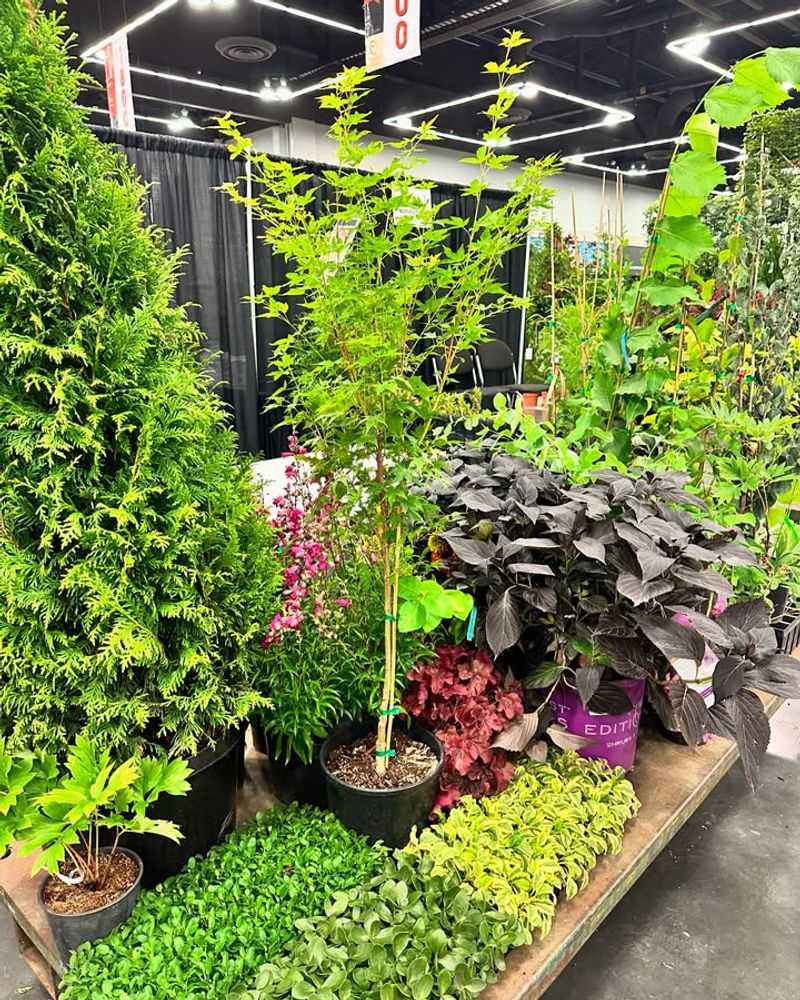
Once you know the feeling you’re going for, start collecting images that match Oregon’s reality. Gorgeous desert gardens and tropical patios might look amazing, but they won’t survive our wet winters or dry summers without a ton of extra work.
Look for inspiration from Pacific Northwest gardens, Portland garden tours, or local landscape designers who understand our Zone 8 or 9 conditions.
Pinterest is a great starting point, but don’t stop there. Save photos from neighborhood walks, snap pictures of yards you admire, and screenshot posts from local gardening groups on Facebook.
Print them out if you’re making a physical board, or save them to a folder on your phone if you’re going digital. The goal is to gather real examples that can actually thrive here.
Pay attention to plants that look healthy and happy in Oregon gardens, rhododendrons, ferns, hydrangeas, lavender, and ornamental grasses are all solid choices. Notice hardscape materials like gravel, pavers, and wood that handle moisture well.
Your vision board should reflect what works in your climate, not just what looks pretty in a magazine from Arizona.
Choose A Color Palette That Works Outdoors
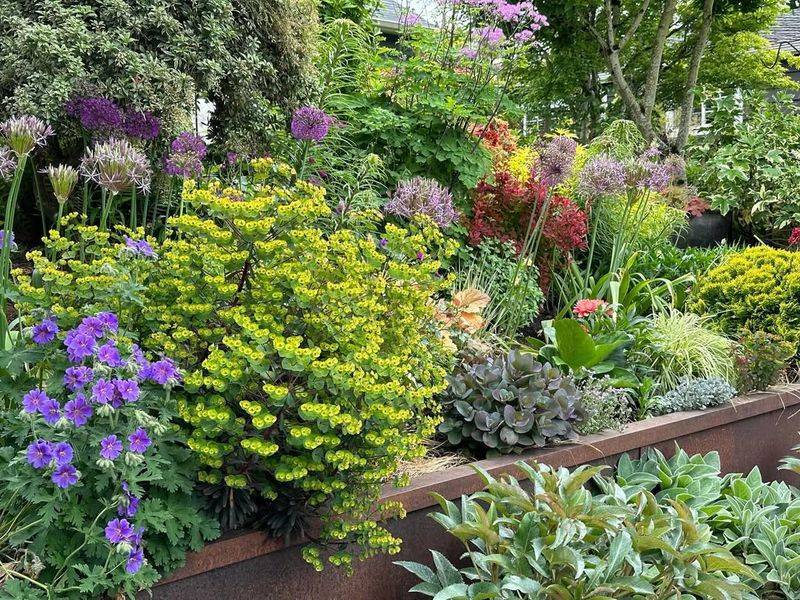
Gardens look more cohesive when they follow a color palette, just like interior design. You don’t need to overthink this, but picking a few colors you love will help your vision board feel intentional instead of random.
Think about flower colors, foliage tones, and even the color of your house, fence, or patio furniture.
Oregon’s natural landscape leans green and earthy, so many homeowners choose palettes that complement that backdrop. Soft purples, whites, and blues feel calm and cottage-like.
Warm oranges, yellows, and reds bring energy and brightness during our gray months. Deep greens with pops of burgundy or chartreuse create drama without feeling overwhelming.
As you build your vision board, group images by color family. You’ll start to see patterns in what you’re drawn to.
Maybe you keep saving photos with white blooms and silver foliage, or maybe you’re all about bold, colorful borders. Once you identify your palette, it’s easier to choose plants, pots, cushions, and decor that all work together.
Your yard will look polished without feeling matchy or forced.
Identify Your Yard’s Strengths And Challenges
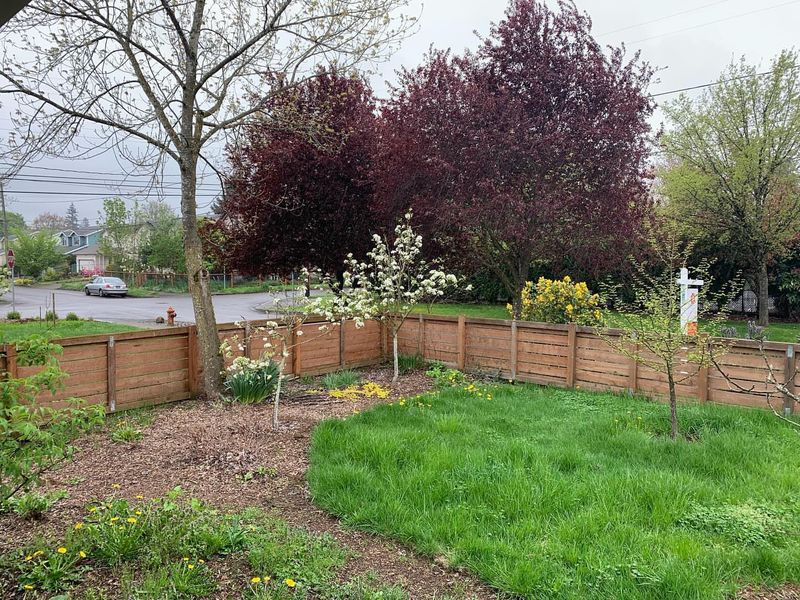
Every Oregon yard has quirks. Maybe yours has a shady corner that stays damp all winter, a sunny patch that bakes in July, or a slope that’s hard to mow.
Before you commit to a vision, take an honest look at what you’re working with. Walk around your yard at different times of day and notice where the sun hits, where water pools, and where the soil feels hard or soggy.
Make notes or take photos of problem spots. Mark them on a simple sketch if that helps.
Then look for inspiration that solves those challenges instead of ignoring them. If you have a soggy area, search for rain garden ideas or plants that love wet feet.
If your yard is mostly shade, focus on ferns, hostas, and woodland-style gardens.
Your vision board should include solutions, not just pretty pictures. Find examples of retaining walls for slopes, gravel paths for muddy zones, or raised beds for poor soil.
Oregon gardens thrive when they work with the land instead of fighting it. Celebrate what your yard does well, and plan around the rest.
Create Zones For How You Use The Space
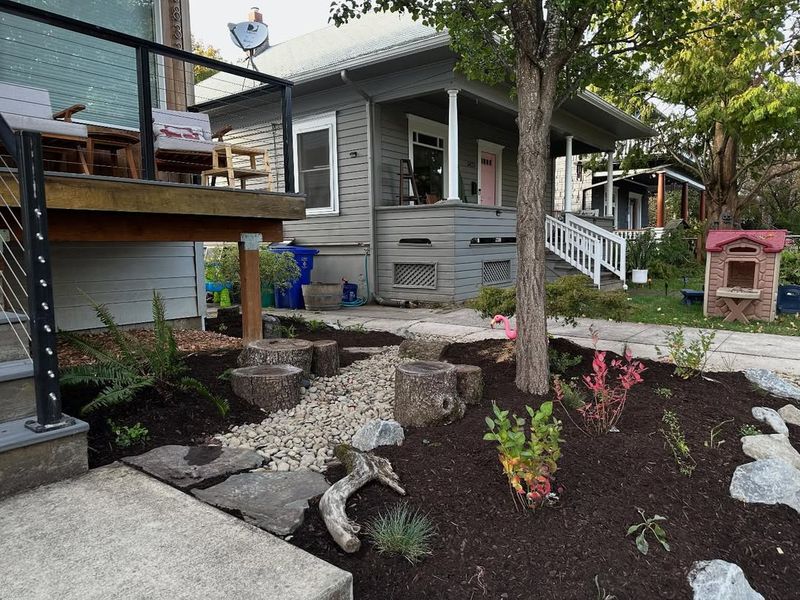
Your yard isn’t just one big blank canvas, it’s a collection of zones that serve different purposes. Maybe you need a play area for kids, a vegetable garden, a spot for the dog, and a place to sit with your morning coffee.
Naming those zones helps you organize your vision board so it’s not just a jumble of pretty plants.
Sketch a rough map of your yard and label each zone. Then gather inspiration for each one separately.
Pin dining patio ideas in one section, vegetable garden layouts in another, and play area designs in a third. This keeps your board organized and makes it easier to see how everything fits together.
Oregon’s weather means you’ll want some zones that work year-round and others that shine in specific seasons. A covered patio extends your outdoor time into fall and spring.
A fire pit makes chilly evenings cozy. Evergreen plants keep your yard looking good even in winter.
Think about how you actually live outside, not just how you want it to look in June. Your vision board should reflect real life, not just Instagram goals.
Pick Plant Styles And Hardscape Features
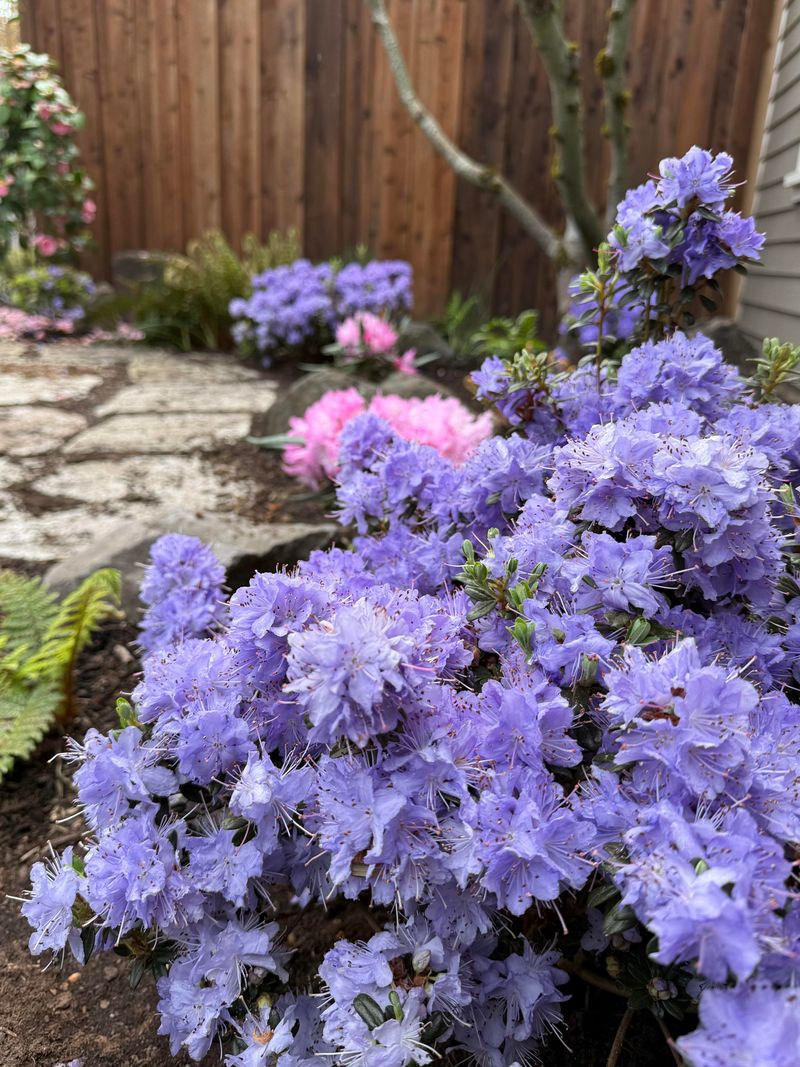
Now comes the fun part, choosing the look and feel of your plants and hardscape. Do you want a cottage garden packed with flowers, a modern minimalist design with clean lines, or a naturalistic meadow vibe?
Your plant style sets the tone for everything else, so pick one that matches the feeling you identified at the start.
Look for images that show plant combinations, not just single specimens. Notice how grasses pair with perennials, how shrubs create structure, and how ground covers fill in gaps.
In Oregon, you can mix evergreens for year-round interest with deciduous plants that change with the seasons. Add photos of pathways, fences, arbors, or edging that match your style too.
Hardscape features like patios, retaining walls, and pathways are the bones of your garden. They’re also the most expensive and permanent parts, so choose materials that fit your budget and aesthetic.
Gravel is affordable and drains well. Pavers look polished but cost more.
Wood feels warm but needs maintenance in our damp climate. Your vision board should balance plants and hardscape so your yard feels complete, not just planted.
Organize Everything Into One Visual Board
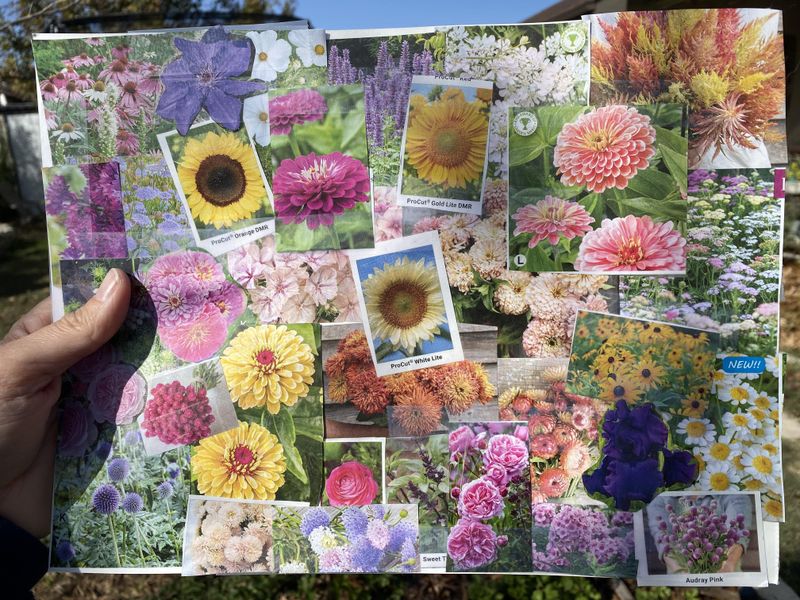
You’ve gathered all your inspiration, now it’s time to pull it together into one cohesive board. Whether you’re using a physical poster board, a digital Pinterest board, or a design app, the goal is to see everything in one place so you can spot patterns and gaps.
Arrange your images by zone, by color, or by priority, whatever makes sense to you.
If you’re going physical, grab a big piece of foam board or poster board from a craft store. Print your favorite photos and pin or glue them down.
Add fabric swatches, paint chips, or plant tags if you have them. Physical boards are great because you can hang them in your garage or kitchen and see them every day.
If you prefer digital, create a private Pinterest board or use a free tool like Canva. Digital boards are easy to update and share with a partner or landscaper.
Either way, step back and look at the whole board. Does it feel like your yard? Does it match the feeling you wanted? Does it look doable for your budget and timeline? This is your chance to edit before you start spending money or digging holes.
Turn Your Vision Board Into An Action Plan
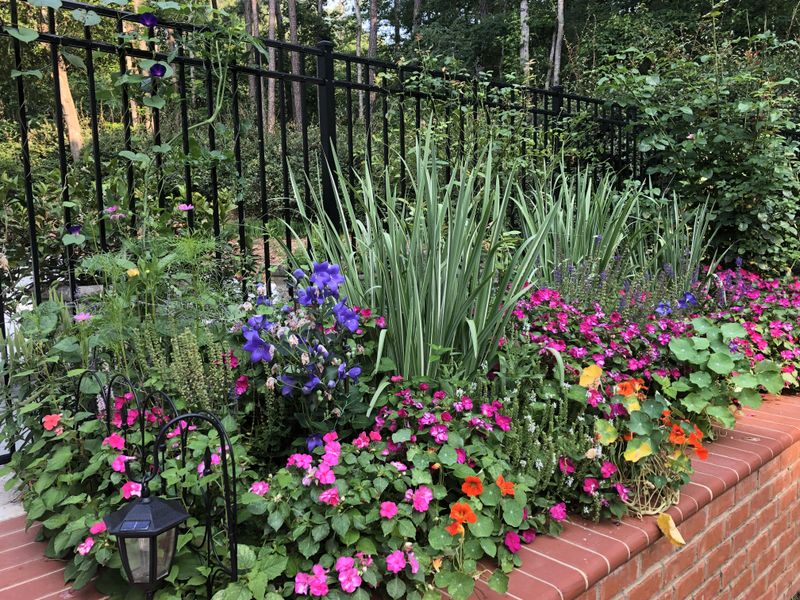
A vision board is inspiring, but it’s not a plan until you break it into steps. Look at your board and decide what needs to happen first. Hardscape usually comes before planting. Big trees and shrubs go in before perennials.
Soil prep happens before anything else. Write down a simple timeline that spreads the work across seasons or even years.
Oregon’s planting calendar is your friend here. Fall is ideal for planting trees, shrubs, and perennials because the rain does the watering for you.
Spring is great for starting seeds and adding annuals. Summer is for maintaining and enjoying, not for installing new beds in the heat. Use your vision board to create a shopping list, a planting schedule, and a budget.
Don’t feel like you have to do everything at once. Most Oregon gardens are built in phases, one bed this year, a patio next year, new trees the year after.
Your vision board keeps you on track so each phase moves you closer to the finished picture. Celebrate small wins, and remember that gardens take time to fill in and mature.
Your vision board isn’t just a dream, it’s your roadmap to a yard that finally feels complete.