How To Build A Low-Maintenance Native Garden In North Carolina This Spring
Some North Carolina gardens seem to take care of themselves, even through heat, rain, and seasonal swings. The difference often comes down to plant choice.
Native plants are already adapted to North Carolina’s soils, rainfall patterns, and changing temperatures, so they tend to need less watering and upkeep once established.
From the Blue Ridge Mountains to the coastal plains, there are native options suited to almost every yard.
Spring offers a great window to get started, giving plants time to settle in and build strong roots before summer conditions become more demanding.
1. Start With Native Plants That Match Your Local Region
North Carolina stretches across three very different landscapes, and what grows well in the mountains near Asheville may struggle on the coastal plain near Wilmington.
The Piedmont, which sits between these two regions, has its own mix of red clay soils, humid summers, and mild winters that favor certain plants over others.
Knowing your region before you buy a single plant can save you a lot of time, money, and frustration down the road.
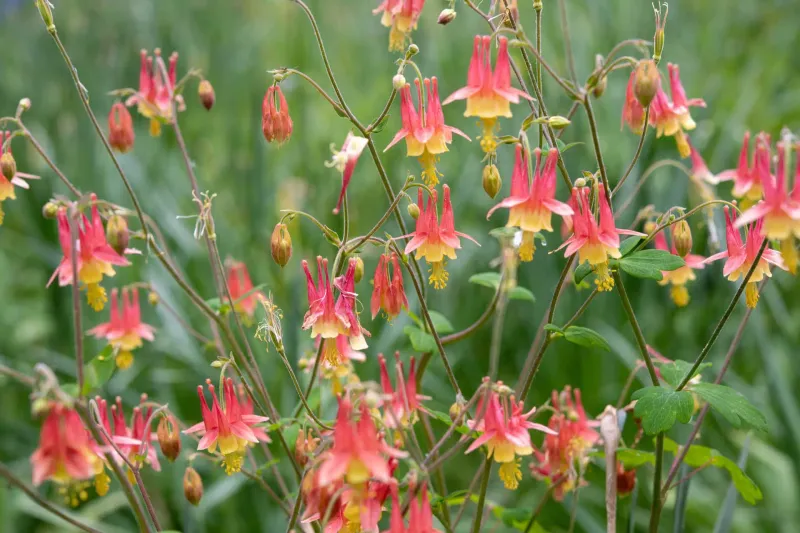
Mountain gardeners in western North Carolina tend to do well with plants like wild columbine, mountain laurel, and Fraser magnolia, which are suited to cooler temperatures and higher elevations.
Coastal gardeners can lean on yaupon holly, wax myrtle, and seaside goldenrod, which handle salt spray and sandy soil without complaint.
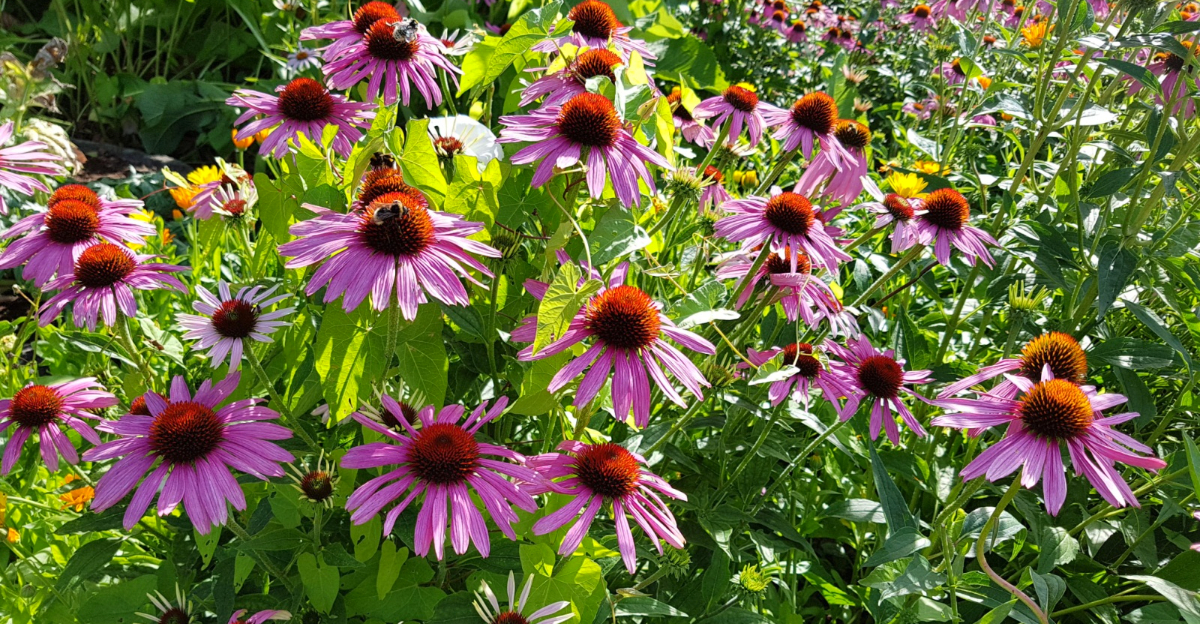
Piedmont gardeners have a wide selection, including beautyberry, eastern redbud, and coneflower.
Visiting a local native plant nursery or a botanical garden with a North Carolina native section can give you a clear picture of what thrives near you.
Regional plant lists from local organizations are also helpful starting points. Matching your plant choices to your specific region is one of the most effective ways to reduce long-term garden maintenance from the very beginning.
2. Test And Understand Your Soil Before Planting
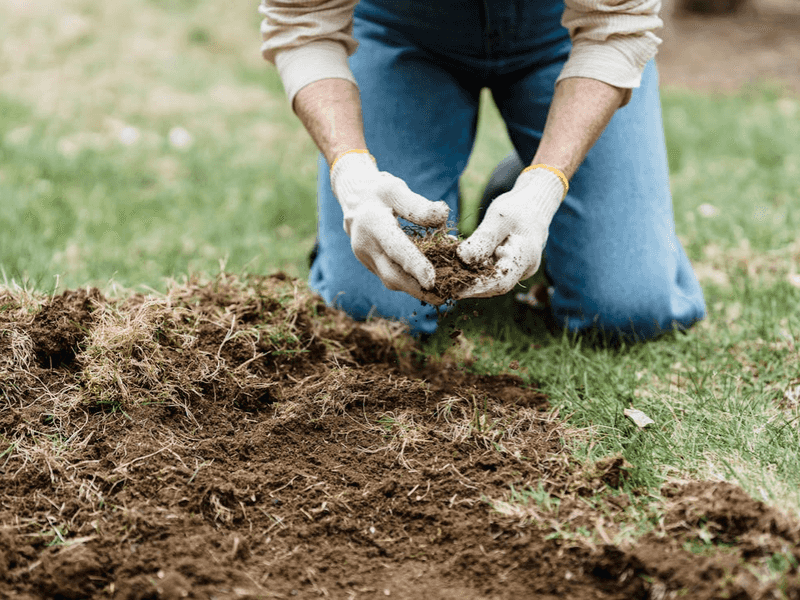
Red clay dominates much of the North Carolina Piedmont, and it can feel like a frustrating obstacle when you are trying to establish a new garden.
But many native plants actually tolerate clay soil reasonably well once you understand how to work with it rather than against it. The key is knowing what you have before you start digging holes and dropping plants in.
A basic soil test can reveal your soil’s pH level, nutrient content, and organic matter percentage.
North Carolina’s soils tend to be naturally acidic, which suits plants like blueberries, mountain laurel, and wild azaleas very well.
If your pH is off for certain plants, small amendments like lime or sulfur can bring it closer to the right range without requiring a major overhaul of your garden beds. Drainage is another factor worth evaluating.
Spots that hold water after rain can rot the roots of plants that prefer well-drained conditions, so observing your yard during a spring rainstorm is genuinely useful.
Low spots can be planted with moisture-loving natives like swamp rose or buttonbush instead.
Understanding your soil removes a lot of guesswork and helps you choose plants that will establish quickly and stay healthy with minimal intervention over time.
3. Choose Plants Suited To Sun And Shade Conditions
Sunlight mapping might sound like something only professional landscapers do, but spending one day noting which parts of your yard get full sun, partial shade, or deep shade can completely change how successful your garden becomes.
Many gardeners plant sun-loving natives in shady spots and then wonder why the plants look scraggly or refuse to bloom.
Light conditions are one of the most common reasons a plant underperforms despite good soil and regular watering.
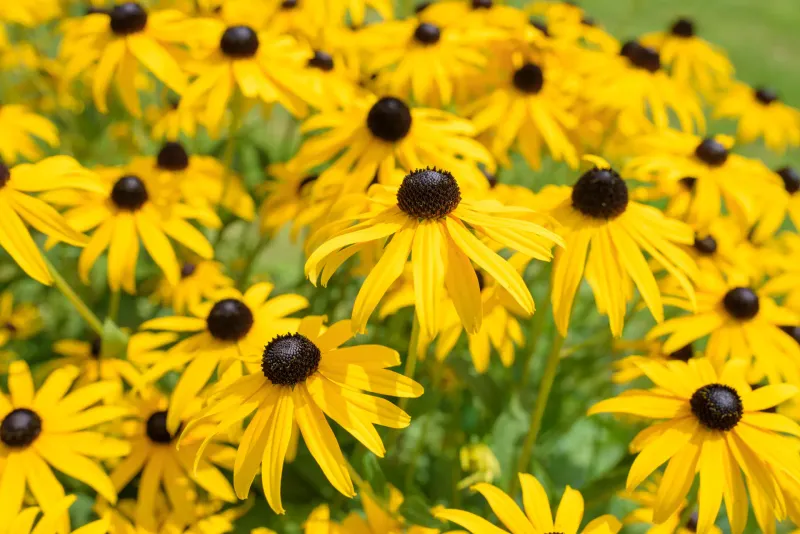
For sunny spots that receive six or more hours of direct light, North Carolina natives like black-eyed Susan, purple coneflower, and butterfly weed are reliable performers that also attract pollinators.
Partially shaded areas, which get three to six hours of sun, suit plants like wild blue phlox, spiderwort, and oakleaf hydrangea.
Deep shade under mature trees is a trickier environment, but native options like wild ginger, green-and-gold, and Christmas fern can fill those spots beautifully. Seasonal changes matter too.
A spot that gets full sun in February may become deeply shaded by June once deciduous trees leaf out.
Observing your yard across different seasons before finalizing your plant list helps you avoid surprises.
Choosing plants that genuinely match your light conditions means less stress on the plants and less corrective work for you later.
4. Group Plants By Water Needs To Reduce Maintenance
Watering is one of the biggest time investments in any garden, but smart plant grouping can cut that work down significantly.
When plants with similar water requirements grow near each other, you can water one zone efficiently without over-watering drought-tolerant plants or under-watering thirsty ones.
This concept, sometimes called hydrozoning, is straightforward to apply even in a small backyard.
North Carolina’s rainfall is fairly generous overall, averaging around 40 to 50 inches annually depending on the region, but summer dry spells are common and can stress newly planted natives.
Grouping drought-tolerant plants like wild bergamot, little bluestem grass, and lance-leaved coreopsis in drier, sun-exposed beds means those areas may need little to no supplemental watering once plants are established.
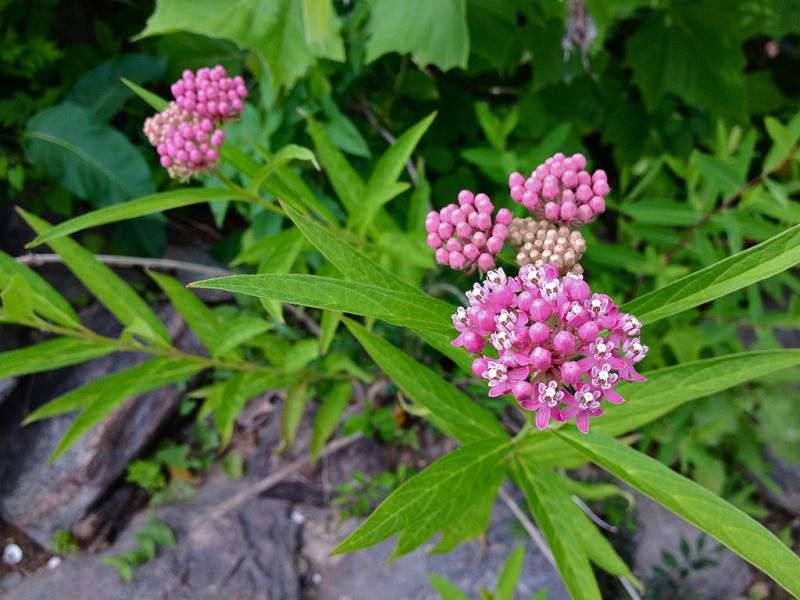
Moisture-tolerant natives like swamp milkweed, cardinal flower, and Virginia willow can be clustered near downspouts or low-lying areas that naturally collect water.
During the first growing season, even drought-tolerant natives benefit from consistent watering to help roots develop.
After that first year, well-grouped plantings often take care of themselves through North Carolina’s natural rainfall cycle.
Keeping a simple sketch of your garden zones and noting which plants go where makes the process less overwhelming and sets you up for genuinely low-maintenance seasons ahead.
5. Plant In Spring For Strong Root Establishment
Timing matters more than most gardeners expect, and spring in North Carolina offers a narrow but valuable window for getting new plants into the ground.
Soil temperatures begin warming in March and April across much of the state, which encourages root growth before the heat of summer arrives.
Plants that go in during this period have several months to spread their roots before they face the stress of hot, dry conditions.
Unlike fall planting, which is also a solid option in North Carolina, spring planting lets you watch your plants through the full growing season and catch any problems early.
You will see how they respond to your soil, how much water they need, and whether they are in the right light conditions, all while the weather is still relatively mild.
That visibility makes it easier to adjust before small issues become bigger ones. Early spring is also when native plant nurseries restock their inventory, giving you the widest selection of locally sourced plants.
Look for plants that are compact and well-rooted rather than large and root-bound, since smaller plants often establish faster.
Water new plantings deeply at least once a week during dry spells for the first eight to twelve weeks, and you will likely be rewarded with strong, healthy growth well before the first summer heat wave rolls through.
6. Use Mulch To Retain Moisture And Suppress Weeds
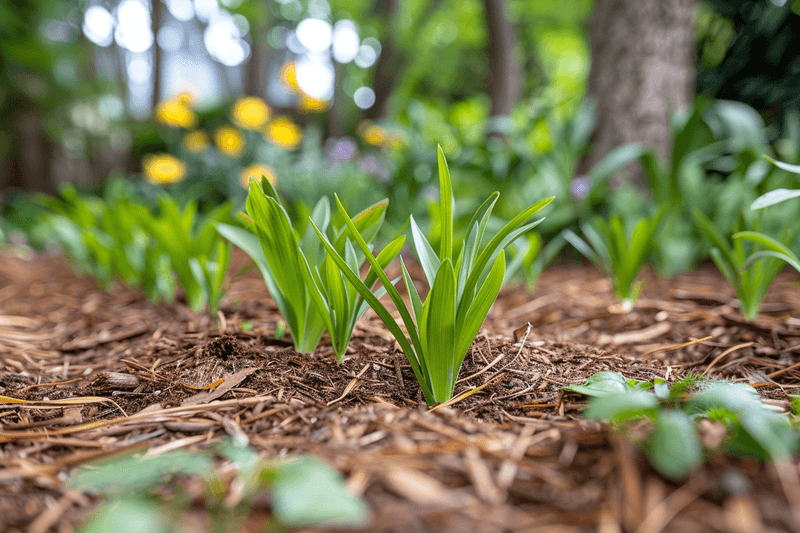
Few garden practices offer as much return for the effort as mulching, and it is especially valuable in North Carolina where summer heat can dry out soil quickly.
A two to three inch layer of shredded hardwood mulch around your plants acts like a blanket, slowing moisture evaporation and keeping soil temperatures more stable during heat waves.
That moisture retention alone can reduce how often you need to water during dry summer stretches. Weed suppression is the other major benefit.
Bare soil is an open invitation for weeds, and in North Carolina’s warm, humid climate, they can appear and spread faster than you might expect.
Mulch blocks the sunlight that weed seeds need to germinate, cutting down significantly on the time you spend pulling unwanted plants from your garden beds.
It also breaks down slowly over time, adding organic matter to the soil and improving its texture and fertility.
Shredded hardwood mulch, pine straw, and wood chips are all commonly used options across North Carolina.
Pine straw is particularly popular in the Piedmont and coastal regions, partly because it is locally abundant and affordable.
Avoid piling mulch directly against plant stems or tree trunks, since that can trap moisture and encourage rot.
Refreshing your mulch layer once a year in spring is usually enough to keep your native garden looking tidy and functioning well.
7. Reduce Lawn Space To Lower Long-Term Upkeep
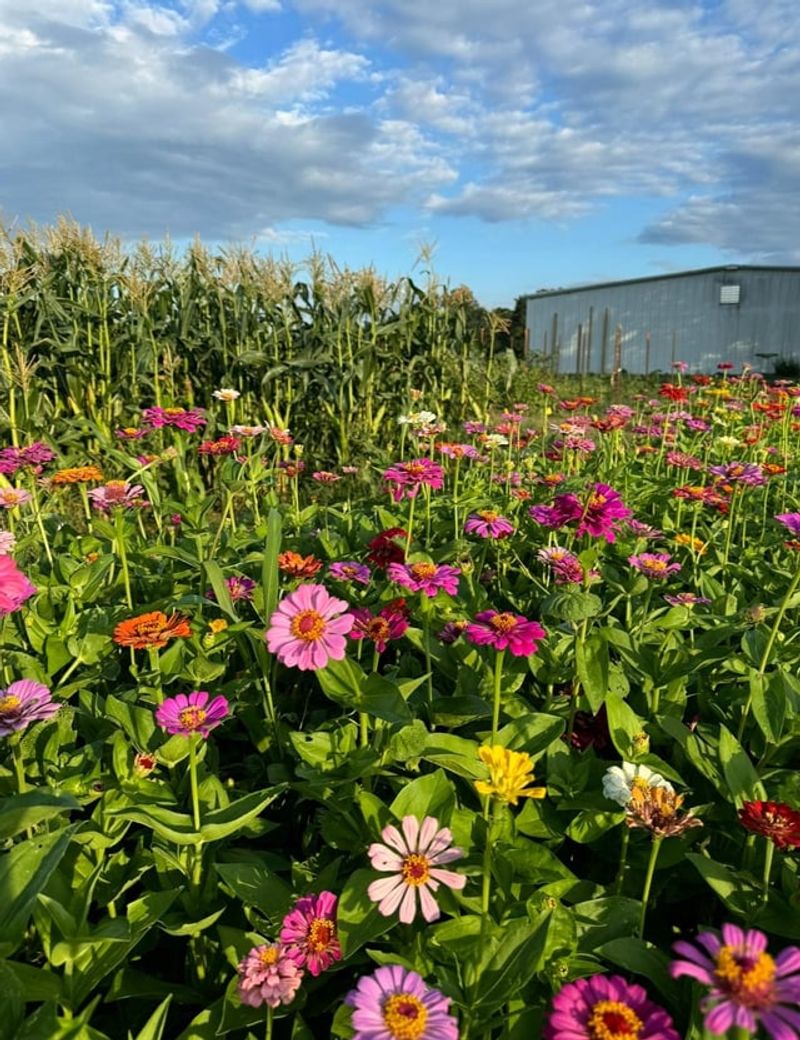
Traditional lawns are among the most resource-intensive parts of any landscape, demanding regular mowing, fertilizing, watering, and weed control to stay looking neat.
Replacing even a modest portion of lawn with native plantings can noticeably reduce the time and money you spend maintaining your yard each season.
Many North Carolina homeowners have found that swapping out a sunny patch of struggling turf grass for a native meadow planting transforms a high-maintenance zone into something that practically cares for itself.
Starting small makes the transition feel manageable. Choosing one or two areas where the grass already struggles, perhaps under a large tree or along a dry slope, and converting those spots to native ground covers or low-growing shrubs is a practical first step.
Plants like Carolina jessamine, native sedges, or creeping phlox can cover ground effectively while requiring far less intervention than turf grass.
From a practical standpoint, less lawn also means less fuel, less time on the mower, and fewer bags of clippings to deal with on weekends.
Native plantings also tend to develop deep root systems over time, which helps with soil stability and reduces erosion on slopes that lawn grass sometimes struggles to hold.
The transition does not have to happen all at once, and even gradual reductions in lawn area can make a real difference in your weekly yard care routine.
8. Select A Mix Of Trees, Shrubs, And Perennials
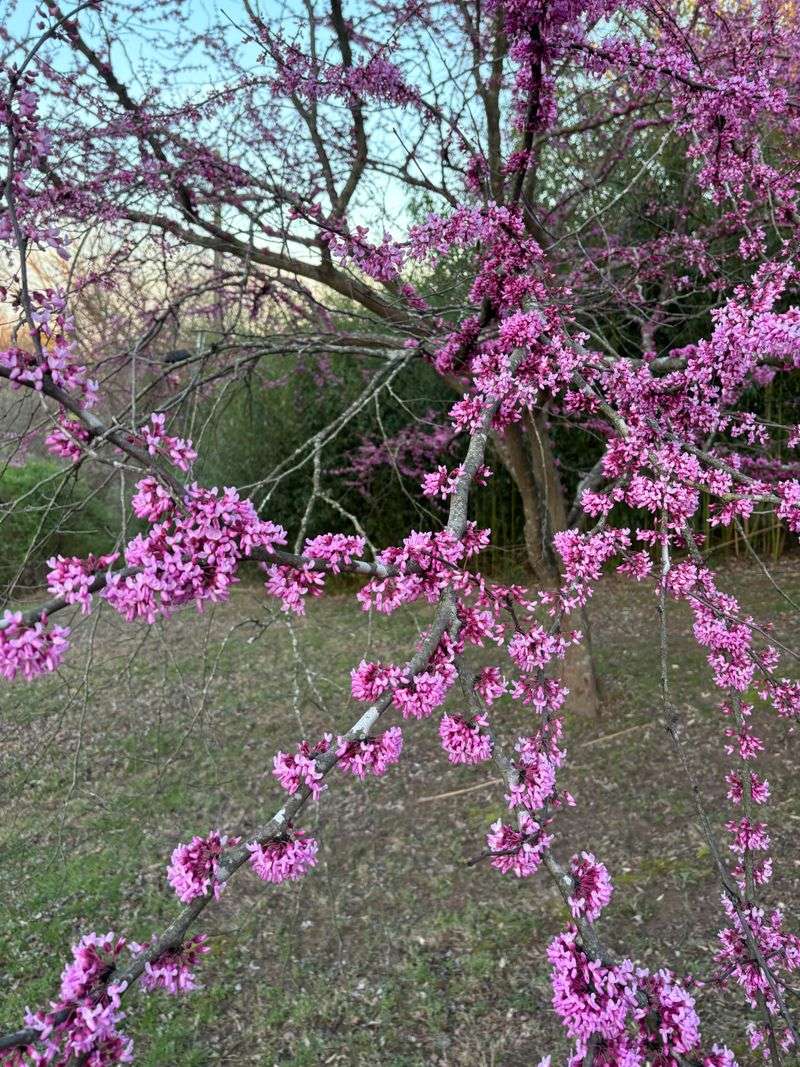
A garden built around a single plant type tends to feel flat and requires more attention than one that mimics the layered structure of a natural woodland or meadow.
Combining native trees, shrubs, and perennials creates visual interest at multiple heights while also providing overlapping ecological benefits.
Each layer supports a different set of insects, birds, and other wildlife, making your garden more resilient and more alive throughout the year.
In North Carolina, small native trees like the eastern redbud and serviceberry are excellent anchor plants for a mixed garden.
They provide early spring flowers, summer shade, and fall fruit for birds, all without growing so large that they overwhelm a typical backyard.
Native shrubs like Virginia sweetspire, inkberry holly, and buttonbush fill in the middle layer and provide seasonal interest from spring blooms through fall berries and winter structure.
Perennials like bee balm, wild geranium, and black-eyed Susan form the lower layer and can be mixed and matched to create color across multiple seasons.
Because each plant type has a different growth habit and root depth, layered plantings also tend to be more efficient with water and nutrients than single-species plantings.
The result is a garden that looks intentional and full without demanding constant replanting or intensive seasonal care.
9. Leave Space For Plants To Reach Mature Size
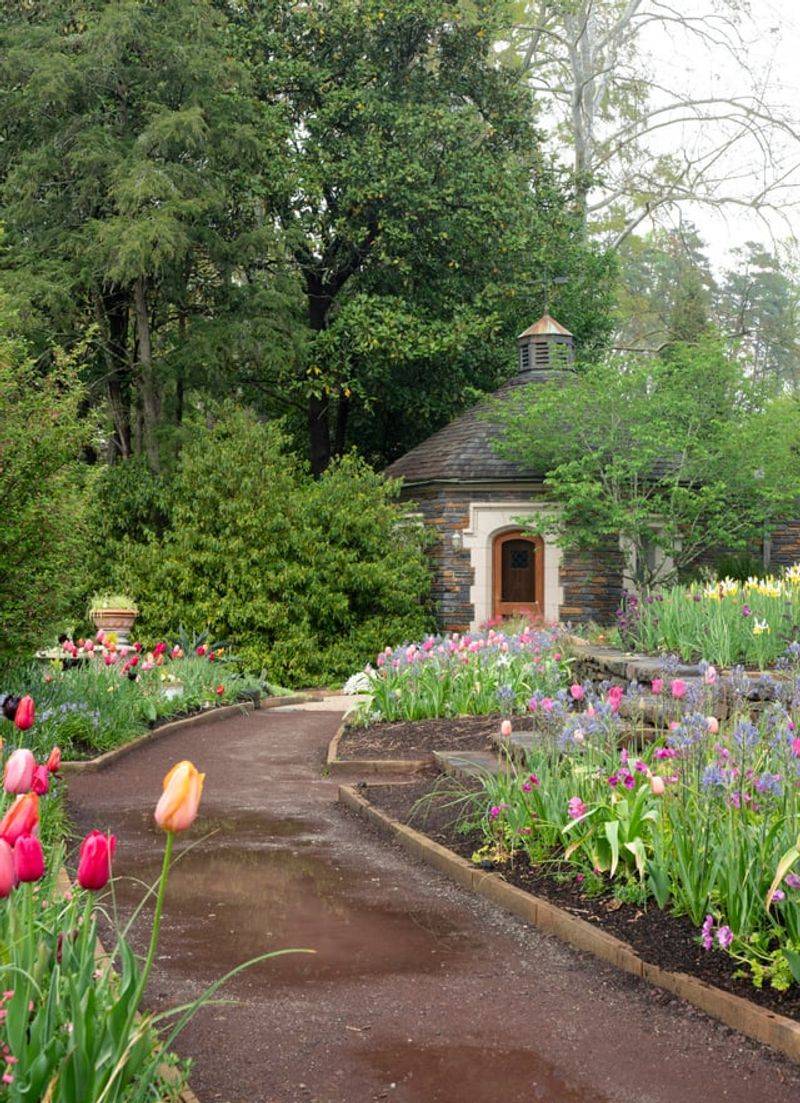
Overcrowding is one of the most common mistakes in new gardens, and it often happens because young plants look small and lonely when they first go in the ground.
The instinct to fill space quickly is understandable, but planting too close together creates competition for water, nutrients, and light as plants mature.
In North Carolina’s growing conditions, native shrubs and perennials can reach their full size faster than you might expect, especially after the first year of root establishment.
Reading mature size information on plant tags or in reputable plant guides before you plant is genuinely worth the time.
A Virginia sweetspire that looks compact at the nursery can spread three to five feet wide at maturity, and an oakleaf hydrangea can easily reach six feet in height and width in favorable conditions.
Planting these at their recommended spacing from the start saves you from having to divide, transplant, or remove crowded plants later.
Filling gaps between young plants with annual wildflowers or low-growing ground covers during the first few seasons is a practical way to keep beds looking full while permanent plants grow in.
As natives reach their mature size, those temporary fillers naturally get shaded out. The end result is a garden that fills in organically over two to three years without requiring major restructuring or replanting once plants hit their stride.
10. Support Pollinators With Season-Long Blooming Natives
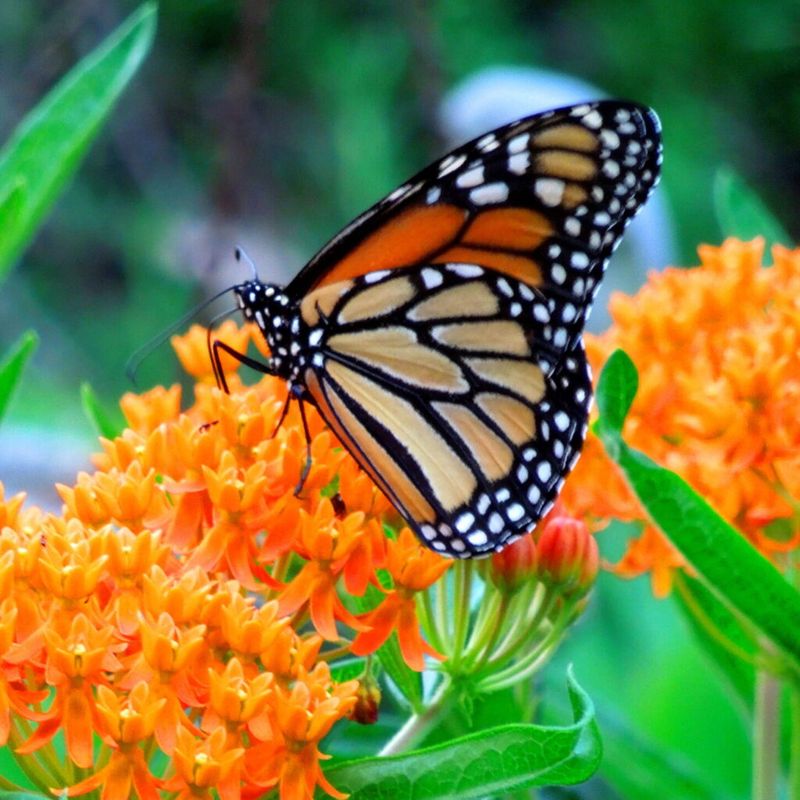
One of the most rewarding parts of a native garden is watching it come alive with bees, butterflies, and hummingbirds throughout the growing season.
North Carolina is home to a remarkable diversity of native pollinators, including hundreds of native bee species, and many of them depend on specific native plants for food and nesting.
Building a garden that offers nectar and pollen from early spring through late fall gives these beneficial insects a reliable food source across the entire season.
Spring bloomers like wild blue phlox, golden Alexanders, and native violets are among the first to provide food for early-emerging bees and butterflies.
Midsummer can be covered by bee balm, mountain mint, and purple coneflower, which are all reliable North Carolina natives that bloom heavily and attract a wide variety of pollinators.
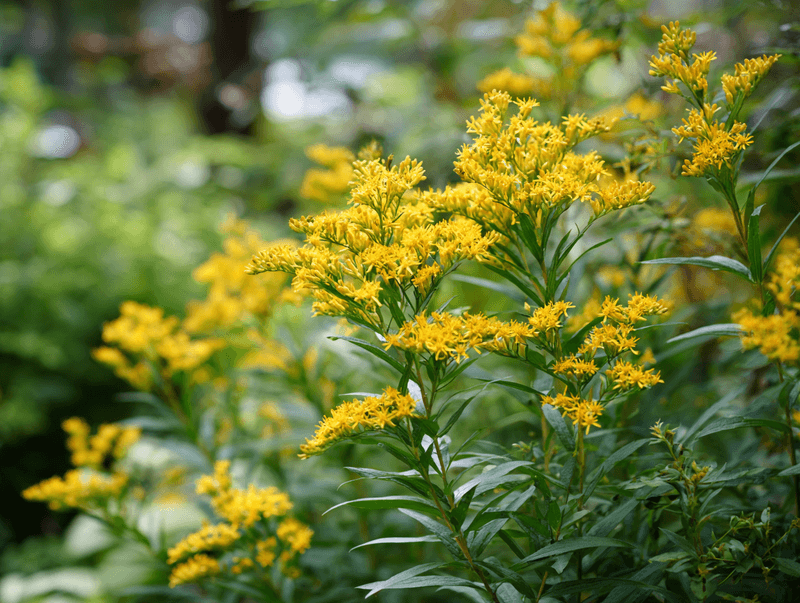
As summer fades into fall, native goldenrods and asters take over, providing some of the most important late-season nectar available to migrating monarchs and overwintering bees.
Leaving seed heads standing through winter rather than cutting plants back in fall also benefits birds like goldfinches and Carolina wrens that feed on seeds during colder months.
A season-long approach to blooming natives does not require a large or complicated garden to be effective.
Even a modest planting with three to five well-chosen species can make a meaningful contribution to North Carolina’s pollinator populations while keeping your garden lively and visually interesting from March through November.